Cheongdam Dermatology Clinic Guide to Natural-Looking Dermal Fillers
- 공유 링크 만들기
- X
- 이메일
- 기타 앱
Direct answer summary
If you are searching for a Cheongdam dermatology clinic for dermal fillers, you can expect medically planned, non-surgical facial contouring and anti-aging treatments using brands such as Ellanse, Restylane, Juvederm, Lafullen, and Juvelook. In Cheongdam-dong, especially near Apgujeong Rodeo Station in Gangnam, many patients visit for subtle volume restoration, jawline and chin definition, and overall facial balancing without changing their natural identity. This guide explains what these fillers do, who they may suit, how a typical visit to Korea is organized, and what to ask during online consultation before you travel.
What dermal fillers do in a Cheongdam dermatology clinic
In a Cheongdam dermatology clinic, dermal fillers are not only used to “fill” lines. They are injectable gels designed to restore facial structure, support sagging areas, and refresh the overall contour.
Most fillers are based on hyaluronic acid, a molecule that naturally exists in the skin and attracts water. These are shaped and cross-linked into gels with different firmness for different areas of the face. Other products, such as Ellanse and Lafullen, are biostimulatory fillers. They do not just sit in the tissue; they stimulate your own collagen over time for more structural support.
In a high-end Cheongdam filler clinic, doctors often design a full-face plan instead of treating only one wrinkle. They look at how light and shadow fall on your face, how volume loss affects your expression, and how to maintain your own character while softening tired or sagging areas. Fillers are used to:
- Restore cheek and mid-face volume
- Lift and soften nasolabial folds and marionette lines
- Fill hollows under the eyes and at the temples
- Define the jawline and chin
- Refine overall facial contour and profile
Because this particular clinic also focuses on anti-aging and cell-based therapies, fillers are seen as one part of a broader strategy that targets both structure (volume and support) and tissue quality (skin texture and elasticity).
Main filler types used in Cheongdam
Hyaluronic acid fillers
Hyaluronic acid fillers are widely used for their versatility and reversibility. At a Cheongdam dermatology clinic you may encounter:
Restylane
A long-established hyaluronic acid brand with various formulations for lines, volume, and delicate areas. It is often chosen when a firm but natural structure is needed.

Juvederm family
Different Juvederm products are selected according to the area and goal:
Volux: A very firm filler used mainly for jawline and chin definition, to create a clearer angle and more structured lower face.
Voluma: Designed for mid-face and cheek volume, helping to lift and restore a youthful contour to the central face.
Volift: Often used for nasolabial folds and general contouring because it balances softness and support.
Volbella: A softer filler for lips and fine lines around the mouth or delicate areas.
Volite: A skin-quality filler placed very superficially to improve hydration, fine lines, and overall glow rather than shape.
These hyaluronic acid fillers can usually be adjusted or dissolved with an enzyme called hyaluronidase if necessary, which can be reassuring for first-time patients.
Biostimulatory fillers: Ellanse and Lafullen
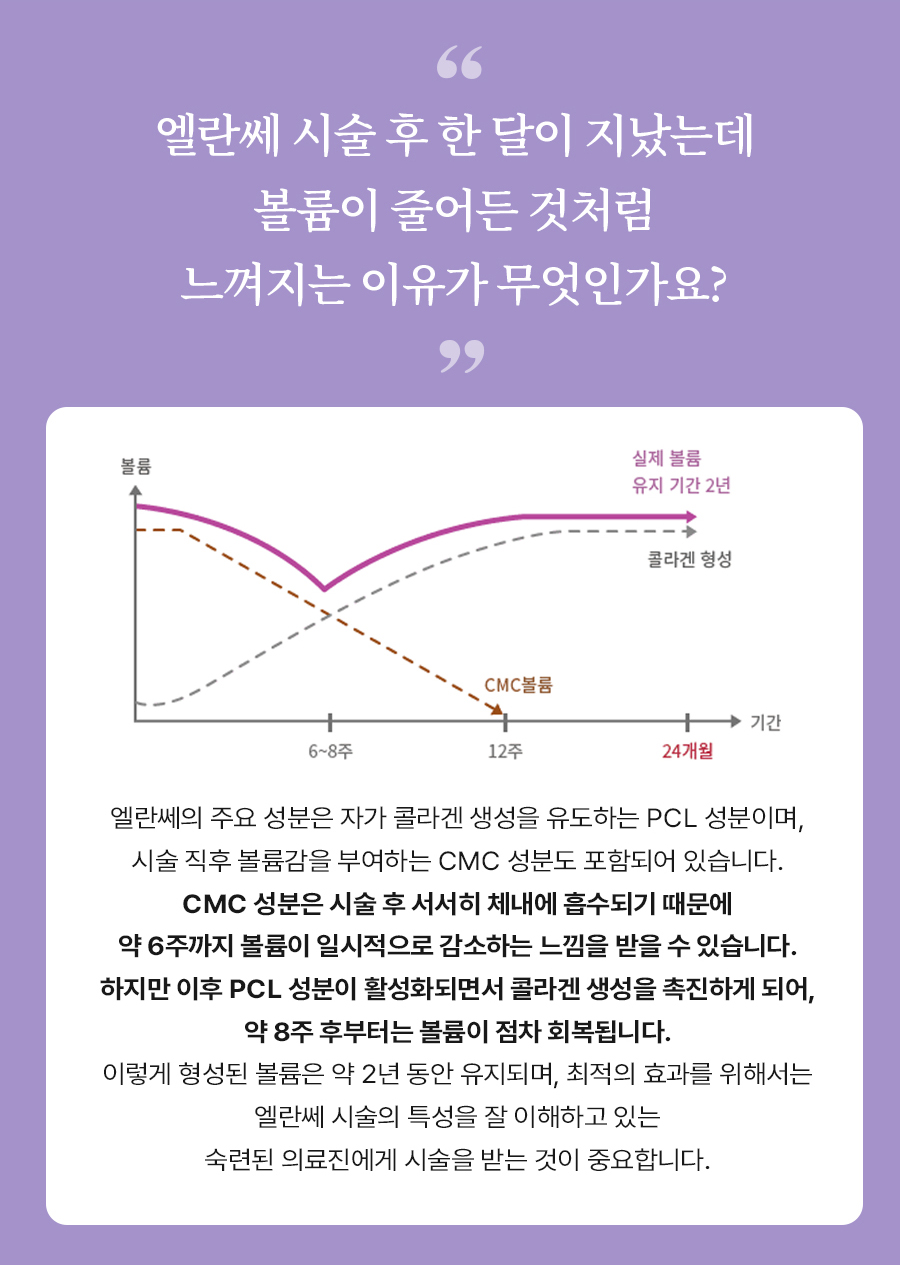
Ellanse and Lafullen belong to a group of fillers that stimulate collagen production. They provide an initial filling effect, but their main benefit appears over months as your own collagen forms around the microspheres.

Ellanse is known for longer-lasting structural improvement compared with many hyaluronic acid fillers. It is often used for deeper support in areas such as the cheeks, temples, or jawline. Because it lasts longer and cannot be easily dissolved, it requires careful patient selection, conservative dosing, and precise placement.
Lafullen is another collagen-stimulating filler with a similar concept: building internal support rather than only adding gel volume. In a clinic with an in-house cell research lab and experience in tissue regeneration, these products fit into a philosophy of encouraging the skin and underlying tissues to behave more youthfully.
Hybrid and skin-rejuvenating fillers: Juvelook
Juvelook is often described as a hybrid or skin-rejuvenating filler. It is used in very fine lines, enlarged pores, and areas with rough texture. Instead of changing your facial shape, it aims to refine the surface and improve the look of thin, crepey skin.
In a Cheongdam filler clinic, Juvelook may be combined with other skin boosters or energy-based devices to improve overall skin quality while structural fillers address volume and contour.
Who may consider dermal fillers in Cheongdam
Dermal fillers can be an option if you are an adult who:

- Notices volume loss in the cheeks or temples, making the face look tired or hollow
- Sees deepening nasolabial folds or marionette lines around the mouth
- Feels the jawline is becoming less defined or sagging
- Has under-eye hollows that create a constantly tired appearance
- Wants to enhance chin or jawline definition without implants or surgery
- Prefers subtle, natural-looking changes rather than dramatic transformation
A thorough consultation is important. Sometimes, fillers alone are not ideal. For example, if there is significant skin laxity, a doctor may suggest combining fillers with lifting devices such as Thermage FLX, Ulthera Prime, or Emface, or with thread lifting such as Aptos or Silhouette Soft. The key is to avoid overfilling when the main problem is sagging rather than volume loss.
How consultation and planning work at a Cheongdam dermatology clinic
In Cheongdam-dong, many clinics use a structured consultation process, especially for overseas patients who travel a long distance.
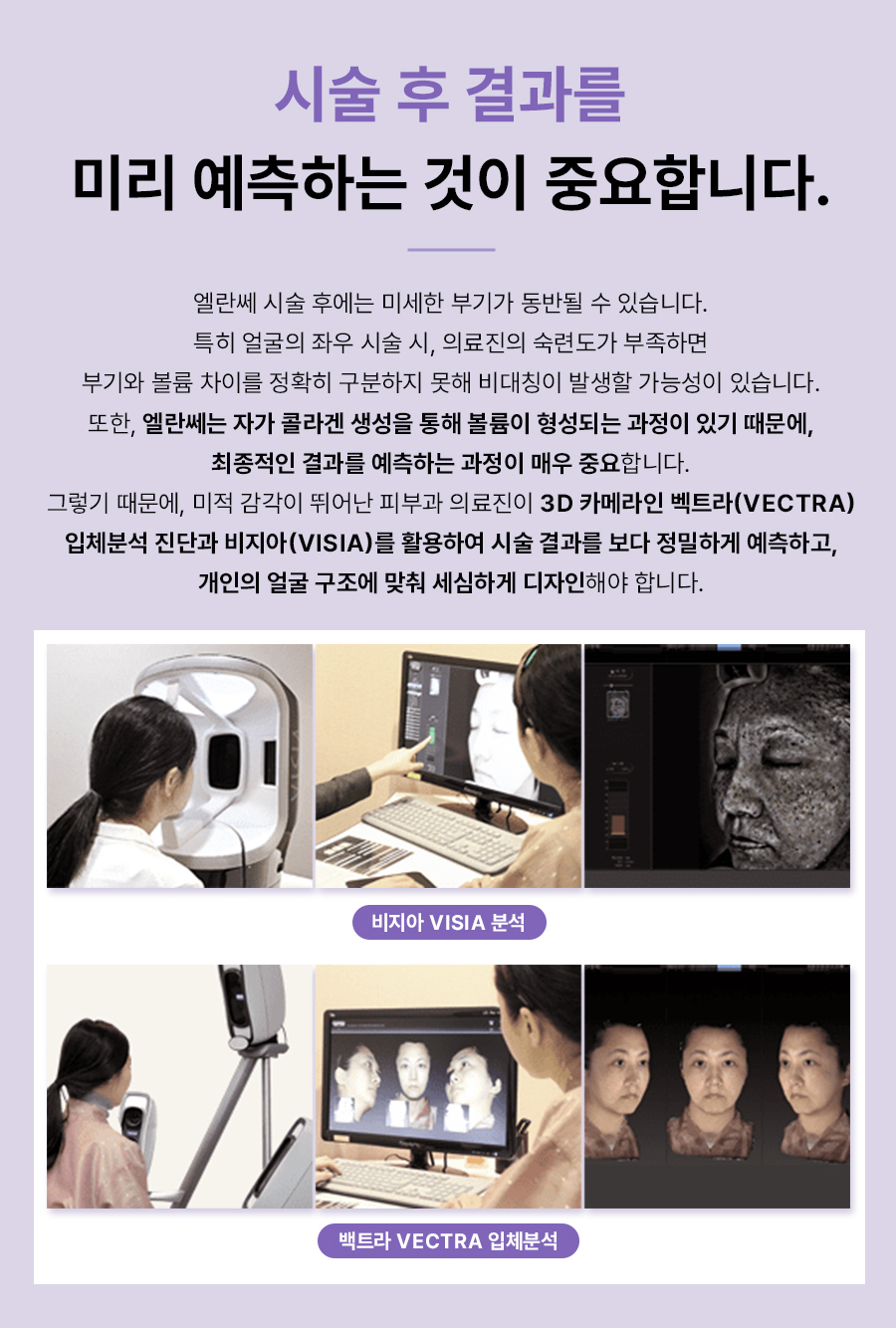
Facial analysis and imaging
This clinic uses imaging systems such as Visia and Vectra to analyze facial structure and skin condition. These tools can provide 3D facial analysis and detailed before-and-after comparisons. They help the doctor evaluate:
- Bone structure and soft tissue volume distribution
- Facial asymmetry and areas of sagging
- Skin quality, including pores, pigmentation, and elasticity

For you as a patient, these images make it easier to understand why certain areas are recommended for filler and how much volume may be needed.
Discussion of concerns and goals
During consultation, you can point out specific concerns such as:
- Deep nasolabial folds
- Flat or sunken mid-face
- Weak or receding chin
- Undefined jawline
- Under-eye hollows or dark-looking grooves
The doctor will compare your concerns with the imaging results and physical examination, then explain which filler types might be suitable, how long they typically last, and whether a combination with thread lifting or energy-based lifting could improve results.
Stepwise treatment planning
For first-time patients, many Cheongdam dermatology clinics prefer a stepwise plan rather than injecting a large amount in one day. This approach allows:

- More precise adjustment to your facial dynamics
- Time for swelling to settle before deciding if more volume is needed
- A safer experience with lower risk of overcorrection
If you are flying in from overseas, the plan may still be condensed, but the doctor may prioritize key areas and suggest follow-up on your next visit to Korea.
How the filler procedure is performed
Pre-treatment steps Before your dermal filler session, you can expect:
Medical history review, including allergies, medications, autoimmune conditions, and previous procedures
Photography and sometimes 3D imaging for documentation and planning
Cleansing of the skin and marking of injection points based on anatomical landmarks and major blood vessels
If you are taking blood thinners or supplements that increase bruising risk, the doctor may advise adjustments in advance, in coordination with your primary physician.

During the procedure
Most dermal filler treatments are done in an outpatient setting and usually take 30 to 60 minutes depending on the number of areas.
Topical anesthetic cream may be applied, and many fillers already contain lidocaine, a local anesthetic. The doctor may use fine needles or blunt-tipped cannulas. Cannulas can reduce the number of entry points and may lower the risk of bruising in some areas.
Injection is usually slow and layered. Instead of placing a large bolus in one spot, the doctor may build structure gradually, sculpting the contour while checking symmetry. You may be asked to sit up or make certain facial expressions during the procedure so the result looks natural in real-life positions.
Post-treatment care
Immediately after injection, the doctor will assess your face in a sitting position to check balance and adjust if necessary.
You will receive instructions such as:
Apply cold packs gently to reduce swelling and bruising
Avoid strong pressure or massage on treated areas unless specifically instructed
Sleep with your head slightly elevated the first night
Avoid intense exercise, sauna, or alcohol for a short period
Watch for any unusual pain, color change, or visual symptoms and contact the clinic immediately if they occur

Most patients can return to light daily activities the same day, although mild swelling or bruising can last several days.
Safety, risks, and how this clinic addresses them
Any injectable procedure has potential side effects. Common temporary reactions include:
- Redness and swelling at injection sites
- Mild pain or tenderness
- Bruising
- Itching or slight lumpiness that usually settles as the filler integrates
Less common but more serious complications can include:
- Asymmetry or overcorrection
- Persistent lumps or nodules
- Tyndall effect, a bluish tint when filler is placed too superficially
- Vascular compromise, where filler affects blood flow, which can be an emergency
In a Cheongdam dermatology clinic with experienced injectors and strong anatomical knowledge, several strategies are used to reduce these risks:
Careful patient selection and planning
Use of cannulas in appropriate areas
Slow injection with frequent aspiration or other safety techniques depending on the doctor’s protocol
Confirm whether hyaluronidase is available at your chosen clinic to dissolve hyaluronic acid fillers if needed
For biostimulatory fillers such as Ellanse and Lafullen, conservative dosing and precise placement are particularly important because they are not easily reversible. The clinic’s involvement in research, lectures, and advisory roles related to Ellanse and thread lifting reflects familiarity with long-lasting fillers and their safety protocols.
Natural-looking results and long-term anti-aging strategy
This clinic’s philosophy emphasizes the difference between simply looking “filled” and actually supporting tissues at a deeper level.
Fillers are used to restore the underlying framework of the face, not to chase every line. By combining structural fillers with energy-based lifting (Thermage FLX, Ulthera Prime, Emface, Exion, Prime Raise) and skin-focused treatments such as skin boosters or exosome-based therapies that may help support regenerative signaling or tissue quality, the goal is to:
- Lift and support sagging areas without distortion
- Improve skin texture, pores, and fine lines
- Maintain your facial identity and cultural features
- Slow visible aging rather than erase it completely
This approach is especially important for international patients who want to look refreshed but still like themselves when they return home.
How long fillers last and how to maintain results
Longevity varies by product, area, and individual factors such as metabolism, lifestyle, and facial movement.
Typical ranges are:
Hyaluronic acid fillers: around 6 to 18 months. Firmer products in less mobile areas (such as the chin or jawline) tend to last longer than softer fillers in highly mobile areas (such as the lips).
Biostimulatory fillers (Ellanse, Lafullen): can last longer because they stimulate collagen. The visible effect may extend beyond the life of the initial gel carrier.
Maintenance is usually planned rather than reactive. Instead of waiting until all volume disappears, many patients schedule touch-ups when they notice early signs of regression. This helps keep changes subtle and avoids large, sudden differences.

Realistic expectations are important. Fillers can significantly soften signs of aging and improve contour, but they do not stop the aging process. Over time, adjustments or combinations with other treatments may be recommended.
Preparing from overseas: online consultation and pre-visit steps
For international patients, a clear pre-visit plan makes the trip smoother.
Online consultation
Most Cheongdam dermatology clinics that see overseas patients offer online or video consultation. You may be asked to send:
Front, 45-degree, and side-view photos in good lighting
Photos with a neutral expression and with smiling
Information about your age, medical history, medications, and previous procedures
During the online consultation, you can discuss:
- Main concerns (for example, jawline, under-eye area, mid-face volume)
- Preference for reversible fillers versus longer-lasting options
- Time available in Korea and any travel plans right after treatment
- Level of downtime you can accept (for example, whether bruising is a problem)

The doctor can then outline a preliminary plan, which will be confirmed after in-person examination and imaging.
What to prepare before flying Before your trip, it is helpful to:
Check your medication list with both your local doctor and the clinic, especially blood thinners
Plan your schedule so that filler treatment is not on the same day as a long-haul flight if possible
Avoid new skincare products or treatments that could irritate the skin just before your visit
Prepare a list of questions about filler types, expected longevity, and aftercare
Expected Korea visit timeline for fillers
A typical visit for dermal fillers at a Cheongdam dermatology clinic may look like this:
Day 1: In-person consultation and imaging
You arrive at the clinic near Apgujeong Rodeo Station, usually a short walk from Exit 4 in the direction of Galleria Department Store. The team performs facial analysis, reviews your online consultation details, and confirms the plan. In many cases, treatment can be done on the same day if you agree.
Day 1 or Day 2: Filler treatment
The actual injection session usually takes less than an hour, but you should allow extra time for numbing, photography, and rest afterward.

Day 2–3: Short-term follow-up
If you stay in Seoul for a few days, the clinic may schedule a quick check to ensure there are no issues and that swelling is settling as expected. If you are leaving earlier, they will provide detailed written aftercare instructions and contact information.
1–2 weeks later: Settling period
Once you return home, most swelling and minor bruising should resolve. The final result becomes clearer. Some clinics may offer a video follow-up to review your progress.
Aftercare and living with fillers
After returning home, general aftercare includes:
Continue gentle skincare and sun protection
Avoid aggressive facial massage or treatments directly over the filler area unless approved by the clinic
Inform any future practitioner that you have fillers, especially biostimulatory products
Monitor for any delayed reactions such as persistent lumps, redness, or tenderness and contact the clinic if they occur
Most people can resume normal daily life quickly. Exercise and travel are usually possible within a few days, depending on your comfort and the extent of treatment.

How to choose a Cheongdam dermatology clinic for fillers
When comparing options in the Cheongdam and Gangnam area, consider the following points:
Medical team
Look for clinics with dermatology or aesthetic physicians who have strong training backgrounds and experience with both hyaluronic acid and biostimulatory fillers. In this clinic, one key doctor holds an MD-PhD and has active involvement in societies related to dermatology, tissue regeneration, and cosmetic procedures, as well as publications and lectures on Ellanse and Silhouette Soft.
Filler brands and technology
Check that the clinic uses globally recognized brands such as Restylane, Juvederm, Ellanse, Lafullen, and Juvelook. The presence of imaging systems like Visia and Vectra, and a broad range of lifting and laser devices, suggests a more comprehensive approach to planning and combination therapy.
Consultation style
During consultation, you should receive clear explanations of:

- Why specific fillers are recommended for each area
- Expected longevity and what maintenance might look like
- Possible side effects and how they are managed
- Alternative options such as thread lifting or energy-based lifting if fillers alone are not ideal
Avoid decisions based only on price. For safety and natural results, technique and planning are more important than the number of syringes.
Frequently asked questions about Gangnam dermal fillers
Is filler treatment painful and how much downtime should I expect?
Most patients describe dermal filler treatment as mildly uncomfortable rather than very painful. Topical numbing cream and fillers containing lidocaine help reduce discomfort. You may feel pressure or a brief sting during injections. Downtime is usually minimal: mild swelling and small bruises can appear and may last a few days. Many people return to work the next day, but if you are concerned about appearance, allow several days before important events.
What is the difference between fillers and thread lifting?
Fillers add volume and support from within, improving hollows, folds, and contour. Thread lifting uses special threads inserted under the skin to mechanically lift and reposition sagging tissue. In some cases, fillers alone are enough, especially when volume loss is the main issue. When sagging is more prominent, a combination of fillers for structure and threads or energy-based lifting for tightening may be recommended. Your doctor will help decide which approach suits your anatomy and goals.
When should I choose Ellanse or Lafullen instead of hyaluronic acid fillers?
Ellanse and Lafullen may be considered if you want longer-lasting structural support and are comfortable with a product that cannot be easily dissolved. They are often used in deeper areas such as cheeks or temples rather than very superficial lines. Hyaluronic acid fillers are usually preferred for first-time patients, for delicate areas, or when reversibility is important. The choice depends on your age, skin quality, treatment area, and willingness to commit to a longer-lasting filler.

How often do I need to repeat filler treatment?
There is no single schedule that fits everyone. Many patients with hyaluronic acid fillers consider touch-ups every 6 to 18 months depending on the product and area. With biostimulatory fillers, intervals can be longer because of collagen stimulation. Rather than focusing on a fixed calendar, it is better to review your appearance periodically and plan maintenance when you notice early changes. Your doctor can help create a personalized schedule based on your aging pattern and treatment history.
Soft call to action
If you are considering facial contouring with fillers in the Cheongdam or Gangnam area and would like a structured plan before you travel, you can start with an online consultation. By sharing photos and your concerns in advance, the clinic can design a realistic treatment roadmap, explain which fillers may suit you, and outline an estimated visit schedule in Seoul. This preparation helps you use your time in Korea efficiently while keeping safety and natural-looking results at the center of your anti-aging journey.
- 공유 링크 만들기
- X
- 이메일
- 기타 앱

댓글
댓글 쓰기