Front Cheek Filler for Tired Mid‑Face and Smile Lines — Planning Treatment in Korea
- 공유 링크 만들기
- X
- 이메일
- 기타 앱

Front cheek filler at a glance
Results differ from person to person. Discuss your individual situation, expectations, and treatment plan directly with your clinician.
This guide explains what front cheek filler is, who may consider it, what kinds of changes it may provide, how long it can last, and how to plan a typical visit to Korea. It also covers safety, pain, downtime, aftercare, and how to prepare for an online consultation before you travel.

What front cheek filler is and who it may suit
The front cheek is the central part of the cheek, between the under‑eye area and the nasolabial folds, and above the lower cheek and jawline. It is a key support zone for the mid‑face. When this area has enough volume and support, the under‑eye area can look smoother, the smile lines may appear softer, and the whole face can look more balanced from the front and at a 45‑degree angle.
With aging, weight loss, or depending on natural facial structure, the fat pads and supporting tissues in the mid‑cheek can thin or shift downward. This can lead to a sunken or flat mid‑face, deeper nasolabial folds, a tired or harsher expression, and more shadow under the eyes. Even in younger people, naturally flat cheeks can create an imbalance between the upper and lower face.
Front cheek filler uses hyaluronic acid or collagen‑stimulating fillers to help rebuild this support. It may be considered by people with flat or sunken mid‑cheeks, early sagging and deepening smile lines in their thirties or forties, hollowing after weight loss, or those who feel their face looks tired even when they are well rested.
The aim is not to make the face round and puffy. The focus is on restoring the three‑dimensional structure of the mid‑face in a natural, age‑appropriate way. When planned carefully, front cheek filler can help the face look fresher and subtly lifted without an obvious "filler face."

Expected effects of front cheek filler
The main role of front cheek filler is structural support. By rebuilding volume in appropriate tissue planes, several visible changes may appear at the same time.
First, nasolabial folds may look softer. Rather than injecting only into the line itself, front cheek filler supports the fold from the side, so the skin and soft tissue are held up more naturally. This often looks more harmonious and may last longer than filling only the line.
Second, the under‑eye area can appear less tired. When the mid‑cheek is better supported, the transition from the lower eyelid to the cheek becomes smoother. This can reduce shadowing and a hollow look under the eyes, even if no filler is placed directly under the eye.
Third, the cheek contour can become more three‑dimensional. From the side or at a 45‑degree angle, the face may look more youthful, with a gentle curve rather than a flat or sunken mid‑face. A careful design avoids an exaggerated "apple cheek" and instead aims for a subtle, natural contour that matches your age and facial structure.

Overall, many people notice that they look brighter, less tired, and slightly lifted, with better balance between the forehead, nose, cheeks, and jawline. In some clinics, front cheek filler is also combined with cell‑based or regenerative anti‑aging programs to address both volume and skin quality.
Types of fillers and product selection
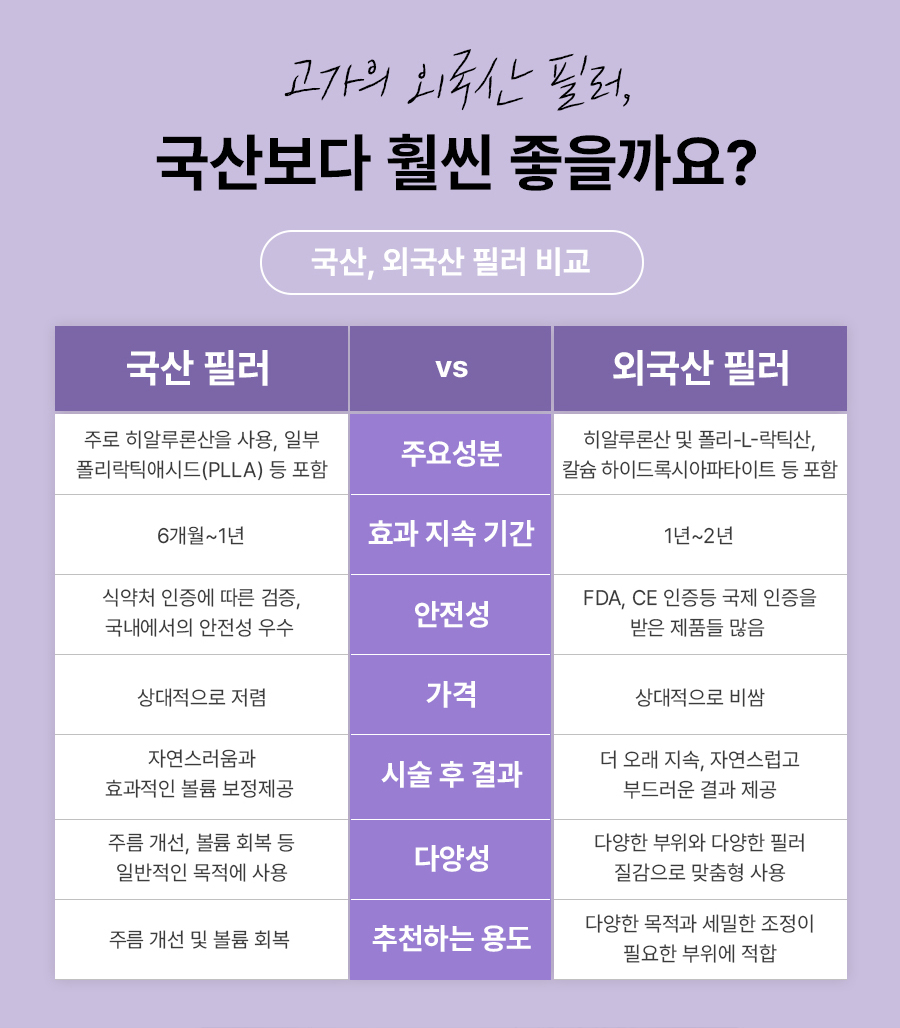
For front cheek augmentation, clinicians typically use two broad categories of products: hyaluronic acid (HA) fillers and non‑HA, longer‑acting fillers.
HA fillers are gel‑like and can be molded after placement. Some HA products may be partially reversed with the enzyme hyaluronidase, but reversibility depends on the specific product, its degree of crosslinking, how long it has been in the tissue, and other factors. Discuss product choice, expected behavior, and any reversal options with your treating physician.
Within these categories, products differ in texture and lifting strength. Firmer, higher‑lifting fillers are usually placed deeper, close to the bone, to act like a scaffold. Softer fillers can be used more superficially to blend edges and refine the contour.

Product selection should take into account several factors: your skin thickness, the degree and pattern of volume loss, how expressive your face is, and whether you prefer a more easily reversible option or are comfortable with a longer‑lasting collagen stimulator. In clinics where volume work is a core focus, doctors often use a layered approach, combining different fillers at different depths instead of relying on a single product for the entire area.
Procedure process and design approach
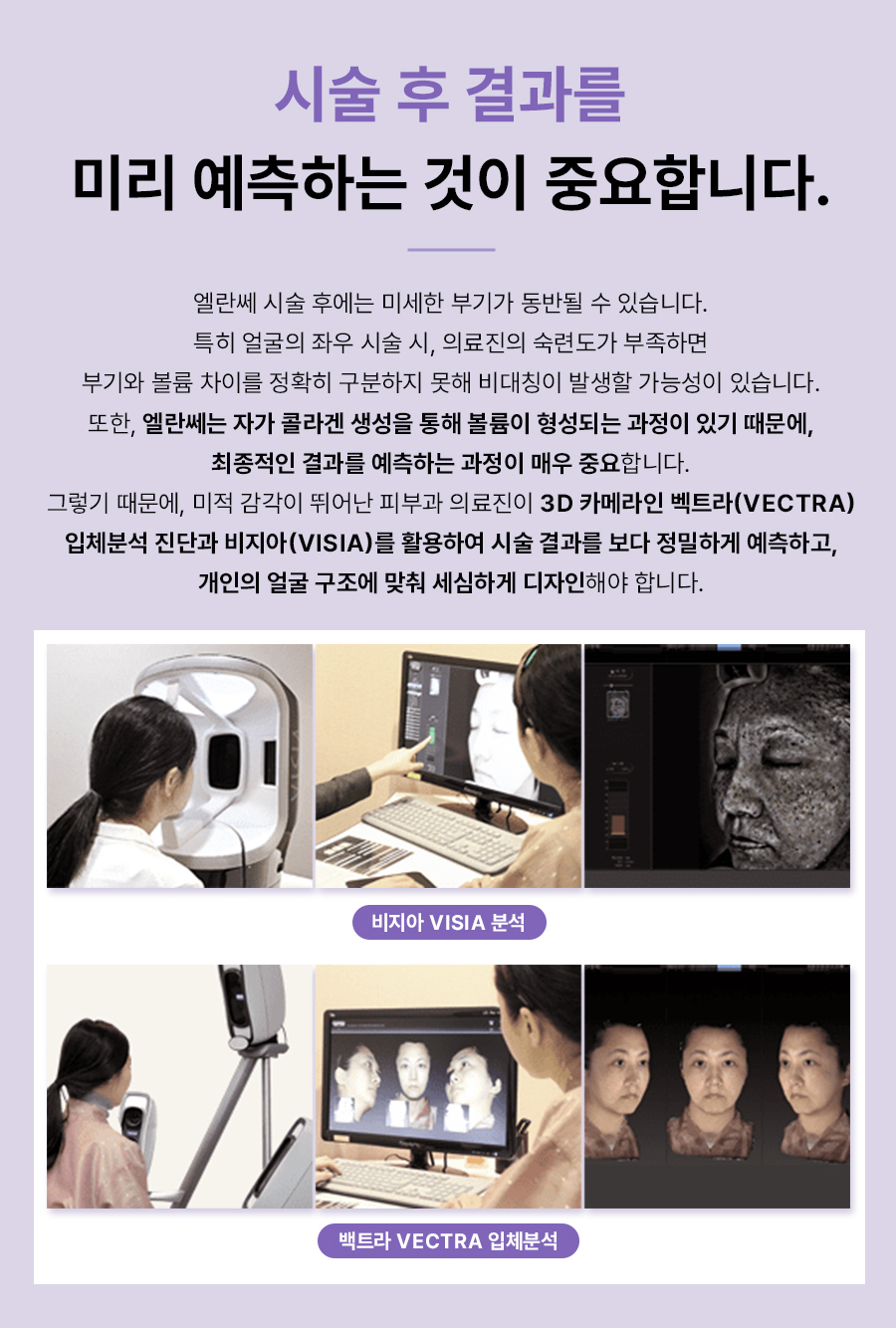
Before treatment, you will have a consultation and medical history review. The doctor will examine your face at rest and in motion, often from multiple angles and under different lighting. Some clinics use imaging or facial analysis tools as part of broader beauty and anti‑aging programs.
The design stage is important. The doctor plans injection points and depths based on your bone structure, fat compartments, and ligament positions. The goal is to restore your original youthful support pattern as much as possible, rather than creating a completely new, artificial shape. Old photos of yourself can be helpful for this planning.
On the treatment day, the skin is cleansed, and topical numbing cream or local anesthesia may be applied. The doctor then injects the filler using a needle or a blunt cannula, depending on the area, the product, and safety considerations. The choice of technique can influence both comfort and risk profile.

The procedure time is usually around 20 to 40 minutes, including design and injection. It is typically performed on an outpatient basis, so you can return to your accommodation shortly afterward.
After the injections, the doctor will usually sit you up to check symmetry and contour. Minor adjustments can be made in real time. You will receive instructions about what to expect in terms of swelling, whether to avoid massage or apply gentle shaping, and when to return for follow‑up.
Pain, downtime, and aftercare
Most people describe the discomfort from front cheek filler as mild to moderate. Topical numbing cream is commonly used, and many fillers contain lidocaine, a local anesthetic, to reduce discomfort during injection.

Downtime is usually short. Mild swelling, tenderness, or small bruises can appear around the injection sites and typically improve over several days. Many people feel comfortable returning to work or sightseeing the next day, although this can vary.
Basic aftercare often includes avoiding strong pressure on the treated area, heavy facial massage, saunas, and very intense exercise for a few days. Sleeping on your back the first night can help avoid uneven pressure on the cheeks.
The timeline is important to understand. In the first one to three days, swelling may make the area look slightly fuller or uneven. Over one to two weeks, the filler settles and integrates with the surrounding tissues, and the contour usually becomes more natural. The final look is generally assessed after this settling period.
Follow‑up visits are useful to check symmetry, how the filler has integrated, and whether a small touch‑up is needed. For overseas visitors, this is often scheduled within a few days to one week after the procedure, depending on the travel plan.
Safety, side effects, and why injector experience matters
Like any injection treatment, front cheek filler has possible side effects. Common temporary reactions include redness, swelling, tenderness, small lumps, or bruising at injection points. These usually resolve on their own.
More serious complications are less common but important to understand. They include vascular occlusion (where filler enters or presses on a blood vessel), skin discoloration, infection, or significant asymmetry. These risks are reduced when the injector has detailed knowledge of facial anatomy, chooses appropriate injection depths and products, and uses cautious techniques.
Some clinics emphasize research, ongoing training, or a conservative, long‑term approach to volume work. You can ask your provider about their treatment philosophy and techniques.
Emergency protocols are also important. Clear instructions are usually given about warning signs, such as unusual pain, color changes in the skin, or vision problems, and what to do if they occur. When choosing a clinic, it is reasonable to ask how they handle such situations.

How long front cheek filler may last and how often it may be repeated
The duration of front cheek filler varies with product type, injection depth, individual metabolism, and lifestyle. Longevity can differ widely between fillers and techniques. In some cases, deeper structural injections can last longer than very superficial placements. Ask your injector about expected longevity for the specific product and technique they recommend.
Collagen‑stimulating fillers may show a more gradual effect as your own collagen forms around the product. They can last longer in some people, but they also require careful indication and experienced injectors, as they are not easily reversible.
After the first full treatment, maintenance sessions are usually lighter. Instead of rebuilding the whole area again, the doctor may add small amounts to maintain contour and support. In clinics with an anti‑aging focus, front cheek filler is often part of a multi‑year plan that may also include skin tightening, skin quality improvement, and regenerative or cell‑based treatments. When the skin and deeper tissues are well maintained, it may be possible to use less filler over time while still preserving a youthful structure.
Front cheek filler compared with other options
Many people first notice their nasolabial folds and think about filling only the line. While this can help in some cases, it does not always address the main cause, which is loss of mid‑face support. Front cheek filler works more on the origin of the problem by lifting and supporting the tissues from the cheek side. This often leads to a more natural and harmonious improvement.
Lifting procedures such as threads, radiofrequency (RF), or high‑intensity focused ultrasound (HIFU) focus on tightening and repositioning tissue. They can be very helpful when sagging is more pronounced. However, when volume loss is significant, lifting alone may not be enough. Filler helps restore lost volume, while lifting tightens the "envelope" of the face. Many people benefit from a tailored combination of the two, depending on how much sagging and volume loss they have.
Fat grafting is another option, especially for those who need larger‑volume changes. It involves harvesting fat from another part of the body and injecting it into the face. While it can provide long‑term changes, it is more invasive, requires anesthesia, and has longer downtime. Filler, in contrast, is minimally invasive, more precise, and easier to adjust or dissolve in many cases, which can be more suitable for international patients with limited time.
For many people, front cheek filler becomes a key component of a comprehensive anti‑aging strategy, especially when combined with lifting devices and regenerative treatments.
Clinic context in Cheongdam and why some patients choose this area
Cheongdam in Gangnam is a well‑known district in Seoul for premium aesthetic and anti‑aging care. Many clinics are located within walking distance of Apgujeong Rodeo Station on the Suin–Bundang Line, particularly near Exit 4 toward Galleria Department Store. This makes it convenient for overseas visitors who want to combine treatment with shopping and dining.
Some clinics in this area are run by physicians with advanced training and international lecture or publication experience in fillers, threads, and regenerative therapies. They often offer a wide range of lifting and skin devices, such as Thermage‑type radiofrequency, Ultherapy‑type HIFU, monopolar needle RF, and fractional lasers.
The general philosophy in many of these clinics is to address aging from both the cellular level and the structural level. Instead of offering filler as a one‑time cosmetic procedure, they aim to combine volume restoration, lifting, and skin regeneration into a long‑term plan. Consultations tend to focus on diagnosis, realistic expectations, and step‑by‑step planning, with options for online consultation channels during business hours for international patients.
Who may be a good candidate and what to discuss at consultation
People who may be good candidates for front cheek filler often feel they look tired, sunken, or older than they feel, mainly because of flat or hollow mid‑cheeks, deepening smile lines, or early sagging. Many prefer a natural, subtle change rather than a dramatic transformation.
During consultation, it is important to share your full medical history, including any previous fillers, surgeries, allergies, and medications. Mention if you bruise easily or have important events soon after your planned treatment date. This helps the doctor plan timing and technique.

Before you contact a clinic, it can be helpful to prepare a short list of questions, such as:
- - Which filler types do you recommend for my case, and why?
- - How will you design the treatment to avoid an overfilled or puffy look?
- - How does front cheek filler fit into a broader anti‑aging plan for me?
- - What is the expected recovery timeline for someone visiting from overseas?
Bringing or sending photos of your face from different angles, including older photos, helps the doctor understand your original facial volume distribution. This can support a more personalized and age‑appropriate plan.

Online consultation and pre‑visit preparation
For international patients, an online consultation is often the first step. Many clinics in Cheongdam offer contact through email, messaging apps, or online forms. When you reach out, try to include clear photos of your face from the front, 45 degrees, and side, both at rest and smiling.
Explain your main concerns in simple terms, such as "deep smile lines," "tired under‑eyes," or "flat mid‑cheeks," and mention any previous treatments. If you have a limited travel window, share your planned dates so the clinic can suggest a realistic schedule, including follow‑up.
It is also wise to ask about the approximate amount of filler that might be needed, the typical duration of the procedure, and how many visits are recommended. While exact plans can only be finalized after an in‑person examination, this information can help you compare clinics and organize your trip.
Expected Korea visit timeline for front cheek filler
Some international patients schedule short trips of several days for treatment and follow‑up. Confirm timing with your clinic based on the planned procedures. A common pattern is as follows.

On day one, you arrive in Seoul and rest or explore the city. Some people schedule their in‑person consultation and possible same‑day treatment in the afternoon, especially if they have already had an online consultation.
On day two, mild swelling or small bruises may be present, but most people can go out for light activities, shopping, or sightseeing. If needed, a quick check‑up can be done to confirm that everything is settling as expected.
On day three or four, a follow‑up visit may be scheduled to assess symmetry and early results, and to answer any questions before you return home. If you are combining filler with lifting devices or skin treatments, the schedule may be adjusted so that procedures are spaced appropriately.
If your schedule is very tight, discuss this clearly during the online consultation. The clinic can then advise whether your plan is realistic or if it would be better to separate treatments into different trips.
Aftercare once you return home
After you leave Korea, most of the healing process continues naturally. You should follow the written aftercare instructions provided by the clinic. In general, avoid strong facial massage or high‑impact sports for the period recommended by your doctor.
If you notice mild asymmetry or small lumps after the first couple of weeks, they often soften as the filler integrates. However, if you experience unusual pain, persistent redness, or sudden changes in skin color, you should contact the clinic promptly and, if needed, see a local doctor.
Some clinics offer follow‑up through online messaging or video calls, especially for international patients. Sending clear photos can help the doctor evaluate your progress and advise whether any further treatment might be considered at a later visit.
Frequently asked questions
Is front cheek filler very painful?
Most people feel only mild to moderate discomfort. Numbing cream is usually applied, and many fillers contain lidocaine to reduce pain during injection. You may feel pressure or a brief sting, especially when the needle or cannula passes through deeper tissues, but the procedure is generally well tolerated.

How long will my face look swollen after front cheek filler?
Mild swelling is common for one to three days and then gradually decreases. Small bruises, if they occur, can take about a week to fade. Many people feel comfortable going out the next day, but if you have an important event, it is safer to schedule the treatment at least one to two weeks in advance.
Will front cheek filler make my face look bigger or rounder?
When designed properly, front cheek filler is not intended to make your face look unnaturally round. The aim is to restore mid‑face support that has been lost, not to add excessive volume. By placing filler in structural points and respecting your natural anatomy, the result can be a fresher, slightly lifted look rather than a noticeably larger face.
How do I choose a clinic in Gangnam or Cheongdam for front cheek filler?
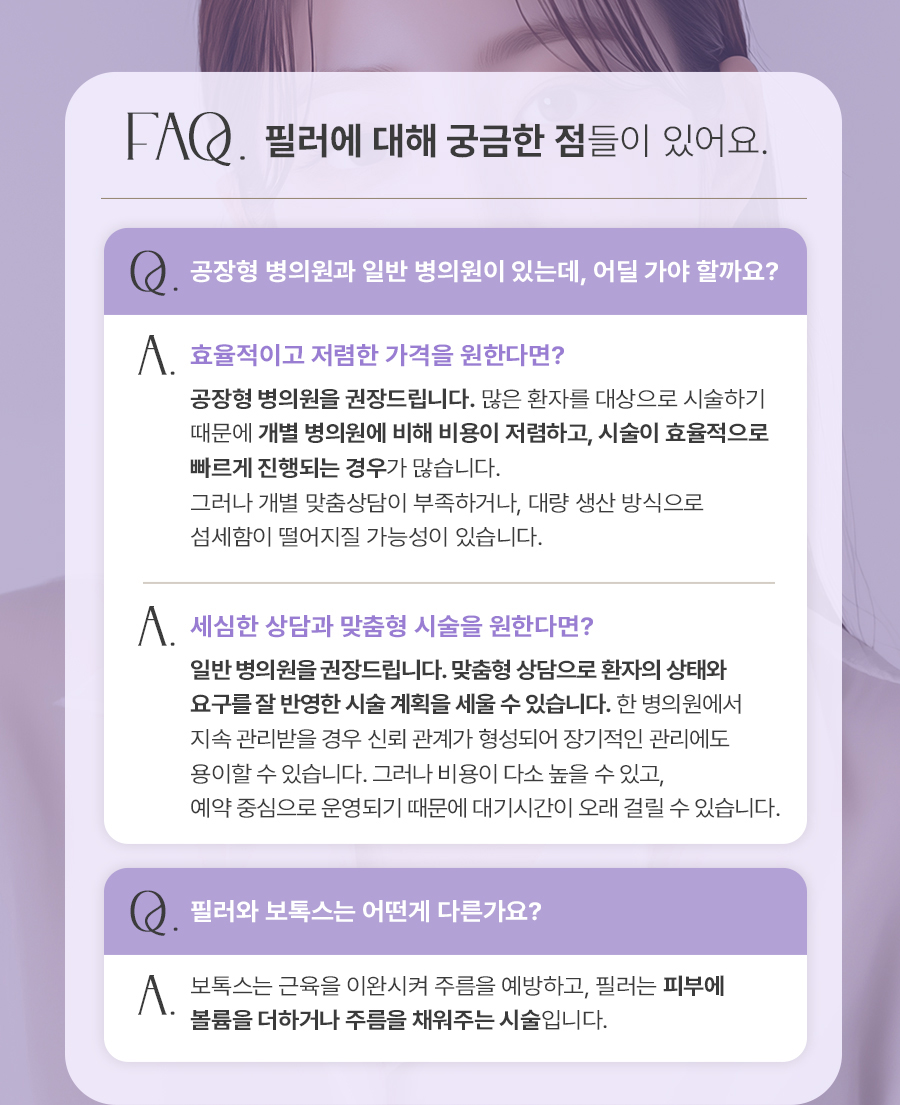
When comparing clinics, look beyond price alone. Check the medical team’s training and experience with fillers and anti‑aging treatments, the range of products and devices available, and how clearly they explain their treatment plan. Ask about their approach to natural results, their policy on follow‑up for overseas patients, and how they handle rare complications. It can also be helpful to see whether they offer online consultation before your trip.
Soft call to action for online consultation
If you are considering front cheek filler in Seoul and prefer a natural, age‑appropriate improvement rather than a dramatic change, an online consultation is a practical first step. By sharing your photos, concerns, and travel schedule in advance, the medical team can suggest whether front cheek filler may be suitable for you, how it might be combined with other treatments, and what kind of visit timeline could make sense.

Taking time to ask questions and understand your options can help you feel more confident when you finally sit in the treatment chair in Cheongdam, Gangnam.

댓글
댓글 쓰기