Melasma and Dark Spot Laser Toning Prices in Gangnam: What Really Decides the Cost?
- 공유 링크 만들기
- X
- 이메일
- 기타 앱
Direct answer: typical price range for melasma and dark spot laser toning
Melasma and pigmentation usually require a course of several laser toning sessions rather than a one‑time treatment, and the total cost depends on how many sessions you need and which devices are used.
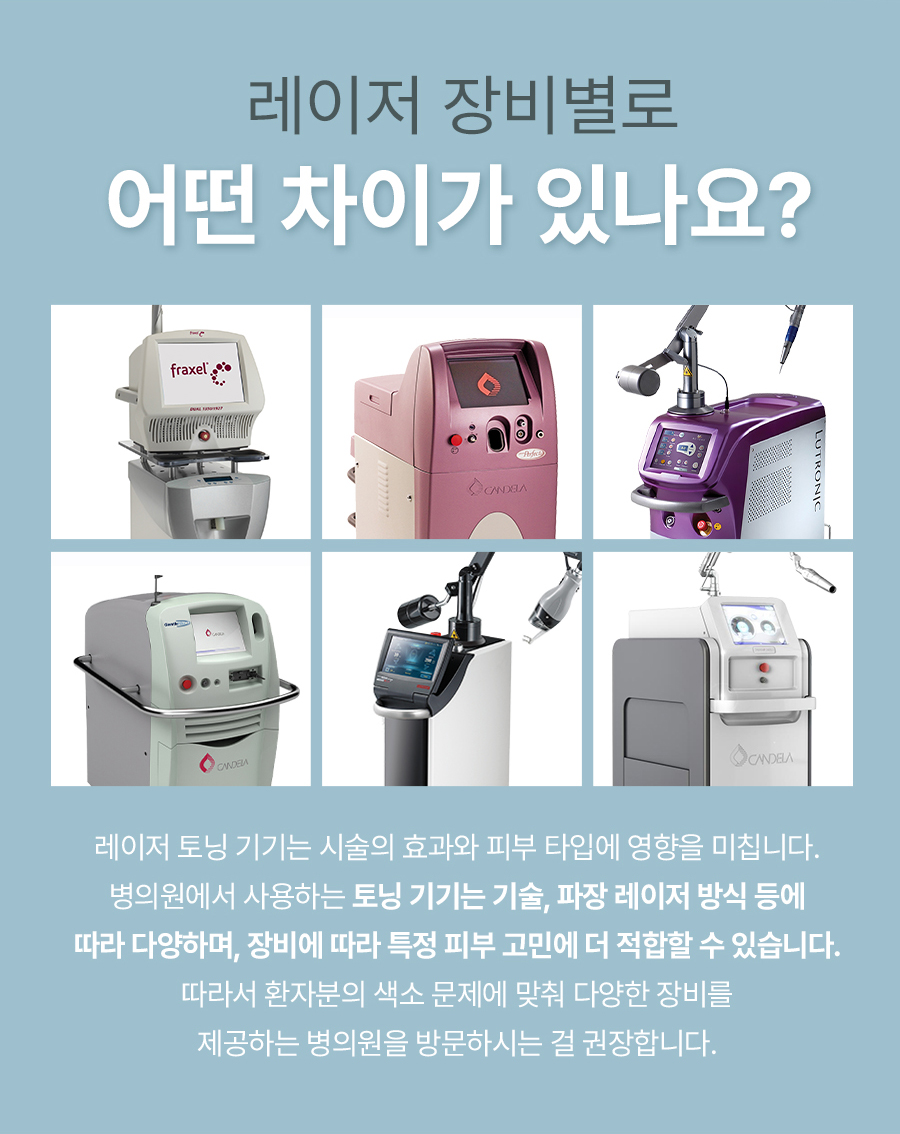
Clinics usually charge per session or offer a package of multiple sessions, for example a plan over a few months. Because melasma is a chronic condition that responds best to gentle, repeated treatment, most patients are advised to complete a series rather than rely on a single visit. Premium clinics in central Seoul that use high‑end platforms such as PicoWay, GentleMax Pro, Vbeam Perfecta, Fraxel Dual, and fractional eCO2 tend to be at the higher end of the price spectrum. However, these fees often include detailed diagnosis, careful parameter settings, and structured follow‑up care, which are important for both safety and results.
If you are comparing clinics from overseas, it is more realistic to expect a personalized quote after online consultation and skin analysis rather than a fixed price list. The same diagnosis of melasma can require very different plans depending on your skin type, depth of pigment, and whether there is redness or textural change.

What is laser toning for melasma and dark spots?
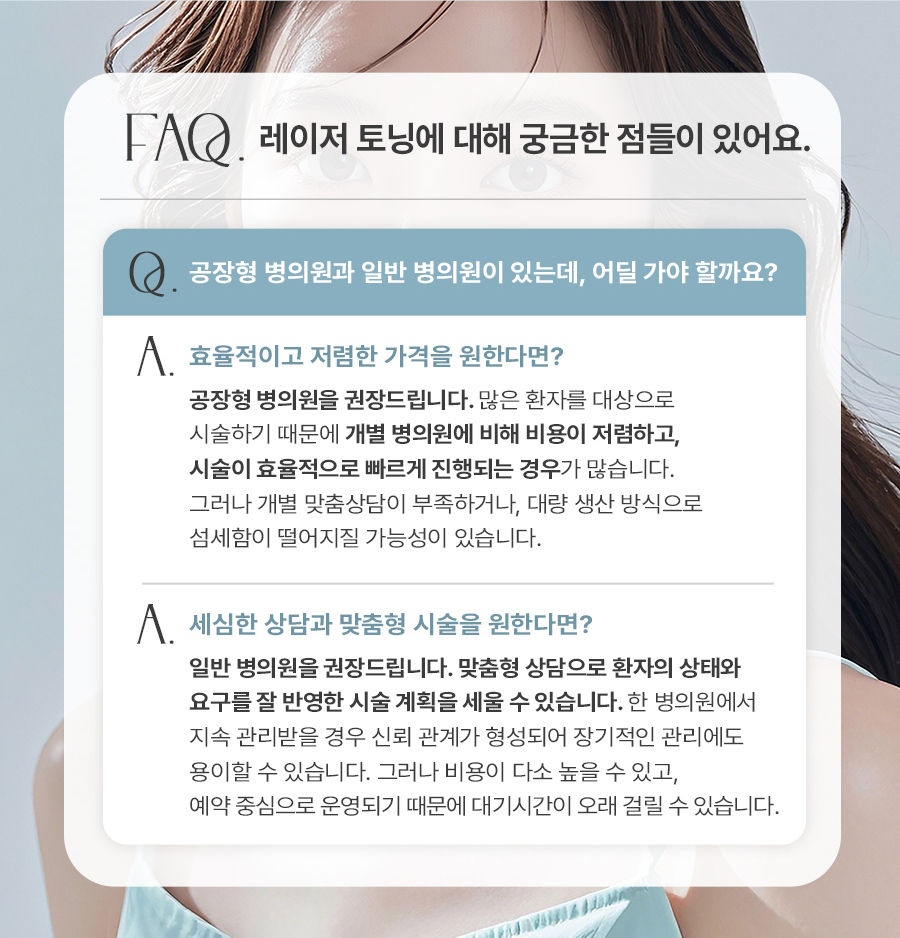
Laser toning is a low‑fluence, repetitive laser treatment designed to gradually reduce excess melanin in the upper layers of the skin. It is commonly used for melasma, sun spots, age spots, freckles, and general dullness. Instead of blasting pigment in one aggressive session, laser toning uses gentle energy over multiple visits to slowly lighten the skin while trying to minimize irritation and rebound.
In a premium Gangnam clinic, different laser platforms may be combined under one pigment program. Clinics may use picosecond or Q‑switched lasers, long‑pulse systems, or vascular lasers depending on the case and the characteristics of the pigment and surrounding skin. The choice of device and protocol is individualized by the treating clinician.
Fractional lasers such as Fraxel Dual or fractional eCO2 are sometimes added when there are acne scars, enlarged pores, or deeper pigment that does not respond sufficiently to surface toning alone. In many Cheongdam clinics, melasma and dark spot care is offered as part of a broader skin program that also addresses texture, fine lines, and overall tone.
Key factors that influence melasma and dark spot laser pricing
Several elements come together to determine how much you are likely to pay for melasma and dark spot laser in Seoul.
Severity and type of pigmentation
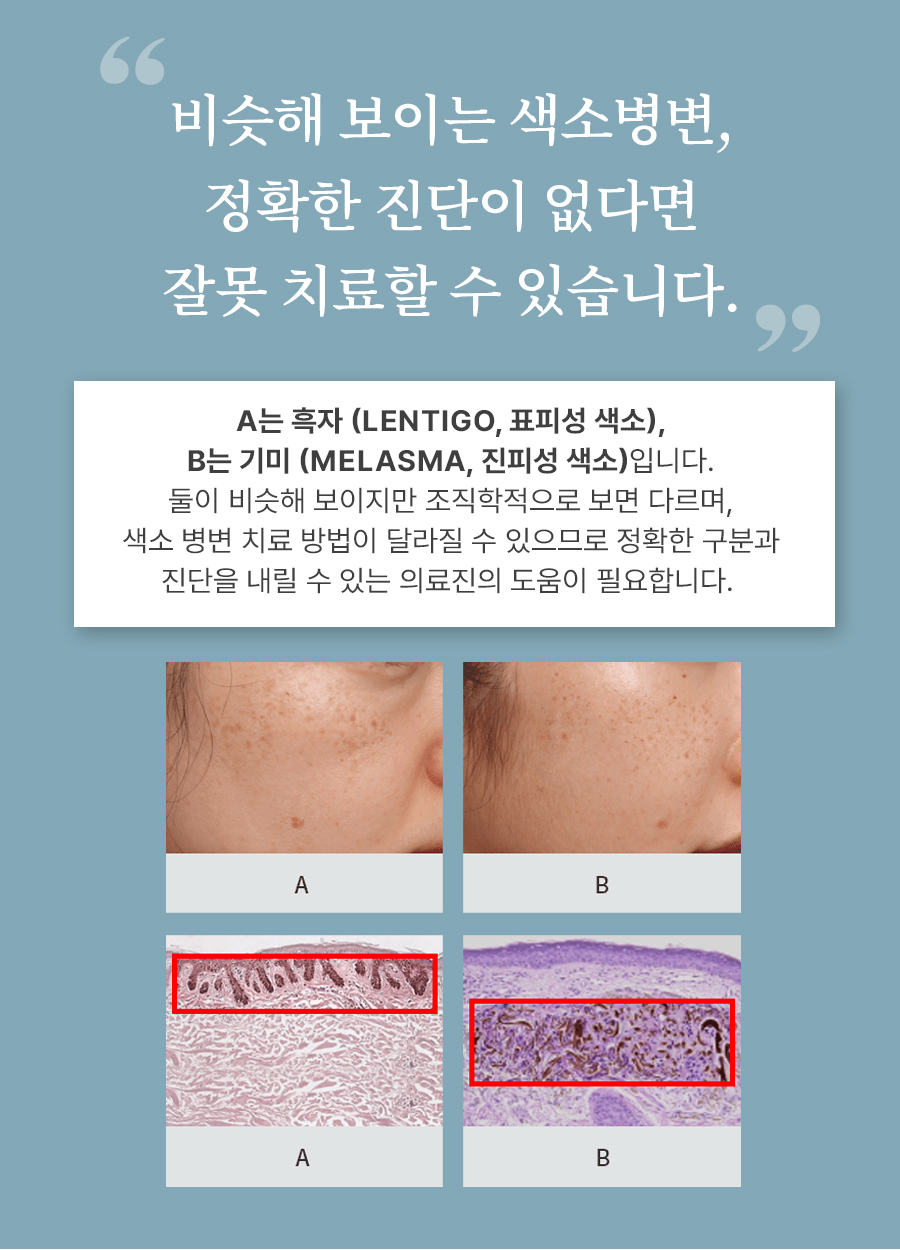
Diffuse melasma that covers the cheeks and forehead is very different from a few discrete sun spots on the nose or hands. Mixed‑type melasma, where brown pigment is combined with redness or deeper dermal pigment, usually needs more sessions and a combination of devices. The more complex and widespread the pigmentation, the longer and more layered the treatment plan, which raises total cost.
Number and combination of devices used
A simple course of laser toning with one device is usually at the lower end of the price range. Once you add picosecond laser spot treatment, vascular laser for redness, and fractional laser for texture in the same program, the price per visit and the overall package naturally increase. That said, combining devices can sometimes shorten the total treatment period or improve overall skin quality, which some patients find worthwhile.
Doctor’s expertise
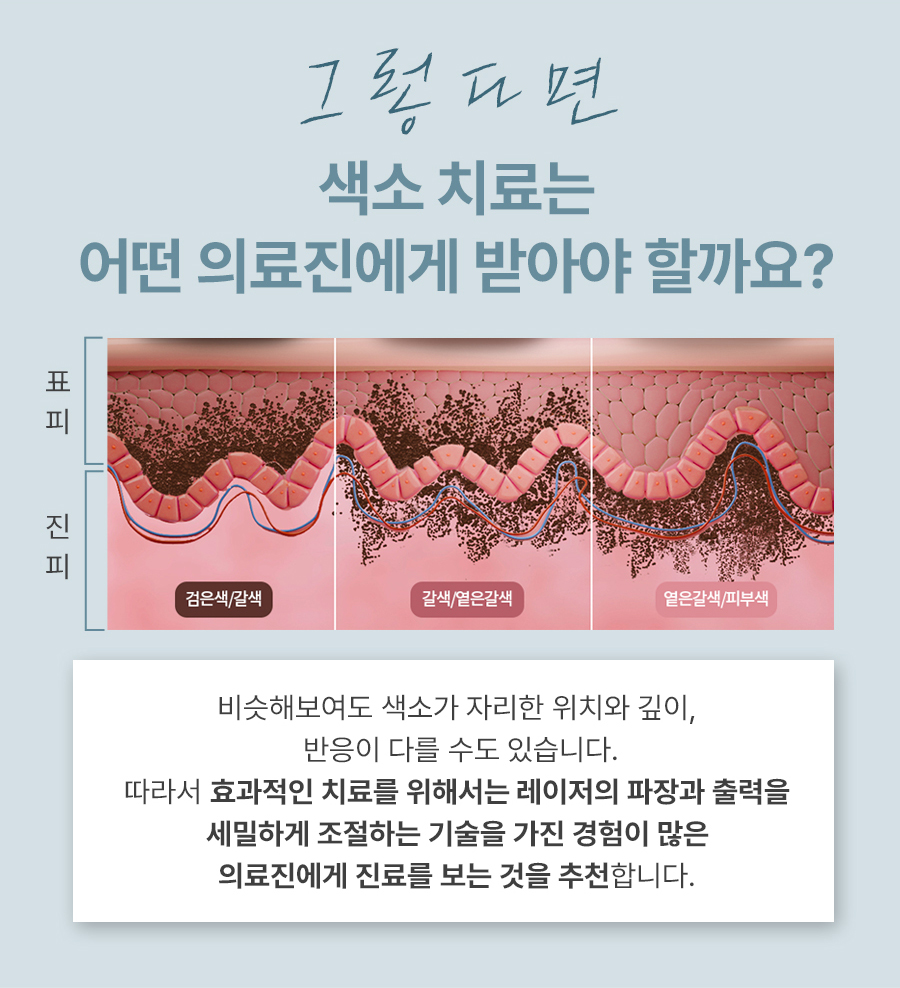
Melasma is not just a cosmetic concern; it is a medical pigment disorder that can be easily irritated or worsened by the wrong approach. Clinics led by experienced doctors who focus on pigment and anti‑aging care may charge more for consultation and procedures. However, they can more accurately distinguish melasma from other pigment conditions, adjust parameters for different skin tones, and design plans that balance effectiveness with safety. This is especially important for patients with darker skin or a history of post‑inflammatory hyperpigmentation.
Clinic equipment level
A clinic that owns a wide range of premium platforms, for example PicoWay, GentleMax Pro, Vbeam Perfecta, Fraxel Dual, and fractional eCO2, can tailor treatment more precisely to your skin. This level of equipment investment is reflected in pricing. On the other hand, it gives the medical team flexibility to choose the gentlest effective combination rather than pushing one device for all cases.
Treatment plan structure
Some clinics charge per session only, while others offer package pricing that includes initial consultation, high‑resolution photography and analysis, doctor review, and basic post‑care. Packages can sometimes be more cost‑effective if you know you will complete the recommended number of sessions. When you compare prices, it is important to check what is actually included rather than looking only at the per‑session fee.
Additional anti‑aging or repair options
These may be offered as adjuncts around laser sessions, but evidence for their benefits varies and some approaches are subject to regulatory limitations. Patients should confirm safety, regulatory approval, and clinical evidence with the clinic and their treating physician before considering such options. While not essential for treating melasma itself, these add‑ons may appeal to patients seeking broader rejuvenation and will increase the total cost of your plan.
How a premium Gangnam clinic typically plans melasma and dark spot laser
If you travel to Gangnam for pigment treatment, your experience will usually follow a structured path from evaluation to maintenance.
Initial consultation and diagnosis
Your first step is a detailed consultation. The doctor or medical staff will ask about your medical history, medications, pregnancy or breastfeeding status, sun exposure habits, and family history of pigment disorders. They will also check any previous treatments you have had, such as peels, lasers, or oral medications, and how your skin reacted.
Imaging and analysis
Many clinics use multi‑angle photography and skin analysis systems to evaluate pigment depth, distribution, redness, and texture. These images help distinguish epidermal from dermal pigment and identify hidden sun damage that may not be obvious in normal light. For international patients, clinics may ask you to send clear photos in advance so they can give a preliminary opinion before you book flights.
Customized protocol
Based on your skin type and pigment pattern, the doctor will select suitable devices and settings. For example, a patient with mixed melasma and redness might receive gentle PicoWay toning combined with Vbeam Perfecta for vessels, while another with stubborn sun spots and rough texture might be guided toward Fraxel Dual or fractional eCO2 in addition to toning.
The plan may include full‑face toning, targeted spot treatment, and occasional sessions focused on texture or redness. The exact mix is adjusted over time depending on how your skin responds.

Session schedule
Laser toning sessions are usually spaced every one to four weeks. Many patients notice gradual brightening and softening of pigment over several visits rather than a dramatic change after one session. Because melasma is chronic and sensitive to hormones and sun exposure, maintenance sessions may be recommended even after you reach a satisfying improvement.
For overseas patients, clinics in Cheongdam near Apgujeong Rodeo Station often try to group sessions during your stay. For example, you may have two or three visits over a few weeks, then continue maintenance when you return home or during your next trip.
Post‑treatment care
After each session, you will be advised to follow strict sun protection, including broad‑spectrum sunscreen, hats, and avoidance of peak UV hours. Gentle cleansing and moisturizing are important, and you will be asked to avoid harsh scrubs, hot saunas, and aggressive home treatments.
Depending on your case, the doctor may prescribe or recommend brightening creams, anti‑inflammatory topicals, or oral supplements to support the laser treatment. Following these instructions carefully helps reduce the risk of rebound pigmentation.
Safety, side effects, and why the cheapest option is not always better
All laser procedures carry some level of risk, and melasma is particularly sensitive. Understanding common reactions and how clinics manage them is essential when you are choosing where to go.

Common temporary reactions
After laser toning, it is normal to experience mild redness, warmth, or swelling for a short time. Some patients notice dryness or a slightly rough texture as the skin renews. In certain cases, pigment can appear slightly darker before it lightens, especially after spot treatment or fractional procedures.
If laser settings are too aggressive or the wrong device is used, there is a risk of post‑inflammatory hyperpigmentation, where the treated area becomes darker for a longer period. This risk is higher in darker skin types or in patients with a history of strong reactions.
Why conservative, repeated treatment is safer for melasma
Melasma can worsen if it is irritated by heat, inflammation, or excessive energy. Experienced doctors often choose conservative settings and more sessions instead of trying to erase pigment quickly. While this may seem slower and can feel more expensive in the short term, it is usually safer and more sustainable.
Importance of careful adjustment and monitoring
Patch testing, gradual increases in energy, and close monitoring between visits are important, especially for international patients who may have limited time in Korea. Clinics with structured protocols and multiple devices can adjust the plan if your skin shows signs of stress, rather than pushing through a fixed course.
When you compare prices, remember that the cheapest option may not include this level of caution and follow‑up. A slightly higher fee at a clinic that prioritizes safety can help reduce the risk of complications that are difficult to correct later.
Who may consider melasma and dark spot laser in Seoul
Laser toning and pigment programs in Gangnam may be suitable for a range of patients, but not everyone.
Suitable candidates
You may consider treatment if you have melasma, sun spots, age spots, or mixed pigmentation that has not improved with topical products alone. Good candidates are able to commit to multiple sessions, follow sun protection strictly, and accept that improvement is usually gradual.
If you are already planning a trip to Seoul and can stay for at least a couple of weeks, you may be able to complete an initial series of sessions and then continue maintenance later. Patients who are interested in combining pigment care with anti‑aging or texture improvement often benefit from the wider device selection available in Cheongdam.
Relative contraindications and cautions
Certain situations require caution or postponement. Pregnancy and breastfeeding are common reasons to delay some types of laser treatment. Active skin infections, recent strong chemical peels, or other aggressive procedures in the same area also need to be considered. If you are taking photosensitizing medications or have a history of keloids or severe post‑inflammatory hyperpigmentation, your doctor will need to evaluate risks carefully and may recommend a modified plan.
Online consultation and pre‑visit preparation for overseas patients
Before you travel to Seoul, it is wise to arrange an online consultation with your chosen clinic. This helps set realistic expectations and avoid surprises.
Preparing for online consultation
Most clinics will ask for clear, makeup‑free photos of your face in natural light, including close‑ups of the problem areas and full‑face views from different angles. Some may request information about your skin type, previous treatments, medical history, and current skincare routine.
You can prepare a short list of questions, such as which devices they expect to use, how many sessions they recommend for your situation, and how they usually schedule treatments for international patients. Ask what is included in the quoted price: consultation, imaging, aftercare products, and any optional add‑ons.
What to clarify before booking flights
Before you confirm your travel dates, ask the clinic how many visits they suggest during your stay and how far apart they should be. Clarify how long each visit usually takes, whether there is downtime, and what activities you should avoid. This will help you plan sightseeing, work, or other appointments around your treatment.
Expected Korea visit timeline for melasma and dark spot laser
Your exact schedule will depend on your skin and the clinic’s recommendations, but many overseas patients follow a similar pattern.
First visit
On your first visit to the clinic in Cheongdam, near Apgujeong Rodeo Station, you will complete registration, meet the medical team, and undergo detailed skin analysis. The doctor will confirm the plan discussed online, adjust it if needed, and perform your first treatment if it is safe to do so.
Follow‑up sessions
Over the next days or weeks, you may return for additional laser toning sessions, topical treatments, or gentle procedures that support recovery. If your stay is short, the clinic may prioritize the most essential sessions and guide you on how to continue care at home. If you are staying longer, they may space sessions more comfortably to allow the skin to rest.
Before departure
Before you leave Korea, the clinic will usually review your progress, take follow‑up photos, and provide instructions for home care. They may recommend maintenance intervals and suggest when to return for further sessions if you plan another visit to Seoul.
Aftercare and long‑term management
Even with excellent treatment, melasma and dark spots can return if you do not protect your skin. Long‑term management is as important as the initial laser course.
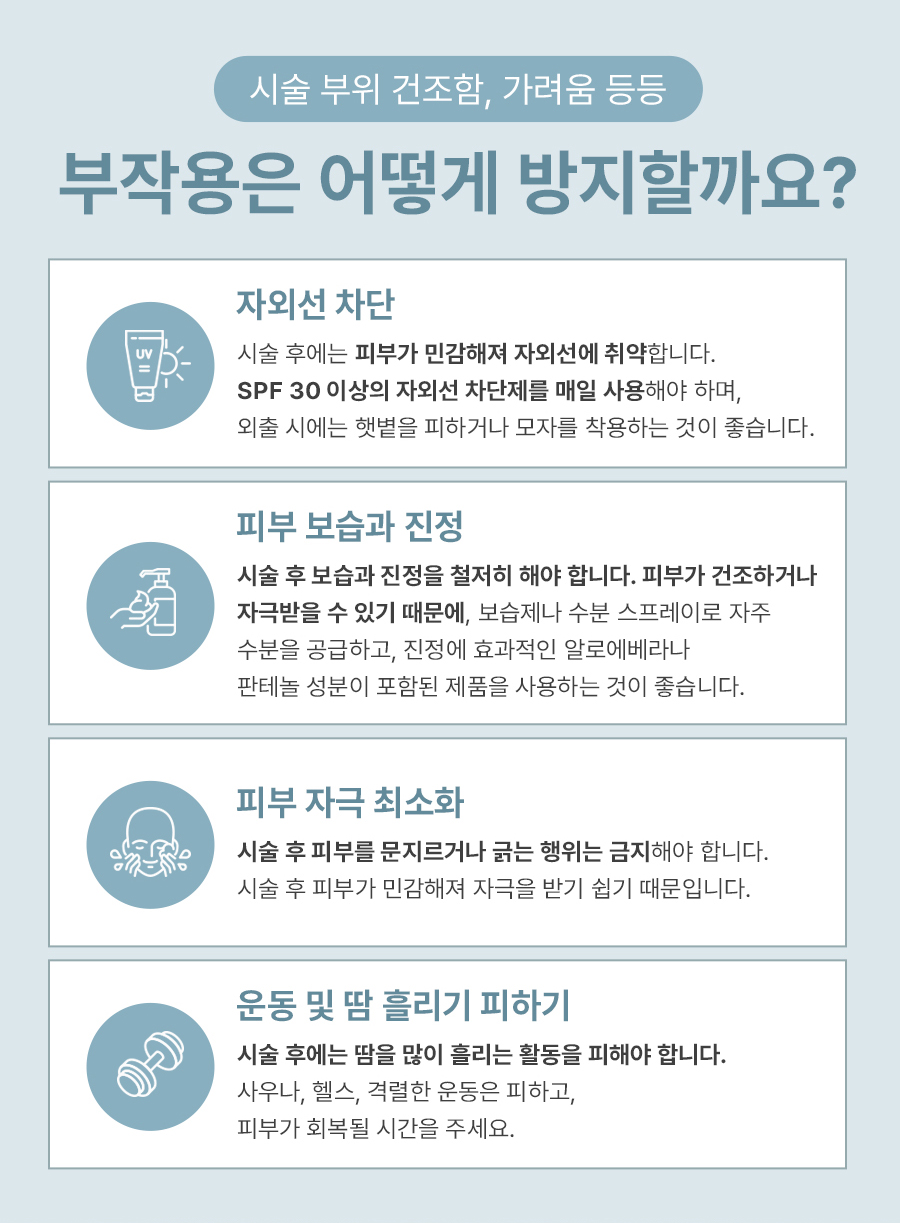
Daily sun protection
Consistent use of broad‑spectrum sunscreen, reapplication during the day, and physical protection with hats or umbrellas are key. Avoiding tanning beds and minimizing midday sun exposure can help maintain your results.
Gentle skincare
Use mild cleansers, non‑irritating moisturizers, and avoid harsh scrubs or strong at‑home peels unless your doctor approves them. Overly aggressive skincare can trigger inflammation and new pigment.
Medical maintenance
Depending on your case, your doctor may suggest periodic maintenance laser sessions, prescription creams, or oral supplements. For international patients, this might mean a short visit to Seoul once or twice a year, combined with ongoing care in your home country.
FAQ about melasma and dark spot laser prices in Seoul
How many laser sessions do I usually need for melasma and how does this affect cost?
Most patients with melasma need multiple sessions, often over several months, to see meaningful improvement. The exact number depends on the depth and type of pigment, your skin type, and how your skin responds. Because clinics often price treatment per session or as a package, the total cost is closely linked to how many visits are recommended. During consultation, ask for a realistic range rather than expecting a fixed number that applies to everyone.
Why do prices differ so much between clinics for the same melasma treatment?
Price differences reflect several factors: the experience of the medical team, the number and type of devices available, the time spent on diagnosis and follow‑up, and what is included in the package. A clinic in Cheongdam with multiple premium lasers and detailed imaging systems will usually charge more than a basic facility with one or two devices. When comparing, look beyond the price and consider safety protocols, device lineup, and the clarity of the treatment plan.
Can I finish my melasma laser treatment in one short trip to Seoul?
You can often start treatment and complete several sessions in one trip, especially if you stay for a few weeks. However, melasma is a chronic condition, and long‑term management usually involves ongoing care and sometimes maintenance sessions. It is important to discuss your travel schedule with the clinic in advance so they can design a plan that makes the most of your time in Seoul while remaining safe for your skin.
What should I ask the clinic before deciding on a melasma and dark spot laser package?
Useful questions include which laser devices they plan to use for your case and why, how many sessions they estimate you will need, how they will monitor progress, and what is included in the price. You can also ask how they handle side effects if they occur, what downtime to expect, and how they support overseas patients after they return home. Having clear answers to these points will help you compare clinics more fairly than by price alone.
Summary: how to interpret melasma and dark spot laser prices in Seoul
When you look at melasma and dark spot laser prices in Gangnam, try to see the full picture rather than focusing only on the lowest fee. Consider the doctor’s qualifications, the clinic’s diagnostic process, the range of devices, and the structure of follow‑up care. Melasma treatment is a medium‑ to long‑term process, and safe, realistic planning is more important than quick fixes.
If you are thinking about coming to Cheongdam for pigment treatment, it is a good idea to start with an online consultation. Share clear photos, discuss your goals and schedule, and request a personalized plan and estimated cost. This will help you decide whether the clinic’s approach matches your expectations before you book your trip.

Soft call to action for online consultation
If you are an overseas patient considering laser toning for melasma or dark spots in Seoul, you can begin by arranging an online consultation with a reputable clinic in Cheongdam near Apgujeong Rodeo Station. By sharing your skin concerns and travel plans in advance, you can receive a tailored proposal, understand the likely number of sessions, and plan your visit with confidence.
This article is for general information only and does not replace a personal consultation with a qualified medical professional. Individual diagnosis, treatment plans, and outcomes vary, and all procedures should be discussed directly with your doctor.
- 공유 링크 만들기
- X
- 이메일
- 기타 앱

댓글
댓글 쓰기