Aptos lifting in Seoul: what overseas patients should know before visiting Clinique hus,hu
- 공유 링크 만들기
- X
- 이메일
- 기타 앱
Direct answer summary
In Cheongdam, Gangnam, Clinique hus,hu offers Aptos Namika threads alongside multiple lifting devices and skin-regeneration treatments, allowing individualized plans rather than relying on a single method. Results can often be seen immediately and may last around 1–2 years, with a few days of social downtime for most patients, although this varies by individual.
What is Aptos lifting
Aptos lifting is a branded thread lifting procedure that uses specialized barbed or cogged threads to gently pull and support sagging facial tissues. The threads are placed under the skin through tiny entry points, then anchored and tightened to restore a more defined contour.
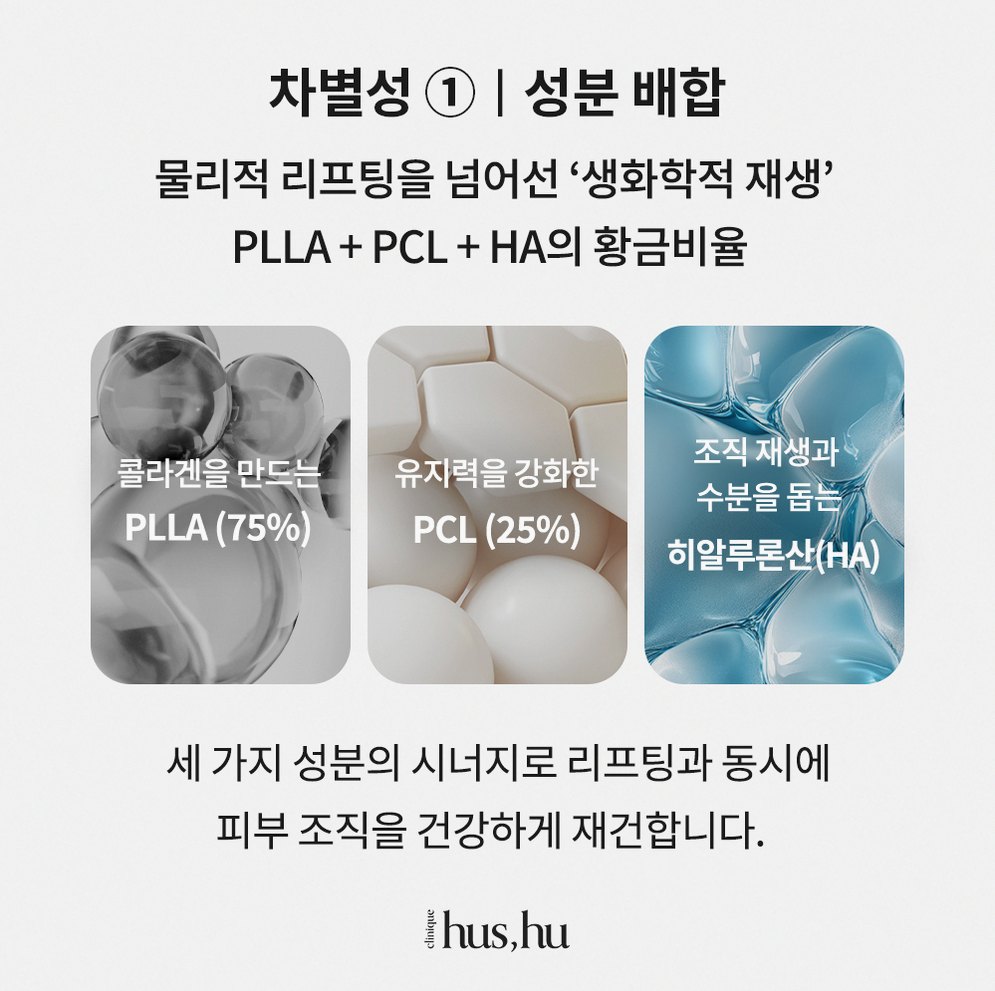
Unlike basic thread lifts that mainly aim to stimulate collagen, Aptos threads are designed to provide both mechanical lifting and collagen induction. The barbs or cogs on the threads grip the tissue, allowing the doctor to reposition the skin and the underlying soft tissue in a controlled way.
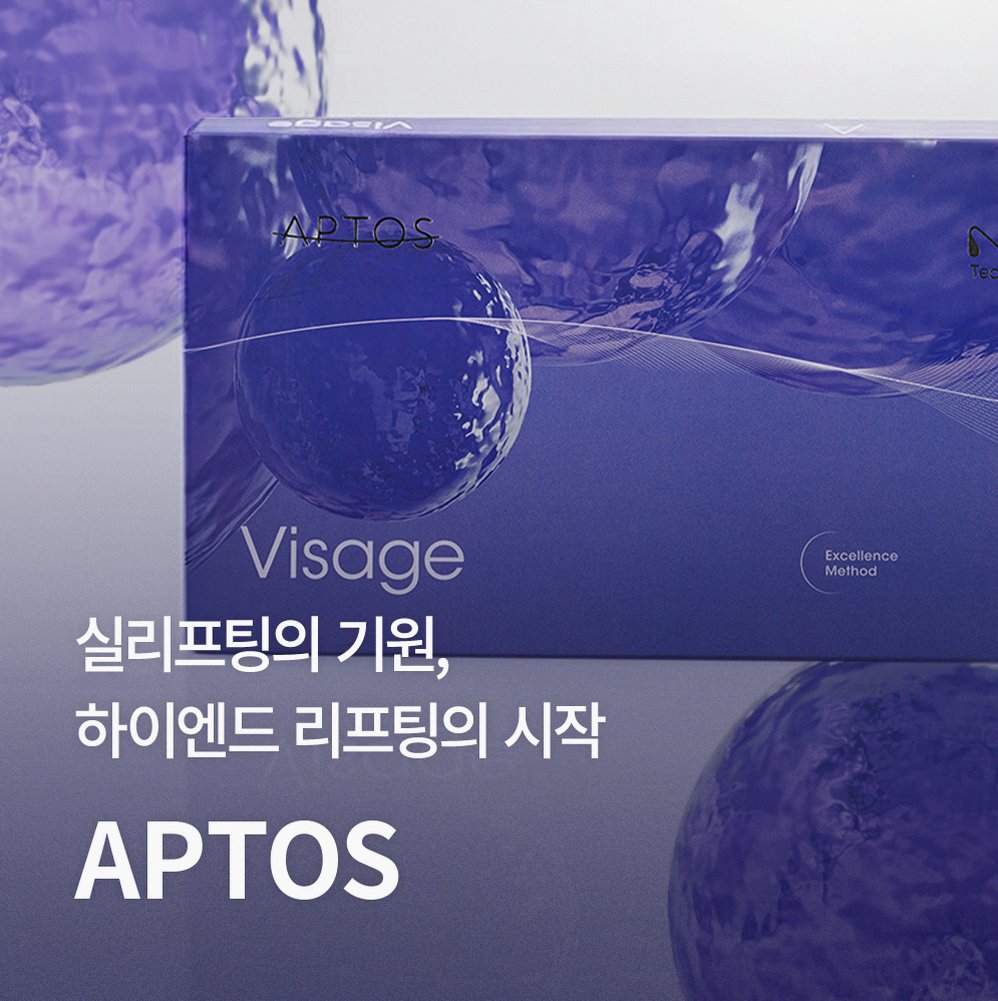
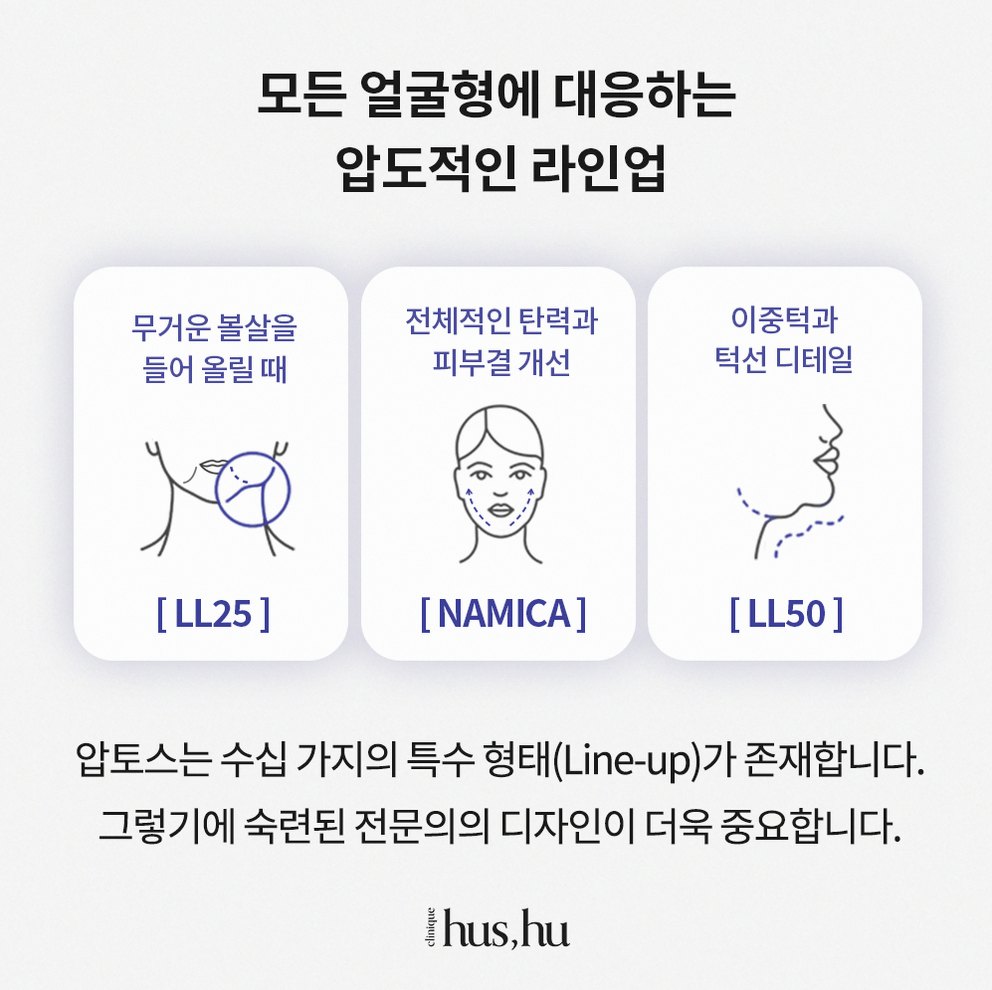
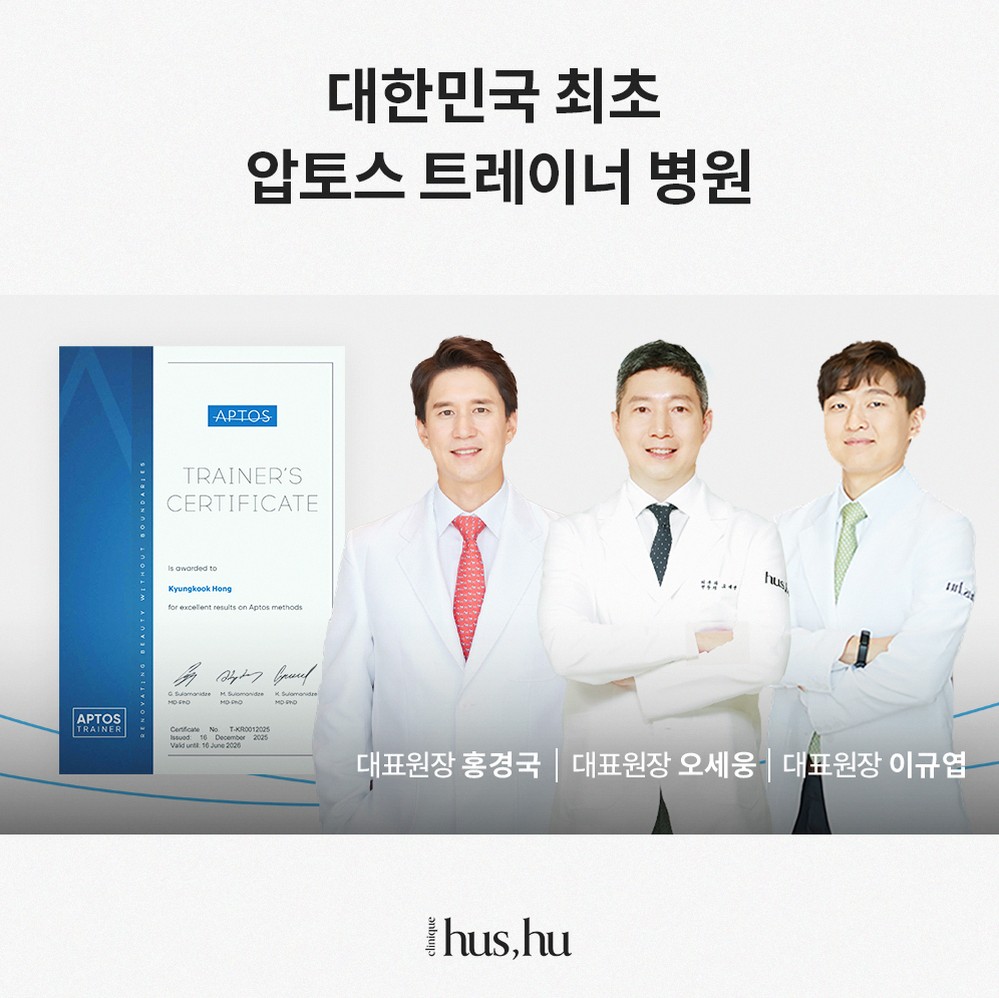
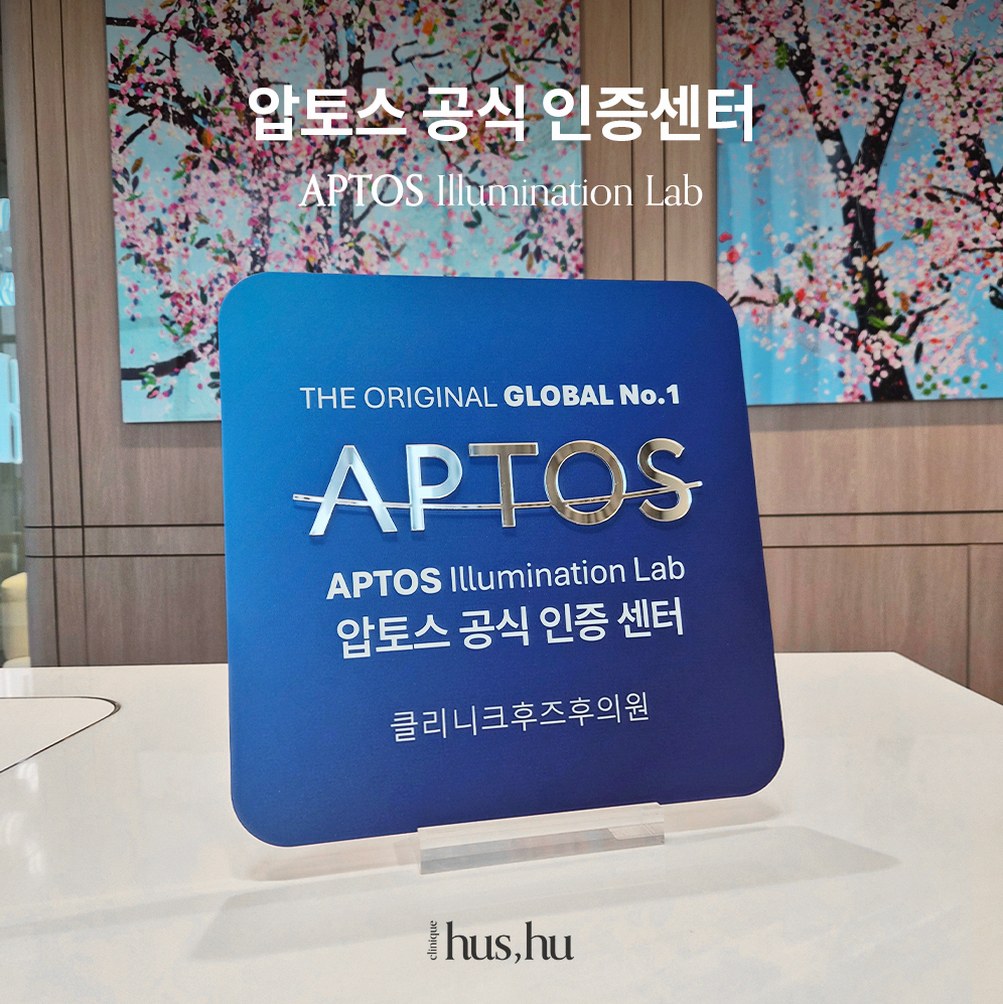
At Clinique hus,hu, Aptos Namika threads such as Namika19, LL25, and LL50 are used. These different models allow the medical team to adjust the lifting strength, length, and coverage according to the area being treated and the degree of sagging. For example, shorter threads may be used for more delicate areas, while longer, stronger threads may be chosen for heavier lower-face lifting.
How Aptos threads work
During an Aptos lifting procedure, the doctor makes small entry points in the skin, usually after injecting local anesthesia to keep you comfortable. Through these entry points, the Aptos threads are inserted using a needle or blunt-tipped cannula.
The threads are placed in the deeper tissue layers, often in the plane where facial ligaments and fat compartments can be repositioned. Once the threads are in place, the doctor gently pulls them to lift the sagging tissue along pre-planned vectors. Excess thread is trimmed, and the entry points are usually so small that they do not require stitches.
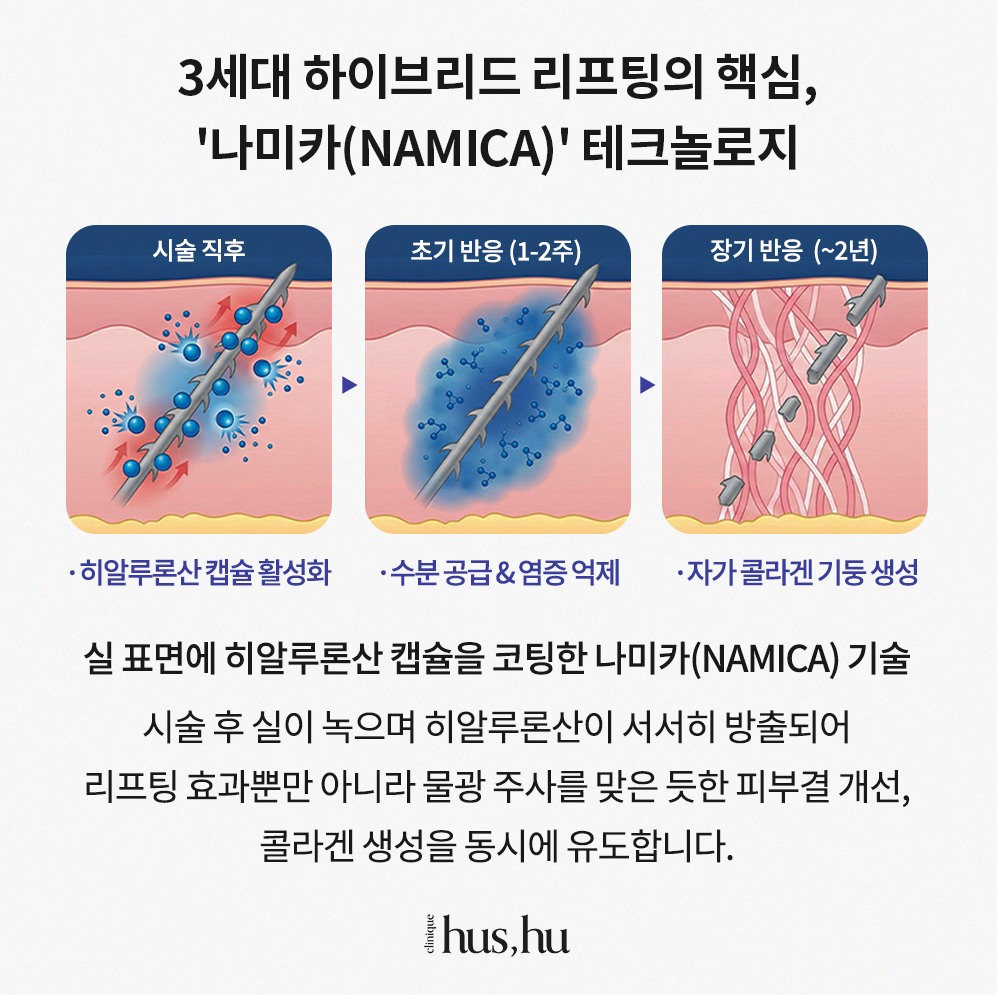
Immediately after the procedure, you may notice a visible lifting effect because the tissues have been mechanically repositioned. Over the following weeks and months, your body forms collagen around the threads. This collagen scaffold may help maintain the lifting effect even as the threads gradually dissolve, although the exact duration varies from person to person.
Typical treatment areas
Aptos lifting can be applied to several areas of the face and sometimes the neck, depending on individual anatomy and goals. Common treatment zones include the jawline, to sharpen the border between the face and neck and reduce early jowls; the mid-face and cheeks, to address drooping and restore a more youthful cheek contour; nasolabial folds and marionette lines, to soften deepening folds that run from the nose to the mouth and from the mouth corners downward; the lower face, to improve overall definition and reduce the appearance of sagging around the mouth and chin; and in selected cases, the eyebrow or neck area, when indicated and after careful assessment.
Not everyone will be a candidate for all these areas. The decision depends on skin thickness, fat distribution, ligament laxity, and the weight of the tissues.
How Aptos lifting differs from other thread lifts and treatments
Compared with general PDO thread lifts, Aptos threads are typically designed for stronger mechanical lifting and more stable anchoring. Many basic PDO threads are smooth or lightly barbed and are often used primarily for collagen stimulation and subtle tightening rather than for significant repositioning of sagging tissues.
Aptos Namika threads, with their specific barbed designs and varying lengths, are often selected when a more structural lift is desired, such as lifting the jawline or mid-face. However, PDO threads may still be useful in some patients, especially for fine-tuning or for areas where only mild tightening is needed.
Energy-based lifting treatments such as Thermage FLX, Ulthera Prime, Exion, Emface, and similar devices use radiofrequency or ultrasound energy to heat deeper layers of the skin. This can lead to tissue tightening and collagen stimulation without inserting any threads. These treatments are noninvasive and can be good options for patients with mild laxity or for those who prefer to avoid threads.
However, energy devices do not physically pull tissues upward. When a patient has more noticeable sagging or early jowls, combining Aptos lifting with energy-based tightening can be considered. The threads provide visible repositioning, while the devices work on skin firmness and long-term collagen.

Filler-based volumizing, using products such as Ellanse and other dermal fillers, focuses on restoring lost volume and contour. Fillers can lift to some degree by supporting hollowed areas, but they do not directly pull sagging tissue upward in the way that threads do. In some faces, volume loss is the main issue, and fillers alone may be appropriate. In others, both volume restoration and thread lifting are needed for a balanced result.
The choice between Aptos lifting, other threads, energy devices, and fillers should be based on a careful facial analysis, the pattern of sagging, skin thickness, and the patient’s preferences regarding invasiveness, downtime, and maintenance.
Clinique context in Cheongdam, Gangnam
Clinique hus,hu is located in Cheongdam, Gangnam, Seoul, within walking distance of Apgujeong Rodeo Station on the Bundang Line, typically from exit 4 toward Galleria Department Store. This makes it accessible for overseas patients staying in central Seoul.
The clinic offers a wide lineup of lifting and skin treatments, including Aptos lifting, Silhouette Soft, Exion AI monopolar needle RF, Emface, Thermage FLX, Ulthera Prime, Prime Raise, Onda, Exilis Ultra, and other energy-based devices. In addition, there are fractional lasers, vascular and pigment lasers, and other platforms for skin texture and tone.
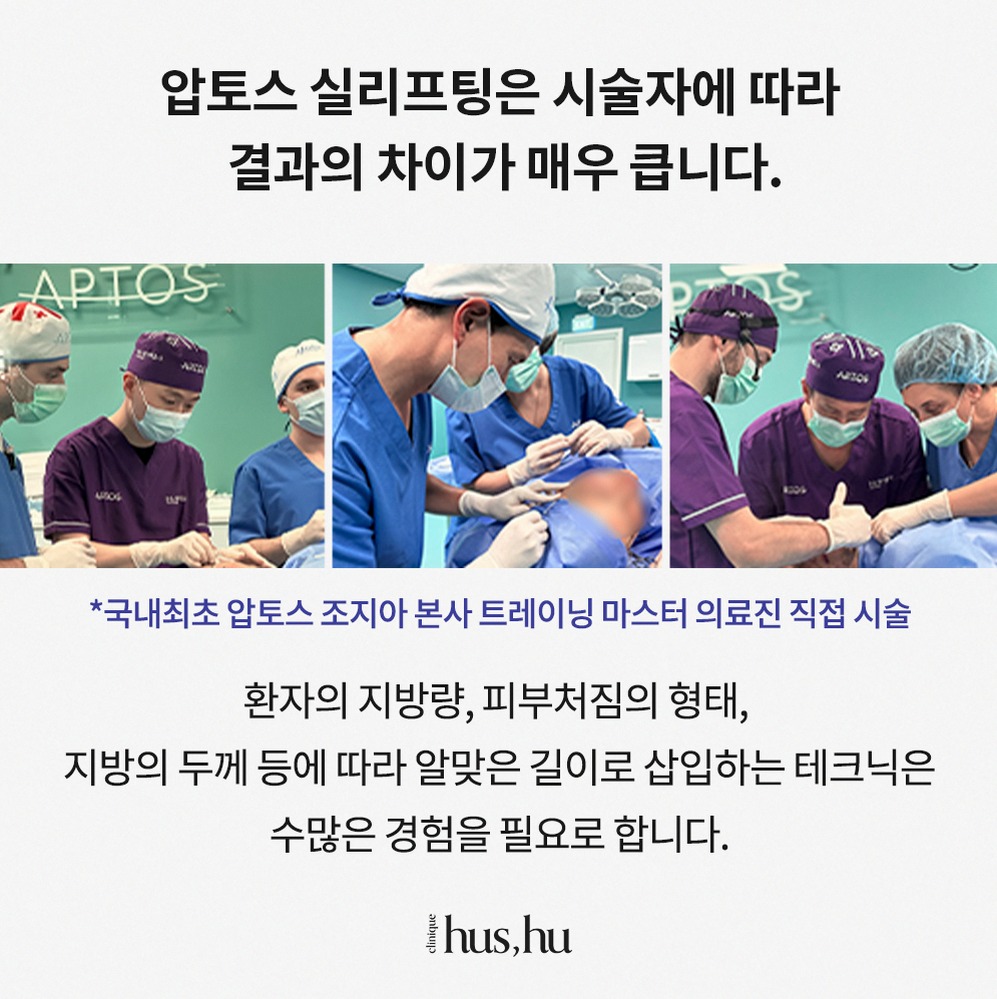
The medical team comprises clinicians with dermatology training and academic backgrounds (MD/PhD); many have completed university hospital training and have presented or published on aesthetic procedures and fillers. This expertise supports careful assessment of facial anatomy, aging patterns, and safe lifting vector design.
The clinic also operates an in-house cell research lab and offers regenerative cosmetic procedures such as autologous exosome injections (Mysome), combined exosome plus Thermage protocols (often called Exomage), and non-cultured stem cell approaches. These are provided as investigational or regenerative cosmetic options; evidence and regulatory status can vary, and individual outcomes may differ. Such options can be integrated with Aptos lifting for patients interested in both structural lifting and potential skin-regenerative approaches, although the primary lifting effect is produced by the threads themselves.
Who may consider Aptos lifting
Aptos lifting may be considered by adults with mild to moderate facial sagging. Typical concerns include a blurred jawline, early jowls, deepening nasolabial folds, drooping corners of the mouth, and mid-face descent that makes the face look tired.
It may be suitable for those who want visible lifting but are not ready for or do not wish to undergo a surgical facelift. Aptos lifting can be an option for patients who accept small entry points and temporary swelling or bruising but prefer shorter recovery compared with surgery.
Patients who have already tried energy-based treatments like Thermage or Ulthera and feel they need more visible repositioning may also consider Aptos threads as a next step.
On the other hand, very severe sagging, very heavy tissue, or significant excess skin may respond less to thread lifting alone. In such cases, a combination of treatments or a surgical consultation may be more appropriate. A face-to-face consultation and physical examination are essential to evaluate skin thickness, fat distribution, ligament laxity, and facial asymmetry before deciding on Aptos lifting.
Procedure process step by step
Pre-treatment consultation
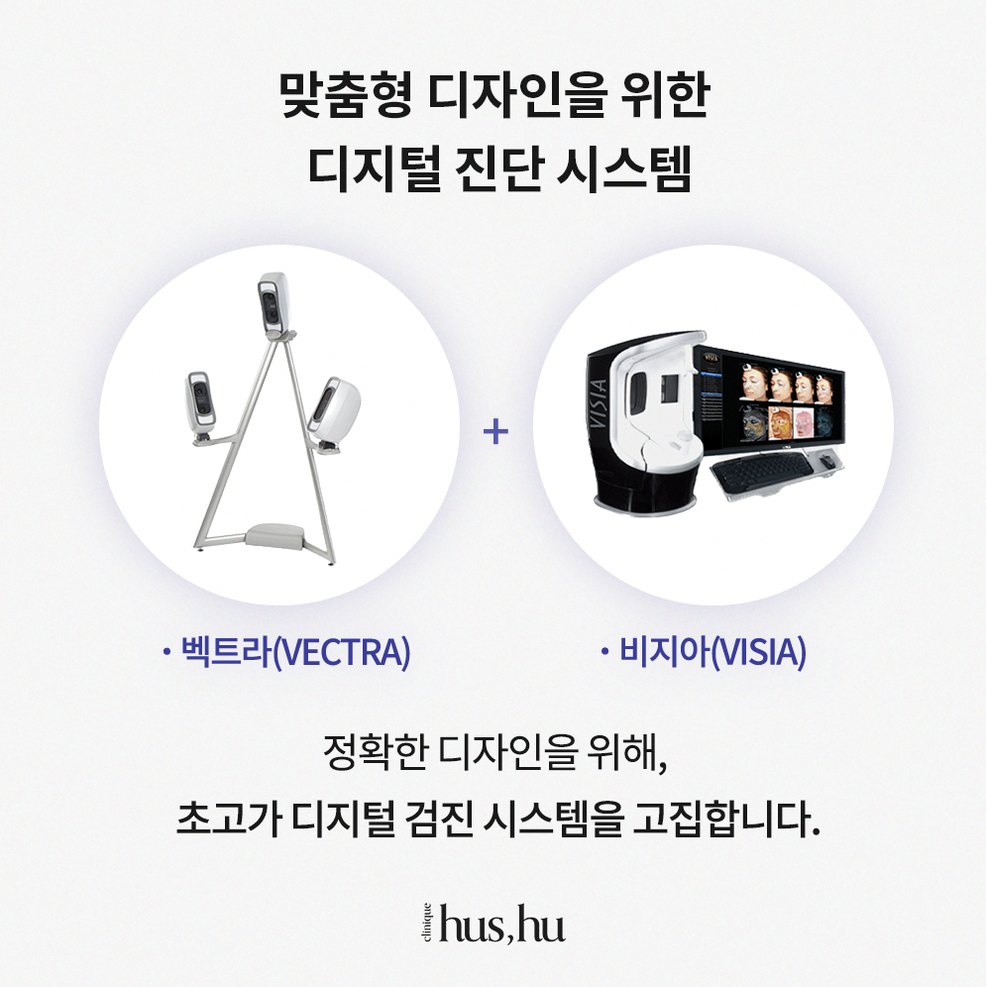
Your journey usually starts with an online or in-clinic consultation. The doctor or medical staff will review your medical history, medications, previous procedures, and main concerns. Photographs are often taken from different angles to document your baseline and help with planning.
Facial analysis
Next, the doctor assesses your face in detail. This includes evaluating the pattern of sagging, skin elasticity, areas of volume loss, and muscle activity. The doctor will discuss whether Aptos lifting alone is likely to address your concerns or whether it should be combined with energy devices, fillers, or exosome-based treatments.
At this stage, you can ask about the approximate number and type of threads, such as Namika19, LL25, or LL50, and which areas they plan to target.
Planning and design
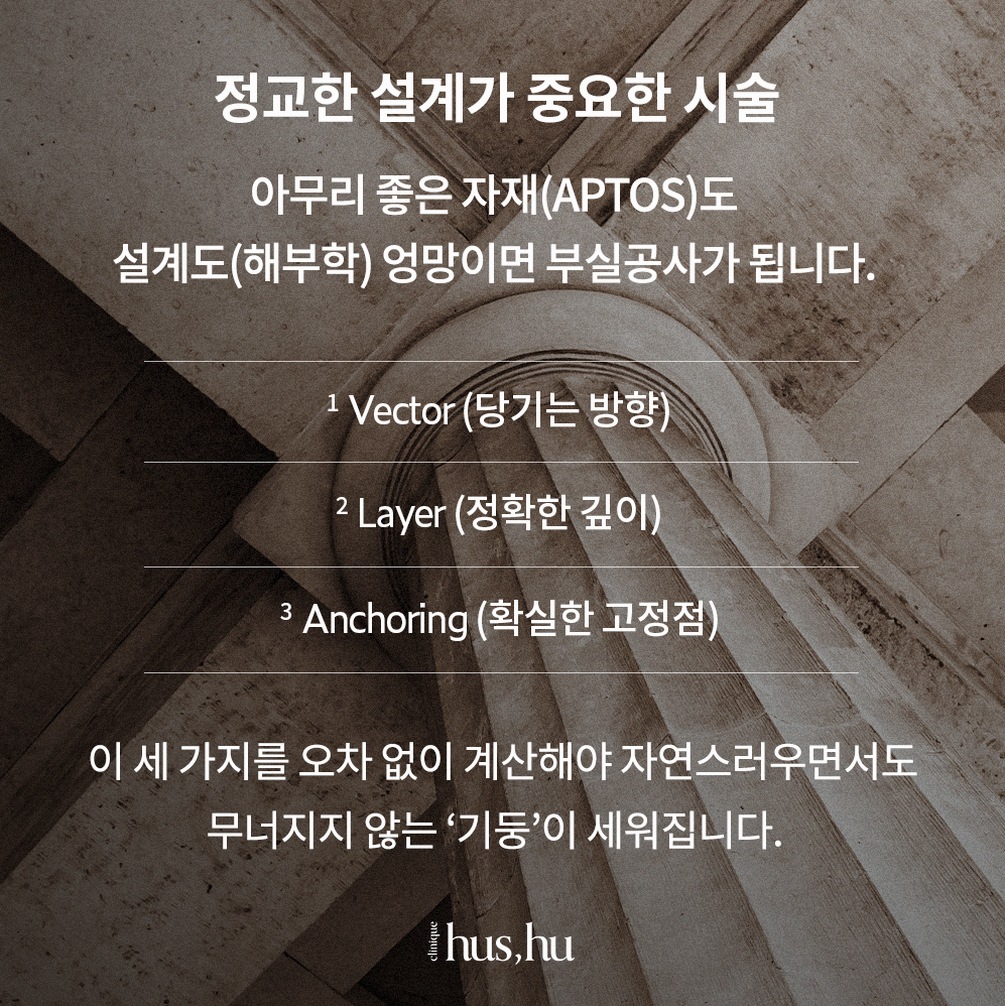
A personalized plan is then created. This includes selecting the thread type, length, and strength, and designing the lifting vectors. Vectors are the directions along which the threads will pull the tissues. Proper vector design is important for natural-looking results and symmetry.
The plan may also include the timing of any combination treatments, such as whether to perform Thermage FLX or Ulthera Prime before or after the thread lift, or when to schedule fillers or exosome injections.
Procedure day
On the day of the procedure, your face is cleansed thoroughly. The doctor marks the entry and exit points and the planned vectors on your skin while you are sitting upright, so gravity and natural expressions can be taken into account.
Local anesthesia is then injected at the entry points and along the thread paths as needed. This helps minimize discomfort during the procedure. The Aptos threads are inserted using a needle or cannula, carefully positioned in the correct tissue plane, and then gently tightened to achieve the desired lift.
You may feel pressure or pulling, but strong pain should be limited by the anesthesia. Once the lift is adjusted, the excess thread is cut and the small entry points are cleaned.
Immediate post-procedure check
After the threads are placed, the doctor checks symmetry, the degree of lift, and your comfort. Some temporary overcorrection may be intentionally left in place, as tissues tend to settle slightly over the next days and weeks.

You will receive aftercare instructions, including how to sleep, what movements to avoid, and how to manage any discomfort.
Follow-up
Follow-up visits are usually scheduled to monitor healing, manage minor side effects if they occur, and evaluate the results. During follow-up, the doctor may also suggest additional supportive treatments, such as gentle energy-based tightening or skin-quality procedures, once the threads have settled.
Expected results and recovery
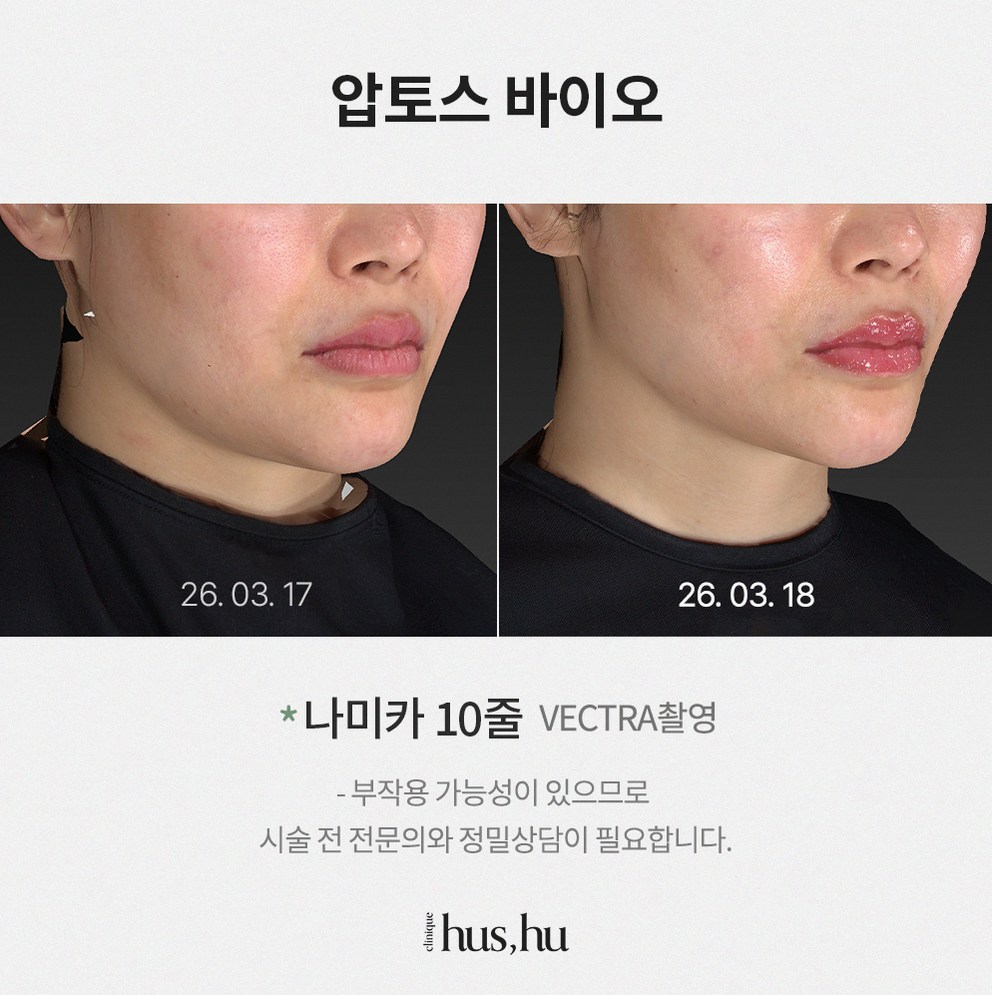
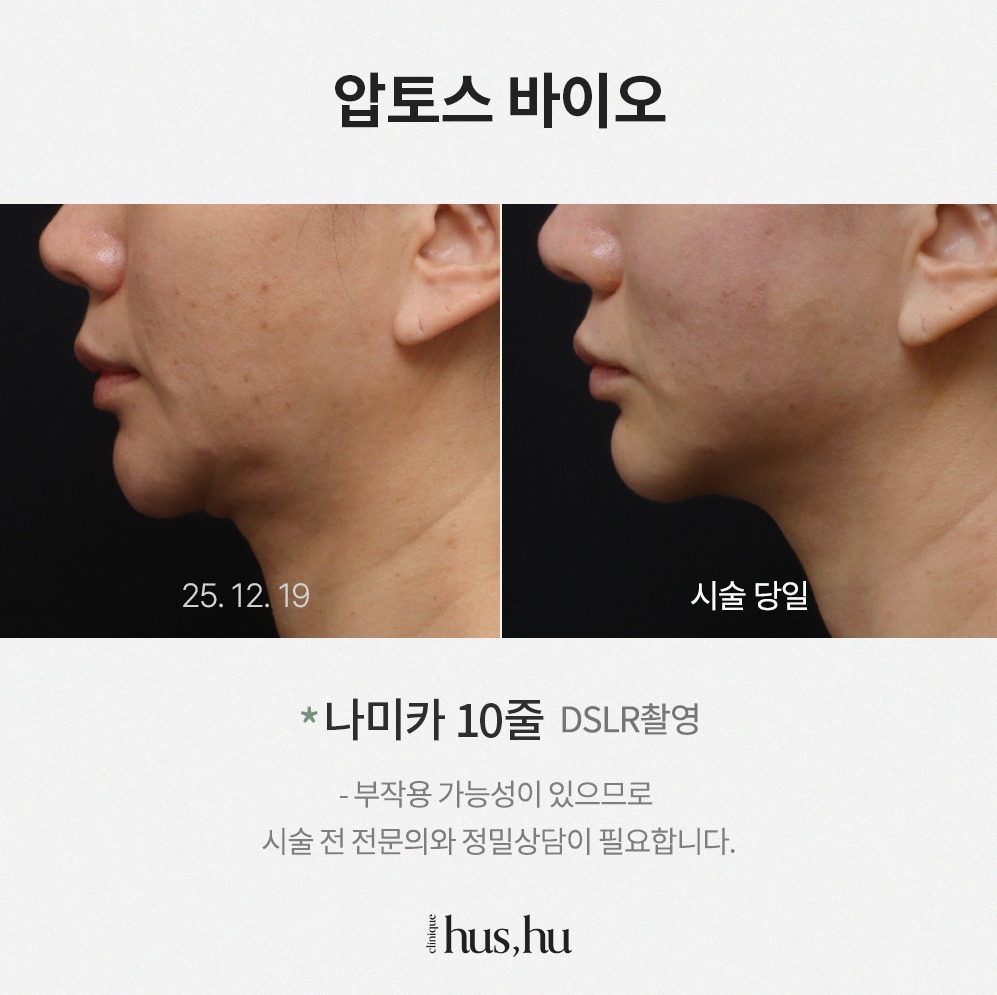
Most patients notice some immediate lifting effect due to mechanical repositioning of the tissues. Over the following weeks to months, as collagen forms around the threads, the skin may feel firmer and the lifting effect may become more refined.
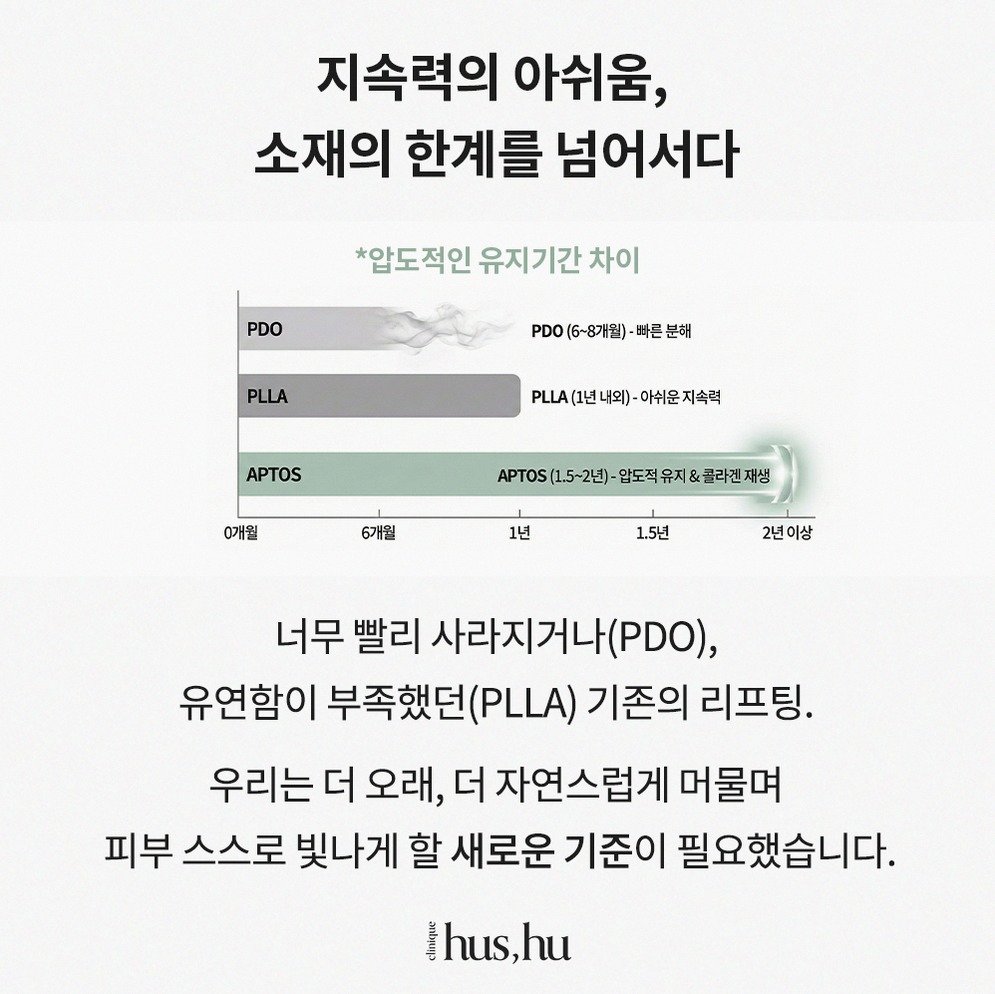
The duration of effect is often around 1–2 years, but this can vary widely depending on age, skin quality, lifestyle factors such as smoking and sun exposure, and the type and number of threads used. Some patients choose to repeat or adjust the treatment after a certain period.
Recovery and downtime
After Aptos lifting, it is common to experience swelling, mild bruising, tenderness, and a feeling of tightness or pulling, especially when moving facial muscles. These effects usually improve gradually.
The entry points are very small and tend to heal quickly. Many patients can return to light daily activities within a few days, although visible bruising or swelling may last longer in some individuals.
For a period recommended by your doctor, you will usually be advised to avoid intense facial movements, heavy exercise, saunas, and strong pressure on the treated areas. Sleeping on your back with your head slightly elevated may be suggested to reduce swelling and protect the threads.
Safety, risks, and precautions
Aptos lifting is minimally invasive, but it is still a medical procedure and carries potential risks. Common temporary side effects include bruising, swelling, pain or discomfort, and a sensation of tightness. Some patients may notice temporary asymmetry, dimpling, or irregularities in the skin surface while the tissues settle.
Less common but more significant risks include infection, visible or palpable thread lines, thread migration, or thread extrusion, where part of the thread becomes visible under or through the skin. In such cases, additional management may be required.
To reduce risks, proper patient selection and realistic expectations are important. Skilled technique and detailed knowledge of facial anatomy help minimize complications. A sterile environment and clear aftercare instructions also play a key role.

Patients should always disclose all medications, especially blood thinners and supplements that affect bleeding, as well as any medical conditions such as autoimmune diseases or bleeding disorders. Smoking, uncontrolled chronic illnesses, and pregnancy or breastfeeding may affect candidacy.
No clinic can guarantee a specific outcome or duration, and individual responses vary. A thorough consultation is essential to understand potential benefits and limitations.
Combination treatments and long-term anti-aging strategy
Aptos lifting is often most effective when integrated into a broader anti-aging plan tailored to your face rather than used in isolation.
For structural lifting, Aptos threads can address sagging in the mid and lower face. For skin tightening and deeper collagen stimulation, energy-based devices such as Thermage FLX, Ulthera Prime, Exion, and Emface may be added either before or after the thread lift, depending on the protocol.
For volume restoration, Ellanse and other fillers can be used to correct hollow temples, cheeks, or under-eye areas when appropriate. In some patients, addressing volume loss first or at the same time as lifting can lead to a more harmonious result.
For skin quality and regeneration, treatments like autologous exosome injections (Mysome), skin repair injections, pigment and vascular lasers, and acne or pore treatments can be combined over time. At a cell-focused center with a research lab, protocols such as Exomage (exosome plus Thermage) may be suggested for patients who want both lifting and regenerative effects.
Not every patient needs all of these options. The goal is to design a minimal yet effective combination based on objective diagnosis, photographs, and imaging when available, while considering your schedule and budget.
Online consultation and pre-visit preparation for overseas patients
If you are planning to travel to Seoul for Aptos lifting, an online consultation is a practical first step. Many international patients share clear photographs taken in good lighting from the front, both sides, and 45-degree angles, with a neutral expression and a gentle smile.
Before your online consultation, prepare a list of your main concerns and priorities. For example, you might rank jawline definition, mid-face lifting, or skin texture improvement in order of importance. Also prepare a list of previous procedures, such as fillers, botulinum toxin injections, thread lifts, or energy-based treatments, and when they were done.
It is helpful to write down your medications and supplements, including any blood thinners, hormone therapy, or herbal products. If you have medical conditions such as high blood pressure, diabetes, autoimmune disease, or a history of keloids, mention them in advance.
During the online consultation, you can ask about the likely combination of treatments, estimated number and type of Aptos threads, approximate recovery time, and how many days you should stay in Korea for follow-up.
Expected Korea visit timeline
For many overseas patients, a typical schedule might look like this, although it should always be personalized.
On day 1, you arrive in Seoul and rest or have a non-invasive consultation-only visit, including facial analysis and final planning. On day 2, you may undergo the Aptos lifting procedure, possibly combined with energy-based treatment if planned.
On days 3 to 5, you usually have at least one follow-up visit to check healing and manage any early side effects. Some patients choose to stay about a week in Korea to allow initial swelling and bruising to settle before flying back, especially if they are concerned about appearing in public.
If additional treatments such as exosome injections or lasers are included, they may be scheduled either on the same trip or on a future visit, depending on your travel schedule.
Aftercare and long-term maintenance
After returning home, you should continue to follow the aftercare instructions provided by the clinic. This may include avoiding strong facial massages, limiting extreme facial expressions for a certain period, and protecting your skin from sun exposure with sunscreen and hats.
Maintaining a stable weight, not smoking, and following a good skincare routine can help support your results. You can also plan periodic online check-ins with the clinic to discuss your progress and whether any maintenance treatments, such as light energy-based tightening or skin-quality procedures, would be beneficial.
Frequently asked questions about Aptos lifting
How is Aptos lifting different from other thread lifts
Aptos lifting uses branded barbed or cogged threads designed for both mechanical lifting and collagen stimulation. Compared with many basic PDO threads, Aptos threads are often engineered for stronger grip and more stable anchoring, which can be important for lifting heavier areas like the jawline or mid-face.
However, the final outcome depends not only on the thread brand but also on the doctor’s technique, vector planning, and proper patient selection. In some cases, PDO threads and Aptos threads may be used together in different areas for complementary effects.
How long does Aptos lifting last
The lifting effect of Aptos threads often lasts around 1–2 years, but this is only a general range. Factors such as age, skin quality, facial structure, lifestyle, and the number and type of threads all influence longevity.
Some patients may notice that the most visible lifting gradually softens over time, while subtle collagen-related benefits remain longer. Maintenance treatments or repeat lifting can be considered after an appropriate interval, based on a follow-up evaluation.
What does the procedure feel like and is it painful
Before the procedure, local anesthesia is injected at the entry points and along the planned thread paths to minimize pain. During insertion and tightening, you may feel pressure, pulling, or a strange sensation as the tissues are repositioned, but strong pain is usually limited by the anesthesia.
After the procedure, mild to moderate soreness, tightness, or tenderness is common, especially when talking, chewing, or making strong expressions. This usually improves over several days and can often be managed with oral pain relievers recommended by the doctor.
When can I go back to work or social activities
Many patients can return to light work or daily activities within a few days, depending on their job and comfort level with visible swelling or bruising. Those who work in front-facing roles or who are concerned about appearance in photos may prefer to allow a bit more time before major social events.
It is important to avoid heavy exercise, contact sports, and strong facial massages for a period recommended by your doctor, to protect the threads while they integrate with the tissues.
Can Aptos lifting replace a surgical facelift
Aptos lifting can provide noticeable improvement in mild to moderate sagging and may help some patients delay a surgical facelift. However, it does not remove excess skin and cannot fully replicate the results of a well-performed surgical facelift in cases of advanced aging.
For patients with severe sagging, very heavy tissues, or significant neck laxity, surgery may still be the more appropriate option. A detailed consultation is necessary to understand which approach aligns best with your condition and expectations.
Who should avoid Aptos lifting
Patients with uncontrolled chronic illnesses, active skin infections in the treatment area, severe allergies to thread materials, or certain autoimmune conditions may be advised to avoid or postpone Aptos lifting. Those on strong blood thinners or with bleeding disorders may also face higher risk of bruising or bleeding.
Individuals with unrealistic expectations, body dysmorphic tendencies, or who are unable to follow aftercare instructions may not be good candidates. A careful psychological and medical assessment helps ensure that the procedure is appropriate and safe.
Can Aptos threads be combined with Thermage, Ulthera, or fillers and in what sequence
Yes, Aptos threads are often combined with energy-based devices such as Thermage FLX or Ulthera Prime, as well as with fillers like Ellanse, depending on the treatment plan. In many cases, energy-based tightening is performed first to stimulate collagen, followed by thread lifting for structural repositioning.
Fillers may be added either before or after threads, depending on whether volume or lift is the primary concern and which areas are being treated. The exact sequence should be decided during consultation to match your anatomy, schedule, and goals.
How should I choose a clinic for Aptos lifting in Korea
When choosing a clinic, consider factors beyond price. Look for a medical team with solid training in facial anatomy and lifting techniques, and ask how often they perform thread lifting and Aptos procedures.
Check whether the clinic offers multiple lifting and skin-quality options, such as different thread types, energy devices, and regenerative treatments. This flexibility allows for individualized plans instead of forcing every patient into the same protocol. For international patients considering treatment in Cheongdam, Gangnam, an online consultation with Clinique hus,hu can be a starting point to discuss whether Aptos lifting and related treatments are suitable for you.
Soft call to action
If you are considering Aptos lifting in Seoul and would like a personalized assessment, you can arrange an online consultation before booking your trip. By sharing your photos, medical history, and goals in advance, the medical team can suggest a preliminary plan and an estimated visit schedule.
This preparation helps you make informed decisions about whether Aptos lifting, combination treatments, or alternative options are likely to match your expectations and lifestyle, so your time in Korea can be used efficiently and safely.
- 공유 링크 만들기
- X
- 이메일
- 기타 앱

댓글
댓글 쓰기