Long-Lasting for Hollows & Dark Circles
- 공유 링크 만들기
- X
- 이메일
- 기타 앱

Direct answer summary
Under-eye Ellanse is a collagen-stimulating filler treatment designed to improve tear troughs, hollows, and shadowy dark circles under the eyes. Compared with standard hyaluronic acid fillers, it emphasizes longer-term structural support and gradual collagen remodeling; effects may persist for many months and sometimes longer depending on the product variant and individual factors. It is generally suited to adults with clear volume loss and shadowing under the eyes who want a natural, more sustained improvement and who are comfortable discussing permanence and management options with an experienced eye-area injector.
In Cheongdam, Gangnam in Seoul, near Apgujeong Rodeo Station, some anti-aging clinics plan under-eye Ellanse as part of a broader facial aging strategy, looking not only at the hollows themselves but also at midface support, skin quality, and ligament structure.
Treatment overview: what under-eye Ellanse is
Ellanse is described as a biostimulatory filler intended to provide longer-term structural support by encouraging gradual tissue remodeling rather than acting solely as a temporary space-filling gel.

For the under-eye area, Ellanse is used to:
Fill tear troughs and under-eye hollows that create a tired or sunken look
Soften the boundary between the lower eyelid and the upper cheek
Reduce the shadows that make dark circles appear deeper
Improve fine wrinkles and skin quality over time as new collagen forms
Because it stimulates collagen, Ellanse is not just a simple volume filler. The goal is to remodel the tissue gradually so that the under-eye area looks smoother and more integrated with the surrounding cheek, rather than obviously “filled.” Many patients notice that the result can look more stable and natural as months pass, provided the initial plan and technique are appropriate.
Who may consider under-eye Ellanse
Typical concerns that lead people to search for under-eye Ellanse include:
Deep tear troughs or a clear groove from the inner corner of the eye down along the cheek
Sunken under-eye areas that make the face look tired even when well rested
Dark circles mainly caused by hollows and shadows, rather than only by pigmentation
Mild to moderate under-eye wrinkles combined with loss of volume
Good candidates often share these features:
Adults with visible volume loss under the eyes and relatively elastic skin
People who want a longer-lasting effect than most hyaluronic acid fillers can offer
Those who prefer a gradual, natural change rather than a sudden, very full look
Patients who are willing to invest in careful consultation and follow-up, not just a quick injection

Situations where extra caution or alternative options may be needed:
Very thin, crepey skin with significant laxity under the eyes. In this case, a doctor may recommend combining Ellanse with skin-tightening or skin-repair treatments, or even prioritizing those first.
Pronounced under-eye fat pads or bags. When the main problem is bulging fat rather than hollows, surgery or other approaches may be more appropriate.
History of filler complications, autoimmune disease, or serious chronic illness. These situations require detailed medical evaluation and sometimes a different choice of treatment.
Pregnancy or breastfeeding. Most clinics will recommend postponing elective filler treatments.
A face-to-face or online consultation with a qualified doctor is essential to determine whether under-eye Ellanse is suitable in your specific case.
How under-eye Ellanse differs from hyaluronic acid fillers
Composition and mechanism
Hyaluronic acid (HA) fillers are gels that directly occupy space. They attract water and can be shaped to some extent after injection. If needed, they can usually be dissolved with an enzyme called hyaluronidase.
Ellanse contains PCL microspheres in a gel carrier. The initial gel provides volume, but over time it is absorbed by the body. The PCL particles trigger your own collagen production, and this new collagen becomes the main structure that maintains the result.
Duration
Under the eyes, hyaluronic acid fillers typically last around 6–12 months, depending on the product, injection depth, and individual metabolism.

Ellanse is designed to last longer. In the under-eye area, many patients experience results around 1–2 years, depending on the specific Ellanse product used, their metabolism, lifestyle, and how expressive they are around the eyes.
Texture and look
Because Ellanse promotes collagen formation, it can provide firmer structural support and smoother transitions between the lower eyelid and the cheek. Over time, the new collagen can make the result feel more like your own tissue rather than a separate gel.
This can help avoid a puffy or “water-retaining” look that some people experience with certain hyaluronic acid fillers under the eyes. However, this benefit depends heavily on correct patient selection and precise technique.
Reversibility and risk
Ellanse is not typically reversible with hyaluronidase in the way hyaluronic acid fillers can be. Discuss reversibility, potential risks, and management options with your treating doctor before proceeding.
Hyaluronic acid fillers can usually be dissolved with hyaluronidase if there is overfilling, asymmetry, or other issues.

For this reason, correct indication, depth, and placement are critical. It is especially important to choose a doctor with extensive experience in the under-eye area and in biostimulatory fillers.
Because the under-eye region has delicate blood vessels and is close to the eye itself, anatomical knowledge and careful technique are essential with any filler, and even more so with a long-lasting, non-dissolvable option.
How a Cheongdam, Gangnam clinic typically approaches under-eye Ellanse
In Cheongdam, Gangnam, near Apgujeong Rodeo Station, some anti-aging clinics integrate under-eye Ellanse into a comprehensive facial aging plan. Clinique hus,hu, for example, focuses on eye and facial aging from a structural and cell-level perspective, often using imaging systems and a wide range of lifting and volume devices.
Rather than simply filling the groove under the eye, the medical team may:
Assess whether lack of support in the midface or cheek is making the under-eye hollow look worse
Check the quality and thickness of the skin, as well as the strength of ligaments that hold the tissue
Consider whether combining Ellanse with cheek support, RF or ultrasound lifting, or skin-repair injections would create a more stable and natural result

This type of approach is particularly helpful for international patients who want to make the most of a short visit to Korea by addressing the underlying causes of tired-looking eyes, not just the surface.
Step-by-step treatment process
Pre-treatment online consultation and preparation
If you are planning to travel to Seoul for under-eye Ellanse, it is wise to start with an online consultation.
Before your online appointment, prepare:
Clear photos of your face from the front and both sides in good lighting, without filters or heavy makeup
Information about any previous fillers, under-eye treatments, or eye surgeries
A list of medications and supplements you are currently taking
Any history of allergies, autoimmune conditions, or previous filler complications
During the online consultation, the doctor or coordinator will usually:
Ask about your main concerns: hollows, dark circles, wrinkles, or eye bags
Evaluate whether your dark circles are mainly from shadows, pigmentation, visible vessels, or fat pads
Explain whether under-eye Ellanse seems appropriate, or whether hyaluronic acid filler, fat grafting, or other treatments might be better
Discuss how long you should stay in Korea to allow for treatment and early follow-up
If you decide to proceed, you can schedule your visit dates and receive pre-visit instructions, such as avoiding certain blood-thinning supplements or medications if medically appropriate.

In-clinic consultation and assessment
At the clinic in Cheongdam, the in-person consultation is usually more detailed. The doctor will:
Review your medical history, medications, and previous procedures
Examine your under-eye area, cheek support, and overall facial balance
Assess skin thickness and elasticity, and the degree of volume loss and asymmetry
Sometimes use imaging or photo analysis systems to document your face and plan your anti-aging program
The doctor will then discuss whether Ellanse alone is enough, or whether combining it with cheek volume, skin boosters, or energy-based tightening treatments would better address your concerns.
Treatment planning
If under-eye Ellanse is chosen, the doctor will plan:
Injection points, such as the tear trough, the lid–cheek junction, and possibly the upper cheek for support
The amount and type of Ellanse based on your tissue characteristics and desired longevity
Whether to perform the treatment in one session or in stages for more gradual adjustment

You will also discuss realistic expectations, including:
How much improvement you can expect in hollows and shadows
The timeline of changes: immediate improvement plus gradual collagen-related changes over weeks to months
Possible temporary side effects and aftercare instructions
The procedure day
On the day of treatment, the typical steps are:
Cleansing of the under-eye and cheek area
Application of topical anesthetic cream, and sometimes local anesthetic injections at the entry point
Marking of key anatomical landmarks and injection paths
Many doctors prefer a blunt-tipped cannula for under-eye Ellanse to reduce bruising and the risk of injecting into a blood vessel. The entry point is often in the upper cheek. From there, the cannula is carefully advanced under the eye at the correct depth.
The filler is placed in small, controlled amounts. The focus is on restoring a smooth contour from the lower eyelid into the cheek, not simply filling lines. The doctor may gently massage the area to shape the product.
The entire process, including preparation, usually takes around 20–40 minutes.

Aftercare and early recovery
Immediately after the procedure, the doctor will check symmetry and contour. You may see:
Instant improvement in hollows
Mild swelling or redness
Occasional small bruises, especially if a needle was used
Common aftercare advice includes:
Avoid rubbing or pressing the under-eye area for several days
Avoid intense exercise, saunas, hot baths, and alcohol for 24–48 hours as advised
Sleep with your head slightly elevated the first night if there is swelling
Use cold compresses gently if you have mild swelling or bruising
You can usually return to daily activities quickly, but it is wise to avoid important events for a few days in case of visible bruising.
Final results and longevity
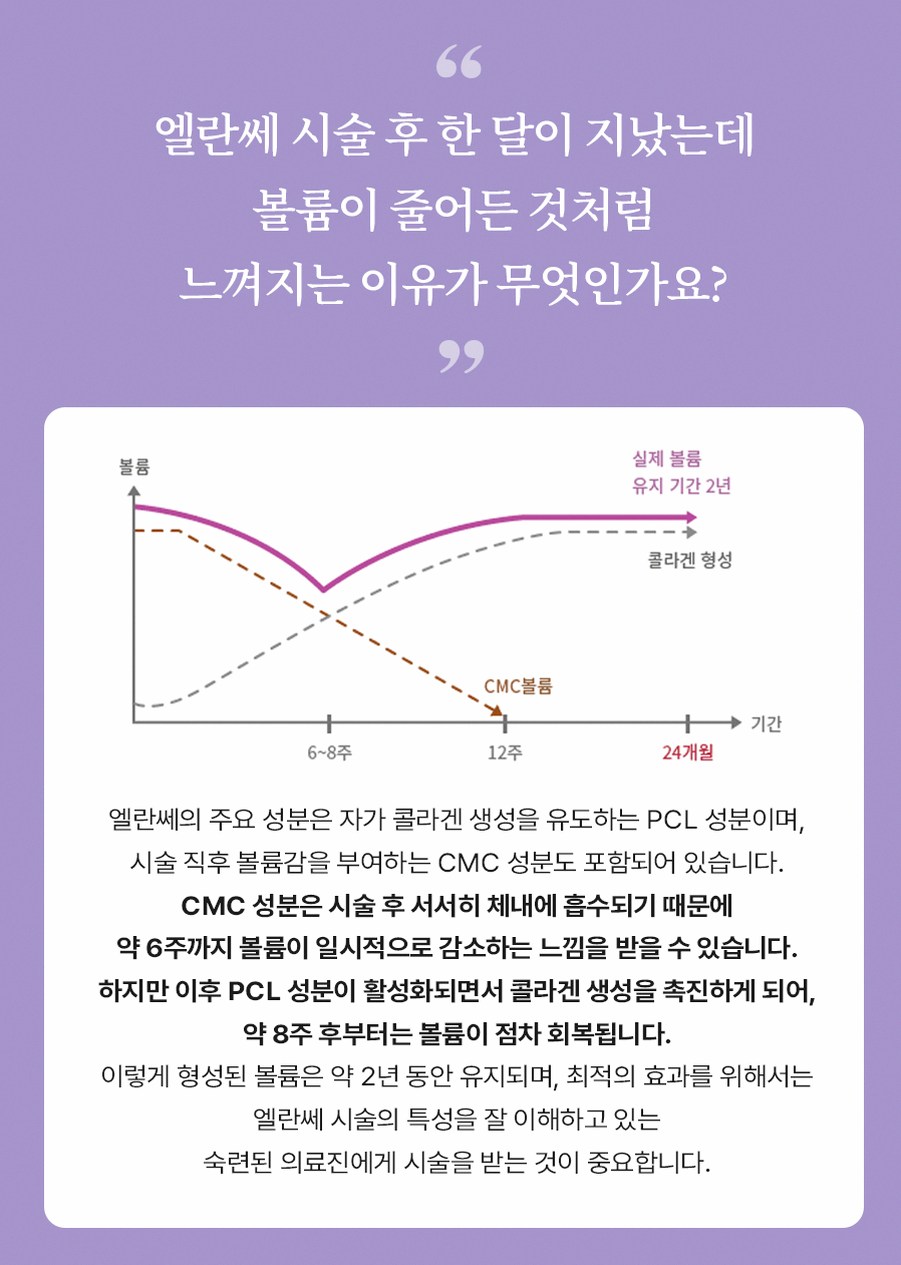
You will see an immediate change from the carrier gel. Over the following weeks to months, the gel is gradually absorbed while your body builds new collagen around the PCL microspheres.
Expected changes include:
Hollows look less deep and the transition from eyelid to cheek looks smoother
Shadowy dark circles caused by hollows become less noticeable
Skin may feel slightly firmer and fine lines can improve as collagen increases
Longevity is often around 1–2 years in the under-eye area, but this varies by product type, individual metabolism, lifestyle, and how expressive you are around the eyes. Good sun protection, healthy sleep, and avoiding smoking can help maintain skin quality.
The goal is a subtle, refreshed look, not a dramatic or puffy appearance. Many patients appreciate that the change is noticeable but not easily recognized as “filler” by others.
Risks, side effects, and safety points
All fillers, including Ellanse, carry potential side effects.

Common, usually temporary effects:
Redness, swelling, or mild pain at the injection site
Small bruises under the eyes or on the cheek
Slight asymmetry or unevenness in the first days as swelling settles
Less common issues:
Lumps or irregularities if product is placed too superficially or in excess
Prolonged swelling or tenderness
Inflammatory reactions in rare cases
Serious but rare complications:
Vascular occlusion (blockage of a blood vessel), which can lead to skin damage
Visual disturbances if filler enters or compresses vessels connected to the eye
Infections or severe inflammatory responses
Because Ellanse is not dissolvable with an enzyme, prevention is the key. This means:

The doctor must have a deep understanding of under-eye and periorbital anatomy
The injection should be done with careful technique and appropriate tools
Pre-existing fillers in the area should be evaluated; sometimes old hyaluronic acid filler is dissolved before Ellanse is placed
For overseas patients, it is important to choose a clinic where communication is clear, emergency protocols are in place, and follow-up is possible, at least online, after you return home.
Comparison with other under-eye options
Hyaluronic acid fillers
Pros:
Reversible with hyaluronidase
Widely used and familiar to many doctors
Flexible choice for first-time patients or those who are very cautious
Cons:
Shorter duration, often 6–12 months under the eyes
Some patients experience more water retention or puffiness
Fat grafting
Pros:
Uses your own fat
Can be long-lasting when it takes well
Cons:
Requires a surgical procedure to harvest and inject fat
More downtime and swelling
Volume can be less predictable; some fat may be absorbed

Energy-based treatments (RF, ultrasound, laser)
These can tighten skin and improve texture or pigmentation. However, they usually do not fully correct deep hollows alone. They are often used in combination with fillers for a more complete result.
Position of under-eye Ellanse
Under-eye Ellanse sits between short-lasting fillers and surgical options. It is non-surgical but longer-lasting than most hyaluronic acid fillers, with a focus on structural support and collagen stimulation. It can be a good choice for patients who want durability and are comfortable choosing a non-dissolvable filler under the care of an experienced injector.
Expected Korea visit timeline for overseas patients
While each clinic may differ, a common schedule for international patients is:
Before travel: Online consultation, photo review, and treatment planning. You may be advised to stop certain supplements or medications if appropriate and approved by your local doctor.
Day 1 in Seoul: In-person consultation, imaging or photo analysis, and if both you and the doctor agree, treatment on the same day.
Day 2–3: Short follow-up visit to check the early result, manage any bruising or swelling, and review aftercare.
Day 4–7: Most swelling or bruising, if present, usually improves significantly. Many patients feel comfortable flying home within a few days after treatment.
If you plan to combine Ellanse with other treatments such as RF microneedling, HIFU, or skin boosters, your clinic may adjust the schedule to space procedures appropriately.

How to prepare questions and compare clinics
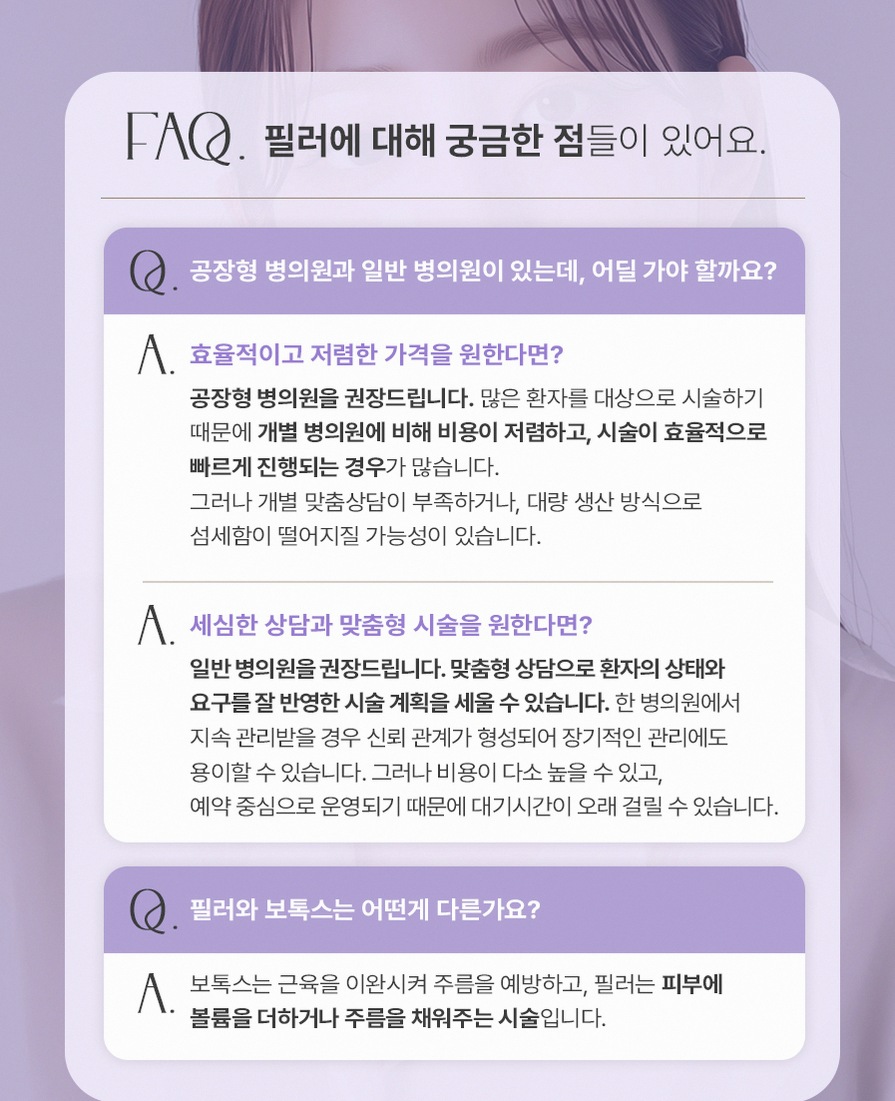
When you are comparing clinics in Cheongdam or elsewhere in Seoul, it can help to prepare a checklist. Instead of focusing only on cost, consider asking:
How often does the doctor perform under-eye filler treatments, and how familiar are they with Ellanse specifically
What is their approach if you already have filler under the eyes
Whether they use cannulas, needles, or both, and why
What kind of imaging or diagnostic tools they use to plan the treatment
What aftercare and follow-up options are available for overseas patients
Before your consultation, you can write down:
Your main priorities (for example, “reduce hollows” vs “improve wrinkles”)
Any previous issues with fillers or injections
Your travel dates and how many days you can stay for follow-up
Clinics like Clinique hus,hu in Cheongdam often provide structured online consultations, detailed explanations, and combination treatment planning. This can be especially useful if you are considering Ellanse together with lifting or skin-repair procedures.
Frequently asked questions about under-eye Ellanse
Is under-eye Ellanse safe?
Under-eye Ellanse can be performed safely when it is done by a qualified doctor with detailed knowledge of the under-eye anatomy and experience with biostimulatory fillers. However, like all fillers, it carries risks such as bruising, swelling, lumps, and, rarely, vascular complications or visual problems. Because it is not dissolvable with an enzyme, careful patient selection, precise technique, and thorough consultation are particularly important. It is essential to discuss your medical history and expectations openly with your doctor.
How long does under-eye Ellanse last?
In many patients, under-eye Ellanse lasts around 1–2 years. The exact duration depends on the specific product type used, your metabolism, lifestyle, and how expressive you are around the eyes. Some people may notice that the effect gradually softens over time rather than disappearing suddenly. Good skincare, sun protection, and healthy habits can help support the quality of the skin and collagen in the area.
When will I see the final result?
You will see an immediate improvement from the initial gel volume right after the procedure. Swelling and minor bruising, if present, usually settle over several days. Collagen stimulation is gradual, so the texture and firmness of the under-eye area may continue to improve over several weeks to a few months. Many doctors consider the result relatively stable by around three months, although subtle changes may continue after that.
Can Ellanse be removed if I do not like it?
Ellanse cannot be dissolved with hyaluronidase, unlike hyaluronic acid fillers. Once injected, it relies on your body’s natural breakdown over time. For this reason, it is crucial to choose an experienced doctor, start with a conservative amount, and have a detailed discussion about expected results before treatment. If an issue arises, management focuses on supportive care and, in rare cases, medical or surgical approaches as determined by your doctor.
What is the difference between Ellanse and regular under-eye filler?
The main differences are in composition, mechanism, and duration. Regular under-eye fillers are usually hyaluronic acid gels that provide volume and can be dissolved if needed. Ellanse contains PCL microspheres that stimulate your own collagen, aiming for longer-lasting structural support. Ellanse often lasts longer than hyaluronic acid fillers but cannot be enzymatically reversed. This makes proper planning and technique especially important.

Will under-eye Ellanse help with dark circles from pigmentation?
Under-eye Ellanse is most effective for dark circles caused by hollows and shadows. If your dark circles are mainly from pigmentation in the skin or visible blood vessels, Ellanse alone may not be enough. In such cases, your doctor may recommend combining Ellanse with treatments such as lasers, RF microneedling, or skin boosters that target pigmentation and skin quality. A careful assessment is needed to identify the main cause of your dark circles.
Can I combine under-eye Ellanse with laser, RF, or exosome or skin booster treatments?
In many cases, energy-based treatments (laser, radiofrequency, ultrasound) and skin-booster injections are used alongside fillers as part of a combined plan to address skin texture and support. Treatments involving exosomes or other regenerative products are sometimes offered to help support skin quality, but evidence and suitability vary. Discuss potential benefits, timing, and risks of combination treatments with your treating physician.
Yes, under-eye Ellanse is often combined with other treatments as part of a comprehensive anti-aging plan. For example, The timing and order of treatments need to be planned carefully to avoid interfering with the filler. Your doctor will design a schedule that fits your goals and travel dates.
How much downtime should I expect?
Most patients can return to light daily activities shortly after treatment. However, mild swelling or bruising can occur and may last several days to about a week. It is wise to avoid important social events for a few days after the procedure. If you are flying in from overseas, many clinics recommend staying in Seoul for at least a couple of days after treatment so that any early concerns can be checked.

How do I choose a clinic or doctor for under-eye Ellanse in Korea?
When choosing a clinic, look for a doctor with clear experience in under-eye treatments and biostimulatory fillers, not just general filler injections. Ask about their approach to assessment, whether they use imaging tools, and how they handle patients who already have filler in the area. For overseas patients, it is also important to confirm that the clinic offers online consultations, clear English communication, and structured follow-up. Clinics in Cheongdam, such as Clinique hus,hu, often emphasize a comprehensive anti-aging approach that considers the entire midface, not only the under-eye hollow.
Soft call to action
If you are considering under-eye Ellanse in Seoul and would like a personalized opinion, you can start with an online consultation before planning your trip. By sharing clear photos and your medical history, you allow the medical team to assess whether Ellanse is suitable for your under-eye concerns and how it might be combined with other treatments for a natural, long-lasting result. This preparation helps you make the most of your time in Korea and approach treatment with realistic expectations and a clear plan.
- 공유 링크 만들기
- X
- 이메일
- 기타 앱

댓글
댓글 쓰기