Pigmentation laser toning in Cheongdam, Seoul: what overseas patients should know
- 공유 링크 만들기
- X
- 이메일
- 기타 앱
Direct answer: is pigmentation laser toning right for you?
It uses low to medium energy laser pulses to gradually break up excess pigment in the skin, with relatively short downtime and a focus on safety.
Rather than promising a one-time miracle, modern pigmentation laser programs in Cheongdam, Gangnam are usually planned as a series of sessions. The aim is staged, natural-looking brightening with careful medical assessment, not aggressive over-treatment that can cause rebound darkening.
This guide explains how laser toning for pigmentation works, who may benefit, how to prepare for an overseas visit, what a typical treatment schedule in Korea might look like, and how to care for your skin afterward. It is written for international patients considering a visit to a premium anti-aging clinic such as Clinique hus,hu near Apgujeong Rodeo Station.

What is pigmentation laser toning?
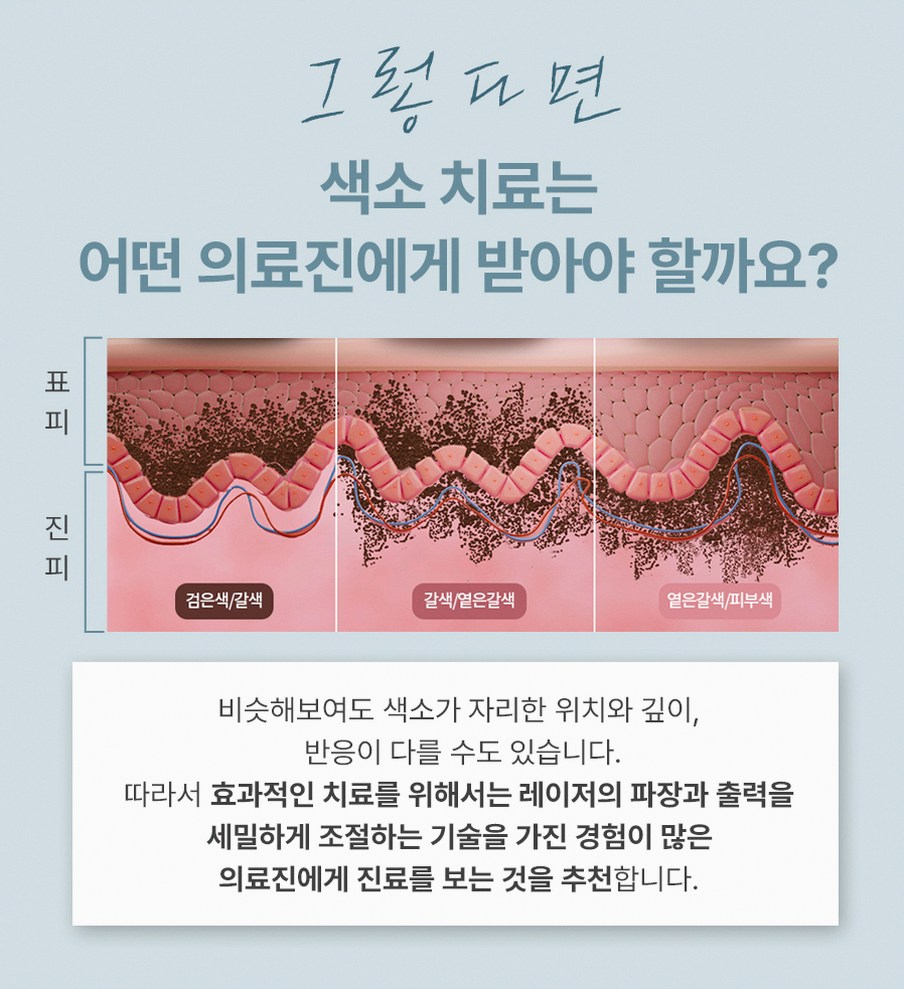
Pigmentation laser toning is a non-surgical procedure that uses specific laser wavelengths to target melanin, the pigment that gives skin its color. When melanin collects in certain areas, it appears as brown patches or spots. The laser delivers short bursts of energy that break the pigment into smaller particles, which the body can gradually clear away.
Unlike strong, single-shot pigment lasers that can cause obvious peeling or long downtime, toning uses lower energy over multiple passes and multiple sessions. The goal is to gently lighten:
Melasma: patchy brown or gray-brown discoloration, often on the cheeks, forehead, or upper lip, commonly related to hormones and sun exposure.
Sun spots and age spots: well-defined brown spots from long-term sun damage.
Freckles: small scattered spots, often genetic but worsened by sun.
Post-inflammatory hyperpigmentation: dark marks left after acne, irritation, or procedures.
Ota nevus and some other deeper pigment lesions: in these cases, stronger settings or picosecond lasers may be added, and more sessions are usually needed.
In many modern clinics, laser toning is performed with Q-switched or picosecond devices, and sometimes combined with vascular or fractional lasers when redness, visible vessels, or texture problems are present.
Why staged treatment matters for pigmentation
Pigmentation, especially melasma, behaves more like a chronic condition than a one-time problem. Hormones, sun exposure, heat, and inflammation can all trigger or worsen it. If treatment is too strong or too fast, the skin can react with more inflammation and produce even more pigment. This is called rebound pigmentation.
For this reason, careful clinics in Cheongdam and Gangnam usually recommend a staged plan:
Start with lower energy settings and monitor how your skin responds.
Increase or combine treatments gradually if your skin tolerates it well.
Integrate barrier repair and anti-inflammatory care to keep the skin calm.
Emphasize strict sun protection and realistic expectations from the beginning.
This approach may feel slower, but it is designed to reduce the risk of complications and to fit into busy schedules, especially for overseas visitors who cannot afford long downtime.
Who may consider pigmentation laser toning
Pigmentation laser toning may be suitable if you:
Have diffuse facial pigmentation such as melasma or general uneven tone.
Have discrete brown spots like sun spots, age spots, or freckles.
Have dark marks after acne or irritation (post-inflammatory hyperpigmentation).
Have mixed pigmentation with both brown and red components.
Prefer minimal downtime and gradual brightening rather than dramatic peeling.
Are willing to commit to several sessions and good sun protection.
Who may not be an ideal candidate
Laser toning may not be the best choice, or may need to be delayed or modified, if you:
Have very dark or recently tanned skin, where the risk of rebound pigmentation is higher.
Expect a one-time permanent cure for melasma, without ongoing care.
Are taking medications that make you very sensitive to light.
Have active skin infections or open wounds in the treatment area.
Expect dramatic whitening after a single session or a very short visit.
In these situations, a careful consultation is important. The clinic may suggest pre-treatment skin care, a different timing for your trip, or a more conservative plan.

How doctors assess pigmentation before laser toning
A thorough assessment is essential before any pigmentation laser treatment. In a premium anti-aging clinic setting in Cheongdam, this usually includes:
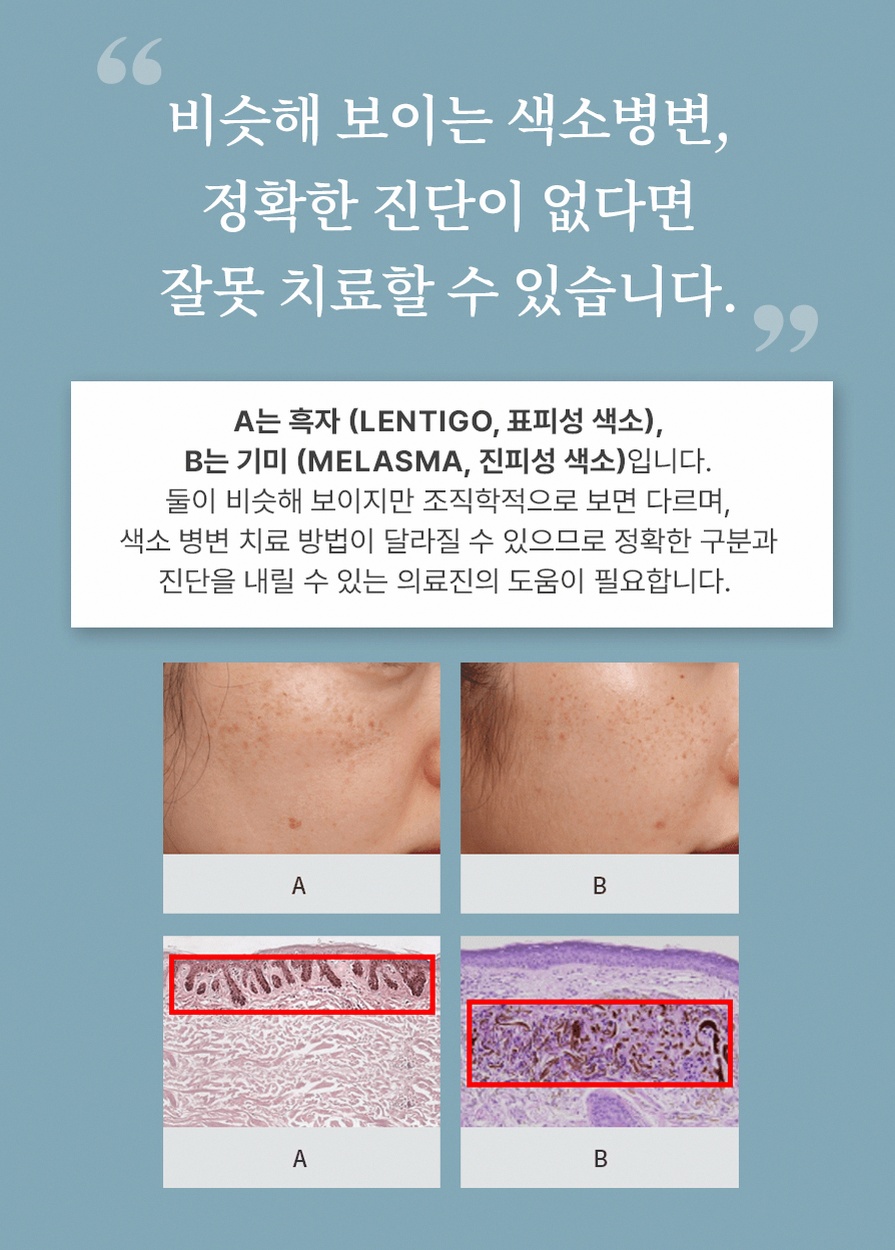
Pigmentation type and depth
The doctor will classify your pigmentation as:
Epidermal: more superficial, often easier to lighten.
Dermal: deeper pigment, often needs more sessions and careful settings.
Mixed: a combination of both, common in melasma.
They will also identify whether your main issue is melasma, spots, or post-inflammatory hyperpigmentation, because each behaves differently.
Skin type and sensitivity
Your natural skin color, tanning history, and sensitivity to products or past treatments are important. This helps the doctor avoid over-treatment and choose safer energy levels.
Vascular and redness component
Some pigmentation problems sit on a background of redness or visible vessels. In such cases, vascular lasers may be combined with pigment lasers to improve overall tone.
Previous treatments and damage
The doctor will ask about:
Past peels or lasers.
Any history of burns, scarring, or rebound darkening.
Your current skincare routine, especially strong acids or retinoids.
Lifestyle and sun exposure
Your daily sun exposure, outdoor sports, work environment, and travel habits affect both treatment planning and aftercare. Honest discussion helps set realistic goals and a practical schedule.
Many advanced clinics use imaging systems such as VISIA or Vectra to map pigmentation depth, redness, pores, and texture. These images help guide device choice and track progress over time.
Treatment overview: what happens during a pigmentation laser session
While details vary by clinic, a typical pigmentation laser toning session in Cheongdam, near Apgujeong Rodeo Station, may follow these steps:
1) Cleansing and photography
Makeup and sunscreen are removed carefully.
Standardized photos and, in some clinics, imaging scans are taken to document your baseline.
2) Skin analysis and confirmation
The doctor reviews your skin in person and may examine the imaging results.
They confirm the diagnosis (for example, melasma with mixed depth, or mainly sun spots) and discuss the plan with you.
3) Treatment planning and device selection
Based on your skin and goals, the doctor selects from devices such as:
Picosecond lasers (for example, PicoWay) for fine pigment and stubborn spots.
Q-switched Nd:YAG lasers for diffuse melasma and overall tone.
Vascular lasers (for example, Vbeam-type devices) when redness is significant.
Fractional lasers (for example, Fraxel-type or fractional eCO2) when texture, pores, or scars are also a concern.

They decide how many passes to perform, which areas to focus on, and whether to combine treatments in the same session or over several visits.
4) Protection and cooling
Eye shields are placed for safety.
Cooling air or contact cooling is often used to improve comfort and reduce heat in the skin.
5) Laser toning procedure
The doctor moves the laser handpiece over the treatment area in multiple passes.
You may feel mild tingling, warmth, or a light snapping sensation.
Most patients tolerate the procedure without strong anesthesia, though numbing cream may be used for some devices or sensitive areas.
6) Immediate post-care
After the session, the skin may look slightly pink or feel warm.
Soothing products and barrier repair creams are applied.
High-SPF sunscreen is usually applied before you leave the clinic.
7) Follow-up and next sessions
Sessions are typically repeated every 1 to 4 weeks, depending on your skin response and the type of pigmentation.
Parameters may be adjusted each time based on improvement and any sensitivity.
Technology and customization: why multiple lasers can be helpful
Pigmentation is rarely one simple problem. Many people have a mix of brown patches, spots, redness, enlarged pores, and fine lines. For this reason, clinics with a larger device portfolio can tailor treatment more precisely.
Examples of how different devices may be used together:
Picosecond lasers for small, stubborn spots and deeper pigment particles, often with reduced downtime compared to older technologies.
Q-switched Nd:YAG toning for diffuse melasma and overall brightening.
Vascular lasers when redness, flushing, or visible vessels are present around pigment.
Fractional lasers such as Fraxel-type or fractional eCO2 when texture, pores, or acne scars need improvement along with pigment.
Gentler treatments such as hydrafacial-type cleansing or regenerative programs to support barrier repair and reduce irritation.
Expected course: how many sessions and how fast are results?
Number of sessions
Most patients need a series of treatments rather than a single visit. A common range is:
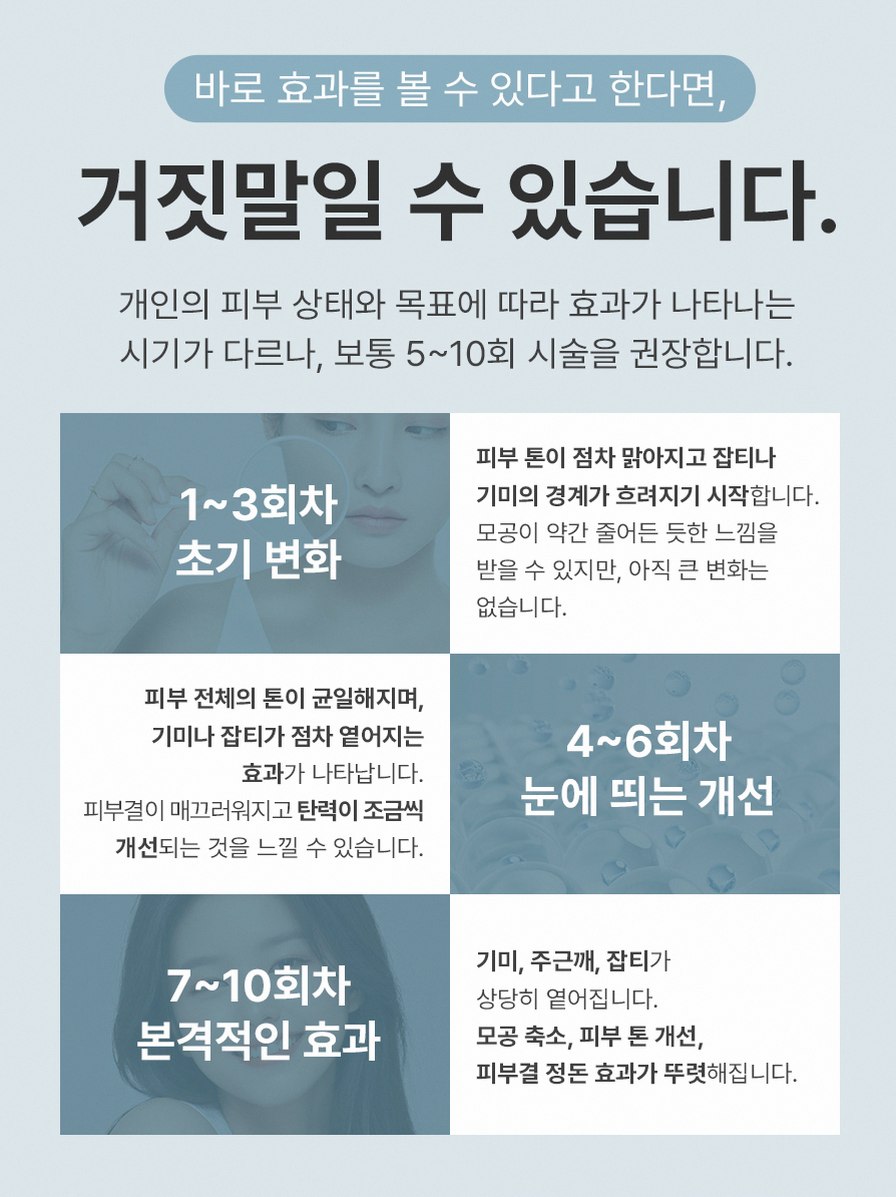
Treatment plans typically involve a series of sessions; the exact number and spacing vary depending on the type and depth of pigmentation and will be determined during consultation.
The exact number depends on:
Type of pigmentation (melasma usually needs more sessions).
Depth of pigment (dermal and mixed types are slower to respond).
Skin type and sensitivity.
How strictly you follow sun protection and aftercare.
Timeline of results
Early changes: some people notice a slight brightening and smoother tone after a few sessions.
Melasma and deeper pigment: usually require several months of staged treatment for noticeable improvement.
Mixed issues: if texture, pores, or redness are also treated, improvements may appear gradually in different aspects of the skin.
Maintenance
Because melasma and sun damage are chronic and influenced by lifestyle and hormones, maintenance is usually needed:
Periodic maintenance sessions after the initial series.
Daily use of broad-spectrum sunscreen and physical sun protection.
Stable, gentle skincare to support the skin barrier.
Planning your Korea visit as an overseas patient
If you are traveling from overseas to Cheongdam, Gangnam for pigmentation laser toning, planning ahead can make your visit smoother.
Online consultation and pre-visit preparation
Before booking flights, it is helpful to arrange an online consultation. Many clinics offer email, messaging, or video consultations with an English-speaking coordinator and a doctor.
To prepare, you can:
Take clear, makeup-free photos in natural light from the front and both sides.
List your current skincare products and any prescription creams.
Note any previous peels, lasers, or strong treatments and how your skin reacted.
Share any medical conditions, medications, or allergies.
Explain your travel dates, how long you can stay, and how many visits you can realistically make.
This information helps the clinic estimate what is possible within your schedule and what expectations are realistic.
Suggested visit timelines
Short visit (3 to 5 days)
Suitable if you:
Want an initial assessment and 1 to 2 gentle sessions.
Plan to continue maintenance in your home country.
Typical flow:
Day 1: consultation, imaging, first laser toning session.
Day 3 to 4: optional second gentle session or skincare treatment, depending on your skin response.
Medium visit (1 to 2 weeks)
Suitable if you:
Can stay longer and want several sessions.
Have moderate pigmentation and want to start a structured program.
Typical flow:
Day 1: consultation, imaging, first session.
Day 4 to 5: second session.
Day 8 to 10: third session or combination treatment (for example, adding a fractional or vascular laser if appropriate).
Longer-term plan
Even with a focused visit in Korea, pigmentation often needs ongoing care. Your home dermatologist or clinic can continue maintenance, or you can plan follow-up visits to Seoul at intervals that fit your lifestyle.
What to ask the clinic before you decide
When comparing clinics in Cheongdam or other parts of Seoul, it can be helpful to prepare a checklist of questions:
Which devices will likely be used for my pigmentation type?
Who will decide the laser settings and perform the treatment?
How many sessions do you usually recommend for cases similar to mine?
What is the expected downtime after each session (redness, swelling, peeling)?
What aftercare products or programs are included, and what should I bring from home?
How will you monitor and adjust treatment if my skin becomes sensitive?
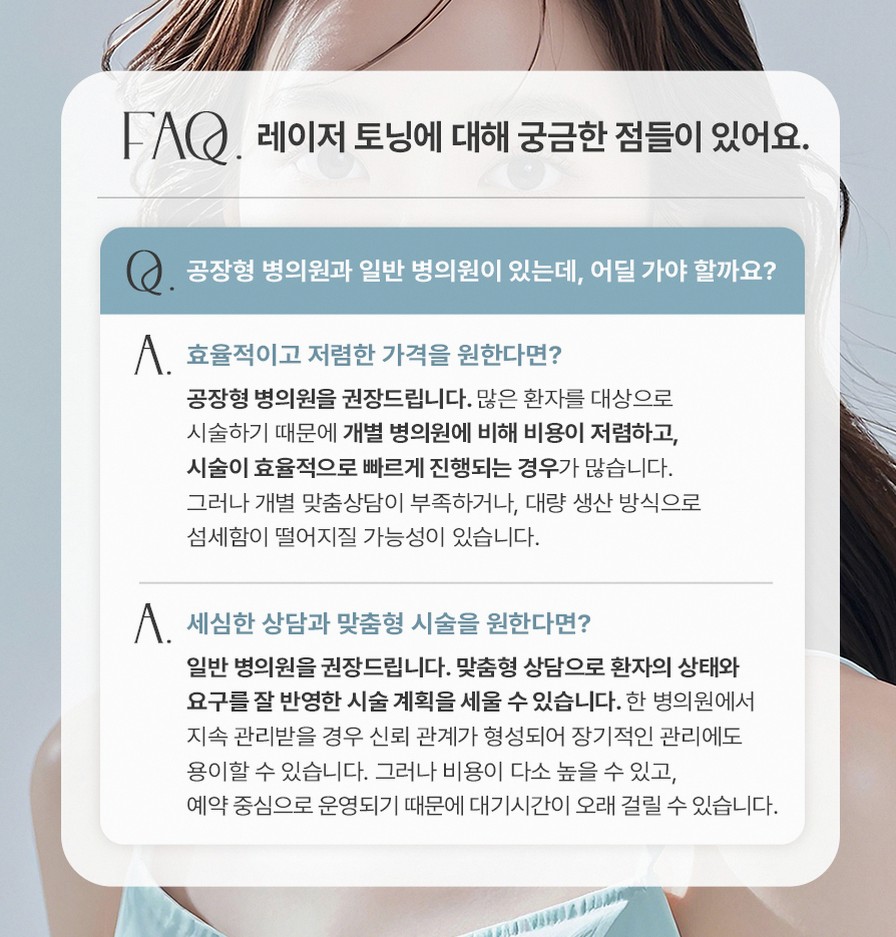
Focusing only on price can be misleading. Differences in doctor involvement, device quality, energy settings, number of passes, and aftercare can all affect both safety and results.
Aftercare: protecting your results and your skin
Good aftercare is as important as the laser itself, especially for overseas patients who will soon return to a different climate or time zone.
Sun protection
Use a broad-spectrum sunscreen every day, with generous application and reapplication when outdoors.
Wear hats, sunglasses, and seek shade, especially during peak sun hours.
Avoid intentional tanning and strong heat exposure on the face when possible.
Gentle skincare
Cleanse with a mild, non-foaming or low-foam cleanser.
Use a simple, hydrating moisturizer to support the barrier.
Avoid harsh scrubs, strong acids, or at-home peels for several days after each session.
Follow the clinic’s instructions about when to restart active products like retinoids.
Handling darkening or flaking
Some spots may temporarily darken or form fine flakes as pigment breaks up.
Do not pick, scratch, or peel these areas; let them shed naturally.
If you notice unusual or patchy darkening, contact the clinic for advice.
When to contact the clinic
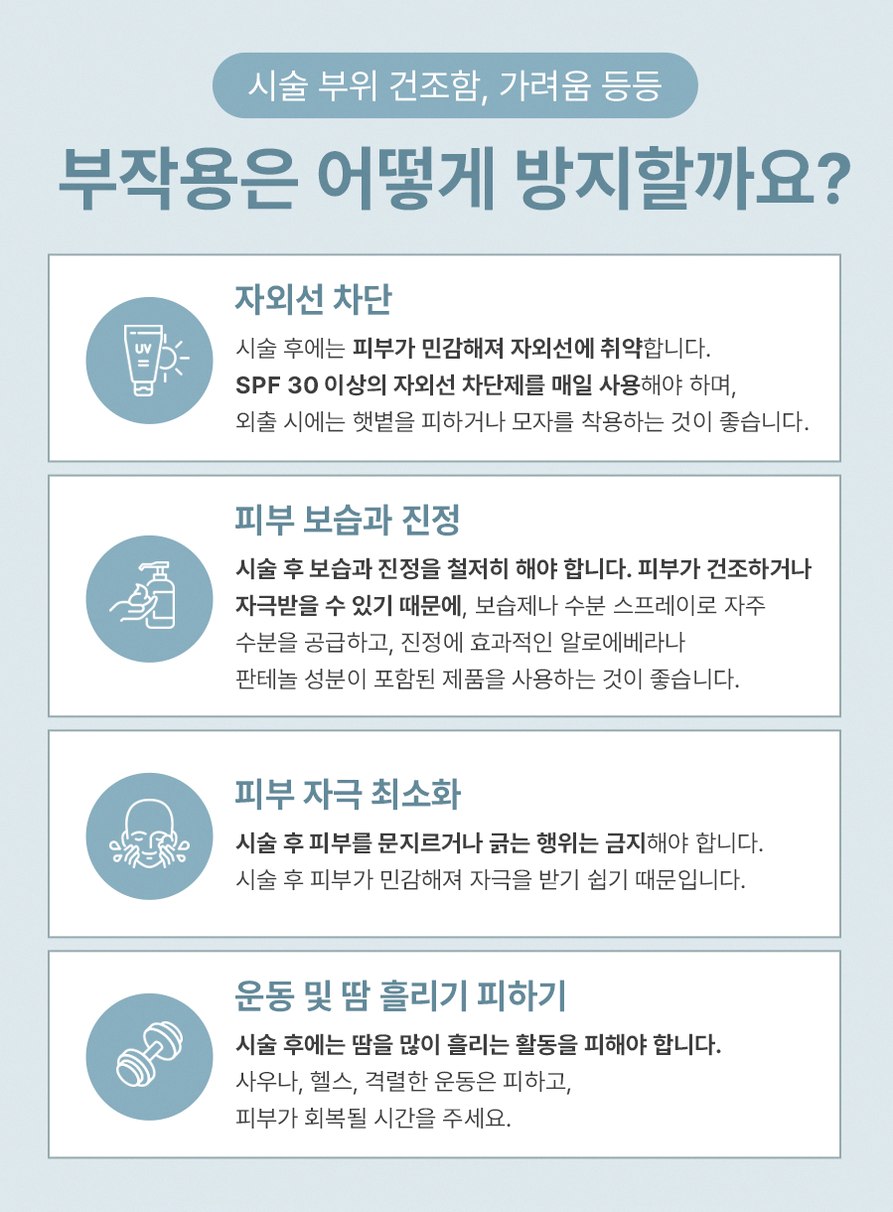
If you experience excessive redness, pain, blisters, or unusual darkening, inform the clinic promptly.
Sending photos by email or messaging can help the doctor advise you, even after you return home.
Frequently asked questions about pigmentation laser toning in Korea
How many pigmentation laser sessions will I need in Seoul?
Most people need at least 5 to 10 sessions for meaningful improvement, especially with melasma or mixed-depth pigmentation. If you are visiting from overseas for a short time, you may start the program in Seoul and then continue maintenance in your home country. The exact number of sessions depends on your pigmentation type, depth, and skin sensitivity, so it is best decided after an in-person assessment.
Is pigmentation laser toning painful and is there downtime?
Pigmentation laser toning is usually described as mildly uncomfortable rather than painful. You may feel warmth, tingling, or a light snapping sensation during the session. Afterward, the skin may look slightly pink or feel warm for a few hours to a day. Most people can return to normal daily activities immediately, with makeup often allowed the next day, depending on the specific treatment.
Can pigmentation come back after laser treatment?
Yes, pigmentation can return or worsen if triggers such as sun exposure, hormones, or heat are not controlled. Melasma in particular is known to be chronic and relapsing. Laser toning is best seen as part of a long-term management plan that includes sun protection, gentle skincare, and sometimes maintenance sessions. A responsible clinic will explain this clearly and avoid promising permanent removal.
Is pigmentation laser safe for all skin types?
Pigmentation lasers can be used on many different skin types, but the approach must be adjusted. Very fair and medium skin types usually have more options and lower risk. Darker or recently tanned skin requires more caution, lower energy, and sometimes alternative or delayed treatment to reduce the risk of rebound pigmentation. A proper consultation with a physician who understands your skin type is essential before starting.
Considering a consultation in Cheongdam
If you are planning a trip to Seoul and are interested in pigmentation laser toning in the Cheongdam and Apgujeong Rodeo area, arranging an online consultation before you book your flights can help you understand what is realistic for your schedule and skin type.

Clinique hus,hu offers a premium anti-aging and skin regeneration environment, with structured skin analysis and access to multiple pigment-focused laser platforms. By sharing clear photos, your treatment history, and your travel plans in advance, you can receive a more personalized outline of potential options and visit timing.
This article is for general information only and does not replace a medical consultation. Individual assessment by a qualified physician is necessary to determine whether pigmentation laser toning is appropriate and how it should be performed for your specific skin.
- 공유 링크 만들기
- X
- 이메일
- 기타 앱

댓글
댓글 쓰기