Thread Lift Aftercare Guide for Silhouette Soft in Cheongdam, Seoul
- 공유 링크 만들기
- X
- 이메일
- 기타 앱
Silhouette Soft Thread Lift Aftercare: How to Protect Your Lift and Heal Safely
Quick take
Most people return to light daily activities within a couple of days, but internal healing and collagen stimulation continue for several months. This guide explains what happens under the skin, what to do and avoid at each stage, and when to contact your clinic.
Treatment overview: What is a Silhouette Soft thread lift?
A Silhouette Soft thread lift uses absorbable suspension threads with tiny cones to gently reposition sagging facial tissue. Through small entry points, the doctor inserts the threads under the skin, anchors them, and then tightens them to lift areas such as the midface, jawline, or lower face.
There are two main effects. First, you see an immediate mechanical lift from the threads and cones pulling the tissue upward. Second, over the next months, the material gradually dissolves while stimulating collagen around the threads. This new collagen helps support the skin and soft tissues, contributing to a firmer, more defined look.
At an anti‑aging center in Cheongdam, Gangnam, Silhouette Soft is often one of several lifting options, chosen and combined according to facial anatomy, skin quality, and long‑term anti‑aging goals.
What happens after a Silhouette Soft thread lift?
Immediate phase (day 0–3)
Right after the procedure, you can expect some swelling, tightness, and mild to moderate soreness along the thread paths. The face may look slightly over‑lifted or feel stiff when you talk or smile. Small dimples or irregularities in the skin can appear, especially when you move your face or chew.
Early healing (days 4–14)
Swelling and bruising usually peak within the first 2–3 days and then gradually improve. Tightness is still noticeable, particularly when you chew, yawn, or make big facial expressions. Dimpling often becomes less obvious as tissues relax and adapt around the threads.
Collagen phase (weeks 3–12)
By weeks 3–12, the threads are more integrated into the tissue. Your face tends to look more natural and less “pulled,” while the lift remains. Collagen forms around the threads as they slowly dissolve, helping to maintain firmness and contour.
Longer term (months 6–18+)
Over 6–18 months, the threads are absorbed, but the collagen scaffolding they stimulated can remain longer. How long the effect lasts depends on your age, skin elasticity, facial structure, lifestyle, and whether you combine the thread lift with other treatments such as energy‑based devices or injectables.
Who may consider a Silhouette Soft thread lift in Korea?
Silhouette Soft thread lifting can be an option for adults, often in their 30s to 60s, who notice early to moderate sagging but do not feel ready for surgical lifting. Typical concerns include softening of the jawline, mild jowls, flattening of the midface, or early marionette lines.
You may consider this treatment if you:
Want a noticeable yet natural‑looking lift without surgery
Have mild to moderate skin laxity rather than very heavy or severely sagging tissue
Can follow detailed aftercare instructions, especially regarding sleeping position, facial movement, and activity restrictions
Are open to a combined anti‑aging plan that includes skincare, sun protection, and possibly other non‑surgical treatments
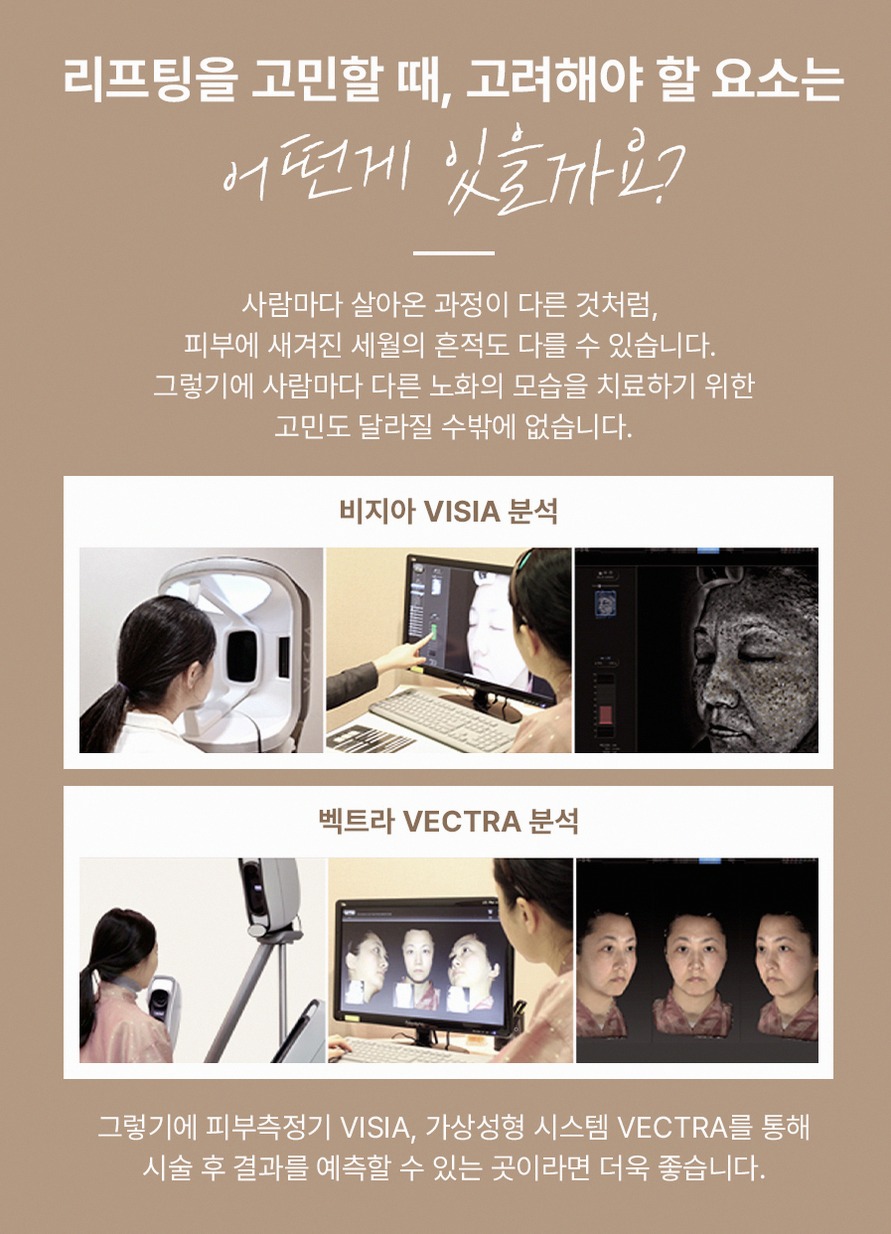
A consultation is essential to evaluate your skin thickness, fat volume, facial proportions, and medical history. People with very thin, very heavy, or extremely sun‑damaged skin may need a different or combined approach.
Online consultation and pre‑visit preparation for overseas patients
If you are planning to visit Cheongdam, Gangnam for a Silhouette Soft thread lift, an online consultation before you travel can help you use your time in Korea efficiently and safely.
Before your online consultation, prepare the following:
Clear photos of your face from the front, 45‑degree angles, and both profiles, taken in good natural light without filters
A brief description of your main concerns (for example, sagging jawline, midface flattening, deepening nasolabial folds)
Your medical history, including any chronic illnesses, medications, allergies, previous facial procedures, and any tendency to bruise or scar
Your travel dates, so the clinic can advise on the best treatment day and follow‑up schedule
Questions you may want to ask the clinic:
Is Silhouette Soft appropriate for my degree of sagging, or would another lifting method be better?
Which facial areas would you recommend lifting, and how many threads are typically used?
How many days of visible swelling or bruising should I expect based on your experience with international patients?
How many in‑person follow‑up visits are needed, and can any be done online after I return home?
What should I avoid in the weeks before the procedure (for example, certain medications or supplements)?
Providing accurate information helps the medical team design a realistic plan and explain aftercare requirements clearly before you book flights and accommodation.
Expected Korea visit timeline for a Silhouette Soft thread lift
Every clinic has its own system, but a common timeline for overseas visitors might look like this.
Day 1: In‑person consultation and assessment
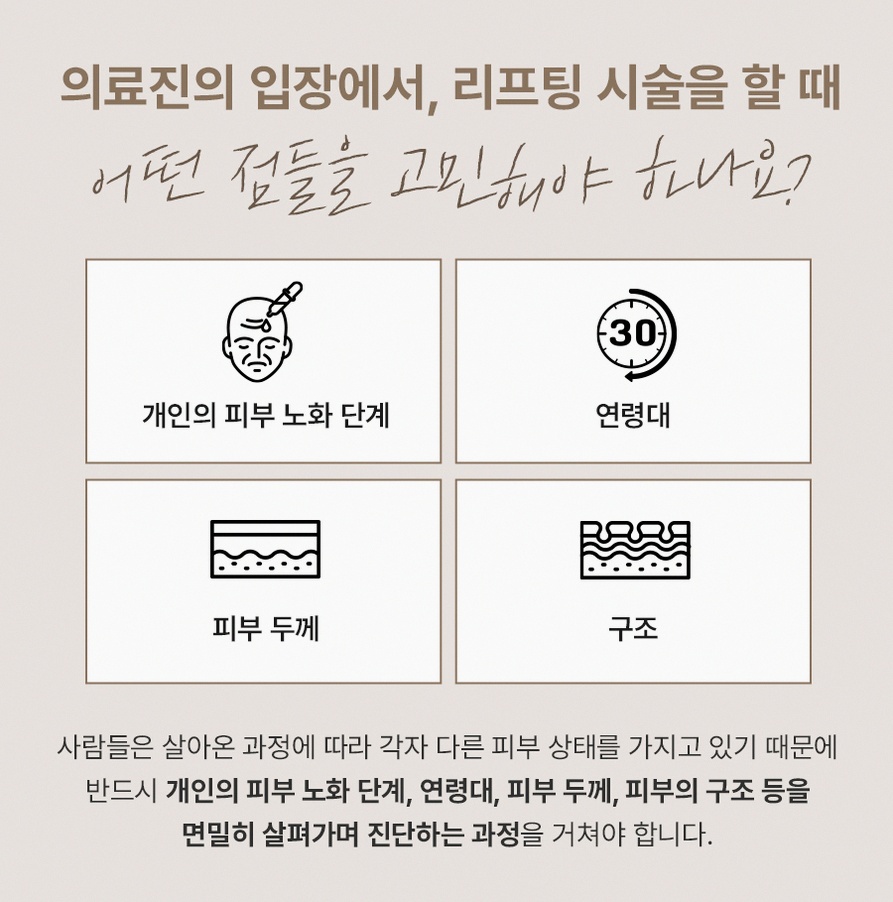
You meet the doctor, discuss your goals, and have your face examined in detail. The doctor may take clinical photos and, if needed, suggest complementary treatments such as skin tightening devices or skincare programs. This is the time to review aftercare instructions, expected downtime, and any specific risks.
Day 1 or 2: Procedure day
Silhouette Soft thread lifting is usually performed under local anesthesia. Procedure length varies by case; your treating clinic will provide an expected duration and specific recovery instructions at consultation.
First 24–48 hours in Korea
You may prefer to rest at your hotel or accommodation, keeping your head elevated and using cold compresses as advised. Some swelling, tightness, and mild bruising are expected. You should avoid heavy sightseeing, shopping with heavy bags, or long, hot baths during this time.
Day 3–7: Early follow‑up
Many clinics schedule a follow‑up visit within the first week to check the entry points, confirm thread position, and assess early healing. If you are still in Seoul, this visit allows the doctor to address any discomfort, dimpling, or concerns.
After 7–10 days
Most international patients feel comfortable going out with makeup, sunglasses, or a mask if there is residual bruising. If you are flying home, it is generally safe to do so after the first few days, but you should confirm the timing with your doctor, especially if you have any medical conditions.
Silhouette Soft thread lift aftercare: first 24 hours
The first day is when swelling and bruising can be minimized and thread position is most vulnerable. Follow your clinic’s instructions carefully.
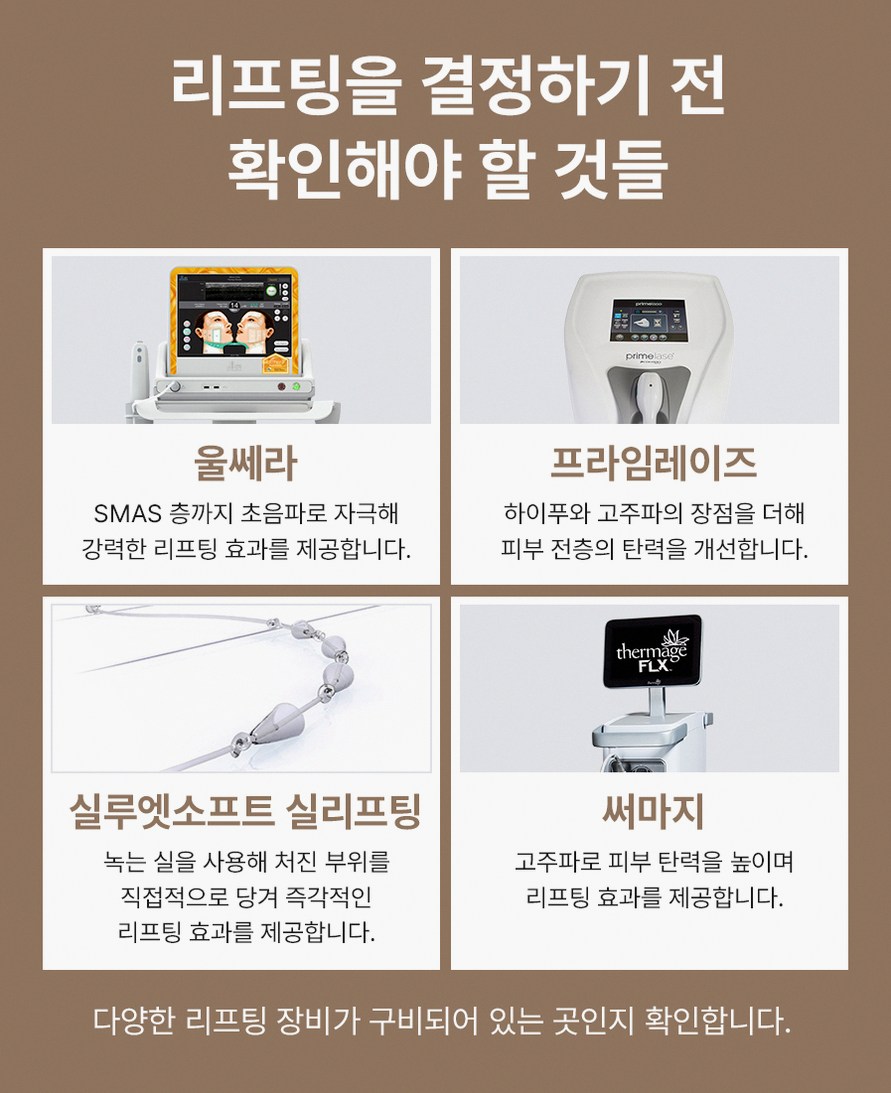
Cold compress
Apply a clean cold pack or wrapped ice pack intermittently, usually about 10–15 minutes on, 10–15 minutes off. Place it gently over the treated areas without pressing directly along the thread paths. This helps limit swelling and discomfort.
Head elevation
Keep your head elevated, even when resting or sleeping. Use extra pillows or a reclining position. Avoid bending over for long periods or lying flat, as this can increase swelling.
No touching or rubbing
Do not press, rub, or massage the treated areas, even if they feel tight, itchy, or strange. The threads are still settling, and unnecessary pressure can disturb their position.
Pain control
Use only the pain relievers recommended by your doctor. Avoid medications or supplements that increase bleeding risk, unless your prescribing doctor has cleared them. Mild to moderate soreness is common and usually manageable.
Diet
Choose soft foods that require minimal chewing, especially if threads were placed in the cheeks or along the jawline. Avoid very hot, spicy foods if your face feels sensitive.
Hygiene
Follow the clinic’s instructions for cleansing. Often, vigorous face washing and hot water on the treated areas are avoided on the day of the procedure. Do not apply unapproved creams or makeup over the entry points.
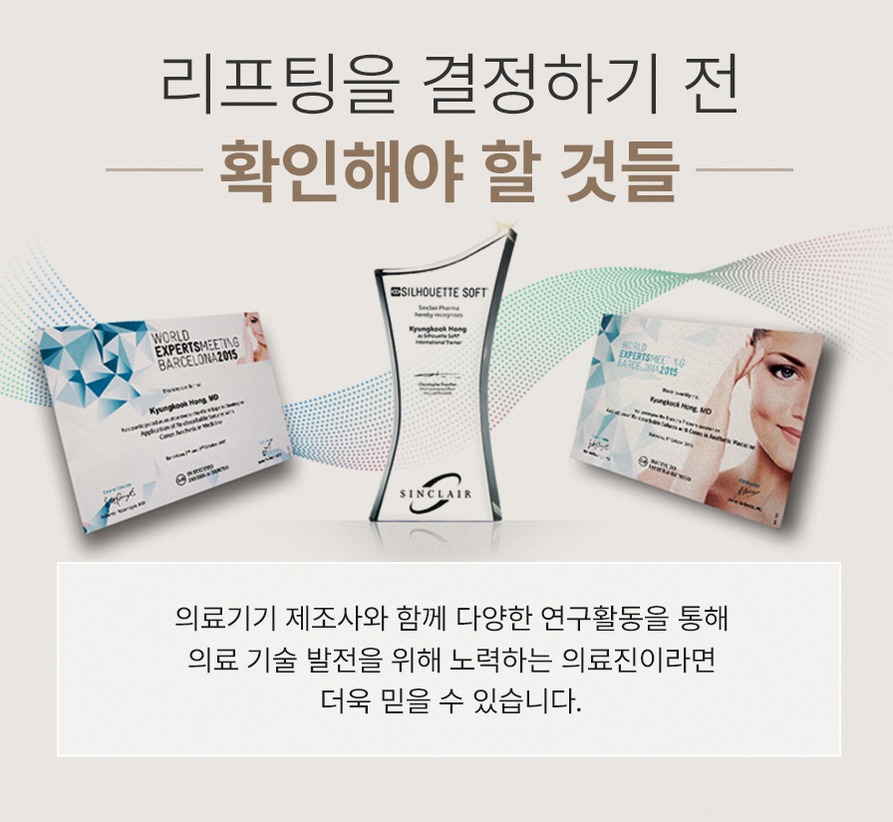
Days 2–7: Managing swelling, bruising, and tightness
During the first week, your main goals are to protect the threads, manage normal symptoms, and keep the skin clean.
Typical symptoms in the first week
Swelling and bruising often peak within 2–3 days and then start to fade. Bruises may change from red‑purple to yellow or green as they resolve.
A feeling of pulling or tightness when smiling, talking, or chewing is very common. It usually improves over 1–2 weeks as tissues adapt.
Small dimples or unevenness along the thread paths can appear, especially when you move your face. Many of these smooth out naturally as swelling decreases.
Do’s in the first week
Sleep on your back with your head elevated. Avoid sleeping on your side or face, which can put uneven pressure on the threads.
Continue gentle cooling if recommended, but never press hard on the treated areas.
Keep the small entry points clean and dry as instructed. Use antiseptic ointment only if prescribed.
Use gentle, non‑irritating skincare. Simple cleanser, moisturizer, and sunscreen are usually enough.
Attend any scheduled check‑ups so the doctor can confirm that the threads are in good position and healing is on track.
Don’ts in the first week
Do not massage or manipulate the treated areas, even if you feel lumps or cords under the skin. Self‑massage can disturb the lift.
Avoid heavy chewing such as tough meat, chewy snacks, or gum. Try not to yawn very widely or make exaggerated facial expressions.
Avoid strenuous exercise, heavy lifting, saunas, hot yoga, and very hot baths that can increase blood flow and swelling.
Do your best not to drink alcohol or smoke, as both can worsen swelling and slow healing.
Avoid facial treatments such as deep cleansing facials, scrubs, or energy‑based procedures unless your doctor clearly approves them.
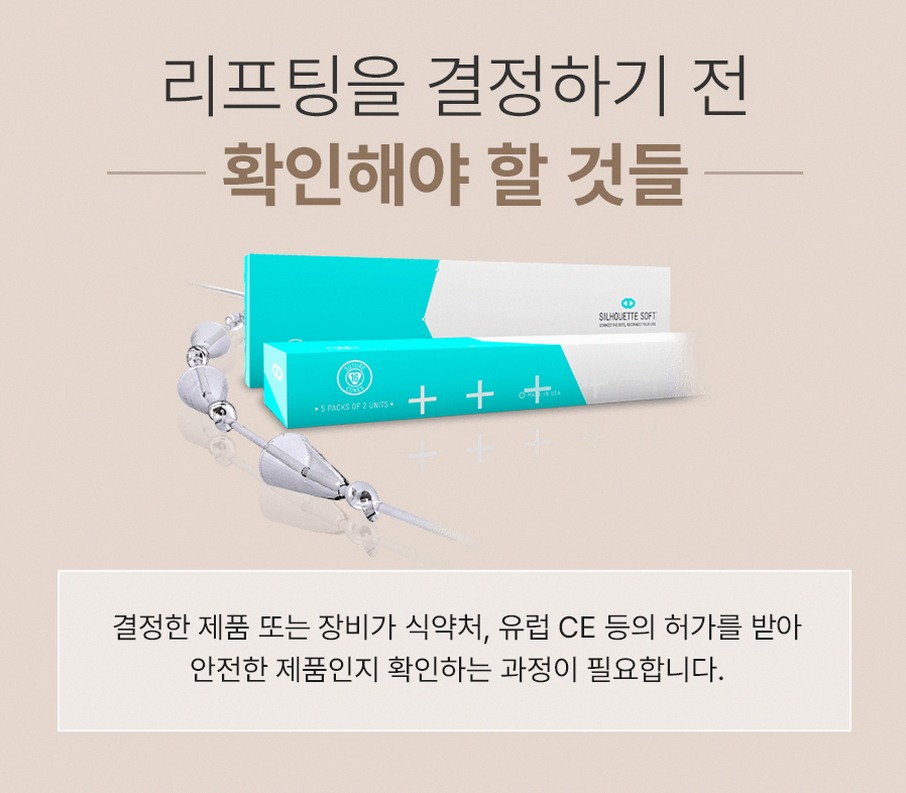
Weeks 2–4: Settling the lift and supporting collagen
By the second to fourth week, most visible swelling and bruising should have improved. However, internal healing and collagen formation are still active.
What you may notice
Facial movement becomes more comfortable, though sudden, extreme movements can still cause a pulling sensation.
Skin dimpling or irregularities often smooth out. Mild residual asymmetry may still be present and can continue to improve.
Mild tenderness along the thread paths may persist but should gradually decrease.
Recommended care in weeks 2–4
Gradually return to light exercise once your doctor approves it, starting with low‑impact activities and avoiding contact sports.
Maintain strict sun protection with broad‑spectrum sunscreen, hats, and shade. This helps protect healing tissues and reduces the risk of pigmentation around bruised areas.
Use hydrating, barrier‑supporting skincare. If you wish to restart active ingredients such as retinoids or acids, do so only with medical guidance.
If the clinic offers gentle, non‑traumatic treatments to support healing, such as medical facials or low‑energy devices, let your treating doctor choose the timing and type. Do not book strong treatments on your own.
Activities still best avoided
Strong facial massage, gua sha, or tools like rollers over the treated areas should be postponed.
High‑impact sports with risk of facial trauma are usually delayed.
Aggressive cosmetic procedures on the same area, such as deep chemical peels, strong lasers, or radiofrequency microneedling, should only be done if coordinated by the treating doctor.
After 1–3 months: Maintaining results and combining treatments
By 1–3 months, Silhouette Soft threads are more integrated, and collagen stimulation is underway. The lift tends to look more natural and less tight, and this is often when patients evaluate their results.
Result stabilization
The most dramatic visible change is often seen in the first weeks, partly due to swelling. As swelling settles, the result may look softer and more refined. At the same time, collagen remodeling continues under the surface, helping maintain firmness.
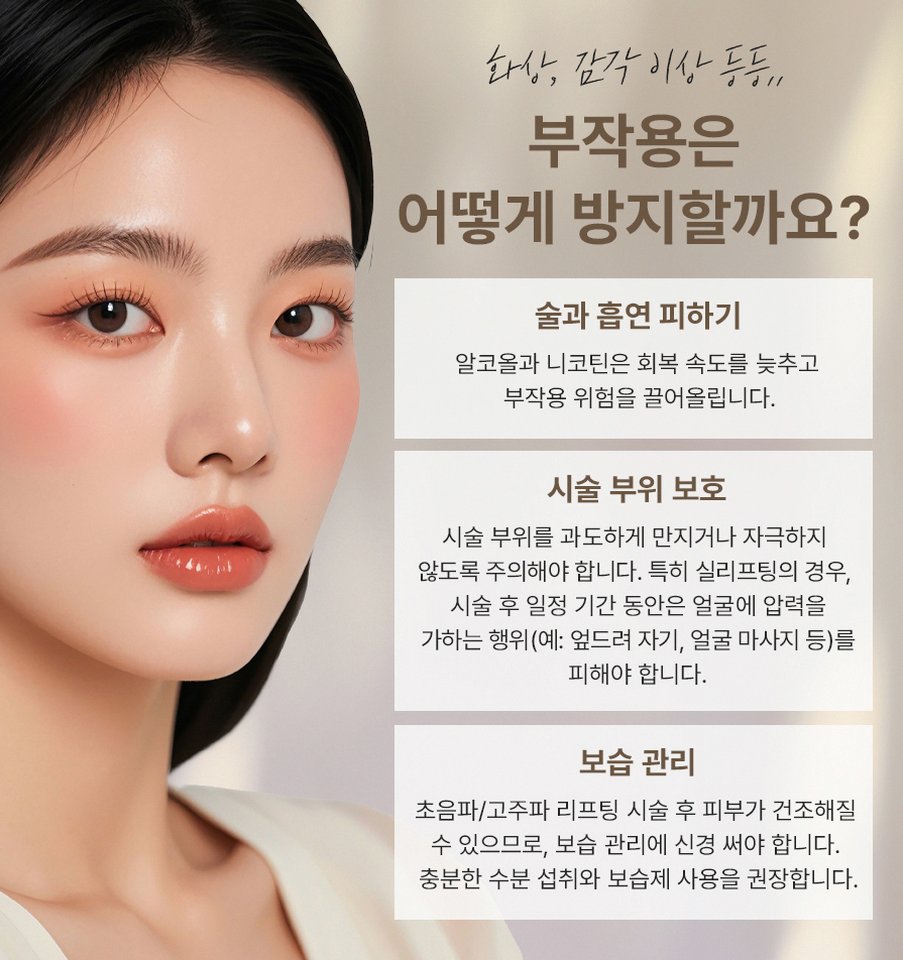
Combination treatments
In a dermatology‑based anti‑aging center, Silhouette Soft is often combined with other technologies such as ultrasound or radiofrequency devices, skin boosters, or collagen‑stimulating injectables. These can help refine contours, improve skin texture, and support long‑term anti‑aging.
The timing and choice of any additional treatment must be individualized. Some energy‑based procedures are delayed until the threads are stable to avoid damaging them.
Lifestyle support
Maintaining a stable weight, sleeping well, protecting your skin from the sun, and avoiding smoking can all help prolong the lifting effect. A consistent skincare routine focused on hydration, barrier support, and sun protection is also important.
Common concerns after a Silhouette Soft thread lift
Pain and discomfort
Mild to moderate soreness along the thread paths is common for several days, sometimes up to 2 weeks. The discomfort is often more noticeable when chewing or making large facial movements. It is usually manageable with oral pain medication recommended by your doctor.
Swelling, bruising, and asymmetry
Temporary asymmetry can occur because each side of the face may swell differently. In some cases, the doctor may intentionally tighten one side slightly more to correct pre‑existing asymmetry. Mild unevenness often improves as swelling subsides.
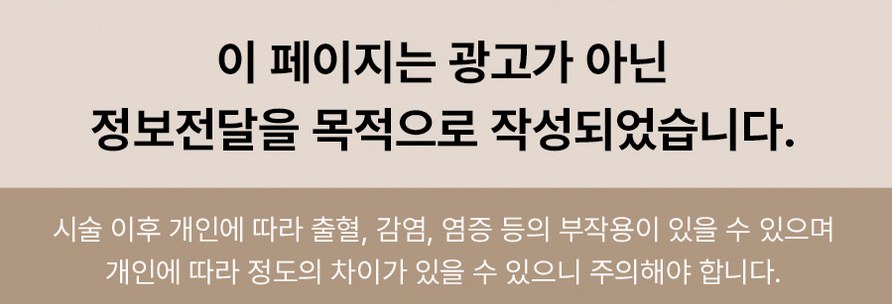
However, sudden new asymmetry, severe pain, or visible thread exposure is not normal and requires prompt review.
Lumps, nodules, and dimpling
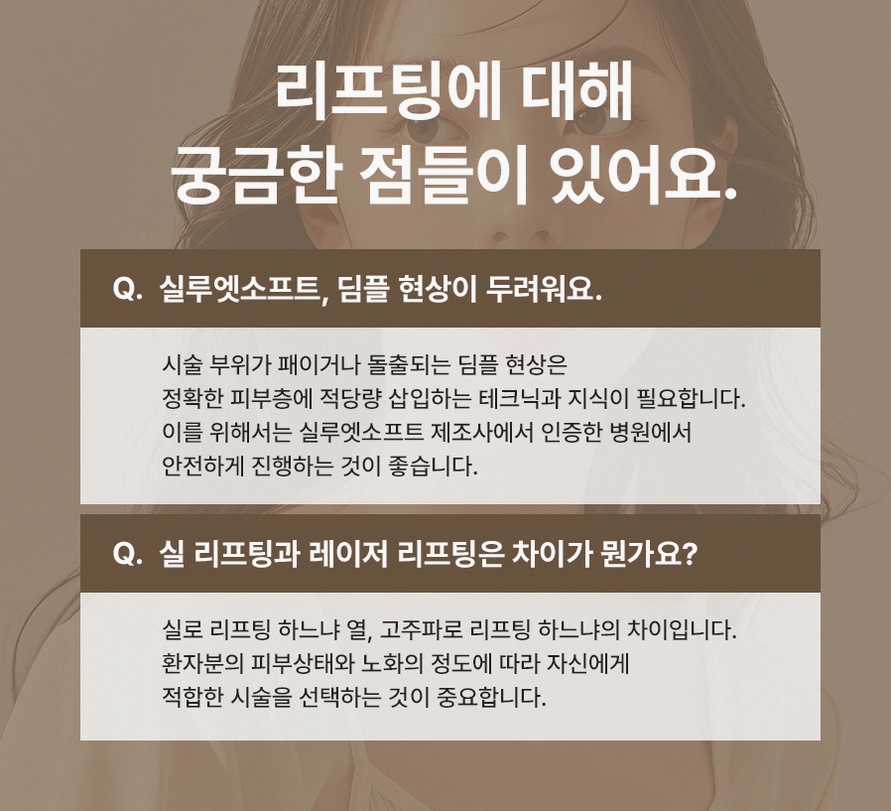
Small lumps or palpable cords under the skin can be normal in the early phase and often soften with time as tissues relax. Persistent, painful, or red nodules, or dimples that do not improve over weeks, may indicate thread tension issues, infection, or other complications.
These should always be assessed by the treating doctor. Avoid trying to “fix” them yourself with strong massage or pressure.
When to contact your doctor after a thread lift
Contact your clinic or seek urgent care if you notice any of the following warning signs:
Rapidly increasing pain, swelling, or redness, especially if the area feels warm to the touch
Fever or feeling generally unwell after the procedure
Pus, foul odor, or persistent oozing from the entry points
Sudden, marked asymmetry or visible thread or cone exposure
Severe dimpling or skin blanching that does not improve when the area is gently released
Any new neurological symptoms such as facial weakness or numbness beyond the expected temporary effect of local anesthesia
Whenever possible, contact the original treating clinic first, as they know the exact thread type, placement, and technique used. Early intervention often allows minor issues to be corrected before they become serious.
Why professional follow‑up matters
Silhouette Soft thread lifting requires a detailed understanding of facial anatomy, thread behavior, and how tissues heal over time. Professional follow‑up is important not only to monitor for complications, but also to guide you on when and how to combine other treatments safely.
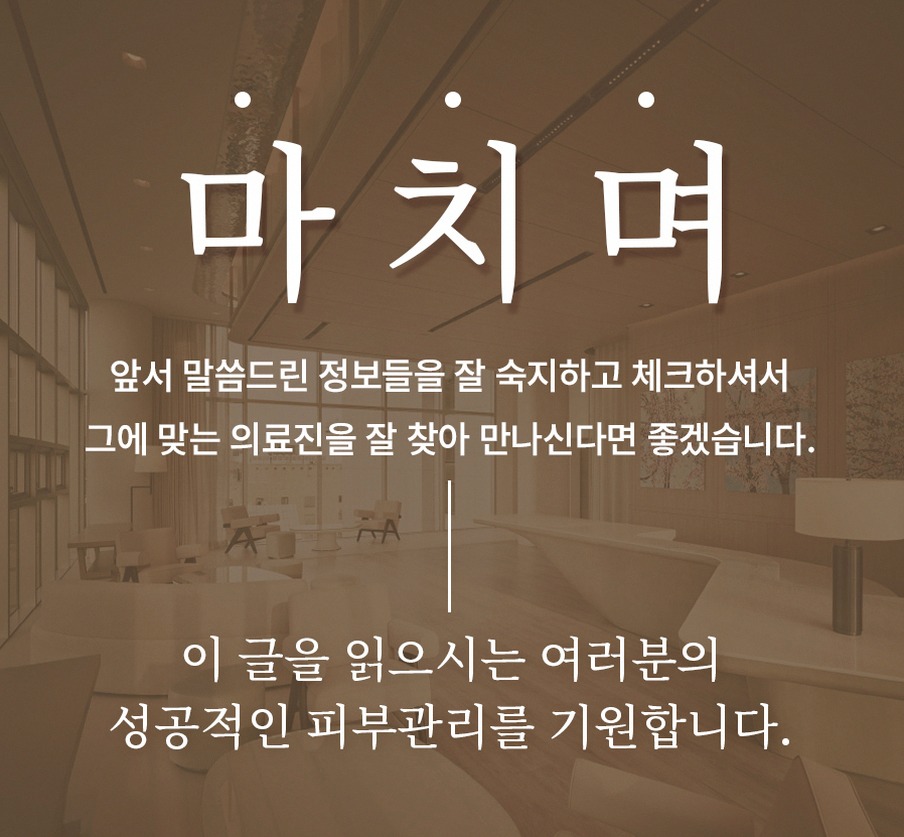
Clinics that work with multiple lifting devices, thread systems, and regenerative treatments can design a long‑term anti‑aging plan rather than relying on threads alone. In Cheongdam, Gangnam, some centers operate in‑house cell research labs to support regenerative approaches and schedule structured reviews after thread lifting, adjusting care based on how your skin responds.
FAQ: Silhouette Soft thread lift aftercare
Recovery after a Silhouette Soft thread lift
Most people return to light daily activities within 1–2 days. Visible swelling and bruising usually improve significantly within 1–2 weeks, although small residual marks can last a bit longer. Internal healing and collagen stimulation continue for several months, so your result will keep evolving.
When can I wash my face and apply makeup?
Gentle face washing is often allowed after about 24 hours, avoiding strong rubbing or pulling over the treated areas. Light, non‑comedogenic makeup may usually be applied after the entry points have closed and if there is no sign of irritation or infection, often after 24–48 hours. Always follow your own doctor’s specific instructions, as they may adjust timing based on your case.
When can I exercise again?
Light walking is generally fine within a day, as long as it does not cause overheating or heavy sweating. Strenuous exercise, heavy lifting, and high‑impact sports are usually postponed for around 1–2 weeks, depending on the extent of the lift and your healing. Your doctor will give you a personalized timeline.
Can I get dental treatment after a thread lift?
Extensive dental work that requires keeping your mouth open wide for a long time can strain threads placed around the midface and jawline. If possible, schedule non‑urgent dental procedures either before your thread lift or after the initial healing period, often 2–4 weeks later. Inform both your dentist and your aesthetic doctor so they can coordinate care.
How long do Silhouette Soft results last?
Visible lifting results typically last for many months but vary significantly by individual; consult your treating clinic for an expected duration. Good aftercare, sun protection, and healthy habits help maintain results for as long as your tissues allow.
Soft call to action
If you are considering a Silhouette Soft thread lift in Cheongdam, Gangnam, and want clear guidance on aftercare, an online consultation can help you understand what to expect and how to plan your trip. Share your photos, medical history, and travel dates so the clinic can propose a safe timeline, explain post‑procedure care in detail, and design a personalized lifting and collagen‑support plan.
This article was prepared with information provided by Clinique hus,hu.
- 공유 링크 만들기
- X
- 이메일
- 기타 앱

댓글
댓글 쓰기