Aptos Lifting in Cheongdam Gangnam for Non‑Surgical Facial Tightening
Aptos lifting is a minimally invasive thread lift that uses specially designed threads to lift and support sagging facial tissues without full surgery. At a specialized anti‑aging clinic in Cheongdam, Gangnam, the clinic reports using Aptos thread variants of varying lengths and configurations selected to suit individual facial structure and treatment areas such as cheeks, jawline, and nasolabial folds. ul planning, aftercare, and realistic expectations.
Treatment overview: What is Aptos lifting?
Aptos lifting is a non‑surgical facial lifting procedure that uses fine threads inserted under the skin to reposition and support sagging tissues. The threads have barbs or special structures that gently catch and anchor into the tissue. When the threads are tightened, the skin and underlying soft tissue are lifted along planned vectors.
At this clinic in Cheongdam, Gangnam, the team reports using a range of Aptos thread variants rather than a single model. Different thread lengths and configurations are selected to suit the area being treated and the degree of tissue sagging. Clinicians may favor shorter threads for more delicate regions and longer or more robust configurations for jawline or mid‑face support, tailoring choices to each patient's anatomy.
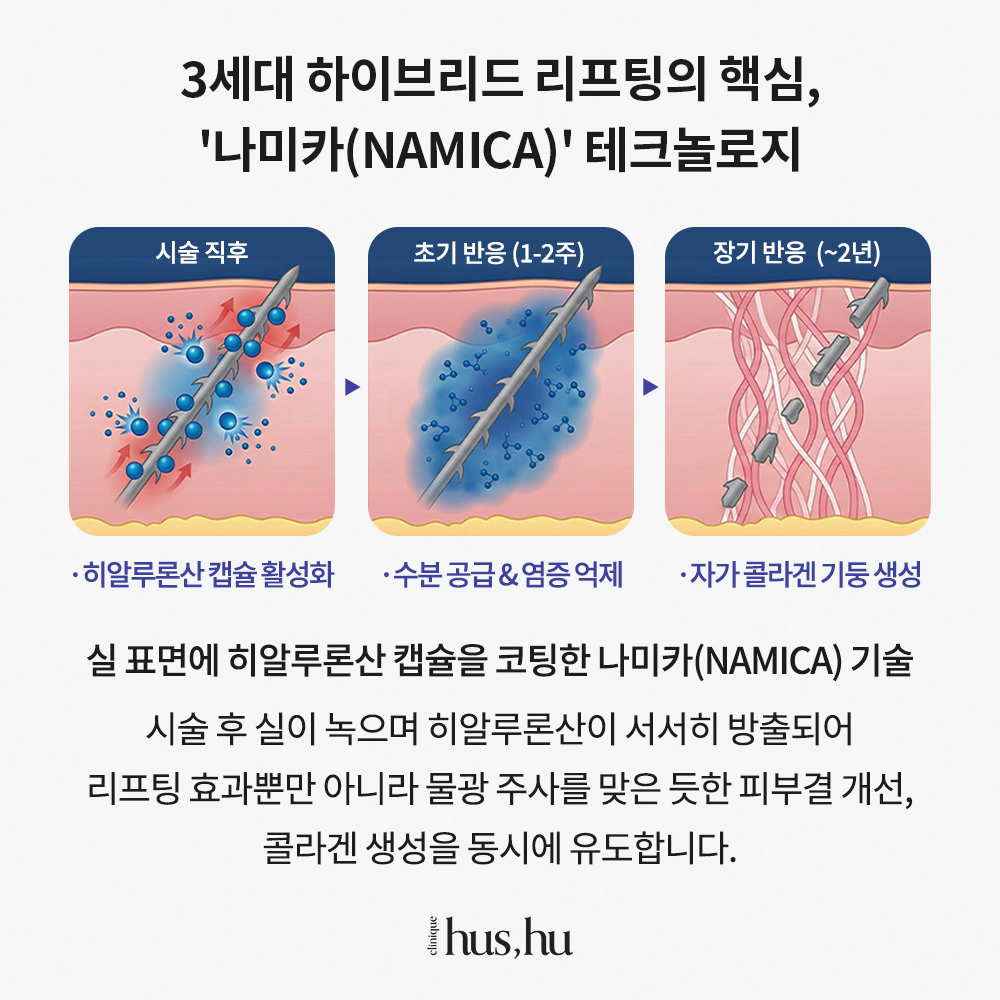
Unlike simple tightening treatments that only heat the skin, Aptos threads provide a mechanical lift. Over time, your body forms collagen around the threads, which can help maintain the improved contour and support the tissues even after the threads themselves have been absorbed.
Who may consider Aptos lifting
Aptos lifting is generally considered for women and men who notice early to moderate sagging but are not ready for a surgical facelift. Typical candidates include people in their 30s to 50s, and sometimes older patients who want a step between non‑invasive devices and surgery.
You may consider Aptos lifting if you are concerned about one or more of the following:
- Sagging cheeks that make the face look tired
- Deepening nasolabial folds running from the nose to the mouth
- Marionette lines and drooping corners of the mouth
- Early jowls and a less defined jawline
- Mild laxity under the chin or upper neck
The procedure tends to work better when the skin still has some thickness and elasticity. If there is significant volume loss or very thin, fragile skin, the clinic may suggest combining Aptos with fillers, collagen stimulators, or cell‑based programs, or may recommend alternative options.
Aptos lifting is usually not suitable for people expecting a dramatic surgical facelift effect from threads alone, or for those with very advanced sagging where surgery might be more appropriate. Certain medical conditions, medications that affect bleeding, or healing problems may also limit candidacy, so a detailed medical consultation is important.
How Aptos lifting works in simple terms
During an Aptos lifting session, the doctor plans lifting vectors that follow your natural facial anatomy. After numbing the area, the threads are inserted through small entry points using a needle or cannula. The barbs on the threads anchor into the tissue as the thread is positioned.
Once the threads are in place, the doctor gently adjusts the tension to lift the cheeks, jawline, or other targeted areas. You can often see an immediate change in contour. The threads then act as an internal support structure while your body gradually forms collagen along their path. This combination of mechanical lift and biological support is what differentiates Aptos lifting from many simple tightening procedures.

Target areas and expected effects
Common target areas for Aptos lifting include:
Mid‑face and cheeks: to restore a more youthful cheek position and reduce a tired or sunken look
Nasolabial folds: to soften the folds by lifting the tissues that are weighing them down
Marionette lines: to reduce the drooping at the corners of the mouth
Jawline and early jowls: to create a cleaner, more defined jawline
Mild neck laxity: in selected cases, to improve the transition from jawline to neck
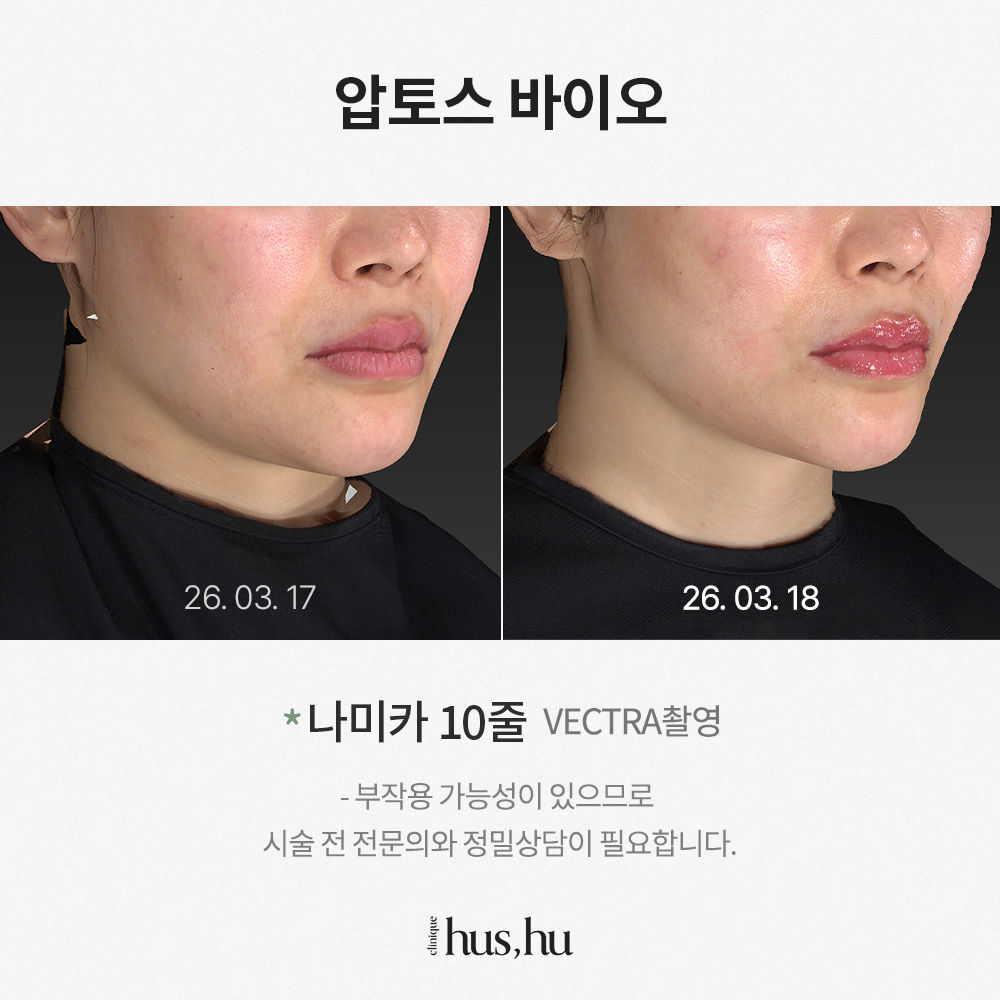
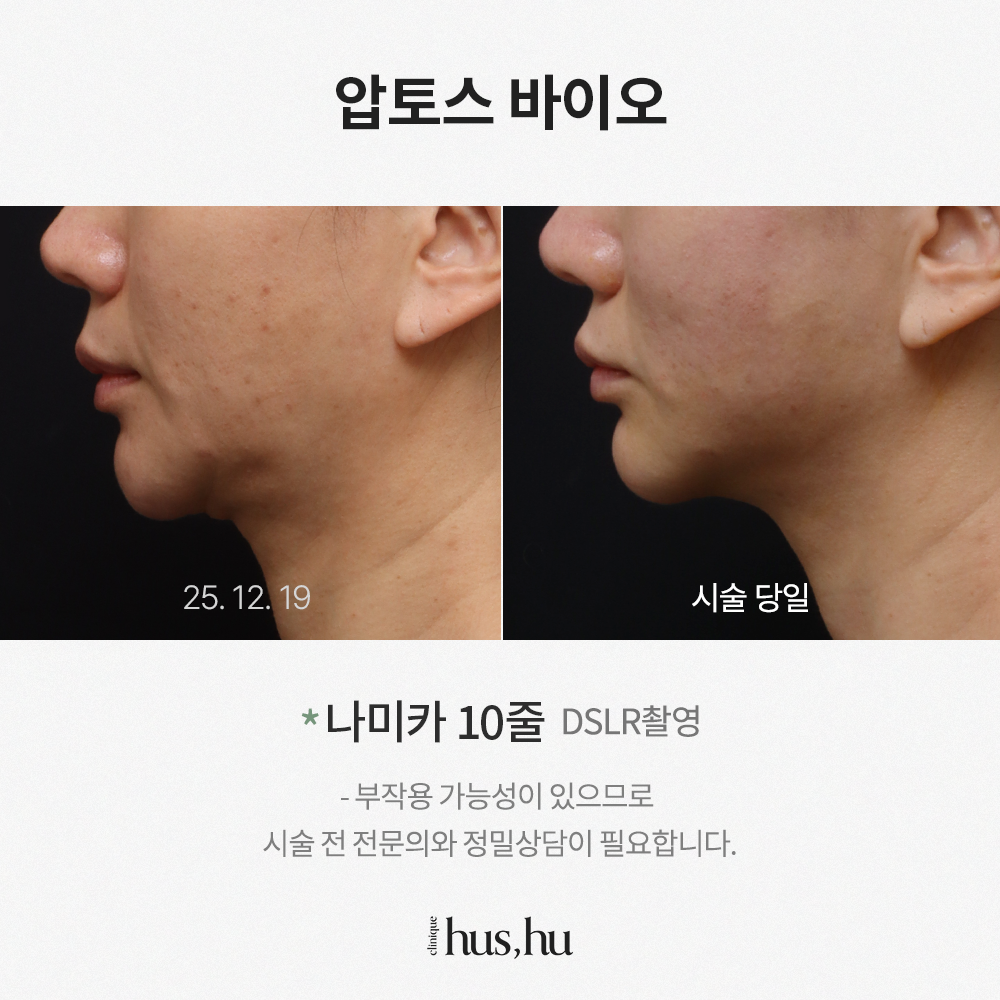
Patients often notice an immediate change in the mirror after the procedure. Over the next one to three months, collagen formation around the threads can further refine the result. Many people describe the outcome as a more defined V‑line, lifted mid‑face, and softer folds around the mouth, while still looking like themselves.
How Aptos differs from generic thread lifts
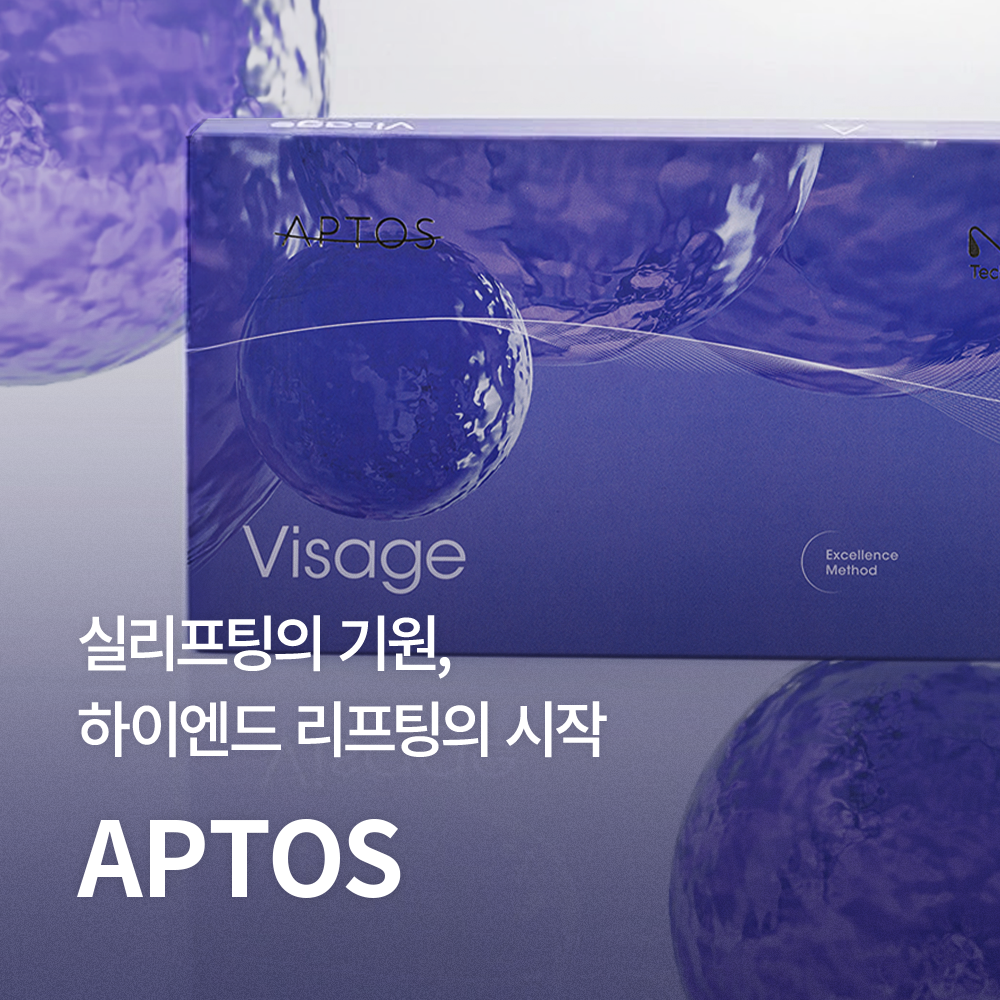
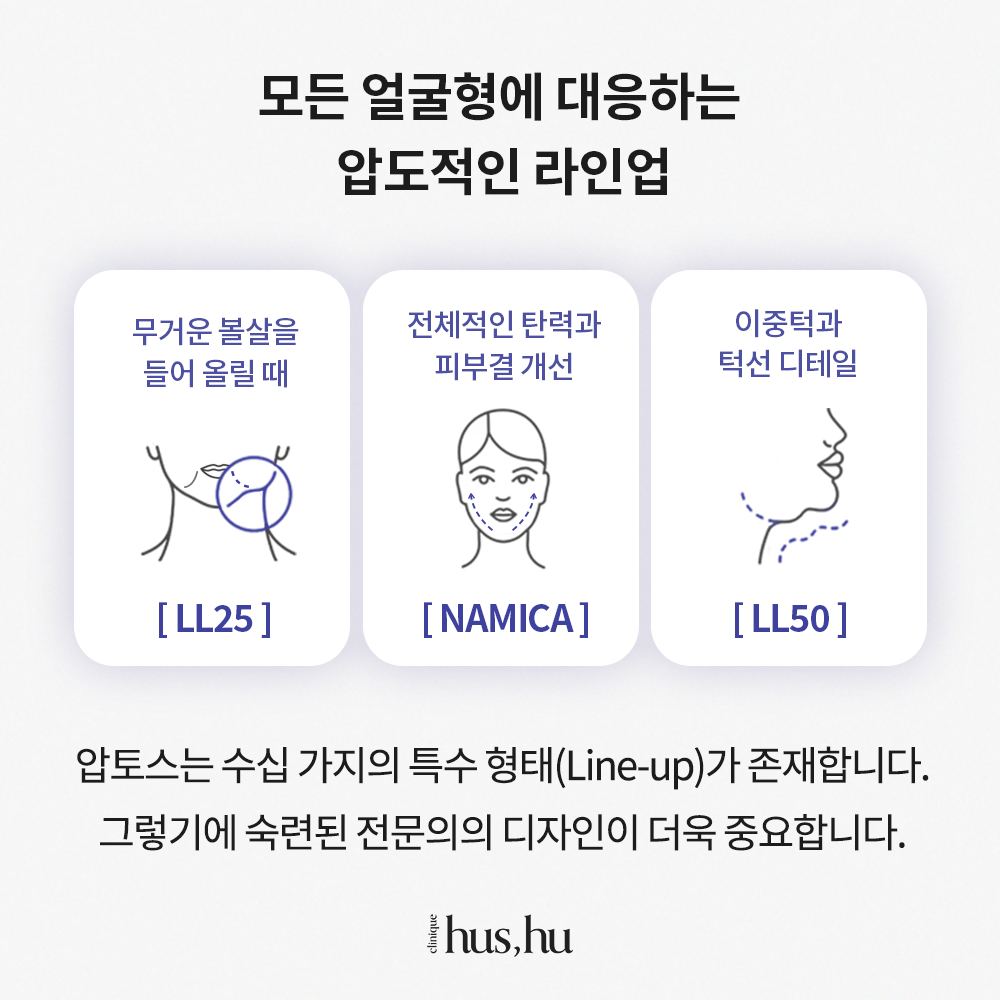
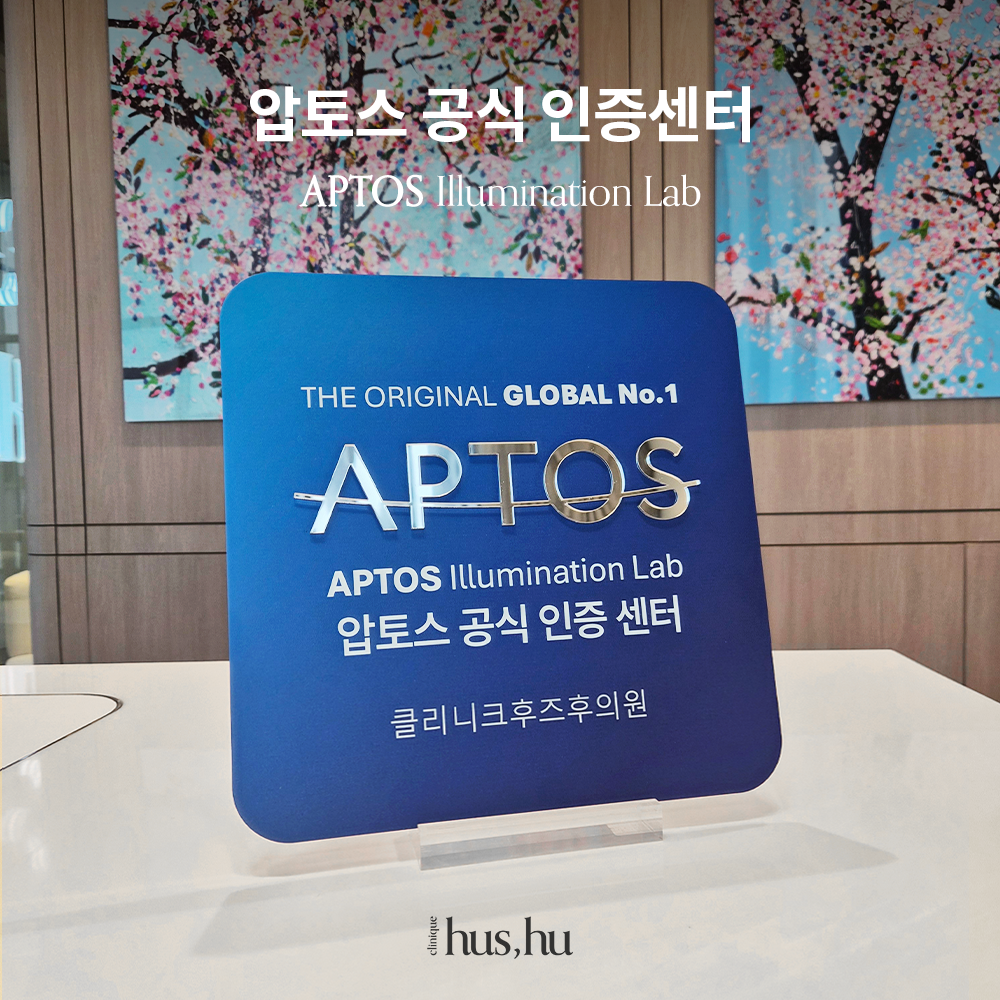
Aptos is a branded thread system with a long development history and multiple thread designs. The Namika series (Namika19, LL25, LL50) allows the clinic to choose different thread lengths and strengths based on the treatment area and the planned lifting vectors.
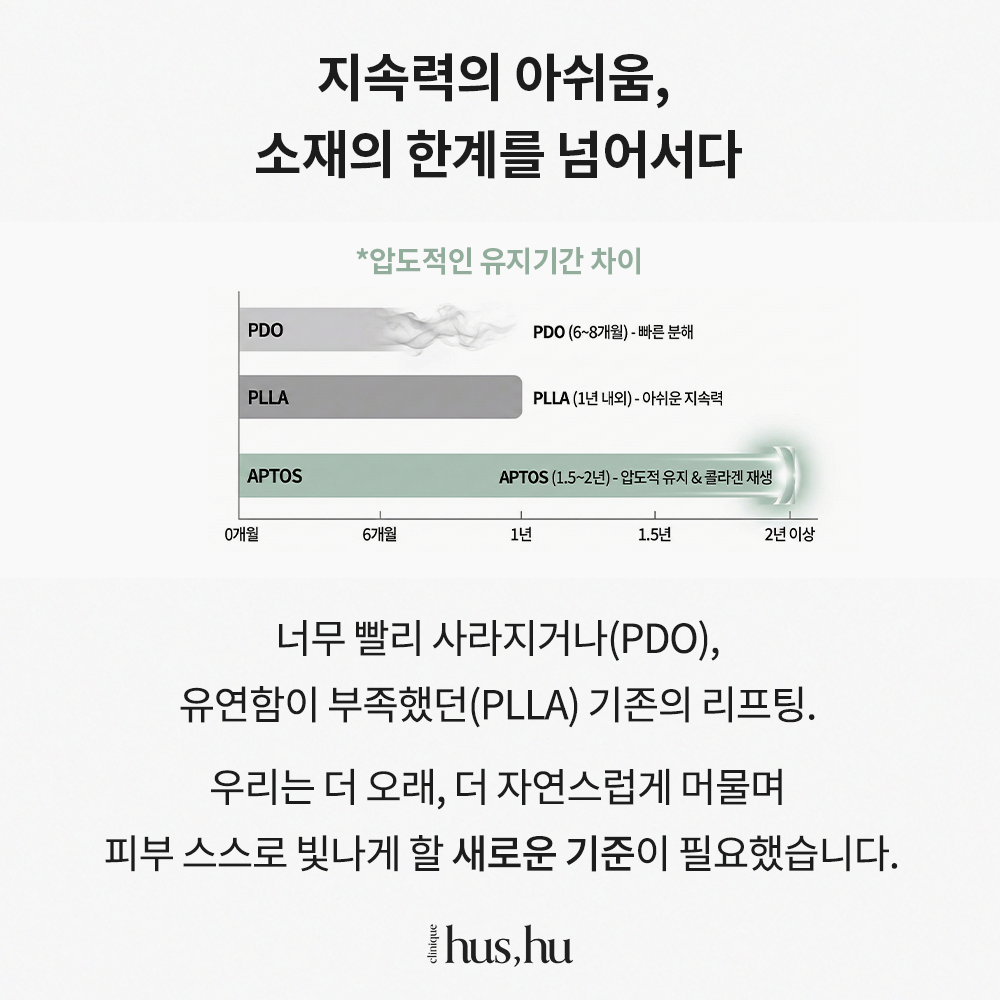
Compared with generic or short PDO threads that are sometimes placed in large numbers for mild tightening, Aptos threads are designed to provide more structural lifting and longer‑term tissue support. The focus is not only on short‑term tightening, but also on repositioning and supporting sagging tissues in a controlled way.
At this clinic, Aptos threads are one of several lifting tools available. The clinic also uses other thread systems and a selection of energy‑based devices to address different tissue layers. By combining appropriate thread and energy treatments when suitable, the medical team aims to target deeper structures (including SMAS), dermal support, muscle tone, and the skin surface.
Clinic approach and strengths
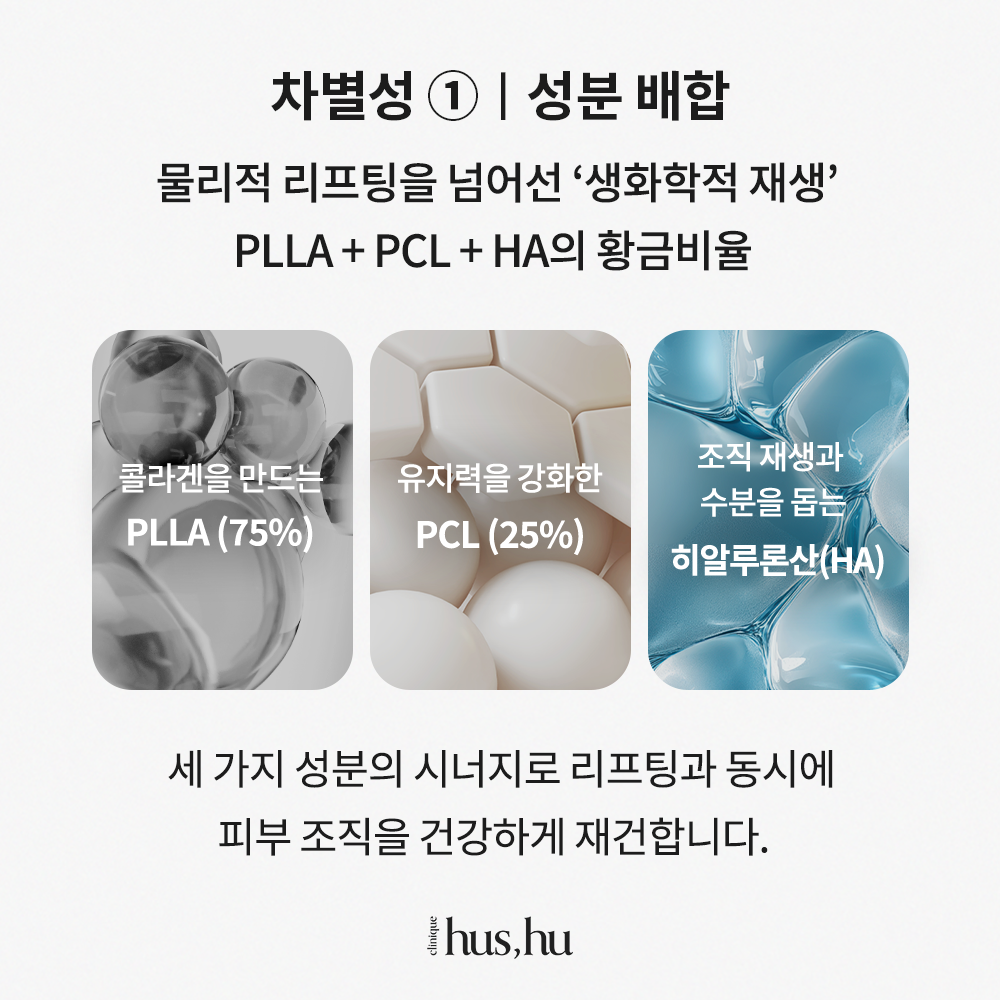
The clinic describes a focus on combining procedural and regenerative‑minded approaches. It offers combination protocols that may pair energy‑based procedures and lifting techniques with injectable or biologic adjuncts, and states it conducts internal study of recovery and tissue regeneration. Specific programs or laboratory capabilities are not detailed here.
ic acid fillers such as Restylane and the Juvederm range (Volux, Volite, Voluma, Volift, Volbella), as well as Juvelook.
The team emphasizes an individualized approach to selecting treatment combinations for each patient, based on clinical assessment and patient goals.
Location and accessibility for overseas patients
The clinic is located in Cheongdam, Gangnam, one of Seoul’s central districts for beauty and anti‑aging care. It is near Apgujeong Rodeo Station on the Suin–Bundang Line. From Exit 4, you walk straight in the direction of Galleria Department Store.
For international patients, this area is convenient for combining treatment with shopping, dining, and hotel stays. Many visitors choose accommodation within walking distance or a short taxi ride from the clinic, which makes follow‑up visits and aftercare more comfortable.
How Aptos lifting is planned at this clinic
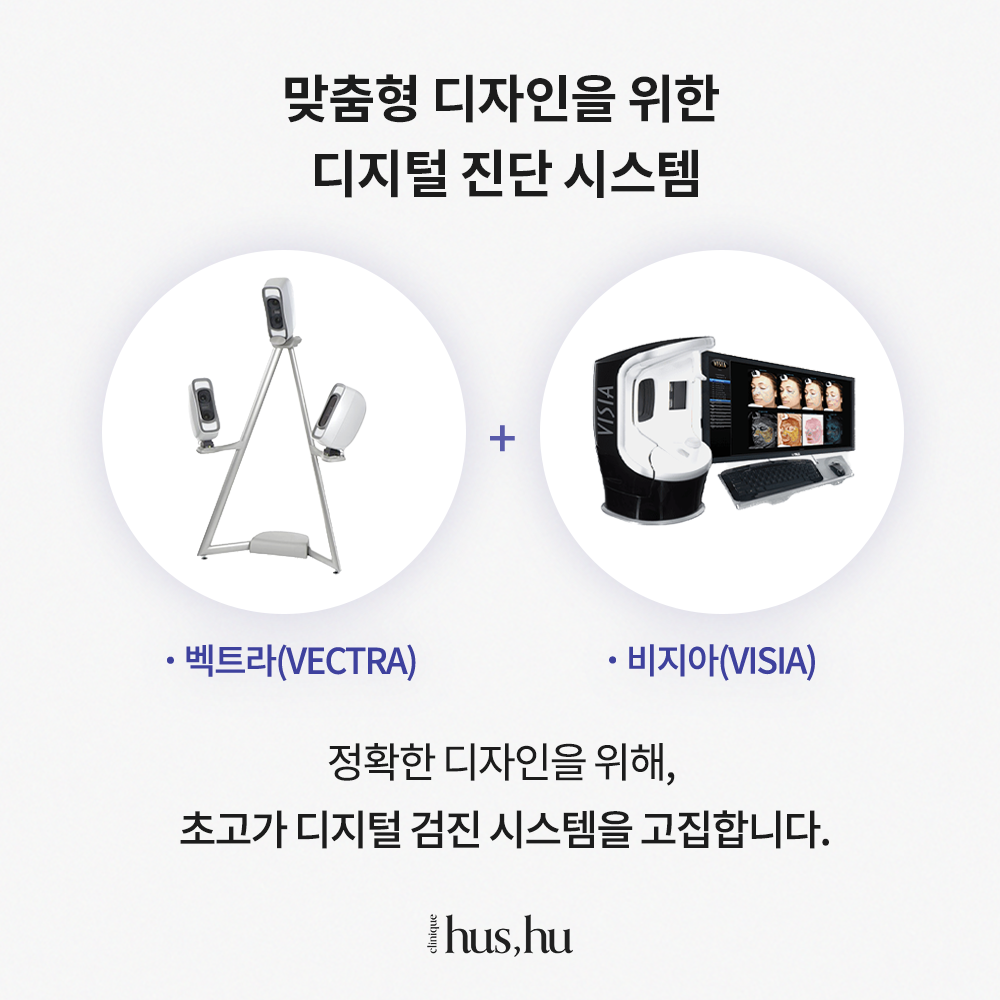
Before recommending Aptos lifting, the clinic performs a detailed facial assessment. This includes evaluating skin laxity, fat distribution, bone structure, and areas of volume loss. The goal is to understand whether your main concern is sagging, hollowing, changes in skin quality, or a combination.
When appropriate, imaging tools such as Visia and Vectra may be used as part of a holistic beauty program. These systems can help visualize facial contours and support planning of thread vectors, device‑based lifting, and volume restoration.
During consultation, the doctor discusses:
Which areas bother you most in daily life or photos
Whether Aptos threads alone can reasonably address those concerns
Whether you may benefit from combining threads with devices like Ulthera Prime, Thermage FLX, Emface, or Exion RF
Whether volume correction with Ellanse, Lapullen, or hyaluronic acid fillers is advisable
Whether skin repair injections or exosome programs would help improve texture and healing
Customization of Aptos threads and vectors
The Namika series allows the clinic to select among Namika19, LL25, and LL50 threads. In general terms, shorter threads can be used for smaller areas or fine adjustments, while longer threads can provide stronger lifting for the mid‑face, jawline, or mild neck laxity.
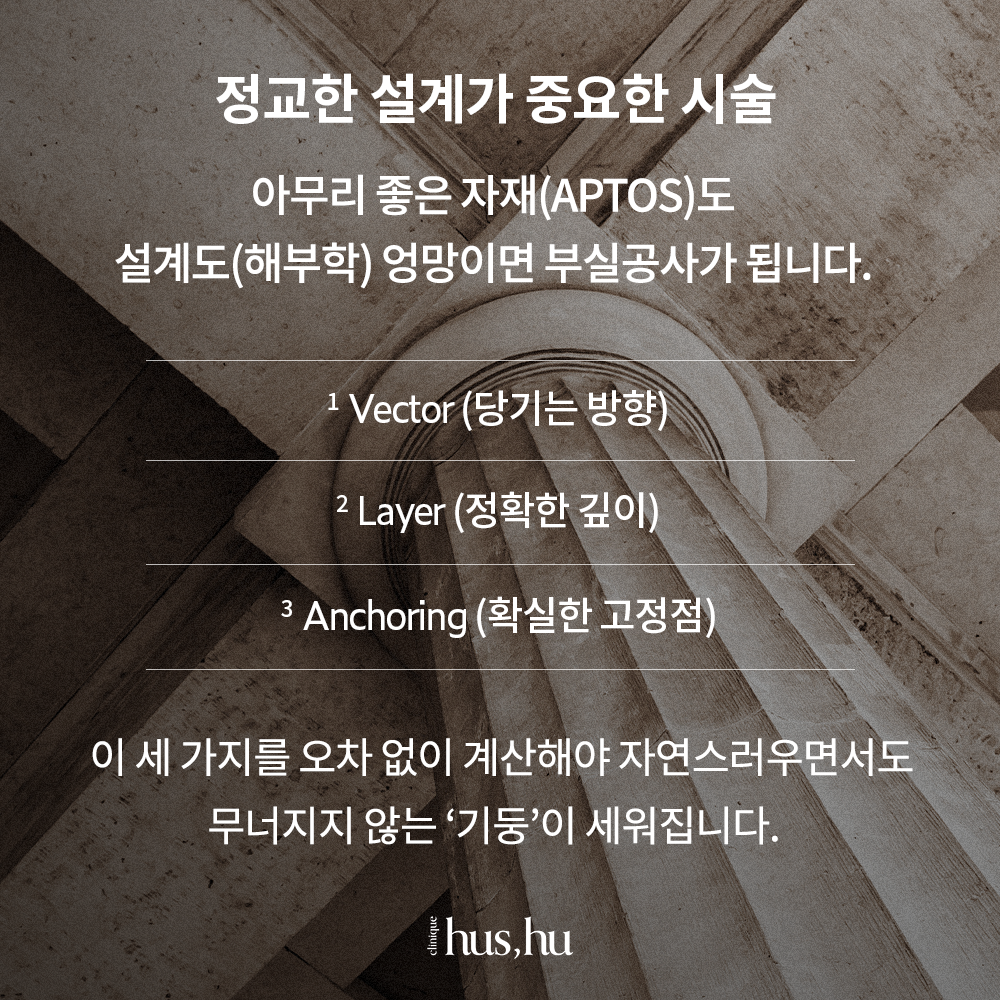
Vector design is critical. The doctor plans the direction and depth of each thread to create a natural lift that follows your facial anatomy, avoiding an over‑pulled or distorted look. The aim is to refresh your existing features rather than change them completely.

In some cases, Aptos lifting is combined with:
Energy‑based tightening such as Ulthera Prime, Thermage FLX, Emface, or Exion RF to improve deeper or more uniform tightening across the face and neck
Volume correction with Ellanse, Lapullen, or hyaluronic acid fillers when hollowing in the temples, under‑eye area, or mid‑face makes the face look older than sagging alone
Skin repair injections, exosome programs like Mysome, or Exomage to support tissue quality, texture, and recovery
What the procedure feels like
On the day of treatment, local anesthesia and numbing cream are used to reduce discomfort. Small entry points are made where the threads will be introduced. The doctor uses needles or cannulas to place the threads along the planned vectors.
You may feel pressure, movement, or mild pulling as the threads are inserted and adjusted, but sharp pain is usually limited by the anesthesia. The procedure time varies depending on how many areas are treated, but many cases are completed within about one to two hours.
After the threads are in place, the doctor checks symmetry and makes fine adjustments. You may see an immediate lift when you sit up. Before leaving, you receive aftercare instructions, including how to sleep and what activities to avoid for a short period.
Results, downtime, and maintenance
Most patients see an immediate change in contour after Aptos lifting because the threads mechanically reposition the tissues. Over the next one to three months, collagen forms around the threads, which can further refine the lift and support.
The duration of effect varies depending on the thread type, your skin condition, age, lifestyle, and how your body responds. Some people may enjoy visible benefits for more than a year, while others may notice changes sooner. Because individual responses differ, the clinic avoids promising a fixed duration and instead focuses on regular follow‑up and maintenance planning.
Downtime is usually shorter than surgical procedures, but you should still plan for recovery. Common temporary effects include:
- Mild to moderate swelling for several days
- Bruising in some entry or exit points, which can take one to two weeks to fade
- Tenderness or a tight feeling along the thread paths
- Occasional mild asymmetry or irregularity in the early days that often settles as tissues adapt

Most people can return to light daily activities within a few days, but it is generally recommended to avoid intense exercise, heavy lifting, or strong facial massage for a short period. You may also be advised to avoid wide mouth opening or non‑urgent dental work for a limited time, to reduce strain on the threads while they are integrating.
Maintenance does not always mean repeating threads frequently. The clinic may suggest a long‑term plan that includes periodic device‑based tightening, exosome or skin repair treatments, and careful monitoring of skin laxity. In some cases, a smaller touch‑up with threads after a certain period may be considered.
Safety, candidacy, and realistic expectations
Aptos lifting is a medical procedure with benefits and risks. Not everyone is an ideal candidate. People with very thin, fragile skin and severe laxity may not achieve satisfying results from threads alone and might be better suited for surgical options. Similarly, if someone expects a full surgical facelift effect from a thread lift, the clinic will explain the realistic range of improvement.
Certain health conditions, medications that increase bleeding, or issues that impair healing may require extra caution or may make thread lifting unsuitable. This is why a thorough medical history and face‑to‑face consultation are essential.
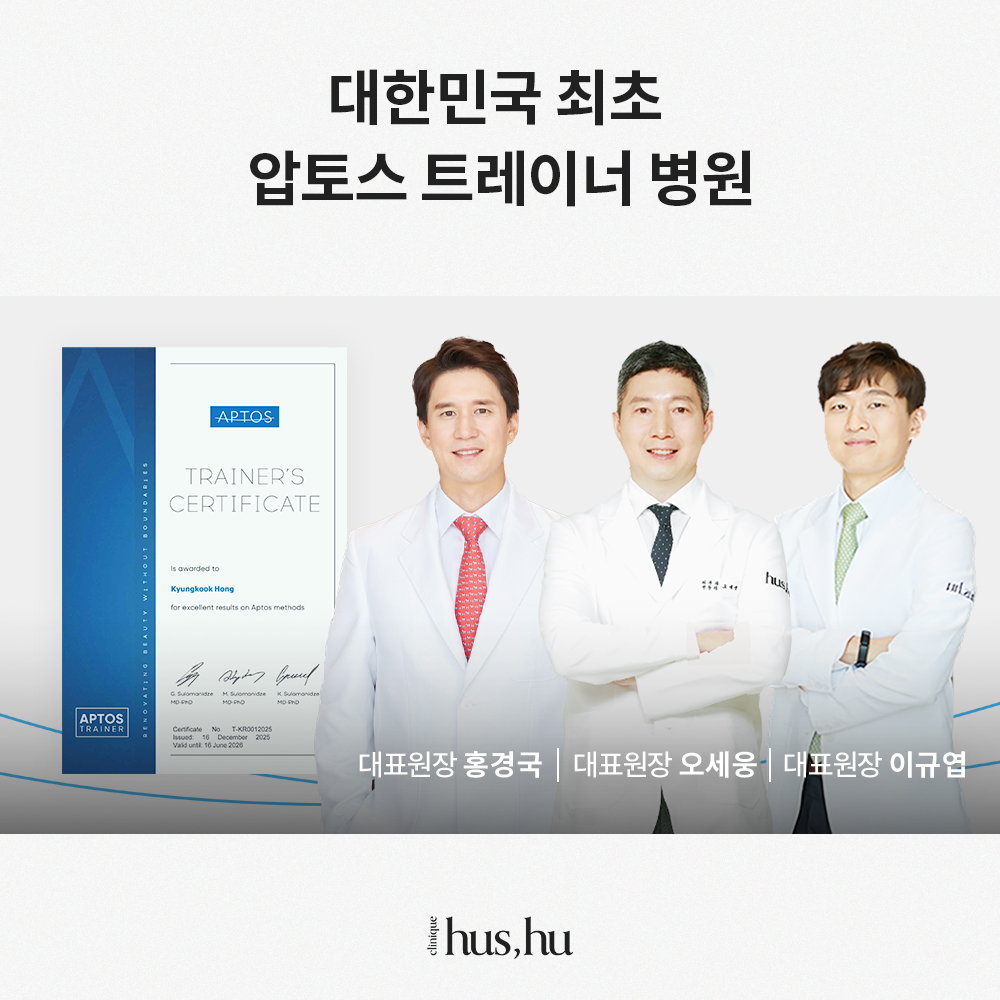
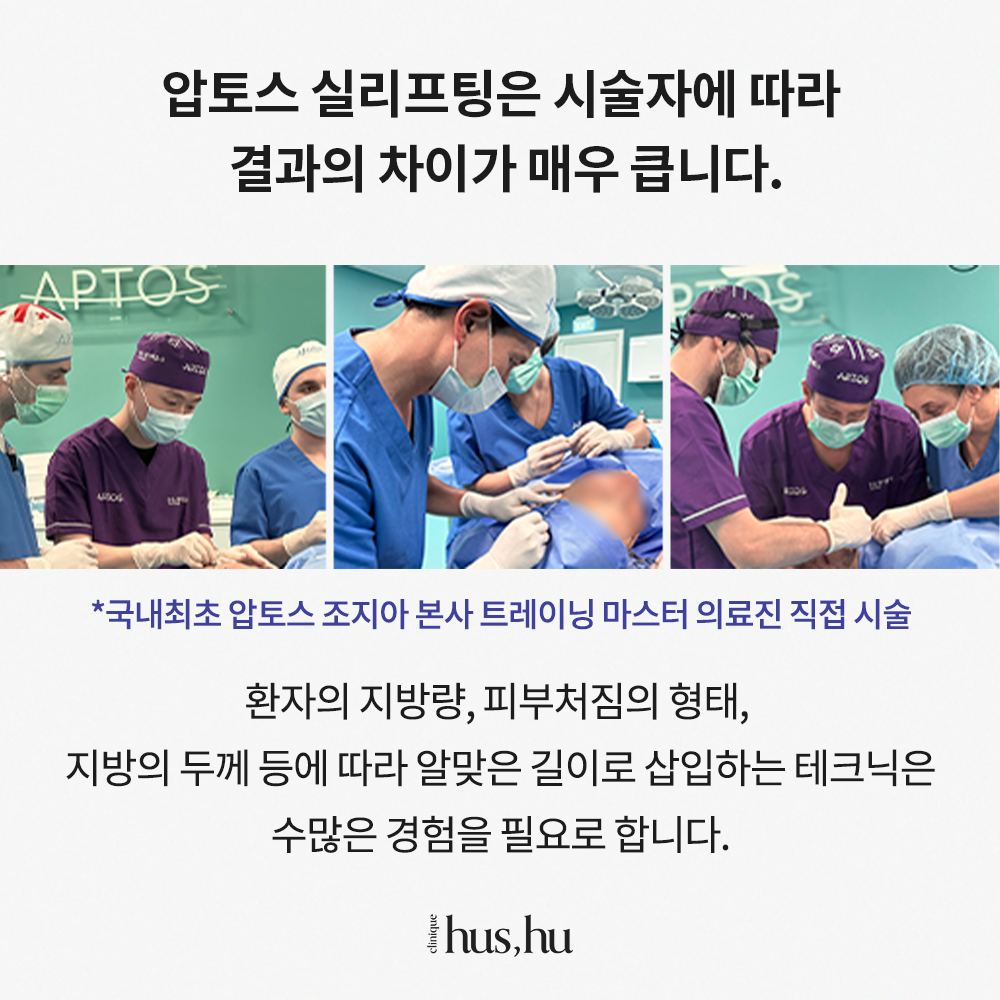
At this clinic, Aptos lifting is performed by physicians with dermatology‑related training and lifting experience. Because they have access to multiple devices and techniques, they can often suggest the least invasive option that still addresses your main concern. The aim is natural‑looking improvement rather than extreme changes.
Online consultation and pre‑visit preparation
For overseas patients, an online consultation is usually the first step. You may be asked to send clear photos of your face from the front, 45‑degree angles, and side views, under good lighting and without heavy makeup or filters. This helps the doctor understand your facial structure, sagging pattern, and volume distribution.
Before your online consultation, it can be useful to prepare a short list of points:
Which areas bother you most when you look in the mirror or in photos
Whether you prefer minimal downtime or are open to a few days of visible swelling
Any previous treatments you have had, such as Ulthera, Thermage, fillers, or threads
Any medical conditions, medications, or allergies
Your travel dates and how many days you can stay in Seoul
During the online consultation, you can ask:
- Whether Aptos is likely to be the main treatment or part of a combination plan
- What kind of downtime you should realistically plan for with your schedule
- Whether additional treatments like Exion RF, Ulthera Prime, Thermage FLX, or fillers are recommended
- How many follow‑up visits are ideal during your stay
Expected Korea visit timeline for Aptos lifting
Many overseas patients plan a stay of about one to two weeks in Seoul when scheduling Aptos lifting, especially if combining it with other treatments.
A typical timeline might look like this:
Day 1–2: In‑person consultation, facial analysis, imaging if needed, and final treatment planning. In some cases, treatment can be done on the same day if both sides agree.
Day 2–4: Aptos lifting procedure and immediate post‑treatment check. You may experience swelling and mild discomfort, so it is best to keep your schedule light.
Day 3–7: Early recovery phase. Swelling and bruising usually start to settle. Gentle sightseeing and light activities are possible, but intense exercise and facial pressure should be avoided.
Day 7–10: Follow‑up visit to check healing, symmetry, and early results. Additional supportive treatments such as gentle skin care or low‑intensity device sessions may be discussed if appropriate.
Day 10–14: Most visible swelling and bruising are often reduced by this time for many patients, though individual variation exists. This is a common point for overseas patients to return home.
These time frames are general and can vary. Your doctor will give you more personalized guidance based on your treatment plan and health status.
Aftercare and lifestyle tips
After Aptos lifting, you will receive specific aftercare instructions. In general, you may be advised to:
Sleep on your back with your head slightly elevated for several days
Avoid pressing your face into the pillow or sleeping on your side or stomach initially
Refrain from strong facial massage, aggressive skin treatments, or high‑impact exercise for a short period
Be cautious with wide mouth movements and postpone non‑urgent dental work for a limited time
Use gentle skin care products and sun protection while the skin is healing
You may feel tightness or pulling when making certain expressions. This usually improves as the tissues adapt. If you notice unexpected pain, significant asymmetry, or any signs of infection, you should contact the clinic promptly.
Comparison with other lifting options
Versus Ulthera Prime, Thermage FLX, and Emface:
These are energy‑based devices that work from the outside in. They deliver focused ultrasound, radiofrequency, or electromagnetic stimulation to tighten tissues and stimulate collagen without inserting anything under the skin. They are useful for people with mild laxity or those who want gradual improvement with minimal downtime.
Aptos lifting, on the other hand, physically lifts and repositions tissues. It can be especially helpful when sagging is visible and structural support is needed. Many patients benefit from a layered approach: devices for overall tightening and skin quality, and Aptos threads for targeted lifting of cheeks and jawline.
Versus generic PDO threads:
Short PDO threads are often placed in multiple directions for mild tightening and collagen stimulation. They can be useful in some cases but may not provide strong structural lifting. Aptos threads are part of a structured system with specific designs, lengths, and protocols, aiming for more predictable lifting vectors and tissue support.
The clinic does not rely on a single thread type. Aptos is used for structural lifting, Silhouette Soft may be chosen for certain volumizing lifts, and device‑based treatments are used to enhance skin tightening and collagen stimulation.
Frequently asked questions
Is Aptos lifting painful?
Most patients describe Aptos lifting as uncomfortable rather than severely painful. Local anesthesia and numbing cream are used to reduce sharp pain during the procedure. You may feel pressure, pulling, or a strange sensation as the threads are placed and adjusted. After the procedure, mild soreness or tightness is common for several days, which usually responds to simple pain relief measures recommended by the clinic.
How long do Aptos thread lift results last?
The duration of results varies from person to person. Factors include the type of threads used, your age, skin quality, lifestyle, and how your body forms collagen. Many patients enjoy visible benefits beyond a year, but some may notice changes sooner. Because of this variation, the clinic focuses on regular follow‑up and a long‑term plan rather than promising a fixed time frame.
What is the downtime after Aptos lifting?
You should expect some swelling, tenderness, and possibly bruising for several days to one or two weeks. Many people feel comfortable returning to office‑type work within a few days, especially if makeup can be used to cover bruises after the skin has settled. Intense exercise, strong facial massage, and wide mouth movements are usually limited for a short period to protect the threads while they integrate.
Can Aptos lifting be combined with other treatments?
Yes. In many cases, the best results come from combining Aptos lifting with other treatments tailored to your needs. For example, Ulthera Prime or Thermage FLX can improve deeper tightening, Emface can address muscle tone, and Exion RF or microneedling can support skin texture. Volume loss can be treated with Ellanse, Lapullen, or hyaluronic acid fillers, while exosome programs like Mysome or Exomage can support tissue quality and recovery. The exact combination depends on your facial analysis and goals.
Soft call to action for online consultation
If you are considering Aptos lifting in Seoul and would like a structured, minimally invasive plan for facial sagging and contouring, an online consultation can be a useful first step. By sharing clear photos and your main concerns, you can receive a preliminary assessment of whether Aptos threads, device‑based lifting, volume treatments, or a combination may suit you.
When you are ready, contact the clinic in Cheongdam, Gangnam, near Apgujeong Rodeo Station, to arrange an online consultation. The medical team can then help you design a realistic treatment and travel schedule that fits your lifestyle and supports both visible lifting and long‑term tissue health.

댓글
댓글 쓰기