Aptos Lifting in Cheongdam Gangnam: Practical Guide for Overseas Patients
- 공유 링크 만들기
- X
- 이메일
- 기타 앱
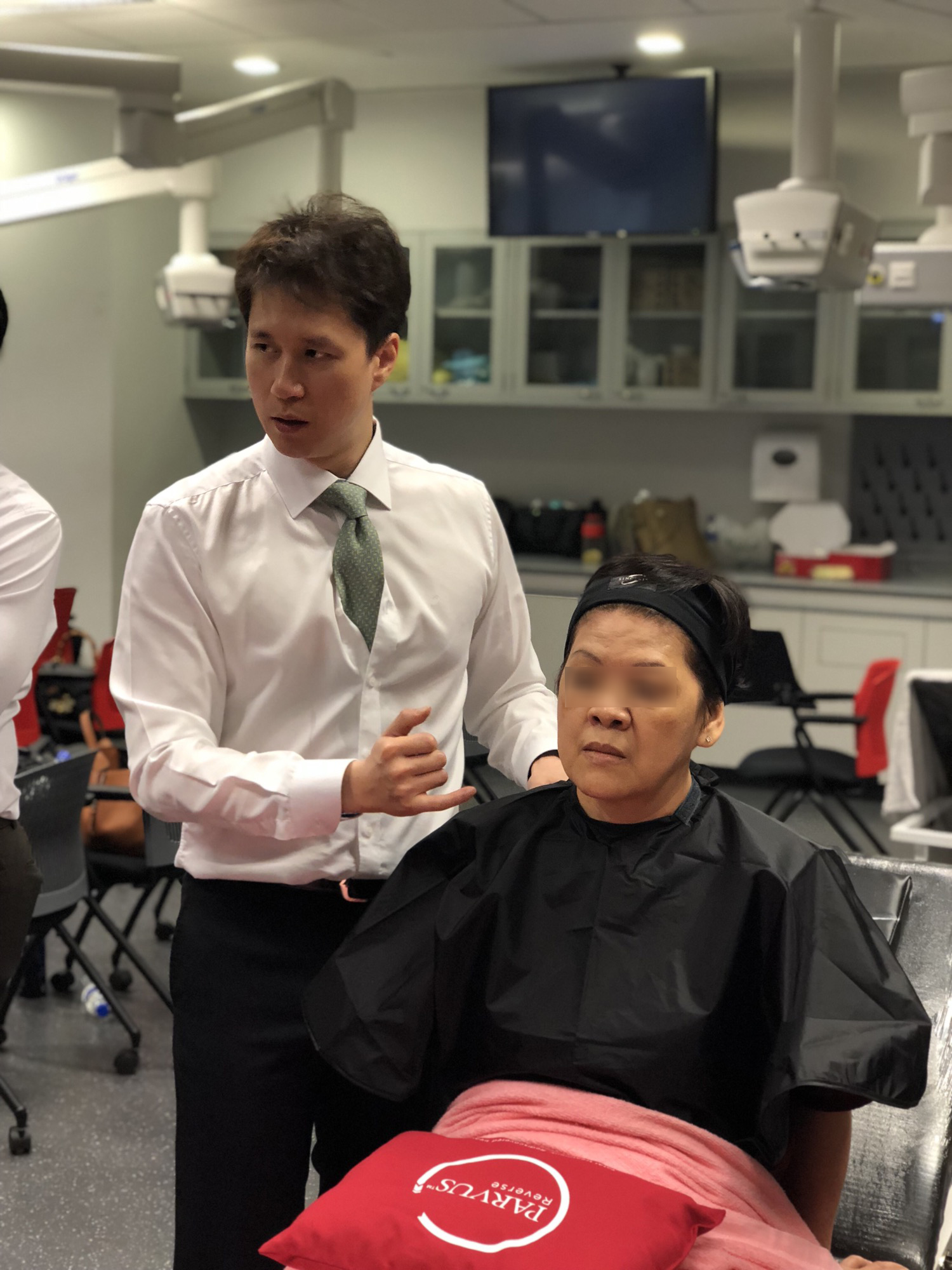
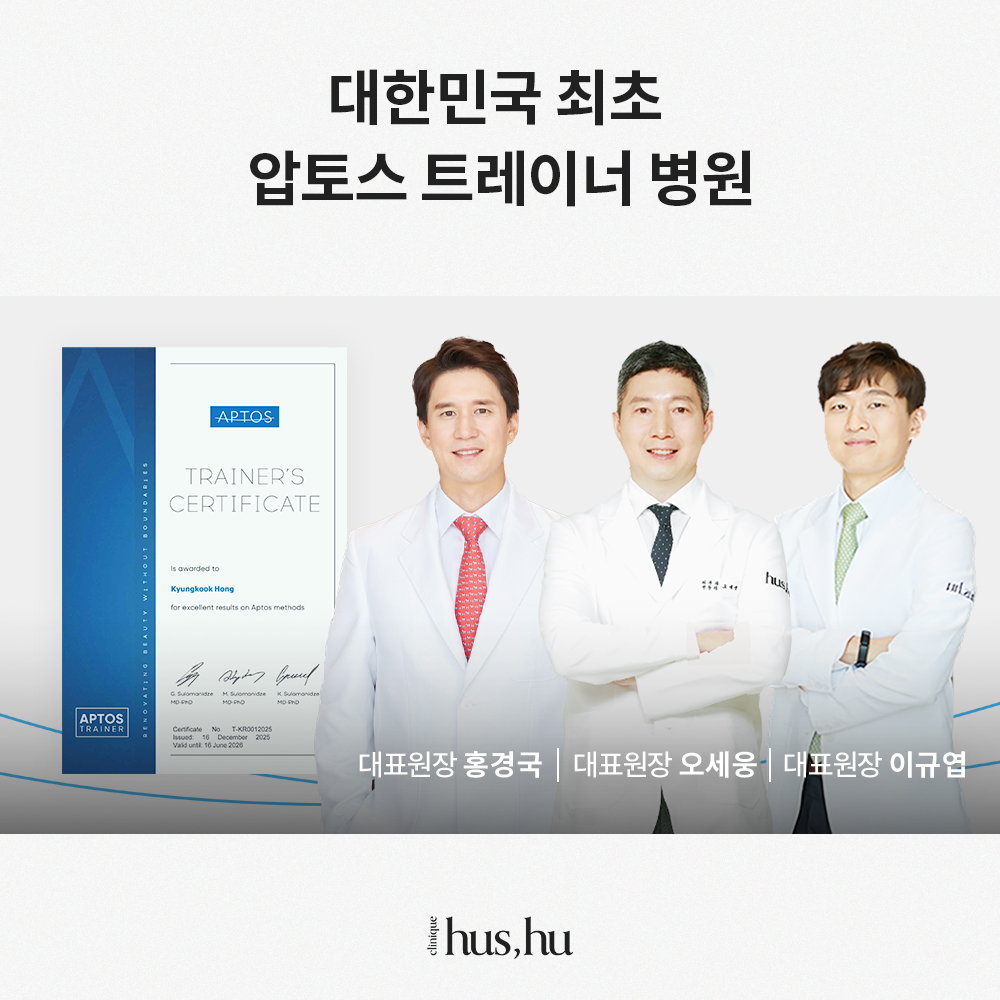
Aptos lifting is a minimally invasive thread lift that uses specially designed threads to gently reposition sagging facial tissue and stimulate new collagen. It is often chosen by people in their 30s to 50s who notice early jowls, softer jawlines, deeper smile lines, or mild neck laxity but are not ready for a surgical facelift. In Cheongdam, Gangnam, near Apgujeong Rodeo Station, some clinics offer Aptos lifting alongside anti‑aging treatments and skin‑tightening devices as part of a personalized plan for overseas patients.
This guide explains what Aptos lifting is, who it may suit, how the procedure works, what to expect during a visit to Seoul, and how to prepare from abroad.
Treatment overview: what is Aptos lifting?
Aptos lifting is a non‑surgical facial lifting procedure that uses barbed or cogged threads to support and lift sagging soft tissue. Instead of long incisions like in a facelift, the doctor makes tiny entry points and inserts the threads using fine needles or blunt cannulas.
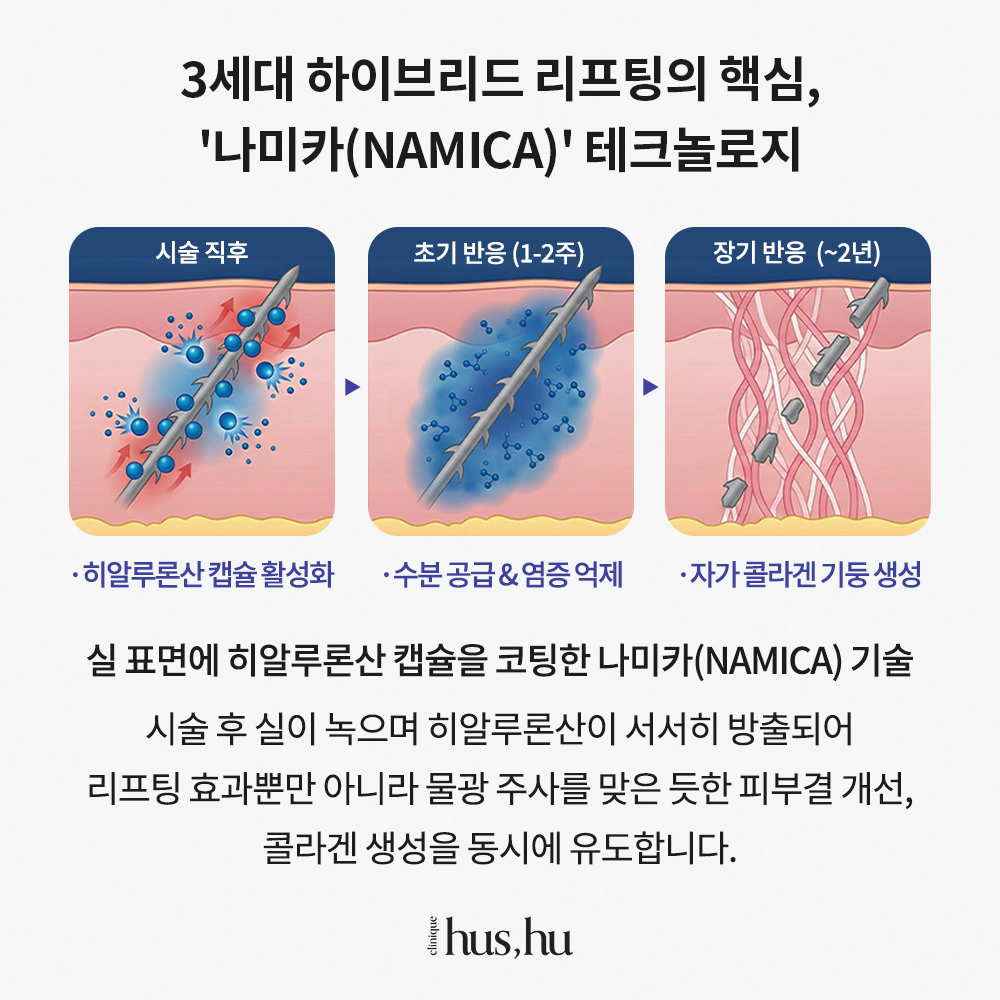
The barbs on the threads gently catch the subcutaneous tissue, which is the soft layer just under the skin. When the threads are adjusted, they can reposition the tissue upward, improving contours such as the jawline and cheek area.
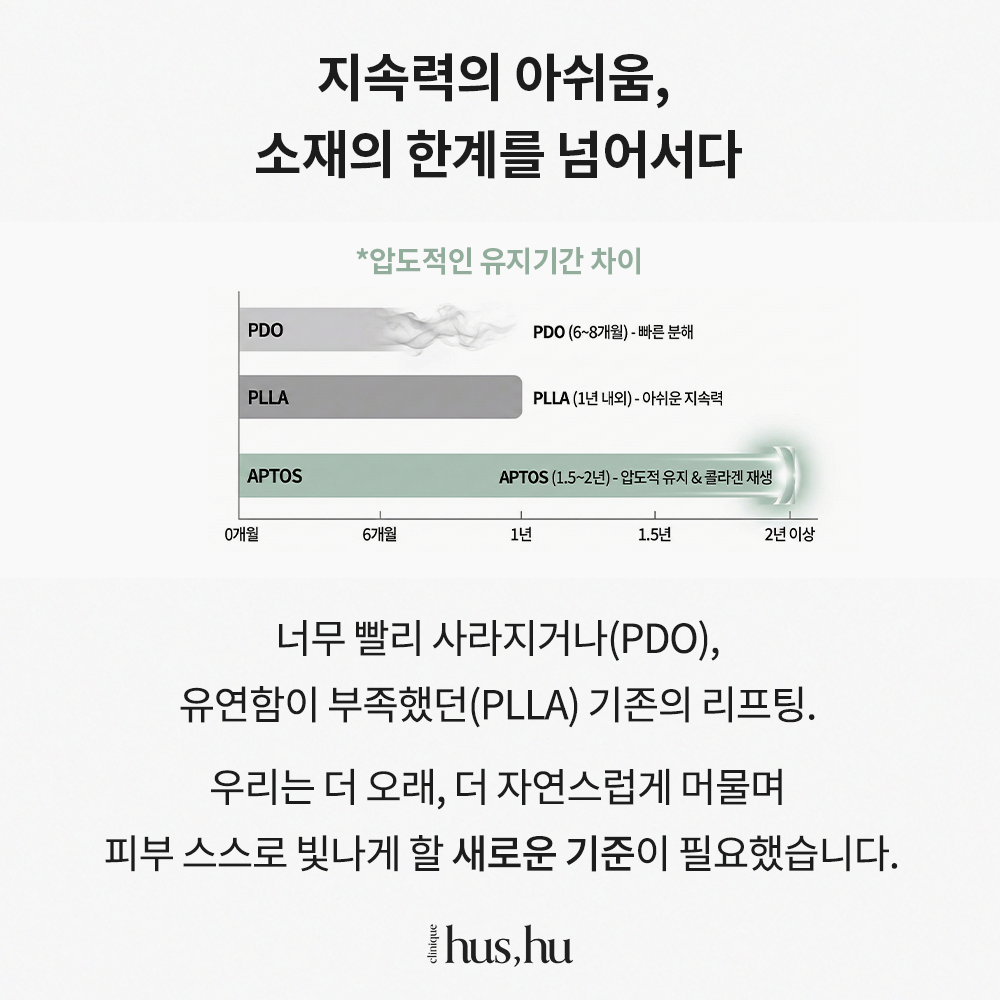
Aptos threads also act as a scaffold that encourages your body to form new collagen and supportive fibers along the thread path. This biological response helps maintain the lifting effect over time, even after the thread itself is partially absorbed or encapsulated.
At our Cheongdam clinic, different lengths and designs of Aptos threads are used. Short threads can target localized areas such as nasolabial folds or marionette lines, medium threads are often used for midface and jawline, and longer lifting threads can support broader zones like the cheek and lower face. The choice depends on your facial structure and degree of sagging.
Areas Aptos lifting can target
Aptos lifting is designed to address mild to moderate sagging and contour changes in several key areas.
Jawline and early jowls
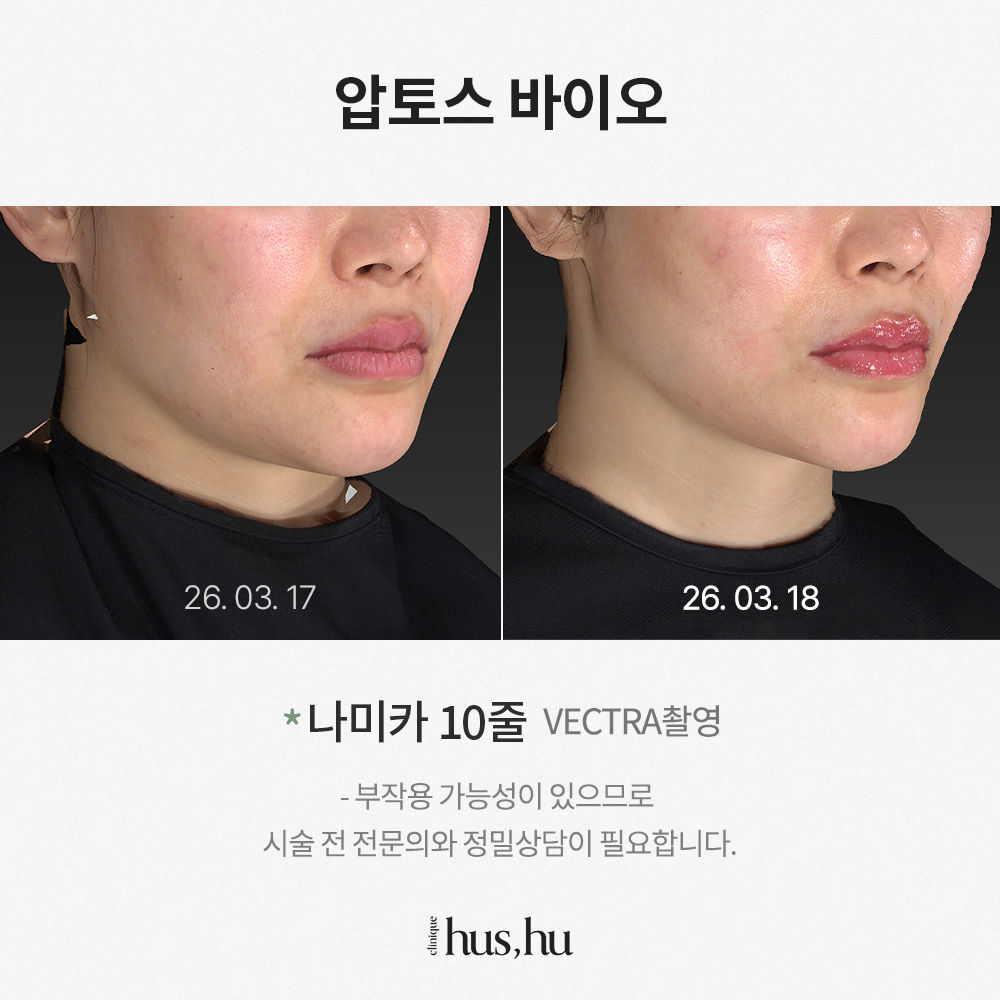
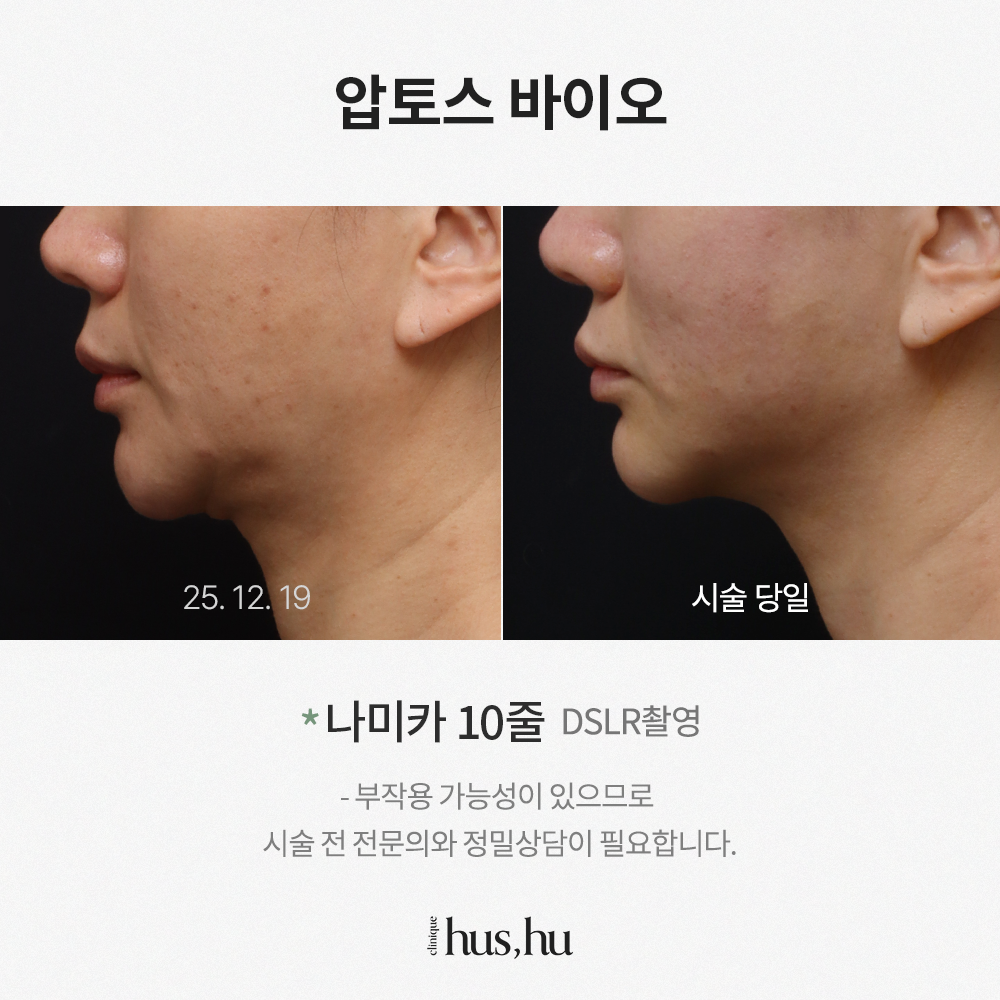
With age, the once‑sharp jawline can blur, and small jowls may appear in front of the jaw angle. Aptos threads can be placed along lifting vectors that pull the drooping tissue back toward the cheek or ear area, helping to refine the jawline and reduce the appearance of jowls.
Nasolabial folds and marionette lines
Nasolabial folds are the lines running from the sides of the nose to the corners of the mouth. Marionette lines extend from the mouth corners down toward the chin. By lifting the sagging cheek and lower face tissue upward, Aptos lifting can soften the depth of these folds. In some cases, the doctor may also recommend fillers or collagen stimulators if there is significant volume loss.
Cheek and midface sagging
When the midface descends, the cheeks can look flatter and heavier in the lower face. Aptos threads placed from the cheek area toward the temples or side of the face can help restore a more youthful cheek contour and reduce heaviness around the mouth.
Neck laxity
Mild neck laxity and early horizontal or vertical lines can sometimes be improved with carefully placed threads. The effect is subtler than a neck lift, but for early changes it can provide a more defined jaw‑neck angle and gentle tightening.
Who may consider Aptos lifting
Aptos lifting is generally suitable for adults with mild to moderate facial sagging who want visible improvement without surgery.

Typical candidates
People in their 30s to 50s who notice:
- • Early jowls or a less defined jawline
- • Drooping cheeks or midface
- • Deepening nasolabial folds and marionette lines
- • Mild laxity in the neck area
It is helpful if the skin still has reasonable thickness and elasticity, as this allows the threads to anchor well and gives a more natural lift.
Patients who are not ready for surgery
Many patients are interested in lifting and contouring but wish to avoid general anesthesia, surgical scars, and long recovery. For these patients, Aptos lifting offers a middle option between purely non‑invasive devices and a full facelift.
Combination with volume treatments
If there is both sagging and volume loss, threads alone may not be enough. In such cases, the doctor may suggest combining Aptos lifting with volumizing fillers or collagen‑stimulating injectables to restore midface or chin volume, and then use threads to reposition the soft tissue.
Who should be cautious or avoid it
Aptos lifting may not be suitable for:
- • Very thin or severely lax skin where threads may show or not hold well
- • Very heavy tissue with advanced sagging better suited to surgical lifting
- • Uncontrolled systemic diseases such as poorly controlled diabetes or severe cardiovascular conditions
- • Active skin infection, severe acne, or inflammation in the treatment area
- • Bleeding disorders or use of certain blood‑thinning medications
- • Pregnancy or breastfeeding
A careful medical consultation is essential to determine whether Aptos lifting is appropriate and safe for you.
How Aptos lifting works
Physical lifting mechanism
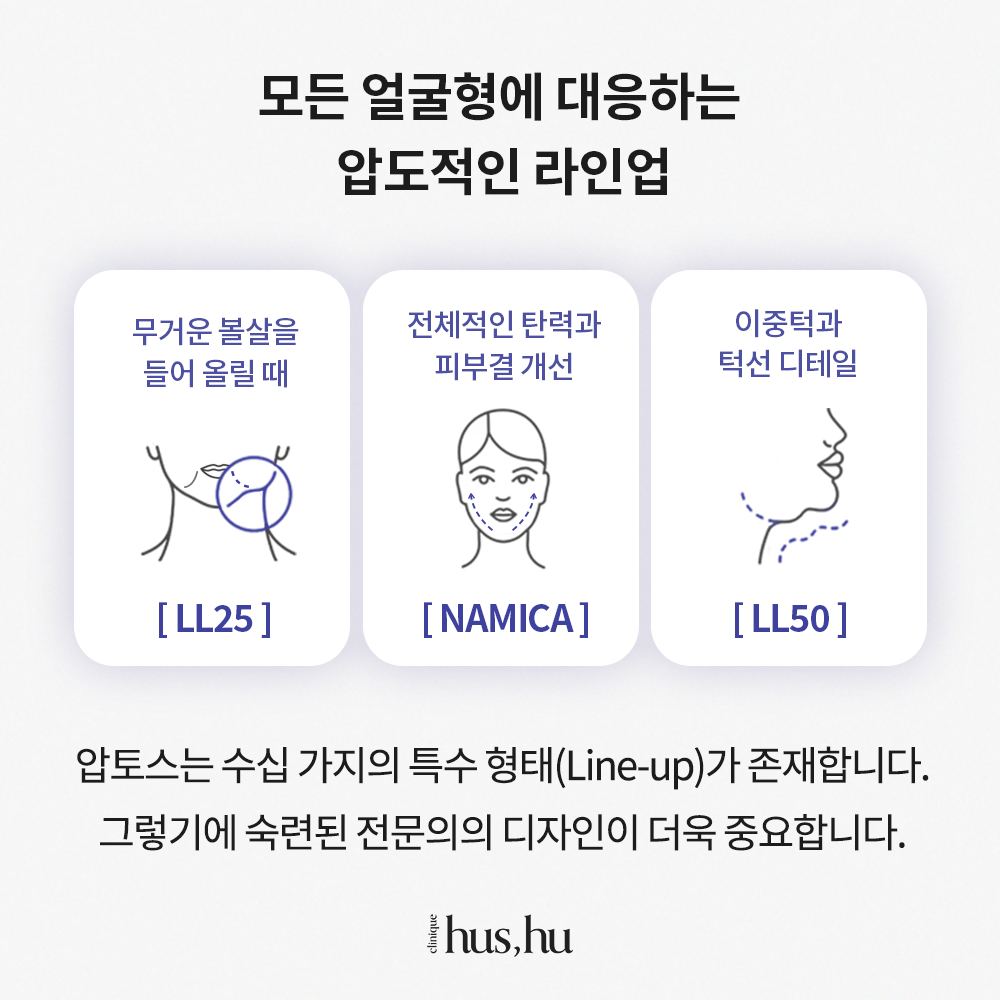
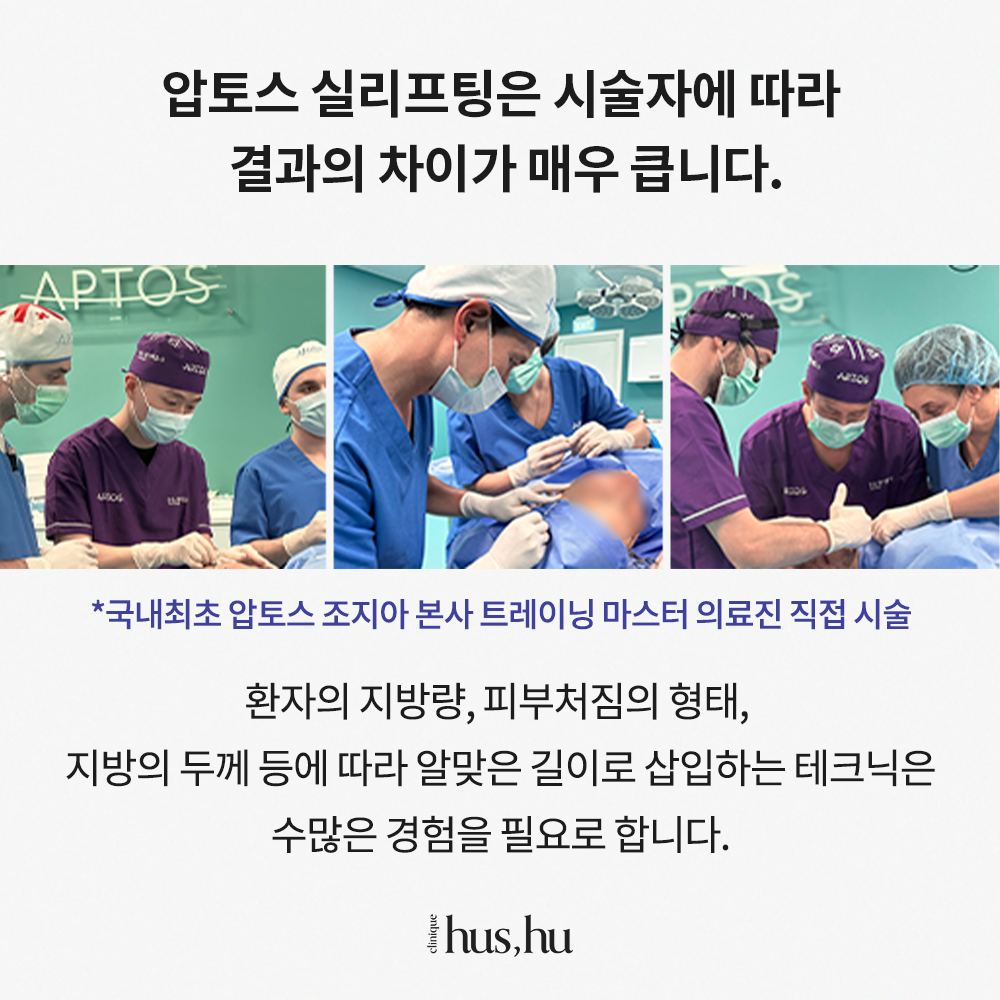
Aptos threads have tiny barbs or cones along their length. After the doctor inserts the thread into the subcutaneous plane, these barbs gently anchor into the surrounding tissue. When the thread is pulled in a specific direction, the anchored tissue moves with it, creating an immediate lifting and repositioning effect.
Different thread designs, such as bidirectional or multidirectional barbs, are chosen depending on the direction and strength of lift needed. For example, cheeks may require stronger multidirectional support, while smaller areas around the mouth may use finer threads.
Biological collagen‑stimulating effect
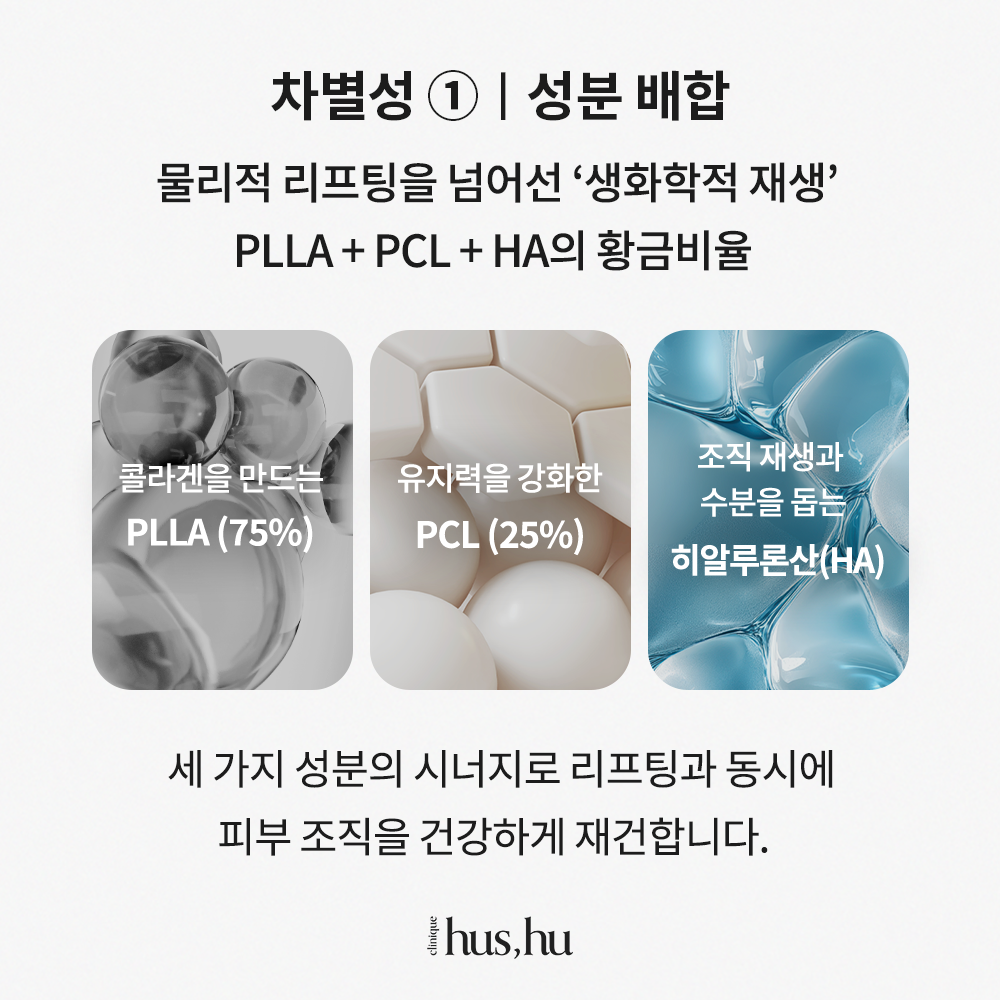
The thread material functions as a scaffold that triggers a controlled healing response. Your body recognizes the thread as a structure to reinforce and begins to form new collagen and fibrous tissue around it. Over weeks to months, this new support network helps maintain the lifted contour.
Even as the thread gradually becomes encapsulated or partially resorbed, the collagen framework it leaves behind can continue to support the tissues for some time.
Consultation and planning for overseas patients
Thorough consultation is the most important step, especially if you are traveling from abroad.
Initial online consultation
Before you book flights, it is helpful to have an online consultation. Our clinic in Cheongdam offers contact channels such as phone, messaging apps, and social media. During this stage, you may be asked to send clear photos from the front and both sides in good lighting, with a relaxed expression and a gentle smile.
The doctor or consultation team will review:
- • Skin thickness and elasticity
- • Degree and pattern of sagging
- • Facial asymmetry
- • Existing volume loss in cheeks, chin, or temples
- • Previous treatments such as fillers, threads, or lifting devices
- • General health and medications
Based on this, they can advise whether Aptos lifting is likely to help and what combination treatments might be reasonable.
In‑clinic assessment and vector mapping
Once you arrive in Seoul, you will have an in‑person consultation. The doctor examines your face while you are upright, sometimes asking you to smile or talk to see how the tissues move.
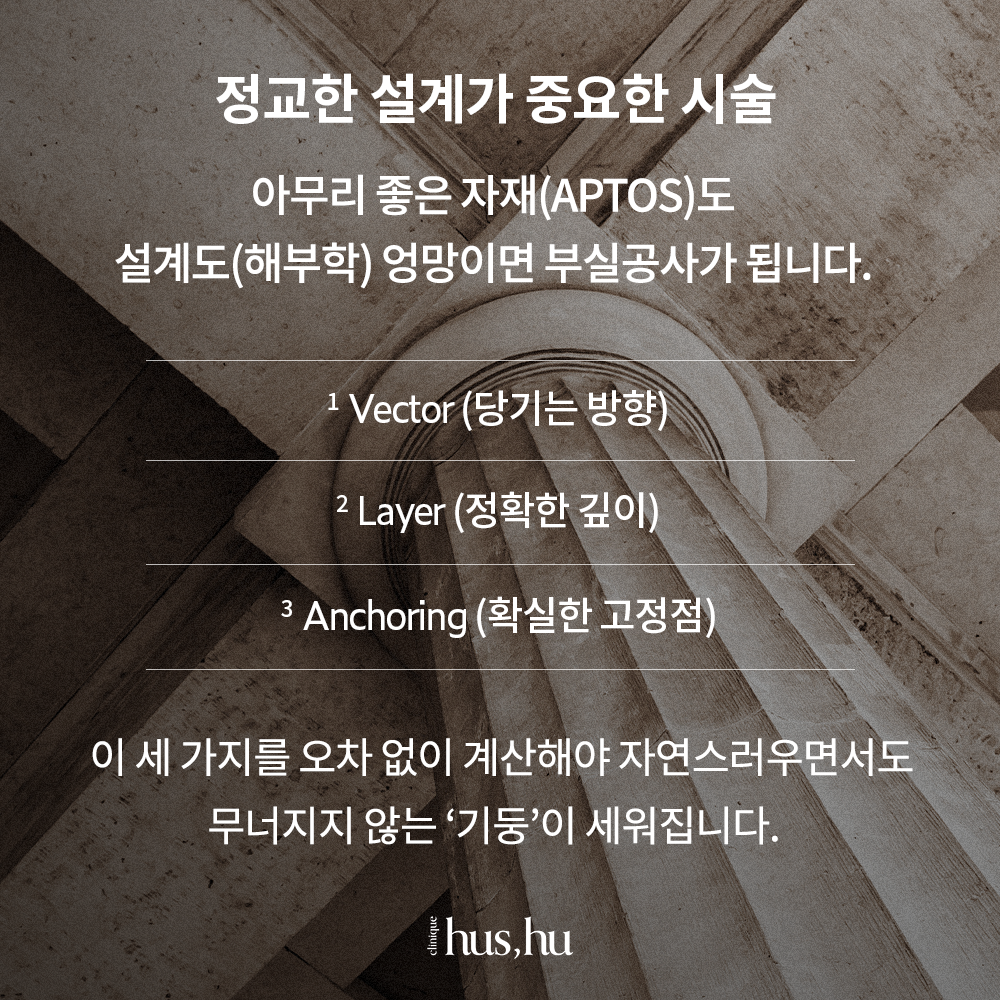
Vector lines are then mapped on the skin. These lines indicate:
- • Where the threads will enter
- • In which direction they will pull
- • How many threads will be used on each side
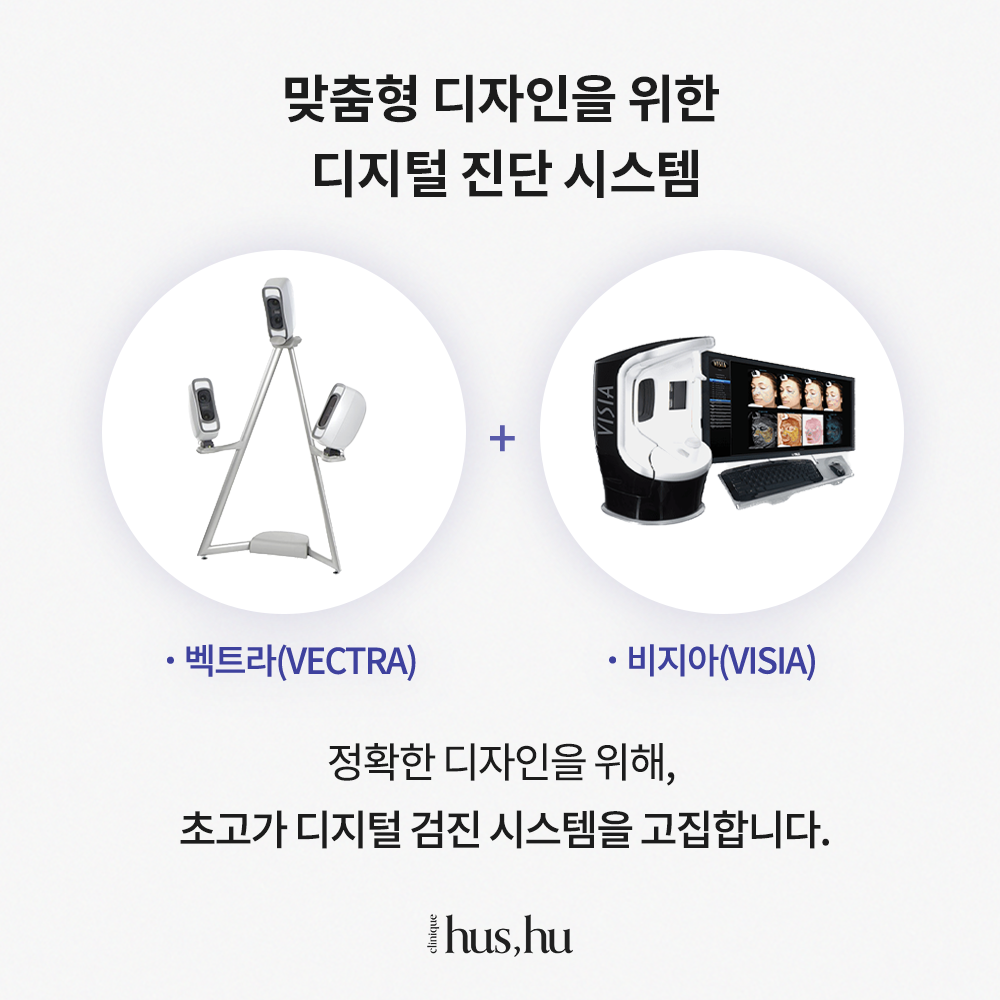
At our Cheongdam clinic, this planning is often integrated into a broader anti‑aging strategy. For example, the doctor may suggest combining Aptos lifting with ultrasound or monopolar radiofrequency tightening, or with other skin‑quality treatments. Some adjunctive therapies — including biologic or cell‑based options mentioned by some providers — are investigational or have limited evidence; availability and regulatory status vary. Discuss individualized combination plans, expected benefits, risks, and evidence with your physician before proceeding.
What to expect during the procedure
Pre‑procedure steps
Before the procedure, you can expect:
- • Review of medical history and medications
- • Clinical photography from multiple angles
- • Explanation of realistic expectations and possible side effects
- • Signing of consent forms
- • Final marking of lifting vectors and entry points while you are sitting upright
Anesthesia
Aptos lifting is usually performed under local anesthesia. The doctor injects numbing medicine along the planned thread paths and at entry points. Some clinics also apply topical anesthetic cream beforehand or offer mild oral sedation for anxious patients, depending on their protocol.

Thread insertion
After the area is cleaned and draped, the doctor:
- • Makes a tiny puncture at the entry point with a needle
- • Inserts a blunt cannula or needle preloaded with the Aptos thread into the subcutaneous plane
- • Advances the cannula along the marked vector line
- • Withdraws the cannula, leaving the thread in place
- • Gently tightens the thread to lift the tissue and checks the contour
- • Trims any excess thread and smooths the skin to reduce dimpling
This process is repeated symmetrically on both sides and in all planned areas, such as cheeks, jawline, and possibly neck.
Duration
You remain awake and can communicate with the doctor throughout.
Immediately after the procedure
Right after Aptos lifting, you may notice:
- • Immediate lifting and sharper contours
- • Mild swelling or redness along the thread paths
- • Small marks at entry points
Cooling packs are often applied, and basic antiseptic care is provided. Before you leave, you receive instructions on how to sleep, wash your face, and move your facial muscles in the first days.
Results and longevity
Immediate improvement
Many patients notice a lifting effect shortly after the procedure. However, swelling can temporarily exaggerate or hide the final result. The face may look slightly tighter or less expressive in the first days, which usually softens as the tissues settle.
Gradual enhancement over time
Over the following weeks to months, collagen forms along the threads. This can improve skin firmness and texture, and help maintain the lifted contour. Many patients feel that the result looks more natural after two to four weeks, once the initial tightness and swelling subside.
Typical duration
Many clinicians report that effects may last anywhere from several months to a couple of years, but results vary widely depending on factors such as thread type, placement, individual healing, skin quality, and lifestyle. Discuss expected durability with your doctor.
- • Thread type and design
- • Number of threads used
- • Patient age and skin quality
- • Lifestyle factors such as smoking, sun exposure, and weight changes
It is important to understand that Aptos lifting does not replace a surgical facelift. The improvement is more moderate, but the trade‑off is less downtime and no large incisions.

Recovery, aftercare, and downtime
Typical recovery course
Most people experience:
- • Mild to moderate swelling and bruising for a few days up to 2 weeks
- • Tenderness along the thread paths
- • A feeling of tightness or pulling when smiling, chewing, or yawning
Many patients can return to light daily activities and work within a few days, using makeup to cover bruises if needed.
Key aftercare instructions
To protect the threads and support smooth healing, doctors usually recommend:
• Avoid vigorous facial movements, wide yawning, or strong chewing for several days
• Sleep on your back with your head elevated for about a week to reduce swelling and avoid pressure on the threads
• Avoid facial massage, strong facial treatments, or dental procedures in the treated area for several weeks
• Refrain from sauna, hot baths, or intense exercise for a short period, as advised by your doctor
• Keep entry points clean and dry; use prescribed topical or oral medications if given
For overseas patients, it is wise to stay in Seoul for a few days after the procedure so that the clinic can check your progress and manage any early issues.
Risks and possible side effects
Common temporary effects
These are expected and usually resolve on their own:
- • Swelling and bruising
- • Mild to moderate pain or tenderness
- • Tightness or pulling sensation
- • Slight asymmetry while swelling settles
Less common but important risks
Although serious complications are uncommon when performed correctly, possible risks include:
- • Thread visibility or feeling the thread under very thin skin
- • Surface irregularities or dimpling if threads are too superficial or if the area is rubbed
- • Infection at entry points
- • Hematoma or prolonged bruising
- • Thread migration or breakage, which may require adjustment or removal
- • Nerve irritation or prolonged pain
Choosing an experienced doctor who uses appropriate thread types, correct depth, and strict aseptic technique helps reduce these risks. Individual outcomes vary, so open communication about your medical history and expectations is important.
Comparison with other lifting options
Versus surgical facelift
Aptos lifting:
- • Minimally invasive, using small entry points
- • Performed under local anesthesia
- • Shorter downtime and quicker return to daily life
- • Provides moderate, natural‑looking improvement
Surgical facelift:
- • Involves incisions around the ears and sometimes the hairline
- • Often performed under general anesthesia or deep sedation
- • Longer recovery and more swelling and bruising
- • Can address advanced sagging and provide more dramatic, longer‑lasting results
Versus energy‑based lifting (ultrasound or RF)
Aptos threads provide an immediate mechanical lift and contour change. Ultrasound or monopolar radiofrequency devices work by heating deeper layers of the skin to stimulate collagen, with results that appear gradually over several months.
In some patients, a combination approach works well. For example, device‑based tightening can be done before or after threads to enhance skin firmness and possibly support longer‑lasting results.
Combination treatments and clinic strengths in Cheongdam
Alongside Aptos lifting, we offer:
• Multiple lifting and tightening technologies, including ultrasound lifting, monopolar radiofrequency, radiofrequency microneedling, facial EM treatments, and fractional lasers
•
• Collagen‑stimulating injectables and volumizing fillers when needed
For example, a patient might receive Aptos lifting for contour, ultrasound lifting for deeper tightening, and exosome‑based treatments for skin quality over a period of visits.
The exact combination is customized after detailed assessment and, when appropriate, diagnostic imaging. It is not the same for everyone.
Online consultation and pre‑visit preparation
To make the most of your trip to Seoul, preparation is important.
Information to prepare before online consultation
Before contacting the clinic, it can help to prepare:
• Clear facial photos from front, 45‑degree angles, and sides
• A list of previous procedures (fillers, threads, lasers, lifting devices, surgery)
• Current medications and any medical conditions
• Your main concerns in order of priority (for example, jawline first, then neck)
Questions you may want to ask
During online consultation, consider asking:
- • Whether your degree of sagging is suitable for Aptos lifting
- • How many threads and which areas are likely to be treated
- • Whether combination treatments are recommended and in what sequence
- • How many days you should stay in Korea after the procedure
- • What kind of follow‑up is possible once you return home
These questions help you compare clinics based on more than cost alone. You can look at the range of devices they use, the detail of their planning, anesthesia methods, expected downtime, and aftercare support.
Expected Korea visit timeline for Aptos lifting
While individual plans vary, a typical schedule for overseas patients might look like this.
Day 1
- • In‑person consultation and facial assessment
- • Photography and treatment planning
- • Discussion of options and consent
Depending on availability and your health status, Aptos lifting may be performed on the same day or scheduled for the next day.
Day 2
- • Aptos lifting procedure
- • Short rest at the clinic
- • Immediate post‑procedure check and instructions
Day 3 to 5
• Follow‑up visit for wound check and assessment of early swelling
• Additional treatments such as gentle skin care may be discussed if appropriate
Many patients feel comfortable flying home after 3 to 5 days, when the initial swelling has started to improve. However, if you are combining Aptos lifting with other procedures, your stay may be slightly longer.
Aftercare once you return home
When you go back to your country, it is important to:
• Continue following the aftercare instructions given by the clinic
• Avoid facial massage or strong treatments in the thread area until your doctor says it is safe
• Contact the clinic by messaging app or email if you notice unusual pain, redness, or asymmetry
Some patients also arrange a local doctor at home who can be consulted if needed, especially in the rare case of complications.
Frequently asked questions
How long does Aptos lifting last?
This depends on your age, skin quality, lifestyle, and the type and number of threads used. Over time, aging continues, so some patients choose maintenance treatments or repeat thread lifting after a suitable interval.
Is Aptos lifting painful?
Most patients describe the procedure as uncomfortable rather than very painful. Local anesthesia is used to numb the treatment area, so you mainly feel pressure or pulling rather than sharp pain. After the procedure, there may be soreness or tightness for several days, which is usually manageable with oral pain relief recommended by the doctor.
Can I combine Aptos lifting with fillers or energy‑based devices?
Yes, Aptos lifting is often combined with other treatments. For example, fillers or collagen stimulators can restore lost volume in the cheeks or chin, while ultrasound or radiofrequency devices can further tighten deeper tissues. The timing and sequence depend on your individual case; some treatments are done before threads, others after, to avoid disturbing the newly placed threads.
How many days should I stay in Seoul for Aptos lifting?
For overseas patients, staying at least 3 to 5 days in Seoul is usually recommended. This allows time for consultation, the procedure, and at least one follow‑up visit to check healing and adjust aftercare instructions. If you plan combination treatments or have a more complex plan, your clinic may suggest a longer stay.
Soft call to action
If you are considering Aptos lifting in Seoul and would like a personalized opinion, you can start with an online consultation. Our Cheongdam clinic near Apgujeong Rodeo Station reviews your photos and concerns, then suggests a realistic plan that fits your travel schedule and goals. Sharing your medical history and previous treatments in advance helps us design a safer and more effective approach for your visit.
This article is for general information only and does not replace a face‑to‑face consultation with a qualified medical professional. Individual suitability, risks, and results vary, so please seek professional advice before deciding on any procedure.
- 공유 링크 만들기
- X
- 이메일
- 기타 앱

댓글
댓글 쓰기