Aptos Lifting in Cheongdam: Thread Lift for a Sharper Jawline and Youthful Contours
- 공유 링크 만들기
- X
- 이메일
- 기타 앱
Direct answer summary
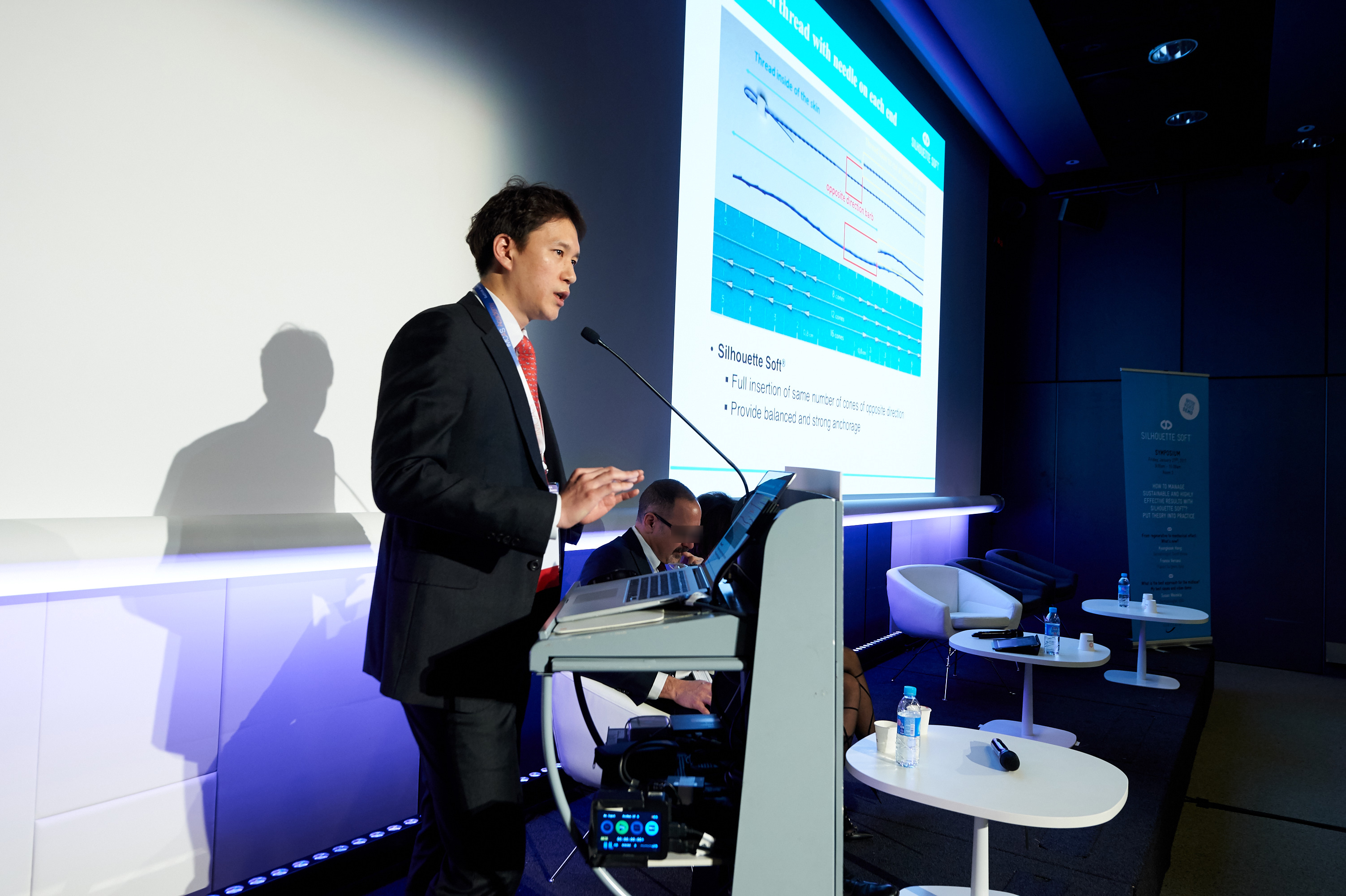
Aptos lifting is a minimally invasive thread lift that uses specially designed Aptos threads to gently reposition sagging facial tissue and support your contours from the inside. It can be an option if you see early jowls, a softer jawline, or deeper folds but are not ready for surgery. In Cheongdam, Gangnam, some premium anti‑aging clinics use several Aptos thread types and combine them with energy devices and regenerative treatments to design a personalized lifting plan for international patients.
What is Aptos lifting and how does it work
Aptos lifting is a thread lifting procedure that uses medical threads placed under the skin to mechanically lift and support sagging areas. The threads have tiny barbs or special structures that catch the tissue and hold it in a higher position.
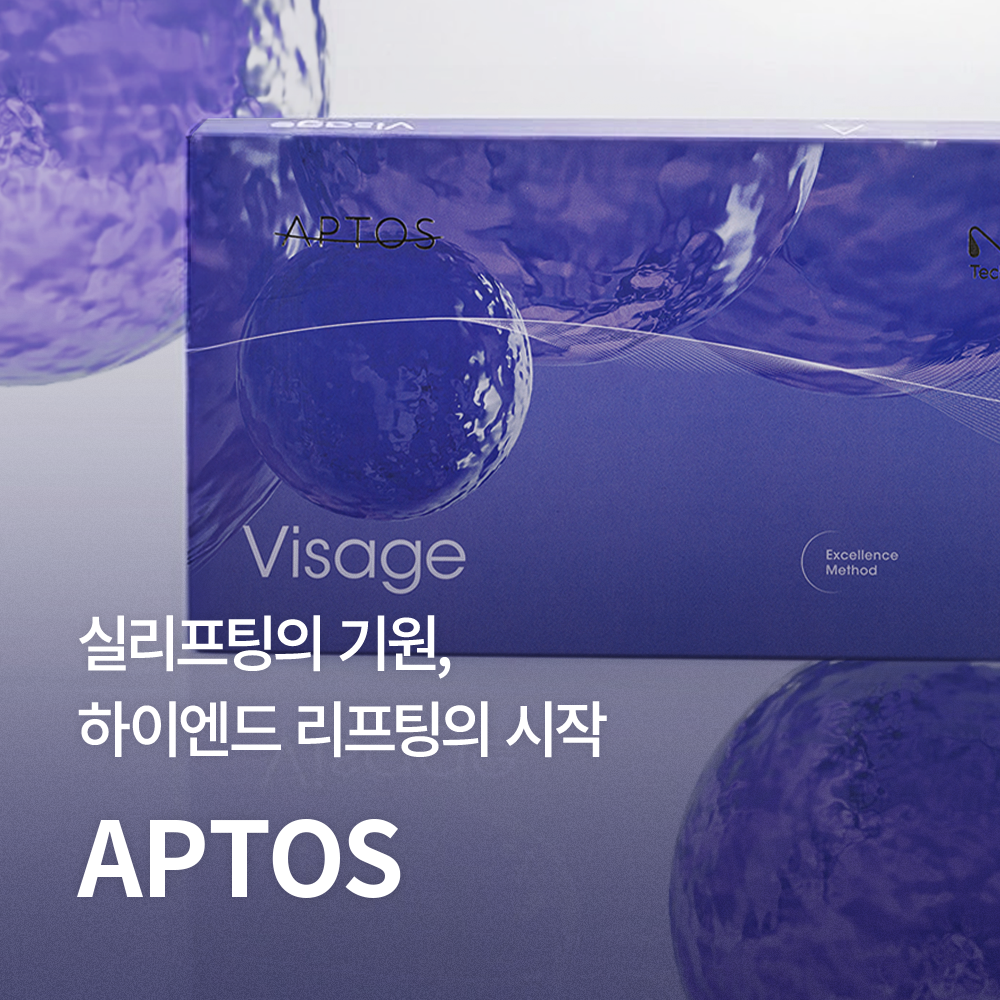
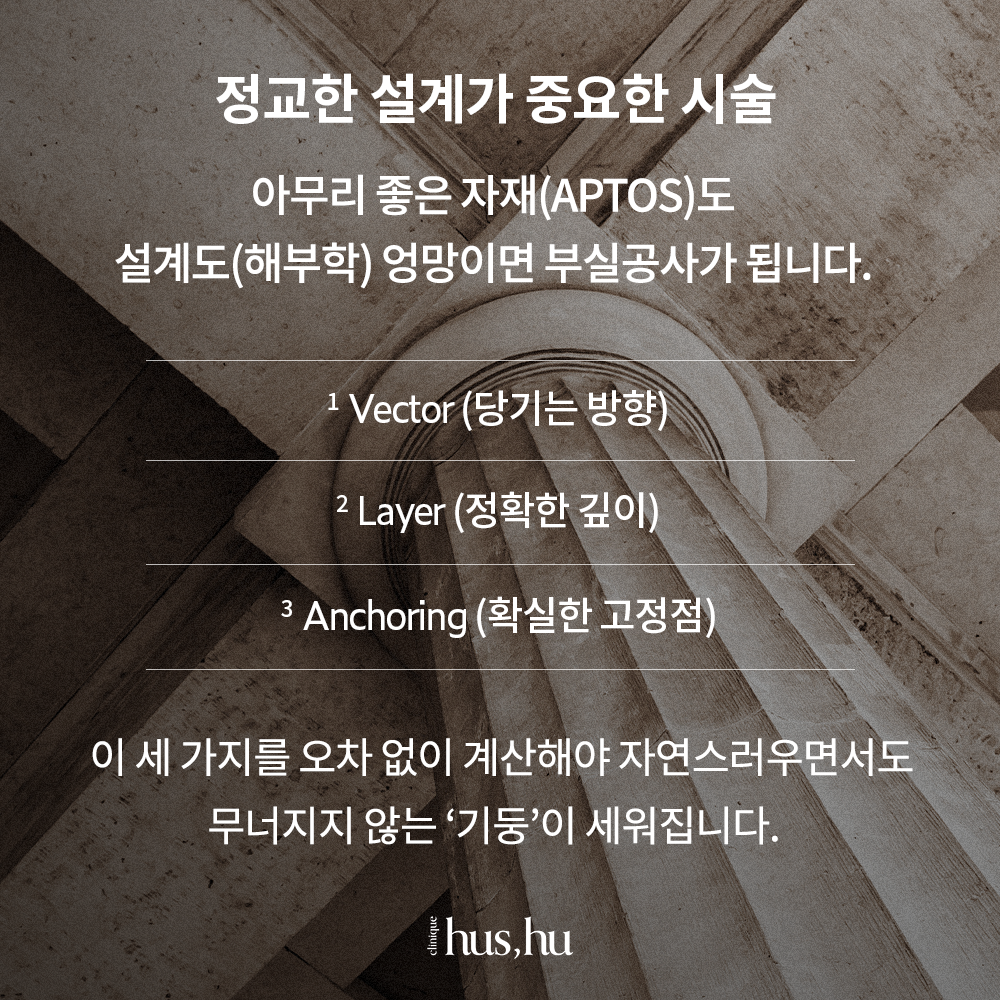
During treatment, the doctor inserts the threads through small entry points using a fine needle or cannula. Once the thread is in the correct layer, it is gently pulled to reposition the soft tissue along planned lifting lines. The barbs anchor into the tissue, so the lifted position is maintained.
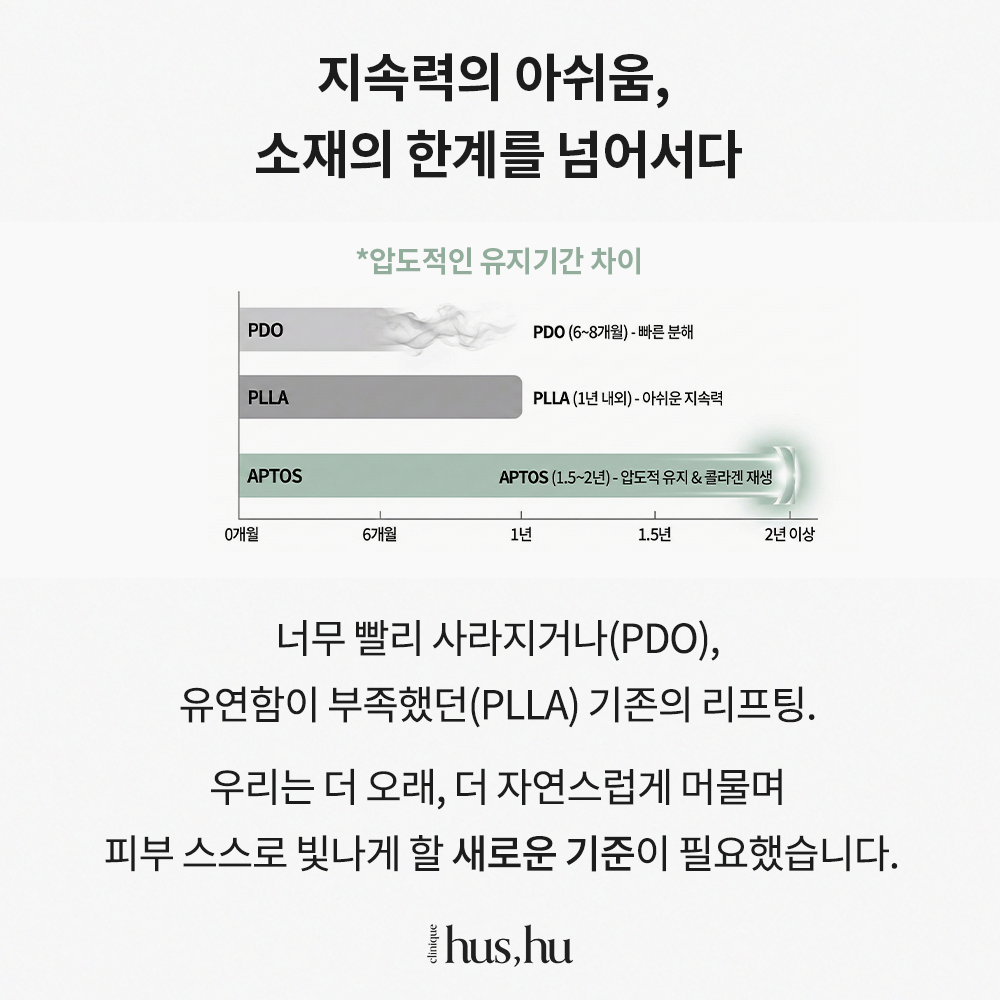
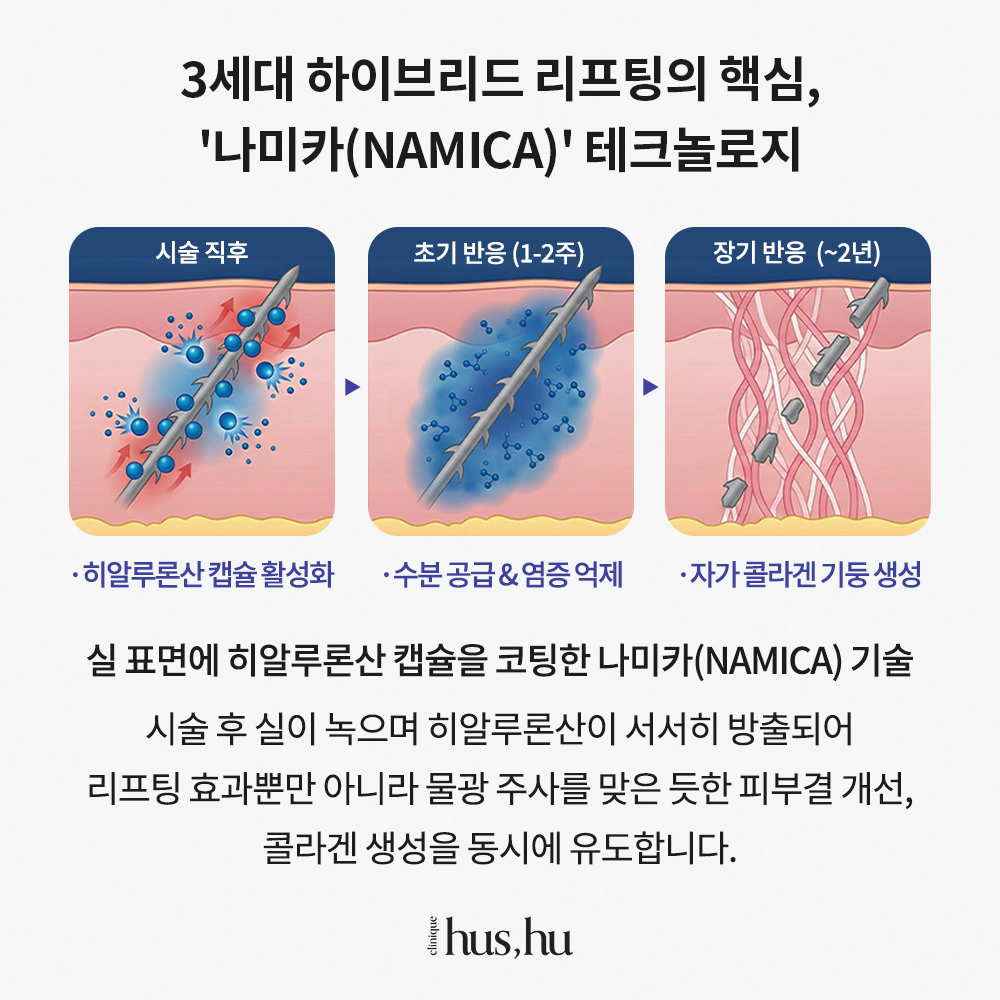
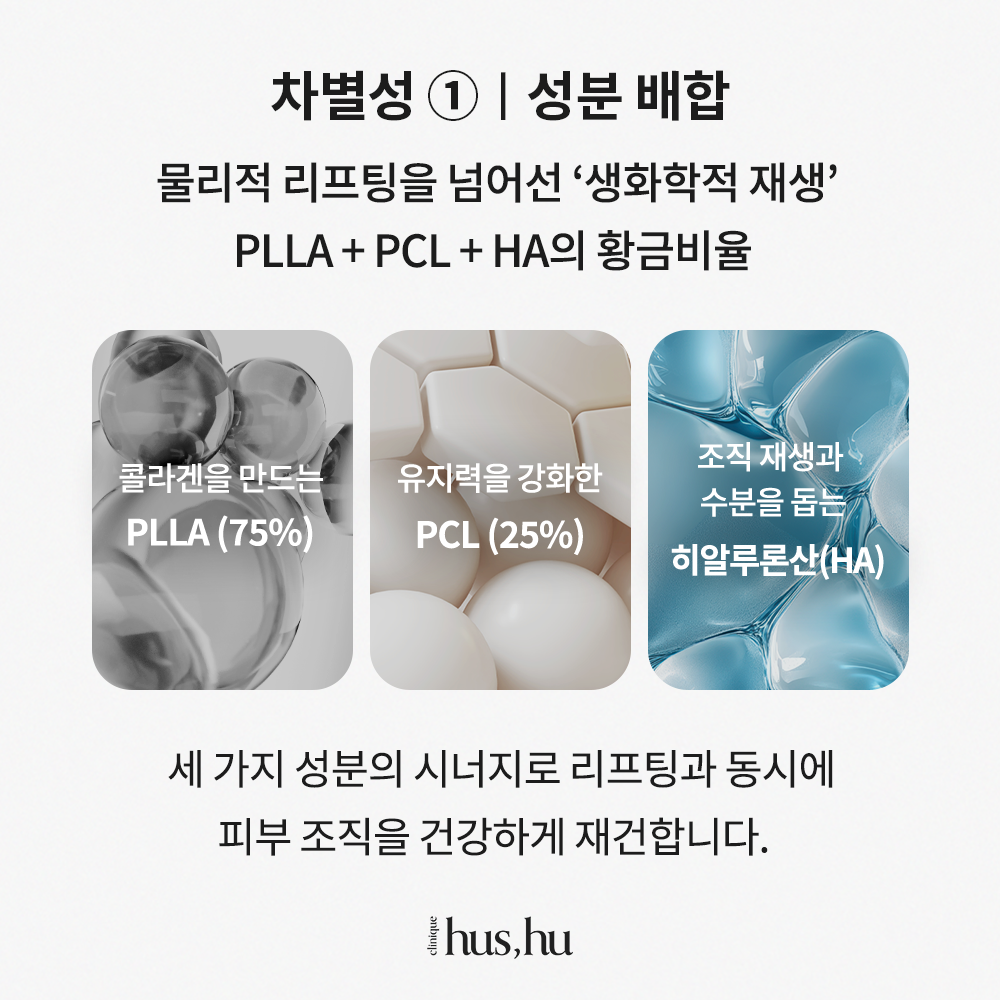
There are two main phases of effect. First, you see an immediate lift from the mechanical action of the threads. Second, over the following months, your body forms collagen around the threads. This collagen support can help maintain the improved contour for a longer period, even as the thread itself gradually dissolves.
Aptos thread types and what they are used for
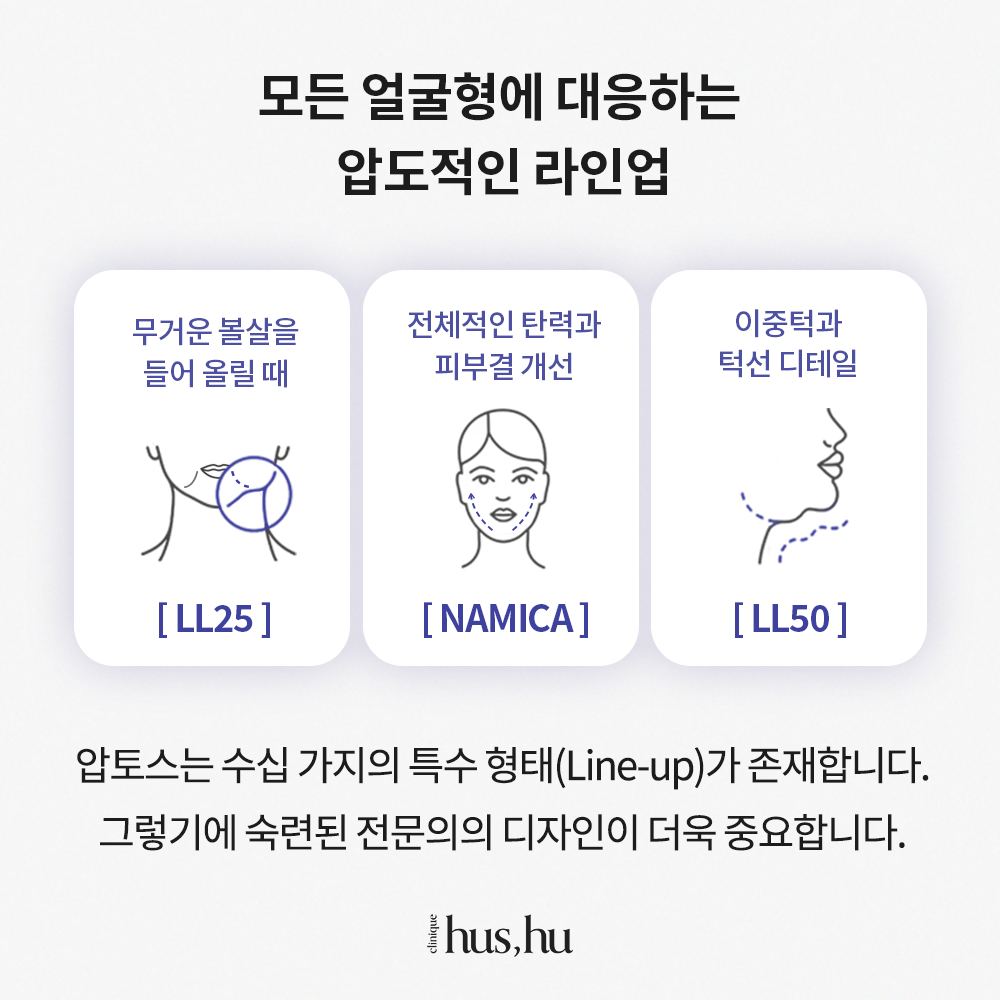
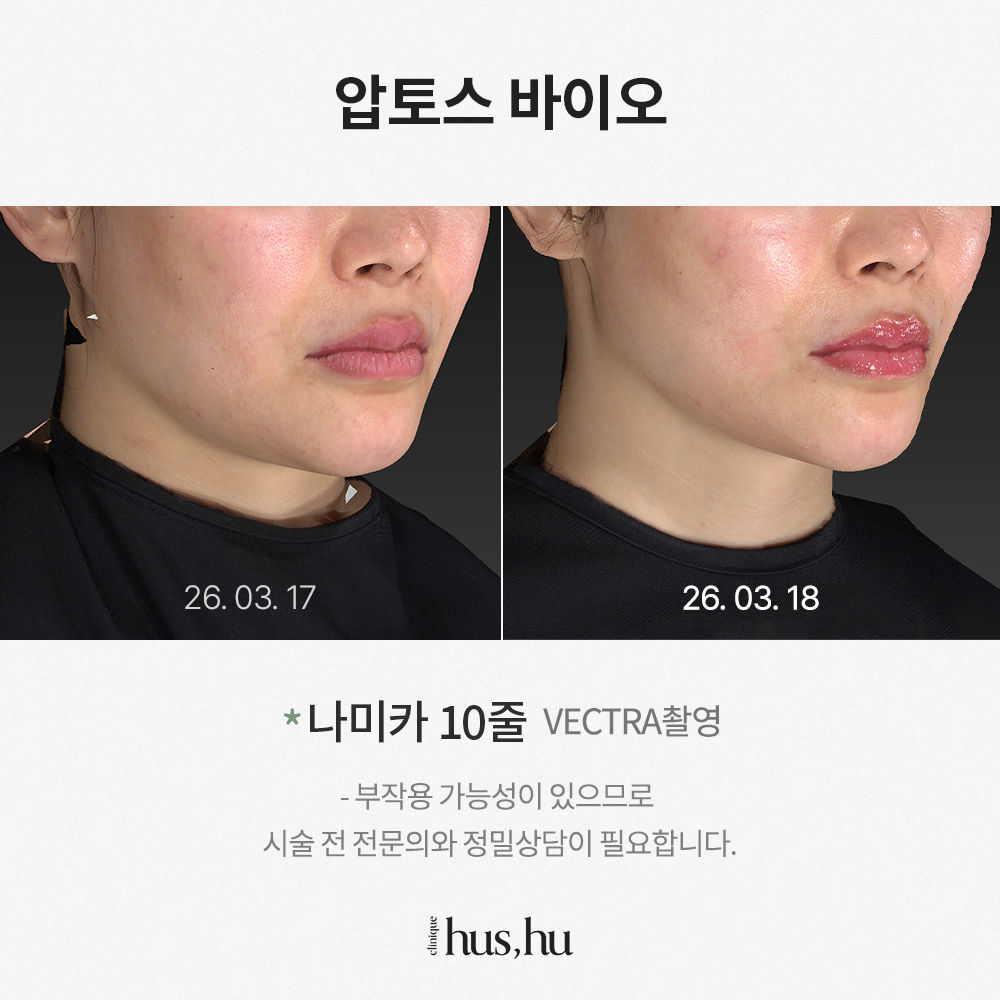
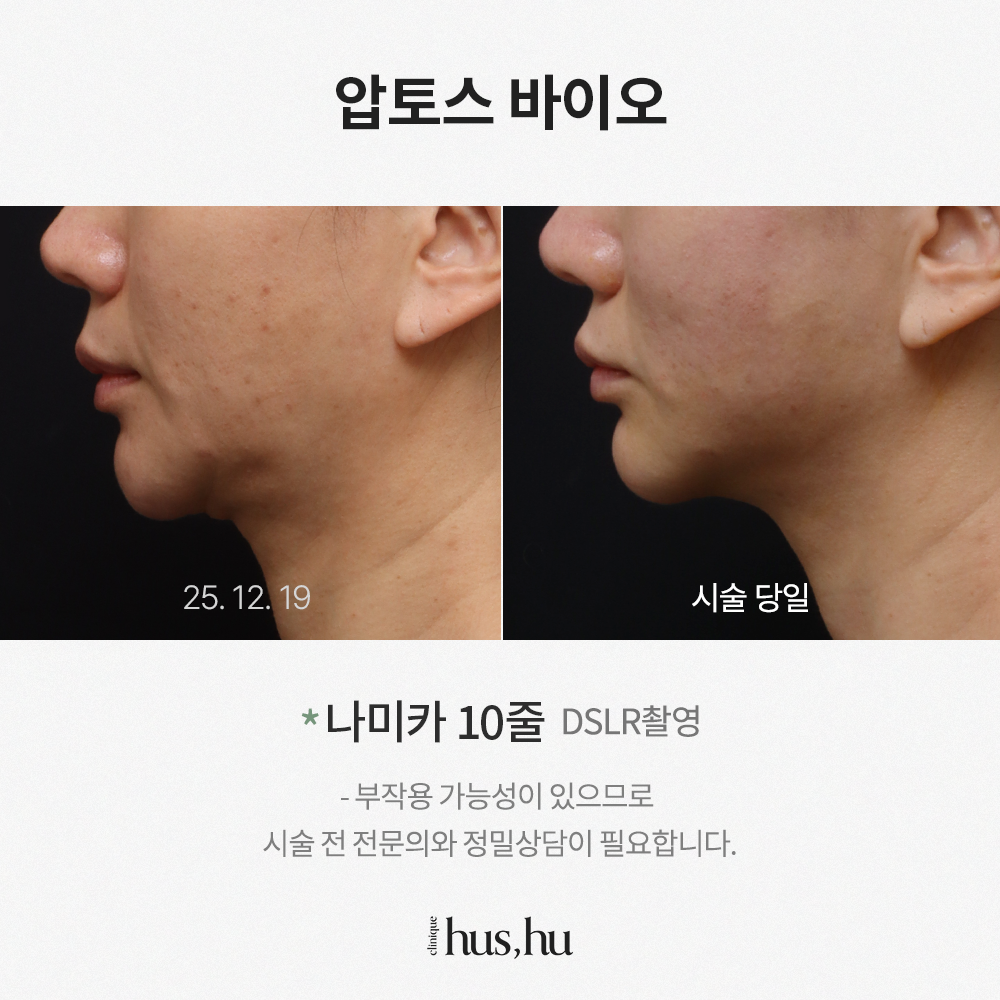
Aptos is a structured system with different thread models and lengths designed for specific areas and degrees of sagging. In a Cheongdam anti‑aging clinic, you may hear names such as Namica 19, LL25, and LL50. You do not need to memorize these names, but it helps to understand what they roughly mean.
Shorter threads, such as around 19, are usually used for localized lifting or fine contouring. They can be helpful in the midface, around the cheek area, or for small zones that need subtle support rather than a long lifting line.
Medium length threads, around 25, are often chosen for moderate sagging of the jawline or cheeks. They can create a clearer facial oval, soften early jowls, and support the lower cheek area.
Longer threads, around 50, are used when a more extensive lift is needed, such as the lower face and neck. These threads can run from a stable anchoring point toward the sagging area, creating a broader lifting vector.
The type and length of thread are selected according to your skin thickness, the degree of sagging, and the direction of lift the doctor wants to achieve. For example, a patient with mild midface sagging but good skin quality may need a few shorter threads, while someone with heavier jowls and neck laxity may benefit from longer threads placed in deeper layers.
Target areas for Aptos lifting
Aptos lifting can be adapted to several facial and neck zones. Common target areas include the jawline and jowls, where threads can help restore a cleaner lower face line and reduce the appearance of hanging tissue near the corners of the mouth.

The cheeks and midface are another frequent focus. By lifting the cheek fat pads slightly upward, the midface can look more youthful and less tired. This indirect lift can also soften nasolabial folds, the lines that run from the nose to the mouth corners.
Marionette lines, which extend downward from the mouth corners, may appear less deep when the surrounding tissue is lifted. Aptos threads do not fill these lines but can reduce the downward pull that makes them more visible.
In selected cases, the eyebrow and temple area can also be treated. A subtle lateral brow lift can open the eye area and improve upper face harmony, when indicated and planned carefully.
The neck and lower face contour are often treated together. Longer Aptos threads can help tighten the jawline transition to the neck, improving the side profile and reducing early neck sagging.
Who may consider Aptos thread lifting
Aptos lifting is usually considered for adults with mild to moderate sagging, often in their 30s to 50s. It can be suitable if you notice that your jawline is less defined, your cheeks are sliding downward, or folds around the mouth are deepening, but you do not feel ready for a surgical facelift.
Ideal candidates generally have reasonably good skin quality and elasticity. If the tissue is extremely heavy or very lax, threads alone may not provide enough support, and the doctor may recommend other options or combination plans.
It is important to have realistic expectations. Aptos lifting is designed to improve contours and give a fresher, more lifted look, not to completely change your face or produce the same effect as a full surgical facelift. The best results are usually seen in patients who want a natural enhancement rather than a dramatic transformation.
If you have significant volume loss, very thin skin, or previous procedures, these factors will also influence whether Aptos threads are the right choice or whether they should be combined with other treatments.
Step by step: how Aptos lifting is performed
Consultation and facial analysis
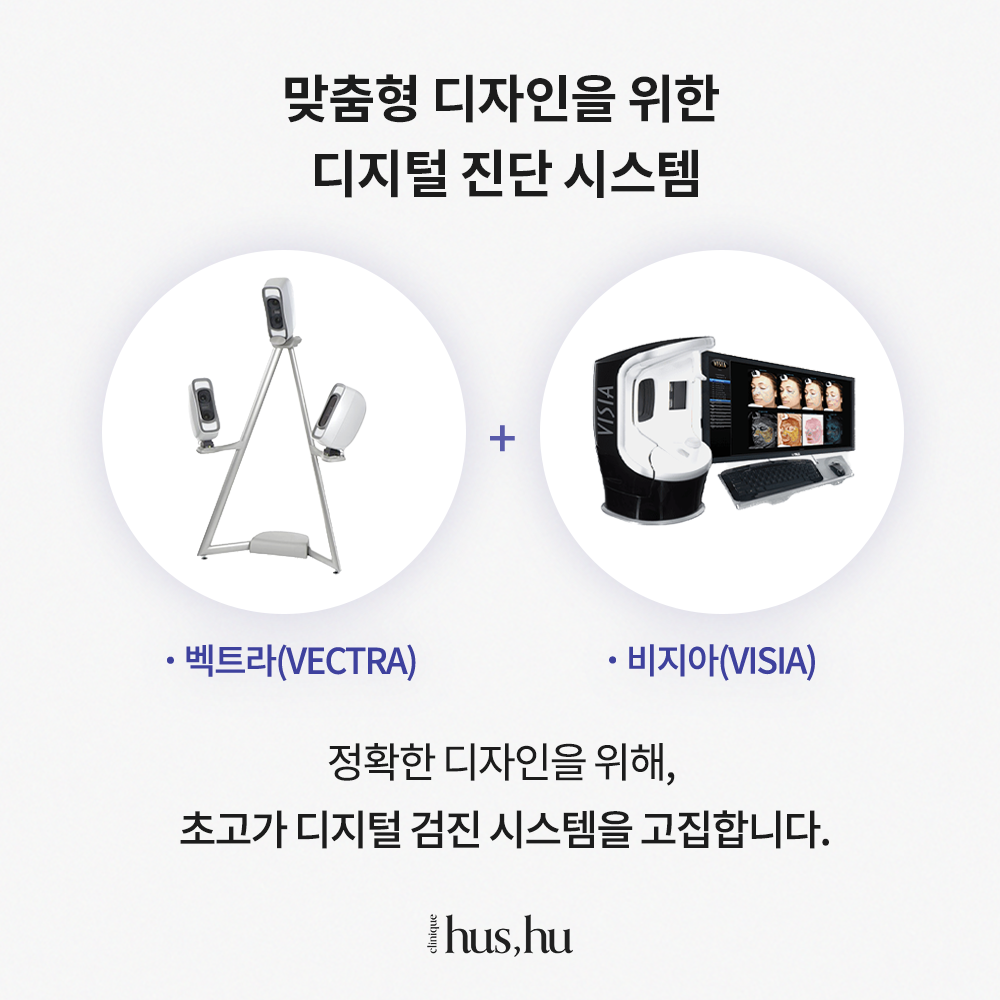
Your visit usually begins with a detailed consultation. The doctor will assess skin laxity, areas of volume loss, facial asymmetry, and any previous treatments such as fillers, energy devices, or surgery. Photos may be taken for planning and to help explain realistic goals.
Planning lifting vectors
Next, the doctor plans the lifting vectors, which are the directions in which the tissue will be moved. Entry and exit points for the threads are marked on the skin. The doctor decides which Aptos models to use, how many threads are needed, and at what depth they should be placed.
Local anesthesia and preparation
The skin is cleansed with antiseptic solution, and local anesthesia is injected at the entry points and along the planned thread paths. This helps minimize discomfort during the procedure. You remain awake and can usually communicate with the doctor throughout.
Thread insertion
Using fine needles or blunt cannulas, the doctor inserts the Aptos threads along the pre‑marked lines. You may feel pressure or a pulling sensation but should not feel sharp pain if the anesthesia is working well.
Mechanical lifting and adjustment
Once the threads are in place, the doctor gently pulls them to achieve the desired lift. You may be asked to sit up so the doctor can check the effect in a natural position. Fine adjustments are made to balance both sides of the face.
Trimming and final check
The external ends of the threads are trimmed, and the small entry points are cleaned. The doctor checks symmetry, contour, and any early dimpling. A cooling pack may be applied briefly to reduce swelling.
Post‑procedure instructions
Before you leave, you receive aftercare instructions. These usually include how to sleep, what activities to avoid, and when to return for follow‑up. Many patients can go back to light daily activities within a day or two, depending on their individual response.
Mechanism, duration, and how long results may last
The initial effect of Aptos lifting comes from the mechanical repositioning of tissue. The barbs or special structures on the threads hold the skin and underlying fat in a higher position immediately after the procedure.

Over the following weeks and months, your body responds to the threads by forming collagen along their path. This process can help reinforce the lifted tissue and support the contour even as the threads gradually dissolve.
Visible effects typically persist for a variable period depending on age, skin condition, lifestyle, smoking, weight changes, and the specific thread type and number used; many patients see noticeable improvement for months to over a year, but results vary. The improvement usually fades gradually rather than disappearing suddenly.
Expected results from Aptos lifting
When Aptos lifting is well planned and performed, you can expect a sharper jawline with reduced jowls, giving a more defined lower face. The cheeks may appear slightly elevated, restoring midface volume to a more youthful position.
Nasolabial folds and marionette lines often look softer because the surrounding tissue is lifted upward and outward, reducing the downward pull. The overall impression is often of a fresher, less tired face rather than a different person.
If the neck is treated, you may notice a smoother transition from jawline to neck and less sagging under the chin. The aim is a natural look that moves with your expressions, not an over‑pulled or artificial appearance.
Aptos lifting compared with other options
Compared with other thread lifts, Aptos is a branded system with multiple thread designs and lengths. This allows the doctor to select specific models for different layers and vectors, which can support more customized lifting plans.
Energy‑based lifting devices, such as ultrasound or radiofrequency systems, work differently. They deliver heat or stimulation to deeper tissues to encourage collagen remodeling and skin tightening. These treatments are often good for overall firmness and texture but may not reposition heavy sagging tissue as much as threads.

Aptos threads provide more immediate mechanical repositioning. For this reason, many clinics combine them with energy devices: threads for structural lift, and devices for skin quality and firmness.
Fillers and volumizing treatments restore lost volume in areas such as the cheeks or chin. While they can improve contour, they do not directly lift heavy, sagging tissue. Over‑filling to compensate for sagging can lead to an unnatural, puffy look. In suitable patients, threads can be a better option to address descent, while fillers are used more subtly to refine shape.
Safety, side effects, and downtime
Most patients experience some degree of swelling, bruising, and tenderness after Aptos lifting. These effects are usually mild to moderate and tend to improve over several days to about 1 to 2 weeks. You may feel tightness or a pulling sensation, especially when making strong facial expressions.
Common, usually temporary side effects include bruising along the thread path, swelling around the entry points, mild asymmetry in the early phase, and small dimples or irregularities near where the threads enter the skin. These often smooth out as the tissue settles.
Less common but important risks include infection, thread exposure, prolonged dimpling, significant asymmetry, or nerve irritation. If you notice increasing pain, redness, or discharge, it is important to contact the clinic promptly.
Aftercare recommendations usually include avoiding strong facial movements, wide yawning, or heavy chewing for several days. You may be advised to sleep on your back with your head slightly elevated and to avoid facial massage, dental procedures, or high‑impact exercise for a certain period. Following the clinic’s specific instructions and attending follow‑up visits helps support a smoother recovery.
How a Cheongdam anti‑aging clinic designs a personalized Aptos plan
In the Cheongdam area of Gangnam, near Apgujeong Rodeo Station on the Bundang Line, there are premium anti‑aging clinics that integrate Aptos lifting into a broader lifting and regenerative program.
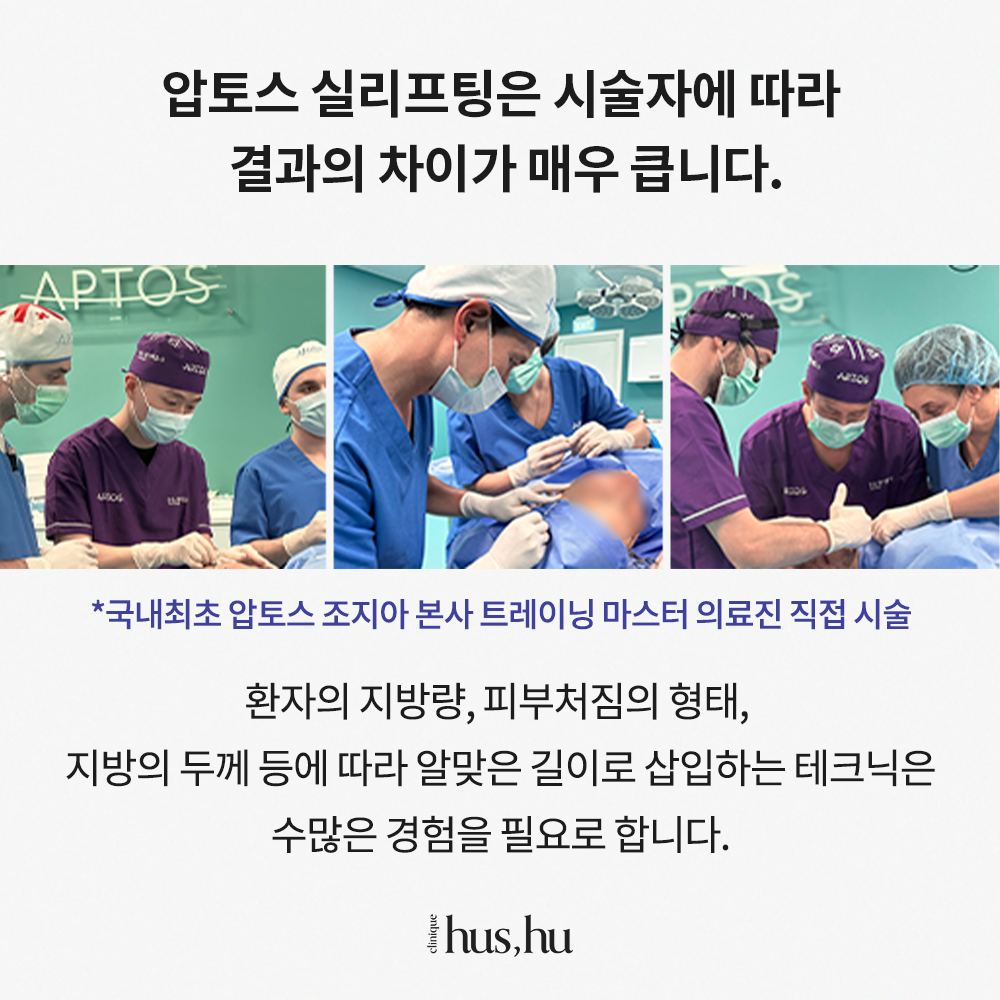
The medical team may include multiple specialists with advanced academic backgrounds, international training, and active participation in professional societies related to skin, hair, atopic conditions, stem cells, and aesthetic procedures. Some have experience lecturing internationally on thread and filler techniques.
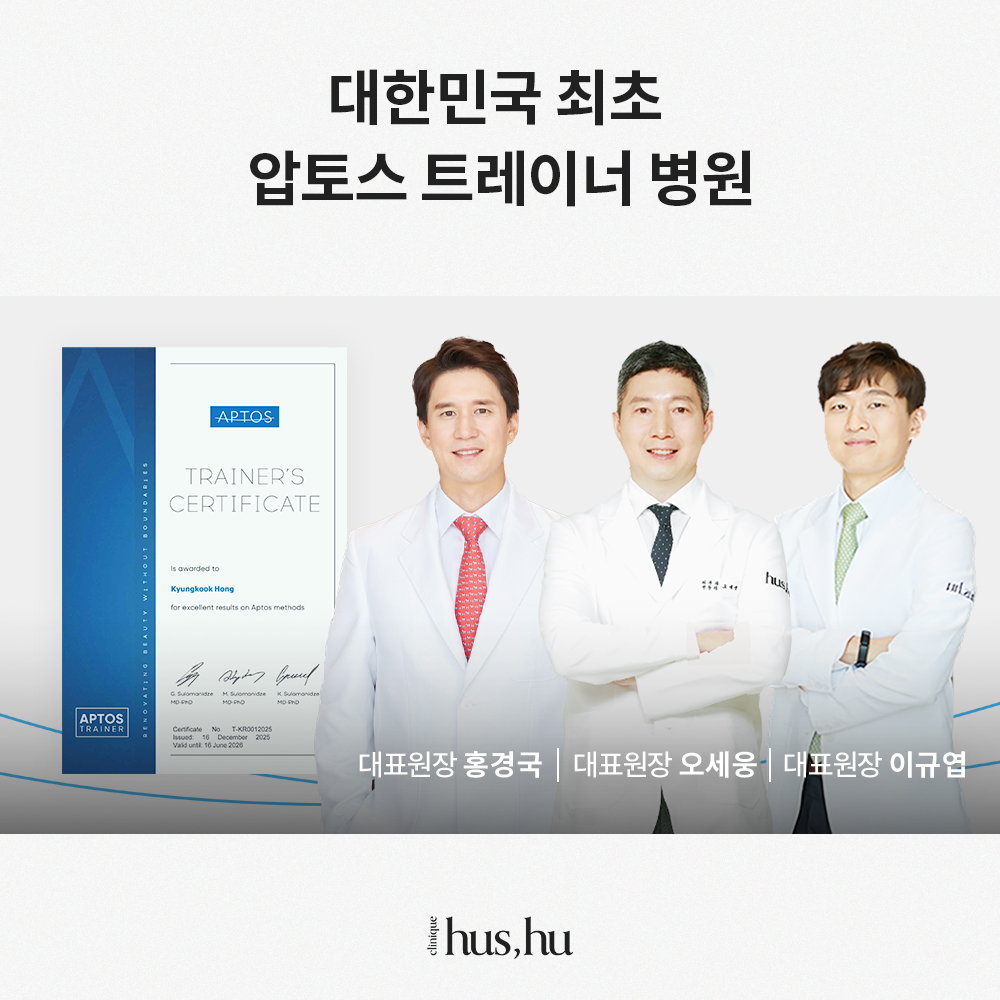
These clinics often focus on anti‑aging from the cellular level, not only on surface appearance. They may operate an in‑house cell research lab and use autologous exosome or stem‑cell‑based therapies as part of a long‑term anti‑aging strategy.
Aptos threads sit within a wider lifting ecosystem that can include several thread systems and energy‑based devices such as ultrasound, monopolar radiofrequency, facial muscle stimulation, fractional RF, and various lasers. With more than 20 types of devices for lifting, skin quality, pigmentation, vascular issues, scars, and body contouring, treatment plans can be highly tailored.
For each patient, the doctor evaluates age, degree of sagging, skin thickness and elasticity, volume loss versus heaviness, facial asymmetry, and any previous procedures. Lifestyle, tolerance for downtime, and long‑term goals are also considered.
Based on this assessment, the doctor decides whether Aptos lifting alone is appropriate or whether to combine it with energy‑based lifting, fillers or collagen stimulators, or cellular anti‑aging injections to improve skin quality. The specific Aptos thread type and number are chosen according to the area and severity of sagging.
Online consultation and pre‑visit preparation for overseas patients
If you are planning to travel to Seoul for Aptos lifting, an online consultation is a useful first step. Many clinics in Cheongdam offer daytime contact through phone, fax, and real‑time messaging apps, and maintain active blog and video channels where you can review their philosophy and case discussions.
Before your online consultation, prepare clear photos of your face and neck from the front, 45‑degree angles, and both profiles in good lighting. Avoid heavy makeup so the doctor can see your natural contours and skin condition.
Write down your main concerns, such as sagging jawline, deepening folds, or neck laxity, and your priorities, for example a natural look, minimal downtime, or long‑term prevention. List previous procedures and treatments, including any fillers, energy devices, or surgeries, along with approximate dates.
During the online consultation, you can ask which areas the doctor recommends treating with Aptos threads, whether additional energy‑based or volumizing treatments are advised, how many days you should stay in Korea, and what level of swelling or bruising to expect. This is also a good time to discuss medical history, medications, and any tendency to bruise or scar.
Expected Korea visit timeline for Aptos lifting
For most international patients, it is practical to plan a stay of about 5 to 7 days in Seoul for Aptos lifting alone. If you are combining threads with other procedures, your doctor may suggest a longer visit.
On day 1, you can have an in‑person consultation, detailed facial analysis, and final treatment planning. If both you and the doctor agree, the procedure can often be performed on the same day or the following day.
On day 2 or 3, you may return for a short check‑up to assess early swelling and symmetry. Many patients feel comfortable walking around the city with light makeup after a few days, although minor bruising may still be visible.
If possible, schedule a final follow‑up before you leave Korea, especially if you are staying for a week or more. After you return home, some clinics can provide remote follow‑up through photos and messaging apps if you have questions during the healing process.
Aftercare and living with your results
In the first week, follow the clinic’s instructions closely. Sleep on your back with your head elevated if recommended, avoid pressing your face into the pillow, and be gentle when washing or drying your face. Choose softer foods if heavy chewing feels uncomfortable.
Avoid facial massage, beauty treatments that involve strong pressure, and high‑impact sports until your doctor confirms it is safe. If you need dental work, it is usually better to schedule it either before your trip or several weeks after the thread lift.
Mild tightness or pulling sensations often decrease over 2 to 3 weeks as the tissue adapts. Small irregularities or dimples near entry points usually smooth out as swelling settles, but if something concerns you, contact the clinic for advice.
To help maintain your results, protect your skin from excessive sun exposure, avoid major weight fluctuations, and consider a long‑term anti‑aging plan that may include energy‑based tightening or regenerative treatments at intervals recommended by your doctor.
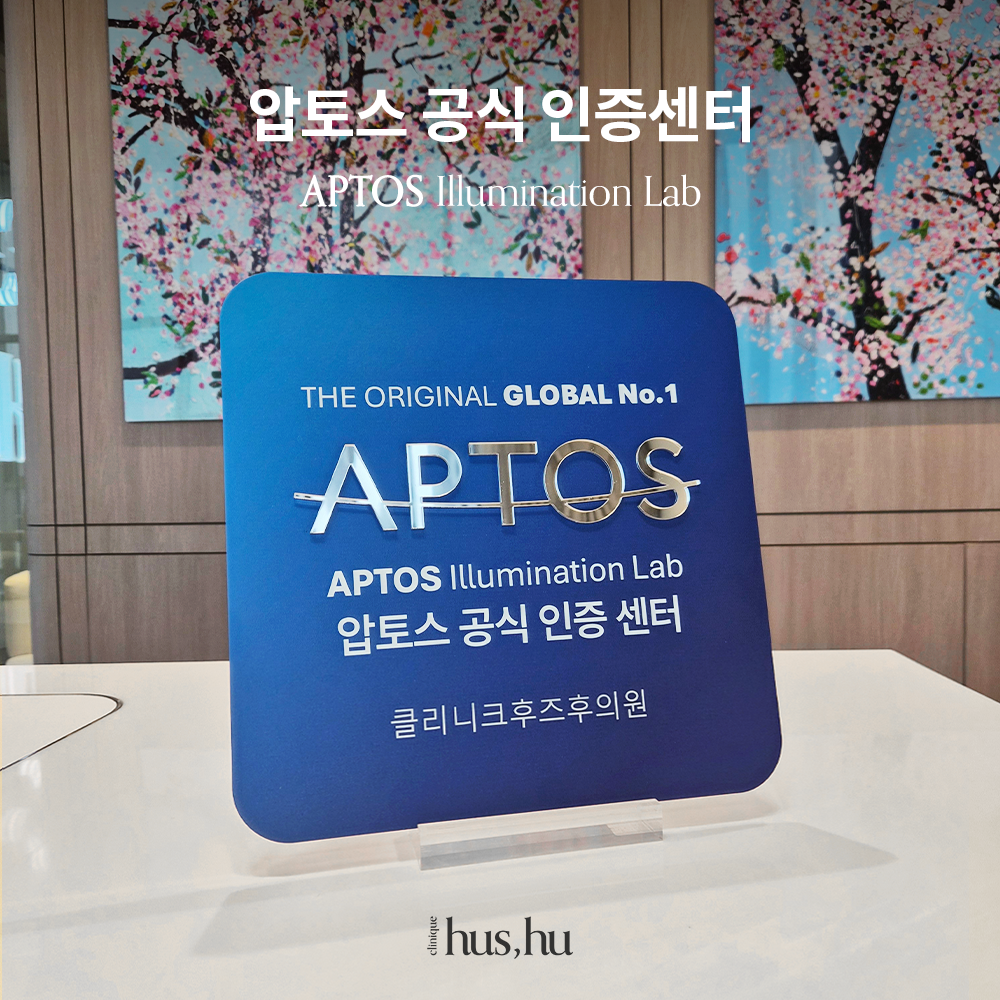
FAQ: common questions about Aptos lifting in Gangnam
Is Aptos lifting painful
Most patients describe Aptos lifting as uncomfortable rather than very painful. Local anesthesia is used at entry points and along the thread paths to reduce pain. You may feel pressure, pulling, or a strange sensation as the threads are adjusted, but sharp pain should be limited. After the procedure, mild soreness or tightness is common for a few days and can usually be managed with simple pain relief recommended by the clinic.
How long does swelling and bruising last after Aptos threads
Swelling is usually most noticeable in the first 2 to 3 days and then gradually decreases over about a week. Bruising can vary from almost none to visible marks that last 7 to 14 days, depending on your individual tendency and the number of threads used. Planning your trip so that you have several days before important events is wise, especially if you are flying in from overseas.
Can Aptos lifting be combined with Ulthera, Thermage, or fillers
Yes, Aptos lifting is often combined with energy‑based devices such as ultrasound or radiofrequency systems and with fillers or collagen stimulators. Threads provide mechanical lift, devices improve skin firmness and texture, and fillers restore volume where needed. The exact sequence and timing depend on your condition; in some cases, energy devices are done before or after threads, and fillers are placed in separate sessions to avoid excessive pressure on the lifted tissue.
How do I choose a clinic for Aptos lifting in Cheongdam
When comparing clinics in Cheongdam, look beyond price alone. Check the medical team’s training and experience with thread lifting, the range of thread systems and devices they use, and whether they offer a structured consultation rather than a one‑size‑fits‑all package. Ask how many Aptos procedures they perform, what areas they recommend treating in your case, what kind of aftercare and follow‑up are included, and how they handle potential complications. It is helpful to prepare a list of questions in advance so you can compare answers between clinics.
Soft call to action for online consultation
If you are considering Aptos lifting in Seoul and would like to know whether it suits your face and goals, an online consultation can be a practical first step. By sharing clear photos and your concerns in advance, you can receive a more personalized opinion before planning your trip to Cheongdam near Apgujeong Rodeo Station. Reach out through the clinic’s phone or real‑time messaging channels during daytime hours to discuss timing, possible treatment combinations, and the visit schedule that fits your travel plans.
- 공유 링크 만들기
- X
- 이메일
- 기타 앱

댓글
댓글 쓰기