Chin Filler: Non‑Surgical Way to Sharpen Your Profile in Cheongdam, Gangnam
- 공유 링크 만들기
- X
- 이메일
- 기타 앱

Direct answer: what chin filler can and cannot do
Chin filler is a non‑surgical way to refine the chin tip and lower face profile using injectable dermal fillers. For many people with a weak or rounded chin, a carefully planned filler treatment can add gentle projection, define the jawline, and balance the side profile without implants or bone surgery. Many patients notice immediate change, although initial swelling can obscure the final look; the settled result is clearer after several days to weeks. Fillers are not permanent and cannot replace bone surgery in very severe skeletal cases.
This guide explains what chin filler is, who may consider it, how the procedure is usually done in a Cheongdam, Gangnam clinic setting, what to expect during a visit to Korea, and how to prepare as an overseas patient.
What is chin filler and how it reshapes your profile
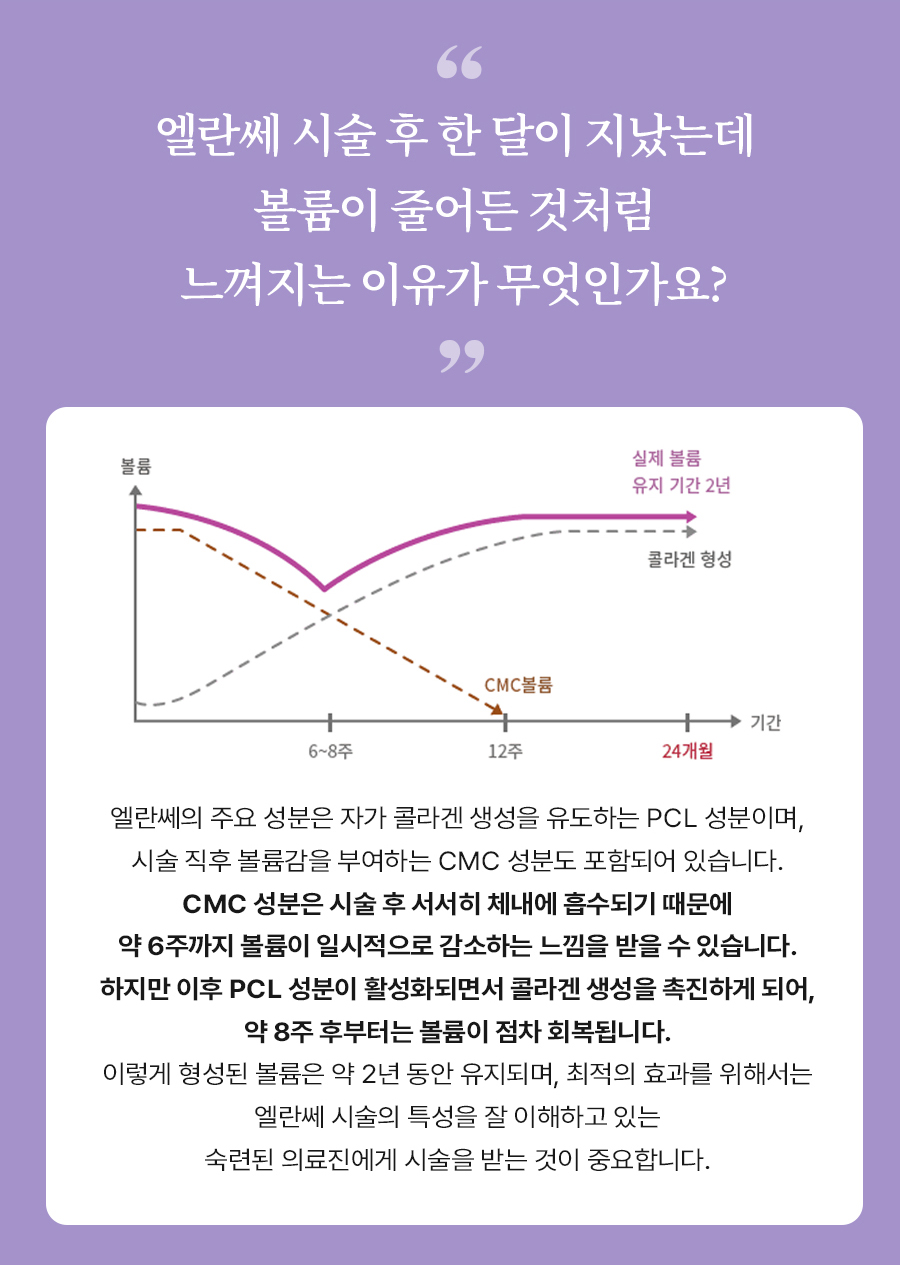
Chin filler is a minimally invasive treatment that uses injectable dermal fillers to add structure and volume to the chin area. The most common products are hyaluronic acid fillers and collagen‑stimulating fillers. They are placed on or near the bone at the chin tip and along the front of the jaw to subtly change length, projection, and shape.

By adjusting the chin in three dimensions, chin filler can:
- Refine a short or recessed chin so the face looks more balanced from the side
- Create a smoother line from chin to neck, which can make the jawline appear tighter
- Soften a very round or blunted chin tip into a more defined V‑line
- Correct mild asymmetry between the left and right side of the chin
Because the chin sits at the bottom of the facial triangle, even a few millimeters of change can influence how the nose, lips, and jawline look together. A slightly more projected chin can make the nose appear more proportionate and the profile more harmonious.
Types of fillers used for the chin
For structural areas like the chin, clinics often choose firmer, more elastic fillers that can hold shape and support the overlying tissue.
Hyaluronic acid fillers are popular because they are widely used. For some products, clinicians may discuss enzymatic dissolution (hyaluronidase) as an option—ask the clinic whether this is available and appropriate for your case. Duration varies by product, injection depth, and individual metabolism; many people expect results that last several months to over a year, but outcomes differ.
Collagen‑stimulating fillers are designed to create a scaffold and then encourage the body to produce its own collagen around the injection sites. They tend to give a more gradual change and can last longer in some patients, but they are not easily reversible. In clinics with strong experience in structural fillers, these products may be used for deeper support, sometimes in combination with hyaluronic acid for fine shaping.

In a careful, anatomy‑based approach, product choice is not one‑size‑fits‑all. The doctor considers your bone structure, soft tissue thickness, and goals, and may combine a firmer gel for the core support with a slightly softer product to blend edges smoothly into the surrounding jawline.
Who may consider chin filler
Chin filler can be an option for a wide range of adults who want a more defined lower face without surgery.
Common reasons people seek chin filler include:
- Weak or recessed chin where the chin seems to disappear into the neck
- Short chin that makes the face look rounder or less balanced from the side
- Round or blunted chin tip that lacks definition
- Desire for a more refined V‑line without changing the entire jaw
- Mild asymmetry of the chin when viewed from the front
- Early sagging or soft tissue laxity around the jawline, where subtle forward projection can visually tighten the lower face
When to be cautious or consider other options
Chin filler is not suitable for everyone. You may need a more detailed assessment or alternative options if you have:
Severe skeletal malocclusion or major jaw misalignment where the bite does not meet properly
An already very prominent or long chin, where adding volume would disturb balance
Unrealistic expectations, such as expecting filler to fully replace bone surgery in severe cases
Pregnancy or breastfeeding, where most clinics prefer to postpone elective filler treatments
Certain medical conditions, active infections, or a history of severe filler complications

In these situations, an honest consultation is essential. A responsible doctor will explain when filler alone is unlikely to give a satisfying or safe result and may suggest other treatments or a staged plan.
How consultation and assessment usually work
For overseas patients, the process often begins with an online consultation. You may be asked to send clear photos of your face from the front, 45‑degree angles, and side profile, ideally with neutral expression and good lighting.
During an in‑clinic consultation in Cheongdam, Gangnam, the doctor typically:
Assesses your face from the front and side, including the nose, lips, chin, and jawline
Checks your bite and jaw position, because the relationship between upper and lower jaws affects how much chin projection looks natural
Evaluates skin thickness, soft tissue laxity, and any existing fillers or implants
Discusses your main concerns and the degree of change you hope to see
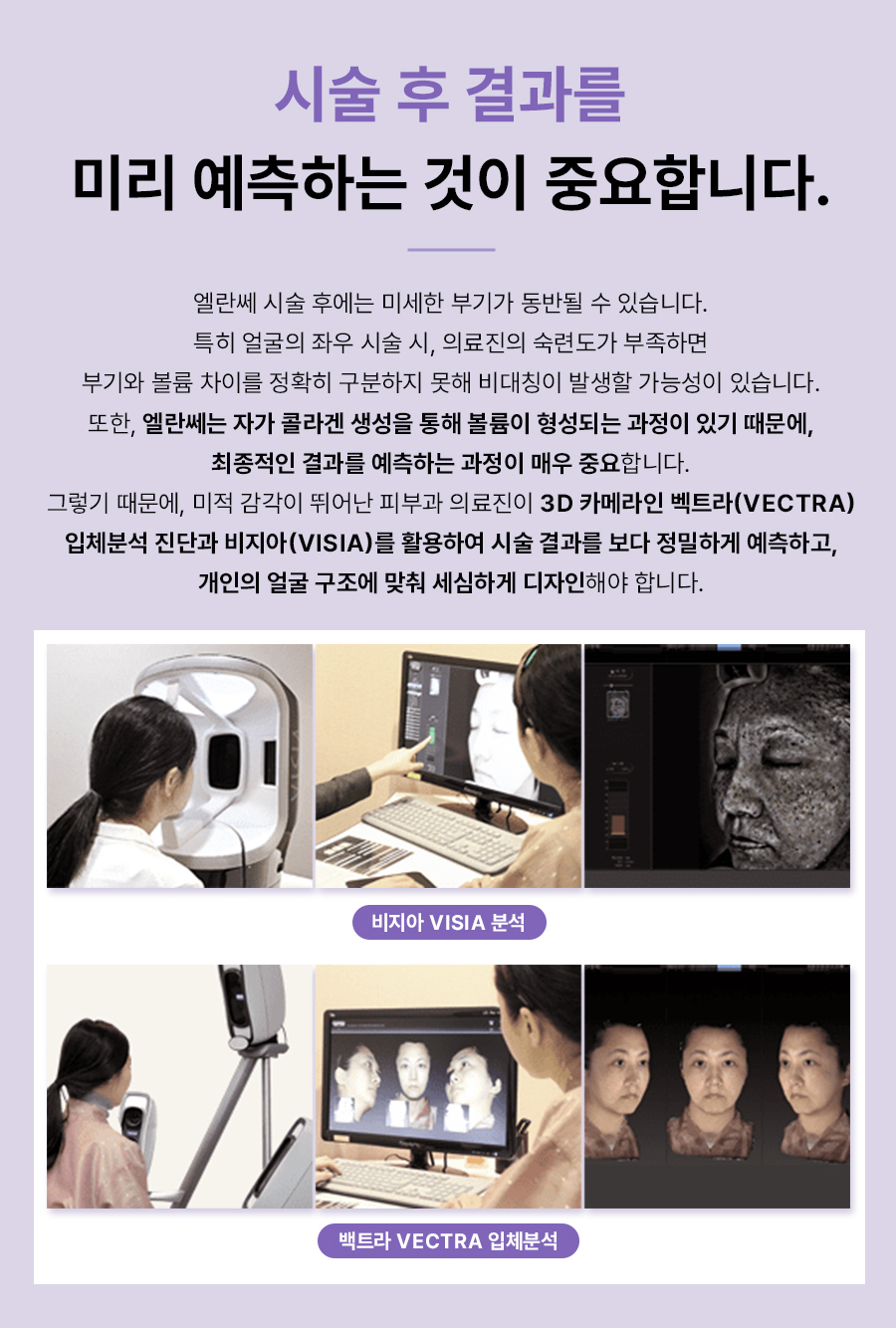
Some clinics use photo or 3D imaging systems to simulate potential changes and plan proportions. This can help you visualize how a few millimeters of projection or length might influence your overall profile. These tools are used as planning aids rather than promises of exact outcomes.
Chin filler in a Cheongdam, Gangnam anti‑aging center
In the Cheongdam area of Gangnam, many aesthetic centers focus on anti‑aging and facial contouring. Some clinics are led by doctors with MD and PhD backgrounds, academic publications, and international lecture experience in fillers and lifting threads. In such settings, chin filler is approached as part of a broader understanding of facial anatomy and aging.

A multi‑doctor team with strong experience in injectables and lifting can offer:
Anatomy‑based injection planning that respects important blood vessels and nerves
Tailored product selection from a wide filler portfolio, including structural and collagen‑stimulating options
Combination plans using devices such as Thermage FLX, Ulthera Prime, Exion, Emface, and various RF or laser platforms when skin tightening or texture improvement is also needed
Some centers also run in‑house research or cell and skin labs and use diagnostic imaging as part of protocol‑based anti‑aging programs. This reflects an evidence‑oriented approach, but it does not guarantee specific results for every individual.
How chin filler is performed step by step
While details vary by clinic and doctor, a typical chin filler session in a Cheongdam clinic near Apgujeong Rodeo Station follows a structured flow.

Before the procedure
Medical history review and consent: You will be asked about past procedures, allergies, medications (especially blood thinners), and any history of filler complications. This is important for safety.
Facial analysis and marking: The doctor examines your face at rest and in motion, then marks key points on the chin and front jawline to guide injection depth and direction. The goal is a natural, balanced profile rather than an exaggerated or pointy chin.
Cleansing and anesthesia
The skin is thoroughly cleansed and disinfected to reduce infection risk. Depending on the plan and your pain sensitivity, the clinic may use topical numbing cream, local anesthetic injections, or fillers that already contain anesthetic.
Injection technique
For chin filler, doctors may use a fine needle, a blunt‑tip cannula, or a combination of both.
Needle injections allow precise placement on the bone or in specific compartments for structure. Cannula injections can help reduce the number of entry points and may lower the risk of bruising in some areas.

Key technical points include:
Respecting anatomical danger zones around the mental artery, veins, and nerves
Choosing the correct depth, often deep on the bone for structural support, with more superficial layers only for fine contouring
Injecting slowly and in small amounts, frequently checking symmetry and profile
Molding and symmetry check
After the filler is placed, the doctor gently molds the area to smooth transitions and ensure the chin aligns with the midline of the face. You may be asked to sit up so the profile can be checked from multiple angles under natural lighting.
Post‑treatment instructions
Once the procedure is finished, you receive instructions about what to avoid and what to watch for. Mild swelling or redness is common, and a cold pack may be applied briefly. Most patients can leave the clinic shortly after the session.
Expected results, longevity, and downtime
Visible changes
Chin filler results are visible immediately, though the final look becomes clearer after swelling settles over several days.
Typical improvements include:
- More projected and defined chin tip
- Better balance between nose, lips, and chin in the side profile
- Smoother transition from chin to neck, which can visually sharpen the jawline
- A more refined V‑line without a sharp or artificial point when planned carefully

Longevity of chin filler
How long chin filler lasts varies by product type, injection depth, and individual factors such as metabolism, lifestyle, and facial movement.
In many cases:
Hyaluronic acid chin fillers last around 9 to 18 months
Collagen‑stimulating fillers can have effects that extend beyond this range in some patients
Over time, the filler gradually breaks down. Many people choose maintenance sessions before the effect is completely gone, allowing for small adjustments rather than starting over.
Downtime and recovery
Most people return to normal daily activities right after treatment.
Common short‑term effects include:
- Mild swelling or fullness in the chin area
- Redness or small needle marks
- Tenderness when touching or moving the chin
- Occasional small bruises

These usually improve over a few days. Makeup can often be used after the skin surface has closed, according to your doctor’s advice.
It is important to understand that filler cannot fully replace surgical genioplasty in severe skeletal cases. In those situations, filler may only provide a subtle improvement or be used as a temporary trial to preview changes before considering surgery.
Risks, side effects, and how to reduce them
Like any medical procedure, chin filler carries potential risks.
Common temporary side effects
- Swelling, redness, and tenderness at injection sites
- Mild asymmetry while swelling is settling
- Small bruises or needle marks
These are usually self‑limited and improve within days.
Less common but more serious complications
Lumps or unevenness if filler collects in one area
Overcorrection, where the chin looks too large or unnatural
Infection at the injection site
Vascular occlusion, where filler accidentally enters or compresses a blood vessel, potentially affecting blood flow to the skin
Skin discoloration or, in rare cases, skin damage if blood supply is compromised
Nerve irritation causing temporary numbness or discomfort
Risk reduction strategies
To help reduce these risks, clinics that focus on safe injection practice typically:
- Use approved filler products from reputable manufacturers
- Maintain strict sterile technique and single‑use needles or cannulas
- Follow anatomy‑based protocols and inject slowly in appropriate planes
- Keep emergency medications such as hyaluronidase on hand for hyaluronic acid fillers
Your role is also important. You should:
Share your full medical history, including autoimmune conditions, bleeding disorders, and any tendency to form keloids
List all medications and supplements, especially blood thinners, aspirin, high‑dose vitamin E, or herbal products that may increase bruising
Inform the doctor about any previous fillers, threads, or surgeries in the chin or jawline
Basic post‑care recommendations
After chin filler, you are usually advised to:
Avoid strong pressure or massage on the chin unless your doctor specifically instructs it
Limit intense exercise, saunas, and hot baths for a short period, often 24 to 48 hours
Reduce alcohol intake and very salty foods immediately after treatment to help minimize swelling
Monitor for unusual pain, increasing firmness, or color changes in the skin and contact the clinic promptly if they occur
Chin filler as part of a comprehensive lower‑face plan
Chin filler is often most effective when planned together with the rest of the lower face.
Combination with other injectables
In some patients, subtle cheek or lip filler, or small adjustments along the jawline, can enhance overall balance. The goal is not to add volume everywhere, but to place small amounts strategically so the face looks harmonious from all angles.
Combination with lifting and tightening devices
For people with early jowling or skin laxity, a clinic in Cheongdam with a broad device lineup may suggest combining chin filler with treatments such as:
- Energy‑based skin tightening like Thermage FLX or Ulthera Prime
- Newer technologies such as Exion or Emface
- RF microneedling or other RF and laser platforms for skin texture and firmness
These do not replace filler but can support the jawline and neck area, helping the improved chin projection look more defined.

Evidence‑oriented planning
Clinics that use diagnostic imaging, standardized photography, and protocol‑based assessment can track changes over time and adjust treatment plans. Some centers also run in‑house research labs focused on skin and anti‑aging, using this knowledge to refine their protocols. This structured approach aims to improve safety and predictability, while still acknowledging that individual responses vary.
Online consultation and pre‑visit preparation for overseas patients
If you are planning to travel to Seoul for chin filler, good preparation helps you make the most of your visit.
Steps before you fly
Collect clear photos: Prepare front, side, and 45‑degree angle photos of your face with neutral expression and no heavy makeup. Natural daylight is ideal.
List your concerns and goals: Write down what bothers you most about your chin or profile, and what kind of change you hope for. For example, “slightly more projection from the side” or “less round chin tip, but not longer face.”
Medical information: Prepare a list of your medical conditions, medications, allergies, and any previous procedures in the lower face.

Questions to ask during online consultation
To support your decision, you may want to ask:
- Which filler products are commonly used for chin augmentation at the clinic
- Whether the doctor recommends hyaluronic acid, collagen‑stimulating filler, or a combination in your case
- How many sessions they expect you might need for a natural result
- What their plan is if you are not satisfied with the initial shape
- What emergency protocols they have in place for rare complications
Expected Korea visit timeline for chin filler
Every clinic has its own schedule, but a typical timeline for an overseas patient visiting a Cheongdam clinic near Apgujeong Rodeo Station might look like this.
Day 1: Arrival and consultation
You arrive in Seoul and check into your accommodation. Many patients schedule their in‑person consultation on the same day or the next day.
During the consultation, the doctor reviews your face, confirms the plan discussed online, and may adjust it after examining your bone structure, bite, and skin in person. Same-day treatment may be possible at some clinics but depends on appointment availability, pre-procedure assessment, and each clinic's reservation and consent policies—confirm with the clinic in advance.

Day 1 or 2: Procedure day
Procedure time varies by plan, practitioner, and treatment extent; many single‑session chin filler visits are relatively brief, but discuss timing with your clinic so you can schedule appropriately. After treatment, you can typically return to your hotel, go for a gentle walk, or enjoy light activities.
Days 2 to 4: Early settling period
Mild swelling, tenderness, or small bruises may be present. Many people feel comfortable going out, shopping, or sightseeing, especially with light makeup if allowed.
If needed, the clinic may schedule a short review visit to check symmetry and healing.
Days 5 to 10: Shape becomes more stable
Swelling usually reduces, and the chin contour looks closer to the final result. This period is often still within your stay in Korea, so a follow‑up check can be arranged before you fly home.
After you return home
Some clinics offer online follow‑up using updated photos. They can advise on ongoing care and when to consider a maintenance session, either during a future visit to Korea or with a trusted local provider.
Aftercare and living with chin filler
To maintain your result and reduce issues over time, consider the following points.
Short‑term aftercare
Follow the clinic’s instructions about exercise, heat exposure, and skincare products around the chin.
Avoid strong facial massages or beauty treatments that put pressure on the chin for the first week, unless the doctor says otherwise.
Monitor the area for any delayed swelling, redness, or nodules and contact the clinic if you notice changes.
Long‑term considerations
Understand that filler will gradually break down. Planning a review around 9 to 12 months after hyaluronic acid chin filler helps you decide whether to maintain, adjust, or let it fade.

If you plan other procedures in the lower face, such as lifting threads or strong energy devices, inform the provider about your existing filler so they can adjust settings and technique.
FAQ
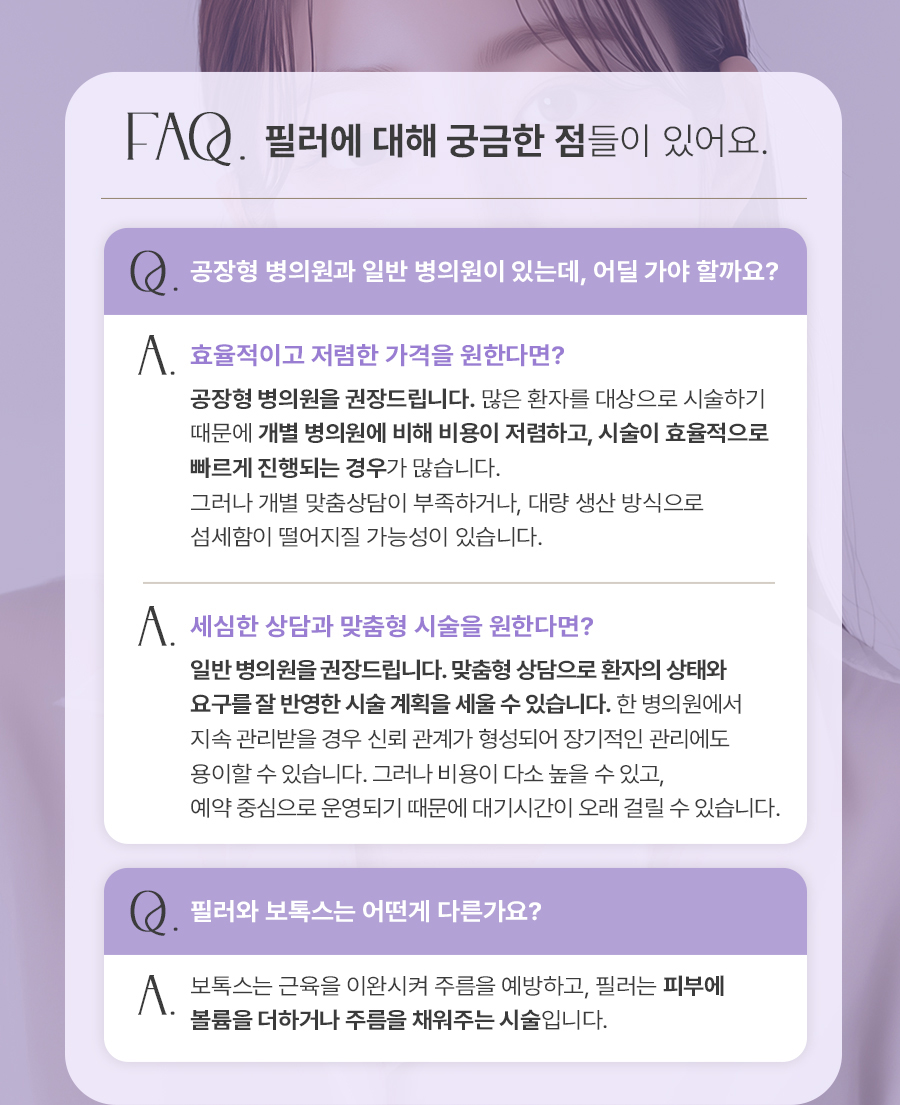
Is chin filler very painful?
Most people describe chin filler as uncomfortable rather than very painful. Clinics typically use numbing cream, local anesthetic injections, or fillers that contain anesthetic to reduce discomfort. You may feel pressure or a brief sting during injections, especially on the bone, but the procedure is usually quick. If you are very sensitive to pain, discuss stronger numbing options with the clinic in advance.
Can chin filler make my face look too long or pointy?
Chin filler can make the face appear longer if too much volume is added vertically, or pointy if the filler is concentrated in a very small area. To avoid this, experienced doctors focus on balanced proportions and often add projection in a controlled, millimeter‑by‑millimeter way. During consultation, clearly explain that you want a natural result and prefer subtle refinement over a dramatic change.
How soon can I go back to work or exercise after chin filler?
Most people can return to office‑type work and daily activities immediately after treatment. Light walking is fine, but intense exercise, heavy lifting, saunas, and very hot baths are often postponed for 24 to 48 hours to reduce swelling and bruising risk. If your job involves strong physical effort or impact to the face, ask your doctor for personalized advice.
Can previous chin filler be corrected or dissolved? For some hyaluronic acid products, clinicians may discuss enzymatic dissolution (hyaluronidase) as an option—ask the clinic whether this is available and appropriate for your case.
The doctor may recommend partial or complete dissolution before placing new filler to create a clean foundation. Collagen‑stimulating fillers are more difficult to reverse, so it is especially important to discuss your history and bring any previous treatment records if available.

Soft call to action for online consultation
If you are considering chin filler in Seoul and want a natural, balanced improvement rather than an exaggerated change, an online consultation can be a helpful first step. By sharing clear photos, your medical history, and your goals, you allow the medical team in Cheongdam, Gangnam to assess whether chin filler is appropriate for you and outline a realistic plan for your visit.
Use the consultation to ask detailed questions, compare options, and decide whether the clinic’s approach matches your expectations before you book your flight.
- 공유 링크 만들기
- X
- 이메일
- 기타 앱

댓글
댓글 쓰기