Dark circle filler for tired under eyes in Gangnam Seoul
- 공유 링크 만들기
- X
- 이메일
- 기타 앱
Direct answer summary
Dark circle filler is a minimally invasive treatment that uses soft tissue fillers, most commonly hyaluronic acid, to gently fill hollows under the eyes. By smoothing the tear trough groove and the transition between the lower eyelid and cheek, it can reduce shadows and the tired look. It is most helpful when dark circles are caused by volume loss and structural hollows rather than only pigmentation. In Seoul’s Cheongdam and Gangnam areas, some visitors choose under-eye filler as part of an anti-aging approach focused on natural, subtle improvement and safety.
What really causes dark circles
Dark circles are not all the same, and understanding the cause is the first step before considering tear trough filler.
Volume loss and hollows
With age, or sometimes even in younger people with a naturally deep tear trough, the area between the lower eyelid and the upper cheek can lose volume. This creates a visible groove that catches the light and casts a shadow, making the eyes look tired even when you are well rested. Filler is especially effective for this type of hollowing.

Thin under eye skin
The skin under the eyes is naturally thin. When it becomes even thinner, the underlying blood vessels and muscle can show through, giving a dark or bluish tone. In these cases, a very careful approach is needed. Sometimes a small amount of filler placed at the right depth can reduce the shadow, but often skin quality treatments are also recommended.
Pigmentation and sun damage
Brownish dark circles are often related to pigment in the skin. This can be due to genetics, sun exposure, or long term rubbing of the eyes from allergies or irritation. Filler does not remove pigment, so in these cases lasers, light based treatments, or topical brightening care may be more appropriate, with or without a small amount of filler for any accompanying hollow.
Skin laxity and fine wrinkles
As collagen and elastin decrease, the under eye skin can become loose and crepey with fine lines. This texture can exaggerate shadows. Mild volume support combined with treatments that improve skin quality, such as regenerative injections, radiofrequency, or ultrasound based tightening, may be suggested instead of relying on filler alone.
Structural factors and fat pad changes
Some people have a naturally prominent orbital rim or changes in the under eye fat pads as they age. This can create a step between the eyelid and the cheek, or visible under eye bags. In some of these cases, careful filler placement in the surrounding areas can soften the transition, but in others, surgical options or different technologies may be more suitable.

How dark circle filler works
Dark circle filler, also called tear trough filler or under eye filler for dark circles, is the precise injection of soft tissue fillers into the hollow area under the eyes.
Most commonly used materials
The most widely used products are hyaluronic acid fillers. These are gel-like substances that attract water and add soft volume. In some clinics, the portfolio may also include a variety of filler lines — examples may include hyaluronic acid brands as well as collagen-stimulating products. The choice depends on your anatomy, skin thickness, and the degree of hollowing.
Main treatment goals
The aim is to
- Fill the tear trough groove to reduce the depth of the hollow
- Smooth the transition from lower eyelid to cheek so the area looks more continuous
- Reduce shadowing and the appearance of fatigue
- Support the under eye area without creating puffiness or a “done” look
The goal is to reduce shadowing and smooth the lower eyelid–cheek transition to produce a rested, natural appearance without obvious signs of treatment. Expected visual changes include a shallower tear trough, softer contours, and reduced under-eye shadowing; specific outcomes depend on anatomy, product choice, and technique.

Consultation and assessment for overseas patients
For international visitors planning dark circle filler in Seoul, a detailed consultation is essential. Many clinics in the Cheongdam and Gangnam area offer online pre consultation to help you understand whether you are a likely candidate before you travel.
Initial medical and aesthetic assessment
During consultation, the medical team will typically
Review your medical history, including allergies, medications, and any tendency to swelling or bruising
Ask about previous filler, laser, or eye surgery and how you responded
Evaluate your eye shape, mid cheek support, skin thickness, and the position of under eye fat pads
Distinguish between true hollows and dark circles mainly caused by pigment or fluid retention
Some clinics use imaging and facial analysis systems to document your baseline and plan treatment angles and volumes. These tools support, but do not replace, an experienced eye and hands on assessment.
Who may not be suitable for under eye filler
Not everyone is an ideal candidate for tear trough filler. You may be advised to consider alternative treatments if

- Your dark circles are mainly pigment based with minimal hollowing
- Your skin is extremely thin and lax so filler would likely appear uneven
- You have pronounced under eye bags from fat prolapse that are better treated with surgery
- You have uncontrolled medical conditions or active infections in the area
In these situations, the clinic may suggest other options such as laser or light treatments, radiofrequency tightening, regenerative injections, or referral to an eye clinic or oculoplastic surgeon for surgical evaluation.
How the dark circle filler procedure is performed
On the day of treatment, the procedure itself is often brief. Appointment duration — including consultation, preparation, and treatment — varies by clinic and individual needs, but many clinics complete the visit in under an hour. Exact timing depends on the treatment plan and clinician protocol.
Preparation
The under eye and cheek area is cleansed thoroughly to reduce infection risk. Topical numbing cream may be applied to improve comfort. The injector then marks key anatomical points and planned entry sites, taking into account your facial expressions and how the area looks in both neutral and smiling positions.

Cannula versus needle
Under the eyes, many practitioners prefer using a blunt tip cannula rather than multiple sharp needle injections. A cannula can allow
- Fewer entry points
- Less risk of bruising
- More controlled placement of filler along the tear trough
- A lower risk of injuring blood vessels
In some cases, a combination of cannula and fine needles may be used depending on the technique and product.
Injection technique
The filler is placed slowly in small amounts at a precise depth, often just above the bone or in specific layers of soft tissue. The injector will frequently pause to check symmetry, how the light reflects on the area, and whether any additional volume is truly necessary.

The key is conservative dosing. Overfilling can lead to puffiness, visible lumps, or a bluish tint known as the Tyndall effect. An experienced injector will usually prefer to under correct slightly at the first session and schedule a touch up later if needed.
Combination treatments around the eyes
Because dark circles often have multiple causes, dark circle filler is frequently combined with other treatments as part of a comprehensive eye area rejuvenation plan.
Skin quality injections
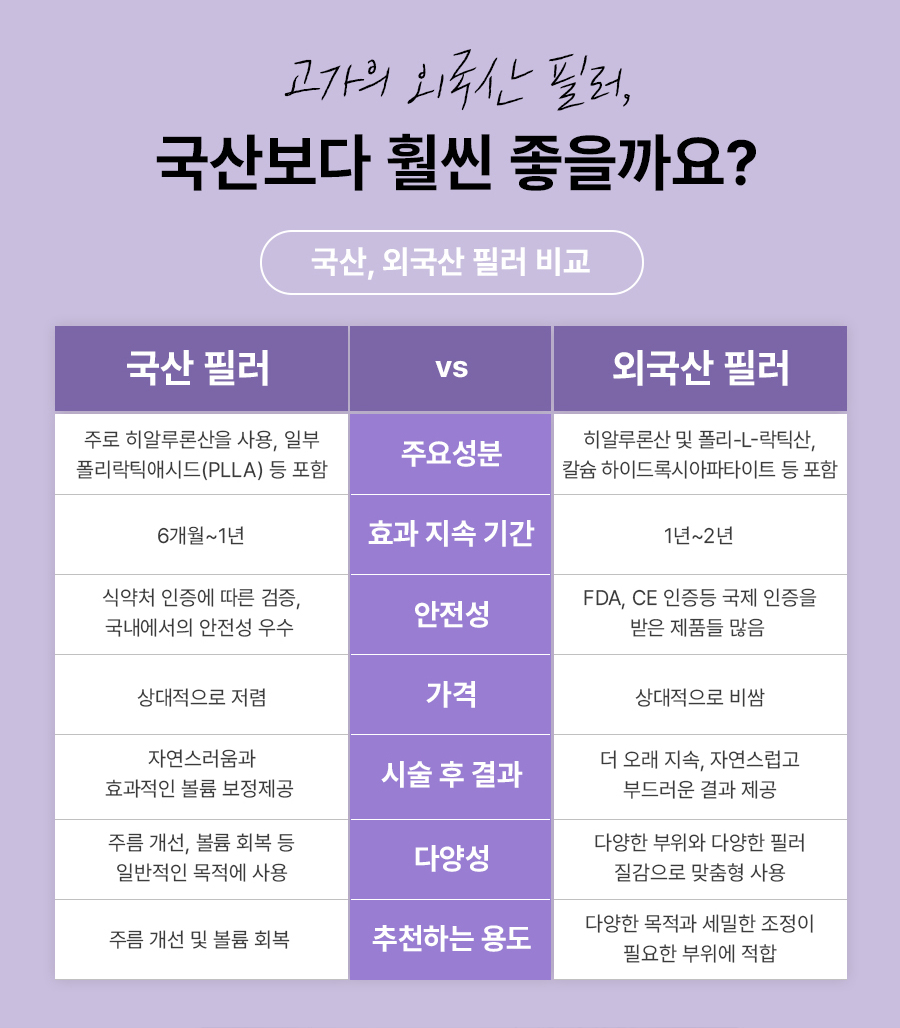
For thin, crepey under eye skin, gentle skin repair injections such as PDRN type products or other regenerative solutions can be used to improve texture and fine lines. These are different from volumizing fillers and are placed more superficially to support skin quality.
Energy based tightening
Radiofrequency or ultrasound based devices can help tighten mild laxity around the eyes and mid face. By improving support in the cheek and lower eyelid, these treatments can complement filler and reduce the need for large filler volumes.
Lasers and light based therapies
If pigmentation or visible vessels are a major part of your dark circles, targeted lasers or light based treatments may be recommended. These can address brown pigment, redness, or overall skin tone, while filler addresses the structural hollow.
Regenerative and cell level therapies
Some clinics may offer adjunctive regenerative or skin-rejuvenation therapies that are described in various ways. Availability, evidence, and regulatory status for treatments marketed as exosome or stem-cell–based vary by provider and jurisdiction; discuss options, risks, and approvals with a qualified clinician before considering these therapies.
Expected results and longevity
Most patients notice an improvement in the tear trough hollow and a softer, more rested look quite soon after the procedure, once initial swelling settles.
Typical outcomes
- Smoother under eye contour with less visible groove
- Reduced shadowing and a brighter under eye area
- A more refreshed, less tired appearance without dramatic change

The aim is not to remove every line or completely change your eye shape, but to restore a more youthful and healthy look.
How long results last
Longevity varies depending on the product used, your metabolism, lifestyle, and how mobile the area is. Hyaluronic acid fillers placed under the eyes may last from several months to over a year for many patients, but exact duration depends on the specific product, injection technique, and individual factors. Thicker or more cross-linked fillers may last longer, but they are not always appropriate for the delicate tear trough area.
Many clinics prefer a gradual, layered approach with smaller volumes and periodic touch ups rather than a single large session. This helps maintain a natural look as your face continues to age.
Safety, side effects, and risk management
Any injectable treatment carries potential risks, especially in a delicate area like the under eyes. Choosing an experienced medical team and a clinic with strong safety protocols is important.
Common short term effects
- Mild swelling or puffiness in the treated area
- Redness at the entry points
- Tenderness or a feeling of pressure
- Small bruises, especially if you bruise easily
These usually improve over a few days to a week.
Possible complications
- Asymmetry between the two sides
- Overfilling or an unnatural contour
- Palpable or visible small lumps
- Bluish discoloration from superficial placement of filler
- Prolonged edema in people prone to fluid retention
- Rare but serious vascular events if a blood vessel is blocked
Risk reduction strategies
To minimize risks, a careful clinic will
- Use appropriate filler types and conservative volumes for the under eye area
- Inject in the correct anatomical planes and avoid high risk zones
- Prefer cannula techniques where suitable
- Have clear protocols for managing complications
- Keep hyaluronidase available to dissolve hyaluronic acid filler if needed

A clinic with a broad background in anti aging injectables and devices is often better prepared to adjust the plan or manage unexpected reactions.
Who is a good candidate for dark circle filler
You may be a good candidate for under eye filler for dark circles if
- You are an adult with noticeable hollows or grooves under the eyes
- Your dark circles improve when the skin is gently stretched or when you simulate volume with light pressure
- Your skin has reasonable quality without extreme laxity
- You do not have major ongoing swelling or fluid retention around the eyes
- You understand that results are subtle and that individual responses vary
Who may not be ideal
People whose dark circles are mainly due to pigment rather than structure
Individuals with very thin, extremely lax skin where filler is likely to appear uneven
Those with significant under eye bags from fat prolapse, who may need surgical consultation
Patients with unrealistic expectations or seeking a dramatic, completely “no shadow” effect
A thorough consultation will help clarify whether tear trough filler, another treatment, or a combination is most appropriate.

Preparing from overseas and online consultation
If you are considering dark circle filler in the Cheongdam and Gangnam area while visiting Seoul, it is helpful to prepare in advance.
Online pre consultation
Many clinics offer online consultations where you can send clear photos of your face from the front and side in good lighting. During this step, you can
- Explain your main concerns and what you hope to improve
- Share your medical history, allergies, and previous treatments
- Ask whether you seem to be a likely candidate for filler or if other treatments are recommended
- Discuss approximate visit timing and how many days you should stay in Seoul
Questions to prepare
Before contacting a clinic, it can be useful to note down questions such as
- Is my dark circle mainly hollowing, pigment, or both
- Which filler types are usually used for my kind of tear trough
- How many sessions are typically needed
- What is the expected downtime for swelling or bruising
- What combination treatments might be relevant for my case

Having these questions ready can make your consultation more efficient and help you compare different clinics beyond just cost.
Expected Korea visit timeline
For most overseas patients, a short stay in Seoul is sufficient for dark circle filler.
Typical schedule
Day 1
In person consultation, facial assessment, and discussion of options
Same day treatment if both you and the medical team agree and there are no contraindications
Day 2 to 3
Mild swelling or small bruises may be visible
You can usually continue sightseeing or light activities, avoiding intense exercise and saunas

Day 4 to 7
Swelling and minor bruising generally improve
You can usually travel home comfortably
Follow up
If you are staying longer, a follow up visit can be scheduled within one to two weeks. If you are returning to your home country, some clinics offer online follow up using photos or video calls.
Treatment experience and aftercare
During the procedure, most people describe mild discomfort rather than strong pain, especially with numbing and careful technique. You may feel pressure or a strange sensation as the cannula moves under the skin, but this is usually brief.
Immediate aftercare
Right after treatment, you may receive a cool pack to gently apply over the area. You will be advised to
- Avoid rubbing or pressing the under eye area for at least 24 hours
- Skip intense exercise, saunas, and hot baths for a day or two
- Limit alcohol intake on the day of treatment to reduce swelling
- Sleep with your head slightly elevated the first night if you tend to swell
Monitoring for warning signs
While serious complications are rare, you should contact the clinic or seek urgent care if you notice
- Severe or increasing pain in the treated area
- Sudden changes in vision
- Marked skin discoloration that looks pale or blotchy
- Rapid, severe swelling or signs of infection
Most patients, however, experience only mild and temporary side effects.

Frequently asked questions about dark circle filler
How long does dark circle filler last under the eyes
Under eye filler for dark circles commonly lasts longer than filler in more mobile areas of the face. Many people enjoy results for around 6 to 18 months. The exact duration depends on the type of filler used, your metabolism, lifestyle factors such as smoking or sun exposure, and how expressive you are around the eyes. A conservative touch up schedule can help maintain a natural look over time.
Will dark circle filler make my under eyes look puffy
When performed with careful assessment and conservative dosing, tear trough filler aims to avoid a puffy or overfilled appearance. The injector chooses a suitable product and places small amounts at the correct depth to support the hollow without creating bags. However, if too much filler is used or it is placed too superficially, puffiness can occur. This is why it is important to work with an experienced medical team that is comfortable saying no to overcorrection.
Is dark circle filler painful
Most patients describe the procedure as mildly uncomfortable rather than painful. Topical numbing cream is usually applied, and many fillers contain a local anesthetic within the product. You may feel pressure or a brief sting with the initial entry, but the overall treatment is generally well tolerated. If you are particularly sensitive, discuss additional comfort options during your consultation.
Can dark circle filler be removed if I do not like the result
If a hyaluronic acid filler is used, it can usually be dissolved with an enzyme called hyaluronidase. This allows the medical team to adjust or reverse the result if there is overfilling, asymmetry, or other issues. Dissolving filler also carries its own risks and should be performed by a qualified professional. For this reason, most clinics prefer to start with small volumes and build up gradually.

Soft call to action for online consultation
If you are considering dark circle filler during a visit to Seoul and would like to know whether your dark circles are suitable for tear trough filler, a combination plan, or a different approach, an online consultation can be a practical first step. By sharing clear photos and your medical background in advance, you can receive a personalized assessment, discuss realistic expectations, and plan your travel schedule more confidently. This preparation helps ensure that your time in the Cheongdam and Gangnam area is used efficiently and that any treatment you choose is aligned with your safety and long term eye area health.

댓글
댓글 쓰기