Dark Circle Filler in Gangnam: Under‑Eye Rejuvenation Near Apgujeong Rodeo
- 공유 링크 만들기
- X
- 이메일
- 기타 앱
Quick answer: what dark‑circle filler can—and cannot—do
Dark circle filler is an injectable treatment that adds gentle volume under the eyes to reduce hollows and shadows. It is most helpful if your dark circles are mainly caused by sunken tear troughs, a visible groove between the lower eyelid and cheek, or a tired, hollowed look. It does not erase all types of dark circles, especially those caused mainly by pigmentation, but it can soften the tired appearance and make the under‑eye area look smoother and brighter when used appropriately.
This guide explains how under‑eye filler works, who may benefit, how a specialized anti‑aging clinic in Gangnam approaches this delicate area, and what overseas patients can expect when planning a visit to Seoul.
What is dark circle filler?
Dark circle filler overview
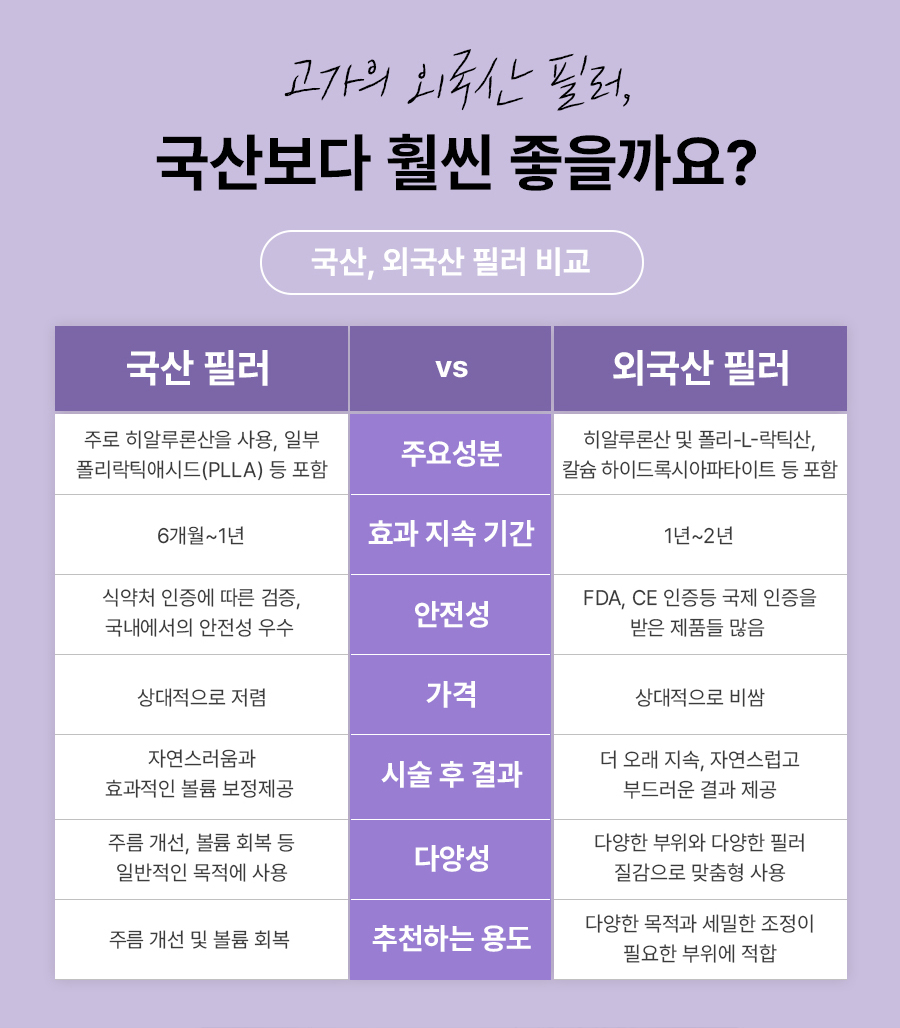
Dark circle filler usually refers to hyaluronic acid filler or other volumizing injectables placed in the tear trough and lower eyelid–cheek junction. The goal is to gently lift the hollow and reduce the shadow that forms between the eye and the upper cheek.

Hyaluronic acid is a gel‑like substance that already exists in the human body. In filler form, it can be shaped and layered in small amounts to restore lost volume. In selected cases, a clinic may recommend collagen‑stimulating injectables in nearby areas to improve support and skin quality, but under the eye itself is usually treated with soft, carefully chosen products.
What dark circle filler helps most
Dark circle filler is mainly effective for volume‑related problems such as:
- Sunken tear troughs that create a clear groove from the inner corner of the eye down toward the cheek
- A tired, hollow look where the orbital bone is easily visible
- Shadowing that improves when you gently lift the area with a finger
- Early to moderate volume loss around the lower eyelid and upper cheek
By filling and blending this groove, light reflects more evenly, so the area looks less dark and less tired.
What dark circle filler does not directly fix
Not all dark circles are the same. Filler is less effective if the main cause is:
- Brown pigmentation from sun exposure or genetics
- Bluish color from visible blood vessels and very thin skin
- Strong eye bags caused by protruding fat pads
- Very loose, crepey lower eyelid skin

In real life, many people have a mix of hollowing, pigmentation, and skin changes. In these cases, dark circle filler can still help the hollow, but additional treatments such as pigment‑targeting lasers, skin‑quality injections, or tightening procedures may be suggested.
How it differs from creams, lasers, and surgery
Eye creams mainly improve surface hydration and fine lines. They cannot replace lost volume or significantly change deep hollows.
Pigment or vascular lasers are designed to target brown or bluish discoloration in the skin, not the hollow itself.
Fat repositioning surgery and other lower eyelid surgeries can address strong eye bags and more advanced aging changes, but they involve longer downtime and recovery.
Dark circle filler sits between skincare and surgery. It is a minimally invasive option with relatively short downtime when performed carefully by experienced doctors who understand under‑eye anatomy.
Who may consider dark circle filler?
Typical candidates
You may be a candidate for dark circle filler if you notice one or more of these:
- You look tired or older even after enough sleep
- There is a visible groove between the lower eyelid and cheek
- The dark area looks more like a shadow than a stain on the skin
- The darkness improves when you gently lift or stretch the area with your finger
- You have early to moderate volume loss rather than very loose, sagging skin
Many people considering this treatment are in their late 20s to 40s, but age alone is not the deciding factor. Facial structure, genetics, and lifestyle all play a role.
Who may not be suitable
Not everyone is a good candidate for dark circle filler. It may not be the main solution if you have:
- Pronounced eye bags from fat protrusion that remain even when the area is lifted
- Very thin, crepey lower eyelid skin with many fine wrinkles
- Dark circles mainly from strong brown pigmentation
- A tendency for chronic swelling or fluid retention under the eyes
In these situations, a clinic may suggest other treatments first or a combined plan. Sometimes, surgery, tightening devices, pigment lasers, or skin‑quality treatments are more appropriate.
Why an in‑person assessment matters
The under‑eye area is complex. A careful doctor will distinguish between:
- Hollowing and volume loss
- Fat bulging and true eye bags
- Pigmentation in the skin
- Visible blue vessels under thin skin
- Overall skin thickness and elasticity
The choice of whether to use filler, which type of filler, how much, and where to place it depends on this detailed analysis. For overseas patients, online photos can give a rough idea, but final decisions are made only after face‑to‑face examination.
How clinics in Gangnam commonly approach dark‑circle treatment: Some clinics in the Cheongdam and Gangnam areas offer a range of device‑based and injectable options for under‑eye concerns. Specific services, technologies, and protocols vary by clinic; verify treatment details, qualifications, and expected outcomes directly with your chosen provider.
Clinic focus and setting
In the Cheongdam area of Gangnam, near Apgujeong Rodeo Station on the Suin–Bundang Line, there are anti‑aging centers that focus on both facial rejuvenation and cell‑level therapies.
Their approach to dark circle filler is based on understanding facial anatomy, aging patterns, and how the under‑eye area connects to the midface.

Not just “filling a line”
Rather than simply injecting into a visible groove, the clinic plans under‑eye filler as part of the whole face. The aim is to:
- Blend the lower eyelid and cheek smoothly
- Support the midface so the under‑eye area does not look overfilled
- Keep expressions natural when smiling or talking
Sometimes this means placing a small amount of filler slightly away from the direct hollow, such as along the lid‑cheek junction or upper cheek, to create a softer, more natural transition.
Product and technique choices
For the under‑eye area, many practitioners prefer softer, lower‑swelling filler products suitable for thin skin, and some choose a blunt cannula instead of a sharp needle to help reduce bruising and lower the risk of vascular injury. Discuss product selection and technique options with your treating clinician.
The technique focuses on slow, conservative layering. Instead of trying to fix everything in one large injection, the doctor may place very small amounts in several passes, checking symmetry and light reflection as they go.

Step‑by‑step procedure process
1. Consultation and photography
Your visit usually begins with a consultation that covers:
- Medical history and current medications
- Allergies and previous reactions to injectables
- Past filler, surgery, or laser treatments around the eyes
- General health conditions that may affect healing
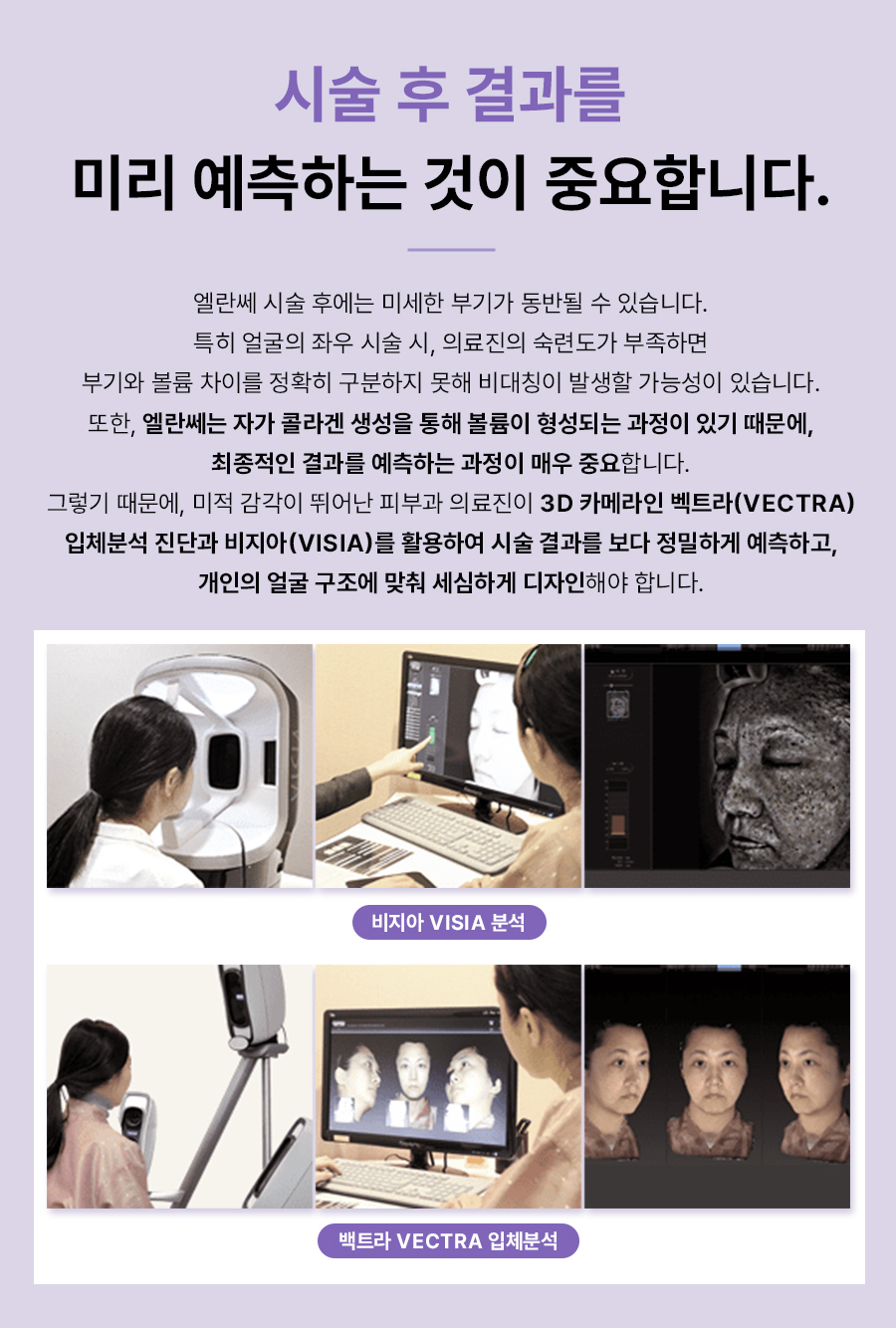
Standardized photographs are taken from different angles. Some clinics also use 3D or skin analysis tools to better understand volume loss and skin quality.
2. Diagnosis of dark circle type
The doctor then examines the under‑eye area closely to classify your dark circles:
- Structural or hollow type: main problem is a groove and volume loss
- Pigmentation type: brown or grayish color in the skin itself
- Vascular type: bluish or purplish color from vessels and thin skin
- Mixed type: a combination of the above
They also evaluate skin thickness, elasticity, and the presence of eye bags or fat bulging. This step guides whether filler alone is suitable or if a combination plan is better.
3. Treatment planning
Based on the diagnosis, the doctor decides:
- Which filler type and consistency to use (usually soft, low‑swelling products)
- Whether to use a cannula, a needle, or a combination
- Approximate amount per side, often starting conservatively
- Whether to combine the session with other procedures, such as skin boosters for crepey skin, gentle lasers for pigmentation, or lifting treatments for midface support
For overseas patients with limited time, the plan may prioritize what will make the most visible difference within a short stay, while keeping safety and natural results as the main goals.
4. The filler procedure itself
The procedure generally follows these steps:
- Cleansing of the face and under‑eye area
- Application of topical anesthetic cream if needed
- Marking of key anatomical points and planned entry sites
- Careful insertion of the cannula or needle
- Slow, controlled injection of small amounts of filler in the tear trough and lid‑cheek junction
The doctor will often ask you to open and close your eyes, look in different directions, and smile lightly to check how the filler behaves with movement. They will avoid overfilling and may stop once a clear improvement is seen, even if some hollow remains, to keep the result natural.
5. Post‑treatment check and instructions
After the injections, the doctor checks symmetry and overall balance. You will receive instructions such as:

- Use cold compresses for a short time if recommended to reduce swelling
- Avoid rubbing or pressing the treated area
- Sleep with your head slightly elevated the first night if advised
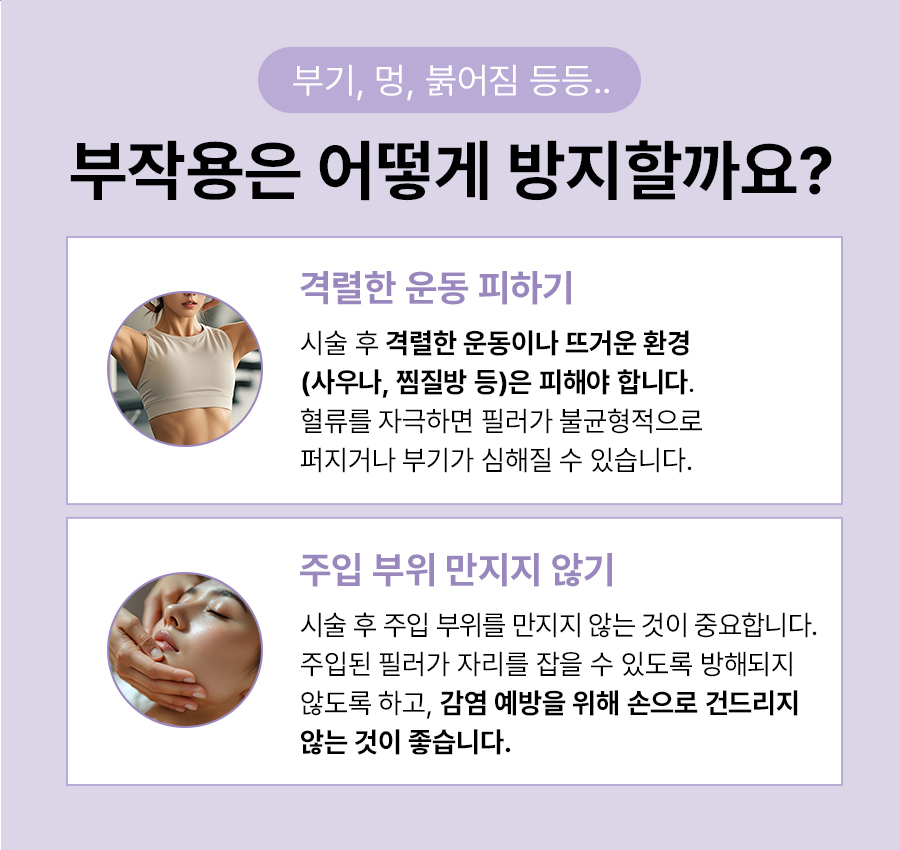
- Avoid saunas, hot baths, intense exercise, and alcohol for a short period
You may be asked to return for a follow‑up visit, especially if you are staying in Seoul for several days.
Expected effects and how long they last
Main benefits
When dark circle filler is suitable and well performed, you can expect:
- Reduced hollow and shadow under the eyes
- A smoother transition between lower eyelid and cheek
- A brighter, less tired appearance
- Subtle rejuvenation rather than a dramatic or “done” look
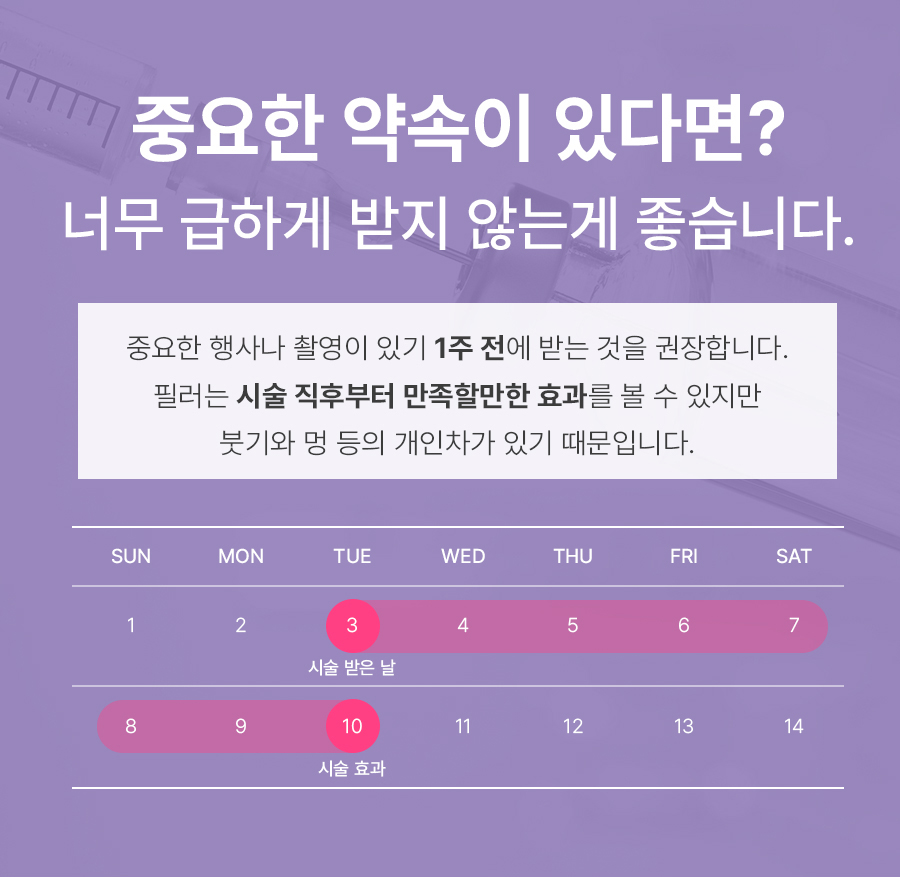
Most people notice improvement immediately after treatment, although the final appearance is clearer after swelling settles.
Onset and settling time
The main change is visible right away. However:
- Mild swelling and small bruises, if present, usually improve over several days
- The filler may soften slightly as it integrates with the surrounding tissue
- Any minor asymmetry related to swelling often evens out as healing progresses
Duration and maintenance
Duration varies; some patients report improvements lasting several months to over a year depending on the product used, individual metabolism, lifestyle, and other factors.
- The specific product used
- Your metabolism and lifestyle
- Facial movement and sleeping habits
Maintenance sessions are usually lighter than the first treatment, often requiring smaller amounts to maintain the result.
Safety, risks, and how they are managed
Common temporary side effects
After dark circle filler, it is common to experience:
- Mild swelling and redness
- Tenderness when touching the area
- Small bruises at entry points
- Temporary feeling of fullness or tightness
These usually improve within a few days to one or two weeks, depending on individual healing.
Specific under‑eye risks
Because the skin is thin and the area is close to important blood vessels and the eye itself, there are some specific risks:
- Tyndall effect: a bluish tint if filler is placed too superficially
- Lumpiness or unevenness if product is not well distributed
- Overfilling, which can make the area look puffy rather than refreshed
- Prolonged swelling or fluid retention in sensitive individuals
- Rare but serious vascular complications if filler enters or compresses a blood vessel
How the clinic works to reduce risk
To minimize these risks, the clinic focuses on:
- Detailed knowledge of under‑eye and vascular anatomy
- Conservative dosing and gradual layering rather than large bolus injections
- Choosing products suitable for thin skin and low swelling
- Using a cannula in many cases to reduce vessel injury and bruising
- Slow injection technique with careful monitoring of patient feedback
Hyaluronidase can dissolve certain hyaluronic acid fillers in specific situations (for example, to correct overfilling or misplaced product). Availability and treatment protocols differ between clinics, so confirm whether hyaluronidase is offered and how it would be used during your consultation.

Why experience matters
Under‑eye filler should not be treated as a simple beauty shot. It is important that the procedure is performed by doctors who are familiar with both the anatomy and the management of complications. For overseas patients, this is especially important because follow‑up time in Korea may be limited.
Combination treatments and clinic strengths
Why combination treatment is often needed
Because dark circles usually have multiple causes, filler alone may not be enough. Depending on your diagnosis, the clinic may suggest combining filler with:
Skin‑quality injections such as PDRN or other skin repair injectables to improve thin, crepey skin
Energy‑based tightening or lifting (for example, ultrasound or radiofrequency devices) to support mild laxity and midface sagging
Pigmentation or vascular lasers to treat brown or bluish discoloration that does not improve with volume alone
Broader anti‑aging options: Clinics may offer adjunctive treatments and technologies to address concerns that filler alone cannot fully resolve. Ask your provider about the evidence, potential benefits, risks, and regulatory status of any additional therapies before proceeding.
The clinic’s device lineup typically includes lifting, resurfacing, pigment, vascular, and body devices.
For overseas visitors, the doctor will usually prioritize treatments with minimal downtime and clear safety profiles, while explaining which options might be continued or repeated in your home country.

Aftercare and lifestyle tips
Immediate care
After your session, you can support healing by:
Avoiding rubbing, pressing, or massaging the under‑eye area unless your doctor specifically instructs you to
Using cold compresses for short periods if recommended to reduce swelling
Avoiding saunas, hot baths, intense exercise, and alcohol for a short time, as these can increase swelling and bruising
Sleeping on your back with your head slightly elevated for the first night if advised
Monitoring for warning signs
While serious complications are rare, you should contact the clinic immediately or seek urgent care if you notice:
- Sudden, severe pain around the eye or face
- Sudden vision changes, such as blurring or loss of vision
- Marked, rapidly increasing swelling or skin color changes
Long‑term habits for better under‑eye skin
To maintain results and protect the delicate eye area over time:
Use sun protection daily, including sunglasses and gentle sunscreen around the eyes
Follow a simple, gentle skincare routine without aggressive rubbing
Manage allergies and avoid frequent eye rubbing, which can worsen pigmentation and wrinkles
Try to maintain regular sleep and stress management, as lifestyle also affects the under‑eye area
Who should be cautious or avoid dark circle filler
Situations where caution is needed
Dark circle filler may not be suitable, or may need special consideration, if you:

Have an active skin infection or inflammation near the treatment area
Have uncontrolled systemic disease or a bleeding disorder
Are taking certain blood‑thinning medications (individual medical assessment is required)
Are pregnant or breastfeeding, as elective aesthetic injectables are generally postponed
Have unrealistic expectations and expect all dark coloration to disappear when the main cause is pigmentation rather than hollowing
In these cases, a careful consultation is essential, and the doctor may recommend postponing or choosing other treatment options.
Practical information for overseas patients
Location and access
The clinic is located in the Cheongdam area of Gangnam, Seoul. From Apgujeong Rodeo Station on the Suin–Bundang Line, you can walk from exit 4 straight toward Galleria Department Store. The area is well known for premium shopping, cafes, and aesthetic and anti‑aging centers, making it convenient to combine treatment with a city visit.
Operating hours and reservations
Consultations and treatments are provided on a reservation basis, with set hours on weekdays and Saturdays. The clinic is typically closed on Sundays and public holidays, so it is wise to plan your travel dates accordingly.
Online consultation and pre‑visit preparation
Before you travel, you can usually contact the clinic through major local messaging and online channels for preliminary questions. To make this more effective:
Prepare clear, makeup‑free photos of your face from the front and both sides, in good lighting
List any previous procedures around your eyes and face, including fillers, lasers, or surgery
Prepare a short medical history, including medications, allergies, and any chronic conditions
Write down your main concerns and what kind of change you hope to see, keeping in mind that subtle improvement is the goal
The clinic can then provide general guidance about possible options and an estimated treatment plan. However, final decisions about filler type, amount, and exact method are only made after an in‑person medical evaluation.
Expected Korea visit timeline
For dark circle filler alone, many overseas patients can follow a simple schedule:
Day 1: Arrival in Seoul, rest, and possibly same‑day or next‑day consultation and treatment if arranged in advance
Day 2–3: Light swelling or minor bruising may appear; you can usually continue sightseeing with basic precautions
Day 4–7: Swelling gradually settles; a short follow‑up visit may be scheduled if your stay allows
If you are combining filler with other treatments, such as lasers or lifting devices, your clinic will suggest a schedule that fits your stay and allows enough time for basic recovery and checks.

Frequently asked questions about dark circle filler in Seoul
How do I know if my dark circles are from hollows or pigmentation?
A simple home test is to stand in front of a mirror with good lighting and gently lift the skin of your lower eyelid and upper cheek. If the dark area improves significantly when you lift, volume loss and shadowing are likely major factors, and filler may help. If the color stays almost the same even when lifted, pigmentation or visible vessels may be more important, and you might need pigment or vascular treatments in addition to, or instead of, filler. A proper diagnosis, however, requires an in‑person examination.
How painful is under‑eye filler and what is the downtime?
Most people describe the procedure as mildly uncomfortable rather than very painful. Topical numbing cream and fillers that contain local anesthetic are often used to reduce discomfort. You can usually return to normal daily activities soon after treatment, but mild swelling or small bruises can last from a few days up to about two weeks, depending on your individual healing. Planning your treatment at least several days before important events is recommended.
Can dark circle filler be reversed if I do not like the result?
If a hyaluronic acid filler is used, it can usually be adjusted or dissolved with an enzyme called hyaluronidase. This may be considered in cases of overfilling, misplaced product, or certain complications. However, dissolving also carries its own considerations, so it is better to start with a conservative, natural‑looking amount and work with a doctor who plans carefully from the beginning.
Is it safe to get dark circle filler as an overseas patient with limited follow‑up time?
You should schedule enough time in Korea for at least one follow‑up visit if possible, and keep open communication with the clinic after you return home. If you have complex medical conditions or a history of complications from fillers, discuss this in detail during online consultation and in‑person evaluation before proceeding.

Soft call to action for online consultation
If you are considering dark circle filler in Seoul and want to know whether your dark circles are suitable for this treatment, you can start with an online consultation. By sharing clear photos and your medical background in advance, the clinic can give you realistic guidance on what to expect and how to plan your visit.
From there, an in‑person consultation near Apgujeong Rodeo Station in Gangnam will allow the medical team to examine your under‑eye area closely, explain the safest options, and design a treatment plan that fits both your facial anatomy and your travel schedule.
- 공유 링크 만들기
- X
- 이메일
- 기타 앱

댓글
댓글 쓰기