Dark circle filler treatment in Cheongdam, Gangnam: what overseas patients should know
- 공유 링크 만들기
- X
- 이메일
- 기타 앱
Dark circle filler is a non‑surgical injection treatment that targets hollows and grooves under the eyes, especially along the tear trough. By carefully placing hyaluronic acid or other volumizing fillers at the right depth, it can soften sunken areas, reduce shadows, and help the eyes look more rested. It is most suitable when dark circles are mainly caused by volume loss and contour problems, rather than by strong pigmentation or very large eye bags.
This guide explains how dark circle filler works, who may benefit, how the procedure is usually done in a high‑level anti‑aging clinic in Cheongdam, Gangnam, and what to expect when you travel to Seoul for treatment.
What is dark circle filler?
Dark circle filler is an injectable treatment focused on the under‑eye and tear trough area. The goal is to reduce the hollow or groove that runs from the inner corner of the eye downward, which often creates a shadow and makes the face look tired.

Most under‑eye fillers use hyaluronic acid, a gel‑like substance that attracts water and adds gentle volume. In some cases, other volumizing products may be chosen depending on your skin and aging pattern. The filler is placed at a controlled depth, usually on or just above the bone, to smooth the transition between the lower eyelid and the upper cheek.
Not all dark circles are the same. Some are mainly pigment based, where the skin itself looks brown or bluish. Others are structural, where the hollowing, thin skin, or deep tear trough causes a shadow even if the skin color is normal. Dark circle filler is designed mainly for structural dark circles. It can improve hollows and contour, but it does not directly bleach or remove pigmentation.
In many patients, both factors are present: some volume loss plus some pigmentation or visible blood vessels. In those cases, filler may be combined with other treatments such as laser, skin‑quality injections, or cell‑based anti‑aging programs to address both structure and skin quality.
Who may consider dark circle filler?
You may be a good candidate for dark circle filler if your main concerns include:

Sunken under‑eyes or visible grooves under the inner corner of the eye.
A sharp line between the lower eyelid and the cheek that creates a shadow.
Eyes that look tired or older even when you sleep well and feel fine.
Hollowing that becomes more obvious under overhead lighting or in photos.
Dark circle filler is often chosen by people who want a non‑surgical solution with relatively quick treatment and minimal downtime. Many patients can return to normal daily activities soon after the procedure.
However, filler is not ideal for everyone. You may need a different or combined approach if you have:
Very prominent eye bags that bulge forward.
Severely loose or crepey skin under the eyes.
Strong brown or bluish pigmentation that remains even when the skin is stretched.

In these situations, the clinic may recommend combining filler with other options such as laser treatments for pigmentation and vessels, skin‑quality injections, energy‑based tightening around the eyes, or in some cases referral for surgical correction of large eye bags. A careful in‑person assessment is essential to decide.
Consultation and assessment process
At a high‑level anti‑aging clinic in Cheongdam, close to Apgujeong Rodeo Station on the Bundang Line, the consultation for dark circle filler usually starts with a detailed under‑eye evaluation.
The practitioner will typically assess:
Skin thickness and elasticity under the eyes.
Degree and shape of hollowing in the tear trough and upper cheek.
Presence and severity of eye bags or puffiness.
Visibility of blood vessels and bluish tones.
Amount and pattern of pigmentation.
Overall facial balance, including cheeks, midface, and temples.
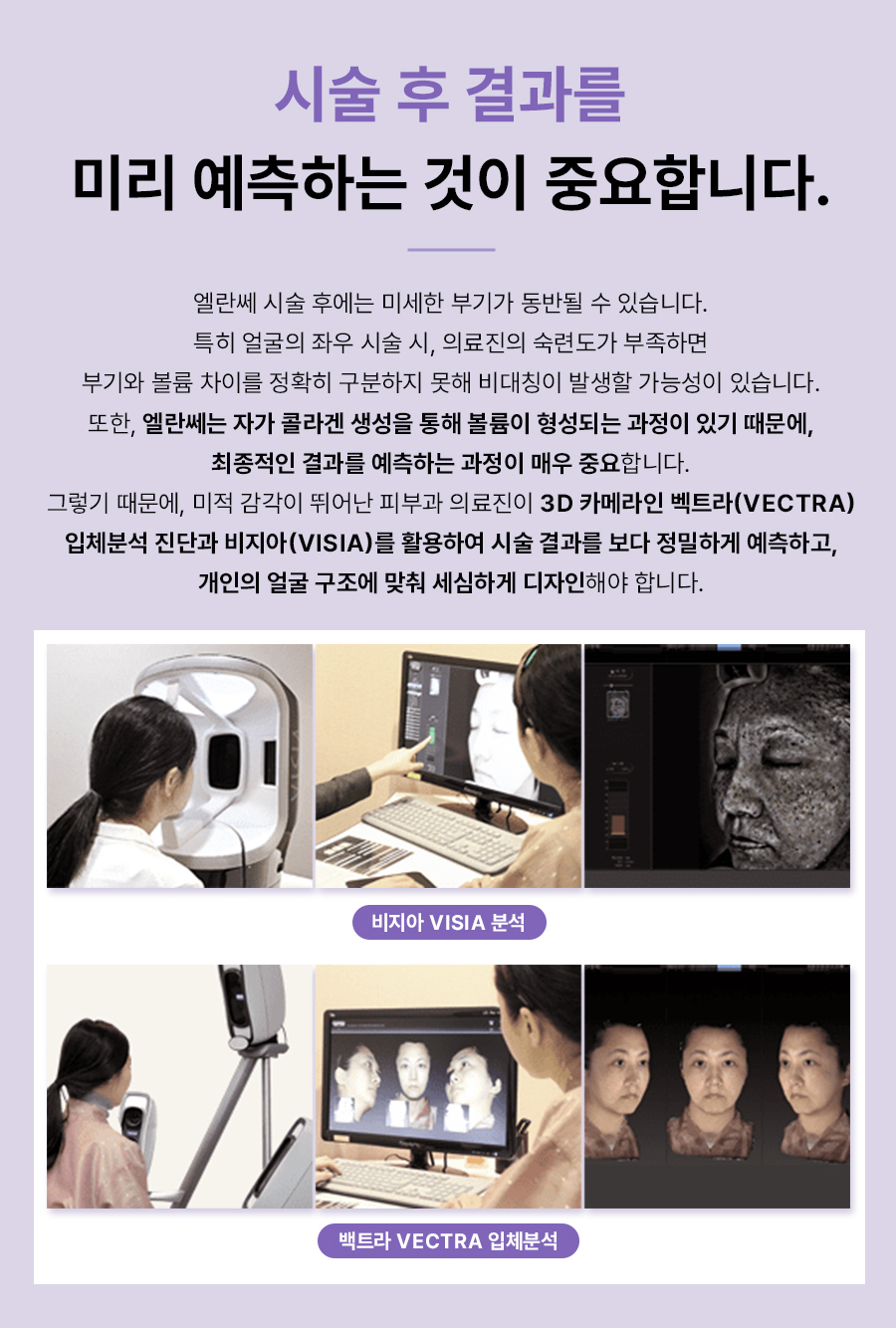
Some clinics, including Clinique hus,hu, use imaging systems and holistic facial analysis to understand how the under‑eye area fits with the rest of your face. This helps avoid overfilling one small area and instead aims for a natural, harmonious result.

Based on this assessment, the practitioner will decide whether dark circle filler is appropriate, how much volume is likely to be needed, and whether you might benefit from additional treatments. For example, they may suggest combining filler with skin‑quality injections, energy‑based tightening devices, or cell‑focused anti‑aging programs if your skin is very thin or lax.
During the consultation, you should also discuss your medical history, any previous fillers or treatments, allergies, and your travel schedule. For overseas patients, planning around arrival and departure dates is important so that any early swelling or bruising settles before you fly home or return to work.
How the dark circle filler procedure is performed
While exact techniques vary between practitioners, a typical under‑eye filler procedure in a specialized anti‑aging clinic follows several key steps.
First, the treatment area is cleansed carefully to reduce the risk of infection. The practitioner may mark the skin to outline the main hollows and the safest entry points.

For comfort, a topical anesthetic cream is often applied before the injections. Many modern hyaluronic acid fillers also contain lidocaine, a local anesthetic, which helps reduce discomfort during the procedure.
The filler is then placed using either a fine needle or a blunt‑tipped cannula. Cannulas are often preferred in the under‑eye region because they can reduce the risk of bruising and may offer more controlled placement in the deep plane. The filler is usually injected close to the bone or at a deep level, which helps avoid lumpiness and the bluish hue that can occur if filler is placed too superficially.
After each small injection or thread of filler, the practitioner will gently mold and smooth the product with their fingers. You may be asked to sit up so they can check symmetry and the effect of gravity in a natural position. The goal is to soften the groove and reduce the shadow while preserving a natural shape.
Conservative dosing is very important under the eyes. It is safer to start with a smaller amount and add more later if needed. Overfilling this area can lead to puffiness, unnatural contours, or prolonged swelling, which are much more noticeable than in other parts of the face.

Expected results and longevity
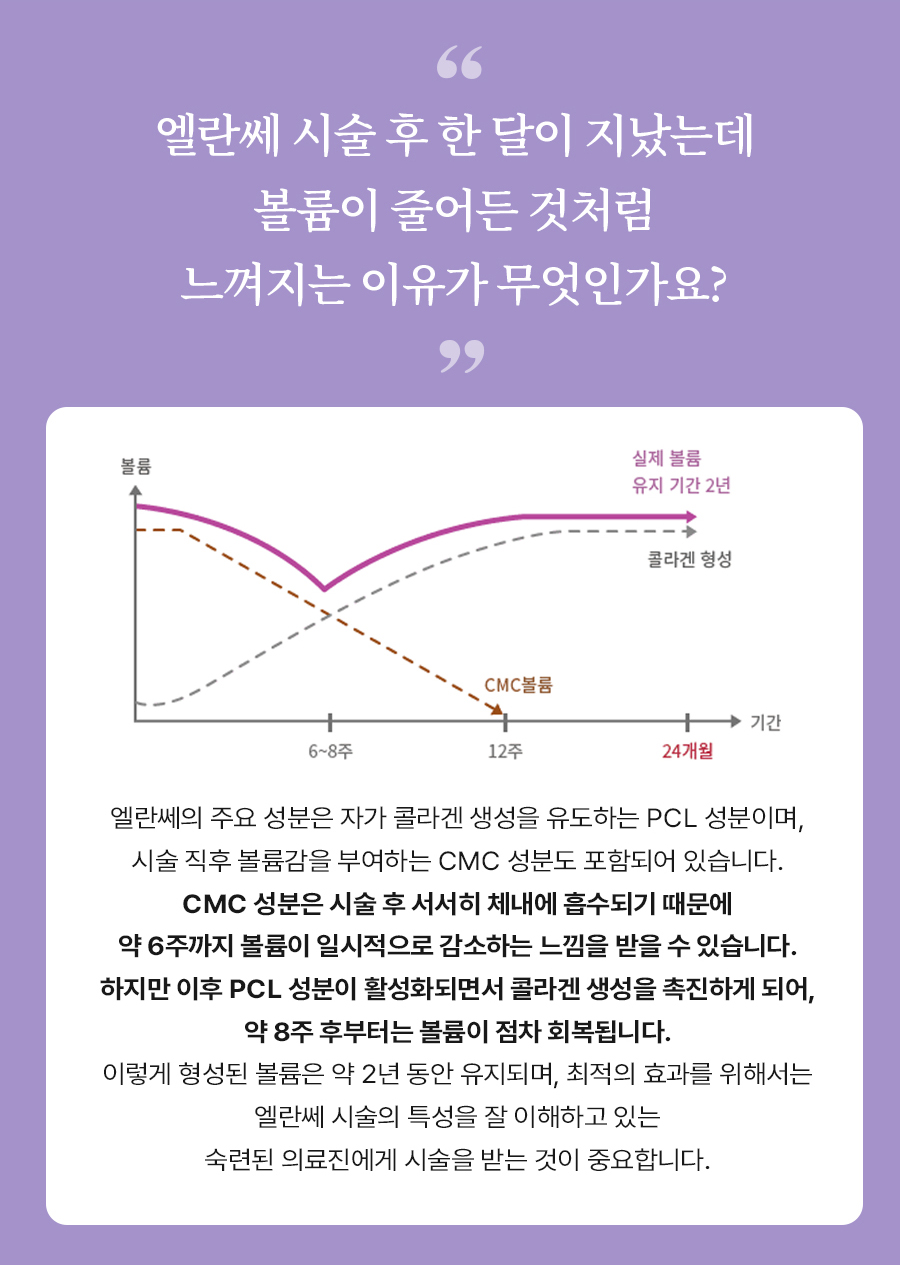
Most patients notice some improvement in their under‑eye hollows and shadows immediately after treatment. The groove often looks softer, and the transition from eyelid to cheek appears smoother. This can make the entire face look more rested and refreshed, even if the change is subtle.
However, the final result is not visible right away. Mild swelling is common in the first few days, and small asymmetries may appear until the tissues settle. Over about one to two weeks, swelling usually decreases and the filler integrates more naturally with the surrounding tissues.
The longevity of dark circle filler varies.
Type and firmness of the filler used.
Depth and technique of injection.
Individual metabolism and lifestyle.
Movement and pressure in the under‑eye area.
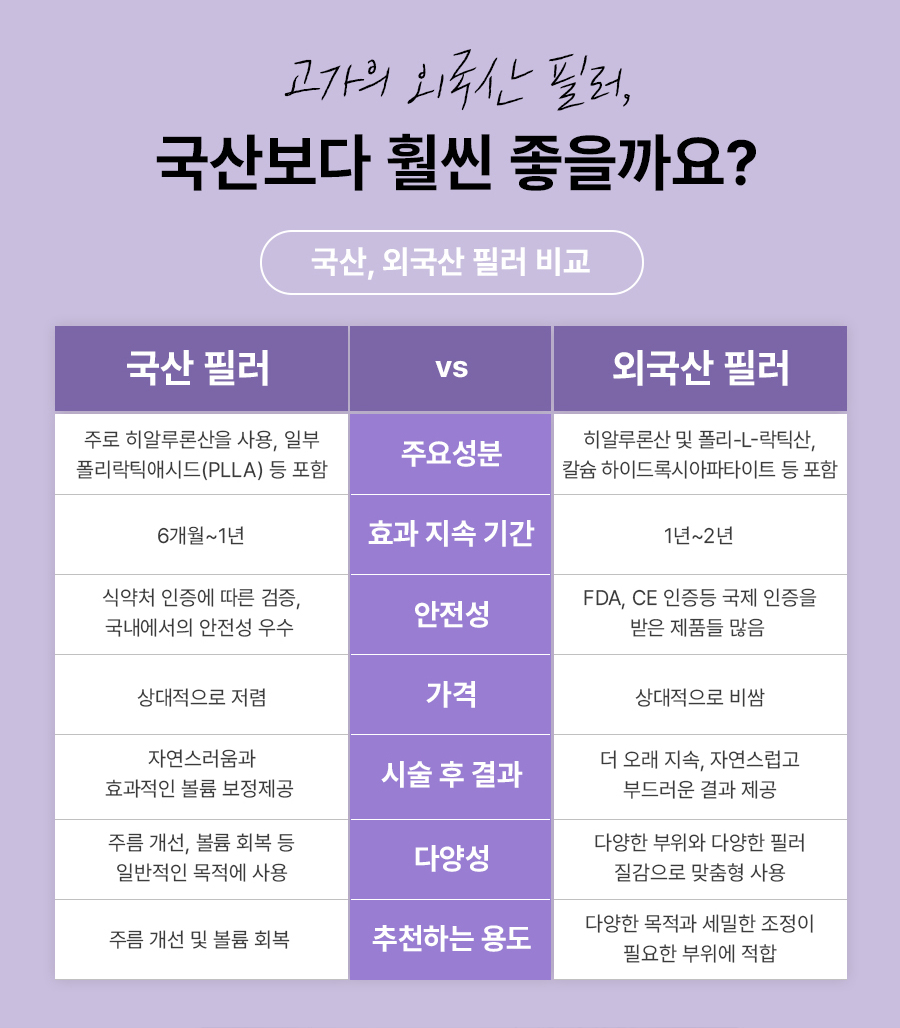
Because the under-eye area moves less than the lips or mouth, filler in this region can be relatively longer-lasting than in more mobile areas. However, gradual breakdown of the product occurs over time, and follow-up or maintenance treatments may be needed to maintain the result.
Some advanced anti-aging centers in Gangnam may combine dark circle filler with cell-focused programs or devices that target skin quality. For example, some clinics offer autologous exosome or stem-cell–related options alongside device-based collagen treatments. Providers describe these combinations as intended to support tissue quality, but outcomes vary and any specific claims or protocols should be confirmed directly with the clinic.
Safety, risks, and the importance of experienced injectors
The under‑eye area is anatomically complex and more sensitive than many other filler sites. For this reason, choosing an experienced injector and a clinic with strong safety protocols is critical.
Common, usually temporary side effects include:
Redness at the injection points.
Mild swelling or puffiness.
Small bruises.
Tenderness when touching the area.
Slight asymmetry in the first few days.

These effects typically improve on their own within a few days to a couple of weeks.
Potential complications, while less common, can be more serious. They include:
Tyndall effect, a bluish or grayish hue if filler is placed too superficially.
Lumpiness or irregular texture.
Overfilling or chronic puffiness.
Prolonged swelling or fluid retention.
Vascular compromise, where a blood vessel is blocked by filler, which is rare but urgent.
Infection.
To reduce these risks, it is important that injections are performed by a physician experienced in tear trough anatomy. Ask the clinic about the filler types and techniques they use (for example, deep placement or cannula use when indicated) and about their reversal and emergency protocols—including whether hyaluronidase is available on site. Hyaluronidase is an enzyme that can dissolve hyaluronic acid filler if adjustment or emergency reversal is needed.
When you research clinics in Seoul, ask directly about the injector’s experience with under‑eye filler, the types of products used, and their protocols for managing complications.
How a high‑level anti‑aging clinic in Cheongdam approaches dark circle filler
In Cheongdam, Gangnam, some clinics position themselves not just as injection centers but as comprehensive anti‑aging hubs. A clinic like Clinique hus,hu, located near Apgujeong Rodeo Station, emphasizes cell‑level anti‑aging and in‑house cell research facilities.
This type of clinic often offers:
In‑house cell research labs and experience with autologous exosome and stem‑cell‑based therapies.
A wide portfolio of lifting and skin‑tightening devices, such as Thermage FLX, ultrasound‑based lifting platforms similar to Ultherapy, and RF microneedling systems.
Diagnostic tools and holistic facial analysis to design treatment plans that consider the whole face, not just one line or hollow.
For dark circles, this means the doctor can evaluate whether simply filling the tear trough is enough, or whether you would benefit from additional support such as tightening the lower eyelid skin, improving texture, or addressing pigmentation. For some patients, combining dark circle filler with these complementary treatments leads to a more natural and longer‑lasting improvement.
Online consultation and pre‑visit preparation for overseas patients
If you are planning to travel to Seoul for dark circle filler, an online consultation is a useful first step. Most international patients start by sending clear photos of their face from the front and at slight angles, ideally in natural daylight.
Before your online consultation, prepare the following information:
Your main concerns and what bothers you most about your dark circles.
Any previous filler, laser, or eye‑area treatments you have had, and when.
Medical history, including allergies, medications, and any eye conditions.
Your planned travel dates and how long you can stay in Korea.
During the online consultation, you can ask:
Whether your dark circles seem mainly structural, pigmented, or mixed.
If the doctor believes filler alone is suitable, or if a combination plan is recommended.
How many sessions might be needed and how much time should be left between them.
What kind of downtime to expect based on your individual case.
It is also wise to compare a few clinics, not only by cost but by:
Who actually performs the injections.
What imaging or diagnostic tools they use.
What brands and types of filler they prefer for the under‑eye area.
Whether they have hyaluronidase on site.
What aftercare and follow‑up they provide for overseas patients.
Having a short checklist of questions written down before you contact the clinic can help you feel more confident and make a more informed decision.

Expected Korea visit timeline for dark circle filler
While exact schedules vary, many overseas patients follow a similar timeline when visiting Seoul for dark circle filler.
Day 1: Arrival and rest. If possible, avoid scheduling your procedure immediately after a long flight. Allow some time to rest and hydrate.
Day 2: In‑person consultation and treatment. The doctor will examine your under‑eye area directly, confirm the plan made during online consultation, and adjust it if needed. If both you and the doctor agree, the filler treatment is usually performed on the same day as the consultation.
Days 3 to 5: Early recovery. Mild swelling or bruising may be visible. You can usually continue sightseeing or light activities, but it is better to avoid intense exercise, saunas, and heavy alcohol during this period.

Days 6 to 10: Settling phase. Swelling generally improves, and the under‑eye area starts to look more natural. If your stay is long enough, a short follow‑up visit can be scheduled to check the result and take photos.
If your schedule is tight, many clinics can arrange the consultation and procedure on the same day and a quick check before you leave Korea. Discuss your timing in advance so the clinic can advise on the safest and most realistic plan.
Aftercare and recovery
After dark circle filler, most patients can return to daily routines quickly, but careful aftercare helps support a smooth recovery.
Typical aftercare advice includes:
Avoid rubbing, pressing, or massaging the under‑eye area for several days unless your doctor specifically instructs you to do so.
Sleep with your head slightly elevated on the first night or two if you notice swelling.
Avoid intense exercise, hot baths, saunas, and heavy alcohol for a short period, often 24 to 72 hours, as advised by the clinic.
Do not apply heavy makeup around the injection sites immediately after treatment; follow your doctor’s instructions on when it is safe.

Monitor the area for any unusual symptoms, such as strong pain, sudden color change (especially whitening or dark mottling of the skin), or vision changes. These can be signs of a more serious complication, and you should contact the clinic or seek urgent medical attention immediately if they occur.
Most mild bruises and swelling fade within a week or two. Your clinic may suggest gentle cooling packs in the first hours or specific topical products later on, depending on your skin and healing.
Who should avoid or postpone dark circle filler
Dark circle filler is not suitable for everyone. You may need to avoid or delay treatment if you have:
Active skin infection, rash, or inflammation in the under‑eye area.
Uncontrolled systemic disease or serious health conditions that make elective procedures risky.
Known severe allergies to filler components or previous severe reactions to injectables.
Pregnant or breastfeeding individuals are usually advised to postpone elective filler treatments according to current medical guidelines, as safety data is limited.
It is also important to have realistic expectations. Filler can soften hollows and reduce shadows, but it may not completely erase dark circles, especially if strong pigmentation or large eye bags are present. If you expect a perfect, airbrushed result or believe one treatment will solve all under‑eye issues permanently, you may feel disappointed. A clear discussion with your doctor about what is and is not possible in your case is essential.
FAQ
How do I know if my dark circles are from hollows or pigmentation?
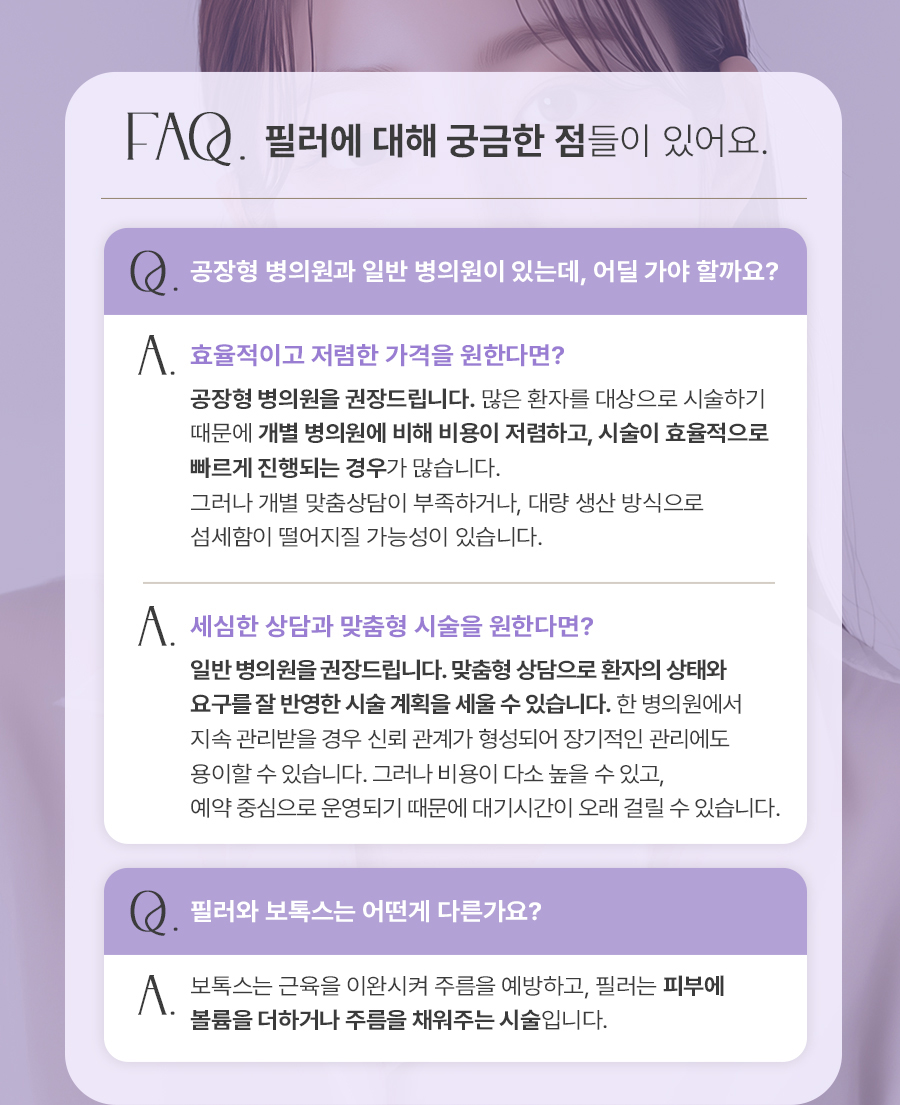
A simple way to get an idea is to stand in front of a mirror in good light and gently stretch the skin under your eye downward or sideways. If the dark color improves significantly when the skin is stretched, hollowing and shadow may be a major factor, and filler could help. If the color remains almost the same, pigmentation or visible vessels may be more important. However, this is only a rough guide. A proper assessment by a doctor, ideally with close examination and imaging, is the best way to understand the main cause of your dark circles.
Is dark circle filler painful, and how long does the procedure take?
Most patients describe dark circle filler as mildly uncomfortable rather than very painful. Topical numbing cream is usually applied, and many fillers contain lidocaine to reduce discomfort during injection. You may feel brief pressure or a stinging sensation. The injection itself is typically brief, but you should allow extra time at the clinic for cleansing, numbing, marking, and post-treatment checks.

Can filler make under‑eye bags look worse?
If filler is placed in the wrong plane, in the wrong area, or in excessive amounts, it can make the under‑eye region look puffier and emphasize existing bags. This is why careful assessment and conservative dosing are essential. In patients with significant eye bags, the doctor may recommend treating other areas, such as the upper cheek, rather than injecting directly into the bag. In some cases, surgery or other treatments may be more appropriate than filler. If overfilling does occur with hyaluronic acid products, hyaluronidase can often be used to adjust or dissolve the filler.
How often do I need to repeat dark circle filler?
The frequency of maintenance depends on how your body metabolizes the filler, the specific product used, and your aesthetic goals. Many people consider a touch‑up or repeat treatment every 9 to 18 months. Some prefer small, more frequent adjustments to keep the result very stable, while others wait until the hollow becomes noticeable again. Your doctor can suggest a personalized schedule based on how your under‑eye area responds after the first treatment.
What is the difference between treating dark circles with filler versus laser or surgery?
Filler mainly addresses volume loss and contour, softening hollows and reducing shadows. Laser treatments are more focused on improving skin quality, pigmentation, and fine vessels, which can brighten the under‑eye skin. Surgery, such as lower eyelid surgery for eye bags, is used to reposition or remove fat and tighten structures when bags are large or skin is very loose. Many patients benefit from a combination approach, for example, filler for hollows plus laser for pigmentation. The best method depends on the main cause of your dark circles, which should be evaluated during consultation.

What qualifications should I look for in a doctor for under‑eye filler?
For under‑eye filler, you should look for a doctor with formal training in aesthetic injections and specific experience in treating the tear trough area. Ask how often they perform under‑eye filler, what techniques they use, and how they handle complications. It is also important that the clinic uses high‑quality, reputable filler products and has clear safety protocols, including access to hyaluronidase. For overseas patients, good communication in your language or with an interpreter is also valuable.
Soft call to action for online consultation
If you are considering dark circle filler during a trip to Seoul, an online consultation with a Cheongdam‑based anti‑aging clinic can help you understand whether this treatment is suitable for your type of dark circles and how it can fit into your travel schedule. By sharing photos and medical information in advance, you can receive a preliminary plan and arrive in Korea with clearer expectations. When you are ready, contact the clinic’s international patient team to discuss your options, ask your questions, and plan a visit that prioritizes both safety and natural‑looking results.
- 공유 링크 만들기
- X
- 이메일
- 기타 앱

댓글
댓글 쓰기