Ellanse Filler Guide for Long-Lasting Volume in Cheongdam, Seoul
- 공유 링크 만들기
- X
- 이메일
- 기타 앱
Direct answer summary
ples, chin, jawline, and deep folds—rather than for lips or very fine lines, because it is used primarily for volume and contour rather than superficial refinements. Because this type of product is not a hyaluronic acid filler and is not rapidly reversible with hyaluronidase, treatment should be planned and performed carefully by an experienced doctor who can explain permanence and expected outcomes. For overseas patients visiting Cheongdam in Gangnam, clinics may offer Ellanse alongside other structural or skin-quality procedures (for example, lifting devices or thread lifting); confirm the clinic’s specific services and supporting evidence before proceeding.
What is Ellanse filler
Ellanse is a biostimulatory filler, which means its main role is to stimulate your own collagen rather than simply act as a gel that fills space. The active component is polycaprolactone (PCL) microspheres suspended in a smooth gel carrier.
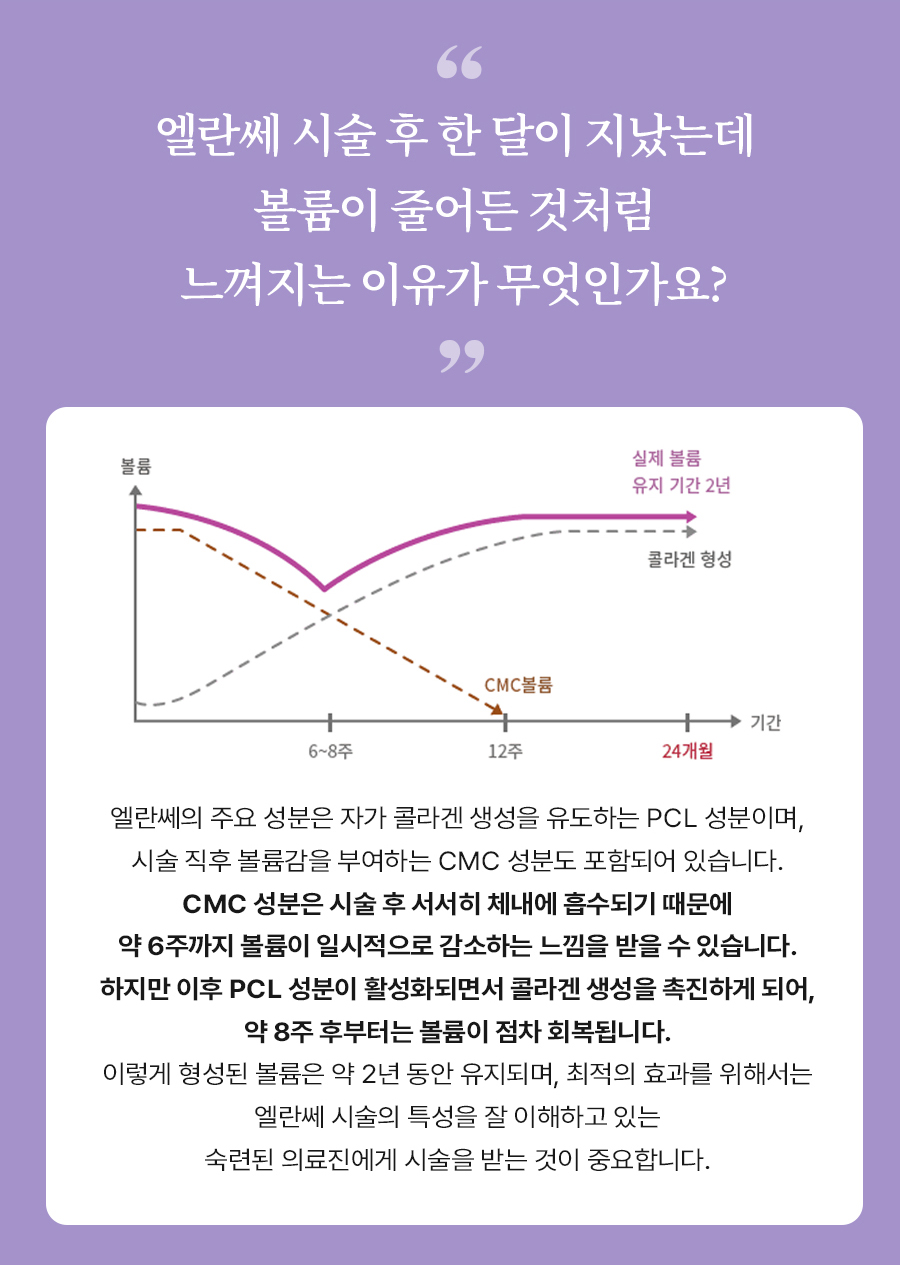
Right after injection, the gel carrier gives an immediate volumizing effect, so you can see a change in contour on the same day. Over time, the PCL microspheres trigger your body to produce new collagen around them, creating a natural internal scaffold that supports the skin from within.

Because of this dual mechanism, Ellanse is typically chosen as a mid- to long-term solution for structural facial volume restoration and contouring. It is not usually used for very superficial wrinkles, tear troughs, or lip plumping, where softer and more reversible fillers are often preferred.
Although Ellanse is categorized as a filler, it behaves differently from standard hyaluronic acid fillers. Rather than being a simple gel that gradually dissolves, it reshapes the underlying support structure of the face by encouraging collagen growth.
Who may consider Ellanse
Ellanse is mainly considered by adults who notice age-related volume loss and sagging, especially in the midface and lower face. Typical concerns include flattened or sunken cheeks, deep nasolabial folds, marionette lines, hollow temples, and a weak chin or jawline definition.
It can be suitable for people who want a more structural lifting effect and are comfortable with gradual, natural-looking improvement. Many patients who choose Ellanse are looking for results that last longer than typical hyaluronic acid fillers and do not want to return for frequent maintenance every few months.

Ideal candidates are usually those who understand that Ellanse cannot be instantly reversed and who are ready to follow a long-term anti-aging plan with consistent follow-up. It is less suitable for people who often change their aesthetic preferences or want the option to dissolve fillers quickly if they change their mind.
Common treatment areas
Ellanse is typically used in medium to deep layers of the face where structural support is needed. Common areas include the upper and midface, such as cheeks and temples, where volume loss can make the face look tired or older.
In the lower face, Ellanse can be used to soften deep nasolabial folds and marionette lines, and to enhance chin projection or jawline definition. By reinforcing these structural areas, it can indirectly improve the appearance of sagging and restore a more youthful facial shape.
High-risk, very mobile, or very superficial areas, such as the lips or tear troughs, are usually avoided for Ellanse unless there is a very specific indication and the doctor has extensive experience with the product. In many cases, different types of fillers or treatments are chosen for these delicate regions.

How Ellanse differs from hyaluronic acid fillers
Ellanse and hyaluronic acid (HA) fillers both belong to the broader filler category, but they differ in several important ways. Understanding these differences can help you decide which approach may suit your goals and risk tolerance.
In terms of composition, Ellanse contains polycaprolactone microspheres in a gel carrier, while HA fillers are made of hyaluronic acid, a sugar molecule that naturally exists in the skin and other tissues.
The mechanism of action is also different. HA fillers mainly work as a space-filling gel that attracts water and provides immediate volume. Ellanse also gives immediate volume from its carrier gel, but its key effect is collagen stimulation around the PCL microspheres, which can create longer-lasting structural support.
Regarding longevity, Ellanse is designed as a mid- to long-lasting filler. The exact duration depends on the specific Ellanse subtype, the area treated, and individual metabolism, but it generally lasts longer than many standard HA fillers. The gel carrier is absorbed relatively quickly, while the new collagen scaffold maintains the effect for a longer period.

Reversibility is a major point to consider. HA fillers can be dissolved with an enzyme called hyaluronidase if needed. Ellanse does not have a direct dissolving agent, so results cannot be instantly reversed. This makes correct indication, precise injection technique, and realistic planning essential.
In terms of texture and effect, Ellanse is more suited to deeper, structural support and contouring rather than very fine, superficial lines. It is often used to restore the overall facial framework, while HA fillers may still be preferred for delicate adjustments or areas requiring very soft, flexible filler.
Treatment overview in Cheongdam, Gangnam
In Cheongdam, Gangnam, Ellanse is often integrated into a comprehensive anti-aging program rather than used as a one-time procedure. Clinics in this area commonly focus on cell-level anti-aging, combining volumizing treatments with lifting devices and regenerative medicine.
At such centers, Ellanse is one option among several tools for restoring volume and lift. Other options may include thread lifting, monopolar radiofrequency devices, ultrasound lifting, and combined lifting platforms, as well as premium fillers for specific zones.
ting evidence and approvals, and discuss potential risks with a qualified physician. In marketing materials, fillers like Ellanse may be presented as structural support while other procedures are promoted to address skin quality, but separate claims about cell-based treatments require independent verification.

In some clinics, doctors may have advanced academic qualifications or speaker experience related to aesthetic procedures. If a provider’s credentials, publications, or conference presentations are important to you, ask the clinic for verifiable information—such as professional biographies, publication references, or lists of conference talks—so you can assess the treating physician’s relevant experience and training.
Step-by-step treatment process
The Ellanse journey usually begins with a detailed consultation. During this stage, the doctor analyzes facial volume loss, skin laxity, and overall balance. Photographs or 3D imaging may be used to visualize asymmetries and plan the volume distribution.
Your medical history is reviewed, including previous fillers, thread lifts, energy-based treatments, and any systemic conditions. The doctor will also discuss your long-term anti-aging goals to see whether Ellanse fits into a broader plan or whether other treatments might be more appropriate.
Realistic expectations are an important part of the discussion. You will be informed about the expected longevity, the gradual nature of collagen stimulation, and the fact that Ellanse is not instantly reversible. The doctor may show anatomical diagrams to explain where the product will be placed and how it supports facial structures.

On treatment day, the face is cleansed thoroughly and injection points are marked according to the plan. Topical anesthetic cream or local anesthesia is applied when needed to improve comfort.
The doctor then injects Ellanse using either a fine needle or a blunt-tipped cannula, depending on the area and safety considerations. A cannula is often chosen in regions where a smoother, safer passage through tissue is desired.
After injection, the doctor may gently mold and shape the product to refine the contour. This step helps to distribute the gel evenly and create a natural transition with surrounding tissues.
The entire visit, including consultation, preparation, and treatment, usually takes about 30 to 60 minutes, depending on the complexity of the case and whether other procedures are combined on the same day.

What to expect after Ellanse
You can usually see an immediate change in volume and contour right after the procedure due to the gel carrier. This early effect helps you and the doctor confirm that the main structural goals have been achieved.
Over the following weeks to months, the collagen-stimulating effect becomes more apparent. As your body builds new collagen around the PCL microspheres, the treated areas may feel firmer and appear more lifted and defined. This gradual change often looks natural, as it reflects your own tissue response rather than a sudden, dramatic alteration.
Mild swelling, redness, or bruising can occur and typically settles within a few days. Some people may feel slight tenderness or notice small lumps initially, which usually soften as swelling decreases and the product integrates with the tissue.
Most patients can return to daily activities soon after treatment, although it is advisable to avoid intense exercise and certain activities for a short period, as advised by the clinic.

Longevity and maintenance planning
Ellanse is designed as a mid- to long-lasting filler. The exact duration varies by product subtype, treatment area, injection depth, and individual factors such as metabolism, lifestyle, and skin quality.
While the gel carrier is absorbed relatively quickly, the collagen scaffold that forms around the microspheres can maintain volume for a significantly longer time. This means that the visible effect does not disappear as soon as the gel is gone; instead, it is supported by your own tissue.
Because of this, maintenance sessions are usually less frequent than with standard HA fillers. Many patients appreciate the reduced need for repeated treatments, especially those traveling from overseas.
However, long-term planning with a specialist remains important. As your face continues to age, volume distribution and skin laxity change. Periodic reviews allow the doctor to adjust the plan, add or combine other treatments, or refine specific areas to keep the overall result harmonious.
Safety, risks, and candidate selection
ot be able to return easily for corrections.
Common temporary side effects include redness, swelling, bruising, mild tenderness, and small palpable lumps that usually settle as swelling subsides and the product integrates. These are similar to those seen with other fillers.
Potential complications, while uncommon, can include vascular occlusion (blockage of a blood vessel), nodules, asymmetry, overcorrection, or delayed inflammatory reactions. These risks are minimized by careful patient selection, proper injection planes, appropriate product volume, and the use of safe techniques such as cannulas in selected areas.
Ideal candidates for Ellanse are adults with noticeable volume loss or sagging who want longer-lasting structural improvement and understand that results are not instantly reversible. They are also willing to follow a long-term anti-aging plan, attend follow-up visits, and communicate openly about any concerns.
Ellanse is not ideal for people who frequently change their aesthetic preferences, those who want very short-term results, or those who strongly prefer a filler that can be dissolved quickly. It may also be unsuitable for individuals with certain autoimmune or inflammatory conditions, active skin infections in the treatment area, or unrealistic expectations about the degree of change achievable.

How Ellanse fits into a comprehensive anti-aging plan
In Cheongdam, Gangnam, Ellanse is often part of a broader portfolio of lifting and volumizing options. Clinics with a strong anti-aging focus use multiple modalities so they can select Ellanse only when it is truly indicated, rather than using it as a one-size-fits-all solution.
Facial imaging and diagnostic tools, such as 3D scans or standardized photographic analysis, may be used to design individualized volume and lifting plans. These tools help map where volume has been lost, how the skin is sagging, and which combination of treatments can deliver the most balanced outcome.
Ellanse is frequently combined with energy-based lifting devices, such as ultrasound or monopolar radiofrequency, to tighten the skin and improve elasticity. In some cases, thread lifting is added to provide a mechanical lift along specific vectors, while Ellanse reinforces the underlying support.
Cell-based injections, such as exosome or stem cell-related treatments, may be recommended to enhance skin texture, radiance, and regenerative capacity. In this way, Ellanse addresses structure, while other treatments improve the quality and resilience of the skin itself.

For overseas patients, this integrated approach can be especially efficient. With proper planning, several complementary treatments can be scheduled within a single visit to Korea, with follow-up conducted online.
Online consultation and pre-visit preparation
Before traveling to Seoul, most international patients start with an online consultation. You will usually be asked to send clear photos of your face from the front and both sides, ideally in good lighting and without heavy makeup.
The clinic may also request information about your medical history, previous aesthetic procedures, allergies, and any medications or supplements you are taking. This helps the doctor assess whether Ellanse is suitable and whether any other treatments should be considered.
During the online consultation, you can discuss your main concerns, such as sagging cheeks, deep folds, or a weak chin. The doctor can then suggest a preliminary plan, explain the role of Ellanse, and outline possible combinations with devices or cell-based treatments.

It is helpful to prepare a list of questions in advance. For example, you might ask which areas the doctor recommends for Ellanse, how many sessions are likely, what kind of downtime to expect, and how long you should stay in Korea for safe follow-up before returning home.
Expected visit timeline for overseas patients
Many overseas patients plan a short but structured stay in Seoul. A common pattern is to arrive one or two days before the main procedure, allowing time for an in-person consultation, imaging, and final planning.
On the consultation day, the doctor confirms the online plan, performs a detailed facial analysis, and may adjust the strategy based on direct examination. This is when final consent, photos, and any necessary tests are usually completed.
The Ellanse treatment itself can often be done on the same day as the in-person consultation or the following day, depending on scheduling and whether additional treatments are being combined.
After the procedure, many patients stay in Seoul for a few days to allow early swelling or bruising to settle and to attend at least one follow-up visit. Many clinics suggest about 5–7 days for basic follow-up, but this is an approximate estimate; actual recommendations vary with the complexity of the treatment plan and any additional procedures. Confirm the clinic’s recommended recovery and follow-up schedule before you travel.

Aftercare and recovery guidance
After Ellanse, mild swelling, redness, or bruising may occur around the injection sites. These usually improve within a few days. Most patients can resume light daily activities almost immediately.
Standard precautions often include avoiding heavy exercise, saunas, hot baths, and alcohol for a short period after treatment, as advised by the clinic. These measures help reduce the risk of additional swelling or bruising.
You should avoid pressing or massaging the treated areas unless your doctor specifically instructs you to do so. Sleeping with your head slightly elevated on the first night can help manage swelling.
It is important to monitor for any unusual symptoms, such as severe pain, sudden color changes in the skin, or persistent hard lumps. If any of these occur, you should contact the clinic promptly for guidance. For overseas patients, clinics usually provide contact options via messaging apps or email so that you can send photos and receive advice even after returning home.

Frequently asked questions
How is Ellanse filler different from regular hyaluronic acid fillers?
Ellanse is a collagen-stimulating filler that uses polycaprolactone microspheres, while regular hyaluronic acid fillers use a gel of hyaluronic acid. Ellanse provides immediate volume from its carrier gel and then gradually stimulates your own collagen, which can lead to longer-lasting structural support. Hyaluronic acid fillers mainly act as a space-filling gel and can be dissolved with an enzyme if needed, while Ellanse cannot be instantly reversed.
How long does Ellanse last, and when will I see the final result?
The duration of Ellanse depends on the specific product subtype, treatment area, and individual factors, but it is generally designed to last longer than many standard hyaluronic acid fillers. You will see an immediate change from the gel carrier right after treatment. Over the next several weeks to months, collagen production increases, and the lifting and firming effect becomes more defined. Your doctor can give a more precise estimate based on your plan and the product used.
Is Ellanse safe, and what are the possible side effects?
As with all injectables, outcomes and risks depend on patient factors, product selection, and injector technique—discuss local approvals and safety information with your provider. Reported temporary side effects commonly include redness, swelling, bruising, and mild tenderness, which often resolve within a few days. Less common but more serious adverse events that have been reported with long‑acting fillers include vascular occlusion, nodules, asymmetry, or delayed inflammatory reactions; careful patient selection, proper technique, and appropriate aftercare aim to reduce these risks. Seek prompt medical attention if you experience unexpected or worsening symptoms.
Can Ellanse be removed if I do not like the result?
Unlike hyaluronic acid fillers, Ellanse does not have a specific dissolving enzyme, so it cannot be instantly removed. This is why thorough consultation, conservative dosing, and precise injection technique are essential. If minor adjustments are needed, they may sometimes be managed with additional treatments or by allowing the product to settle over time, but complete and immediate reversal is not possible.

Which areas of the face are best suited for Ellanse?
Ellanse is generally well suited for areas that require deeper structural support, such as cheeks, midface, temples, chin, jawline, and deep nasolabial folds or marionette lines. It is usually not the first choice for very superficial fine lines, lips, or tear troughs, where softer and more reversible fillers are often preferred. Your doctor will recommend specific areas based on your facial structure and goals.
Who is a good candidate for Ellanse at a Cheongdam anti-aging clinic?
Good candidates are adults with noticeable volume loss or sagging who want longer-lasting structural improvement and understand that Ellanse is not instantly reversible. They are typically open to a long-term anti-aging plan that may include lifting devices, thread lifting, and cell-based treatments. People with active skin infections, certain autoimmune or inflammatory conditions, or unrealistic expectations may be advised to consider alternative options.
How is Ellanse combined with lifting devices or cell-based anti-aging treatments?
Ellanse is often combined with energy-based lifting devices, such as ultrasound or radiofrequency, to improve skin tightening and elasticity. Thread lifting may be added for mechanical lift in specific directions, while Ellanse reinforces volume and contour. Cell-based treatments, including exosome or stem cell-related injections, can be used to enhance skin quality and regenerative capacity. The exact combination and sequence are tailored to each patient using facial imaging and diagnostic tools.

Soft call to action for online consultation
If you are considering Ellanse filler in Seoul and would like a structured, medically grounded plan, an online consultation is a practical first step. By sharing your photos, medical history, and goals in advance, you can receive a personalized assessment and a proposed treatment timeline before booking your trip.
A clinic in Cheongdam, Gangnam, with experience in Ellanse, lifting devices, thread lifting, and cell-based anti-aging can help you understand whether this collagen-stimulating filler fits your needs and how it can be integrated into a broader anti-aging strategy. Reaching out online allows you to compare options calmly, prepare your questions, and plan your visit to Korea with clear expectations about treatment, recovery, and follow-up.
- 공유 링크 만들기
- X
- 이메일
- 기타 앱

댓글
댓글 쓰기