Ellanse filler in Seoul: long-lasting collagen-stimulating facial filler guide
- 공유 링크 만들기
- X
- 이메일
- 기타 앱

Direct answer summary
Because product behavior and reversibility differ between filler types, discuss expected durability and complication management with a qualified injector and choose an experienced clinician after a detailed consultation.
What is Ellanse filler
Ellanse is a biostimulatory or collagen-stimulating filler. Instead of being only a gel that fills space, it contains tiny PCL microspheres suspended in a carrier gel.

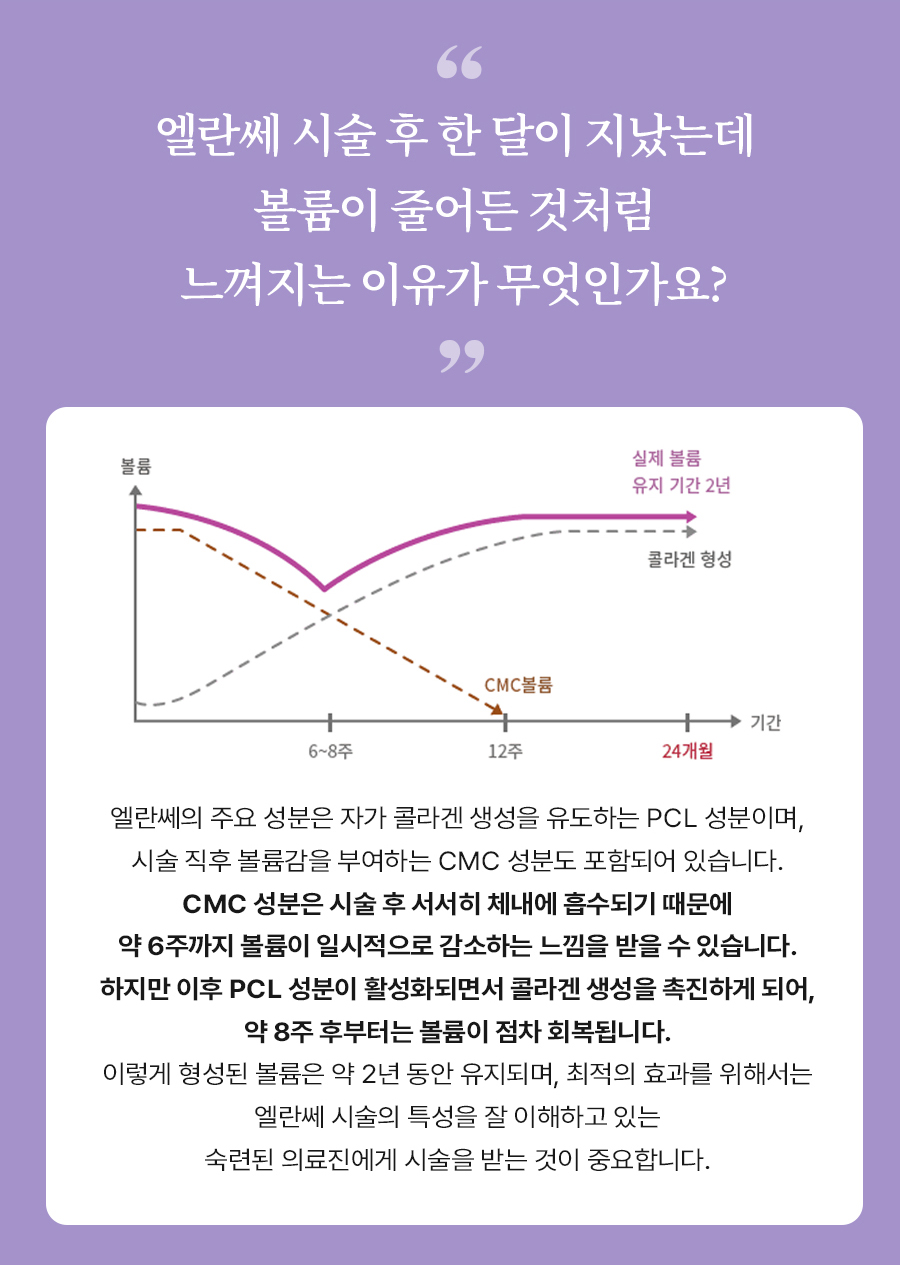
The carrier gel provides an immediate filling effect when injected, so you can see some change right away. Over the following months, your body gradually absorbs this gel while the PCL microspheres remain and stimulate your fibroblasts to produce new collagen around them.
This new collagen forms a kind of scaffold in the treated area. As a result, the volume and support can feel more integrated with your own tissue, and the improvement often looks gradual and natural rather than suddenly “full” and then quickly fading.
Ellanse is classified as a long-lasting facial filler, with different versions designed to last for different time frames. Depending on the specific product, treated area, injection depth, and individual factors, the effect may persist for roughly one to several years.
How Ellanse filler works in the skin
The key component of Ellanse is polycaprolactone (PCL), a biodegradable polymer used in some medical applications. In Ellanse, PCL is formed into smooth microspheres of a specific size and shape intended to be well tolerated; consult product literature for full technical and safety details.
After injection, the carrier gel gives instant volume. Over time, your body slowly breaks down this gel, while the PCL microspheres remain and trigger a controlled collagen response. Collagen fibers then form around each microsphere, gradually replacing the space that the gel occupied.

As the months pass, the PCL itself also biodegrades, leaving behind your own collagen network. This process is why Ellanse is called a collagen-stimulating filler and why its effect can outlast many standard fillers.
Typical areas and indications for Ellanse
Ellanse filler is usually chosen for structural support and contouring rather than for very fine, superficial lines. Common treatment areas include:
- Midface and cheeks
- To restore cheek volume that has flattened with age
- To lift and support the midface, which can soften nasolabial folds indirectly
- Nasolabial folds and marionette lines
- To reduce the depth of folds running from the nose to the mouth corners
- To support the area around the mouth and chin that can look saggy or tired

Chin and jawline
To improve chin projection and definition
To create a smoother jawline and reduce the appearance of jowls when combined with lifting treatments
- Temples and upper face
- To fill temple hollowing that can make the face appear older or more skeletal
- To support the outer brow area as part of an overall anti-aging plan
Overall structural support
To reinforce key facial support points that help maintain a youthful contour
To complement thread lifting or ultrasound lifting by adding internal volume and scaffolding
Ellanse is usually recommended for people who want long-lasting structural improvement and are comfortable with a semi-permanent effect, rather than those who like to change their look frequently or prefer very subtle, short-term changes.
Ellanse filler vs hyaluronic acid fillers
Ellanse and hyaluronic acid (HA) fillers are both injectable options for facial volume and anti-aging, but they behave differently.

Material and mechanism
Hyaluronic acid fillers are gels made of HA, a sugar molecule that attracts water and provides volume. They mainly work by filling space and drawing in moisture.
Ellanse is a PCL-based collagen stimulator. It gives initial volume from the carrier gel, then works by encouraging your own collagen production over time.
Longevity
Many HA fillers last around 6 to 18 months depending on the product, area, and individual metabolism.
Ellanse is marketed as a longer‑lasting, collagen‑stimulating filler; some formulations are intended to provide effects that may persist longer than many HA fillers. Actual duration varies by product formulation, treated area, injection technique, and individual patient factors.
Reversibility
HA fillers can usually be dissolved with an enzyme called hyaluronidase if there is an issue such as overfilling or a vascular complication.
Water attraction and swelling
HA fillers attract water, which can be helpful for some areas but may cause puffiness in others, especially under the eyes.
Ellanse does not attract water in the same way, so it is often chosen for structural support in areas where a more defined contour is desired.
Best uses
HA fillers are often preferred for very fine lines, lips, tear troughs, and areas where reversibility is a priority.
Ellanse is generally favored for midface volume, cheeks, temples, chin, jawline, and deeper folds where long-lasting support is desired.

Longevity and types of Ellanse
Ellanse is produced in several versions designed to last for different durations. While exact brand names and labels may vary by region and over time, the concept is that:
Shorter-duration versions may last around 1 to 2 years in many patients.
Longer-duration versions may last up to several years in some individuals.
However, these are general ranges, not guarantees. Actual longevity depends on:
Treated area: Areas with more movement, such as around the mouth, may see faster softening of the effect than more static areas like the temples.
Injection depth and technique: Deeper, structural placement can behave differently from more superficial injections.
Individual metabolism and lifestyle: Smoking, intense exercise, weight changes, and overall health can influence how your body processes fillers and collagen.
Because Ellanse can last a long time, experienced injectors often prefer a conservative, stepwise approach. Instead of placing a very large volume in a single session, they may recommend staged treatments to fine-tune the result and reduce the risk of overcorrection.

Expertise and safety with Ellanse in Gangnam
Ellanse filler requires a detailed understanding of facial anatomy, injection planes, and how collagen‑stimulating fillers behave over time. Some clinics describe themselves as focusing on cellular or regenerative approaches—verify any claims about in‑house research facilities or advanced laboratory work and ask for published evidence or accreditation during consultation.
Some clinics in Gangnam report clinicians experienced with Ellanse and thread lifting. When considering a clinic or injector, ask to confirm individual credentials, documented training, and any relevant publications or conference participation as part of your consultation.
This kind of experience is particularly important because Ellanse cannot be dissolved with hyaluronidase. Careful patient selection, injection planning, and complication management protocols are essential. Clinics with a broad portfolio of lifting devices, imaging tools, and skin-regeneration treatments can also integrate Ellanse into a comprehensive anti-aging plan rather than using it as a one-time, isolated procedure.
Who may consider Ellanse filler
Ellanse filler may be considered by:
Adults usually in their 30s to 60s who notice volume loss in the cheeks, temples, or midface and want a more lifted, structured look.
People with early sagging or deepening folds who want longer-lasting support than many standard fillers provide.
Patients who prefer a gradual, natural-looking improvement rather than a very sudden change.
Those who already have experience with fillers and are ready to move to a semi-permanent option after discussing the pros and cons.

Ellanse may not be suitable, or may require extra caution, in the following situations:
History of severe allergies or hypersensitivity reactions to injectable materials.
Active skin infection or inflammation in the planned treatment area.
Certain autoimmune or connective tissue diseases, where immune responses may be unpredictable.
Known tendency to form keloids or hypertrophic scars.
Pregnancy or breastfeeding, where elective aesthetic procedures are generally postponed.
A thorough medical consultation is necessary to decide whether Ellanse is appropriate for you. Your doctor will review your medical history, current medications, previous filler or thread treatments, and any history of complications.
Treatment overview: from consultation to injection
A typical Ellanse filler journey in a Gangnam clinic often follows these steps.
Initial online consultation
You share photos and your main concerns.
The clinic team asks about your age, medical history, previous aesthetic treatments, and whether you have any known allergies or autoimmune conditions.
You discuss whether you are more interested in short-term or long-lasting fillers, and if you are comfortable with a semi-permanent option.

In-clinic assessment
When you arrive in Seoul, you undergo a detailed facial analysis.
The doctor examines your bone structure, fat pads, skin thickness, and areas of volume loss.
Some clinics use imaging tools, such as 3D or multi-angle photography, to document your baseline and help plan treatment.
The doctor explains which areas are suitable for Ellanse and which may be better for hyaluronic acid or other treatments.
Treatment planning
You and the doctor agree on priority areas: for example, midface and temples in the first session, jawline in a later visit.
The type and expected duration of Ellanse are chosen based on your goals and how long you plan to stay in Korea.
Conservative dosing is usually recommended, especially for first-time Ellanse patients.
Injection procedure
The skin is cleansed thoroughly, and topical numbing cream or local anesthesia is applied.
The doctor may use a combination of needles and blunt cannulas, depending on the area and depth required.
Ellanse is injected into specific planes to provide structural support while minimizing the risk of visible lumps.
The doctor gently molds and shapes the area immediately after injection to ensure a smooth contour.
Immediate aftercare
You receive instructions on how to care for the treated area during the first days.
Photos may be taken after the procedure for your medical record.
A follow-up visit is often scheduled within a few days to a couple of weeks, especially for overseas patients.
Combination treatments with Ellanse
Because Ellanse focuses on volume and structure, it is often combined with other modalities for a more complete anti-aging approach.
Energy-based lifting
Ultrasound lifting or radiofrequency devices can tighten deeper tissues and skin, while Ellanse adds internal volume and support.
These may be done before or after Ellanse, depending on the plan and your travel schedule.
Other fillers
Hyaluronic acid fillers may be used for areas where Ellanse is not ideal, such as very fine lines, lips, or tear troughs.
This allows each product to be used where it performs best.
Skin regeneration treatments
Clinics with cell-focused labs may offer exosome-based injections, RF microneedling, or laser platforms to improve skin texture, pores, and pigmentation.
Ellanse then supports the deeper structure while these treatments refine the surface.
Advantages of Ellanse filler
When used appropriately, Ellanse offers several potential advantages:
Gradual, natural-looking improvement
The initial volume is visible right away, but the full effect appears gradually as collagen builds over several months.
This can look more like natural rejuvenation rather than a sudden change.
Longer-lasting results
Compared with many HA fillers, Ellanse can last significantly longer, depending on the version and individual factors.
This may reduce the frequency of touch-up sessions.

Structural support and firmness
By stimulating collagen, Ellanse can improve the firmness and elasticity of the tissue around the treated area.
This structural support can complement lifting procedures and help maintain facial contours.
Integration into a long-term plan
Because of its longevity, Ellanse can be part of a multi-year anti-aging strategy that also includes lifting, skin quality treatments, and lifestyle management.
Risks and limitations of Ellanse
All injectable treatments carry risks, and Ellanse is no exception. A safety-focused, realistic discussion is essential.
Common temporary side effects
Redness, swelling, and mild bruising at injection sites.
Tenderness or a feeling of tightness in the treated area.
Mild asymmetry or unevenness in the first days as swelling settles.

Less common but more serious complications
Vascular occlusion, where filler enters or compresses a blood vessel, potentially affecting skin or, rarely, vision.
Nodules or lumps, which may be due to superficial placement, local inflammation, or uneven collagen response.
Granulomas or delayed inflammatory reactions, which can occur months after treatment.
Overcorrection or unnatural contour if too much product is used or placed incorrectly.
Key limitation: no easy reversal
Unlike HA fillers, Ellanse cannot be dissolved with hyaluronidase.
If there is an issue, management relies on massage, medication, and time, which is why precise technique and conservative dosing are critical.
Patient selection and precautions
Patients with autoimmune conditions, active infection, or strong keloid tendency require careful evaluation.
Realistic expectations are important: Ellanse improves volume and support but does not replace surgery for very advanced sagging.
Aftercare and recovery for Ellanse in Korea
Most people can return to light daily activities soon after Ellanse injection, but some care is recommended, especially for travelers.
First 24 to 48 hours
Avoid heavy exercise, hot saunas, and alcohol, which can increase swelling and bruising.
Try not to press, massage, or sleep directly on the treated areas.
Use cool compresses gently if recommended by your doctor.

First week
Mild swelling or bruising can persist for several days.
Avoid facial massages or strong facial treatments unless your doctor approves.
If you wear glasses or masks that press on the treated area, ask your doctor how to adjust them temporarily.
When to seek urgent help
Sudden, severe pain in the treated area.
Skin color changes to pale, dusky, or blotchy patterns.
Visual changes such as blurring or loss of vision.
Rapid, intense swelling or signs of infection such as fever and spreading redness.
Follow-up schedule
Many clinics suggest a follow-up within 7 to 14 days, especially for overseas visitors.
Longer-term follow-up at 3 to 6 months can assess collagen response and decide whether staged additional treatment is appropriate.
Preparing for Ellanse as an overseas patient
Before you travel to Seoul for Ellanse filler, some preparation can make your visit smoother.
Online consultation and information sharing
Send clear, well-lit photos from the front and both sides, including relaxed and smiling expressions.
Prepare a list of previous aesthetic procedures, including fillers, threads, and energy-based treatments, with approximate dates and products if known.
Share your medical history, including medications, allergies, and any autoimmune or bleeding disorders.
Explain your main concerns and whether your priority is looking younger, more lifted, or more defined.

Questions to ask before booking
Which areas do you recommend Ellanse for in my case, and which areas would you treat with other fillers or devices?
Which version or expected duration of Ellanse do you plan to use, and why?
What is your approach to conservative dosing and staged treatment, especially for first-time Ellanse patients?
How do you handle complications, and what support is available if I experience an issue after I return home?
Expected Korea visit timeline
For many international patients, a typical schedule might look like this:
Day 1: Arrival and consultation
In-person consultation, examination, and imaging.
Discussion of options, risks, and expected course.
If both you and the doctor agree, Ellanse injection may be done the same day.
Day 2 to 3: Early recovery
Mild swelling or bruising may be present.
Light sightseeing or work is usually possible if you feel comfortable.
Follow-up check may be scheduled, especially if multiple areas were treated.
Day 4 to 7: Settling period
Swelling typically continues to improve.
Most patients feel comfortable flying home during this period, depending on their overall health and travel plans.
Weeks to months after
The initial effect is visible immediately, but collagen stimulation continues for several months.
You may notice a gradual improvement in contour and firmness over time.
Your home doctor or the Seoul clinic (via online follow-up) can review your progress and discuss any future steps.

Frequently asked questions about Ellanse filler
Who is a good candidate for Ellanse filler?
Ellanse filler is often suitable for adults who have noticeable volume loss in the cheeks, temples, or lower face and want a longer-lasting solution. It can be a good option if you prefer gradual, natural-looking improvement and are comfortable with a semi-permanent filler that cannot be easily dissolved. People with realistic expectations, stable health, and a willingness to follow aftercare instructions tend to do well. However, final candidacy must be confirmed in a face-to-face medical consultation.
How long does it take to see results, and how do they change over time?
You will see some change immediately after Ellanse injection because of the carrier gel. Over the next few weeks, initial swelling settles, and the early result becomes clearer. In the following months, collagen production increases around the PCL microspheres, so many patients notice a gradual enhancement in volume and firmness. The effect can remain relatively stable for a significant period before slowly softening as the material and collagen remodel over time.
Is Ellanse filler safe, and what happens if I do not like the result?
Ellanse has been used internationally for many years, and when injected by experienced doctors with proper technique, many patients tolerate it well. However, like all fillers, it carries risks, including bruising, swelling, nodules, and rare but serious complications such as vascular issues. Because Ellanse cannot be dissolved with hyaluronidase, it is very important to choose an injector who uses conservative dosing and careful planning. If you are unsure about a major change or are completely new to fillers, your doctor may suggest starting with hyaluronic acid fillers or a smaller Ellanse treatment first.
Can Ellanse be combined with thread lifting, ultrasound lifting, or exosome injections?

Yes, Ellanse is often used as part of a combined anti-aging plan. Thread lifting or ultrasound lifting can help reposition and tighten tissues, while Ellanse provides internal volume and structural support. Exosome injections, RF microneedling, or laser treatments can target skin texture and quality. The exact sequence and timing depend on your skin condition, schedule, and how long you will stay in Korea. Your doctor will design a step-by-step plan to avoid overloading the skin and to allow proper healing between procedures.
How is the cost of Ellanse filler usually structured?
Clinics typically structure Ellanse costs by the number of syringes used and sometimes by treatment area or complexity. Longer-duration versions and advanced injection techniques may influence the overall fee. Because each face requires a different volume and plan, detailed pricing is usually provided after an in-person or online assessment. When comparing clinics, it is important to consider not only the price but also the injector’s experience, safety protocols, and the availability of follow-up care.
Is Ellanse suitable for first-time filler patients, or better for those with prior filler experience?
Ellanse can be used in first-time patients, but many doctors prefer that patients have some experience with shorter-lasting fillers first. Trying hyaluronic acid fillers can help you understand how added volume changes your appearance and what style of contour you like, with the reassurance that HA can be dissolved if needed. Once you know your preferences and are comfortable with the idea of a longer-lasting result, Ellanse may be discussed as part of a more stable, long-term plan.
How do I choose between Ellanse and hyaluronic acid fillers if I am in my 30s to 50s with early sagging and volume loss?

In your 30s to 50s, the choice often depends on how much change you want, which areas you wish to treat, and how you feel about reversibility. If you prefer flexibility, are new to fillers, or want to treat very mobile or delicate areas like lips or tear troughs, hyaluronic acid fillers may be recommended. If you have clear midface or temple volume loss and are ready for a longer-lasting, structural solution with a gradual effect, Ellanse may be appropriate. Many patients use a combination: Ellanse for deeper support in selected areas and HA fillers for fine-tuning and detail.
Soft call to action
If you are considering Ellanse filler in Seoul and would like a structured, medically grounded plan rather than a one-time injection, you can start with an online consultation. Share your photos, concerns, and medical history so the team can assess whether Ellanse, other fillers, or a combination of lifting and skin-regeneration treatments would best match your goals and travel schedule. A careful, step-by-step approach can help you make informed decisions and integrate Ellanse into a long-term anti-aging strategy that fits your lifestyle.

댓글
댓글 쓰기