Female Hair Loss Treatment in Cheongdam Gangnam: Medical Care and Autologous Exosome Scalp Anti‑Aging
- 공유 링크 만들기
- X
- 이메일
- 기타 앱
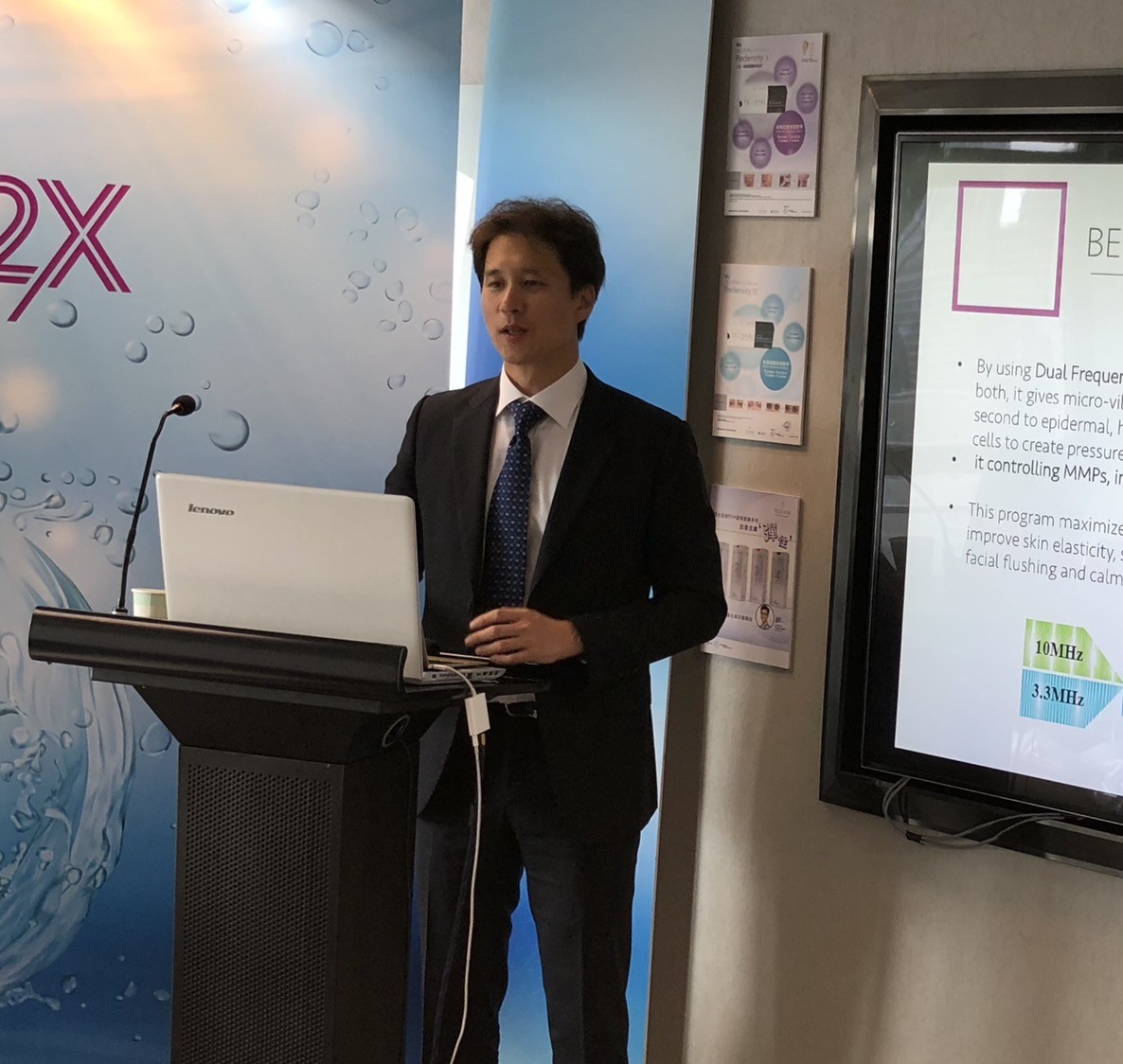
If you are a woman noticing a wider part line, more scalp showing in photos, or a thinner ponytail, you are not alone. Female hair loss is common and can be medically evaluated and treated. In Cheongdam, Gangnam, near Apgujeong Rodeo Station, The aim is to slow progression, support existing follicles, and improve hair density and quality over time.
This guide explains how female hair loss differs from male hair loss, what to expect from diagnosis, which treatments are usually considered, and how a cell‑based autologous exosome program fits into a broader scalp anti‑aging approach for international patients visiting Korea.
How female hair loss is different
Female pattern hair loss usually looks different from the typical male pattern baldness. Instead of a receding hairline or a clearly bald spot, women often notice a general thinning on the crown, a part line that slowly becomes wider, or a ponytail that feels much thinner than before. The frontal hairline often stays relatively intact, so it can be easy to miss the early stages.
Many women first notice the problem when it becomes difficult to style their hair as usual, or when the scalp starts to show through in bright light or in photos. Because the change is gradual, it is common to underestimate it or to blame it on stress or a bad haircut. By the time it feels obvious, a significant number of follicles may already be miniaturized.
Female hair loss is also more strongly influenced by hormonal changes than many people realize. Pregnancy, postpartum months, perimenopause and menopause, starting or stopping oral contraceptives, and other hormonal treatments can all affect hair density and shedding patterns. In addition, chronic stress, crash dieting, and nutritional deficiencies can trigger or worsen diffuse shedding.
Common causes and overlapping conditions
In women, thinning hair is often the result of more than one factor. Some of the most frequent contributors include genetic predisposition, hormonal shifts, chronic stress, rapid weight loss, low iron or ferritin, low vitamin D, thyroid disease, certain medications, and scalp inflammation such as seborrheic dermatitis.
Female pattern hair loss can overlap with other hair disorders. Telogen effluvium causes sudden, diffuse shedding after a trigger such as childbirth, severe illness, surgery, or intense stress. Alopecia areata causes patchy hair loss due to autoimmune attack on follicles. Some scarring alopecias cause permanent damage to follicles and must be recognized early.
Because these conditions can look similar in the mirror, self‑diagnosis is risky. A pattern that seems like simple female pattern hair loss may actually require a different management plan. This is why a structured medical evaluation is important before starting treatment.
Medical diagnosis process in Cheongdam
At a premium anti‑aging and dermatology‑focused clinic in Cheongdam, the first visit for female hair loss is designed to understand both your hair and your overall health.
Initial consultation
The consultation usually starts with a detailed interview. You can expect questions about when you first noticed thinning, how quickly it has progressed, and whether close relatives have hair loss. Your menstrual history, menopause status, pregnancy and childbirth history, diet, weight changes, medications, and stress level are also discussed.
This information helps the doctor distinguish between chronic female pattern hair loss, temporary shedding, and more complex combined patterns. For international patients, it is helpful to bring a list of medications and supplements you are currently taking, as well as any recent lab results.
Scalp and hair examination
Next, the scalp and hair are examined directly and often with magnified imaging or a dermatoscope. The doctor looks at hair shaft thickness, the presence of miniaturized hairs, overall hair density, and the condition of the scalp surface. Signs of seborrhea, dandruff, redness, or follicular inflammation are noted, because these can affect both hair shedding and comfort.
High‑resolution scalp images are often taken and stored, so future visits can compare density and thickness over time. This objective follow‑up is especially helpful for patients traveling from overseas who want to see whether a program is working.
Blood tests and additional assessment
Depending on your history and symptoms, blood tests may be recommended. Common panels include iron and ferritin, vitamin D, thyroid function, and sometimes sex hormone levels. These tests help identify correctable factors such as iron deficiency or thyroid imbalance.
The final step is classification of the hair loss type and stage. Instead of a one‑size‑fits‑all approach, the clinic uses this information to design an individualized plan that considers your pattern, severity, age, hormonal status, and lifestyle.
Treatment options overview
Most female hair loss programs combine several approaches. The goal is to protect existing follicles, improve the scalp environment, and support thicker, healthier hair growth where follicles are still present.
Topical therapies
Topical medical solutions, such as minoxidil and other scalp‑applied agents, are often a first‑line option. These products are used to prolong the growth phase of hair and to support miniaturized follicles. They are usually applied once or twice daily to the scalp, not the hair shafts.
In a Cheongdam clinic setting, your doctor may recommend specific formulations or compounded solutions based on your scalp sensitivity and pattern. For international patients, it is important to discuss how to continue topical therapy once you return home, including how to refill prescriptions or obtain similar products locally.
Oral medications and supplements
In some cases, oral medications with anti‑androgenic effects or other mechanisms may be considered, especially when hormonal influence is suspected. These are prescribed only after evaluating your medical history, blood pressure, potential pregnancy, and other contraindications.
Nutritional supplements may be added when there is evidence of deficiency or borderline levels. These can include iron, vitamin D, or other micronutrients important for hair growth. However, supplements are not a replacement for proper diagnosis and medical treatment.
Scalp care and anti‑inflammatory management
A healthy scalp is essential for healthy hair. If you have seborrheic dermatitis, dandruff, or signs of inflammation, targeted scalp treatments are often included. These might involve medicated shampoos, soothing solutions, or in‑clinic scalp cleansing and calming procedures.
The aim is to reduce irritation, control excess sebum, and support the scalp barrier so that follicles are not constantly exposed to micro‑inflammation. For many women, improving scalp comfort also makes it easier to maintain topical medications consistently.
Lifestyle and hair care guidance
Lifestyle factors can either support or undermine your treatment. During consultation, you may receive guidance on adequate protein intake, balanced nutrition, and avoiding extreme dieting. Stress management is also important, as chronic stress can push more hairs into the shedding phase.
Hair care habits are reviewed as well. Frequent bleaching, tight hairstyles, high‑heat styling, and harsh chemical treatments can all contribute to breakage and perceived thinning. Adjusting these habits can protect the hair you have while medical treatments work on the follicles.
Autologous exosome hair program and cell-based approach
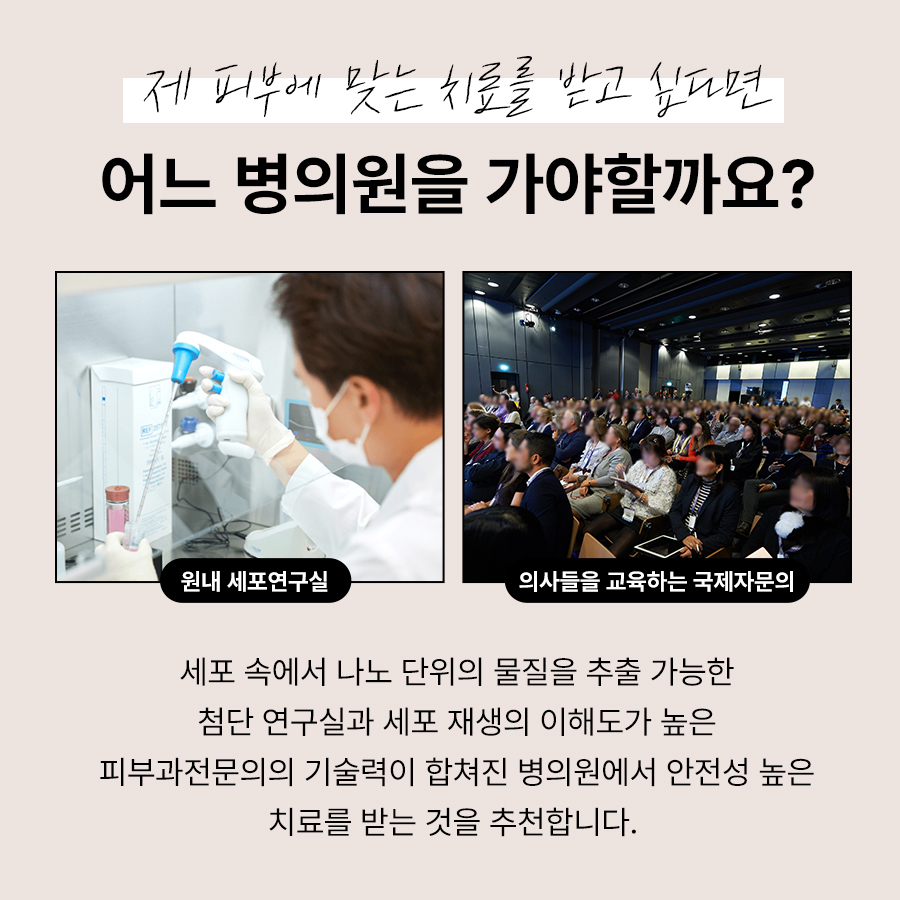
The clinic describes its female hair‑loss program as a non‑surgical, cell‑based approach intended to support scalp and follicle health rather than act solely as a cosmetic cover‑up. The description emphasizes goals such as improving follicle environment and scalp condition; patients should ask the clinic for specific procedural details, expected timelines, and evidence supporting claimed outcomes.
What exosomes are in simple terms
Exosomes are tiny vesicles naturally released by cells. They carry growth factors and signaling molecules that cells use to communicate with each other. In regenerative medicine, exosomes are studied for their potential to support tissue repair, reduce inflammation, and modulate the local environment around cells.
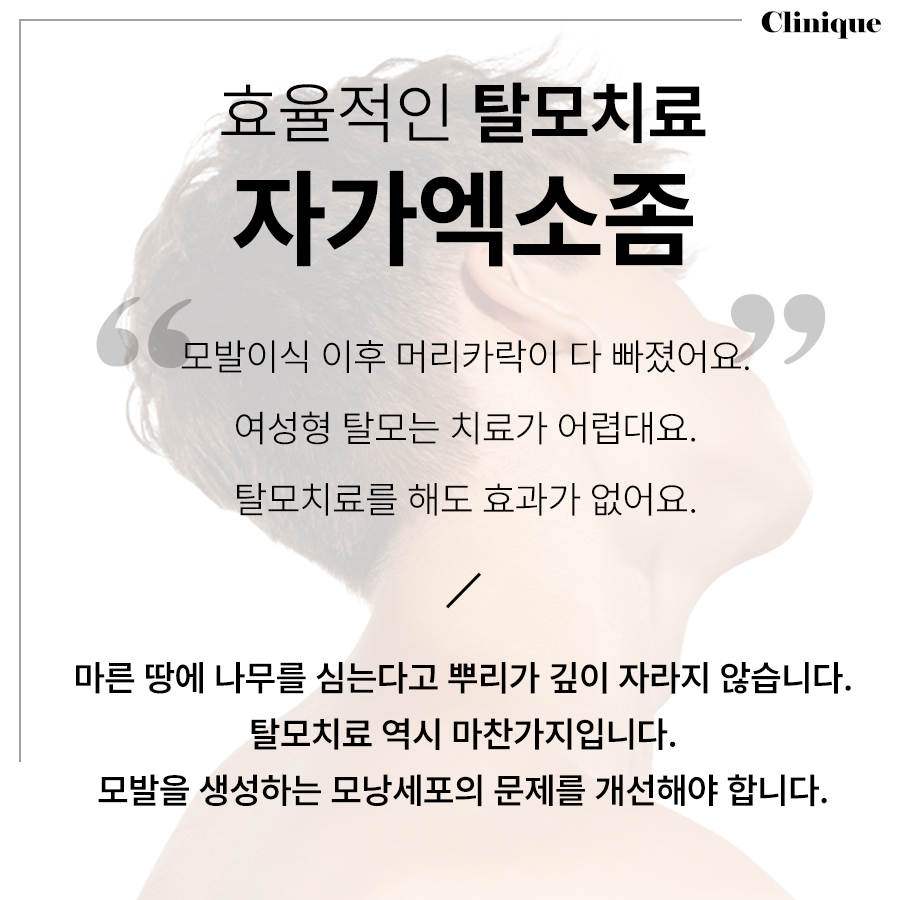
In this clinic’s program, the clinic states that exosomes are prepared from the patient’s own cells, following an autologous principle. According to the clinic, this means the material used for treatment originates from the patient's body rather than a donor source and is consistent with their broader philosophy of non‑cultured, self‑cell treatments. Patients should be aware that autologous cell‑ and exosome‑based therapies are considered experimental in many places; ask the clinic to provide documentation on protocols, quality and sterility measures, and local regulatory status before proceeding.
How autologous exosome scalp treatment works
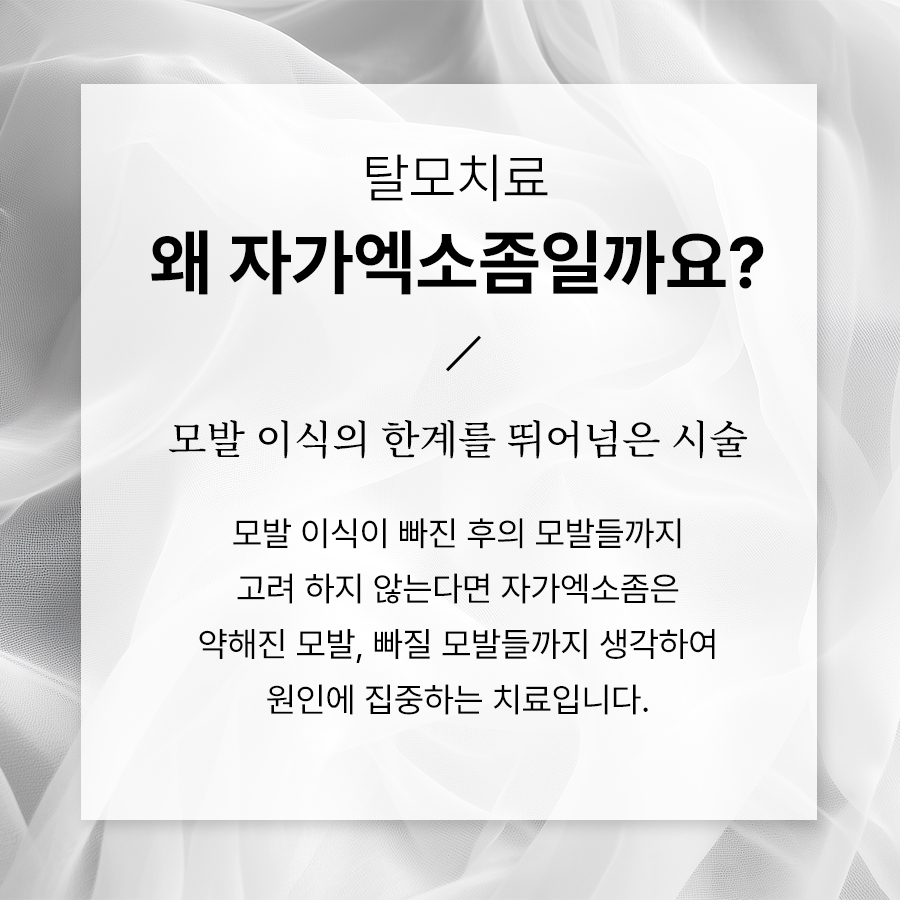
For female hair loss, the clinic says it offers a non‑surgical hair program that incorporates autologous exosomes. Prospective patients should note that clinical evidence for exosome therapies in hair loss is limited and regulatory oversight varies by region; request written information on processing methods, sterility, and any approvals or restrictions prior to treatment.
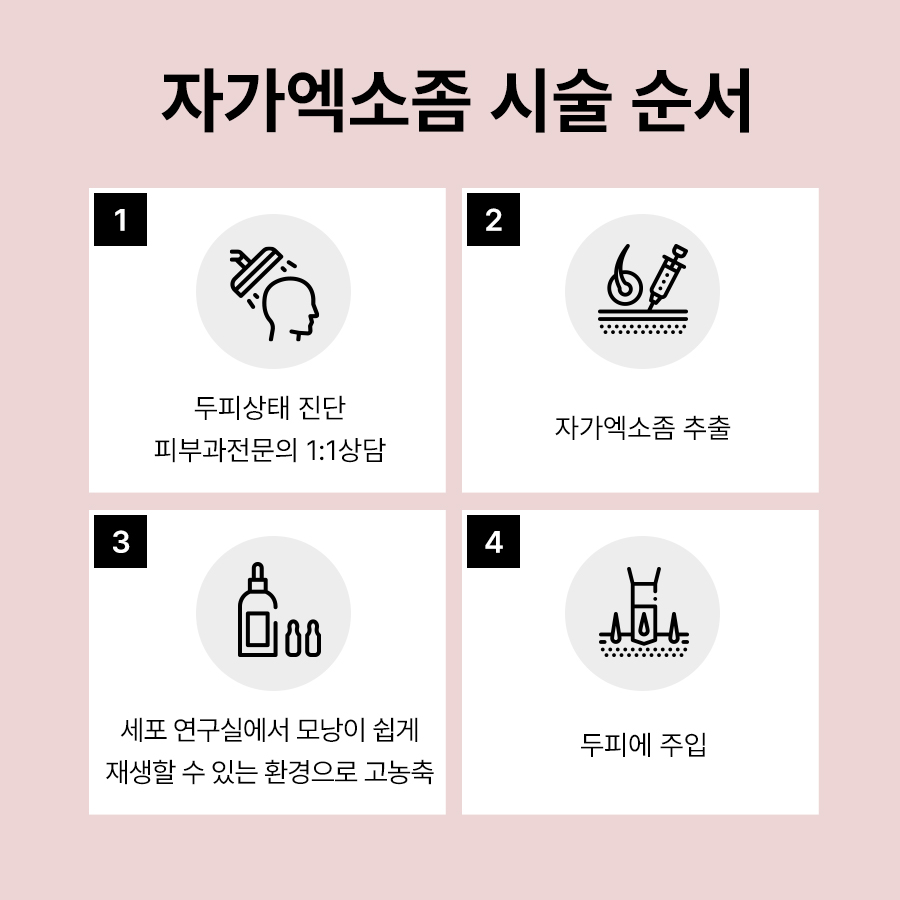
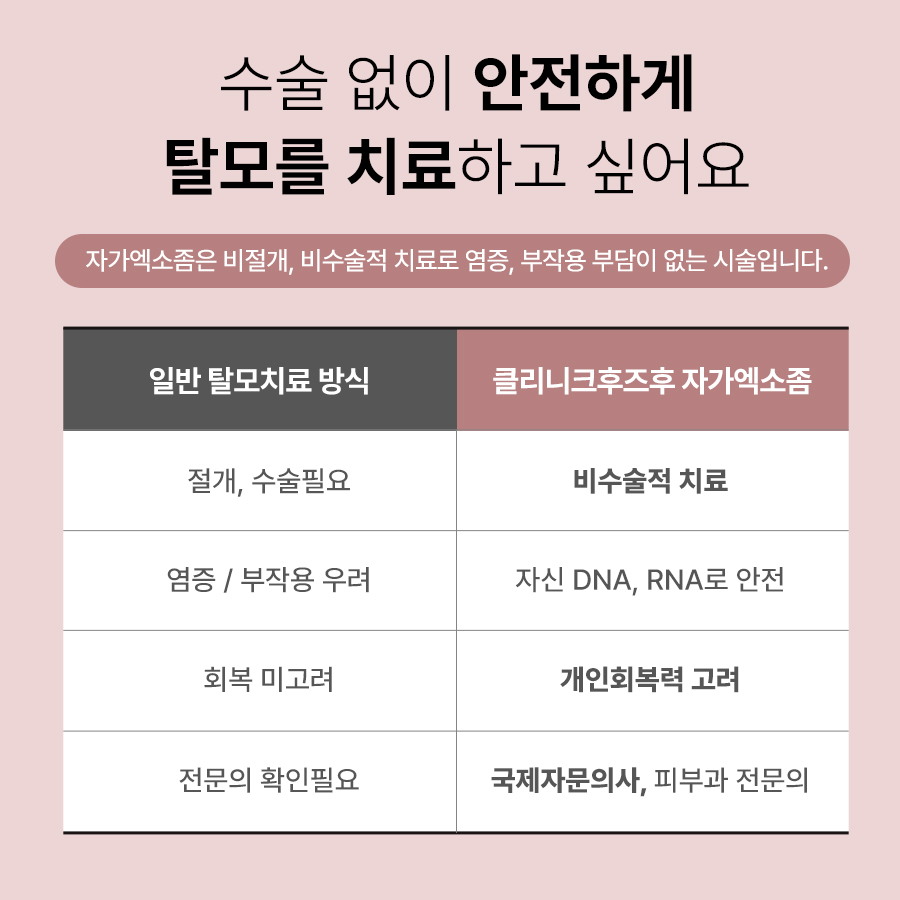
During each session, very fine micro‑injections deliver the exosome solution into the scalp, targeting the areas of thinning. A numbing cream or local anesthesia is usually applied beforehand to keep discomfort minimal. The process is typically done in an outpatient setting and does not require hospital admission.
Using a patient’s own cells may reduce some risk of immune rejection, but it does not eliminate other potential risks such as infection, contamination, procedural complications, or unpredictable responses. Evidence for exosome treatments in hair loss is still emerging; discuss known risks, benefits, and available alternatives with a qualified clinician.
Integration with cell‑based anti‑aging expertise
These are the clinic's reported claims; ask for verifiable documentation (for example, published data, certifications, or outcome records) if you require evidence of safety and effectiveness for scalp indications.
Protocols for female hair loss are developed with this background in mind. Rather than treating the scalp as separate from the rest of the body, the program views it as another area where aging and inflammation can be addressed at the cellular communication level.
Comprehensive scalp anti‑aging concept
Female hair loss treatment is framed as part of a broader scalp anti‑aging strategy. This includes improving microcirculation to the follicles, reducing chronic inflammation, and supporting the stem cell niches that help maintain hair growth over time.
In some cases, the autologous exosome program may be combined with other non‑invasive technologies commonly used in skin regeneration, such as energy‑based devices that gently stimulate tissue. The exact combination is tailored to your scalp condition and sensitivity, and is discussed during consultation.
Who may consider this program
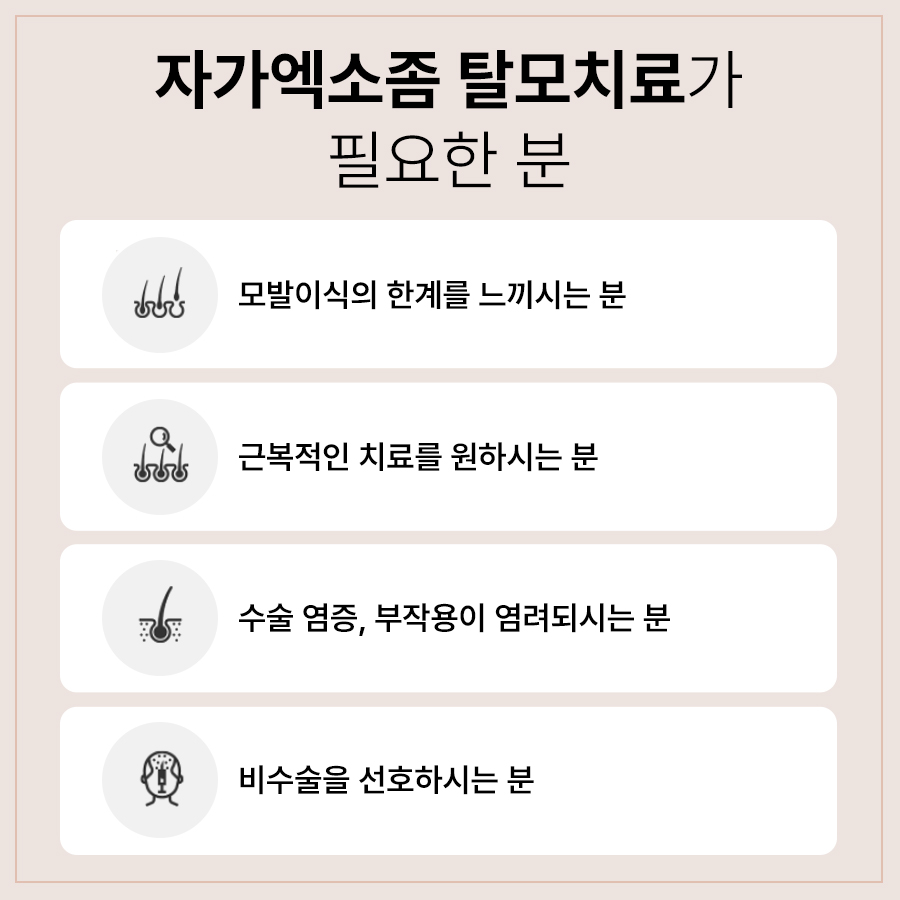
Women with early to moderate female pattern hair loss are often good candidates for a scalp anti‑aging program that includes autologous exosomes. This includes women who notice a widening part, thinning at the crown, or reduced ponytail volume but still have visible hair coverage.
Women experiencing diffuse shedding after childbirth or severe stress may also be considered once serious medical causes are ruled out. In these cases, the focus is on stabilizing shedding, supporting recovery, and preventing transition to chronic thinning.
Not every patient is a candidate for every medication or procedure. Pregnancy, breastfeeding, certain systemic diseases, and specific medications can limit what is appropriate. During consultation, the doctor will explain which options are suitable for your situation and which should be postponed.
Treatment process and expected Korea visit timeline
For overseas patients, planning the visit is an important part of treatment success. A typical process can be divided into four steps.
Step 1: Online consultation and pre‑visit preparation
Before traveling, you can arrange an online consultation. It is helpful to prepare the following:
Recent photos of your scalp and hair from the front, sides, top, and back, taken in good lighting.
A list of your current medications, supplements, and any known allergies.
Information about your menstrual status, pregnancies, and any hormonal treatments.
Any recent blood test results, especially for thyroid, iron, and vitamin D, if available.
During the online consultation, you can discuss your concerns, medical history, and expectations. The clinic can then suggest a preliminary plan and advise how long you should stay in Seoul for the first round of treatment.
Step 2: First in‑clinic visit in Cheongdam
Once in Seoul, your first in‑clinic visit will usually include a detailed interview, scalp imaging, and a physical examination. If needed, local blood tests can be arranged. Based on this, your diagnosis is confirmed and your personalized treatment plan is finalized.
For many patients, the first exosome scalp session or other in‑clinic procedures can be scheduled within the same week, depending on lab preparation time and your travel schedule.
Step 3: In‑clinic procedures and session intervals
Autologous exosome sessions are typically performed at intervals, such as every few weeks. International patients often plan an initial cluster of sessions during a longer stay, then return for follow‑up sessions on later trips, or coordinate with other visits to Korea.
Each session usually takes a short time once you are in the treatment room. Mild redness or scalp sensitivity on the day of treatment is common but usually settles within a short period. Most patients can return to light daily activities the same or next day, avoiding intense exercise or harsh scalp treatments for a brief time as advised.
Step 4: Home care and long‑term follow‑up
Between visits to Korea, home care is essential. This includes consistent use of prescribed topical agents, appropriate shampoos or scalp solutions, and any recommended supplements.
The clinic may ask you to send updated scalp photos or attend periodic online follow‑ups. When you return to Seoul, repeat scalp imaging can objectively compare hair density and thickness, and your plan can be adjusted based on your response.
Aftercare and realistic expectations
Hair growth cycles are slow. Even with an intensive program, visible changes in density and volume usually take several months. The main early goals are to stabilize shedding, improve scalp comfort, and support thicker regrowth over time.
Hair follicles that are completely lost cannot be fully restored. The realistic aim is to preserve and strengthen existing follicles, improve hair shaft thickness where miniaturization is present, and slow further progression. Some patients notice improved texture and styling ease before they see clear density changes.
Maintenance is often necessary. Just as skin anti‑aging requires ongoing care, scalp anti‑aging and female hair loss management work best when you continue with a long‑term plan. Your doctor will explain which elements are short‑term and which are recommended for maintenance.
Safety considerations
Autologous approaches, which use material derived from your own cells, are designed to minimize the risk of allergy or rejection. However, any medical procedure can have side effects, such as temporary redness, swelling, or discomfort at injection sites.
Medications for hair loss also have potential side effects and contraindications. This is why a thorough history and, when appropriate, blood tests are important before starting treatment. If you are pregnant, planning pregnancy, or breastfeeding, many medications and procedures are limited, and the focus shifts to diagnosis, gentle scalp care, and postponing certain treatments.
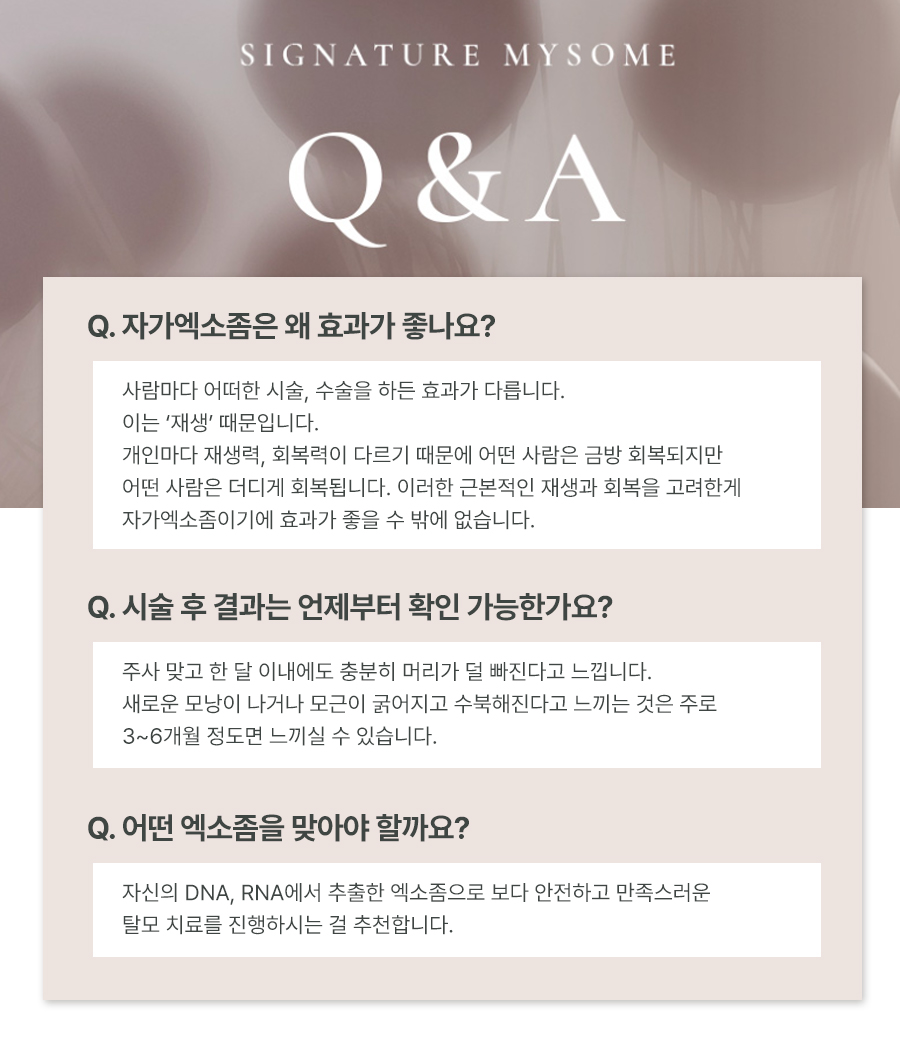
Choosing a clinic in Gangnam/Cheongdam
Cheongdam in Gangnam is known for its concentration of premium medical and anti‑aging clinics.
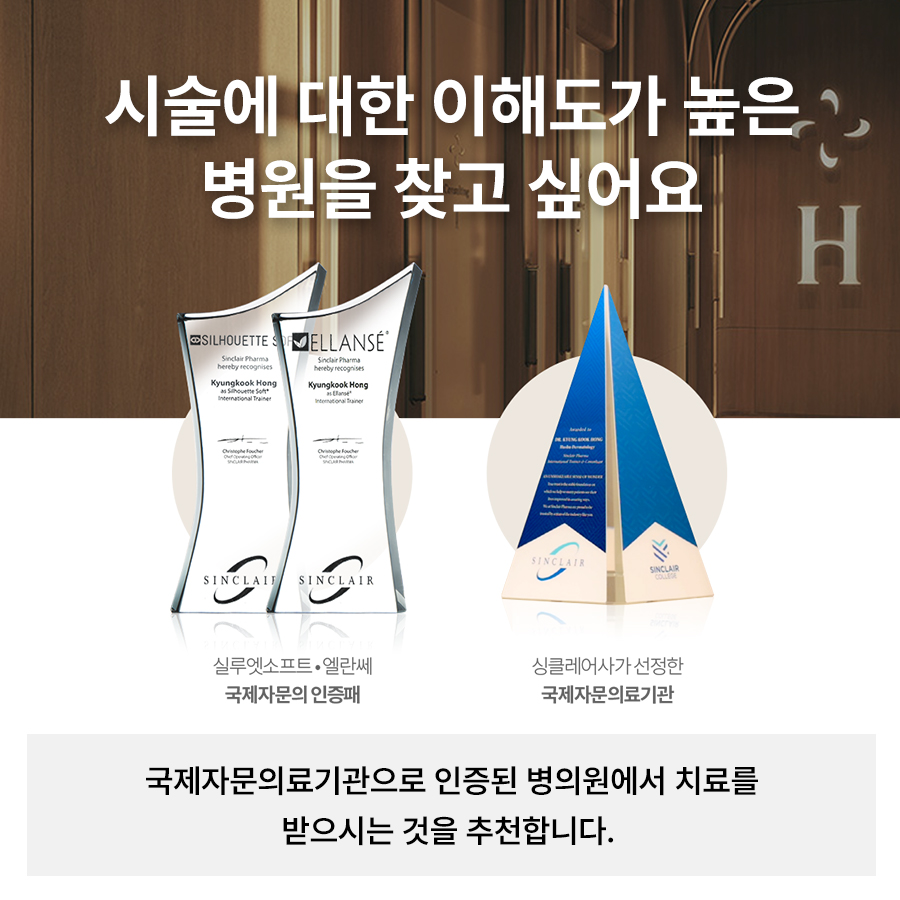
Extended weekday hours and Saturday availability can be helpful if you are balancing work, childcare, or a tight travel schedule. When comparing clinics, consider not only the cost but also the depth of experience with hair and scalp disorders, the availability of scalp imaging and objective follow‑up, and whether the clinic offers cell‑based programs such as autologous exosome treatments supported by an in‑house cell research lab.
Before your first appointment, it can be useful to prepare a list of questions, such as:
Which type of hair loss do I have, and how advanced is it?
Which parts of my plan can I continue at home, and which require visits to Korea?
How will we monitor progress over time?
What are the possible side effects or limitations of each recommended treatment?
FAQ about female hair loss treatment in Seoul
When should women start treatment for hair loss?
Women should consider medical evaluation as soon as they notice persistent thinning, a widening part, or a clear change in ponytail volume that lasts more than a few months. Early stages of female pattern hair loss respond better to treatment because more follicles are still present and only miniaturized, not lost. Starting early also helps rule out reversible causes such as iron deficiency or thyroid problems.
Is female hair loss reversible?
Some causes of female hair loss, such as telogen effluvium after childbirth or severe stress, can improve significantly once the trigger is addressed. Female pattern hair loss, which is more chronic and genetic, is usually managed rather than fully reversed. Treatments aim to slow progression, support thicker regrowth from existing follicles, and improve overall density and hair quality. Results vary from person to person, and ongoing care is often needed.
How many sessions of exosome scalp treatment are usually needed?
The number of autologous exosome sessions depends on the severity of your hair loss, your age, and your response to treatment. Many programs start with a series of sessions spaced a few weeks apart, followed by maintenance sessions at longer intervals. During consultation in Cheongdam, your doctor will outline a schedule that fits both your clinical needs and your travel plans, and this plan may be adjusted based on how your scalp and hair respond.

Can I get hair loss treatment while pregnant or breastfeeding?
During pregnancy and breastfeeding, many medications and in‑clinic procedures for hair loss are limited for safety reasons. In this period, the focus is usually on accurate diagnosis, gentle scalp care, and monitoring. More active treatments, including certain oral medications and some procedures, are often postponed until after breastfeeding. If you are planning pregnancy, it is important to discuss timing and safe options with your doctor in advance.
Will I need to continue treatment forever?
Female pattern hair loss is typically a long‑term condition influenced by genetics and aging, so some form of maintenance is usually recommended. That does not always mean frequent clinic procedures indefinitely. For many women, long‑term management focuses on consistent topical therapy, scalp care, and periodic in‑clinic treatments at intervals. Your maintenance plan can be adjusted over time based on stability, lifestyle, and how your hair responds.
Soft call to action
If you are an overseas patient considering female hair loss treatment in Seoul and would like a non‑surgical, scalp‑focused anti‑aging approach, an online consultation with a Cheongdam clinic near Apgujeong Rodeo Station can help you understand your options. By sharing your history, photos, and goals in advance, you can plan a realistic treatment timeline and make the most of your visit to Korea while taking informed steps to protect and support your hair.
- 공유 링크 만들기
- X
- 이메일
- 기타 앱

댓글
댓글 쓰기