Female Hair Loss Treatment in Cheongdam: Cell-Level Care with Autologous Exosomes
- 공유 링크 만들기
- X
- 이메일
- 기타 앱
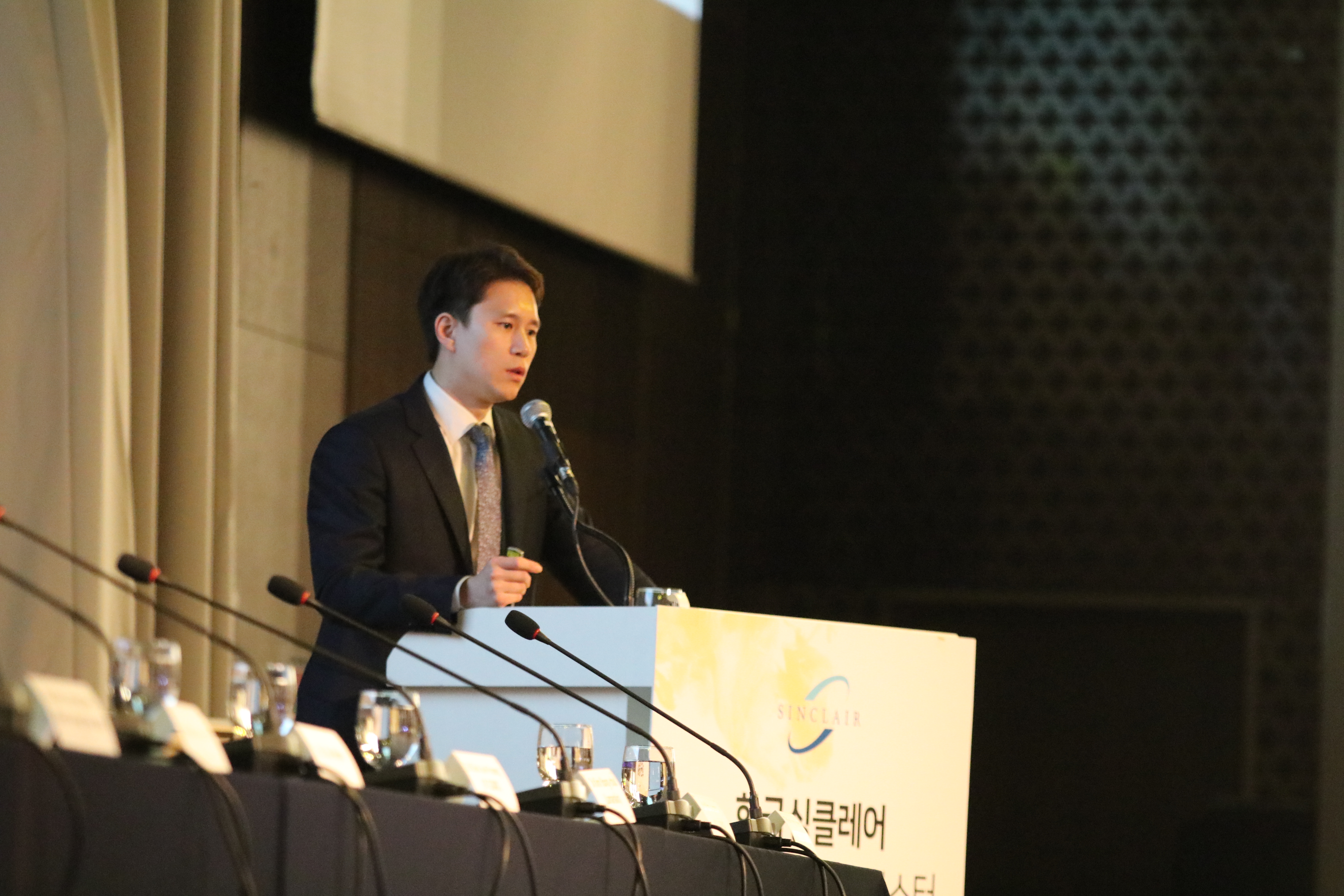
Direct answer summary
Female hair loss treatment in Cheongdam, Gangnam, can go far beyond shampoos and supplements. At a dermatology and anti-aging center near Apgujeong Rodeo Station, non-surgical programs use autologous exosomes and regenerative cell-based care to support the scalp and hair follicles from the inside out. The aim is not a quick cosmetic cover-up, but to slow progression, protect existing follicles, and gradually improve hair volume and density through structured, medical management.
This guide explains how female hair loss is different from male hair loss, how diagnosis is carried out, what an autologous exosome hair program involves, and what international patients can expect before, during, and after visiting Korea.
What is female hair loss treatment in this context
For women, hair loss treatment is usually about managing diffuse thinning and loss of volume rather than restoring a receding hairline. The realistic goal is to stabilize shedding, thicken miniaturized hairs, and improve the scalp environment so that existing follicles can function as well as possible.
In Cheongdam, some centers approach this as part of overall anti-aging care. The same cell-level methods used for skin rejuvenation, such as autologous exosomes and regenerative injections, are adapted for the scalp. These treatments are combined with medical therapy, scalp care, and lifestyle guidance to create a personalized plan.
Understanding female hair loss
How female hair loss looks and feels
Female pattern hair loss often appears as a widening part line, reduced ponytail thickness, or general loss of volume on the top of the head. Many women notice more hair in the shower drain or on the pillow, but no obvious bald patches at first.
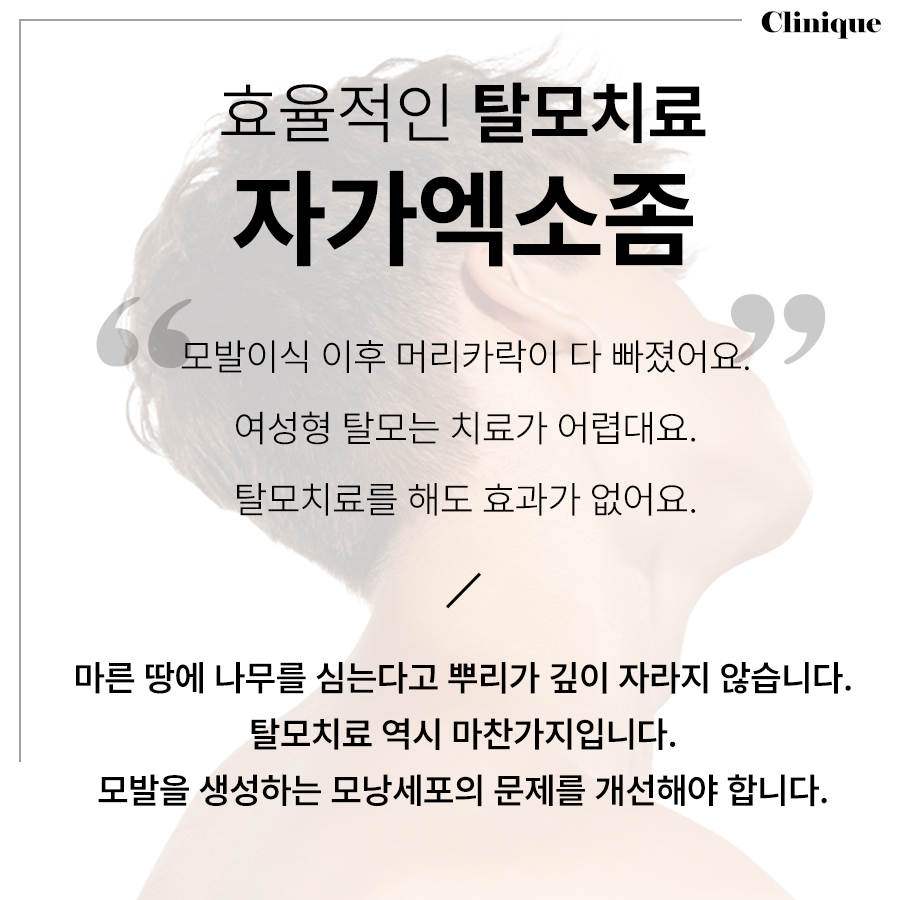
Unlike typical male hair loss, which often starts with a receding hairline or bald spot at the crown, female hair loss is usually more diffuse. This means that early changes can be subtle and easy to ignore until the thinning becomes quite noticeable.
Common causes and triggers
Female hair loss is usually influenced by several factors at the same time:
Hormones: Changes around pregnancy, childbirth, stopping or starting hormonal contraception, and perimenopause can all affect hair. Conditions such as polycystic ovary syndrome may also play a role.
Genetics: A family history of thinning hair in mothers, fathers, or grandparents can increase risk.
Stress: Physical and emotional stress, major illness, surgery, or rapid weight loss can trigger increased shedding.
Nutrition: Low iron, insufficient protein, and deficiencies in certain vitamins can weaken hair.
Scalp inflammation: Seborrheic dermatitis, chronic dandruff, and other inflammatory scalp conditions may worsen shedding.
Medications and health conditions: Thyroid disease, anemia, and some medications can contribute.
Why early diagnosis matters
Hair follicles go through cycles of growth and rest. In female pattern hair loss, follicles gradually miniaturize: they produce thinner, shorter hairs over time. If this process continues unchecked, some follicles may eventually stop producing visible hair.
Once a follicle is completely lost, regrowth becomes very difficult. This is why early medical evaluation is important. The realistic aim is to:
- Protect existing follicles before they are lost
- Thicken and strengthen miniaturized hairs
- Slow or halt further progression
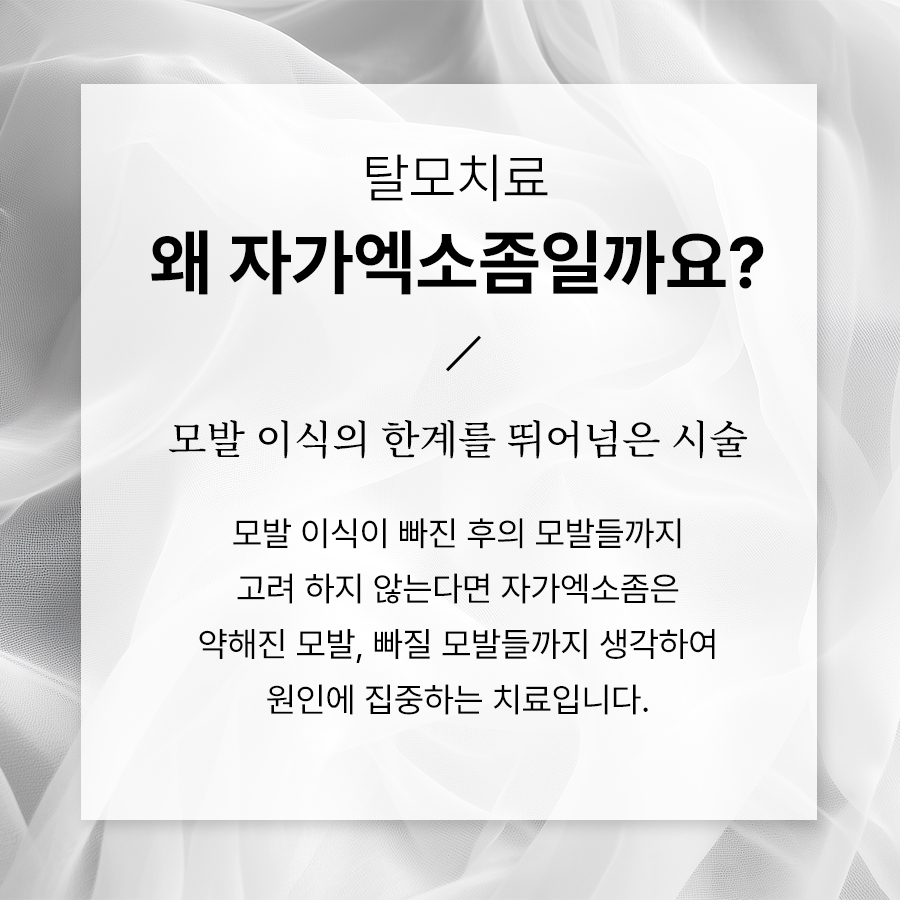
A careful diagnosis also helps distinguish female pattern hair loss from other conditions, such as temporary shedding after stress or illness, or hair loss caused by autoimmune disease.
Diagnostic process at the clinic
First consultation and medical history
At a dermatology and anti-aging center in Cheongdam, the first visit for female hair loss usually starts with a detailed consultation. This is especially important for international patients who may have complex histories.
Typical topics include:
- When you first noticed thinning or increased shedding
- Where you see the most change: part line, crown, overall volume
- Menstrual and hormonal history, pregnancy and childbirth history
- Family history of hair loss in women and men
- Diet patterns, recent weight changes, and possible nutritional issues
- Stress level, sleep habits, and recent major life events
- Current medications and supplements
- Past or current medical conditions such as thyroid disease or anemia
Scalp and hair examination
Next, the scalp and hair are examined closely. This may include magnified imaging or dermatoscopy to check:
- Hair density in different areas
- Hair shaft thickness and signs of miniaturization
- The ratio of thick to thin hairs
- Signs of scalp inflammation, redness, scaling, or excess oil
- Any scarring or unusual patterns that suggest less common causes
These images can be stored to compare changes over time, which is very useful for monitoring treatment response.
Laboratory tests when needed
Depending on your history and examination, blood tests may be recommended. These can include:
- Iron status and anemia screening
- Thyroid function tests
- Vitamin and mineral levels when deficiency is suspected
- Other tests if there are signs of hormonal imbalance or systemic disease
Not every patient needs every test, but checking key factors helps ensure that treatable internal causes are not missed.
Individualized treatment planning
After gathering this information, a personalized plan is created. Instead of a one-size-fits-all package, the program is adjusted according to:
- The main cause or combination of causes
- The severity and pattern of thinning
- Your age, life stage, and hormonal status
- Other health conditions and medications
- Your schedule, travel plans, and tolerance for different procedures
For overseas patients, the plan is often structured so that intensive treatments can be done during a short stay in Korea, with follow-up and maintenance arranged once you return home.
Autologous exosome hair program
What exosomes are in simple terms
Exosomes are tiny vesicles naturally released by cells. They carry signaling molecules and growth factors that help cells communicate with each other. In regenerative medicine, exosomes are being studied for their potential to support tissue repair and reduce inflammation.
When exosomes are derived from your own cells, they are called autologous. Using autologous material is designed to reduce the risk of immune reactions and allergy, because the components come from your own body.
How the autologous exosome hair program works
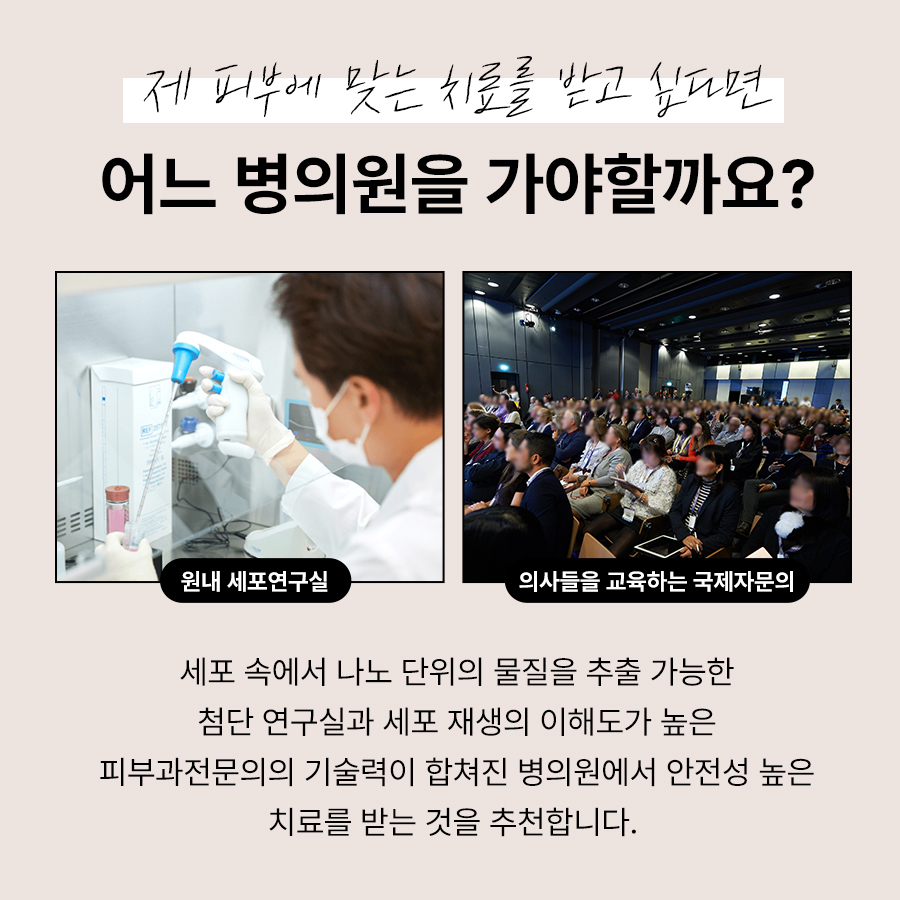
In a Cheongdam anti-aging center with an in-house cell research lab, an autologous exosome program originally developed for skin rejuvenation can be adapted for the scalp.
While exact protocols may vary, the general concept is:
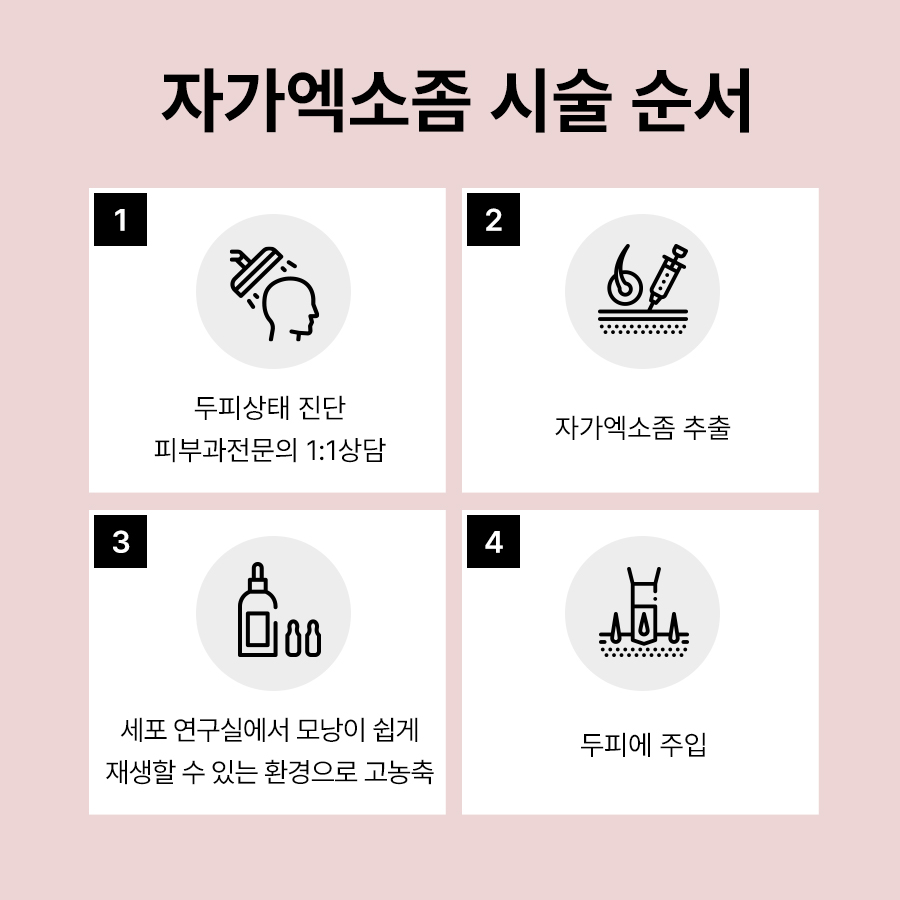
Step 1: Collection
A small amount of your own tissue or blood is collected according to the clinic’s protocol. Timing for sample collection varies by clinic and protocol; collection may occur during the initial visit and treatment can be same-day or scheduled for a following day. Confirm exact timing during your consultation.
Step 2: Processing in the cell lab
The sample is processed in an in-house cell research laboratory. Under controlled conditions, exosome-rich fractions are isolated and prepared for use. Having this done on-site allows for closer quality control and integration with your overall treatment plan.
Step 3: Scalp delivery
The prepared autologous exosome solution is then delivered into the scalp in areas of thinning. This is usually done through multiple small injections or other medical delivery methods across the affected regions. Sessions are spaced at regular intervals, often every few weeks, depending on the program.
How exosomes may support hair follicles
The aim of autologous exosome treatment is to influence the micro-environment around the hair follicle. Potential benefits include:
- Supporting cell communication in the follicle area
- Helping to calm chronic micro-inflammation in the scalp
- Encouraging healthier hair growth cycles
- Promoting thicker, stronger hair shafts over time
Results are gradual. Most patients are advised to continue the program over several months and combine it with medical and lifestyle management for a more comprehensive approach.
Who may consider the autologous exosome program
Women in their 20s to 50s noticing:
- A widening part line
- Reduced hair volume on the top of the head
- Thinner ponytail diameter compared to a few years ago
- Persistent shedding that does not improve with basic care
Women who have tried home remedies or cosmetic salon treatments without sufficient improvement, and who are now seeking medical options.
Women who want to focus on cell-level, regenerative approaches rather than only topical products.
However, not everyone is a candidate. Suitability depends on your diagnosis, health status, medications, and expectations. A formal consultation is necessary to determine if this program is appropriate for you.
Combined regenerative and anti-aging support
Cell-level philosophy for scalp and skin
Some Cheongdam centers approach aging as a process that begins at the cellular level. This philosophy is applied not only to facial skin but also to the scalp and hair follicles.
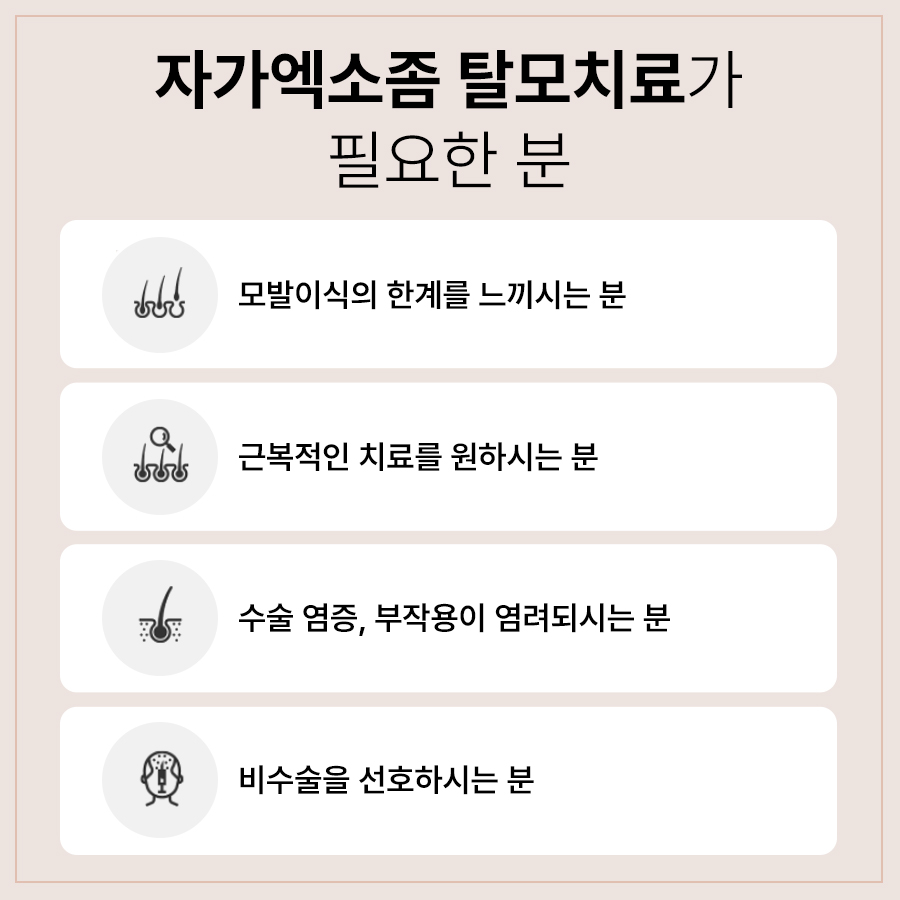
Non-cultured autologous cell principles and regenerative methods used for skin anti-aging, such as stem-cell-based protocols and growth factor injections, may be combined with hair programs when indicated. These combinations are planned carefully under specialist supervision to match your individual condition.
Energy-based devices for scalp support
In addition to injections, clinics may use energy-based platforms when appropriate. These can include radiofrequency, ultrasound, laser, or light-based systems. While these devices are often used for lifting and skin rejuvenation, certain settings can be adapted to:
- Improve scalp circulation
- Help control inflammation and seborrhea
- Support the overall scalp environment
The exact choice of device and protocol depends on your scalp condition and is not the main focus, but rather an additional tool when needed.
Medical and lifestyle management
Medical therapy
Female hair loss treatment is not only about procedures. Medical therapy often plays an important role. Depending on your situation, this may include:
- Topical agents applied to the scalp to support hair growth
- Oral medications when appropriate and safe
- Nutritional support if deficiencies are detected
Because some medications are not suitable during pregnancy, breastfeeding, or for patients with certain diseases, a careful review of your health status is essential before starting.
Scalp care
Controlling scalp conditions can significantly help. Management may involve:
- Treating seborrhea and excess oil
- Reducing dandruff and scaling
- Addressing chronic inflammation or itching
Medical shampoos, topical treatments, and in-clinic scalp procedures may be recommended to keep the scalp as healthy as possible.
Lifestyle guidance
Hair follicles are sensitive to overall health. As part of treatment, you may receive guidance on:
- Stress management techniques
- Improving sleep quality and regularity
- Ensuring adequate protein and iron intake
- Limiting harsh styling, tight hairstyles, and frequent chemical treatments
These changes do not replace medical treatment, but they can support better outcomes and help maintain results.
Safety, expectations, and course of treatment
Safety of autologous and regenerative treatments
Autologous exosome and regenerative treatments use your own cells or cell-derived components, which is intended to reduce the risk of allergy and immune reactions. However, they are still medical procedures and should only be performed after proper evaluation.
Possible temporary reactions can include:
- Mild redness at injection sites
- Slight swelling or tenderness of the scalp
- Temporary sensitivity when touching or washing the hair
These effects are usually short-lived. Serious complications can occur and should be discussed individually with your doctor—disclose underlying medical conditions and any blood-thinning medications so risks can be assessed.
Realistic expectations and timeline
Female hair loss treatment is a long-term process. It is important to understand what is realistic:
Visible changes in density and volume usually take several months.
Programs are often structured as a series of sessions, for example every few weeks, followed by maintenance sessions.
The aim is to slow progression, improve hair quality, and increase visible volume, not to recreate a teenage hairline.
Some women first notice reduced shedding, then gradual thickening of existing hairs, and finally an improvement in overall volume. Individual responses vary, and ongoing management is often needed to maintain benefits.
Why choose a specialized center in Cheongdam
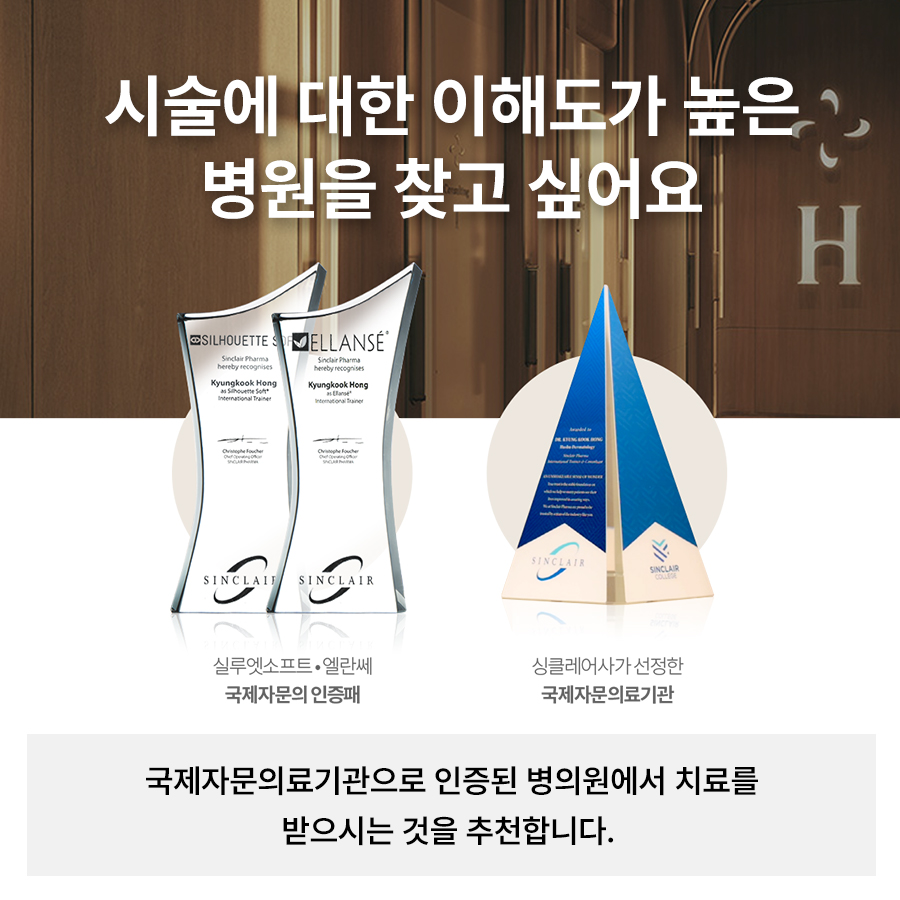
Expertise and academic background
In Cheongdam, Gangnam, there are dermatology and anti-aging centers where doctors have academic and teaching backgrounds, with experience in both classic hair loss medicine and newer regenerative approaches. This combination allows them to design treatment plans that integrate established therapies with advanced cell-based options when appropriate.
In-house cell research lab
One of the key advantages of such a center is the presence of an in-house cell research laboratory. This allows:
- On-site processing of autologous exosomes
- Closer quality control of cell-derived preparations
- Faster coordination between consultation, sample collection, and treatment
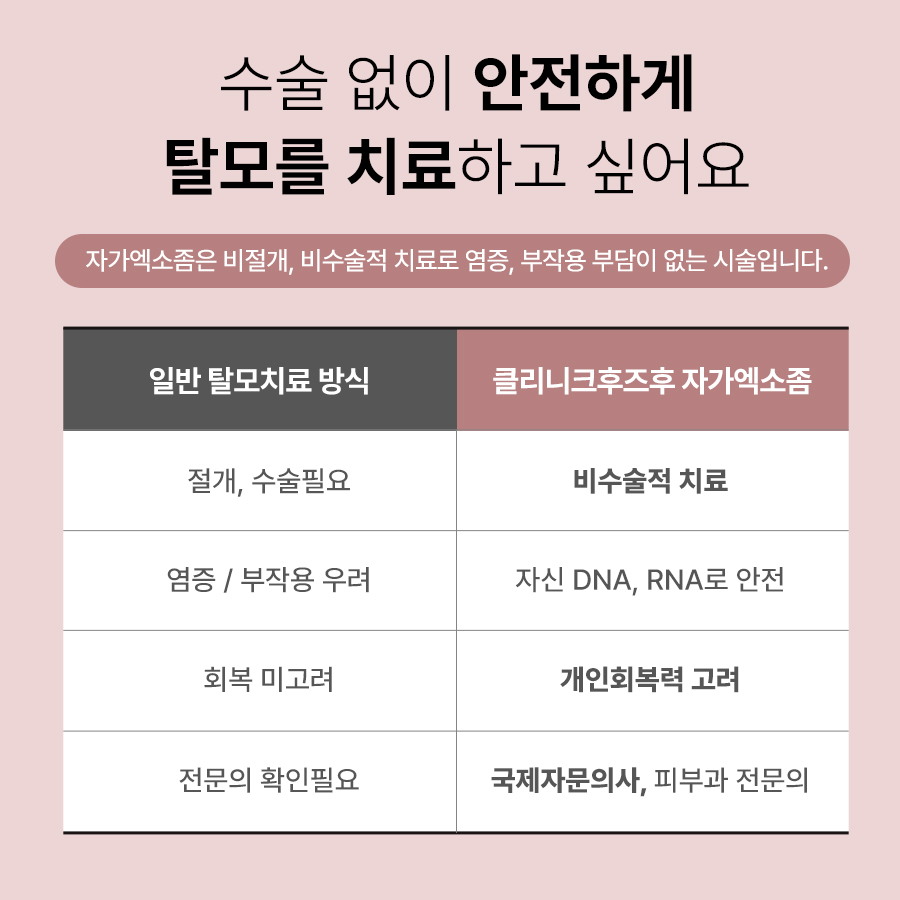
Compared with outsourced or purely cosmetic solutions, this structure supports a more medical and evidence-based approach.
Location and convenience
The clinic’s location in Cheongdam, a short walk from Apgujeong Rodeo Station on the Suin–Bundang Line, makes it convenient for working women and overseas visitors. The area is known for its privacy and accessibility, which can be helpful for regular follow-up visits and discreet care.
Online consultation and pre-visit preparation for overseas patients
Online pre-consultation
If you are considering traveling to Korea for female hair loss treatment, an online consultation is usually the first step. During this stage, you may be asked to provide:
- Recent photos of your scalp and hair from different angles
- A summary of your medical history and medications
- Information about past hair treatments or procedures
- Your main concerns and goals
Based on this, the medical team can suggest whether you are a potential candidate for autologous exosome programs and outline a tentative schedule.
What to prepare before your visit
Before you fly to Korea, it is helpful to:
- List all medications and supplements you take
- Collect recent blood test results if available
- Note any allergies or past reactions to injections or anesthesia
- Prepare questions about treatment options, downtime, and aftercare
This preparation helps make your in-person consultation more efficient and allows the team to tailor your plan to your travel dates.
Expected Korea visit timeline
Short stay example
For many international patients, a typical short visit might look like this:
Day 1: In-person consultation, scalp imaging, and any necessary blood tests. If suitable, sample collection for autologous exosomes may be done.
Day 2 or 3: First autologous exosome scalp treatment session, plus any recommended scalp care or device-based procedures.
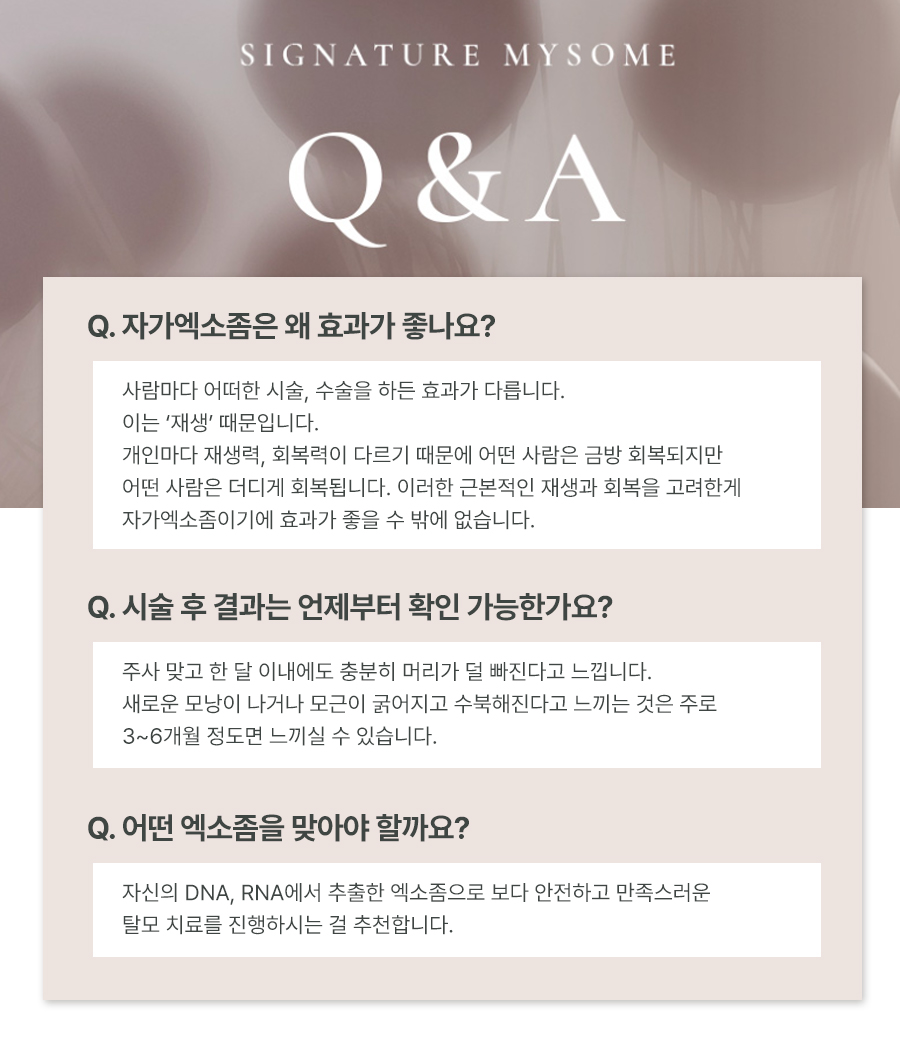
Following days: Additional sessions if planned, or review of response and detailed instruction for home care and maintenance.
Longer or repeat visits
Some patients prefer to stay longer to complete several sessions in one trip, while others return every few months for maintenance. The exact schedule is customized according to your condition, response, and travel possibilities.
Aftercare and follow-up once you return home
Immediate aftercare
After scalp injections or regenerative treatments, you will receive instructions such as:
- How soon you can wash your hair
- Which products to avoid for a few days
- How to manage mild redness or tenderness
- When to resume normal styling
These guidelines are designed to protect the treated area and support healing.
Ongoing care at home
Once you return home, ongoing care may include:
- Using prescribed topical agents regularly
- Taking recommended supplements or medications if prescribed
- Following lifestyle and scalp care advice
- Sending periodic photos for remote follow-up
If you plan to return to Korea for maintenance sessions, the clinic can help you plan the timing based on your progress.
Frequently asked questions
How early should I start treatment for female hair loss
It is generally better to start treatment as soon as you notice persistent thinning or a widening part line, rather than waiting until the scalp is clearly visible. Early intervention can help protect existing follicles and slow progression. Even if your hair loss seems mild, a medical evaluation can clarify whether it is a temporary shedding episode or the beginning of a chronic pattern.
How many sessions of autologous exosome treatment are usually needed
The number of sessions varies depending on the severity of hair loss, your age, and your overall health. Many programs are structured as a series of sessions spaced a few weeks apart, followed by maintenance visits. During your consultation, the doctor will suggest a schedule that fits your condition and travel plans, but you should expect a course over several months rather than a single session.
Is female hair loss treatment safe during pregnancy or breastfeeding
Many hair loss treatments, including some medications and certain procedures, are not recommended during pregnancy or breastfeeding. Safety is the priority. If you are pregnant, planning pregnancy, or breastfeeding, it is essential to inform the medical team. They can advise which options should be postponed and which gentle scalp care or lifestyle measures may be appropriate in the meantime.

Can I combine autologous exosome treatment with oral or topical hair loss medications
In many cases, autologous exosome programs can be combined with topical agents and, when appropriate, oral medications to create a multi-layered approach. However, this must be decided individually after reviewing your medical history, other medications, and potential contraindications. The doctor will explain how different treatments interact and design a plan that is safe and manageable for you.
When will I start to see visible changes in hair volume
Most women should not expect immediate cosmetic changes. It often takes several months for new growth cycles to show at the surface. Some patients first notice reduced shedding, followed by gradual thickening of existing hairs. Visible improvement in volume and density typically develops over a period of months, and ongoing maintenance is usually needed to support long-term results.
Soft call to action
If you are noticing thinning hair, a widening part line, or a loss of volume and are considering treatment in Korea, an online consultation can help you understand your options. By sharing your history and photos in advance, you can receive a personalized outline of possible autologous exosome and regenerative programs, along with a suggested visit schedule to Cheongdam, Gangnam. This can be a first step toward structured, cell-level care for your hair and scalp.
- 공유 링크 만들기
- X
- 이메일
- 기타 앱

댓글
댓글 쓰기