Female Hair Loss Treatment Options in Cheongdam, Seoul
Female hair loss treatment overview
Many women are surprised when they begin to notice more hair on the pillow, a widening part line, or a thinner ponytail. The positive side is that, when addressed early, there are medical options that may slow thinning and support healthier, denser hair over time.
This guide is written for overseas patients considering travel to Korea for treatment and aims to provide clear, practical information to help you ask informed questions of any clinic you contact.
You will find an explanation of why female hair loss is different from male hair loss, how diagnosis is made, what modern non‑surgical treatments involve, how autologous exosome therapy fits in, and what a typical treatment journey in Seoul may look like. There is also a section on preparation, aftercare, and frequently asked questions for international visitors.
Direct answer summary
Female hair loss is usually a gradual thinning caused by a combination of hormones, genetics, stress, nutrition, and scalp aging. It often presents as diffuse loss of volume rather than bald patches. Effective treatment usually requires a medical approach that targets the scalp environment and hair follicles, not just cosmetic cover‑ups.
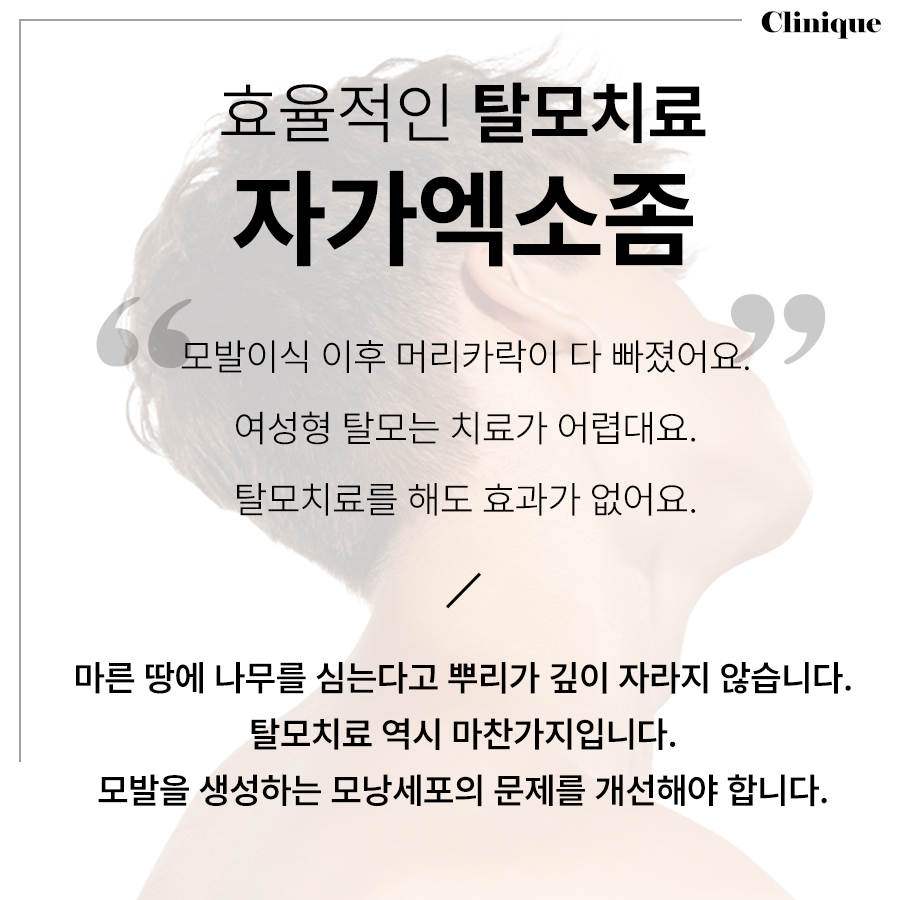
In Cheongdam, Gangnam, some clinics offer a structured, non‑surgical program for women that may include autologous exosome therapy (using components derived from your own cells), medical scalp procedures, topical or oral medications where appropriate, and lifestyle guidance. Overseas patients typically start with an online consultation, plan a short treatment visit to Seoul with repeated sessions spaced over weeks or months, and continue maintenance care at home.
Why female hair loss is different
In women, hair loss usually appears as overall thinning rather than a sharp receding hairline. Many women notice that their part line looks wider, more scalp shows through in bright light, or their usual ponytail feels smaller. The frontal hairline often remains relatively intact, but density behind it gradually decreases.
Common triggers include hormonal changes such as pregnancy, postpartum, perimenopause, and menopause. Chronic stress, crash dieting, iron or protein deficiency, thyroid disorders, certain medications, and genetic predisposition can also contribute. Another key factor is scalp aging: as we age, circulation to the scalp can decrease and the tissue around follicles can lose elasticity and support.
Because hair loss in women is often slow and diffuse, many people delay seeking help, assuming it is temporary shedding or something that can be covered with styling. However, visible thinning usually reflects changes that began months earlier in the hair‑growth cycle. By the time you see more scalp, some follicles may already be miniaturizing, producing finer and weaker hairs. Early medical evaluation can be important to preserve existing follicle density.
From scalp aging to follicle miniaturization
Each hair on your scalp goes through a cycle: a growth phase (anagen), a short transition phase (catagen), and a resting and shedding phase (telogen). In healthy hair, the growth phase lasts several years, which allows hairs to become long and thick before they shed and are replaced.
When there is chronic low‑grade inflammation, reduced blood flow, hormonal influence, or oxidative stress, the growth phase can become shorter and the resting phase longer. Over time, the follicle produces thinner, shorter hairs. This process is called follicle miniaturization. Eventually, if the environment does not improve, some follicles may become inactive and stop producing visible hair.
Scalp aging plays a central role in this process. With age, microcirculation around follicles can decline, collagen and other structural components around the follicle can weaken, and there can be ongoing micro‑inflammation from pollution, UV exposure, or skin conditions. All of this makes the follicle more vulnerable.
Modern female hair loss treatment therefore aims to improve the micro‑environment around the follicles, calm inflammation, support cell function, and encourage a healthier growth phase. This goes beyond applying cosmetic tonics; it involves medical strategies that act at the level of cells and tissues.
Diagnostic approach before treatment
Before starting any female hair loss treatment, a structured medical assessment is essential. During an initial consultation, the doctor will usually take a detailed medical history, including questions about menstrual cycles, pregnancies, menopause, thyroid or other hormonal issues, chronic illnesses, medications, recent surgeries, crash diets, and stress levels. Family history of hair thinning in female relatives is also important.
The scalp and hair shafts are then examined, often using magnification or imaging devices. This helps assess hair density, hair shaft thickness, the presence of miniaturized hairs, scalp redness, scaling, or signs of conditions such as seborrheic dermatitis.
A key part of the evaluation is distinguishing between different types of hair loss. Female pattern hair loss tends to show gradual thinning on the crown and part line. Telogen effluvium is more of a sudden shedding triggered by stress, illness, or hormonal shifts. Traction alopecia is related to tight hairstyles. Hair loss can also be related to systemic disease.
Because treatment options, expected response, and timelines differ by diagnosis and stage, accurate assessment is necessary before deciding on autologous exosome therapy, medications, or other procedures.
Core female hair loss treatments
Evidence‑based female hair loss management usually combines several approaches. Topical agents may be used to prolong the growth phase and support follicle function. In some cases, oral medications or supplements are considered, depending on the patient’s age, hormonal status, and overall health.
Lifestyle and nutritional correction are often part of the plan. This may involve improving protein and iron intake, addressing crash dieting, managing stress, and optimizing sleep. These factors do not replace medical treatment but can support better outcomes.
Clinic‑based scalp procedures play an important role in many modern programs. These may include medical injections, device‑based treatments that stimulate the scalp, and regenerative therapies such as autologous exosome programs. Over‑the‑counter shampoos and ampoules alone rarely reverse established female pattern hair loss; they may help maintain scalp hygiene and provide mild support but are usually not sufficient as a stand‑alone solution.
Autologous exosome program for thinning hair
Exosomes are tiny vesicles released by cells that carry growth factors, proteins, and signaling molecules. They act as messengers between cells, helping coordinate processes such as tissue repair, inflammation control, and regeneration.
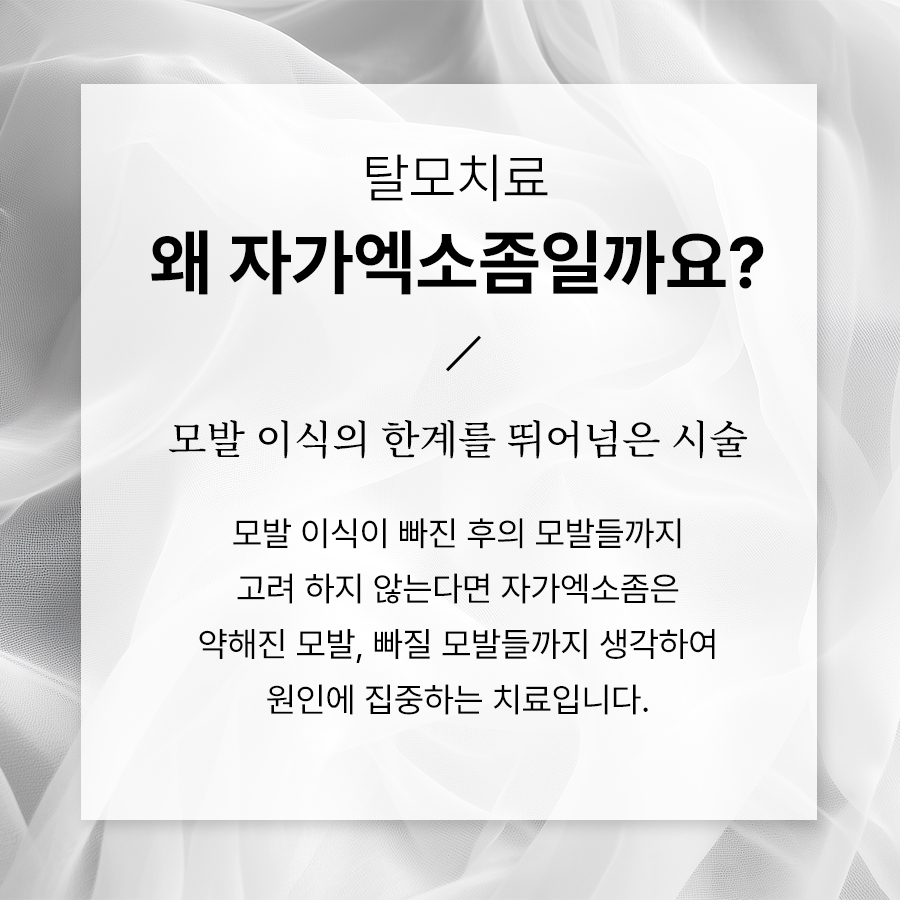
In some Cheongdam clinics, a dedicated female hair loss program uses an autologous exosome approach. Autologous means that the material is derived from your own cells, rather than from a donor source. The aim is to improve compatibility and reduce the risk of immune reactions.
In programs described by clinics, exosome‑rich preparations may be derived from a patient’s own cells, but processing methods and standards vary between providers. Clinics use different laboratory workflows and delivery options (for example, injections or device‑assisted application). vity, address micro‑inflammation, improve scalp quality, and potentially increase hair thickness over time, but evidence and results can vary.
This exosome‑based hair loss care is usually integrated into a broader cell anti‑aging concept used by the clinic for skin and tissue health. In other words, the scalp is treated at the same biological level as facial anti‑aging, focusing on cell communication and tissue regeneration rather than just surface appearance.
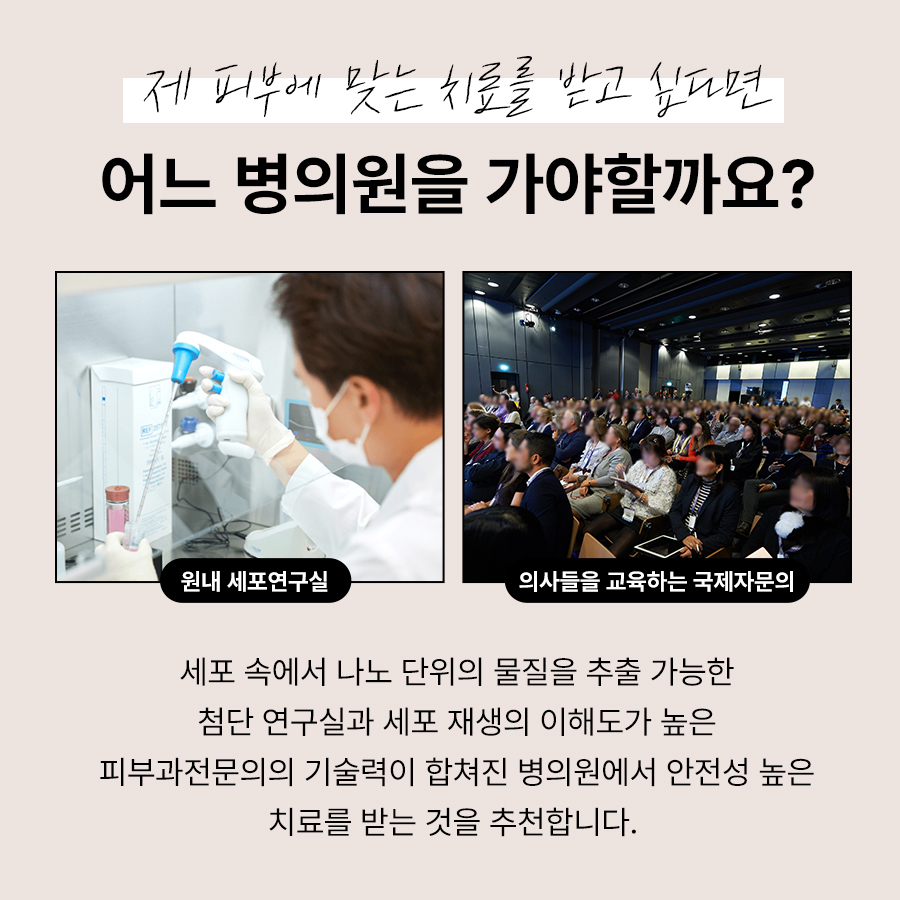
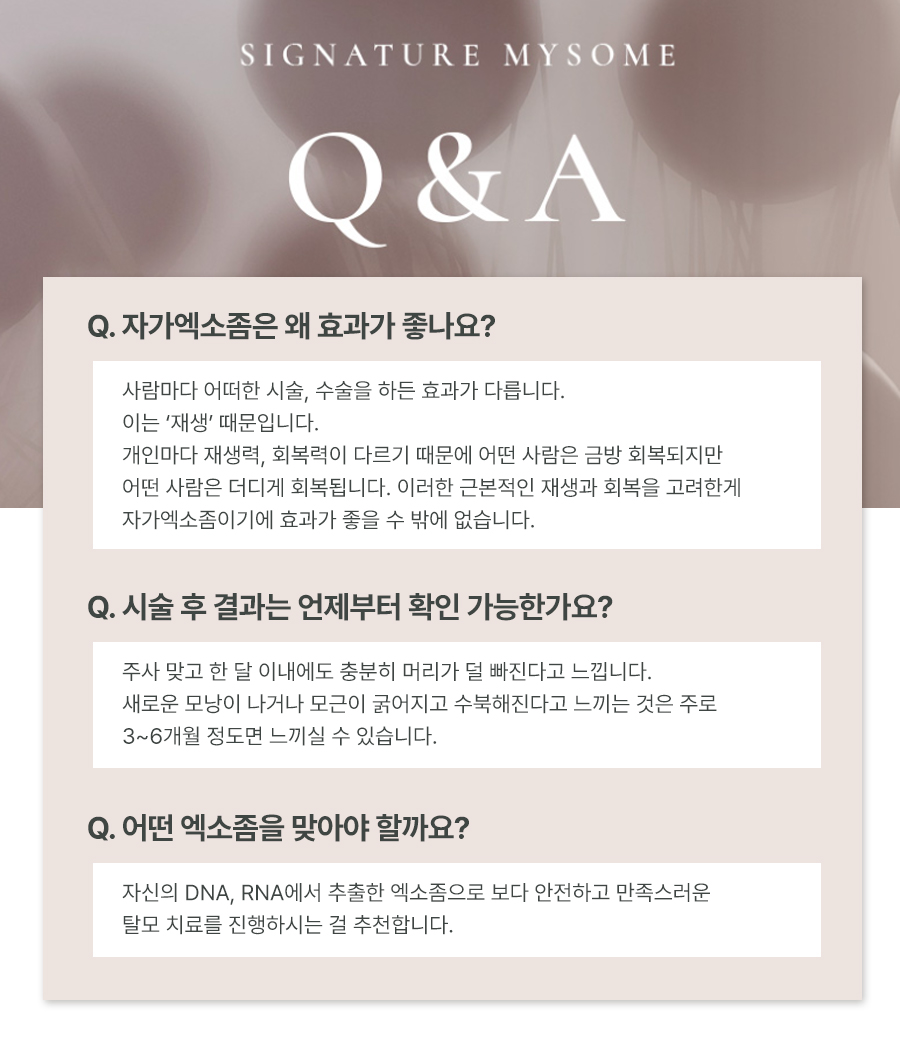
Expectations should be realistic. Exosome therapy is typically performed in a series of sessions, often spaced several weeks apart. Results tend to be gradual, with early changes such as reduced shedding or improved hair texture, followed later by better density in some patients. It is generally most effective when follicles are still present, which means early to moderate stages of thinning are the best time to consider it.
Regenerative medicine and dermatology expertise
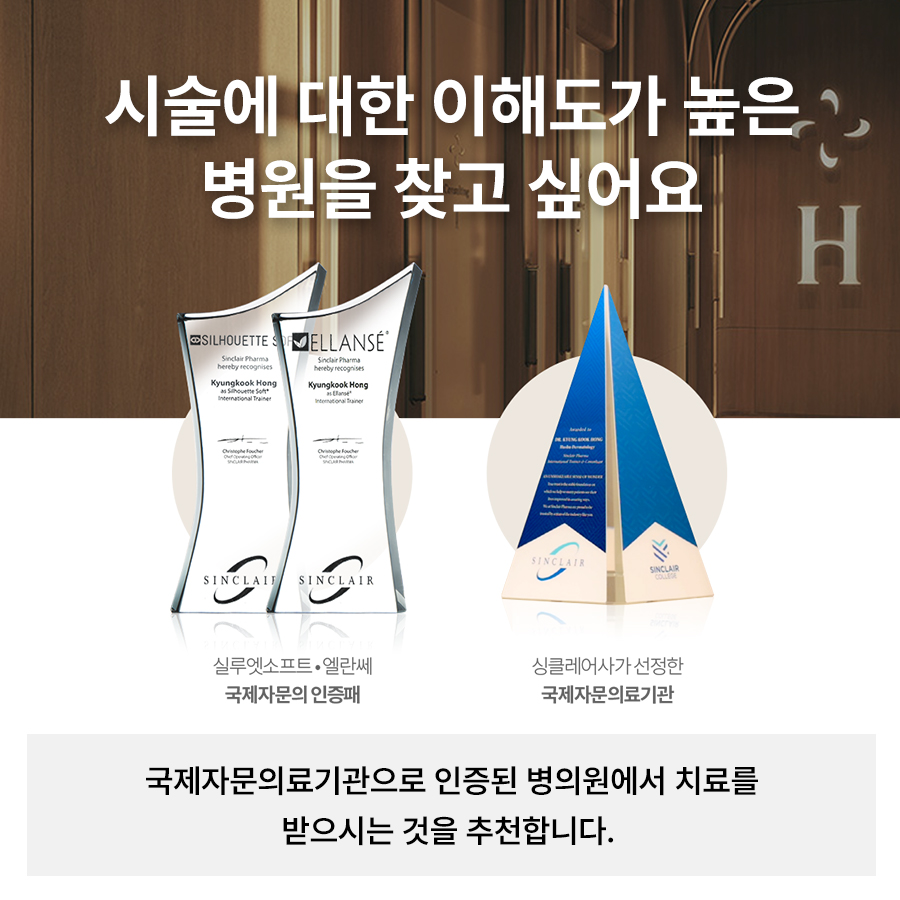
Clinics may state that their female hair‑loss programs are led by dermatology specialists with university‑hospital training or by clinicians involved in dermatologic, hair, or tissue‑regeneration societies. Because staff qualifications materially affect care, ask the clinic for clinician names, medical degrees, hospital affiliations, board certifications, and professional memberships so you can verify credentials directly.
Strict protocols help maintain consistency and safety.
Using the patient’s own cells and exosomes aims to enhance biocompatibility and reduce the likelihood of immune reactions.
Step‑by‑step female hair loss program
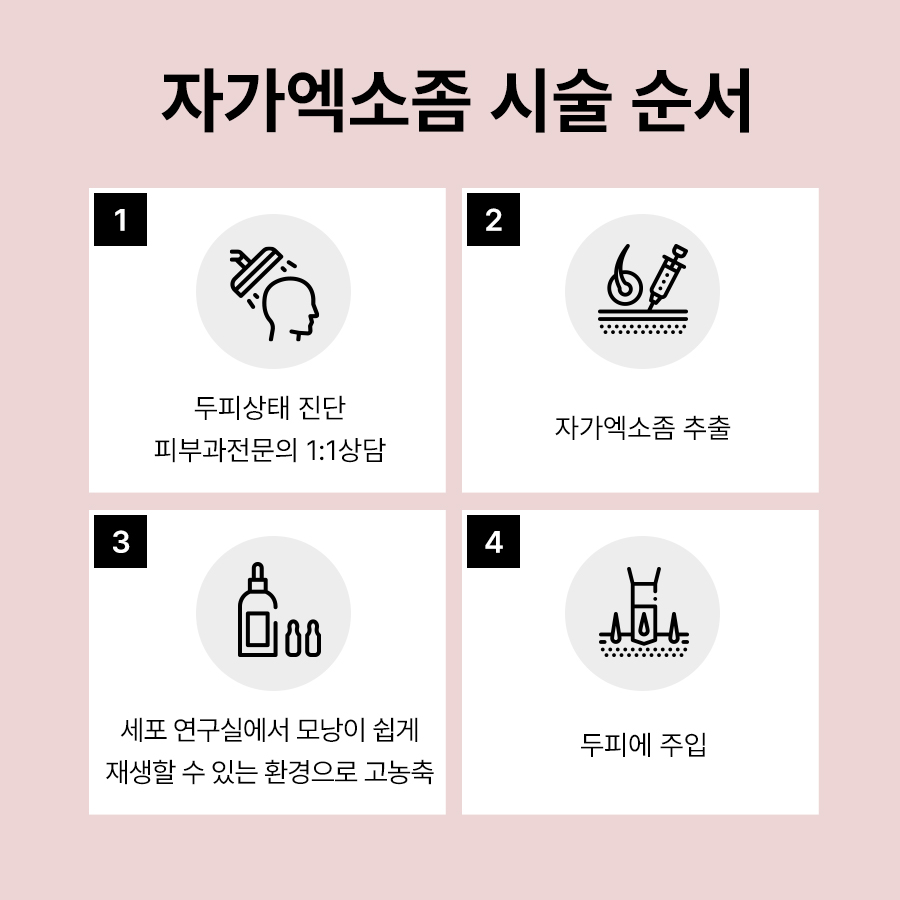
For overseas patients, the journey usually begins with an online or remote consultation. You may be asked to send photos of your scalp from different angles under good lighting, along with information about your medical history, medications, supplements, menstrual or menopausal status, and any previous hair treatments.
Based on this information, the clinic can give a preliminary opinion on your likely diagnosis and whether you may benefit from a non‑surgical program that includes autologous exosome therapy. They can also suggest a tentative treatment schedule and how many visits might be needed.
At your first in‑person visit in Seoul, you will undergo a detailed scalp analysis using magnification or imaging, as well as a face‑to‑face consultation. The doctor will confirm the diagnosis, explain the stage of hair loss, review all available options, and design a personalized plan. This may combine exosome sessions, medical scalp injections or device treatments, topical medications, and lifestyle or nutritional guidance.
Treatment intervals vary, but many programs start with sessions every few weeks for an initial series, followed by maintenance sessions at longer intervals. Patients may notice reduced shedding within a few months, with visible improvements in volume or density taking longer. Regular follow‑up, including photographic or imaging comparisons, helps track objective changes rather than relying only on daily impressions.
Who may consider this program
Women who are good candidates for a non‑surgical female hair loss program typically notice one or more of the following: a widening part line, decreased ponytail volume, more scalp visible through the hair in bright light or in photos, or increased shedding during washing or brushing.
Early to moderate stages of thinning tend to respond better, because follicles are still present and can be supported. Once the scalp appears completely smooth and shiny in an area, it usually indicates that follicles have been lost, and regenerative treatments have limited effect there.
Women with underlying medical conditions such as thyroid disease, autoimmune disorders, or those taking certain medications may still be candidates, but they require careful evaluation and sometimes coordination with their other doctors. In some cases, stabilizing the underlying condition is a priority before starting intensive hair loss treatment.
If you are unsure whether your hair loss is temporary shedding or pattern thinning, an early consultation can help clarify the situation. Even if aggressive treatment is not needed, monitoring and basic preventive measures can be planned.
Safety, comfort, and downtime
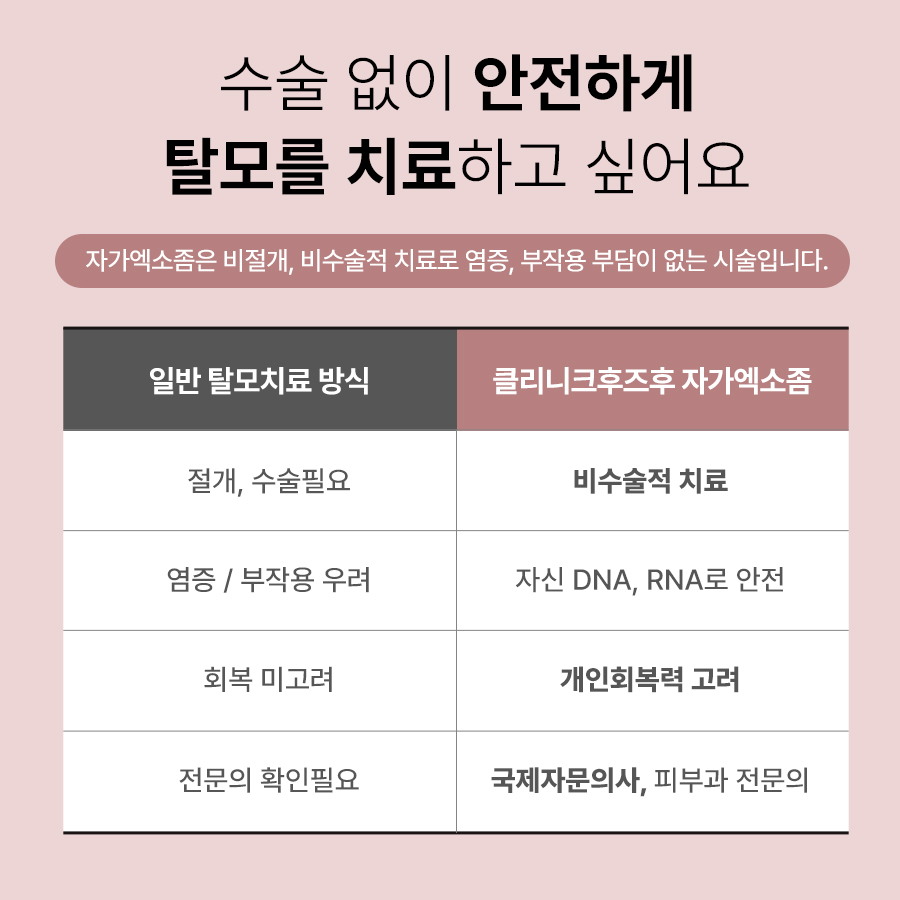
Many women worry about pain, scarring, or the need to shave hair for scalp procedures. Female hair loss protocols in Cheongdam are designed to be discreet. Treatments are usually performed without shaving large areas, so you can maintain your usual hairstyle.
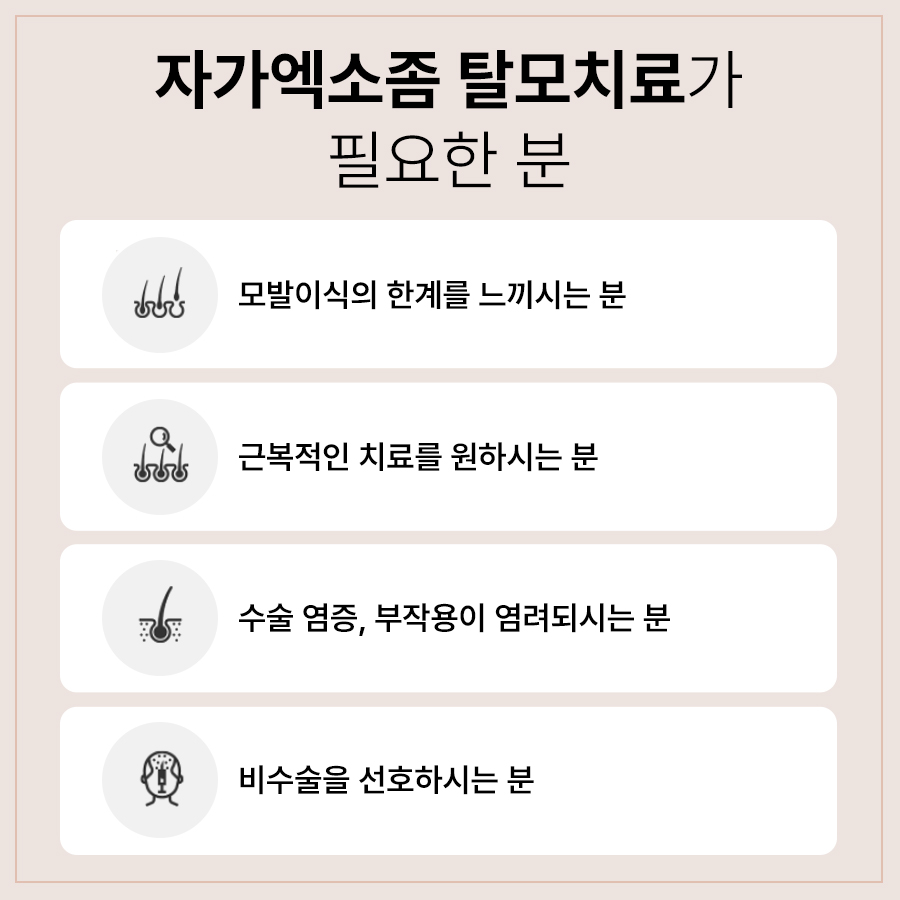
For procedures involving injections or device‑based delivery, topical anesthetic cream or other comfort measures are used to reduce discomfort. Most patients describe the sensation as tolerable, though individual sensitivity varies.
Typical downtime reported by clinics is minimal. You may experience mild redness, tenderness, or a feeling of tightness on the scalp for a short period after treatment; these effects are generally transient and often resolve within hours to a couple of days, allowing many people to resume normal activities the same or next day. Autologous‑derived materials can alter certain immunologic risks compared with non‑autologous products, but they are not free of potential adverse effects. Request published safety data, ask about reported complications or adverse‑event rates, and ensure the clinic performs appropriate medical screening and supervised follow‑up.
Online consultation and pre‑visit preparation
If you are planning to travel to Seoul for female hair loss treatment, an organized pre‑visit process will make your trip smoother. Before your first appointment, prepare the following information:
Your medical history, including chronic conditions, surgeries, pregnancies, and any hormone‑related issues
A list of current medications, supplements, and any hair products or treatments you are using
Family history of hair thinning in both male and female relatives
Recent blood test results if you have them, especially thyroid function, iron levels, and hormone tests
High‑quality photos of your scalp are very helpful. Take them in natural or bright indoor light, showing the front hairline, both sides, the top and part line, and the back of the head. This allows the medical team to assess the pattern and severity before you arrive.
During online consultation, you can also discuss your travel dates, how long you can stay in Seoul, and how often you could return for follow‑up. The clinic can then suggest a realistic schedule, such as an intensive first visit with several procedures, followed by maintenance sessions during later trips or coordinated care in your home country.
Expected Korea visit timeline
A typical visit for overseas female hair loss patients may look like this:
Day 1: In‑person consultation, scalp imaging, final diagnosis, and treatment planning. If suitable, the first session of the autologous exosome program or other scalp procedure may be performed on the same day.
Days 2–7: Depending on your schedule and the clinic’s protocol, additional treatments or supportive scalp care sessions may be arranged. Many patients combine medical visits with sightseeing or work, as downtime is usually minimal.
After returning home: You continue with prescribed topical agents or oral medications if recommended, along with lifestyle and nutritional guidance. The clinic may request follow‑up photos at set intervals to monitor progress.
Subsequent visits to Seoul can be planned every few months for maintenance exosome sessions or further scalp procedures, depending on your response and practical travel considerations.
Aftercare and long‑term management
After each treatment session, you will receive specific instructions. These may include avoiding harsh chemical treatments, minimizing heat styling for a short period, and protecting the scalp from intense sun exposure. Gentle shampoos and proper scalp hygiene are usually encouraged.
Long‑term success in female hair loss management often depends on consistency. Even after an initial series of treatments, maintenance is important. This can involve periodic clinic visits when you are in Seoul, ongoing topical therapy, and attention to nutrition, stress management, and general health.
Because hair grows slowly, changes are best evaluated over months rather than weeks. Regular photographic comparisons under similar lighting help you and your doctor see trends more clearly. If your life circumstances change, such as pregnancy, menopause, or new medications, your plan may need to be adjusted.
Location and access in Cheongdam
If you plan to visit a clinic in Cheongdam, verify the clinic name, full address, hours, and directions directly with the provider before traveling. Confirm public‑transport access, parking, and any visitor policies in advance.
Weekday and Saturday consultations are typically available, with Sundays and public holidays closed. Because schedules can change, it is best to confirm current hours and make an appointment in advance. Real‑time consultation and reservation requests are usually possible via phone and major local messaging or social platforms.
When you come for your first visit, bring a list of your medications and supplements, any relevant medical records, and information about previous hair loss treatments. This helps the medical team design a safe and effective plan tailored to your situation.
Frequently asked questions
Is female hair loss really treatable without surgery?
In many cases, yes. While no treatment can guarantee full restoration for every patient, non‑surgical programs that combine medical scalp procedures, autologous exosome therapy, and appropriate medications may slow thinning and support denser, stronger hair in women, especially when started early. The key is to treat the scalp and follicles as living tissue and to address underlying triggers, not just cover the problem cosmetically.
How long does it take to see results from an exosome‑based program?
Hair grows slowly, so most patients should expect a gradual process. Some may notice reduced shedding within a few months, followed by improvements in hair texture or volume over six to twelve months. The timeline varies depending on age, stage of hair loss, hormonal status, and how consistently the program is followed. Your doctor will discuss realistic expectations based on your individual case.
Will I need to shave my hair or stop working after treatment?
Female protocols are designed to be discreet. In most cases, there is no need to shave large areas of hair. Treatments are performed in a way that allows you to maintain your usual hairstyle. Downtime is typically minimal, with mild redness or sensitivity that settles quickly, so most patients can return to work and daily activities the same or next day.

Is this program suitable for women from overseas?
Yes, the program can be adapted for international patients. Online pre‑consultation allows the clinic to assess your situation and plan your visit. Because treatments are done in sessions, the team can help you schedule an intensive initial course during your stay in Seoul and then arrange follow‑up and maintenance that fit your travel plans and home‑country care.
Soft call to action
If you are noticing thinning hair, a widening part line, or reduced volume and are considering treatment in Korea, an early professional assessment can help you understand your options. A non‑surgical female hair loss program in Cheongdam that integrates autologous exosome therapy, scalp‑focused anti‑aging, and medical hair‑growth management may be one of the approaches to consider.
You can start by arranging an online consultation, sharing your scalp photos and medical background, and asking any questions you may have about timing, safety, and expected outcomes. With clear information and a personalized plan, you can decide whether a visit to Seoul fits your long‑term hair and scalp health goals.

댓글
댓글 쓰기