Front Cheek Filler in Seoul: Midface Volume Restoration and Anti‑Aging Guide
- 공유 링크 만들기
- X
- 이메일
- 기타 앱
Direct answer summary
he nasolabial folds, and create a smoother, more youthful contour without making the face look puffy.
In Cheongdam, Gangnam, near Apgujeong Rodeo Station, clinics such as Clinique hus,hu integrate front cheek filler into broader anti‑aging programs that also include lifting devices and cell‑level treatments, with a strong focus on anatomy‑based planning and safety.
What is front cheek filler
Front cheek filler refers to filler injections placed in the anterior cheek or mid‑cheek area. This is the zone between the lower eyelid and the central cheek, extending toward the nasolabial fold.
With age, or in naturally flat faces, this area can lose volume and support. The result is a hollow or sunken midface, stronger shadows under the eyes, and more visible nasolabial folds. Front cheek filler aims to:
- Restore gentle convexity to the midface
- Smooth the transition from the lower eyelid to the cheek
- Provide internal support to the nasolabial folds
- Improve facial balance from the front and 45‑degree angles
When done with the right product and technique, the effect is a softer, brighter midface and a less tired appearance, without an artificial “overfilled” look.
Aesthetic goals of front cheek filler
From the front view, front cheek filler can reduce the hollow or flat area under the eyes, making the midface look fresher and more three‑dimensional.

From the 45‑degree angle, it can create a smoother contour from the lower eyelid through the cheek, giving a gentle, youthful curve instead of a sharp step or depression.
Because the central cheek supports the nasolabial fold, carefully placed volume here often softens those folds indirectly. This can reduce the need for heavy filler directly in the lines, which sometimes looks unnatural.
The aim is not to simply “make cheeks bigger,” but to restore lost support and improve harmony with your existing bone structure and facial proportions.
Who may consider front cheek filler
Front cheek filler may be considered if you notice one or more of the following:

- Flat or hollow front cheeks that make the face look tired or gaunt
- Early midface sagging, where the cheek seems to slide downwards
- Deepening nasolabial folds caused by loss of support in the midface
- A tired look under the eyes, even when you sleep well
It is commonly used in different age groups for slightly different reasons:
Late 20s to 30s: for contouring and balancing naturally flat or asymmetric cheeks
30s to 50s and beyond: for anti‑aging volume restoration and support of sagging tissues
Suitability always depends on your skin thickness, facial fat distribution, bone structure, and how much laxity or sagging is already present. In some cases, combining front cheek filler with lifting treatments gives a more natural result than filler alone.
Treatment overview and products used
Front cheek filler in Cheongdam, Gangnam typically uses a range of premium fillers and biostimulatory products. At clinics like Clinique hus,hu, the lineup may include:
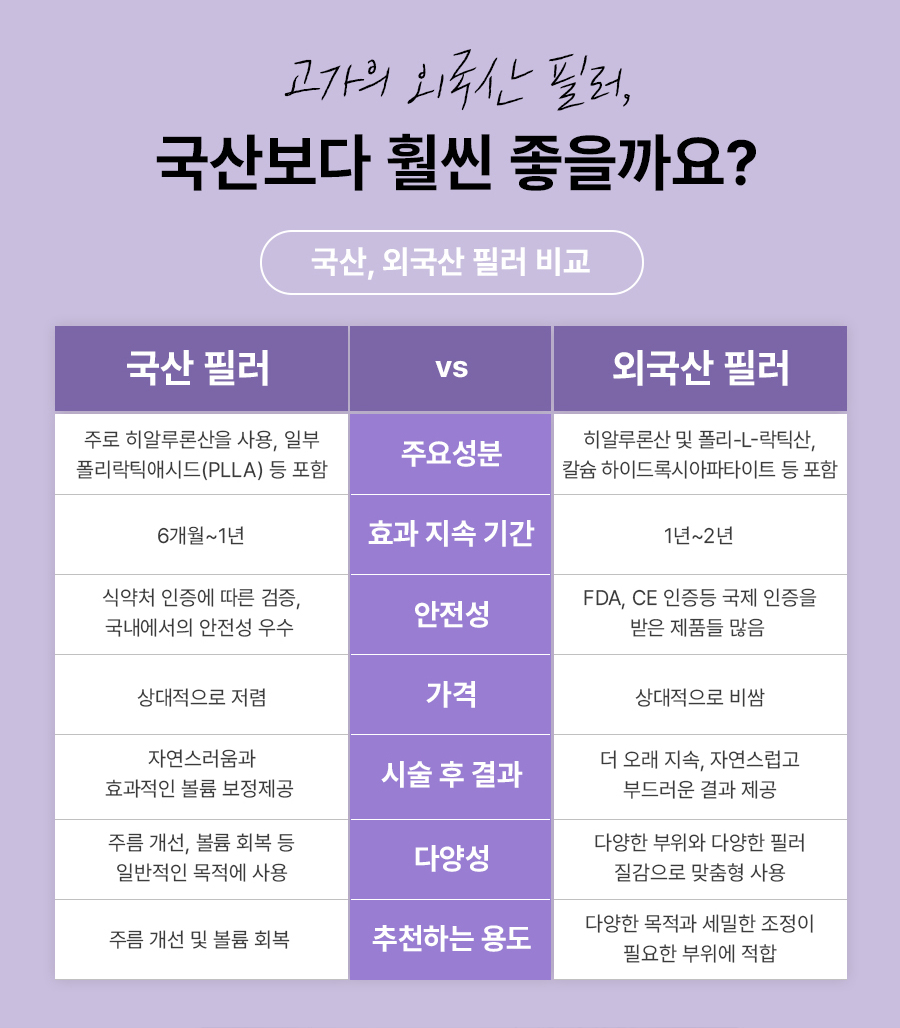
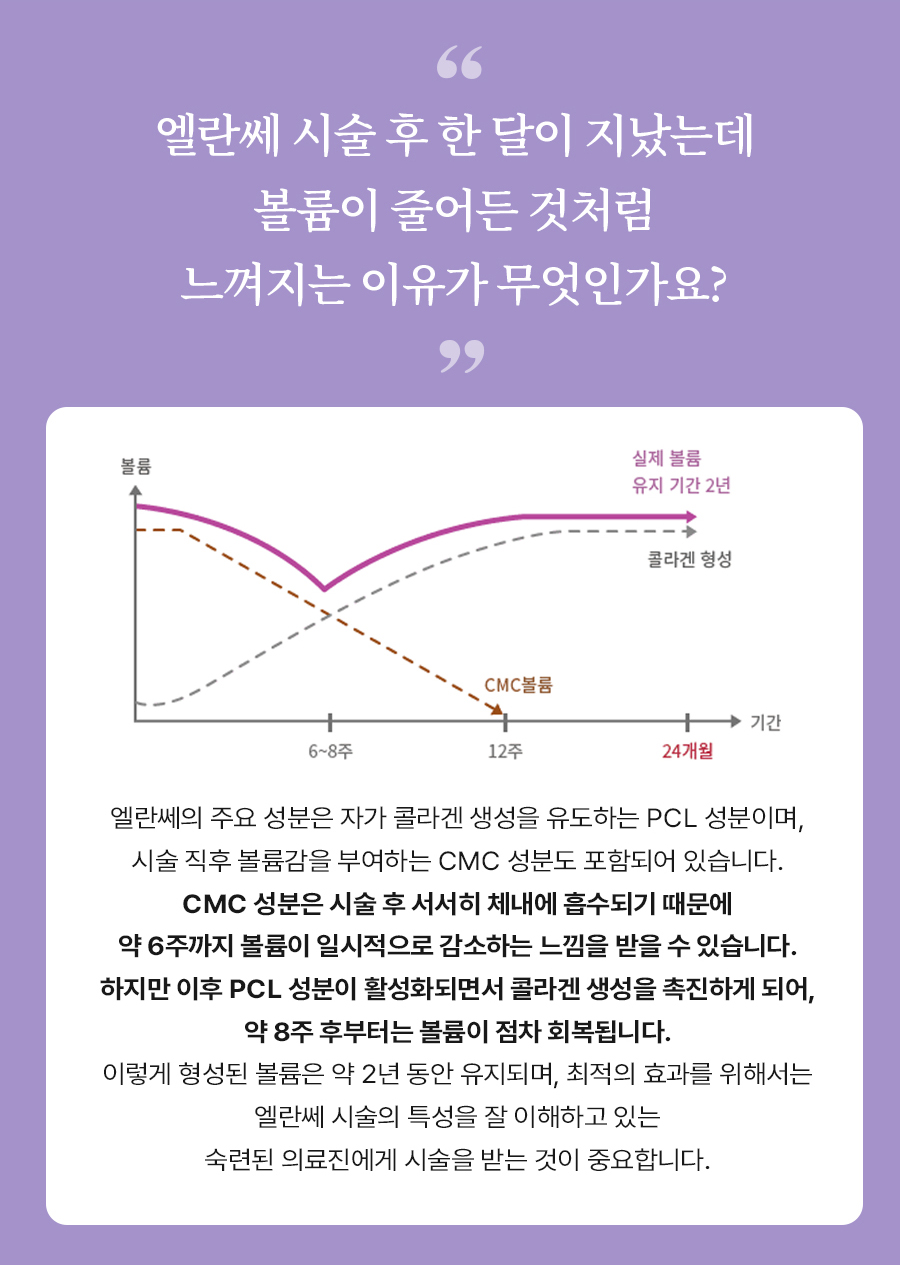
- Ellanse
- Lafullen
- Restylane
- Multiple Juvederm ranges such as Volux, Volite, Voluma, Volift, Volbella
- Juvelook

Product choice depends on several factors:
Desired longevity: some products are designed to last longer by stimulating collagen, while others are shorter‑acting and more easily adjusted.
Firmness and support: structural fillers such as Juvederm Voluma or similar are often used deeper on bone for support, while softer fillers or skin‑quality products are used more superficially.
Indication: strong support for the midface, fine surface irregularities, or overall skin texture improvement.
Rather than using a single filler everywhere, many clinics plan a layered approach, combining firmer products deep on the bone with softer products closer to the surface when needed.
Integration with a broader anti‑aging strategy
In Cheongdam’s anti‑aging focused clinics, front cheek filler is rarely treated as a stand‑alone quick fix. It is usually integrated into a broader plan that considers:
- Midface volume and structural support
- Skin quality and elasticity
- Degree of sagging and need for lifting
Clinique hus,hu, for example, is known for cell-level anti-aging programs, including autologous exosome injections (Mysome) and stem-cell based treatments, supported by an in-house cell research lab called Recovery Lab.

Lifting and tightening options often used alongside or instead of filler may include:
- Thermage FLX
- Ulthera Prime
- Emface
- Thread lifting such as Aptos threads or Silhouette Soft
- Energy devices such as Exion
By combining diagnostic imaging, facial analysis, and a wide range of tools, the plan can be tailored so that front cheek filler is used where it truly adds value, rather than as the only solution.
Medical team and safety philosophy
For midface filler, understanding anatomy is critical. The area contains important blood vessels, and safe injection requires knowledge of depth, angles, and safe zones.

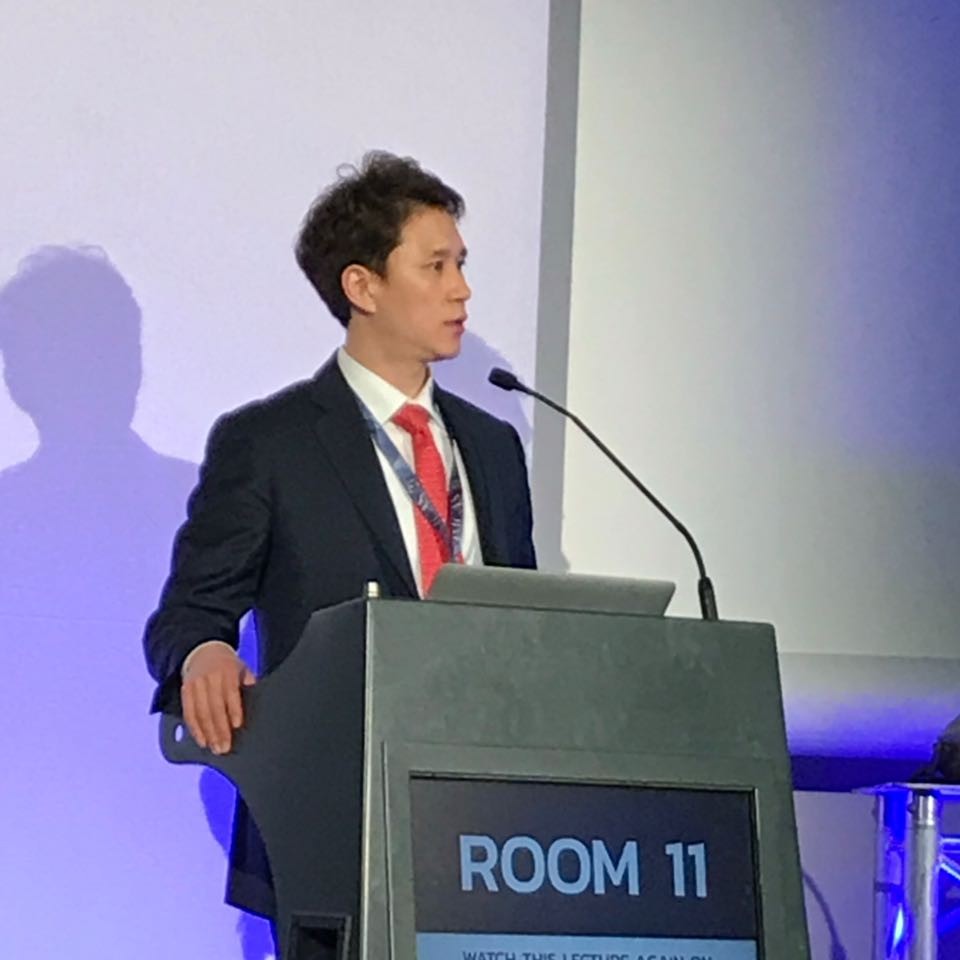
Some clinics in Cheongdam emphasize medical teams with academic and international experience in fillers and lifting threads, including publications and lectures. In certain cases, one of the doctors may act as a key opinion leader and international advisor for products such as Ellanse, presenting at global aesthetic conferences.
This type of background is relevant not as a marketing point, but because it usually reflects:
- Experience with different filler behaviors in real patients
- Advanced injection planning for natural results
- Strong awareness of complication management and emergency protocols
For overseas patients, choosing a clinic that can clearly explain its safety approach and complication management is as important as before‑and‑after photos.
Location and access in Seoul
Cheongdam in Gangnam is a central beauty and anti‑aging hub in Seoul. Many international patients find it convenient because it is:
Near Apgujeong Rodeo Station on the Suin–Bundang Line
A short walk straight from Exit 4 toward Galleria Department Store
Clinics such as Clinique hus,hu are located in this area, making it easy to combine treatment with shopping and other appointments during your stay.
How front cheek filler is planned
Pre‑consultation and assessment
Before any injection, a detailed consultation is essential. This usually includes:
Assessment of facial proportions, including cheek projection and width
Evaluation of the under‑eye to cheek transition
Observation of nasolabial folds and marionette lines
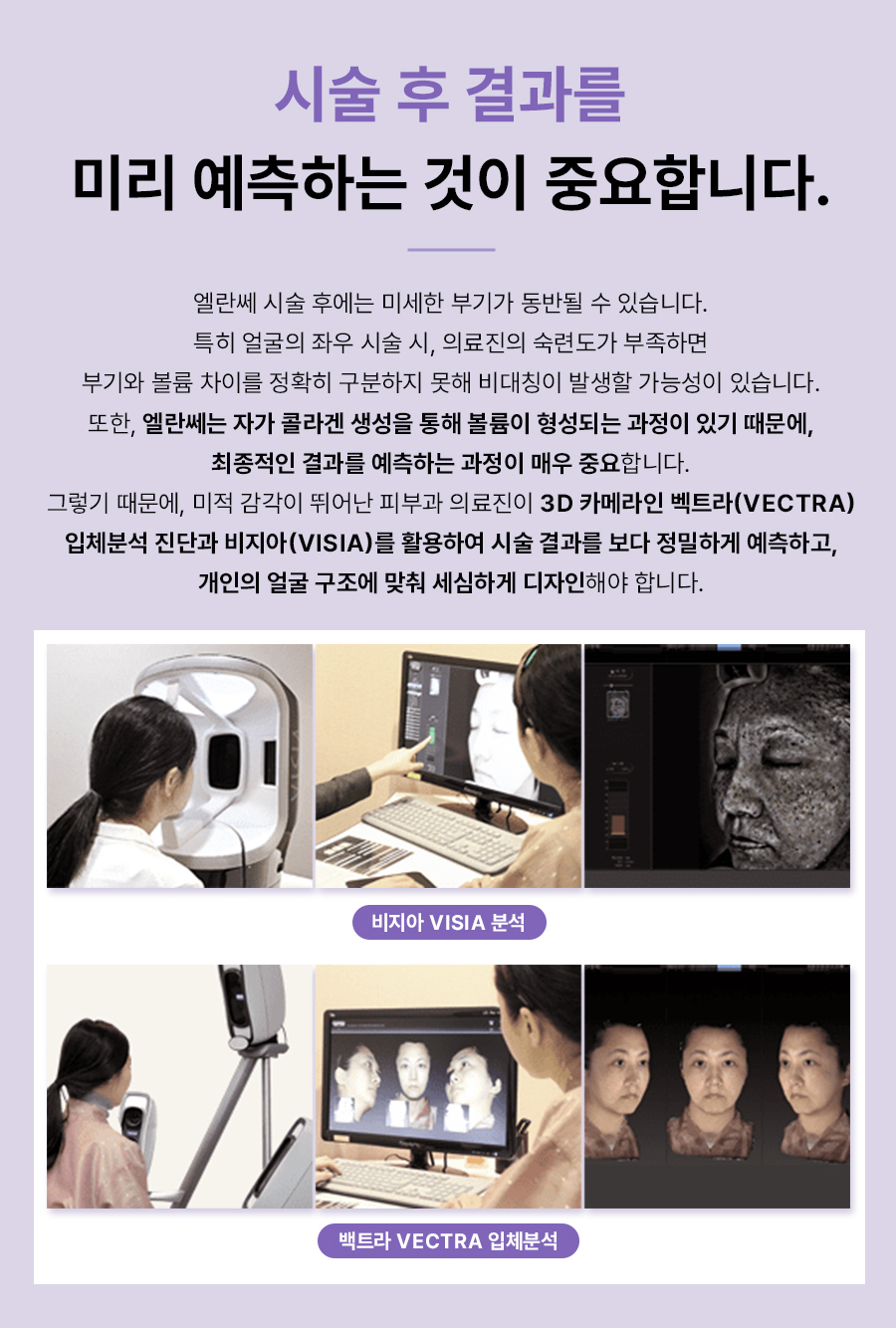
Review of your photos, including how you look from different angles and with different expressions
Discussion of your main concerns: tired look, flat cheeks, deep folds, or asymmetry
Many clinics use imaging or photo analysis tools as part of holistic beauty programs. These help visualize volume loss, skin quality, and aging patterns, and can be useful for tracking changes over time.

During this stage, the doctor will also decide whether front cheek filler alone is appropriate, or if you would benefit more from combining it with lifting devices, thread lifting, or skin‑quality treatments.
Design and product selection
Once the assessment is complete, the doctor designs a plan that includes:
Filler type: for example, Juvederm Voluma or a similar structural filler for deep support, and possibly a softer filler or a biostimulatory product like Ellanse or Juvelook in specific layers.
Injection depth: deep injections on the bone (periosteal) for structure, and more superficial injections (subcutaneous) for contour refinement when needed.
Approximate volume per side: often a conservative amount to start, with the option of adding more later.
The philosophy in many advanced clinics is to avoid overfilling. A conservative, layered approach allows the filler to integrate with your tissues and be adjusted during follow‑up, rather than trying to achieve everything in one heavy session.
Procedure steps
On the day of treatment, the typical steps are:
Cleansing and marking: the skin is cleaned, and injection points or zones may be marked according to your facial anatomy.
Anesthesia: topical numbing cream or local anesthesia is used as needed to reduce discomfort.
Injection technique: the doctor may use a needle, a blunt‑tip cannula, or a combination, depending on the area and safety considerations. The focus is on avoiding critical vessels, placing the filler at the correct depth, and building the contour gradually.
Molding and symmetry check: after injecting, the doctor may gently mold the filler and check your face from multiple angles to ensure symmetry and natural shape.
Time, downtime, and recovery
Most patients can return to daily activities immediately after front cheek filler. However, you should expect:
- Mild swelling for a few days
- Possible small bruises or redness at injection points
- Temporary tenderness when touching or pressing the area
These effects usually improve within several days. Makeup can often be applied after a short period, as advised by the clinic.
For overseas patients, it is wise to allow a few days in Seoul after treatment in case you need a quick check or minor adjustment before you fly home.
Results and duration
You can usually see an immediate improvement in midface volume and contour right after the procedure. However, the final result settles over 1 to 2 weeks as swelling reduces and the filler integrates with your tissues.
Duration depends on:
The product used (for example, structural fillers such as Voluma or Ellanse tend to last longer than very soft fillers)
Your metabolism and lifestyle
The area and depth of injection
Maintenance is usually planned based not only on product duration but also on your ongoing aging process. Sometimes, instead of simply adding more filler, the plan may shift toward lifting or skin‑quality treatments as your needs change.
Safety, risks, and realistic expectations
Key safety points
The midface has important blood vessels and nerves, so safe front cheek filler requires:

- Detailed knowledge of midface vascular anatomy
- Appropriate choice of injection plane and technique
- Conservative volumes and gradual injection
Typical temporary side effects include:
- Swelling
- Redness
- Tenderness
- Small bruises
These are usually mild and short‑lived. However, rare but serious complications can occur, such as vascular occlusion. Warning signs that require immediate medical attention include:
- Sudden severe pain during or after injection
- Skin color changes (whitening, mottling, or darkening) in the treated area
- Visual symptoms such as blurred vision or loss of vision
For this reason, it is important to choose a clinic with on‑site doctors, clear emergency protocols, and experience in managing complications.

Realistic expectations
Front cheek filler can:
- Improve midface contour and support
- Soften a tired or hollow look
- Indirectly reduce the appearance of nasolabial folds
However, it cannot fully replace surgical lifting in cases of severe sagging. For some patients, combining filler with lifting devices such as Thermage FLX, Ulthera Prime, Emface, or thread lifting (Aptos, Silhouette Soft) gives more natural and longer‑lasting results than filler alone.
Many Cheongdam clinics also avoid excessive volume, focusing instead on harmonizing with your natural structure and planning for long‑term aging rather than short‑term fullness.
Aftercare tips for front cheek filler
After front cheek filler, general aftercare recommendations often include:
Avoid pressing, rubbing, or massaging the treated area unless your doctor specifically instructs you to do so.
Refrain from intense exercise, saunas, hot baths, and heavy alcohol on the day of treatment and for a short period afterward, as advised.
Sleep with your head slightly elevated the first night if you feel swollen.
Avoid facial treatments, strong massages, or other procedures on the area until your doctor gives clearance.
Monitor for unusual pain, severe swelling, or skin color changes, and contact the clinic promptly if they occur.
Plan and attend follow‑up visits to evaluate symmetry, filler integration, and whether subtle adjustments are needed.
Online consultation and pre‑visit preparation
For overseas patients, an online consultation is often the first step. To make this efficient and accurate, prepare the following:

Clear photos of your face from the front, 45‑degree, and side views, both in neutral expression and smiling.
Information about previous fillers, thread lifts, or energy‑based treatments you have had in the midface.
Any history of allergies, autoimmune conditions, or major medical issues.
Your main concerns and priorities: for example, “tired under‑eye look,” “deep nasolabial folds,” or “flat cheeks from the front.”
During online consultation, you can ask about:
Whether front cheek filler alone is recommended or if combined treatments are better.
Which filler types are commonly used for your case and why.
Expected number of sessions and follow‑up visits during your stay in Seoul.
How long you should stay in Korea after treatment before flying home.
A clinic that can answer these questions clearly and show you example treatment plans (without promising guaranteed results) is usually a better fit for international patients.
Expected Korea visit timeline for front cheek filler
While each patient is different, a typical visit timeline for front cheek filler in Seoul might look like this:
Before arrival: complete online consultation, send photos, and receive a preliminary plan and estimated schedule.
Day 1: in‑person consultation, facial analysis, imaging if needed, and finalization of the plan. In many cases, treatment can be done on the same day.
Day 2–3: light swelling or minor bruising may be visible. You can usually continue sightseeing or business activities with minimal restrictions.
Day 5–7: optional follow‑up visit for check‑up, minor adjustment, or additional subtle volume if both you and the doctor agree it is needed.
Departure: many patients feel comfortable flying home a few days after treatment, but your clinic may suggest an ideal minimum stay based on your plan.
If you are combining front cheek filler with lifting devices or cell‑level treatments, your schedule may include extra days or multiple short visits.
Frequently asked questions
Difference between front cheek filler and cheekbone filler
Front cheek filler focuses on the anterior or mid‑cheek area, especially the zone under the eyes and above the nasolabial folds. Its main goal is to restore central support, smooth the under‑eye to cheek transition, and reduce a sunken or tired look.
Cheekbone filler, on the other hand, targets the lateral cheek and zygomatic arch to enhance contour and definition from the side and 45‑degree angles. It can create a more sculpted or lifted appearance. In many plans, both areas are considered together to avoid over‑emphasizing one part of the face.
Does front cheek filler make the face look bigger
When front cheek filler is planned and injected correctly, it usually does not make the face look wider or “bigger.” Instead, it restores three‑dimensional support in the center of the face, which often makes the face look more youthful and balanced.

Because volume is added in a targeted way to replace what has been lost, the effect is more about softening shadows and improving contours than about increasing overall size.
How does front cheek filler affect nasolabial folds and under‑eye hollows
The midface acts as a support structure for both the nasolabial folds and the under‑eye area. When this support weakens, folds deepen and under‑eye hollows become more visible.
By restoring volume in the front cheek, the skin and soft tissues are gently lifted and supported. This can indirectly soften nasolabial folds and reduce the appearance of under‑eye hollows, sometimes reducing the need for direct filler in those lines or tear troughs. However, in some cases, additional targeted treatment may still be recommended.
What ages are suitable for front cheek filler
Front cheek filler can be suitable for a wide age range, depending on the goal:
Late 20s to 30s: for contouring and balancing naturally flat or asymmetric cheeks.
30s to 50s and beyond: for restoring age‑related volume loss, supporting sagging tissues, and softening folds.
The product choice, injection depth, and volume are adjusted according to age, tissue quality, and overall facial structure. A thorough consultation with an experienced injector is important to decide whether this treatment is appropriate for you.

Soft call to action
If you are considering front cheek filler in Seoul and want a plan that looks beyond a single injection to your overall midface aging, you can start with an online consultation. Clinics in the Cheongdam area, such as Clinique hus,hu near Apgujeong Rodeo Station, can review your photos, discuss filler options like Restylane, Juvederm Voluma, Ellanse, and others, and help you design a visit schedule that fits your travel plans.
Prepare your questions, share your concerns honestly, and choose a team that explains both benefits and limitations clearly. This approach will help you achieve a natural, refreshed look while keeping safety and long‑term aging in mind.
- 공유 링크 만들기
- X
- 이메일
- 기타 앱

댓글
댓글 쓰기