Hair loss treatment cost guide for non‑surgical care in Gangnam
- 공유 링크 만들기
- X
- 이메일
- 기타 앱
Hair loss treatment cost in Gangnam at a glance
For an international patient visiting a premium anti‑aging and dermatology clinic in the Cheongdam area of Gangnam, non‑surgical hair loss treatment costs usually fall into these broad ranges:
Costs vary widely by clinic, country, treatment protocol, and number of sessions. Typical fee components include consultation and scalp analysis, ongoing medical therapy (oral/topical), in‑clinic injection procedures, autologous cell/exosome programs, and comprehensive multi‑month treatment packages. Exact prices depend on the clinic and protocol—check current clinic price lists or request an itemized quote. Any figures cited online should be treated as illustrative estimates and confirmed directly with the provider.
These are typical ranges for a Gangnam‑level clinic and are not a quote from a specific center. Actual fees vary with the type and stage of hair loss, the mix of treatments you choose, and how long you continue the program.
Overview of non‑surgical hair loss treatment in a Gangnam cell‑focused clinic
In the Cheongdam area near Apgujeong Rodeo Station, some clinics present themselves as dermatology centers offering medical assessments, diagnostic scalp imaging, and regenerative procedures rather than purely cosmetic salon services. If a clinic uses this positioning, ask for details about the specific services offered, staff qualifications, and the evidence supporting its treatments.
Instead of going directly to hair transplant, these clinics emphasize non‑surgical options such as:
Medical therapy based on dermatology guidelines.
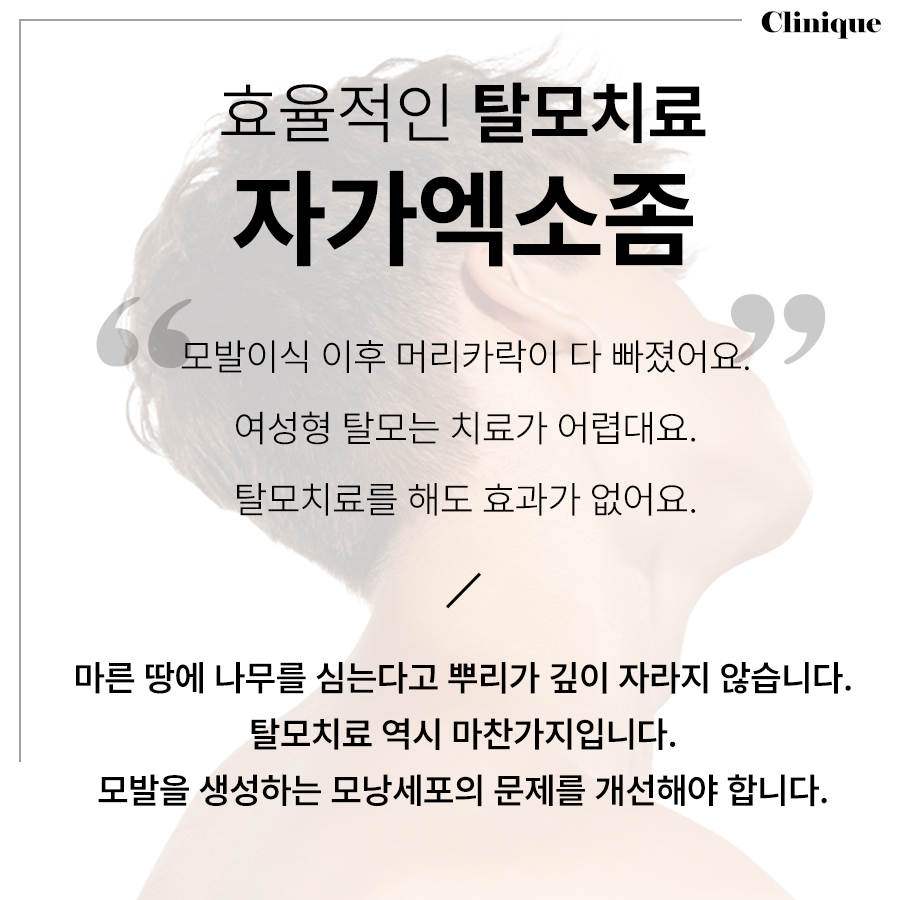
Autologous exosome injection programs that use components derived from your own cells.
Growth factor or nutrient injections and microneedling.
Low‑level laser and other device‑based scalp treatments.
Lifestyle and scalp‑care coaching to protect existing hair.
Hair loss protocols are then designed as part of this broader ecosystem, using knowledge from skin and tissue regeneration to support the scalp and hair follicles.
Common cost components in hair loss treatment
Specialist consultation
Your first visit generally includes a consultation with a dermatologist who focuses on hair and scalp issues. The doctor will ask about your medical history, family pattern of hair loss, current medications, and lifestyle factors such as stress, sleep, and nutrition.
This professional time is reflected in the consultation fee. Follow‑up visits may be shorter and sometimes are included in package pricing.
Scalp and hair density assessment
Modern clinics use digital tools to assess the scalp and hair follicles. This can include:

High‑magnification imaging of the scalp and hair shafts.
Trichoscopy to look at follicle openings, miniaturization, and inflammation.
Holistic skin and hair analysis systems that measure oil, hydration, and sensitivity.
These tests help classify the type of hair loss and its stage, and they also provide a baseline for tracking progress. In some clinics, the cost of this diagnostic work is bundled into the initial consultation; in others, it may be listed as a separate item.
Prescription medications and lab tests
Standard medical therapy for hair loss often includes oral medications, topical solutions, or both. In some cases, blood tests are recommended to check hormones, nutritional status, or other health issues that may be contributing to hair shedding.
The cost of medication depends on the drug type, dose, and whether you choose brand‑name or generic products. For overseas patients, it is important to ask how many months of medication you can safely take home and whether follow‑up can be done online.
In‑clinic procedures
Beyond medication, many patients choose in‑clinic procedures to support hair density and quality. Common options include:
Autologous exosome injections that use exosome‑rich preparations derived from your own cells.
Growth factor or nutrient injections, sometimes delivered via microneedling.
Low‑level laser therapy or other energy‑based scalp treatments.
Each of these adds to the overall cost. In a cell‑focused clinic, a portion of the fee reflects the complexity of cell handling and the technology used to prepare autologous products, which is more involved than simple mesotherapy.
Follow‑up visits and monitoring
Hair growth is slow, so meaningful evaluation usually happens over months, not weeks. Follow‑up costs may include:
Repeat scalp imaging to compare density and thickness.
Adjustment of medication doses.
Additional injection or device sessions according to your protocol.
Many clinics offer package pricing for a fixed number of months or sessions, which can be more economical than paying per visit.
Autologous exosome programs — offerings and limited clinical evidence
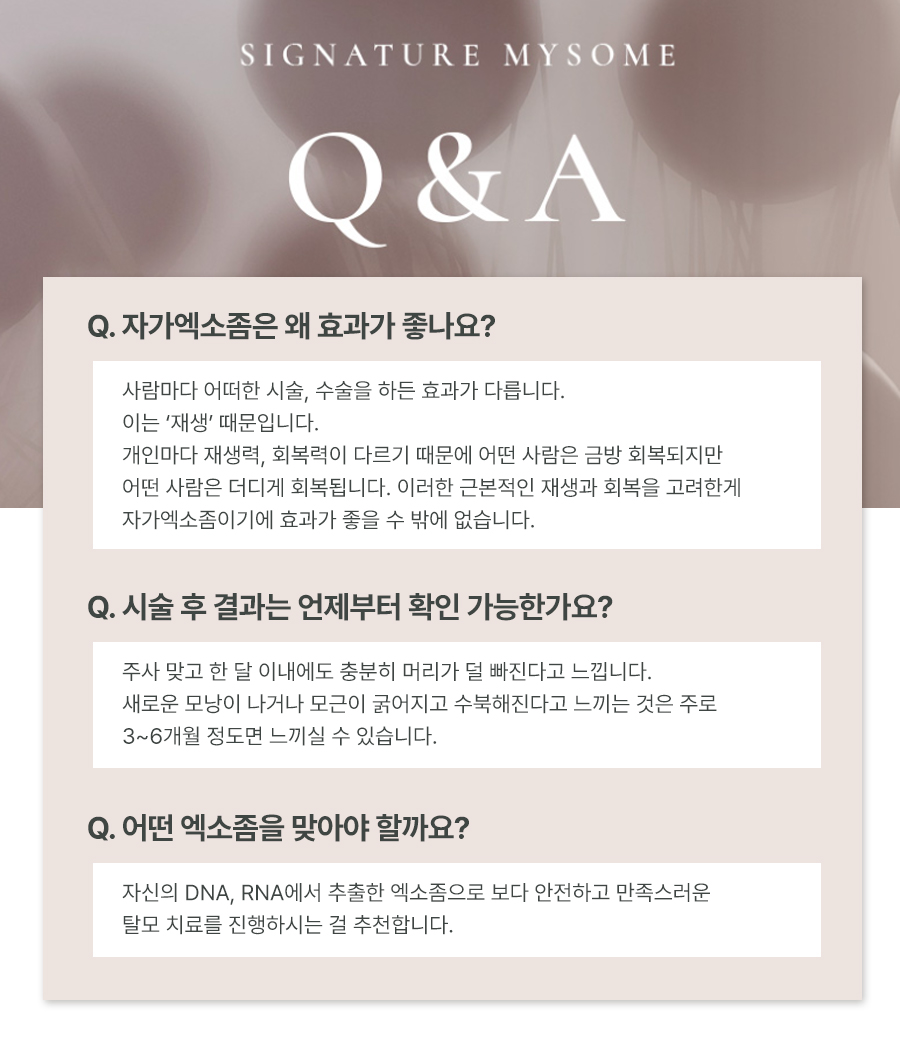
Autologous exosome programs are a key differentiator for some Gangnam clinics. In simple terms, exosomes are tiny vesicles released by cells that carry signaling molecules. When concentrated and prepared from your own cells, they can be used to support the microenvironment around hair follicles.
What an autologous exosome program involves
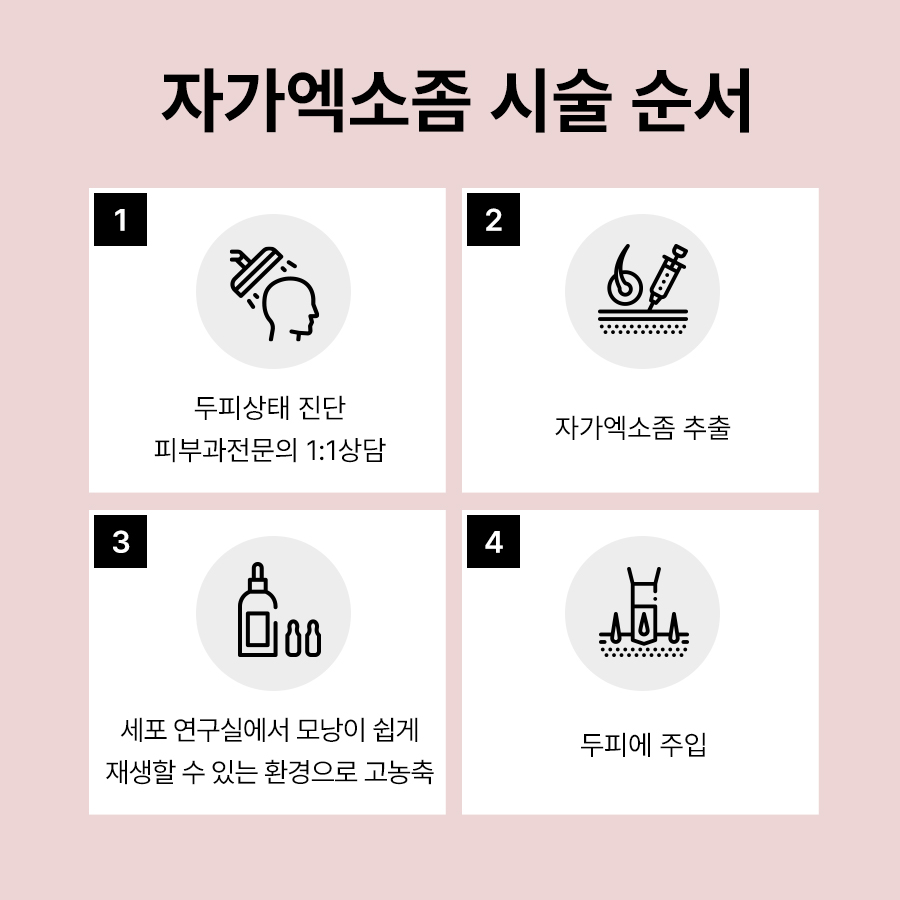
Although protocols differ, a typical program may include:
Collection of a small tissue or blood sample, depending on the clinic’s chosen method.
Processing to create an exosome‑enriched preparation; this may be done in‑house or by an external laboratory, and clinics use varying proprietary or non‑proprietary protocols.
Administration to the scalp (for example, by injection or microneedling) in areas affected by thinning.
Often offered alongside medical therapy, scalp care, or device‑based stimulation.
Clinical evidence and regulatory status vary; discuss potential benefits, risks, and documented results with a qualified dermatologist before proceeding.
This approach aims to support follicle activity, improve the scalp environment, and complement standard medication.
How it differs from standard drug therapy
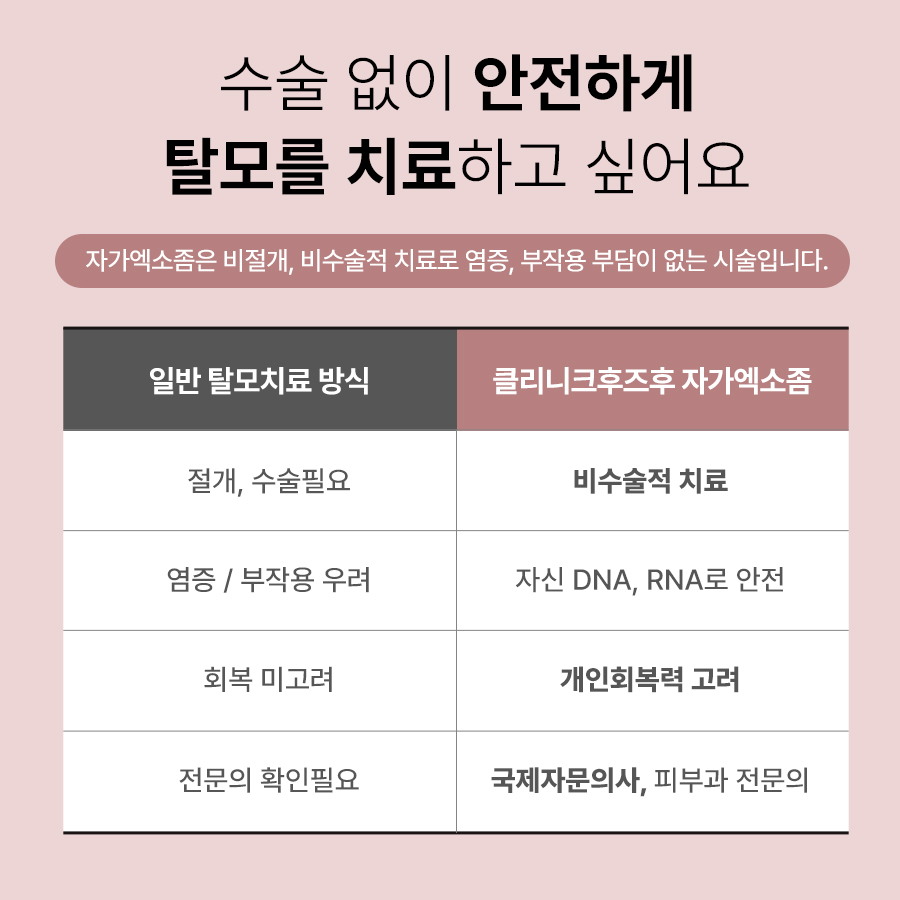
Standard drug therapy focuses on hormonal pathways and blood flow. It is often effective but may have limitations, especially if started late or used alone.
Autologous exosome programs, by contrast, aim at the cell‑to‑cell communication level in the scalp. They do not replace medication in most cases but are used alongside it to enhance overall support for the follicles.
Compared with generic scalp injections or simple PRP done without a structured protocol, exosome programs usually involve more precise preparation, standardized dosing, and integration into a broader anti‑aging concept.
Cost perspective of exosome programs
Because of the lab work and technology involved, per‑session prices for autologous exosome treatments are higher than for basic injections. However, clinics usually recommend a series of sessions spaced over several weeks or months.
To make this more manageable, many centers offer package pricing for a fixed number of exosome sessions plus follow‑up. When combined with medical therapy, these programs are often positioned as suitable for early to moderate hair loss, where there is still a good number of living follicles to support.
Factors that change the price for each patient
Even in the same clinic, two patients can receive very different cost estimates. Key factors include:
Stage and pattern of hair loss
Early thinning with minimal visible scalp usually requires fewer sessions and less intensive treatment. Advanced recession or large bald areas may need a longer program or may be less responsive to non‑surgical methods alone.
In general, starting treatment earlier tends to be more cost‑effective because the goal is to preserve and strengthen existing hair rather than revive long‑lost follicles.

Scalp condition and other skin issues
If you also have seborrheic dermatitis, scalp acne, or atopic tendencies, these conditions may need separate treatment. Additional medications, special shampoos, or device‑based therapies to calm inflammation can add to the total cost.
Treatment intensity level
Patients often choose among three broad levels of intensity:
Basic: consultation, diagnostic imaging, and medication, sometimes with simple scalp care. This is the most economical starting point.
Intermediate: medical therapy plus periodic injections or device‑based stimulation. Costs are higher but still moderate.
Intensive: a structured autologous exosome program integrated with anti‑aging and scalp‑health protocols. This is the highest investment, focusing on cell‑level support.
Number and type of devices used
Some clinics combine exosome or growth factor injections with advanced devices originally developed for skin and tissue regeneration, such as radiofrequency, ultrasound, or laser platforms adapted for scalp use. Each device session adds to the cost, so a plan that uses multiple technologies will be more expensive than one that relies on medication and injections alone.
How a premium Gangnam clinic typically manages hair loss
A premium anti‑aging and dermatology clinic in Cheongdam is usually not a dedicated hair transplant center. Instead, it treats hair loss as part of overall skin and cell health.
Such a clinic may:
Use multiple high‑end platforms for skin and tissue regeneration, then adapt them to scalp indications when appropriate.
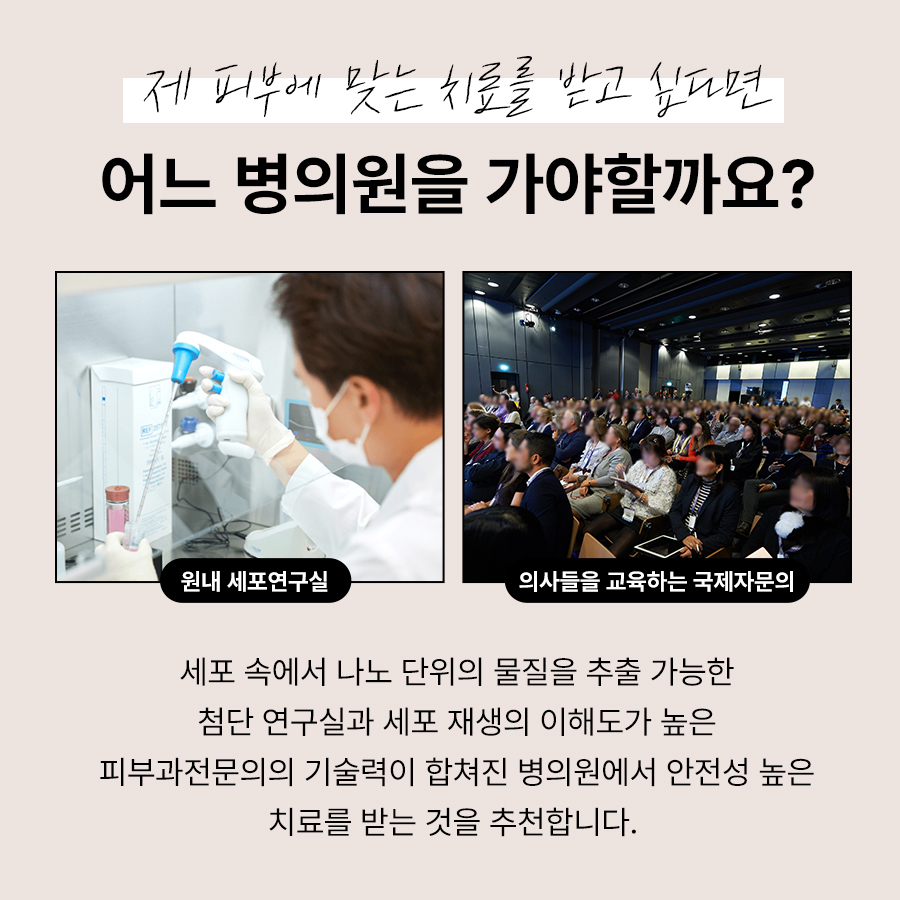
Operate an in‑house cell lab to support autologous exosome and other cell‑based programs.
Integrate hair loss care with facial anti‑aging, pigmentation, and other dermatology services for a more holistic approach.
Medical evaluation is central. Some clinics involve dermatologists with hospital or academic experience or clinicians who hold membership in relevant professional societies to help design or supervise protocols, particularly when regenerative techniques are used. Verify the clinic’s stated staff qualifications and oversight practices before starting treatment.
How to compare hair loss treatment prices between clinics
When you compare prices, it is tempting to look only at the per‑session cost. However, this can be misleading. Consider the following points.
Medical supervision
Check whether a dermatologist is directly involved in evaluating your scalp, planning your treatment, and performing or supervising procedures. Some places offer low prices by minimizing medical time and relying mainly on technicians.
Diagnostic tools
Ask what tools are used to diagnose and monitor your hair loss. A clinic that invests in digital imaging and trichoscopy may charge more, but it can also provide more precise staging and better tracking of progress.
Structured protocols vs. ad‑hoc injections
For autologous exosome or other regenerative treatments, find out whether the clinic follows a structured protocol with defined session numbers, intervals, and evaluation points. Ad‑hoc injections without a clear plan may seem cheaper initially but can become unpredictable in cost and outcome.
Package transparency
Before you decide, request a written plan that explains:
Number of sessions and expected duration.
What is included in the package (consultations, imaging, medications, procedures, aftercare).
What is not included and may generate extra charges.
Extremely low prices can sometimes indicate shortcuts in evaluation, product quality, or follow‑up. While cost matters, safety and professionalism should come first.
Who might consider higher‑end options like autologous exosomes
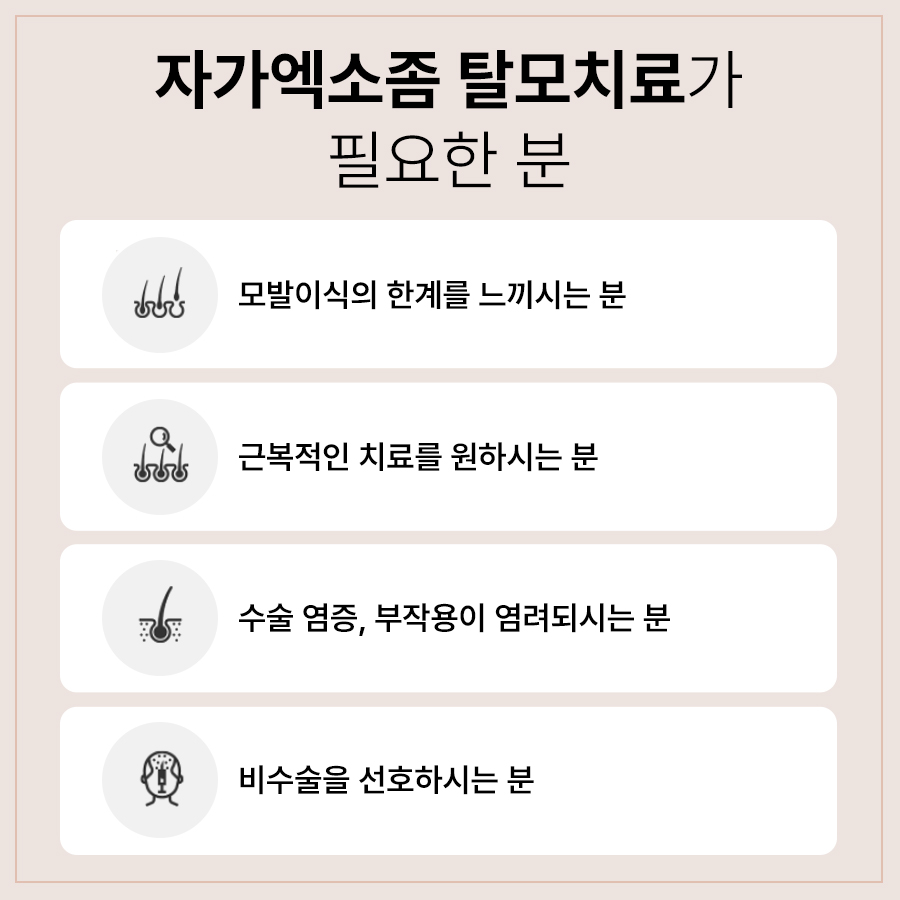
Autologous exosome programs are not necessary for everyone. They may be worth considering if you:
Are in the early to moderate stages of androgenetic hair loss and want to slow progression while improving hair quality.
Have already tried basic medication and scalp care but feel you need an additional boost.
Prefer non‑surgical, minimally invasive options and want to delay or avoid hair transplant.
For very advanced baldness with few remaining follicles, expectations need to be realistic. In such cases, a dermatologist may recommend combining non‑surgical care with other strategies or focusing on maintaining the surrounding hair.
Practical guidance for overseas patients
Preparing for your consultation
To make the most of a short visit to Korea, prepare the following before your appointment:
A list of family members with hair loss and at what age it started.
A record of your current medications and supplements.
Photos of your hair taken over the past 6–12 months to show progression.
Any previous diagnoses, lab results, or treatments you have tried.
Having this information ready helps the doctor quickly understand your situation and tailor a plan that fits your timeline and budget.
Online consultation before you travel
Many Gangnam clinics offer online pre‑consultations via email, messaging apps, or video calls. During this step, you can:
Share photos of your scalp from different angles.
Describe your main concerns and how long you have noticed thinning.
Discuss your available travel dates and approximate budget.
The clinic can then suggest a tentative schedule, such as how many in‑clinic sessions are realistic during your stay and which parts of the program can continue at home.
Expected Korea visit timeline
For hair loss, a common pattern for overseas patients is:
First visit: consultation, scalp analysis, and initial treatment. This may include starting medication and, if appropriate, the first injection or device session.
Follow‑up visits during the same trip: additional sessions spaced a few days to a week apart, depending on the protocol.
Long‑term plan: continuation of medication and topical care at home, with possible return visits every few months for further exosome or growth factor sessions.
If you can stay in Seoul for two to three weeks, it is often possible to complete a short intensive program. If your stay is shorter, the clinic may design a phased plan where you start in Korea and continue with maintenance in your home country.
Aftercare and maintenance
After in‑clinic procedures, you will receive instructions on:
How to wash your hair and scalp in the first few days.
Which products to avoid, such as harsh dyes or strong styling chemicals.
How to manage mild redness or sensitivity after injections or device treatments.
Long‑term maintenance usually includes ongoing medication, gentle scalp care, and periodic follow‑up imaging. Because hair growth is gradual, it is important to keep realistic expectations and stay in contact with the clinic, especially if you are adjusting doses or adding new treatments.
Frequently asked questions about hair loss treatment cost in Gangnam
How much does non‑surgical hair loss treatment usually cost per month?
s. Autologous exosome programs are usually at the higher end, especially during the initial months when sessions are more frequent.
Is an autologous exosome program worth the higher price?
It depends on your stage of hair loss, goals, and budget. For early to moderate thinning, exosome programs may offer added value by supporting the scalp environment at a cell level, especially when combined with medication. For very advanced baldness, the benefit may be more limited, and a dermatologist might suggest other options. A thorough consultation is essential to weigh the potential benefits against the cost for your specific case.
How many exosome sessions are usually needed?
Protocols vary, but many clinics recommend a series of several sessions over three to six months, followed by maintenance sessions at longer intervals if needed. Because of this, clinics often offer package pricing rather than single‑session fees. During your consultation, ask the doctor to explain the planned number of sessions, spacing, and how progress will be evaluated.

Can I start treatment in Korea and continue at home?
Yes, this is common for overseas patients. You can often begin with consultation, diagnostics, and one or more in‑clinic procedures in Korea, then continue with oral and topical medications in your home country. Some clinics offer online follow‑up to review photos and adjust your plan. If you are considering exosome programs, ask how many sessions are realistic during your stay and whether additional visits are recommended later.
Soft call to action for online consultation
If you are considering visiting the Cheongdam area of Gangnam for non‑surgical hair loss care, an online consultation is a practical first step. By sharing your history, photos, and budget in advance, you can receive a clearer idea of suitable options, expected costs, and how to fit treatment into your travel schedule.
This article provides general guidance only and does not replace a personal consultation with a qualified medical professional. Hair loss has many possible causes, and treatment plans should always be individualized after a proper examination and discussion of potential benefits and risks.
- 공유 링크 만들기
- X
- 이메일
- 기타 앱

댓글
댓글 쓰기