Hair loss treatment cost in Gangnam: how pricing works for exosome and scalp programs
- 공유 링크 만들기
- X
- 이메일
- 기타 앱
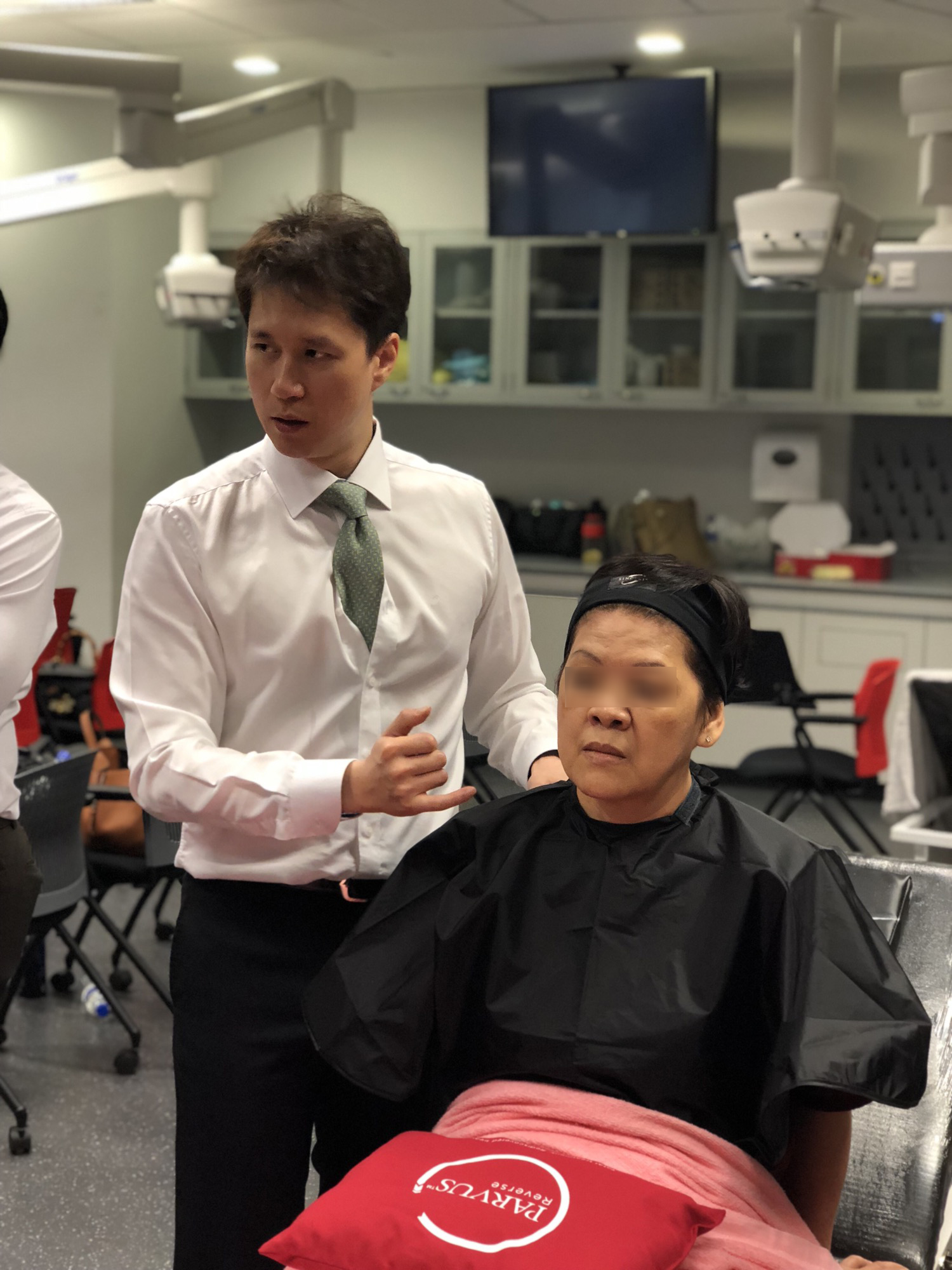
Direct answer: what does hair loss treatment cost?
Simple medication can be relatively affordable per month, while injection programs and autologous exosome treatments are higher in cost because they require more medical time, equipment, and cell‑level procedures.
Many clinics provide a final price only after a scalp examination and consultation. This approach helps ensure medical safety and aligns with common clinical and advertising practices; confirm the clinic's specific pricing policy when you book.
Overview of hair loss treatment options and cost levels
Hair loss care often starts with medication and basic scalp care. If shedding continues or examinations show progressive thinning, clinicians may add injection therapies to try to stimulate the scalp. Some patients later consider regenerative options offered by certain clinics—such as autologous exosome services—but indications, timing, and supporting evidence vary; discuss when to advance treatment with your clinician.
Medication‑centered care tends to have the lowest monthly cost. It often includes oral medication for pattern hair loss and topical solutions to support the scalp. This can be combined with simple in‑clinic scalp cleansing or basic treatments.
Injection‑based scalp treatments sit in the middle range of cost. These may include nutrient injections, anti‑inflammatory injections, or DNA and PDRN‑based solutions to calm the scalp and support skin repair.
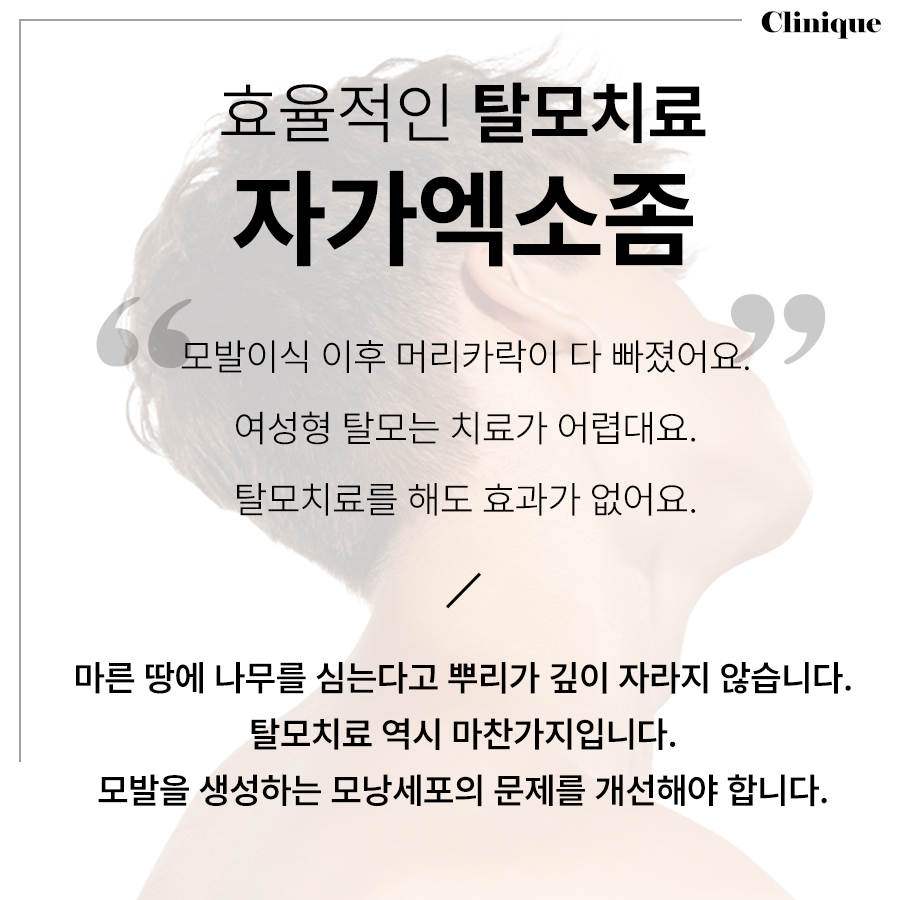
Some clinics offer autologous exosome services. These are described by providers as involving a patient's cell‑derived exosomes applied to the scalp, but protocols, evidence, and costs vary widely. If you are considering such services, ask the clinic for detailed information about their procedures, documented outcomes, and any supporting evidence.
A clinic in Cheongdam that focuses on anti‑aging and hair loss management works more like a medical center than a beauty salon. The emphasis is on cell‑level therapy and scalp health rather than purely cosmetic coverage.
What determines hair loss treatment cost?
Several factors influence how much you will actually pay for hair loss treatment in Korea. Understanding these helps you compare clinics and choose a realistic plan.
Type and severity of hair loss
The cause of hair loss matters. Androgenetic hair loss (pattern hair loss), diffuse thinning from stress, postpartum shedding, and hair loss related to medical conditions all behave differently.
Mild thinning with early‑stage pattern hair loss may respond to medication and a short series of scalp treatments. Advanced hair loss with visible scalp, long‑term shedding, or strong family history often needs a longer and more intensive program.
The more sessions and months required, the higher the total cost, even if each individual visit is not expensive.
Treatment method
Choice of treatment has a major impact on price.
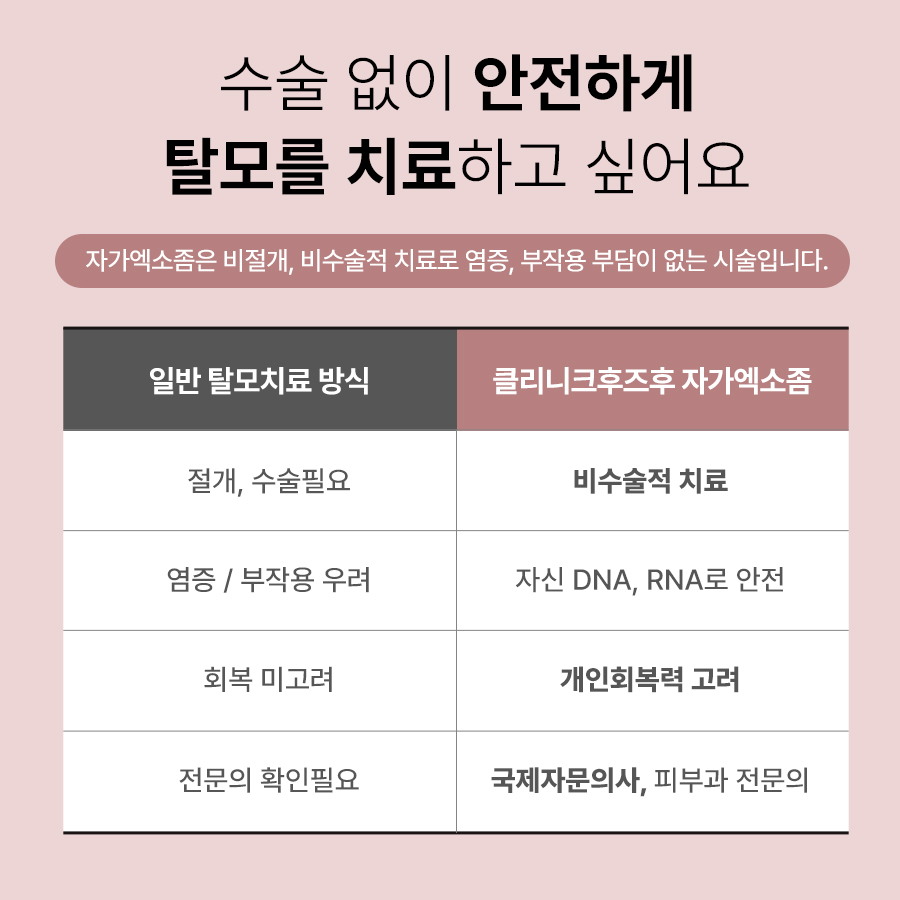
Oral medication and topical agents are usually the most cost‑effective starting point. These are often prescribed for several months or longer and can be combined with at‑home scalp care.
Injection therapies, such as nutrient cocktails, anti‑inflammatory solutions, or DNA and PDRN‑based products, add a per‑session fee. They are usually done at intervals of a few weeks.

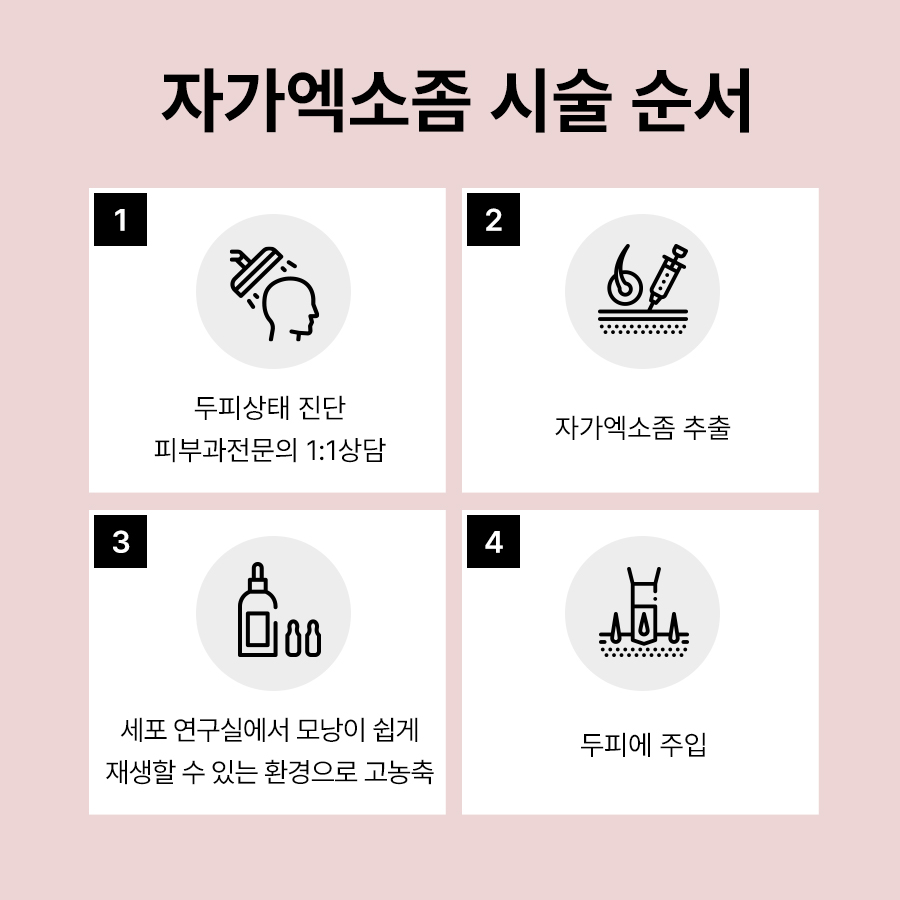
Autologous exosome programs and other regenerative options involve handling your own cell‑derived exosomes. Because this requires processing, strict protocols, and close medical supervision, the per‑session cost is higher than that of standard injections.
Treatment plan length
A single trial session will cost less upfront, but hair loss is rarely solved in one visit. Most patients need a structured plan over several months.
A three‑month plan might include regular clinic visits for injections or exosome sessions, plus daily medication. A six‑month or longer plan is often recommended for more advanced cases or for those who want to stabilize hair loss and then work on density and quality.
The longer and more intensive the plan, the higher the total cost, but the cost per visit may be adjusted when packaged.
Diagnostic and monitoring tools
Quality hair loss care starts with diagnosis. Many clinics use imaging systems and scalp cameras to analyze hair density, thickness, and scalp condition.
Some clinics include these diagnostic tests in the consultation fee, while others bill them separately. Regular photo records and repeated imaging to track progress may also be part of the program.
Using advanced diagnostic tools can increase the initial cost slightly, but it helps to avoid unnecessary treatments and to adjust your plan based on real changes.
Clinic system and staff
A clinic that operates as a medical anti‑aging and hair loss center, with physicians experienced in scalp and hair disorders, generally prices differently from a basic cosmetic salon.
If the clinic maintains an in‑house cell research lab and uses its own protocols for autologous exosome treatments, this raises the technical level of care and can influence pricing.
Features of this clinic’s hair loss program
In Cheongdam, Gangnam, there are clinics that focus on cell‑based anti‑aging and scalp care rather than simple cosmetic procedures. One such clinic integrates hair loss management into a broader system of skin and anti‑aging medicine.
Cell‑focused approach
The clinic functions as a medical anti‑aging and dermatology‑based center, not as a beauty salon. Hair loss is treated as a medical and biological issue, closely linked to scalp aging, inflammation, and overall skin condition.
Autologous exosome hair loss program
A key feature is the autologous exosome program. Instead of using generic, off‑the‑shelf products, this approach uses exosomes derived from the patient’s own cells. The principle is non‑cultured, autologous cell use, which means working with your own biological material under controlled conditions.
In‑house cell research lab
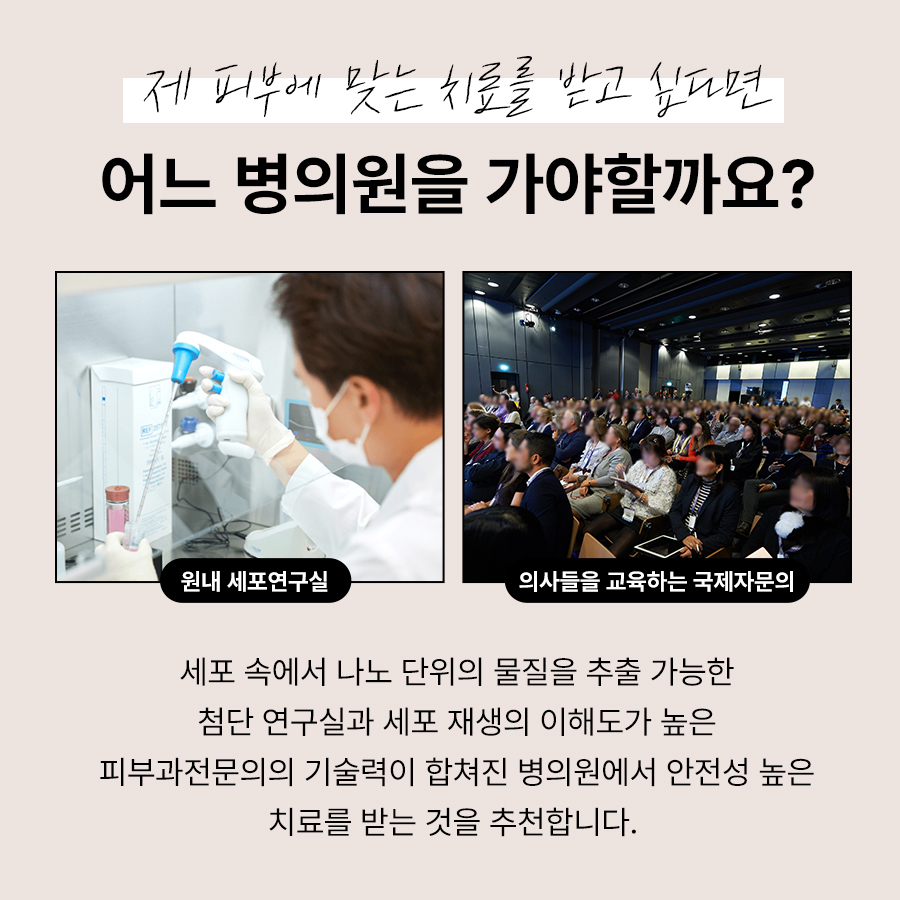
Some clinics advertise having in‑house cell research facilities to manage cell‑related protocols; verify such claims directly with the clinic and request documentation about the facility and its regulatory status.
Integration with anti‑aging and skin repair
Scalp aging, micro‑inflammation, and barrier damage can all contribute to hair thinning. The clinic’s experience with anti‑aging and skin repair is applied to the scalp, combining regenerative treatments, anti‑inflammatory care, and barrier support. This integrated approach can influence both the treatment plan and the overall cost.
Typical cost ranges explained conceptually
While exact numbers cannot be listed without an individual consultation, it is possible to explain how different categories of treatment usually compare.
Medication‑centered care
This is generally the lowest monthly cost option. It includes oral medication for pattern hair loss, topical solutions, and sometimes basic in‑clinic scalp care.
It is often recommended for early‑stage hair loss, maintenance after more intensive programs, or for patients who prefer a simpler, budget‑friendly approach.
Injection‑based scalp treatments
These treatments fall in the mid‑range per session. They may include nutrient injections, anti‑inflammatory solutions, DNA or PDRN‑based products, and other scalp repair injectables.
Patients often schedule them every few weeks for several months. Total cost depends on how many sessions are planned and whether they are combined with medication.
Autologous exosome hair loss programs
These programs are usually planned as a series of sessions over several months, with regular monitoring. The goal is to improve the scalp environment and hair quality at a cellular level.
Combined programs
Some patients choose to combine hair loss treatment with other anti‑aging or skin procedures, such as facial rejuvenation or regenerative skin care.
In these cases, total cost increases, but the clinic may structure it as a package. It is important to ask exactly what is included: number of hair sessions, type of injections, medications, and any skin procedures.
Individualized pricing after consultation
The clinic will examine your scalp, review your history, and then propose one or more options with clear cost explanations.
Why hair loss treatment costs differ between clinics
When comparing prices between clinics in Seoul or Gangnam, it helps to understand why one place may charge more or less than another.
Medical staff and experience
Clinics with physicians who focus on hair and scalp disorders and who have academic or clinical backgrounds in this area may price their services differently from general beauty centers.
Advanced devices and systems
Some clinics invest in multiple high‑end devices for skin and scalp management, as well as detailed diagnostic tools. These can support more comprehensive treatment plans and may be reflected in the cost.

Cell‑level treatment capability
Running an in‑house cell lab and offering autologous exosome or related regenerative therapies requires additional infrastructure and expertise. This raises the technical level of care and can influence pricing.
Follow‑up system
A structured follow‑up system, including regular photo records, imaging, and scheduled reviews, adds value but also requires staff time and resources. One‑time procedures with minimal follow‑up may be cheaper but offer less ongoing support.
Location and access
The Cheongdam and Gangnam areas have higher operating costs than some other parts of Korea. Clinics located on main roads such as Seolleung‑ro, near Apgujeong Rodeo Station and Galleria Department Store, may have slightly higher fees reflecting rent and facility standards.
What to check before deciding based on price
Price is important, but it should not be the only factor. Before you choose a clinic or program, there are key points to confirm.
Who evaluates your scalp
Ask whether a physician directly examines your scalp and hair loss pattern. A proper assessment helps distinguish between temporary shedding and progressive pattern hair loss.
Clarity on treatment course and timeline
Request a clear explanation of how long the program will last, how many sessions are included, and when you might expect to see visible changes.
Hair grows slowly, so most people need at least several months before judging the effect. A clinic that sets realistic timelines is usually more trustworthy than one that promises quick, dramatic changes.
Adjustment for different hair loss types
Make sure the clinic can explain how they will adapt the plan if your hair loss is postpartum, stress‑related, or related to medical conditions, rather than classic pattern hair loss.
Side effects and downtime
For injection and exosome treatments, ask about possible side effects, discomfort, and downtime. Clarify how the clinic manages any reactions and what aftercare is included in the cost.
Transparency of cost
Request an itemized explanation: consultation fee, tests, medications, injection sessions, exosome procedures, and follow‑up visits.
Avoid choosing purely based on a vague package name. A transparent clinic will show exactly what you are paying for and what is optional.
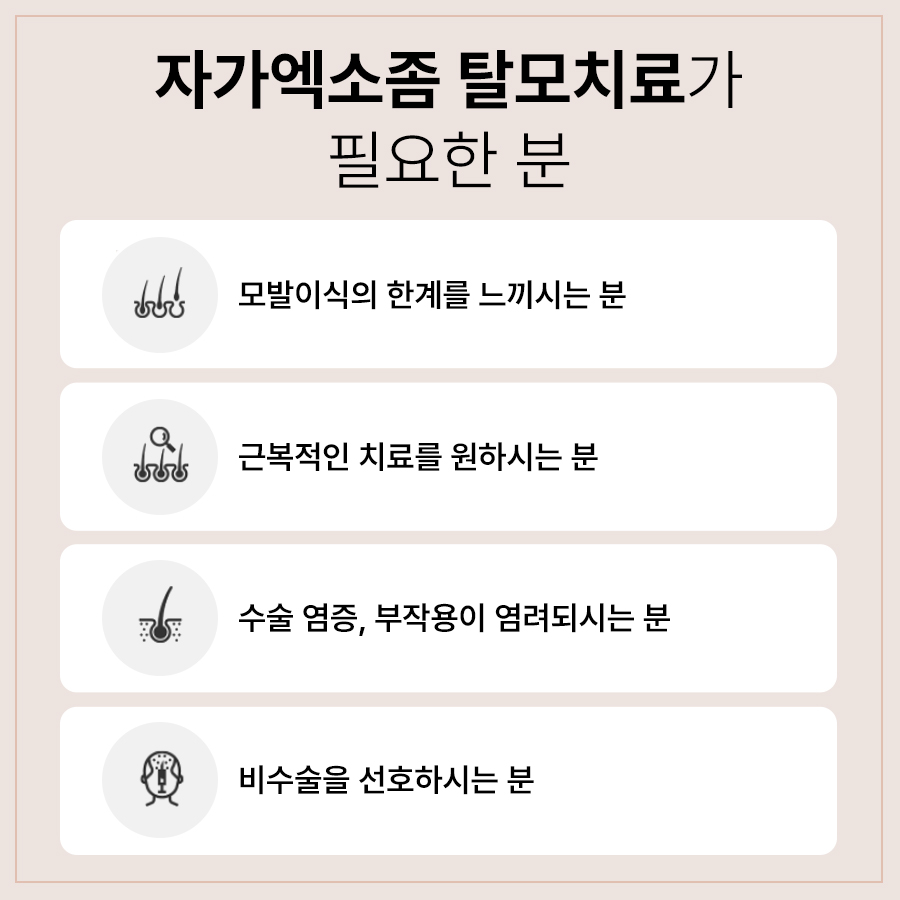
Who may consider autologous exosome hair loss treatment
Autologous exosome programs are not for everyone, but they can be considered in certain situations.
They may be suitable for patients who:
Have early to moderate thinning and want to focus on scalp environment and hair quality.
Have tried basic medication and simple injections but want a more regenerative approach.
Are interested in cell‑level anti‑aging and want to address scalp aging and inflammation.
They may not be ideal for patients with very advanced baldness where hair follicles are already absent, or for those who cannot commit to repeated sessions and follow‑up.
Online consultation and pre‑visit preparation for overseas patients
If you are traveling from overseas, an online consultation is a practical first step. Many clinics in Gangnam offer real‑time messaging and video calls during daytime hours on weekdays and Saturdays.
Before your online consultation, prepare the following:
Clear photos of your scalp from the front, top, sides, and back in good lighting.
A list of current medications and supplements.
Any previous medical test results related to hormones, thyroid, or scalp conditions.
Information about family history of hair loss.
During the online consultation, you can discuss possible treatment options, estimated length of stay in Korea, and a rough cost range based on your situation. Final confirmation of the plan and price will still happen after an in‑person scalp examination.
Expected Korea visit timeline for hair loss treatment
Your visit schedule will depend on how long you can stay in Korea and which treatment you choose.
Short stay: 3 to 5 days
If you are in Seoul for only a few days, you can usually have:
Initial consultation and scalp imaging.
Start of medication and topical treatment.
One or two sessions of injection or exosome treatment, depending on the protocol.
The clinic can then guide you on continuing care at home and possible follow‑up on your next visit.
Medium stay: 2 to 4 weeks
With a longer stay, you can:
Complete a short series of injection or exosome sessions.
Combine scalp treatments with anti‑aging or skin procedures if desired.
Have more detailed monitoring and adjustment of your plan.
Long‑term plan: repeated visits
Hair loss is a medium‑ to long‑term issue. Some overseas patients choose to:
Visit Korea every few months for intensive sessions.
Continue medication and basic care in their home country between visits.
Use online follow‑up consultations to share photos and adjust medication.
Aftercare and long‑term management
After each injection or exosome session, the clinic will provide specific aftercare instructions. These may include:
Avoiding harsh scalp treatments or strong chemicals for a short period.
Managing mild redness, swelling, or sensitivity if they occur.
Using recommended shampoos or topical products.
In the long term, consistent habits matter. Stress management, sleep, nutrition, and gentle scalp care all support the medical treatment. The clinic can help you set realistic routines that fit your lifestyle.
Frequently asked questions about hair loss treatment cost in Gangnam
How much does hair loss treatment usually cost per month in Korea?
Monthly cost can vary widely depending on the plan. Medication‑only care is generally the most affordable, while injection programs and autologous exosome treatments add per‑session fees.
For many patients, the clinic will design a plan that balances effectiveness and budget, combining medication with a realistic number of in‑clinic sessions. Exact figures are provided only after consultation and examination.
Is autologous exosome treatment worth the higher cost?
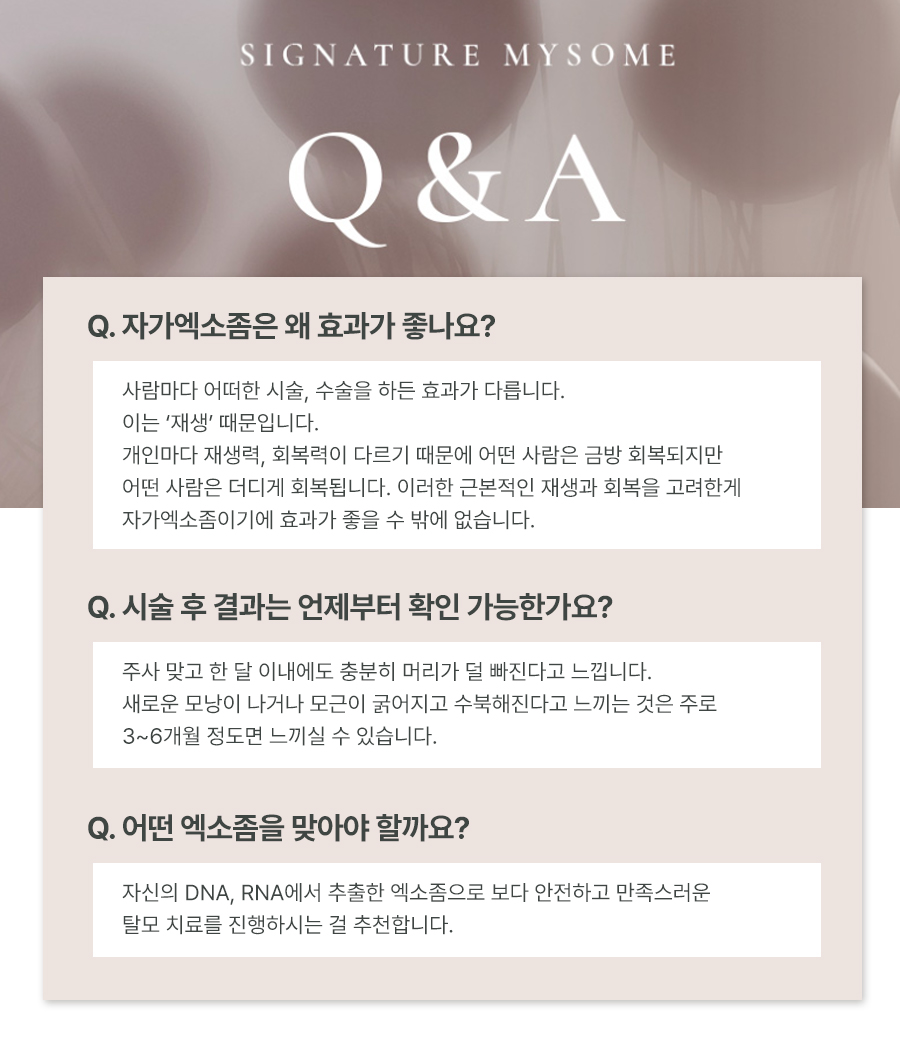
Autologous exosome programs are more expensive because they involve processing your own cell‑derived exosomes and following specialized protocols. They are designed to improve the scalp environment and hair quality at a cellular level.
Whether they are worth the cost depends on your hair loss stage, goals, and budget. During consultation, the clinic can compare expected benefits and costs versus simpler options so you can decide.
Can I get a full price quote before I travel to Korea?
You can usually receive an estimated range based on online consultation, photos, and your medical history. However, Korean medical advertising rules and good medical practice require that final quotes be confirmed only after an in‑person scalp examination.
For overseas patients, clinics try to give as much information as possible in advance so you can plan your budget and schedule realistically.
How many sessions will I need, and how does that affect cost?
Mild cases may start with a few sessions combined with medication, while more advanced or long‑standing hair loss may require a longer series over several months.
Because each session has a cost, the total price is closely tied to how many visits are included in your plan. The clinic will explain different options, such as shorter intensive courses versus extended maintenance programs.
Consultation and access information
Clinics in the Cheongdam/Gangnam area are typically reachable via nearby subway stations and local transit, but specific locations and walking routes vary. Always confirm the clinic's exact address and directions before visiting.
Consultations are available by phone and real‑time messaging during daytime hours on weekdays and Saturdays. Overseas patients can start with an online consultation to discuss their concerns, possible treatment options, and expected costs.
When you visit, bring any current medications, previous test results, and a summary of your hair loss history. This helps the medical team design a cost‑effective, personalized plan.

Setting realistic expectations about cost and results
Hair loss treatment is usually a medium‑ to long‑term process. It is more realistic to budget for several months of care than to expect a one‑time cure.
Advanced options like autologous exosome programs aim to improve the scalp environment and hair quality, but they require repeated sessions and consistent follow‑up. Comparing only the price per session can be misleading; it is better to look at what is included: medical expertise, diagnostic depth, follow‑up system, and support between visits.
A practical next step is to arrange an online consultation with the clinic in Cheongdam, Gangnam. By sharing photos and medical information, you can receive a personalized treatment outline and cost estimate based on your hair loss type, goals, and preferred treatment intensity.
This information is intended for general guidance and does not replace a medical consultation. Individual diagnosis, treatment choice, and results can vary, and all decisions should be made in direct discussion with a qualified medical professional.

댓글
댓글 쓰기