Hair loss treatment cost in Seoul: what to expect for regenerative care in Gangnam
- 공유 링크 만들기
- X
- 이메일
- 기타 앱
Direct answer on hair loss treatment cost in Seoul
For non‑surgical hair loss treatment in Seoul, most international patients can expect:
Costs for hair‑loss evaluation and treatment can vary widely by clinic, the specific procedures chosen, treatment intensity, and follow‑up care. Typical billing categories include:
• Initial consultation and scalp diagnosis — price depends on whether advanced imaging or specialist time is included.
• Ongoing prescription medication — monthly medication costs vary by drug and whether generics are used.
• Standard medical scalp care sessions — per‑visit fees depend on the clinic and treatment.
• Regenerative injections (including exosome or other cell‑based approaches) — per‑session charges differ by product, processing method, and injection protocol.
• Structured autologous exosome programs (multiple sessions over several months) — total program fees depend on number of sessions, treated scalp area, and follow‑up; clinics offer different package and financing options.
For exact prices, request a current, itemized estimate from the clinic you are considering, since fees and inclusions vary.
These are approximate, non‑binding ranges to help you compare options in Seoul, especially in the Gangnam and Cheongdam area. The exact cost depends on your type of hair loss, how advanced it is, whether you choose only medication or combine it with regenerative injections, and the clinic’s diagnostic and follow‑up system.
This guide focuses on non‑surgical, regenerative hair loss management in a dermatology‑based anti‑aging and regenerative clinic in Gangnam, near Apgujeong Rodeo Station. The clinic works with autologous exosome programs and cell‑level anti‑aging concepts rather than hair transplant surgery.
What this hair loss treatment includes
In this context, hair loss treatment does not mean hair transplant surgery. Instead, it refers to medical and regenerative management of the scalp and hair follicles, including:
Scalp and hair analysis
Your visit usually starts with a detailed scalp diagnosis. This can include high‑resolution photography, magnified imaging of the scalp, and density measurements to see how many hairs grow in a given area. The doctor looks at pattern, thickness, miniaturization of hair shafts, scalp oiliness or dryness, inflammation, and any signs of underlying disease.
Medication
Many patients start with or include prescription oral and topical medications. These aim to slow or stop further hair loss and, in some cases, thicken existing hair. Medication is typically a long‑term commitment, often for at least 6 to 12 months, and sometimes longer, to maintain results.
Medical scalp care
Medical scalp care sessions are different from simple spa‑type treatments. They may involve medical‑grade cleansing, anti‑inflammatory solutions, and device‑based treatments that help improve blood flow, reduce irritation, and optimize the environment around hair follicles.
Regenerative injections
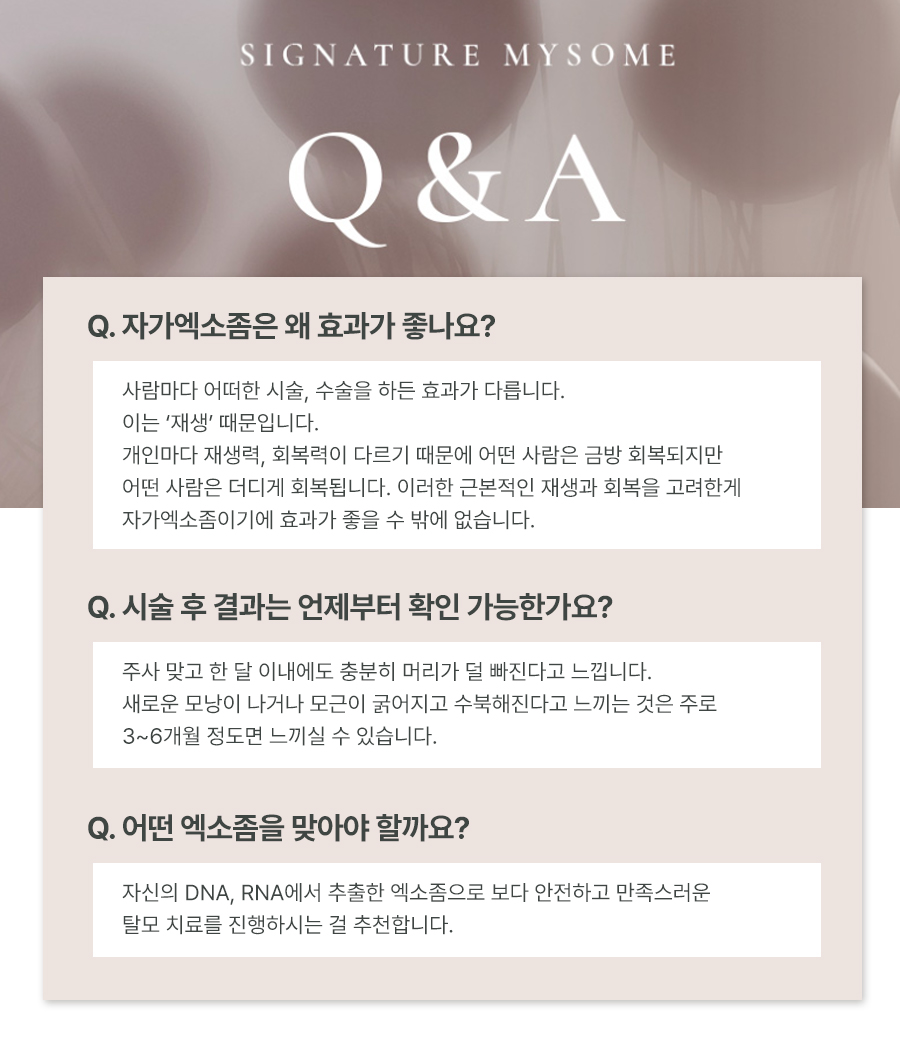
The clinic emphasizes regenerative injections, notably autologous exosome programs. Exosomes are small cell‑derived particles that carry signaling molecules associated with tissue repair and regeneration. When prepared from a patient’s own cells (autologous), clinics describe them as intended to improve biocompatibility compared with non‑autologous products; however, regulatory classifications, permitted processing methods, and availability of autologous cell‑based procedures vary by jurisdiction. Patients should confirm with any provider about specific processing protocols, regulatory approvals, safety data, and documented follow‑up measures before proceeding. Clinic‑specific claims about protocols or safety should be verified directly with that clinic.
These injections aim to support follicle health at a cellular level, potentially improving hair density and quality and slowing progression of thinning.
Who may consider non‑surgical regenerative hair loss care
Non‑surgical, cell‑level hair loss treatment is most suitable for:
• Men and women with early to moderate androgenetic hair loss (male or female pattern thinning)
• People with diffuse thinning, where the hair looks generally less dense rather than having large bald patches
• Postpartum hair loss cases, once hormonal changes have stabilized
• Stress‑related shedding, when the scalp and follicles still show potential for recovery
These approaches are less effective for:
• Long‑standing, shiny bald areas where follicles are likely already lost
• Scarred areas after injury or surgery
In such cases, surgical options at other clinics may be needed. A proper scalp diagnosis is essential to understand what is realistically possible.
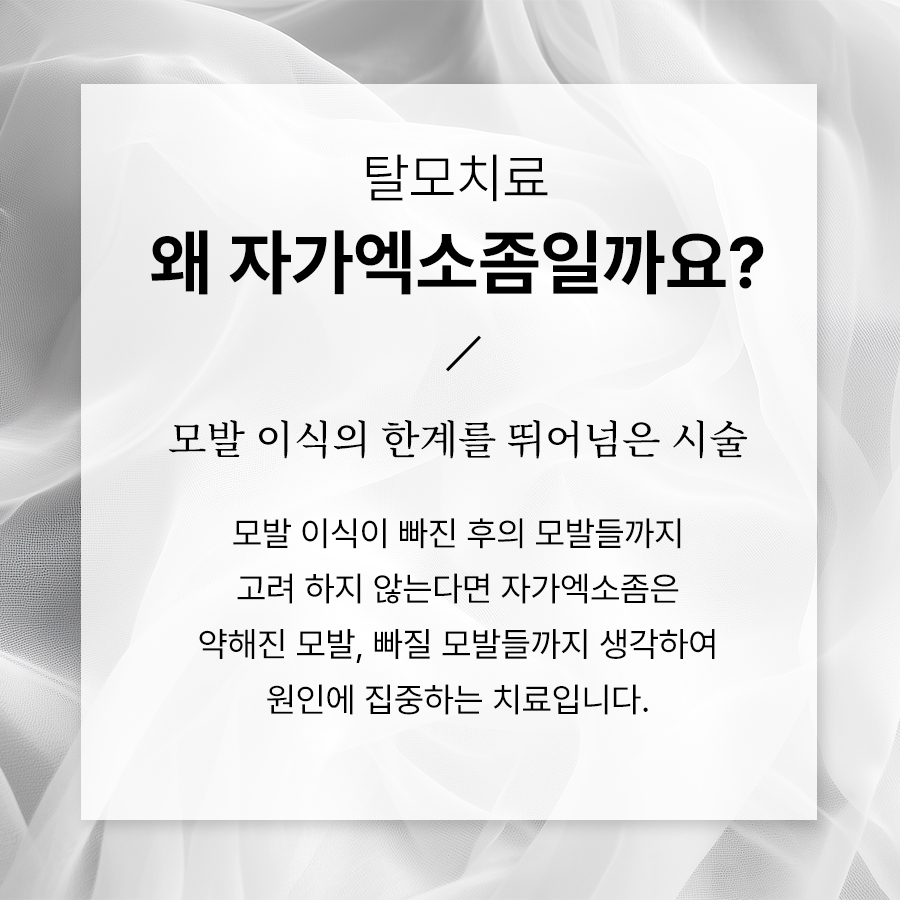
Price range in Seoul for non‑surgical hair loss care
Consultation and scalp diagnosis cost
Some clinics offer basic consultations at a lower fee, but if you are considering regenerative injections, you should expect a more in‑depth evaluation.
A premium diagnostic process often includes:
- • Medical history review, including family history of hair loss
- • Review of past treatments and current medications
- • High‑resolution scalp photography
- • Magnified imaging to assess miniaturization and density
- • Assessment of scalp condition: sebum, dandruff, redness, sensitivity
Medication costs
If you start with medication only, you might spend around 30 to 100 USD per month, depending on the specific drugs and whether topical solutions, foams, or sprays are included.
Most people need at least 6 months of continuous medication before judging the effect. For many, medication becomes a long‑term part of maintenance, even if they later add regenerative injections.
Medical scalp care session costs
Medical scalp care sessions in central Seoul usually range from 80 to 200 USD per visit. The price depends on:
- • Whether device‑based treatments are used
- • The products and solutions applied
- • Session length and whether it is part of a larger program
These sessions are often scheduled every 2 to 4 weeks during the intensive phase.
Regenerative injection and exosome program costs
Standard regenerative injections (such as growth factor or vitamin‑based solutions) may be priced from about 150 to 400 USD per session.
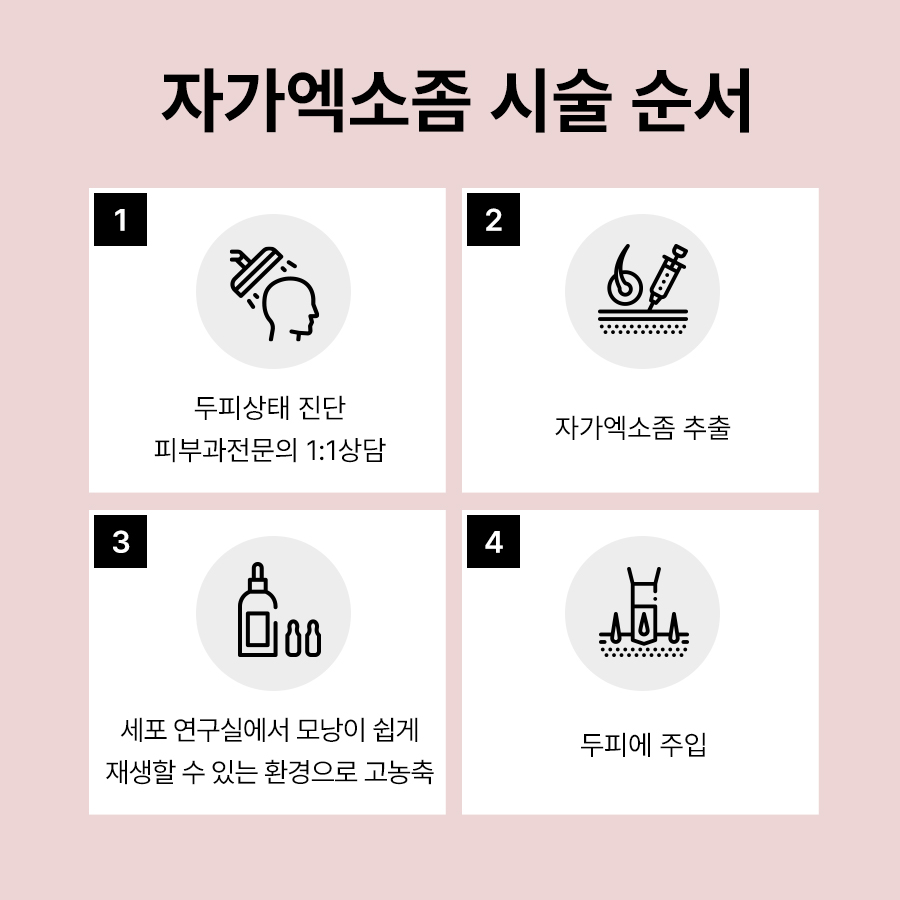
Autologous exosome programs, which use your own cell‑derived exosomes and follow stem‑cell principles without culturing the cells, are usually more expensive, commonly around 250 to 700 USD per session. When purchased as a package over 3 to 6 months, the total can range from 1,500 to 4,000 USD or more, with a lower cost per session than single, one‑off visits.
What determines hair loss treatment cost?
Severity and pattern of hair loss
Milder, early‑stage thinning often requires fewer sessions and a shorter intensive phase, which lowers total cost. More advanced thinning or larger areas typically need more injections and a longer treatment plan.
Treatment method
Medication only is the least expensive approach but often slower and limited in effect. Adding regenerative injections and medical scalp care increases upfront cost but can provide more noticeable support for hair density and quality.
Choice of autologous exosome programs
Autologous exosome treatments involve preparing material from your own cells, supported by an in‑house cell research lab such as a Recovery Lab. This additional process, along with quality control and protocol development, makes these programs more costly than generic injections.
Treatment interval and duration
Most regenerative programs have an intensive phase, often 3 to 6 months, with more frequent visits. After that, the maintenance phase usually requires fewer sessions per year. Your total cost depends on how long you stay in each phase.
Clinic expertise and diagnostic system
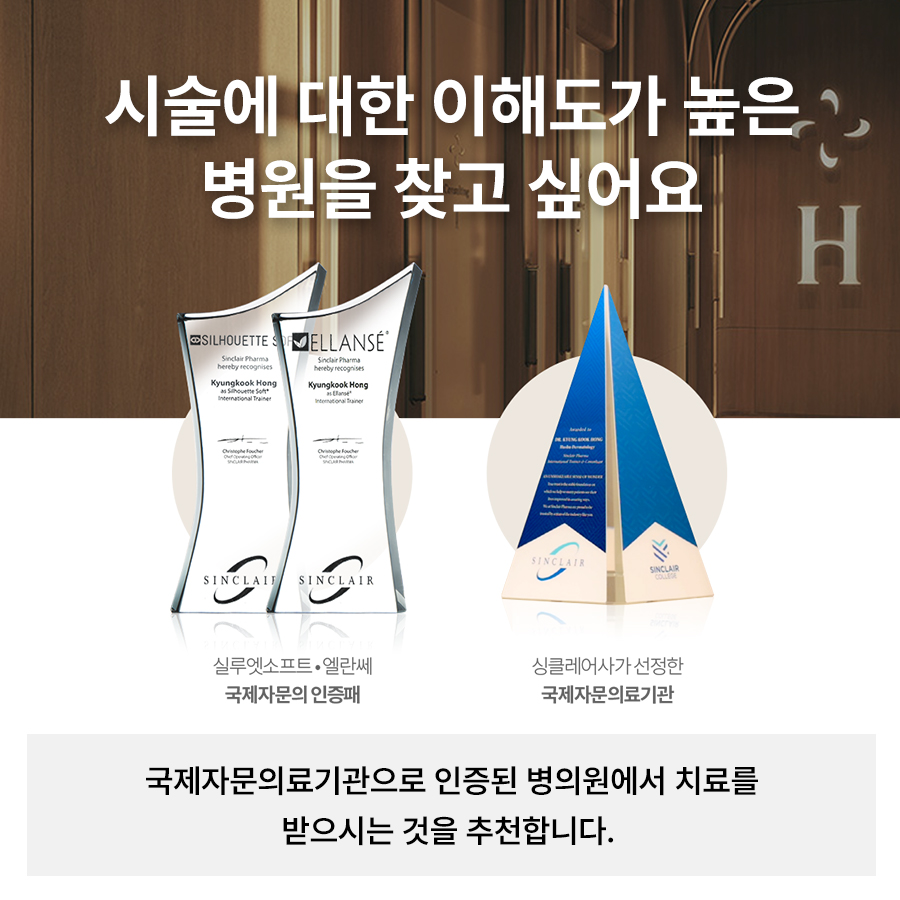
A dermatology‑based anti‑aging and regenerative clinic with doctors active in hair and stem‑cell related societies, and with a wide range of premium devices, may charge more per session than a basic hair loss center. However, the added value is in individualized protocols, careful monitoring, and the ability to manage scalp inflammation and skin quality around the follicles.
Autologous exosome programs: why they cost more
Cell‑level concept
Autologous exosome programs are based on the idea of starting anti‑aging at the cellular level. Instead of focusing only on the visible appearance of hair, these treatments aim to support the biological environment of the follicle.
In‑house cell research lab
When a clinic operates its own cell research lab, such as a Recovery Lab, it can:
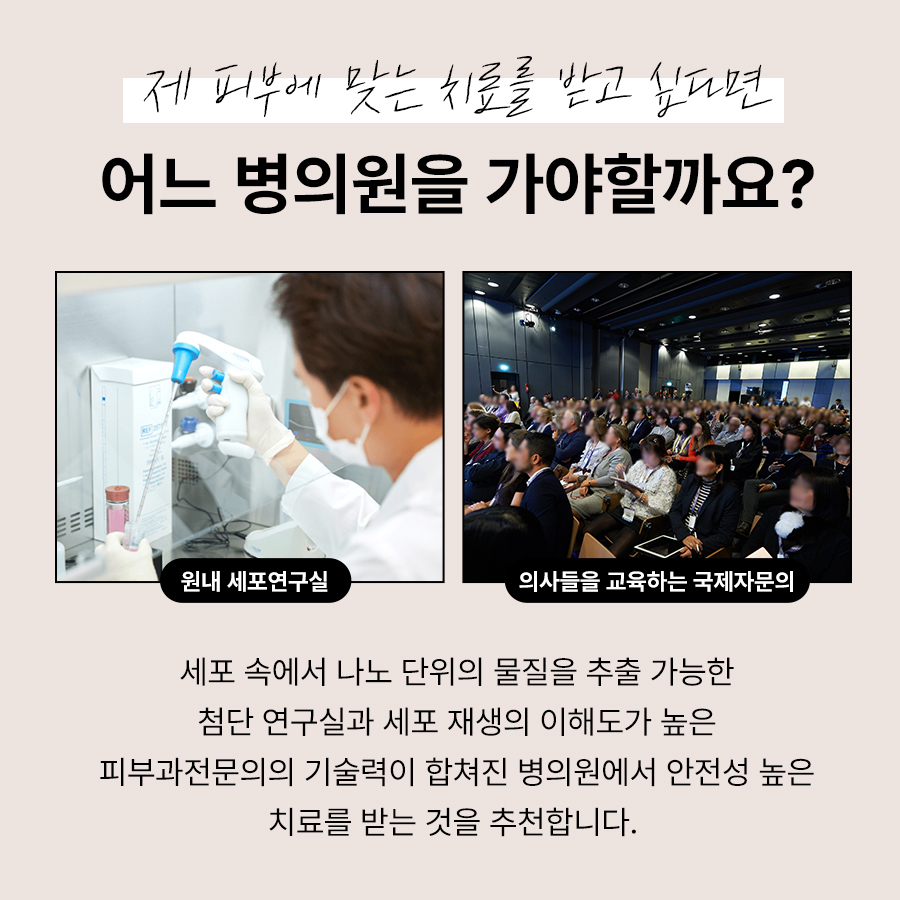
- • Develop and refine protocols for exosome preparation and injection
- • Maintain stricter quality control
- • Tailor programs more precisely to individual patients
This infrastructure contributes to higher costs but also to a more controlled and research‑oriented approach.
Non‑cultured, autologous principles
Using your own cells without culturing them is designed to prioritize safety and biocompatibility. It avoids the use of mass‑produced, off‑the‑shelf exosome products that may not be as closely matched to your biology.
Program vs single session pricing
Many patients ask whether a single session is effective. While an isolated injection can be performed, hair follicles usually respond gradually, so clinics commonly recommend a short intensive course followed by a longer maintenance phase. Packages that include multiple sessions and scheduled follow‑ups allow clinicians to monitor response and adjust treatment, and can be more cost‑effective than paying per session — confirm the recommended schedule and pricing with your provider.
• 3‑month intensive course: for early thinning or as a first step
• 6‑month intensive course: for more established pattern hair loss
Per‑session cost in a program is generally lower than booking each visit separately. The program price may also include follow‑up imaging, medical reviews, and combined scalp care.
Maintenance phase and long‑term cost
After the initial intensive phase, most patients move to maintenance:
• Medication continues, often at the same or slightly adjusted dose
• Regenerative injections are spaced out, for example every 3 to 6 months
• Medical scalp care may be done less frequently, or only when the scalp feels unbalanced
Maintenance is usually less expensive per month than the intensive phase, but it is still an ongoing investment if you want to keep your results as stable as possible.
How this clinic differs from typical hair loss centers
Focus on regeneration rather than surgery
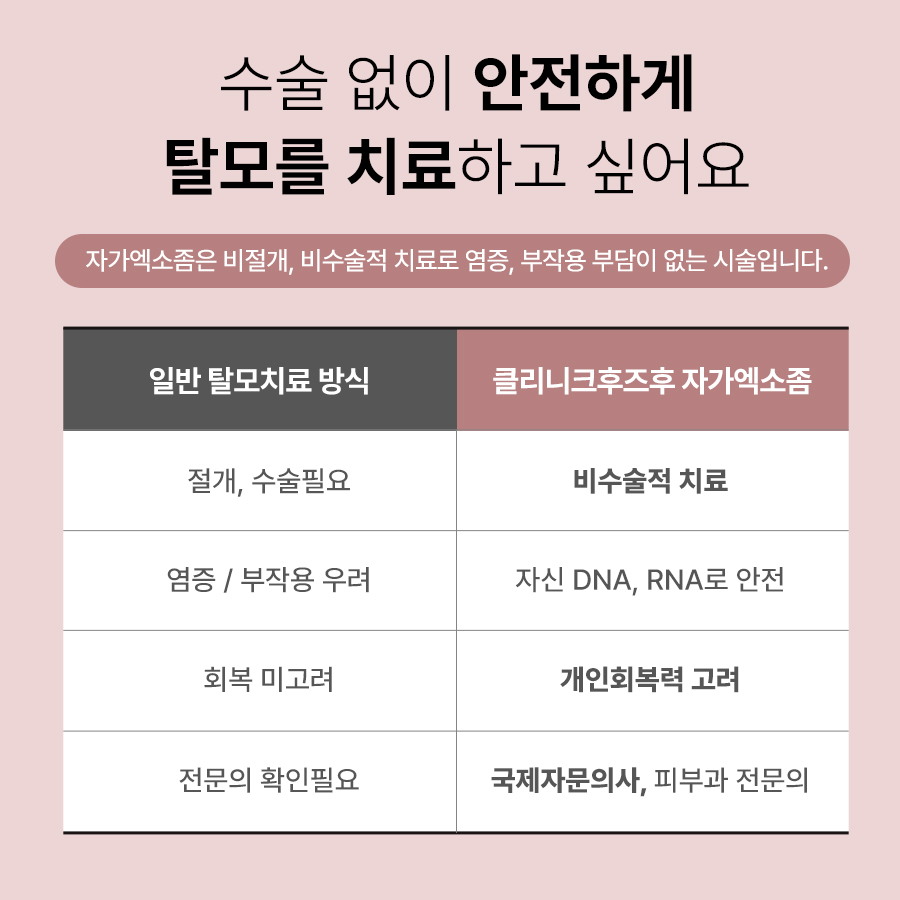
This clinic does not perform hair transplant surgery. Instead, it focuses on non‑surgical, minimally invasive treatments that aim to support existing follicles, slow progression, and improve density where possible.
Difference from cosmetic scalp care
Simple cosmetic treatments may give temporary thickening by coating the hair or slightly swelling the shaft. They can be useful for appearance but do not necessarily change the biology of the follicle.
In contrast, autologous exosome programs and other regenerative injections are designed to influence the micro‑environment around the follicle, encouraging repair and better function over time.
Individualized protocols
Rather than offering one‑size‑fits‑all packages, the clinic builds a plan based on your scalp diagnosis, pattern of loss, age, lifestyle, and tolerance for medication. This can mean different combinations of:
- • Oral and topical medication
- • Autologous exosome injections
- • Other regenerative injections when appropriate
- • Medical scalp care and device‑based treatments
Device ecosystem and scalp health
The clinic’s range of premium energy‑based devices, fractional lasers, and scalp‑friendly technologies allows it to address issues such as:
- • Chronic scalp inflammation
- • Poor micro‑circulation
- • Thickened or damaged skin around follicles
Managing these factors can indirectly support better outcomes from hair loss treatment.
Safety, side effects, and who benefits most
Who benefits most
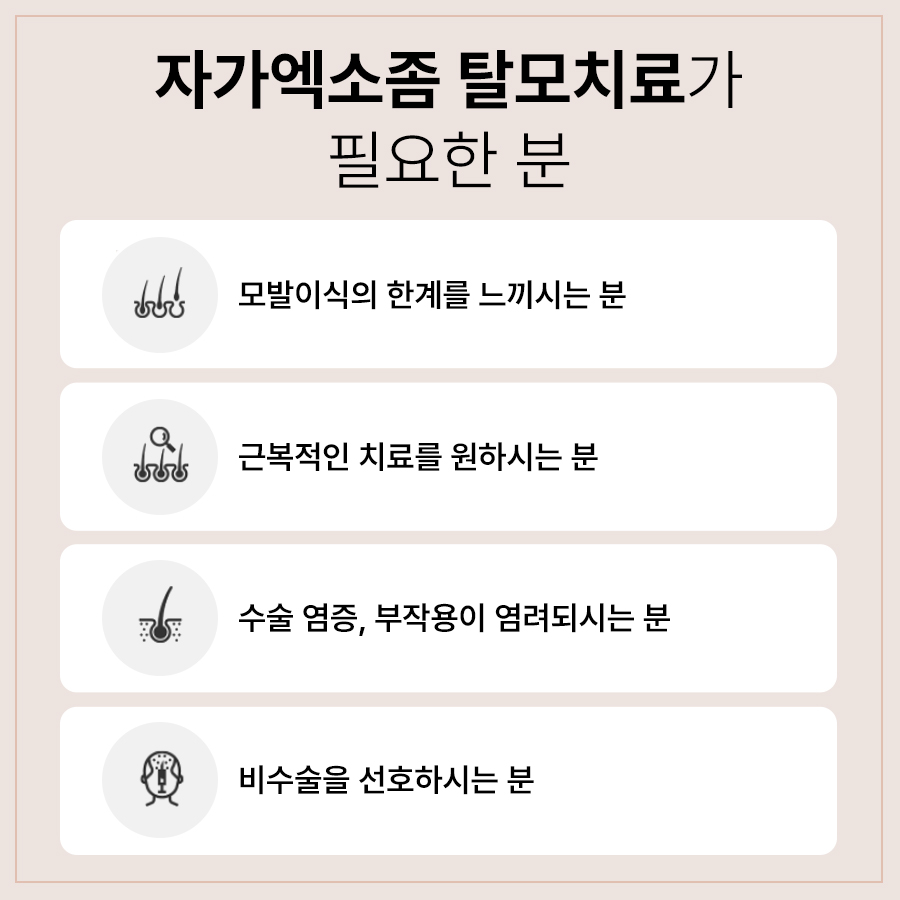
Regenerative programs tend to work best when there are still active follicles, even if the hair is thin and miniaturized. Early intervention, especially in your 20s to 40s when you first notice thinning, often provides the most cost‑effective results over time.
Likely side effects and downtime
Injection‑based treatments are minimally invasive, but you may experience:
- • Mild pain or stinging during injection
- • Temporary redness or swelling at the injection sites
- • Scalp sensitivity for 1 to 2 days
Most patients can return to normal daily activities the same day. Intense exercise, saunas, or harsh scalp treatments are usually avoided for a short period after injections.
Cost‑effectiveness: is it worth starting early?
Cost of doing nothing
If you choose not to treat early hair loss, follicles can gradually miniaturize and die. Once a large area is bald and shiny, non‑surgical options have limited impact, and surgical solutions elsewhere may become the only option, often at a much higher cost.
Benefits of combining medication and regenerative care
While medication alone is cheaper, combining it with regenerative injections can:
- • Shorten the intensive phase by supporting follicles more strongly
- • Potentially lead to more visible improvements in density and hair quality
- • Help maintain results with fewer sessions in the long run
Higher upfront investment in autologous exosome programs may be justified if it leads to more stable hair density and a healthier scalp over several years.
Online consultation and pre‑visit preparation
Before traveling to Seoul, it is wise to arrange an online consultation. To make this efficient, prepare the following:
• Clear photos of your scalp from the front, top, sides, and back, taken in good lighting
• Information about when you first noticed hair loss and how quickly it has progressed
• Family history of hair loss on both sides
• List of current medications and supplements
• Details of any previous hair loss treatments, including products and duration
During the online consultation, you can discuss:
- • Whether you are a good candidate for non‑surgical, regenerative treatment
- • Expected number of sessions and overall program length
- • A rough cost estimate based on your situation
- • How many days you should plan to stay in Seoul for the first phase
Expected Korea visit timeline for overseas patients
Short visit for initial assessment
If you are visiting for the first time, you might plan:
• Day 1: In‑person consultation, detailed scalp diagnosis, and first treatment session if suitable
• Day 3 to 7: Second session or follow‑up, depending on the protocol
Some patients combine the first two or three sessions in a single trip, especially if they are staying for 1 to 2 weeks.
Longer‑term schedule
After you return home, you may:
• Continue medication prescribed during your visit
• Return to Seoul every few months for additional regenerative sessions, or
• Coordinate with the clinic to adjust your plan based on progress photos and online check‑ins
Aftercare and lifestyle tips
After regenerative injections and medical scalp care, you will usually be advised to:
- • Avoid harsh shampoos or aggressive scalp treatments for a few days
- • Limit strong sun exposure on the scalp shortly after treatment
- • Follow the prescribed medication schedule consistently
- • Maintain a balanced diet and manage stress, as these factors can influence hair health
How to choose a clinic beyond price
When comparing clinics in Gangnam or Cheongdam, look beyond the lowest quote. Consider:
• Whether they perform a proper scalp diagnosis with imaging
• If they offer autologous exosome or other cell‑based programs, not only cosmetic care
• The presence of an in‑house cell research lab or similar structure for quality control
• The experience of the medical team in hair loss and regenerative procedures
• The range of devices available for scalp and skin management
Questions to ask during consultation
Before you decide, it can help to write down questions such as:
- • How many sessions do you recommend for my current stage of hair loss?
- • What is the estimated total cost for the intensive phase and for maintenance?
- • What exactly is included in the program price (diagnostics, follow‑up photos, scalp care)?
- • What kind of results are realistic for my pattern and severity?
- • How will we monitor progress over time?
Warning signs of purely price‑driven offers
Be cautious if you encounter:
- • Very cheap, standardized packages without proper diagnosis
- • Promises of guaranteed regrowth for everyone
- • Lack of clear explanation about what is being injected or how it is prepared
A transparent clinic will explain the limits of treatment, discuss individual variability, and provide realistic expectations.
FAQ about hair loss treatment cost in Seoul
How much does non‑surgical hair loss treatment cost per month in Seoul?
For many patients, a realistic monthly budget during the intensive phase is around 200 to 800 USD, combining medication, medical scalp care, and regenerative injections. The exact figure depends on how many sessions you have per month and whether you choose autologous exosome programs. During the maintenance phase, costs often decrease because visits are less frequent.
Cost comparison between autologous exosome programs and hair transplant: Depending on the clinic, the specific procedures involved, and the treatment plan, surgical transplant costs may exceed a short‑term regenerative program in some cases — but this can vary widely. Always request itemized quotes and compare what is included (consultation, imaging, anesthesia, follow‑up) when evaluating options.
However, a high‑intensity, long‑term regenerative plan can approach transplant‑level costs if extended over many years. The key difference is that regenerative care focuses on preserving and improving existing hair, while transplant surgery moves follicles from one area to another.
How many sessions of regenerative injections do I usually need?
Most patients are advised to start with a series of sessions over 3 to 6 months, often every 2 to 4 weeks during the intensive phase. After that, maintenance injections may be scheduled every 3 to 6 months. The exact number of sessions depends on your response, age, and the severity of hair loss.
Can I start with medication only and add exosome treatment later?
Yes, many people start with medication and then add regenerative injections once they understand how their hair responds and what budget they can commit. However, if your hair loss is progressing quickly or you are already in a moderate stage, starting both together can be more efficient and potentially more cost‑effective in the long run.
Soft call to action for online consultation
If you are considering non‑surgical, regenerative hair loss treatment in Seoul and want a clearer cost estimate for your specific case, an online consultation is a practical first step. By sharing your scalp photos, history, and goals, the medical team can outline a personalized plan, expected number of sessions, and a realistic budget before you book your flight.
The clinic is located in the Cheongdam area of Gangnam, within walking distance of Apgujeong Rodeo Station on the Suin–Bundang Line, in the direction of a major department store. Weekday and Saturday appointments are typically available, and daytime contact through phone and major local messaging platforms allows for real‑time guidance as you plan your visit.
This information is intended as a general guide for international patients and does not replace a personal consultation with a qualified medical professional. Individual diagnosis, suitability, and treatment plans should always be discussed directly with a doctor.
- 공유 링크 만들기
- X
- 이메일
- 기타 앱

댓글
댓글 쓰기