Nasolabial Fold Filler Guide in Cheongdam Gangnam
- 공유 링크 만들기
- X
- 이메일
- 기타 앱
Nasolabial fold filler is a minimally invasive injection treatment that uses volumizing dermal fillers to soften deep smile lines running from the sides of the nose to the corners of the mouth. Instead of simply “filling a wrinkle,” the aim is to restore lost support in the midface, reduce harsh shadows, and create a natural, rested look.
What are nasolabial folds and how does filler help
Nasolabial folds are the lines that extend from the outer sides of your nose down toward the corners of your mouth. They are often called smile lines or laugh lines. Almost everyone has them to some degree, but they tend to deepen with age and can make the face look tired, sad, or older than you feel.
These folds deepen for several reasons. As we age, we lose volume in the midface, especially in the cheeks. Supporting ligaments loosen, and the skin gradually becomes thinner and less elastic. Repeated facial expressions, such as smiling and laughing, also contribute over time. The result is a heavier fold and a darker shadow around the mouth.
Nasolabial fold filler works by restoring some of the lost structural support. Instead of trying to erase the line completely, which can look unnatural, filler is used to gently lift and soften the crease. By rebuilding volume in key support points, often including the mid cheek area, the fold becomes less deep and the shadow less obvious, while your natural facial expressions remain.
Types of filler commonly used for nasolabial folds
Several categories of dermal fillers can be used around the nasolabial folds, depending on your anatomy, skin quality, and long term goals.
Hyaluronic acid fillers are the most widely used. These include product families such as Restylane and Juvederm, with subtypes like Voluma, Volift, Volbella, Volux, and Volite. Hyaluronic acid is a gel that attracts water and integrates with your own tissues. It provides immediate volume and is reversible with an enzyme called hyaluronidase if needed.

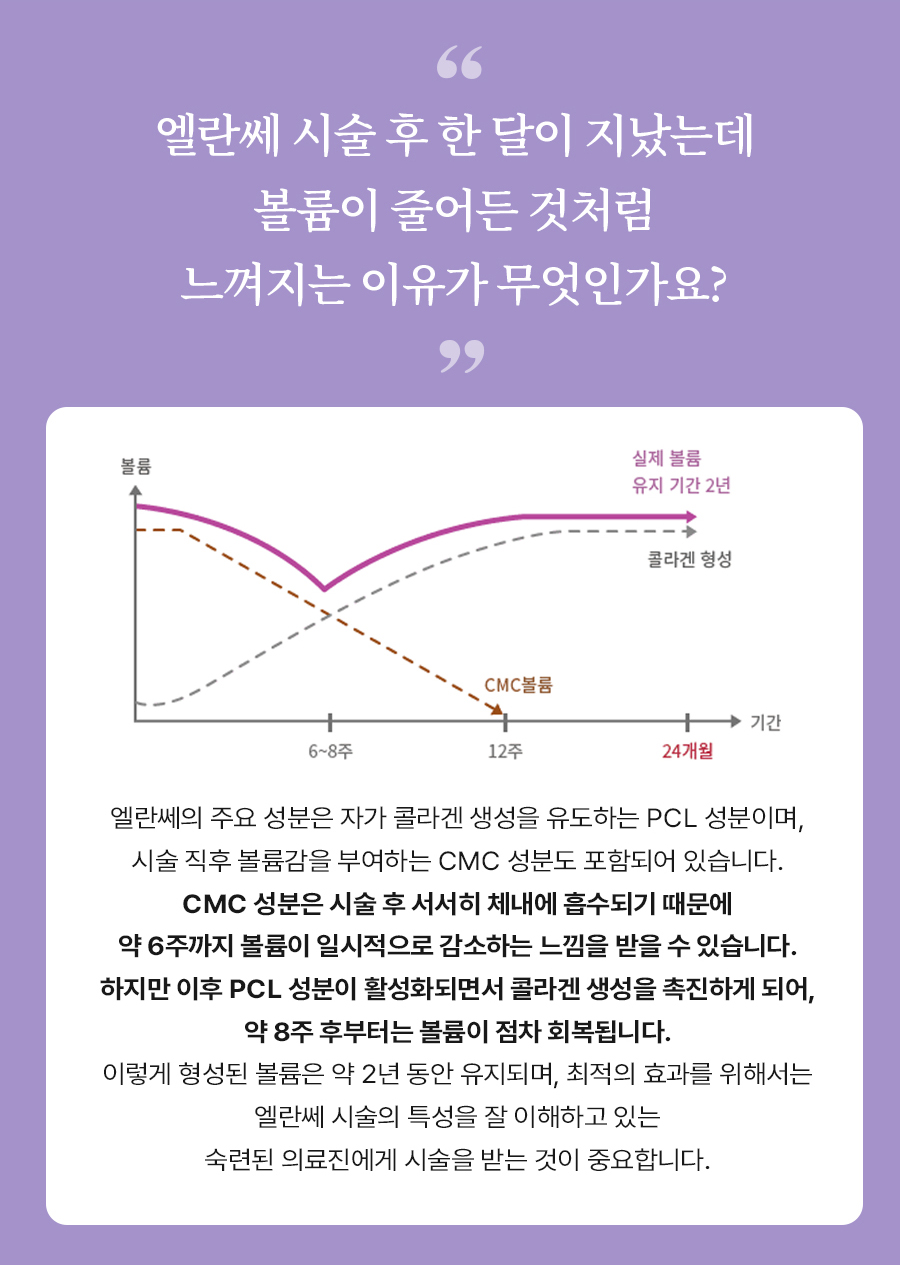
Collagen stimulating fillers, such as Ellanse, provide both an initial volumizing effect and a longer term stimulation of your own collagen. These products can offer longer lasting structural support but require careful indication and experienced technique, especially in an area with important blood vessels.
Other volumizing or skin quality focused products, such as Lafulene and skin quality boosters like Juvelook, may be used in combination. Volumizing fillers address deeper support, while skin boosters can improve fine texture and elasticity in the overlying skin.
Compared with other anti aging options
Nasolabial fold filler is one tool within a broader anti aging strategy.
Thread lifting uses fine threads placed under the skin to lift sagging tissue upward. It is more focused on repositioning drooping structures than on adding volume. Threads and fillers are often combined when both sagging and volume loss are present.

Energy based lifting treatments such as Thermage FLX, Ulthera Prime, Exion, Emface, and similar devices use radiofrequency or ultrasound energy to stimulate collagen and tighten the skin. They can improve jawline definition and midface lift over time, but they do not directly replace lost volume in the fold.
These treatments can complement filler by improving the skin envelope over the restored structure.
Who should consider nasolabial fold filler
Typical concerns that lead people to consider nasolabial fold filler include deep smile lines that remain even when the face is at rest, makeup settling into the crease around the mouth, shadowing that makes the mouth area look tired or downturned, and a general impression of sagging in the midface.
Good candidates are usually adults with moderate volume loss and clearly visible fold lines, whose weight is relatively stable and who understand that the goal is softening and lifting, not erasing every line. They are willing to maintain results periodically and to consider a combination approach if needed.

Filler alone may not be enough when there is very heavy sagging, thick skin with a strong downward pull, or when the main issue is skin laxity rather than volume loss. In such cases, a plan that includes lifting devices like Ulthera Prime, Thermage FLX, Exion, or Emface, and sometimes thread lifting, may be recommended alongside or before filler.
Contraindications and cautions
Nasolabial fold filler is not suitable for everyone. It is usually avoided during pregnancy and breastfeeding. Active skin infection, inflammation, or severe acne in the treatment area must be treated first. People with severe allergies, a history of serious filler complications, or certain autoimmune conditions may need special evaluation.
Unrealistic expectations are also a reason to pause. Filler can soften and support, but it cannot completely change bone structure or stop aging. A thorough consultation is important to align expectations with what is medically reasonable.
Consultation and assessment in Cheongdam Gangnam
For overseas patients visiting a clinic in Cheongdam, Gangnam, the process usually begins with an online consultation. You can share photos from multiple angles and describe your main concerns, previous procedures, and any medical conditions. This helps the medical team prepare a preliminary plan before you arrive.

At the in person consultation, your medical history is reviewed, including previous filler or surgery, medications, tendency to bruise, allergies, and lifestyle factors such as smoking or intense exercise. This is also the time to mention any recent dental or jaw treatments, as they can influence facial support.
Facial analysis goes beyond the nasolabial fold itself. The practitioner assesses midface volume, cheek projection, chin and jawline support, dental structure, and overall skin quality. The aim is to understand why your folds are deepening and which layers need support.
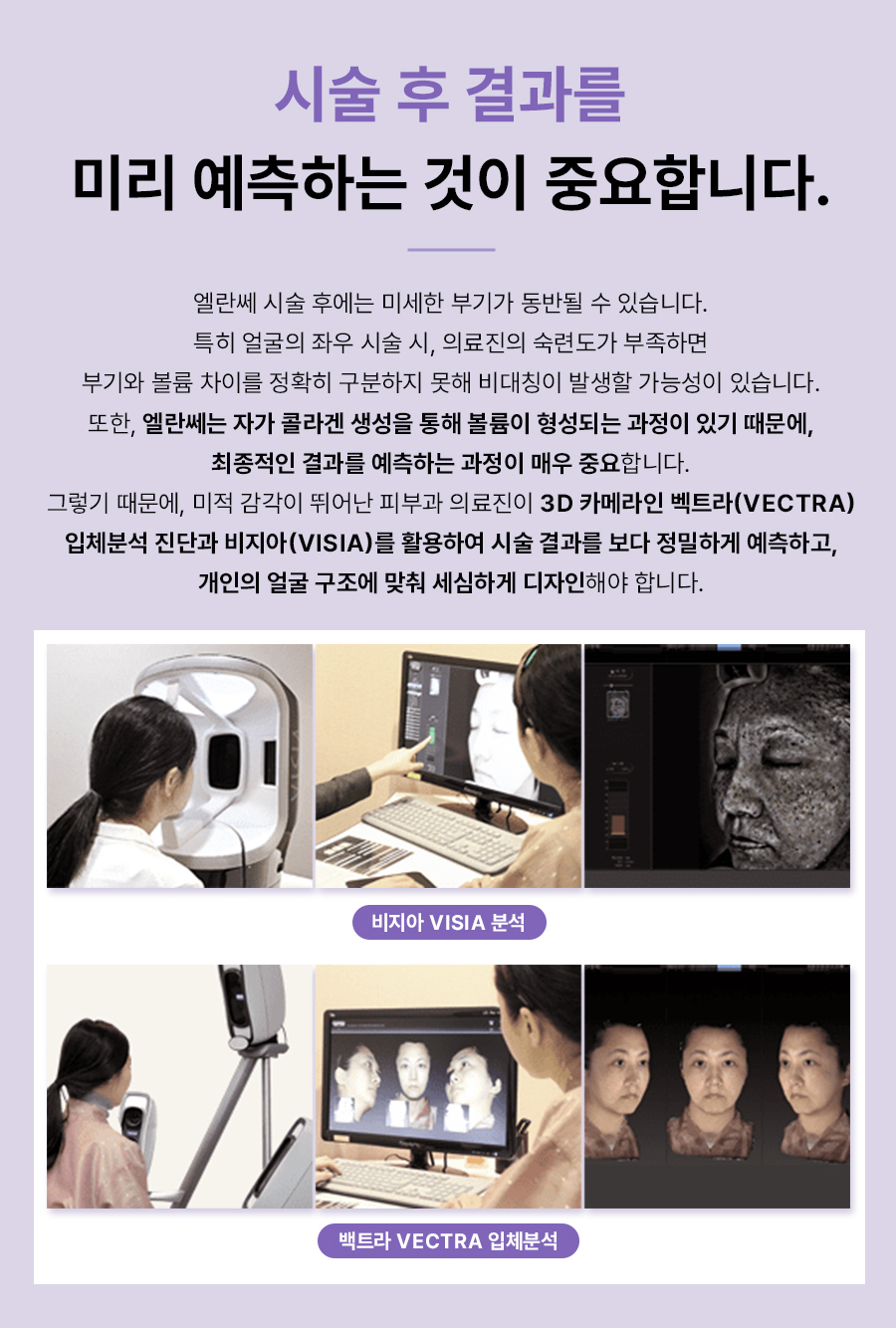
Many clinics in this area use multi angle photography and skin analysis systems, such as Visia or Vectra, as part of a holistic beauty program. These tools help document your starting point and plan a step by step anti aging approach, including nasolabial filler, lifting devices, and skin or cell based treatments when appropriate.
During the consultation, the practitioner explains which areas will be treated. Often, filler is placed not only directly in the line but also in deeper support points in the midface to avoid a lumpy or overfilled look. A conservative, layered approach is emphasized.

How the nasolabial fold filler procedure works
Before the procedure, the skin is thoroughly cleansed and disinfected. Injection points are marked based on your facial anatomy and the pattern of your folds. Topical anesthetic cream may be applied, and many modern fillers also contain lidocaine, a local anesthetic, to improve comfort.
During injection, the practitioner may use fine needles, blunt cannulas, or a combination, depending on the depth and area. Deeper structural points may be treated first, sometimes in the mid cheek or along key support lines, followed by more superficial refinement directly under the fold.
The volume used per session is usually conservative, with the option of a touch up after a few weeks. This reduces the risk of heaviness, unnatural bulging, or a stiff look when smiling. The injection portion of the visit is typically brief, following consultation and preparation.
Immediately after the procedure, symmetry and contour are checked. You may be asked to smile, talk, and make different expressions so the practitioner can see how the filler behaves in motion. Any small adjustments are made on the spot.

Expected results and how long they last
Most patients notice a softer, less harsh appearance of the smile lines right away. The deep shadow around the mouth is reduced, and the overall impression is more rested and youthful, without an obvious “filler face.” The goal is that friends may comment that you look refreshed, not that they can see exactly what was done.
With hyaluronic acid fillers, initial improvement is often visible right away, while the final appearance settles over time as swelling decreases and the filler integrates. Duration varies widely depending on the product, placement depth, and individual metabolism — please consult the clinic to confirm typical expectations for the specific filler used.
Collagen stimulating fillers like Ellanse provide immediate volume plus gradual collagen induction over several months. Their results can last longer, but they are not reversible in the same way as hyaluronic acid, so careful selection and technique are essential.
Maintenance sessions are usually needed. Rather than waiting until all the effect is gone, many people choose smaller top ups at longer intervals to maintain a stable, natural look. Your plan is individualized based on age, skin quality, lifestyle, and how your body processes filler.

Safety, risks, and how they are managed
Common mild side effects after nasolabial fold filler include temporary redness, swelling, tenderness, and minor bruising. Slight asymmetry is also possible in the first days, often related to uneven swelling, and usually settles as the tissue calms.
Less common but important risks include nodules or small lumps, overcorrection, the Tyndall effect (a bluish hue if certain fillers are placed too superficially), infection, and vascular compromise. Because important blood vessels run near the nasolabial area, anatomical expertise and careful technique are essential.
Clinics in Cheongdam with a strong medical infrastructure often emphasize detailed anatomical knowledge, careful aspiration and slow injection techniques, and the use of cannulas in certain planes to lower vascular risk when appropriate.
If a hyaluronic acid filler is used and overfilling or certain complications occur, hyaluronidase can be injected to dissolve the filler. Patients are educated about emergency signs such as sudden severe pain, skin color change, or visual symptoms, and instructed to contact the clinic immediately if these appear.
Pre treatment preparation for overseas patients
Before traveling to Seoul for nasolabial fold filler, online consultation is helpful. You can send clear photos without makeup from the front and both profiles, in natural light. Prepare a list of previous treatments, including filler brands and approximate dates, as well as any lifting devices or cell based procedures you have had.
If your doctor at home agrees, you may be advised to avoid certain blood thinning medications or supplements such as aspirin, some non steroidal anti inflammatory drugs, high dose vitamin E, omega 3, or ginkgo for several days before treatment, to reduce bruising. Do not stop any prescribed medication without medical approval.
It is also recommended to avoid alcohol and intense exercise the day before. Inform the clinic about any history of allergies, autoimmune disease, or recent major dental work, as these can influence timing and planning.
Typical Korea visit timeline for nasolabial fold filler
Many international patients schedule a short visit to Seoul for nasolabial fold filler; the exact timing and sequencing of consultation and treatment can vary by clinic and individual treatment plan.
Day two and three are usually light. Mild swelling or small bruises may appear. Most people can sightsee or attend meetings with minimal downtime, using light makeup after the first several hours if approved by the practitioner.
If possible, scheduling a brief follow up visit within three to seven days allows the clinic to check healing, symmetry, and early results. If you are leaving sooner, online follow up using photos and video calls can be arranged.
For combination plans that include lifting devices, cell based treatments, or multiple facial areas, your stay may need to be slightly longer. The clinic can help you structure your itinerary so that more intensive procedures are done earlier in your trip, with lighter treatments closer to your departure.

Post treatment care and aftercare
After nasolabial fold filler, you will receive specific instructions, but general guidelines include avoiding pressing or massaging the treated area unless you are specifically told to do so. Strong pressure can move the filler before it settles.
Saunas, hot baths, and intense exercise are usually avoided for 24 to 48 hours, as heat and increased blood flow can worsen swelling or bruising. Sleeping with your head slightly elevated the first night can help if there is noticeable swelling.
Cold compresses can be used intermittently for the first few hours to reduce discomfort and swelling, as long as they are not applied with excessive pressure. Facial treatments, strong massages, or laser procedures on the area should be postponed until the practitioner confirms it is safe.
Most people can return to daily activities immediately, with only minor visible signs that can be covered by makeup after a short period. You should monitor for unusual pain, skin color changes, or visual disturbances and contact the clinic immediately if they occur.

How nasolabial filler compares with other options
When deciding on treatment, it is helpful to understand how nasolabial fold filler differs from other approaches.
Compared with thread lifting, filler is best for restoring volume and contour, with an immediate effect and, in the case of hyaluronic acid, reversibility. Threads are better at lifting sagging tissue upward. Many patients benefit from a combination, where threads reposition and filler supports.
Compared with energy based lifting devices like Thermage FLX, Ulthera Prime, or Emface, filler offers direct, visible softening of folds. Devices stimulate collagen and tighten skin over time, improving the overall framework. Used together, they can address both skin laxity and volume loss.
Compared with cell based anti aging, such as autologous exosome programs or non cultured stem cell related treatments, filler is more structural and shape oriented. Cell based treatments aim to improve skin quality, texture, and regenerative capacity. In a long term plan, many patients use both: filler for shape and support, and cell based or device treatments for skin and deeper aging processes.

Questions to prepare before your consultation
To make the most of your visit to Cheongdam, it is useful to prepare a small list of questions and comparison points.
You may want to ask which filler types are being considered for your case and why, how much volume is planned initially, and whether the clinic prefers to build results gradually. Ask how your midface, chin, and jawline structure influence the plan, and whether combination with lifting devices or cell based treatments is recommended.
It is also helpful to clarify what kind of anesthesia will be used, what level of discomfort to expect, and what the realistic downtime is for your lifestyle. If you are comparing clinics, note differences in the range of devices they offer, their experience with volumizing fillers and threads, and whether they have in house diagnostic tools and research facilities.
Frequently asked questions
Does nasolabial fold filler make the face look heavier or unnatural
When done with a structural, conservative approach, nasolabial fold filler should not make the face look heavy. Instead of simply pumping filler directly into the crease, the practitioner restores support in key midface areas and then gently refines the fold. The aim is to soften harsh lines while preserving your natural expressions. Overfilled or stiff results are usually the consequence of excessive volume or poor placement, which is why careful planning and technique are important.

How much filler is usually needed, and can it be done gradually
The amount of filler needed varies depending on the depth of the folds, degree of midface volume loss, and your overall facial structure. Some people may need only a small amount directly in the fold, while others benefit from a combination of cheek support and fold refinement. Many clinics prefer a gradual approach, starting with a conservative volume and reassessing after a few weeks. This allows fine tuning and lowers the risk of an overdone look.
How long do results last, and how often will I need maintenance
Collagen stimulating fillers can last longer but are not as easily adjusted. Maintenance is usually recommended when you notice the folds starting to deepen again, rather than waiting until the effect has completely disappeared. Your practitioner will suggest a personalized schedule.
Is the procedure painful, and what kind of anesthesia is used
Most patients describe nasolabial fold filler as mildly uncomfortable rather than very painful. Topical anesthetic cream is often applied before treatment, and many modern fillers contain lidocaine, which numbs the area from within as the product is injected. You may feel pressure, a brief sting, or a tugging sensation, especially when a cannula is used, but the procedure is usually well tolerated and quite short.
Can I have nasolabial filler if I already have filler in my cheeks or lips
In many cases, yes. Existing cheek filler can actually support the nasolabial area, reducing the amount needed directly in the fold. However, the practitioner must know exactly what products you have, where they were placed, and when. If older filler has migrated or is creating heaviness, it may be better to dissolve or adjust it before adding more. An in depth facial analysis will guide this decision.

What happens if I do not like the result
If a hyaluronic acid filler was used and you are not satisfied with the result, it can usually be adjusted. Small asymmetries or minor concerns may be corrected with a touch up. If you strongly dislike the effect or feel overfilled, hyaluronidase can be injected to dissolve some or all of the product. This is one reason many first time patients prefer hyaluronic acid fillers for the nasolabial area.
Is there a best age to start nasolabial fold filler
There is no single best age, because people age at different rates depending on genetics, lifestyle, and sun exposure. Some people consider nasolabial filler in their thirties when early folds appear, while others wait until their forties or fifties. The key is to start when the folds are clearly bothering you and when a conservative amount of filler can still make a noticeable, natural difference. Early, subtle support can sometimes delay the need for more aggressive measures later.
Is it safe to combine nasolabial filler with other treatments on the same day
In many cases, nasolabial fold filler can be combined with other treatments such as botulinum toxin injections or certain skin boosters on the same day, as long as they are performed in different areas or layers according to a planned sequence. Some energy based devices or strong laser procedures may be scheduled on a different day to avoid excessive irritation. Your practitioner will design a safe timeline if you are planning multiple treatments during your visit.
Soft call to action
If you are noticing deepening smile lines and are considering nasolabial fold filler in Seoul, an online consultation with a clinic in Cheongdam, Gangnam can be a practical first step. By sharing photos and your concerns in advance, the medical team can analyze your facial structure, skin condition, and aging pattern, and suggest whether filler alone or a combination with lifting devices or cell based anti aging would suit you.

Real time consultation channels such as phone, messaging apps, and online forms are usually available during set hours. Before deciding, take time to understand the benefits, limitations, and maintenance involved. A well planned, anatomically based approach can help you achieve a natural, age appropriate improvement in your nasolabial folds while supporting long term facial harmony.
- 공유 링크 만들기
- X
- 이메일
- 기타 앱

댓글
댓글 쓰기