Nasolabial Fold Filler Options in Cheongdam, Gangnam for Natural Smile Line Improvement
- 공유 링크 만들기
- X
- 이메일
- 기타 앱
Nasolabial fold filler in Seoul: direct summary for overseas patients
The focus is on restoring mid-face volume and structural support, combining fillers with lifting and regenerative treatments when needed, to achieve a natural, refreshed look.
You can expect a detailed consultation, conservative injection technique, and realistic planning about what filler can and cannot improve. Some patients may notice immediate softening of their folds with limited downtime. A number of patients consider combination approaches—such as adding device-based tightening or collagen-stimulating treatments—to potentially extend results; discuss risks, evidence, and expectations during your consultation.

What causes nasolabial folds and why they deepen
Nasolabial folds are normal anatomical lines that everyone has. With age, they can become deeper and more shadowed, making the face look tired or older than it feels.
Several factors contribute to prominent nasolabial folds:
Aging and collagen loss
As we age, collagen and elastin in the skin gradually decrease. The skin becomes thinner and less elastic, so it does not bounce back as easily from repeated facial movements. This loss of support makes the fold more visible.
Mid-face volume loss
One of the most important reasons for deep nasolabial folds is loss of volume in the mid-face, especially in the cheeks. The fat pads that once supported the upper part of the face shrink and shift downward. This creates a heavier look around the nose and mouth and accentuates the fold.
Skin laxity and tissue descent
Gravity and time cause the ligaments and soft tissues of the face to loosen. When the mid-face drops even slightly, it creates a heavier border along the nasolabial line. This is why some people notice that their smile lines suddenly look much deeper in their 40s or 50s.

Facial expressions and lifestyle
Smiling, laughing, and talking are part of daily life and naturally fold this area. Over many years, repeated movement can contribute to more defined lines. Sun exposure, smoking, and poor sleep can further weaken the skin and speed up visible aging.
Genetics and facial structure
Some people have naturally deeper nasolabial folds even in their 20s or 30s because of their bone structure, fat distribution, or inherited skin type. For these patients, filler can be helpful earlier to balance facial proportions.
Because the cause of nasolabial folds is not only in the line itself but also in the surrounding structures, simple surface treatments like basic creams are usually not enough once folds become deep. A structural approach that restores volume and support is often needed.
How nasolabial fold filler works
Nasolabial fold filler is a minimally invasive treatment that uses injectable dermal fillers to soften the crease and support the surrounding tissues.

Types of fillers used
Two main categories of fillers are typically used for nasolabial folds:
Hyaluronic acid fillers
Hyaluronic acid is a molecule naturally present in the skin. When used as a dermal filler, it can add volume and attract water, creating a more hydrated, plump appearance. It is commonly used for nasolabial folds, and formulations vary by firmness and longevity.
Collagen-stimulating fillers
These fillers not only add volume but also encourage the body to produce new collagen over time. They are often used in deeper layers or in surrounding areas such as the mid-cheek to improve overall facial support. Their effects on structure can last longer, but they are not easily reversible, so careful planning and experienced technique are important.

Treatment philosophy: structural, not just surface filling
At this anti-aging clinic in Cheongdam, nasolabial fold filler is not about simply injecting into the line until it disappears. Overfilling the fold itself can create a stiff, unnatural look or make the mid-face appear heavy.
Instead, the doctors use an anatomy-based, structural approach:
Supporting the mid-face
In many cases, the first step is to restore volume in the mid-cheek or other key support points. By lifting and supporting the tissue above the fold, the line naturally softens without needing excessive filler directly in the crease.
Targeted softening of the fold
After structural support is addressed, a smaller amount of filler may be placed along the nasolabial fold itself to gently soften the shadow and create a smoother transition between the cheek and the upper lip area.
Natural, refreshed results
The goal is to look more rested and youthful, not different. Fine lines and natural expression are respected. The clinic’s conservative dosing and careful product selection help avoid the overfilled or “puffy” look that many patients worry about.

Integration with lifting and regenerative treatments
Lifting and tightening devices
Depending on your skin laxity and facial structure, the doctor may suggest combining filler with one or more device-based treatments, such as:
- Radiofrequency (RF) devices for overall skin tightening and collagen remodeling
- Ultrasound-based lifting devices for targeted lifting of the mid-face and jawline
- Electromagnetic or electrical muscle-stimulation devices for muscle toning and contour refinement
Device types, availability, and expected outcomes vary—ask the clinic which technologies they use and the evidence supporting combined treatments.
These devices can help address tissue descent and laxity, while filler corrects volume loss. Together, they can improve both the depth of the fold and the overall facial contour.
Regenerative and cell-level therapies
Some clinics offer biologic or regenerative adjuncts (for example, products derived from platelet-rich plasma, exosomes, or other cell-derived materials). These approaches have varying degrees of clinical evidence and regulatory oversight depending on the product and region. If you are considering such options, ask for clear information about clinical data, regulatory status, and supervision by qualified medical staff.

Exosome or stem-cell-based therapies may be used to:
- Improve skin texture and fine lines around the mouth
- Support collagen production after lifting or filler treatments
- Enhance healing and reduce downtime in some patients
- This combined approach is especially helpful for patients who want not only to look younger but also to support deeper biological rejuvenation over time.
Who may consider nasolabial fold filler
Nasolabial fold filler can be considered by adults in their 30s to 60s and beyond who are concerned about deepening smile lines or a tired look around the mouth and mid-face.
Typical candidates include:
- People whose smile lines make them look older or more fatigued than they feel
- Individuals with early to moderate mid-face volume loss
- Patients with genetically deep folds, even at a younger age
- Those who have lost weight and noticed more prominent folds
- People who want noticeable yet natural rejuvenation without surgery
- When combination treatments may be better
- For some patients, filler alone may not be enough for optimal improvement. The doctor may recommend combining nasolabial fold filler with:

- Lifting threads to reposition sagging tissue in the mid-face
- Energy-based tightening devices to improve skin firmness
- Collagen-stimulating fillers in broader areas for long-term structural support
- Exosome or stem-cell-based therapies to improve skin quality and healing
- Patients with very heavy sagging or significant skin laxity may benefit from a staged plan, where lifting and tightening are prioritized before or alongside filler.
Your treatment journey in Seoul
This clinic is located in Cheongdam, Gangnam, near Apgujeong Rodeo Station on the Suin-Bundang Line, within walking distance of Galleria Department Store. For overseas patients, the process is designed to be efficient and structured.
Online consultation and pre-visit preparation
Before you travel, an online consultation can help you understand your options and plan your visit.
Information to prepare
To make the most of your online consultation, it is helpful to prepare:

Clear photos of your face from the front, 45-degree angle, and side, in good lighting without filters
A short description of what bothers you most: for example, “deep smile lines,” “tired look,” or “sagging around the mouth”
Your medical history, including any previous filler, thread, or energy-based treatments
Any allergies, ongoing medications, or medical conditions
Your travel schedule and how many days you can stay in Seoul
Questions to ask during online consultation
Many patients find it useful to write down questions in advance, such as:
Is filler alone enough for my nasolabial folds, or do I need combination treatments?
Which areas would you prioritize for a natural improvement?
What type of filler would you consider for my case and why?
How many sessions might I need, and how far apart?
What is the expected downtime, and when can I safely fly back?
This kind of checklist helps you compare clinics based on medical reasoning, not just price. You can also ask about the specific devices and regenerative options the clinic might combine with filler in your case.
Expected visit timeline in Korea
While individual plans vary, many overseas patients follow a similar schedule.
Day 1: In-person consultation and planning
You will meet the doctor for a detailed facial analysis. This may include:

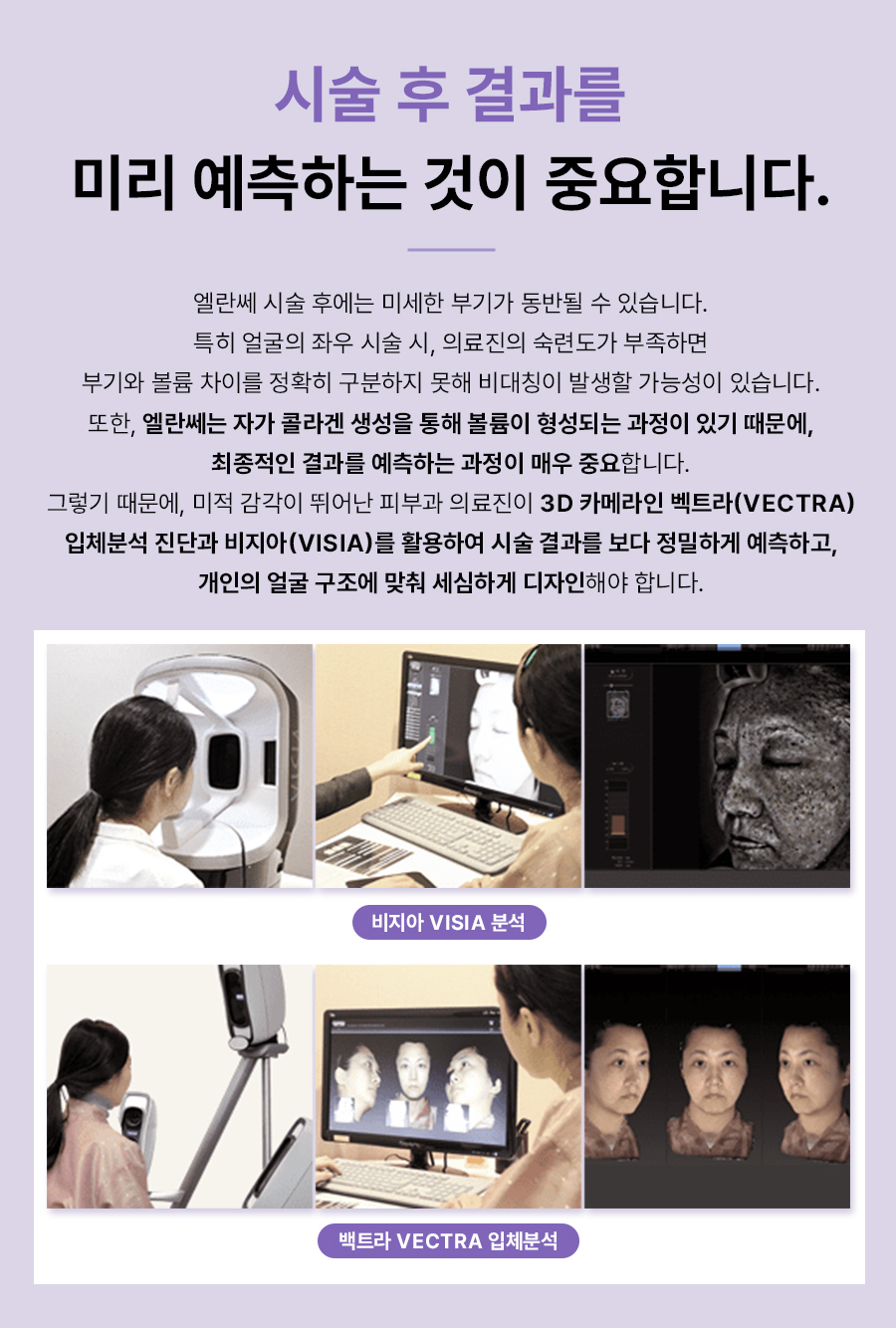
High-resolution photography and, in some cases, imaging tools for facial assessment
Discussion of your concerns and goals
Examination of skin quality, volume loss, and facial symmetry
Explanation of recommended treatments: filler alone or in combination with lifting or regenerative therapies
If you and the doctor agree, treatment may be performed on the same day, especially for straightforward filler cases.
Day 1 or Day 2: Nasolabial fold filler procedure
If the plan is confirmed, the filler procedure can usually be done within the first two days of your visit.
Step-by-step procedure overview
Cleansing and marking
The treatment area is cleansed thoroughly. The doctor may mark key injection points along the nasolabial fold and supporting areas such as the mid-cheek.
Numbing
Topical anesthetic cream may be applied, and many fillers already contain lidocaine to reduce discomfort during injection.
Injection technique
The doctor may use a fine needle, a blunt-tipped cannula, or a combination of both, depending on your anatomy and the chosen filler. Injections may be placed:
- Along the deeper part of the fold
- In supporting areas of the mid-face to lift and redistribute weight
- In small, controlled amounts to avoid overfilling
Shaping and assessment
After injection, the doctor gently shapes the area and checks the result in different expressions and lighting. Additional small adjustments may be made to balance both sides.

Post-treatment instructions
You will receive guidance on how to care for the area, what to avoid, and when to return for follow-up.
Days 2–5: Early recovery
Most patients experience mild swelling, redness, or small bruises for a few days. These usually improve quickly and are often easy to cover with makeup after about 24 hours, if the doctor approves.
If you plan to have lifting devices or regenerative treatments in addition to filler, the schedule will be adjusted so that the sequence and timing are medically appropriate.
Follow-up and departure
For overseas patients, a follow-up visit is often scheduled within a few days to check symmetry, early healing, and your satisfaction. If your stay is short, the clinic may arrange a remote follow-up using photos and online consultation after you return home.

Results, longevity, and maintenance
Immediate and short-term results
Right after treatment, most patients notice that their nasolabial folds look softer and the mid-face appears more rested. The effect can be more visible after initial swelling settles over several days.
Hyaluronic acid filler longevity
Depending on the product used, injection depth, and your metabolism, hyaluronic acid fillers in the nasolabial area often last several months to over a year. The effect gradually softens rather than disappearing suddenly.
Collagen-stimulating filler longevity
Collagen-stimulating fillers can provide structural benefits for a longer period, as they encourage your own collagen production. The initial volume effect may be more subtle, but the improvement in support can continue to develop over several months.
Maintenance and combination planning
To maintain results, periodic touch-ups are usually recommended. Many patients choose to:

Refresh hyaluronic acid filler at intervals suggested by the doctor
Add or repeat lifting or tightening devices every 6–18 months, depending on the device and individual aging pattern
Include exosome or stem-cell-based treatments periodically to support skin quality
The clinic’s structured consultation and follow-up system helps you plan a realistic, long-term anti-aging strategy rather than one-time corrections.
Pain, downtime, and aftercare
Pain level
Most patients find nasolabial fold filler injections tolerable. Numbing cream and lidocaine-containing fillers help reduce discomfort. You may feel pressure or a brief stinging sensation during injection, but this usually subsides quickly.
Typical downtime Downtime is generally minimal. You may experience:
- Mild swelling or redness around the injection sites for 1–3 days
- Small bruises that can last up to a week in some cases
- Slight tenderness when touching the area for a few days
- Many patients feel comfortable returning to work and social activities within 1–2 days, especially if they can use makeup after the first 24 hours, with the doctor’s approval.

Aftercare tips
The doctor will give you specific instructions, which may include:
Avoiding strong pressure or massage on the treated area unless instructed
Limiting intense exercise, saunas, or hot baths for a short period
Avoiding alcohol on the day of treatment to reduce the risk of bruising
Monitoring for unusual pain, color changes, or other concerning symptoms and contacting the clinic promptly if they occur
Safety considerations
Filler injections in the nasolabial area require detailed knowledge of facial anatomy, including the location of important blood vessels.
At this clinic:
Injections are performed by doctors with relevant training. Please request clinician credentials and discuss experience and treatment planning during your consultation.
Conservative dosing and careful product selection are used to reduce risks and avoid an overfilled appearance
Hyaluronic acid fillers can be dissolved with an enzyme if necessary, providing an additional safety margin
As with any medical procedure, standard risks include bruising, swelling, temporary asymmetry, or, rarely, more serious vascular complications. These are discussed during consultation so you can make an informed decision.
Frequently asked questions about nasolabial fold filler
Is nasolabial fold filler suitable for first-time filler patients?
Many first-time filler patients begin with nasolabial folds because the change can be noticeable yet natural when done conservatively. During consultation, the doctor will assess whether filler is appropriate for your skin type, facial structure, and expectations. If you are nervous about looking different, you can discuss starting with a smaller amount and building gradually over time.

How long should I stay in Seoul for nasolabial fold filler?
For filler alone, many overseas patients stay in Seoul for about 3–4 days. This allows time for consultation, treatment, and at least one follow-up visit. If you plan to combine filler with lifting devices or regenerative treatments, a slightly longer stay may be recommended so that procedures can be spaced appropriately and your early recovery can be monitored.
Will nasolabial fold filler make my smile look stiff?
When performed with an anatomy-based, conservative approach, nasolabial fold filler should not make your smile stiff. The goal is to soften the shadow and restore support, not to freeze movement. By focusing on structural support in the mid-face and using controlled amounts directly in the fold, the clinic aims to preserve natural expression while reducing the tired or heavy look.
What should I compare when choosing a clinic for nasolabial fold filler in Korea?
Beyond cost, it is important to compare the medical team’s training and experience, the range of fillers and devices available, and how they plan combination treatments. Ask whether the doctor will personally perform your injections, what imaging or analysis tools are used, and how follow-up is managed for overseas patients. It is also helpful to ask how they would balance filler, lifting, and regenerative options in your specific case, so you can understand the reasoning behind their recommendations.
Soft call to action
If deep smile lines around your nose and mouth are making you look more tired than you feel, nasolabial fold filler in Cheongdam, Gangnam may be a suitable option. Through online consultation, you can receive a personalized assessment of your mid-face volume, skin quality, and overall facial balance, and discuss whether filler alone or a combination approach is best for you.

You are welcome to share your photos, concerns, and travel plans in advance so the clinic can help you design a realistic, step-by-step anti-aging plan for your visit to Seoul.

댓글
댓글 쓰기