Nasolabial Fold Thread Lifting in Seoul: A Practical Guide for Overseas Patients
- 공유 링크 만들기
- X
- 이메일
- 기타 앱
Direct answer summary
Nasolabial fold thread lifting is a minimally invasive option to soften deep smile lines and gently lift the mid-face without surgery. Dissolvable threads are placed under the skin to reposition sagging tissue and may also promote collagen remodeling. Many patients notice some immediate lift, with additional improvements developing over weeks to months. Exact results and how long they last depend on individual factors (skin quality, age, lifestyle), the type of threads used, and the technique, so maintenance or repeat treatments may be needed.
This guide explains how nasolabial fold thread lifting works, how it compares with fillers and other treatments, what to expect when you travel to Seoul for the procedure, and how to prepare and recover safely.
What are nasolabial folds and why they deepen
Nasolabial folds are the lines that run from the sides of the nose down toward the corners of the mouth. They are often called smile lines. Almost everyone has them, but they tend to deepen with age.
Several factors contribute to deeper nasolabial folds. With time, the fat pads in the cheeks descend and lose volume, so more weight is pushed toward the folds. The supporting ligaments of the mid-face become looser, allowing tissues to slide downward. Skin quality also declines as collagen and elastin decrease, making the skin thinner and less elastic. Repeated facial expressions and lifestyle factors such as sun exposure, smoking, and weight changes can make the folds more visible.
What is nasolabial fold thread lifting
Nasolabial fold thread lifting is a non-surgical procedure that uses dissolvable lifting threads placed under the skin to support and reposition sagging tissues around the folds and cheeks.
The aim is not to erase every line. Instead, the goal is to soften deep folds, gently lift the mid-face, and restore a more youthful contour while keeping your natural expressions. The threads act like an internal support structure, pulling the cheek area slightly upward and outward so the fold looks less heavy.
In a clinic in the Cheongdam area of Gangnam, near Apgujeong Rodeo Station, thread lifting is often combined with energy-based devices and collagen-stimulating treatments to address both the structure and the quality of the skin.
How thread lifting improves nasolabial folds
Mechanical lifting effect
Lifting threads are designed with small barbs, cones, or other anchoring structures along their length. During the procedure, the doctor inserts the threads through tiny entry points using a cannula or needle. The threads are then positioned along planned vectors, usually starting near the mid-face or lower cheek and directed upward toward a stable anchoring point.
When the threads are gently tightened, the barbs or cones catch the tissue and pull it upward. This mechanical lifting effect repositions drooping cheek fat and skin, which reduces the weight pressing into the nasolabial fold. The fold becomes shallower not because it is filled from within, but because the tissues that create the fold are lifted back toward their original position.
Biological collagen-stimulating effect
In addition to the immediate lift, the presence of the threads triggers a mild controlled healing response. The body recognizes the threads as foreign but safe material and begins to form new collagen fibers around them. Over weeks to months, this collagen network can improve firmness, elasticity, and thickness of the skin along the thread paths.
This biological effect helps maintain the lifting result even as the threads gradually dissolve. It can also improve the texture and resilience of the skin around the nasolabial area, contributing to a more refined and rested appearance.
Different thread types for different needs
Not all nasolabial folds are the same. Some are mainly due to volume loss, others to skin laxity or heavier sagging. For this reason, clinics use different thread types and designs.
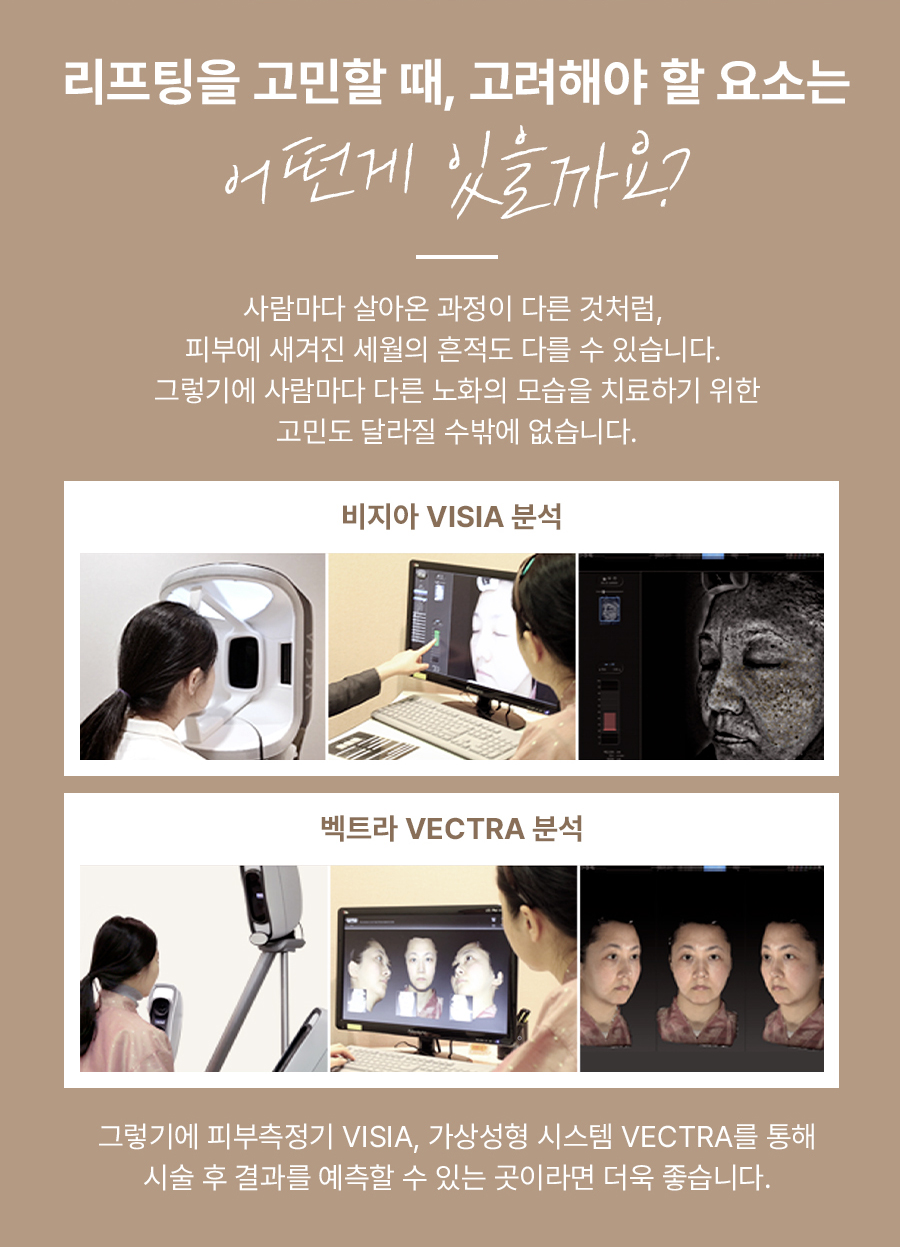
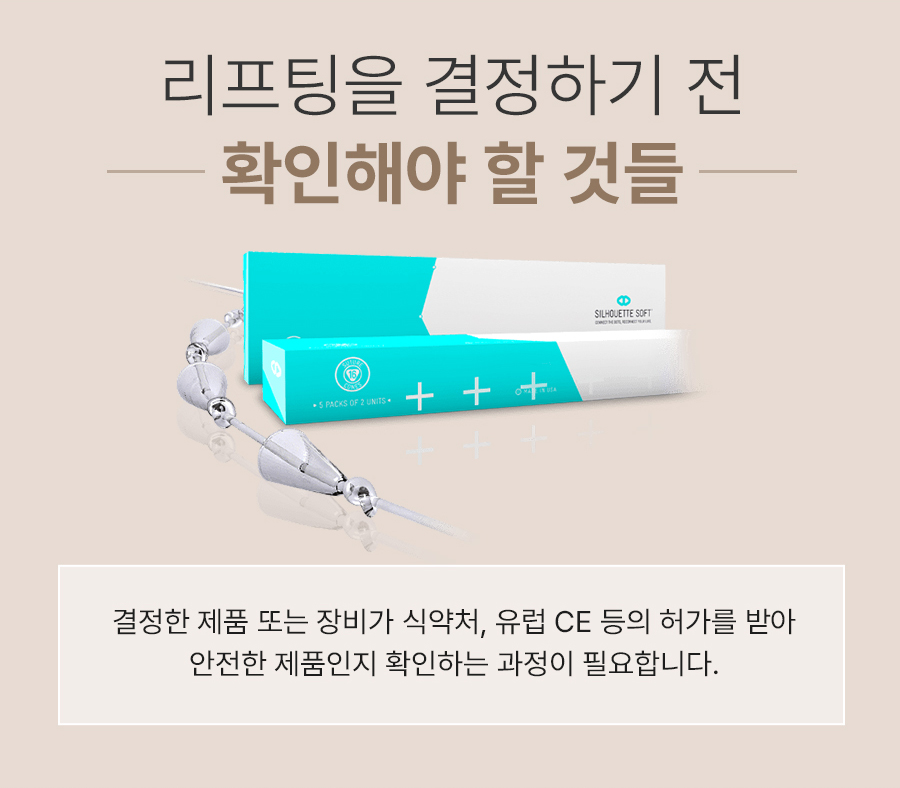
Barbed threads have tiny hooks that grip the tissue and are often used for more pronounced lifting in the mid-face. Cone-based threads use small conical anchors to hold tissue and can provide a smoother, more gradual lift. Different thread systems offer a range of shapes, sizes, and strengths to suit varying skin thicknesses and degrees of sagging; the specific choice is made by the treating clinician based on an individual assessment.
The doctor may choose shorter or longer threads, single or multiple vectors, and different entry points depending on the depth of your folds, the heaviness of your cheeks, and your overall facial balance.
How thread lifting compares with other treatments
Thread lifting versus fillers
Fillers are gel-like substances injected into or around the nasolabial fold to add volume. They can be effective for mild to moderate folds, especially in younger patients or when the main issue is localized volume loss.
However, when folds are deep because the cheeks have descended, simply filling the line can sometimes look heavy or unnatural. Overfilling may make the lower face appear bulky or change your natural smile. Thread lifting addresses the structural cause by lifting sagging tissues upward, rather than only filling the crease.
In many cases, a combination approach works best. Threads can lift the cheek and reduce the weight on the fold, while a small amount of collagen-stimulating filler can support areas of true volume loss without overloading the fold itself.
Thread lifting versus energy devices alone
Energy-based devices such as ultrasound and radiofrequency systems deliver controlled heat to deeper layers of the skin and connective tissue. This thermal effect can contribute to collagen remodeling and gradual skin tightening in some patients, but availability, treatment parameters, and results vary by device, operator, and individual response.
These treatments can improve skin firmness and mild laxity, and they are often a good foundation for anti-aging care. However, when there is more pronounced sagging or deep nasolabial folds, tightening alone may not be enough to reposition the heavier tissues.
Combining energy devices with thread lifting can be beneficial. Energy treatments can prepare the skin by improving its quality and elasticity, while threads provide a more direct mechanical lift. After threads are placed, periodic energy-based treatments may help maintain collagen and prolong the lifting effect.
Thread lifting versus surgery
A surgical facelift provides the most dramatic and long-lasting lifting by repositioning deeper facial structures and removing excess skin. It is usually reserved for more advanced aging or for patients seeking a major change.
Nasolabial fold thread lifting is non-surgical. It uses very small entry points, does not require general anesthesia, and usually involves shorter downtime. The results are more subtle and temporary compared to surgery, but the approach is suitable for people who want visible improvement without committing to an operation.
Threads gradually dissolve and can be adjusted or repeated over time. This flexibility appeals to many patients in their 30s to 50s who are not yet ready for a surgical facelift but want more than basic skincare or light treatments.
Treatment planning and procedure steps
Pre-treatment assessment
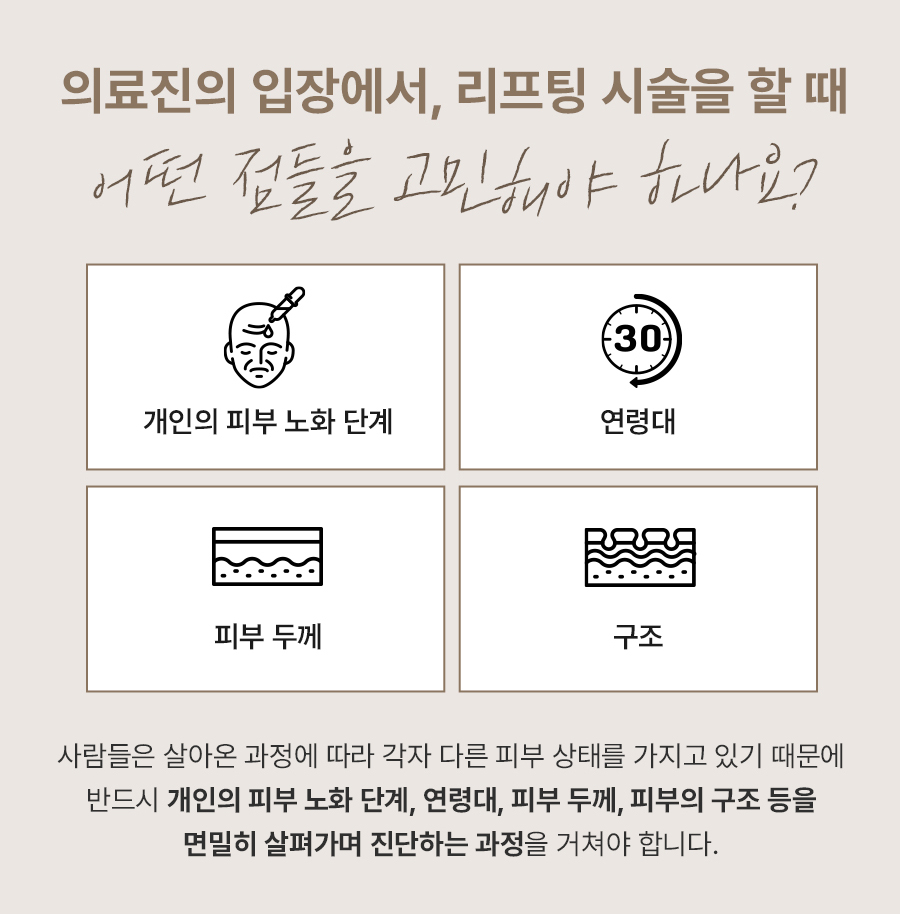
A thorough consultation is essential, especially for overseas patients who have limited time in Korea. During assessment, the doctor will evaluate the depth of your nasolabial folds, cheek volume, skin thickness, and overall facial proportions.
They will also review your medical history, previous procedures, medications, and any tendency to bruise or scar. Discussion usually includes your main concerns, how natural you want the result to look, how long you plan to stay in Seoul, and how long you expect the improvement to last.
Customization and combination planning
Based on this analysis, the treatment plan is customized. Key decisions include:
Thread selection and vectors: The type, number, and direction of threads are chosen to match your anatomy. For example, stronger barbed threads may be used for heavier cheeks, while finer threads may be placed more superficially to support skin quality.
Collagen-stimulating fillers or biostimulators: In some cases, a small amount of volumizing or collagen-stimulating injectable is added in the mid-face or lateral cheek to support the lift and reduce the need for heavy filler in the fold itself.
Skin-repair and anti-aging injections: treatments such as PDRN or skin boosters are sometimes used to improve skin quality around the nasolabial area. Certain cellular approaches (for example, stem-cell or exosome-based therapies) are investigational in many settings; if a clinic offers such options, ask for clear information about regulatory approval, clinical evidence, and potential risks before proceeding.
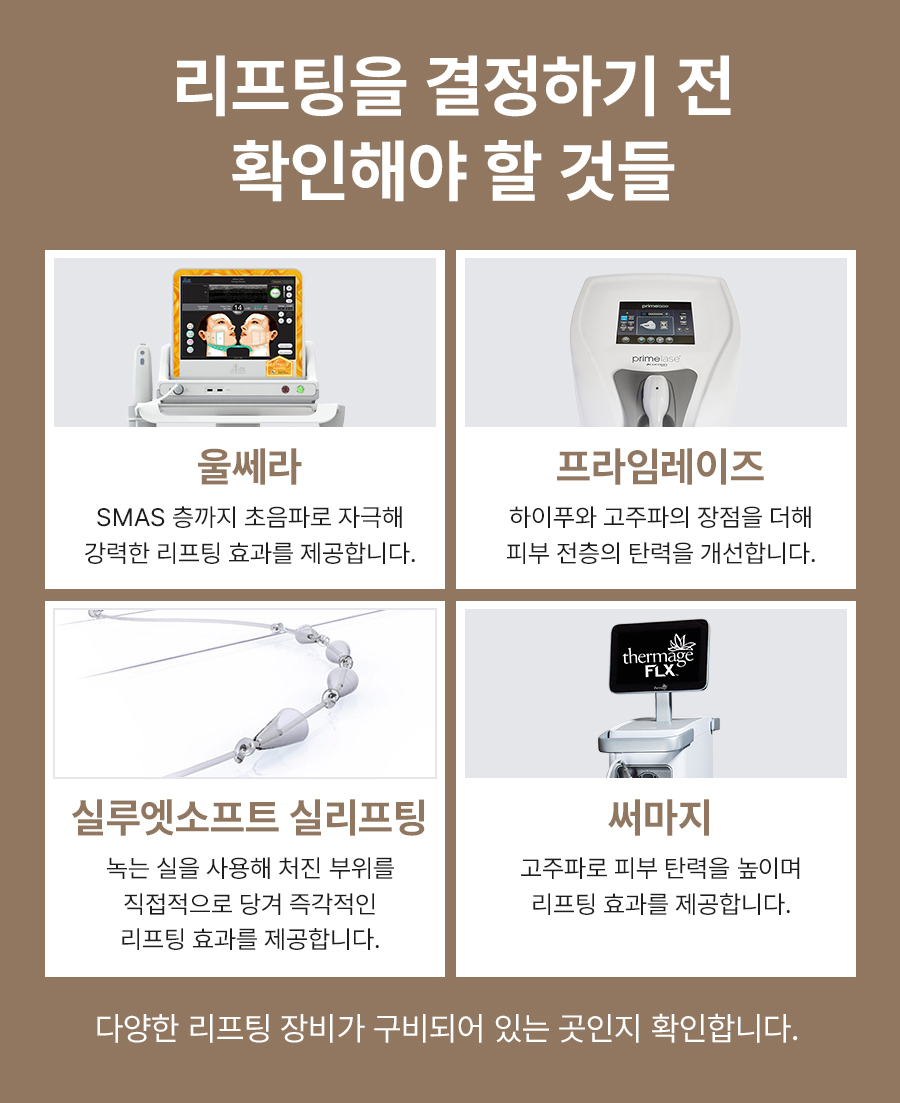
Energy-based tightening: Devices like Ulthera Prime, Thermage FLX, monopolar RF, Emface, or Exilis Ultra may be recommended before or after thread lifting to enhance deep tissue tightening and collagen stimulation.
Typical procedure steps
On the day of the procedure, the process usually follows these steps:
Facial marking: While you are sitting or semi-upright, the doctor marks the planned thread paths and entry points, taking into account natural facial movement.
Local anesthesia: A local anesthetic is injected at the entry points and along the planned paths to minimize discomfort. Some clinics may also offer topical numbing cream or mild oral medication if needed.
Thread insertion: Using a fine cannula or needle, the doctor inserts the threads under the skin following the marked vectors. You may feel pressure or pulling but should not feel sharp pain.
Adjustment and symmetry check: Once the threads are in place, the doctor gently adjusts them to achieve the desired lift and checks both sides of the face for balance.
Trimming and finishing: The external ends of the threads are trimmed, and small dressings may be applied. You will be given instructions about facial movements, sleeping position, and aftercare.
Expected results and longevity
When you look in the mirror immediately after the procedure, you can usually see a partial lifting effect right away. The nasolabial folds may appear softer, and the mid-face can look slightly higher and more supported.
In the first few days, mild swelling can make the area look fuller. As swelling settles, the result becomes more natural. Over the following weeks and months, collagen forms around the threads, gradually improving skin firmness and texture.
Most patients enjoy visible improvement for around one to two years, depending on the type of threads used, their skin condition, age, and lifestyle factors such as smoking, sun exposure, and weight changes. The aging process continues, so maintenance treatments may be recommended.
The aim is a natural-looking change: softer folds, a more rested expression, and a subtle lift, rather than a tight or pulled appearance.
Safety, side effects, and who is a good candidate
Common temporary effects
After nasolabial fold thread lifting, it is normal to experience some temporary side effects. These may include swelling, bruising, tenderness along the thread paths, and a feeling of tightness when you smile or open your mouth widely.
Mild asymmetry can appear in the first days as swelling differs between sides. Small dimples or irregularities at the entry points may be visible but usually smooth out as the tissues relax and adapt to the new position.
Possible complications
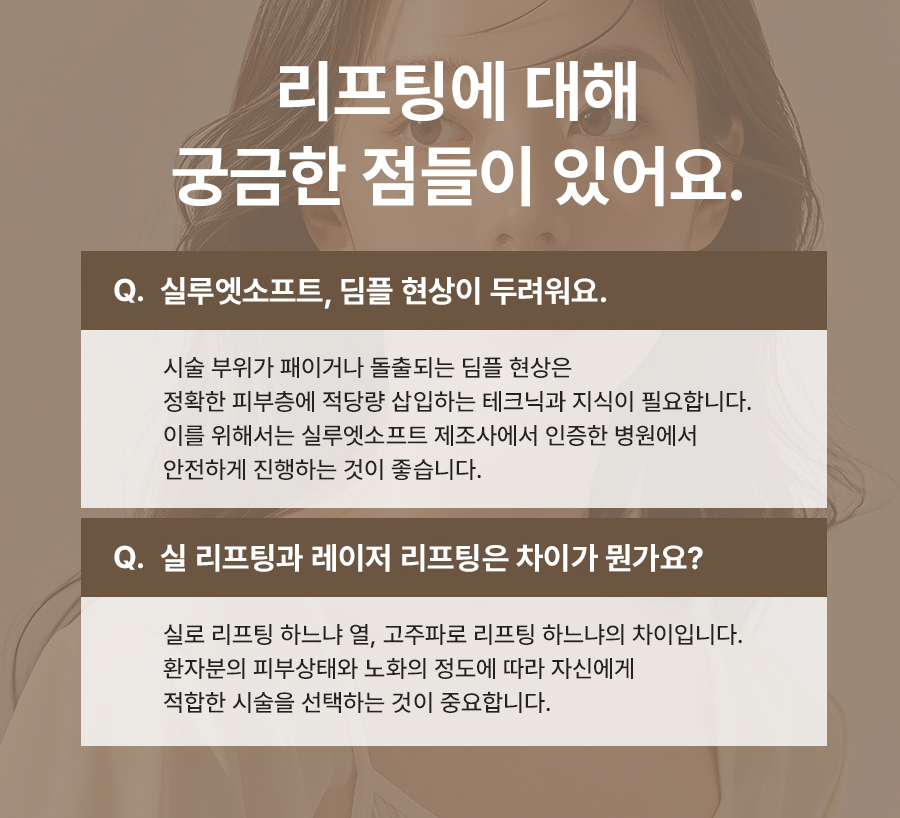
Although thread lifting is minimally invasive, complications can occur. These may include infection, visible or palpable threads, persistent dimpling, contour irregularities, or discomfort that lasts longer than expected.
In some cases, threads may need to be adjusted or removed. This is why it is important to choose a medical team experienced with different thread systems such as Aptos and Silhouette Soft, and familiar with facial anatomy and complication management.
Ideal candidates and limitations
Good candidates for nasolabial fold thread lifting usually have mild to moderate folds and mid-face sagging, relatively good skin quality, and realistic expectations. They want noticeable but natural improvement without surgery and are willing to follow aftercare instructions.
In cases of very heavy or severely lax tissues, thread lifting alone may not provide enough correction. The doctor may recommend combination treatments or, in some situations, may advise that surgical options would be more appropriate in the long term.
Role of an advanced anti-aging approach
Nasolabial fold treatment is most effective when individualized. Structural lifting with threads can be combined with treatments that improve skin quality or restore volume, such as targeted devices and injectables, but the decision to combine therapies should be based on a clinical assessment of fold depth, skin laxity, facial anatomy, medical history, and patient goals. Discuss the expected benefits, limitations, and any experimental options with a qualified practitioner.
By improving skin quality, elasticity, and the health of the underlying tissues, these additional treatments can enhance and prolong the effect of the lift. For example, performing ultrasound or radiofrequency tightening before or after threads may strengthen the supporting layers, while exosome-based injections may support regeneration and recovery.
In a Cheongdam-based clinic that focuses on anti-aging from the cellular level, the treatment plan is often built around these layers: deep structural support, mid-depth collagen stimulation, and surface skin quality.
Practical information for overseas patients in Seoul
Location and access
The clinic is located in the Cheongdam area of the Gangnam district in Seoul, a well-known hub for aesthetic and anti-aging medicine. It is near Apgujeong Rodeo Station on the Suin–Bundang Line. From Exit 4, you walk straight toward Galleria Department Store.
This area is convenient for international visitors, with many hotels, cafes, and shopping options nearby. It is easy to combine your medical visit with some light sightseeing and rest.
Clinic hours and appointments
The clinic operates by appointment and typically offers weekday evening hours and Saturday hours to accommodate busy schedules. Because timetables can change, it is important to confirm the current schedule and availability before you book flights.

For overseas patients, online consultation in advance is strongly recommended so that your visit can be planned efficiently and you can minimize the number of in-person visits.
Who may consider nasolabial fold thread lifting in Seoul
You may consider this procedure if you notice that your smile lines are deepening, your cheeks look heavier or more tired, and basic skincare or light treatments are no longer enough.
It can be suitable if you are in your 30s to 60s, in generally good health, and looking for a non-surgical option with relatively quick recovery. It is also an option if you have tried fillers but feel that they either do not last long enough or start to look heavy when more volume is added.
If you are traveling from overseas, it helps if you can stay in Seoul for at least several days after the procedure to allow for follow-up and to manage any early swelling or bruising before your return flight.
Online consultation and pre-visit preparation
Before you travel, most clinics in Cheongdam can arrange an online or video consultation. This is your chance to share clear photos of your face from the front and sides, explain your concerns, and ask about possible treatment options.
During this consultation, you can discuss:
- Whether thread lifting alone is suitable for your nasolabial folds
- Whether a combination with energy devices or injectables is recommended
- How many days you should stay in Seoul for treatment and follow-up
- Any medical conditions, medications, or allergies you have
It is helpful to prepare a list of questions in advance, such as:
- What kind of threads will be used and why
- What level of improvement can you realistically expect
- How long is the typical recovery time
- What aftercare is included and what should you avoid after the procedure
You should also share your travel dates and any other treatments you are considering, so the clinic can schedule your visits efficiently.
Expected Korea visit timeline
A typical schedule for an overseas patient might look like this:
Day 1: Arrival in Seoul, rest, and possibly an in-person consultation if your flight time allows.
Day 2: Detailed face-to-face consultation, imaging or analysis if needed, final treatment planning, and nasolabial fold thread lifting procedure. Some patients may also receive complementary treatments such as skin boosters or energy-based tightening on the same day, depending on the plan.
Day 3 to 4: Follow-up visit to check healing, adjust if necessary, and review aftercare. Swelling and bruising are usually most visible during this period, so it is wise to keep your schedule light.
Day 5 to 7: Many patients feel comfortable returning home. Minor swelling or tenderness may still be present but usually manageable.
If your schedule is tight, discuss this in advance during online consultation so the clinic can advise whether a shorter stay is realistic for your case.
Aftercare and recovery
In the first week after thread lifting, you will usually be advised to:
- Avoid strong facial movements such as wide yawning or exaggerated chewing
- Sleep on your back with your head slightly elevated to reduce swelling
- Avoid pressing, massaging, or rubbing the treated area
You may be asked to avoid strenuous exercise, saunas, and heavy alcohol intake for a short period. The clinic will provide specific instructions, which you should follow carefully.
Mild discomfort can often be managed with over-the-counter pain relief if approved by the doctor. Bruising can be concealed with makeup after the skin has closed, usually after a day or two, but confirm this with your medical team.

If you notice increasing pain, redness, or asymmetry that does not improve, you should contact the clinic promptly, even after you have returned home.
Frequently asked questions
How long does nasolabial fold thread lifting last
Most patients experience visible results for around one to two years, depending on the type of threads, their skin condition, age, and lifestyle. The mechanical lift is strongest in the first months, while the collagen-stimulating effect can help maintain improvement even as the threads dissolve.
Because aging continues, some people choose to repeat thread lifting or combine it with other treatments such as energy devices or collagen-stimulating injectables to maintain their results over time.
Is nasolabial fold thread lifting painful
During the procedure, local anesthesia is used to numb the entry points and thread paths, so sharp pain is minimized. You may feel pressure, pulling, or a stretching sensation as the threads are placed and adjusted.
After the procedure, mild soreness or tightness is common for a few days, especially when you move your mouth. This is usually manageable and tends to improve as the tissues adapt.
Can I combine thread lifting with fillers or skin boosters
Yes, many treatment plans combine thread lifting with fillers, biostimulators, or skin-repair injections. Threads address sagging and structure, while fillers or skin boosters can refine volume and improve skin hydration and texture.
The exact combination and timing depend on your individual needs. Some treatments can be done on the same day, while others may be scheduled before or after thread lifting to optimize safety and results.
How many days should I stay in Seoul for thread lifting
For overseas patients, staying at least three to five days after the procedure is often recommended. This allows time for an in-person consultation, the treatment itself, and at least one follow-up visit.

If you are planning multiple treatments or have a more complex plan involving energy-based devices or cellular-level therapies, a longer stay may be advised. It is best to confirm the recommended duration during your online consultation before booking flights.
Soft call to action
If you are considering nasolabial fold thread lifting in Seoul and would like a personalized assessment, you can arrange an online consultation with the clinic in Cheongdam, Gangnam, near Apgujeong Rodeo Station. By sharing photos and your travel plans in advance, the medical team can help design a realistic, customized plan that fits your schedule and goals.
This guide is for general information only and does not replace a consultation with a qualified medical professional. Individual suitability, risks, and results vary, and all procedures should be planned after direct discussion with your doctor.

댓글
댓글 쓰기