Nasolabial Fold Thread Lifting with Silhouette Soft in Cheongdam
- 공유 링크 만들기
- X
- 이메일
- 기타 앱
Direct answer summary
Nasolabial fold thread lifting with Silhouette Soft is a non‑surgical way to soften deep smile lines by gently lifting the midface and stimulating new collagen. Instead of simply filling the fold and risking a heavy look, Silhouette Soft threads support and reposition the cheek area, creating a more natural contour around the mouth. At an anti‑aging focused clinic in Cheongdam, Gangnam, near Apgujeong Rodeo Station, this treatment is planned together with other lifting and collagen programs so that overseas patients can receive a structured, personalized approach.
Understanding nasolabial folds and why they deepen
Nasolabial folds are the lines that run from the sides of the nose down toward the corners of the mouth. In youth, they are usually shallow and appear mainly when you smile. With age, they can become deeper and remain visible even at rest.
This happens for several reasons. The midface loses volume as fat pads shrink and shift downward. Supporting ligaments that hold the cheek in place become looser. Skin gradually loses elasticity and firmness due to collagen and elastin decline. Gravity then pulls the tissues down, causing the cheek to sag and fold over the area near the mouth.
Because the problem is often structural, simply filling the line with a large amount of filler can make the area look puffy or unnatural. Thread lifting with Silhouette Soft addresses the cause more directly by lifting and supporting the midface, which in turn softens the nasolabial fold from above.
What is Silhouette Soft for nasolabial folds
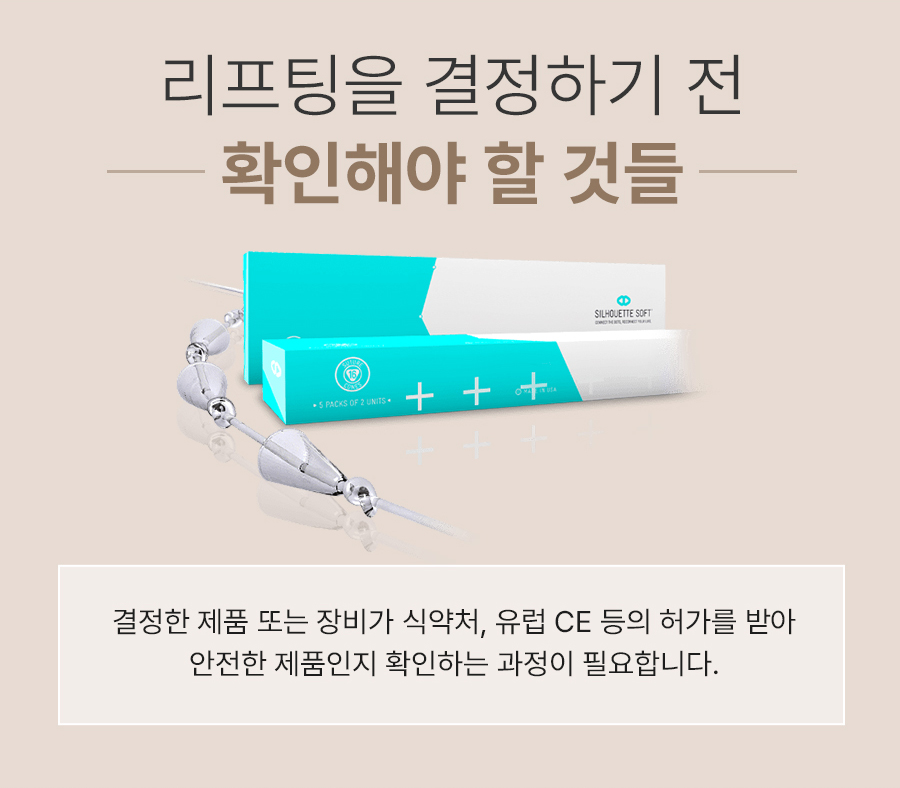
Silhouette Soft is a type of bio-absorbable thread used for non-surgical lifting. The thread gradually dissolves in the body and is designed to stimulate collagen production.
Over time, as the material breaks down, new collagen forms around the thread path, helping to maintain support even after the thread itself is absorbed.
For nasolabial folds, the goal is not to pull directly on the line itself. Instead, threads are usually placed in the cheek and midface area, lifting the tissues upward and slightly back. This repositioning can reduce the heaviness that falls into the fold and restore a more youthful transition from the lower eyelid to the cheek and down to the mouth.
This dual action is important. There is an immediate mechanical lift from the cones, and a gradual biological effect from collagen stimulation. Together, they can improve the appearance of nasolabial folds and midface sagging in a subtle, natural way.
Who may consider a Silhouette Soft nasolabial thread lift
Silhouette Soft for nasolabial folds is generally considered for adults with mild to moderate sagging who are not yet ready for surgical lifting.
You may be a potential candidate if you notice that your nasolabial folds are visible even when you are not smiling, your cheeks look heavier or more droopy than before, and you feel that fillers alone either do not last long or make the area look too full.
This treatment may suit you if you want a sharper, more lifted midface without adding bulk to the fold, prefer a non‑surgical option with relatively short downtime compared with surgery, and understand that results are not permanent and that maintenance treatments may be needed.
However, it may not be ideal in every situation. Caution or alternative options may be recommended if you have very thin, fragile skin in the area, severe skin laxity that would be better treated with surgery, unrealistic expectations for a dramatic change, a history of bleeding disorders or are taking medications that strongly affect clotting, uncontrolled medical conditions, active skin infection or inflammation in the treatment area, or if you are pregnant or breastfeeding. In all cases, a detailed consultation is essential to decide whether Silhouette Soft is appropriate for you.
Consultation and planning at the Cheongdam anti‑aging clinic
The clinic in Cheongdam, Gangnam, focuses on anti‑aging and lifting, and is located near Apgujeong Rodeo Station on the Bundang Line, a short walk from exit 4 toward Galleria Department Store. For overseas patients, the visit usually begins with a careful assessment rather than jumping straight into treatment.
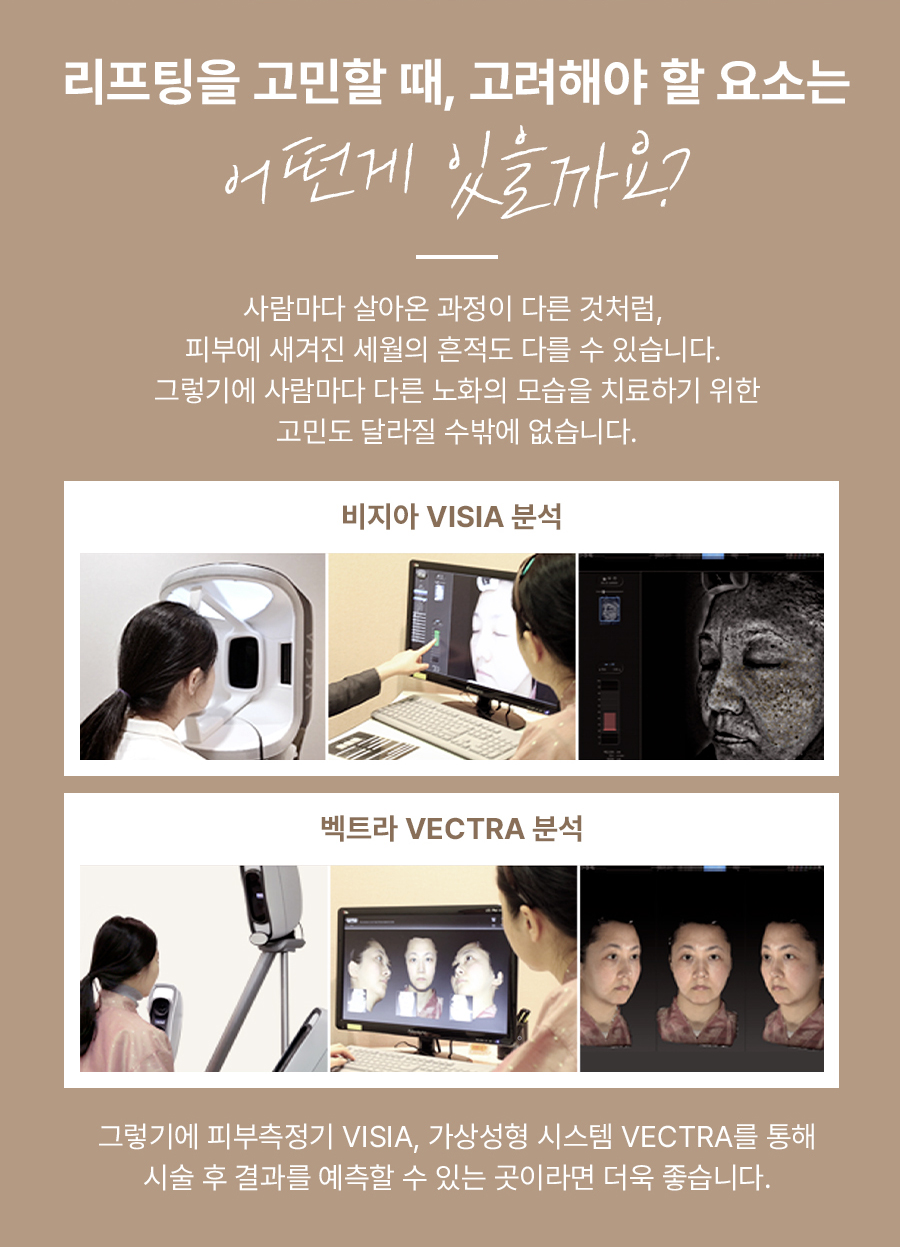
During consultation, the doctor evaluates your face from the front and at 45‑degree angles. They look at whether your nasolabial folds are mainly due to volume loss in the midface, ligament laxity and tissue descent, or poor skin quality. This helps determine how much of the problem can be improved with Silhouette Soft threads alone, and whether additional procedures would be helpful.
The clinic uses imaging and diagnostic tools to analyze skin texture, elasticity, and facial proportions. These images are often used to explain which areas will be lifted and how that may affect your nasolabial folds, cheeks, and jawline.
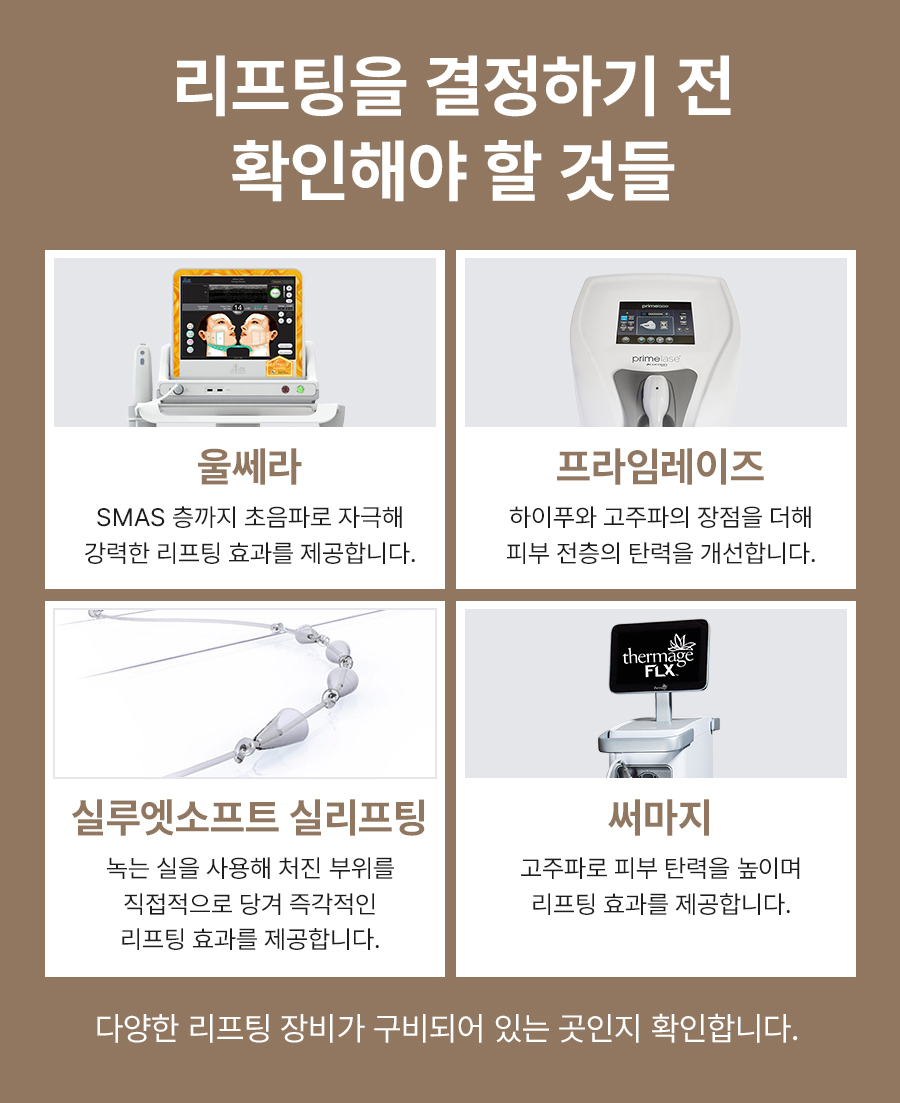
Because the clinic has a wide lifting and collagen portfolio, including Silhouette Soft, Aptos threads, Ulthera, Thermage FLX, Emface, RF microneedling, and other HIFU and RF devices, the doctor can build a combination plan when needed. For example, Silhouette Soft may be the main lifting method for the midface, with a small amount of filler to support specific shadows, or skin boosters and exosome injections to improve skin quality. In some cases, energy‑based devices like Ulthera or Thermage FLX may be suggested before or after threads to enhance collagen tightening.
Importantly, Silhouette Soft remains the centerpiece for structural lifting of the nasolabial area, while other treatments are used to fine‑tune the result.

How the Silhouette Soft nasolabial thread lift is performed
Procedure time varies; your doctor will confirm the expected duration during consultation based on the number of threads and any combined treatments.
The typical steps are as follows.
First, pre‑treatment photographs are taken from several angles. The doctor then marks the lifting vectors on your skin. These lines show where the threads will be placed and in which direction the tissues will be lifted. For nasolabial folds, vectors usually run from the cheek area up toward the temples or side of the face, rather than straight across the fold.
Local anesthesia is then injected along the planned entry and exit points of the threads. This helps minimize discomfort during insertion. Some patients may also receive topical numbing cream or mild oral medication depending on their sensitivity and anxiety level.
Next, the doctor inserts the Silhouette Soft threads using a fine needle or cannula, following the pre‑marked vectors. The cones on the threads are positioned within the deeper tissue layers, not in the surface of the skin. Once the threads are in place, gentle manual molding is performed. The doctor carefully lifts and adjusts the tissues by hand, allowing the cones to anchor and create a smooth, lifted contour.
After both sides are adjusted, the ends of the threads are trimmed, and the doctor checks for symmetry between the left and right sides of the face. Small entry points may be covered with tiny dressings, which are usually removed after a short period.
Most patients can leave the clinic shortly after the procedure, with instructions for aftercare and follow‑up.
Expected results and longevity
Silhouette Soft thread lifting offers a combination of immediate and progressive results.
Immediately after the procedure, many patients notice that their cheeks appear slightly higher and their nasolabial folds look softer. Because the tissues have been physically repositioned, this early effect is visible right away, although mild swelling can make the result look a bit more pronounced in the first few days.
This new collagen can help maintain support and improve skin firmness and texture around the midface and nasolabial area. As the threads are absorbed, the collagen network remains, contributing to a longer‑lasting effect.
Visible benefits from Silhouette Soft thread lifting for nasolabial folds vary between individuals. Some patients report improvement that can last for months, but outcomes depend on age, skin quality, lifestyle, and treatment planning. Maintenance or combination treatments may be recommended to help preserve results.
The change is usually subtle and natural rather than dramatic. The goal is a fresher, less tired appearance, with smoother smile lines and a more lifted midface, not a completely different face.
Downtime, aftercare, and possible side effects
Compared with surgery, downtime after Silhouette Soft thread lifting is relatively short, but some recovery is still expected.
In the first few days, you may experience mild swelling, bruising, and tenderness along the thread paths and near the entry points. Some patients notice a feeling of tightness or pulling when moving facial muscles. These sensations usually improve within one to two weeks.
Typical aftercare instructions include avoiding exaggerated facial expressions, wide yawning, or heavy chewing for a short period, especially in the first week. It is usually recommended to sleep on your back and avoid pressing your face into the pillow. Intense exercise, saunas, hot baths, and facial massages are often restricted for a certain time to allow the threads to stabilize.
You will be asked to follow personalized instructions from your doctor, including how to clean the area and when to return for follow‑up. Adhering to these guidelines can help reduce the risk of complications and support a smoother healing process.
Common side effects may include bruising, swelling, temporary asymmetry, dimpling or irregularities in the skin surface, and the ability to feel the threads under the skin in certain positions. These are often temporary and can improve as the tissues settle.
Rare but more serious risks include infection, thread exposure, prolonged pain, or injury to nearby nerves or blood vessels. Choosing experienced doctors who are familiar with facial anatomy and advanced thread techniques is important for both safety and aesthetic outcome.
Comparison with other options for nasolabial folds
When deciding how to treat nasolabial folds, it is useful to understand how Silhouette Soft compares with other common options.
Filler injections are often used to address volume loss. They can be effective when the fold is mainly due to a lack of support in specific areas. However, if the main problem is tissue descent and sagging, adding too much filler directly into the fold can make the area look heavy, stiff, or unnatural when smiling.
Silhouette Soft threads, on the other hand, focus on lifting and repositioning the tissues that are falling into the fold. This structural approach can be more suitable when sagging is a key factor. In some cases, a combination is ideal: threads to lift the midface, plus a small, carefully placed amount of filler to refine contour without overfilling.
Energy‑based lifting devices such as Ulthera, Thermage FLX, RF microneedling, and other HIFU or RF systems work by heating deeper layers of the skin to stimulate collagen and tighten tissues. They are non‑invasive and have minimal downtime, but their lifting power may be limited for more pronounced folds and sagging.
Threads provide a more immediate, mechanical lift, which can be clearly visible soon after treatment. Many patients and doctors choose to combine threads with energy‑based devices to support both immediate and long‑term collagen effects. At the Cheongdam clinic, such combination planning is possible because of the wide range of devices available, with Silhouette Soft remaining the main tool for nasolabial and midface lifting in suitable cases.
Why choose a specialized anti‑aging clinic in Cheongdam
For overseas patients, choosing where to have a thread lift is as important as choosing which thread to use. The Cheongdam clinic is focused on anti‑aging and lifting and is conveniently located in Gangnam near Apgujeong Rodeo Station, making it accessible for international visitors staying in central Seoul.
The clinic offers a broad lifting portfolio, including Silhouette Soft, Aptos threads, Ulthera, Thermage FLX, Emface, and other advanced devices. This allows the doctors to design a tailored plan instead of relying on a single method for every patient.
An in-house cell research lab offers adjunctive options, including autologous exosome programs and stem-cell related procedures. These may be used before or after thread lifting to complement treatment and potentially support skin quality by promoting regenerative signaling; individual responses vary.

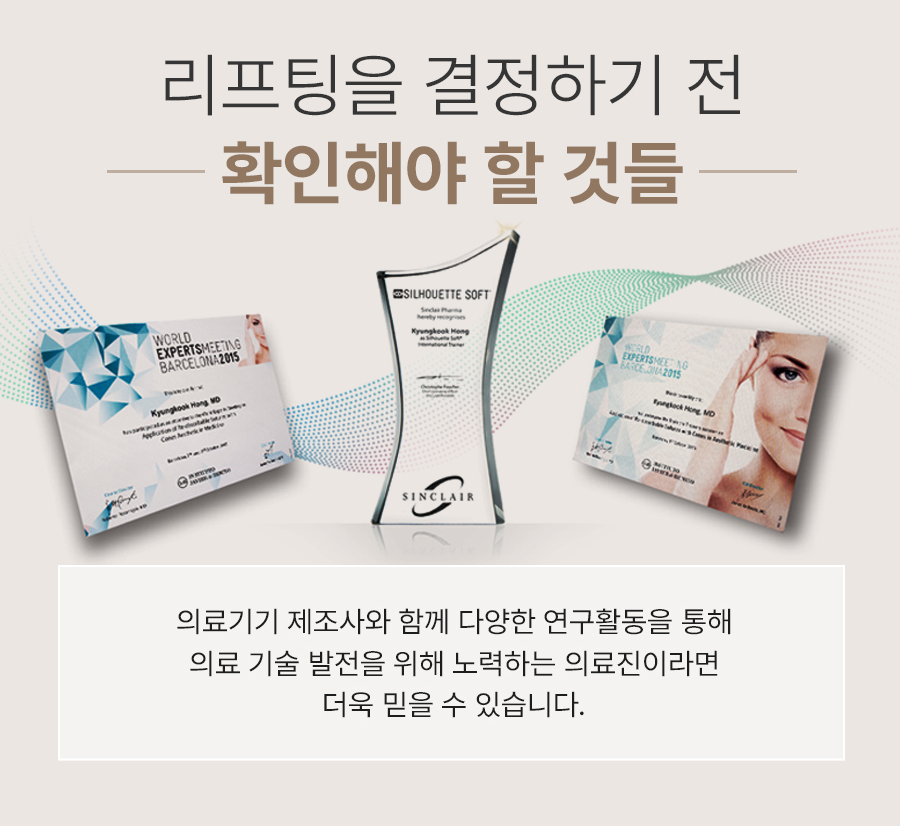
The medical team has academic backgrounds and experience with thread and collagen-stimulating techniques. Clinic-level research and educational activities contribute to ongoing refinement of treatment protocols and safety practices.
Most importantly, consultations focus on listening to your concerns, analyzing your facial structure, and setting realistic expectations. For overseas patients, this includes discussing how much improvement is reasonable in a single visit, and what kind of maintenance might be needed in the future.
Online consultation and pre‑visit preparation for overseas patients
If you are considering Silhouette Soft nasolabial thread lifting in Korea, an online consultation is a practical first step. Before your appointment, you will usually be asked to send clear photos of your face from the front, 45‑degree angles, and side views under natural lighting. Some clinics may also request short video clips of you speaking or smiling to see how your folds behave with movement.
You should prepare a list of your current medications and supplements, any history of allergies, previous aesthetic treatments such as fillers, threads, or energy devices, and any major medical conditions or surgeries. Sharing this information in advance helps the doctor plan safely.
Many overseas patients find it helpful to write down their priorities and questions before the online consultation. For example, you might want to ask how many threads are likely to be used, whether combination treatments are recommended, how long swelling usually lasts, and how many days in Korea are advisable for follow‑up.
During the online consultation, the doctor or coordinator will explain whether you are a suitable candidate for Silhouette Soft, what kind of result is realistic, and how the visit schedule can be arranged. This is also the time to discuss budget ranges and whether additional treatments such as Ulthera, Thermage FLX, or exosome injections might be beneficial.
Expected Korea visit timeline
For most overseas patients, it is wise to plan a stay of several days around a Silhouette Soft thread lift.
Day 1 is often reserved for in‑person consultation, imaging, and final planning. The doctor confirms the treatment plan that was discussed online, examines your skin and facial tissues directly, and may adjust the number and placement of threads based on this assessment.
The procedure may be performed on the same day as consultation or on Day 2, depending on your schedule and the clinic’s availability. After the procedure, you will rest briefly at the clinic before returning to your accommodation.
In the next few days, you may have mild swelling and bruising. A short follow‑up visit is usually scheduled within several days to check healing, symmetry, and thread positioning. If you are also receiving energy‑based treatments or skin‑quality treatments, these may be scheduled either before or after the thread lift, according to the plan.
Many patients feel comfortable going out for light sightseeing or meetings within a couple of days, using light makeup if approved by the doctor. However, it is better to avoid very tight schedules, intense activities, or long flights immediately after the procedure. Discuss your travel plans with the clinic so they can advise on the safest timing.
Aftercare and longer‑term follow‑up
Once you return home, most of your aftercare will be self‑managed, guided by written instructions and online follow‑up when needed. You should monitor for any unusual pain, redness, or swelling and contact the clinic promptly if you have concerns.
To support longer‑term results, maintaining a healthy lifestyle is helpful. Avoiding smoking, protecting your skin from excessive sun exposure, and following a gentle but consistent skincare routine can all contribute to better collagen maintenance.
In some cases, the clinic may recommend periodic non‑invasive treatments, such as mild RF or HIFU sessions, or skin‑quality treatments like exosomes or skin boosters, to support the collagen network created by the threads. These can often be planned around future trips to Korea if you visit regularly.

FAQ about Silhouette Soft nasolabial fold thread lifting
How many Silhouette Soft threads are usually needed for nasolabial folds
The number of threads varies depending on your facial structure and the degree of sagging. For midface and nasolabial fold lifting, doctors often use several threads per side, placed along different vectors to support the cheek and lower face. During consultation, the doctor will estimate how many threads are appropriate to achieve a balanced, natural lift without over‑tightening.
How painful is the procedure, and what kind of anesthesia is used
Most patients describe Silhouette Soft thread lifting as mildly to moderately uncomfortable rather than very painful. Local anesthesia is injected at the entry and exit points of the threads, and sometimes along the thread path, to numb the area. You may feel pressure, pulling, or brief stinging during insertion and adjustment, but the numbing helps keep this manageable. If you are particularly sensitive or anxious, discuss additional comfort options with the clinic in advance.
When can I go back to work or social activities
Many people feel ready to return to light work or daily activities within a day or two, especially if they are comfortable with minor swelling or small bruises. However, if your work or social schedule involves important meetings, photography, or events, you may prefer to allow about a week for the appearance to settle. Makeup can usually be applied after a short period, as advised by your doctor.
Will people notice that I had a thread lift, or will it look natural
In the first few days, close contacts may notice some swelling or slight tightness in your expressions. As the tissues settle, the aim is for the result to look like a fresher, more rested version of you rather than a clearly altered face. Because Silhouette Soft focuses on lifting and contour rather than adding large volumes, the outcome is generally subtle and natural when performed with careful planning.
Can Silhouette Soft be repeated, and how often
Yes, Silhouette Soft thread lifting can usually be repeated once the previous threads have been absorbed and the tissues have stabilized. The exact timing should be decided together with your doctor based on examination and your goals.
Is it safe to combine Silhouette Soft with fillers or Ulthera or Thermage in the same area

Combining Silhouette Soft with fillers or energy‑based devices like Ulthera and Thermage FLX can be safe and effective when planned correctly. Often, threads are used to lift the structure, while small amounts of filler refine specific shadows, and devices support collagen tightening. The sequence and timing are important to avoid disturbing the threads or over‑treating the tissues, so it is best to have these treatments coordinated by the same clinic.
Soft call to action for online consultation
If you are considering a non‑surgical option to soften deep nasolabial folds and lift your midface while keeping a natural look, Silhouette Soft thread lifting in Cheongdam, Gangnam may be one of the options for you. An online consultation can help you understand whether you are a suitable candidate, how many threads you might need, and how to plan your visit to Seoul.
You are welcome to prepare your photos, medical information, and questions, and reach out to the clinic’s international patient team for a personalized assessment and tentative treatment schedule.
- 공유 링크 만들기
- X
- 이메일
- 기타 앱

댓글
댓글 쓰기