Sunken Upper Eyelid Filler Treatment Guide in Seoul
- 공유 링크 만들기
- X
- 이메일
- 기타 앱

Direct answer summary
Sunken upper eyelid filler is a non-surgical treatment that restores gentle volume to hollow or bony upper eyelids using mainly hyaluronic acid filler. The goal is to soften the empty space under the brow, reduce a tired or skeletal look, and improve eye contour without changing your eye shape dramatically or undergoing blepharoplasty surgery. For many international patients, it can be done in a short visit to Seoul with minimal downtime, as long as the treatment is carefully planned and performed by an experienced eye area injector.
What is a sunken or hollow upper eyelid
A sunken upper eyelid means that the soft tissue and fat that normally cushion the upper eyelid and upper eye socket have thinned or shifted. Instead of a smooth curve from brow to lash line, you may see a deep groove or hollow, and the upper eye socket bone can look sharp or prominent.
This can happen for several reasons. Aging leads to gradual loss of fat, collagen, and support around the eyes. Some people naturally have deep-set eyes and a higher brow bone, so the upper eyelid looks hollow even at a young age. Rapid weight loss can reduce facial fat, including around the eyes. Previous aggressive eyelid surgery or fat removal can also leave the upper eyelid looking empty. Chronic eye rubbing and skin laxity may make the area look more wrinkled and sunken over time.

Aesthetically, hollow upper eyelids often make the face look more tired, severe, or older than it is. The crease can sit very deep, making eyeshadow difficult to apply smoothly. Fine lines and wrinkles may appear more obvious because there is less soft tissue support under the skin.
Non-surgical upper eyelid filler treatment overview
Upper eyelid filler treatment is a non-surgical volumizing procedure that uses mainly hyaluronic acid fillers to gently fill the hollow above the upper lash line and along the upper orbital rim. In some cases, collagen-stimulating fillers may be added in nearby areas like the brow or temple for longer-term support, but not directly in the mobile eyelid.
The aim is subtle and natural. The injector softens the hollow, smooths the transition between brow and eyelid, and restores a more youthful contour while keeping the eyelid light enough to open comfortably. The goal is not to create a completely new eye shape, but to bring back a healthier, less tired look.
Because the upper eyelid is anatomically complex and close to important blood vessels and the eye itself, this is considered a high-risk area for filler. For that reason, careful product choice, conservative dosing, and experienced technique are essential.
Who may consider sunken upper eyelid filler
Good candidates for upper eyelid filler usually share several features.

They have mild to moderate hollowing of the upper eyelid or upper orbital rim. The eyelid may look bony or empty, but the skin is not extremely loose or hanging over the lashes.
They want improvement without surgery or long downtime. Many are not ready for upper blepharoplasty or do not wish to have scars or general anesthesia.
They may have asymmetry between the two upper eyelids due to volume differences, such as one eye looking more hollow than the other.
They accept that the result will be an improvement, not a complete transformation of eye shape.
There are also situations where filler may not be suitable or may only play a limited role. Very severe skin laxity or heavy drooping of the upper lid may require surgical blepharoplasty to remove excess skin. Patients with a history of serious filler complications, uncontrolled systemic disease, or those who are pregnant or breastfeeding are usually advised to postpone treatment. Anyone expecting a totally different eye shape or dramatic lifting effect from filler alone may be better served by discussing surgical or combined options.

How upper eyelid filler compares with surgery and fat grafting
Many patients compare three options when they research hollow upper eyelids: filler, fat grafting, and upper blepharoplasty.
Filler is non-surgical, adjustable, and reversible when hyaluronic acid is used. It is suitable for fine-tuning volume and asymmetry, and for those who want to test how added volume looks before considering a permanent solution. The downside is that it is temporary and must be maintained.
Fat grafting uses your own fat to add volume around the eyes. It can last longer than filler, but results are less predictable, and the procedure is more invasive. It may be better for patients who need larger volume changes and are comfortable with surgery.
Upper blepharoplasty focuses mainly on removing or repositioning skin and sometimes fat. It is more suitable when there is excess skin or drooping rather than just volume loss. In some cases, blepharoplasty can actually create hollowing if too much fat is removed, which later may be improved by filler.
For many international patients with mild to moderate hollowness and no major skin excess, upper eyelid filler is often the first step because it is less invasive and can be done within a short stay in Korea.

Assessment and individualized planning
A careful consultation is the most important step before any injection around the eyes. At an eye-focused clinic in Cheongdam, Gangnam, the process typically starts with a detailed facial analysis.
The doctor evaluates the degree and pattern of hollowing. Some patients are hollow mainly in the central eyelid, others more toward the inner corner near the nose, and some at the outer third under the tail of the brow. These patterns influence where and how much filler is placed.
Brow position, upper eyelid skin laxity, and the existing double eyelid crease are also checked. If the brow is very low or the skin is very loose, filler alone may not give a satisfying result, and lifting or surgical options may be discussed.
Previous eyelid surgeries, fillers, or fat grafts are reviewed carefully, because scar tissue or altered anatomy can change how filler behaves. The doctor will also consider overall midface and temple volume, since hollow temples and flat upper cheeks can make the upper eyelid look more sunken than it really is. In some cases, treating these surrounding areas slightly can improve the upper eyelid appearance without heavy filling directly in the lid.

Filler types and technique in simple terms
For upper eyelid hollow correction, the main product is usually a hyaluronic acid filler with soft, elastic properties suitable for thin, mobile tissue. The filler should integrate smoothly with the surrounding tissue and not feel hard or lumpy.
In certain cases, collagen-stimulating fillers may be used in adjacent areas such as the brow or temple. These products are generally not injected directly into the moving eyelid but can support lifting and contour over a longer period when placed in safer, more stable zones.
Key principles of technique include using small amounts and layering gradually rather than trying to fix everything in a single, heavy session. Filler is often placed close to the bone along the orbital rim to create a smooth base and reduce the risk of surface irregularities.
The injector may choose between a fine needle or a blunt-tipped cannula. Cannulas can help reduce bruising and may lower the risk of injecting directly into a blood vessel, while needles can be useful for very precise placement in certain spots. In either case, slow injection, frequent visual checks, and a conservative approach are important.
Some clinics in Cheongdam highlight their experience with volumizing fillers and lifting materials, and their doctors may have international academic activity related to fillers and lifting, which can be reassuring for patients choosing treatment in such a delicate area.

Step-by-step procedure on the day
For overseas patients, it is helpful to know what to expect during the visit.
First, you will have a consultation and medical history review. This includes questions about eye health, previous surgeries, filler history, medications, and any allergies.
Second, standardized photography and sometimes imaging analysis are performed to document the eye area from multiple angles. This helps with planning and later comparison.
Third, the skin is cleansed carefully, and topical numbing cream or local anesthesia is applied to make the procedure more comfortable.
Fourth, the doctor marks injection points along the upper orbital rim and hollow areas, taking into account your brow position and eyelid crease.

Fifth, the filler is injected slowly in small amounts. The doctor will often sit you up during the procedure to check the effect in a natural position and avoid overcorrection.
Sixth, gentle molding is done with the fingers to smooth the filler, and symmetry between both eyes is checked.
Finally, you receive post-procedure instructions and a schedule for follow-up. Many clinics report that these visits are brief, but total time can vary by clinic and by the complexity of the treatment. Most patients can return to daily activities the same day, with some precautions.
Expected results and how long they last
After upper eyelid filler, most patients notice an immediate softening of the hollow. The upper eyelids look less bony, the transition from brow to lash line appears smoother, and the overall expression is less tired.
There may be mild swelling or small bruises for a few days. The final appearance is usually clearer after swelling subsides, typically within several days to two weeks.

Duration for hyaluronic acid fillers varies by product and individual; many patients require periodic touch-ups to maintain results. Exact timelines depend on the specific filler and manufacturer guidance, as well as individual factors such as metabolism and local movement or rubbing. Some patients prefer a small touch-up after some months to maintain the ideal balance rather than waiting for the filler to fade completely.
Combination treatments for better support
For some patients, filler alone is not enough to achieve a satisfying result. In these cases, combination plans may be suggested.
Energy-based lifting devices such as Thermage FLX, Ulthera Prime, Exion, Prime Raise, or Emface can help tighten surrounding tissues and support the brow and upper eyelid. These treatments do not replace filler but can improve the framework that holds the soft tissue.
Cell-based anti-aging injections, such as autologous exosome programs or stem-cell–related treatments, may be offered to support skin quality and local tissue condition around the eye. Evidence, terminology, and regulatory status can vary, so discuss expected outcomes, the available evidence, and any legal or regulatory considerations with the clinic.
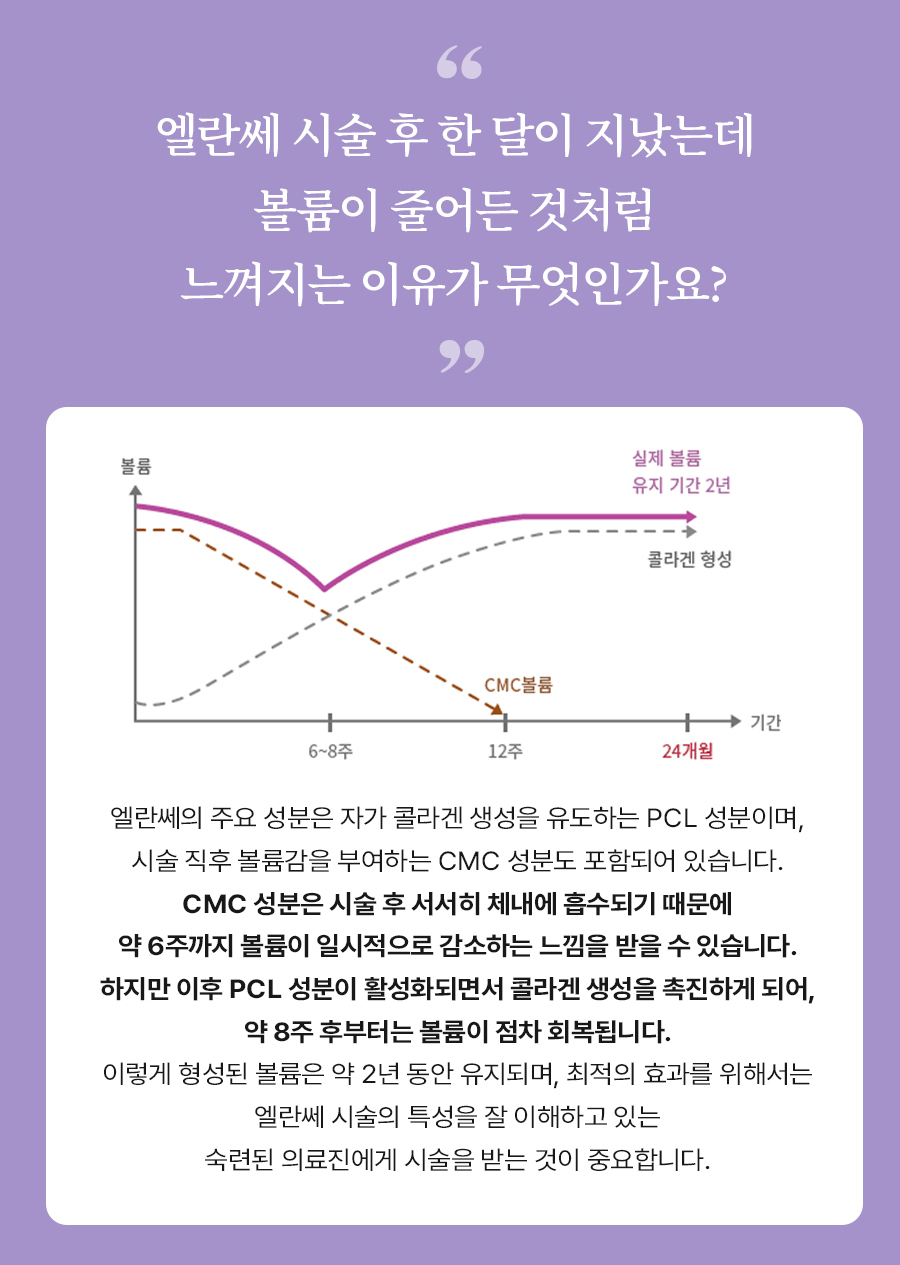
Brow or temple volumizing with fillers can also indirectly improve upper eyelid hollowing. When the brow and temple are better supported, less filler may be needed directly in the eyelid, which can be safer and more natural.
These combination options are tailored to individual aging patterns and are not mandatory for everyone. A good clinic will explain why each option is or is not recommended in your case.
Safety, risks, and how clinics manage them
The upper eyelid is a high-risk area for filler because of its rich blood supply and proximity to the eye. For this reason, it is important to understand both common and serious potential side effects.
Common, usually mild reactions include redness, swelling, bruising, temporary asymmetry, and slight discomfort or tightness. These usually improve within days.
Less common but serious complications can include vascular occlusion (blockage of a blood vessel), visual disturbance, infection, nodules, or overfilling that creates an unnatural contour. These events are rare but must be taken seriously.
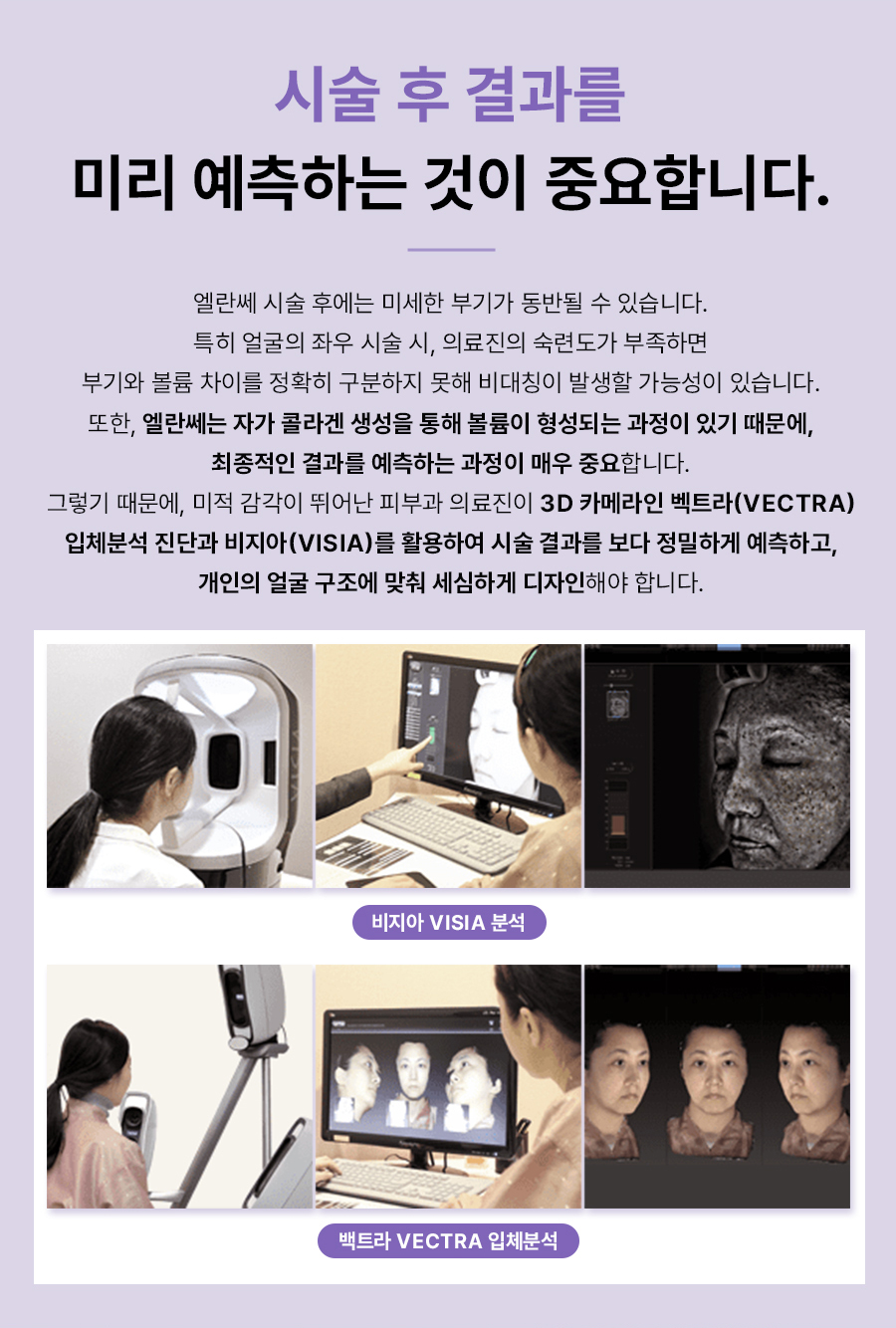
To manage safety, responsible clinics focus on several measures. They use well-studied, high-quality fillers and devices. They apply conservative dosing and prefer stepwise correction rather than aggressive one-time filling. They maintain emergency protocols and keep hyaluronidase available to dissolve hyaluronic acid filler quickly if needed.
In Cheongdam, some eye clinics emphasize that their medical staff have extensive experience with fillers and lifting procedures and are active in academic fields, which can add an extra layer of reassurance for international patients.
Pre-visit online consultation and preparation
If you are traveling from overseas, an online consultation before your trip is very helpful. Many clinics near Apgujeong Rodeo Station offer photo or video-based assessments.
Before your online consultation, prepare clear photos of your eyes from the front, 45-degree angle, and side, both with eyes open and gently closed. If you have had previous eyelid surgery or filler, try to find any medical records or at least the approximate dates and types of procedures.
Write down your main concerns in simple points, such as feeling that the upper eyelid looks empty, difficulty with makeup, or asymmetry between the two eyes. Also prepare a list of medications and supplements you are taking, and any eye diseases or systemic conditions you have.

During the online consultation, you can discuss whether you are a likely candidate for filler, whether combination treatments might be useful, and how many days in Korea are recommended for treatment and follow-up.
Expected Korea visit timeline for upper eyelid filler
Many international patients schedule an initial visit and, if possible, a short follow-up within the first week; exact scheduling depends on the clinic and individual recovery. Check with your clinic when planning travel so you can arrange appropriate follow-up.
Day 1: In-person consultation, imaging, and treatment. After the procedure, you may have mild swelling or redness but can usually move around the city and return to your accommodation.
Day 2 to 3: Swelling and any small bruises may be more noticeable. Light sightseeing is usually possible, but you may prefer to avoid important photos or events during this period.
Day 4 to 7: Swelling typically improves. If your schedule allows, a short follow-up visit can be arranged to check symmetry and healing before you leave Korea.

If you plan to combine filler with energy-based lifting or cell-based treatments, your clinic may suggest a slightly longer stay or a staged plan.
Aftercare and daily life after treatment
After upper eyelid filler, you will receive specific instructions, but general guidelines often include several points.
Avoid rubbing or pressing the upper eyelid area for several days. Be gentle when cleansing or applying skincare around the eyes.
Limit intense exercise, sauna, and alcohol for 24 to 48 hours, as these may increase swelling or bruising.
If there is swelling, sleeping with your head slightly elevated on the first night or two can help.

Monitor for unusual pain, sudden vision changes, or severe swelling. If any of these occur, contact the clinic immediately or seek urgent medical care.
Most people can return to office work and light activities the same or next day. Makeup around the eyes is usually allowed after 24 hours if there is no open entry point or irritation, but follow your doctor’s specific advice.
What makes Cheongdam, Gangnam clinics attractive for this treatment
Cheongdam in Gangnam is a popular area for international patients seeking advanced aesthetic and eye-related treatments. Clinics here are easily accessible from Apgujeong Rodeo Station on the Suin–Bundang Line, often just a short walk from Exit 4 toward Galleria Department Store.
Some clinics in this area focus strongly on anti-aging from the cellular level, running in-house cell research labs and autologous exosome programs. This allows them to combine structural treatments like filler with regenerative approaches that support long-term tissue health.
They also tend to offer a wide range of lifting and skin-tightening devices, such as Thermage FLX, Ulthera Prime, Emface, Exion, Prime Raise, Advatx, and Onda. With this equipment, they can design customized plans not only for the upper eyelid but also for the surrounding brow, temple, and midface.
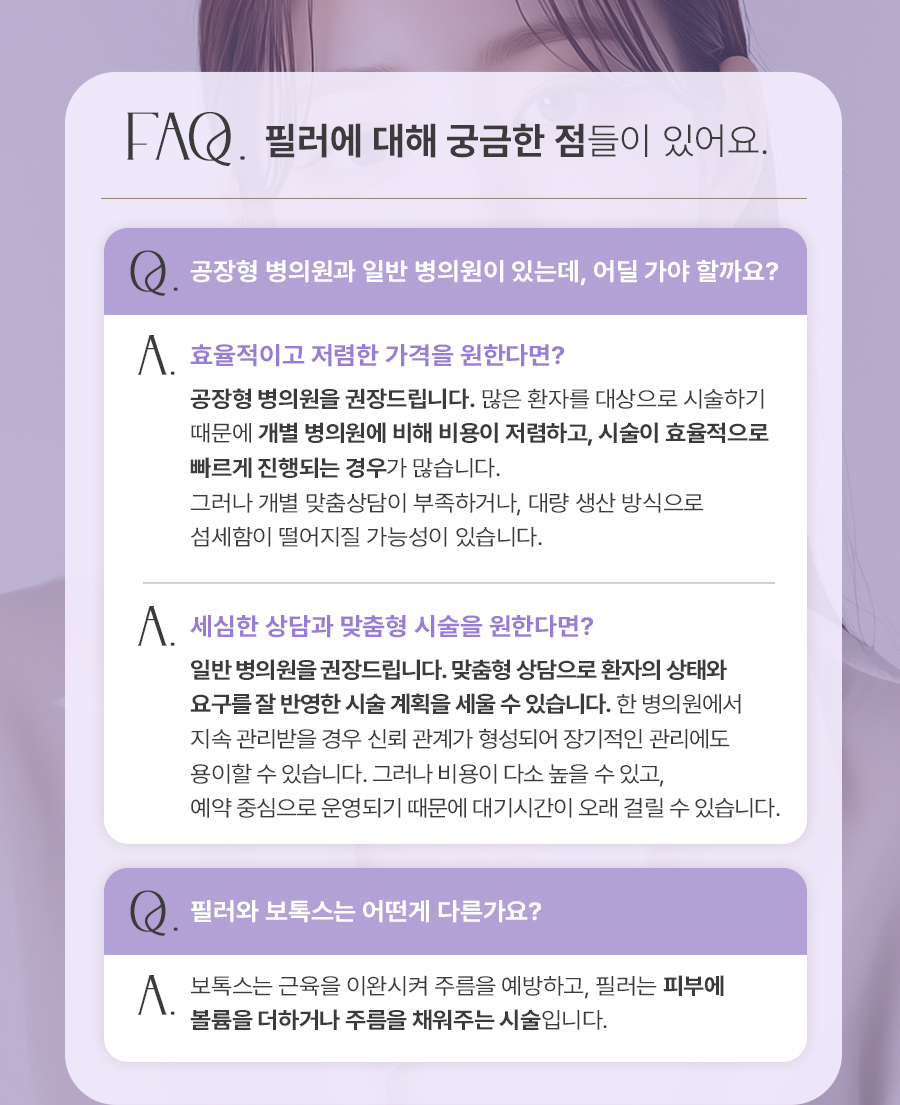
For delicate areas like the upper eyelid, many overseas patients feel more secure choosing a clinic that has both experience and a comprehensive set of tools rather than relying on filler alone.
Frequently asked questions
Is upper eyelid filler safe, and how is risk minimized
Upper eyelid filler can be performed safely when done by an experienced injector who understands the complex anatomy of the area and uses conservative techniques. Risk is minimized by careful patient selection, using appropriate hyaluronic acid fillers, injecting slowly in small amounts, and often placing filler near the bone rather than superficially. Clinics that are prepared with emergency protocols and hyaluronidase for dissolving filler can respond quickly if a complication arises.
How is filler for sunken upper eyelids different from under-eye filler
Upper eyelid filler is placed higher, closer to the brow and upper orbital rim, and must consider eyelid movement and crease position. The skin is thin and the space is limited, so even small amounts of filler can have a large effect. Under-eye filler usually targets the tear trough and lower orbital rim to reduce shadows and hollows below the eye. The techniques, product choice, and risk patterns differ, so both areas require specific experience rather than a general approach.
Will upper eyelid filler make my eyes feel heavy or look smaller
When done properly with the right amount and placement, upper eyelid filler should not make your eyes feel heavy or look smaller. The goal is to fill only the hollow area enough to soften the skeletal look, while keeping the mobile part of the eyelid light so it opens comfortably. Overfilling or placing filler too superficially can create heaviness or a puffy look, which is why a conservative, layered approach is important.
How long do the results last, and how often will I need maintenance
Most hyaluronic acid fillers in the upper eyelid area last around 6 to 12 months, though this can vary by product, metabolism, and lifestyle. Some patients prefer a small touch-up at around 6 to 9 months to maintain a stable appearance, while others wait until most of the effect has faded. During follow-up visits, your doctor can assess how much filler remains and suggest an appropriate maintenance schedule.

Can filler improve hollowness after previous eyelid surgery
Yes, in many cases filler can help soften hollowness that appears after previous upper eyelid surgery, especially if too much fat was removed. The injector can place small amounts of filler along the upper orbital rim and hollow areas to restore a smoother contour. However, scar tissue and altered anatomy can make the procedure more complex, so a detailed consultation and realistic expectations are important.
What is the difference between filler, fat graft, and blepharoplasty for hollow upper eyelids
Filler is non-surgical, reversible, and adjustable, making it suitable for mild to moderate hollowness and for patients who prefer a quick procedure with minimal downtime. Fat grafting is more invasive but can provide longer-lasting volume for those needing larger changes. Blepharoplasty focuses mainly on removing or repositioning skin and fat and is better suited to excess skin or drooping rather than pure volume loss. Sometimes, a combination of these approaches is used over time.
Can upper eyelid filler be combined with Thermage, Ulthera, or exosome treatments
Yes, upper eyelid filler is often combined with energy-based lifting devices like Thermage FLX or Ulthera Prime to support the brow and surrounding tissues. Cell-based treatments such as exosome programs may be added to improve skin quality and regenerative capacity. The exact combination and sequence depend on your age, skin condition, and degree of hollowing, so it should be planned individually.

Soft call to action for overseas patients
If you are considering treatment for sunken upper eyelids in Korea and would like to avoid surgery, an online consultation is a practical first step. By sharing clear photos and your medical history, you can receive an initial assessment of whether upper eyelid filler, alone or in combination with other treatments, is suitable for you and how to plan your visit to Seoul.
A structured discussion with an experienced eye clinic in Cheongdam, near Apgujeong Rodeo Station, can help you understand realistic options, expected results, and the safest approach for your unique eye shape and concerns.
- 공유 링크 만들기
- X
- 이메일
- 기타 앱


댓글
댓글 쓰기