Thread lift price guide in Cheongdam Gangnam
Thread lift price at a glance
If you're searching for "thread lift price" in Seoul, you are likely looking for three things: a realistic price range, why some clinics charge more than others, and how to avoid unsafe bargain offers. In the Cheongdam–Gangnam area (near Apgujeong Rodeo Station), prices can vary widely because thread lifting is a personalized treatment — factors such as the number and type of threads, anesthesia choice, and any add‑on procedures affect the final cost.
Instead of a single flat fee, the cost is shaped by the thread brand, number of threads, treatment area, and whether it is combined with other lifting devices or anti‑aging treatments. This guide explains those factors and shows how a dermatology‑based aesthetic and anti‑aging center in Cheongdam typically approaches pricing, so you can prepare smart questions before you visit Korea.
Direct answer summary
In the Cheongdam–Gangnam area, thread lift prices are usually calculated per area or per lifting plan, not just per thread. Premium branded threads such as Aptos or Silhouette Soft and combination plans with devices like Ulthera Prime or Thermage FLX are at the higher end. Mild sagging with a small number of threads costs less; advanced sagging needing more threads, additional devices, and regenerative treatments costs more. The safest way to know your range is an online consultation using your age, photos, and whether you want a quick lift only or a broader anti‑aging plan.
What is a thread lift
A thread lift is a non‑surgical lifting procedure that uses dissolvable threads placed under the skin to reposition sagging tissue and stimulate collagen. The threads have tiny barbs or cones that anchor into the tissue and create a lifting effect when gently pulled.
Common treatment areas include the jawline, nasolabial folds, marionette lines, cheeks, and mid‑face. Some patients focus only on the jawline, while others choose a more global lower‑face or mid‑face lift.
At advanced centers in Cheongdam, thread lifting is one part of a larger lifting portfolio. It can be combined with energy‑based devices or regenerative injections, or sometimes replaced by them if threads are not the best option for your skin type and sagging pattern.
Lifting options available in Cheongdam
In the Cheongdam–Gangnam area, many anti‑aging centers offer more than ten different lifting modalities so they can tailor treatment rather than relying on a single method.
Examples of thread and device options include:
Aptos threads
These are branded lifting threads with various models, including series designed for different depths and directions of lift. They are often used for structured lifting of the mid‑face and jawline.
Silhouette Soft
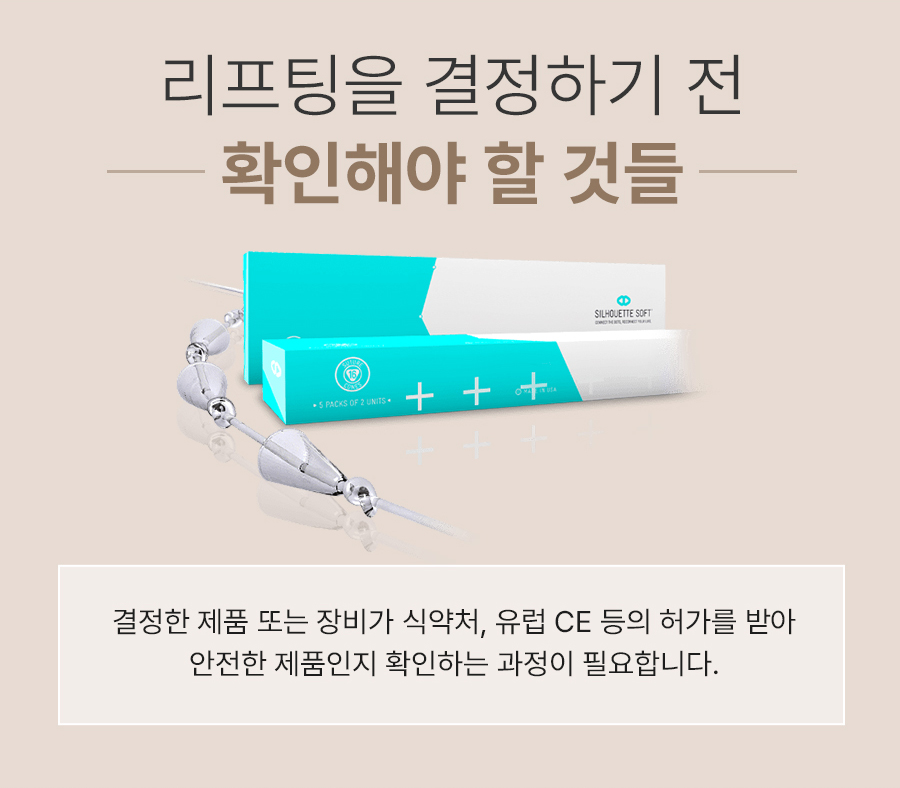
These threads use tiny cones to anchor and lift tissue and are commonly chosen for patients who want a defined but natural lift with collagen stimulation over time.
Needle RF lifting (Exion)
This is a radiofrequency microneedling system that tightens and improves skin quality by delivering energy into the dermis. It can be used alone or to support the results of a thread lift.
Energy‑based lifting devices
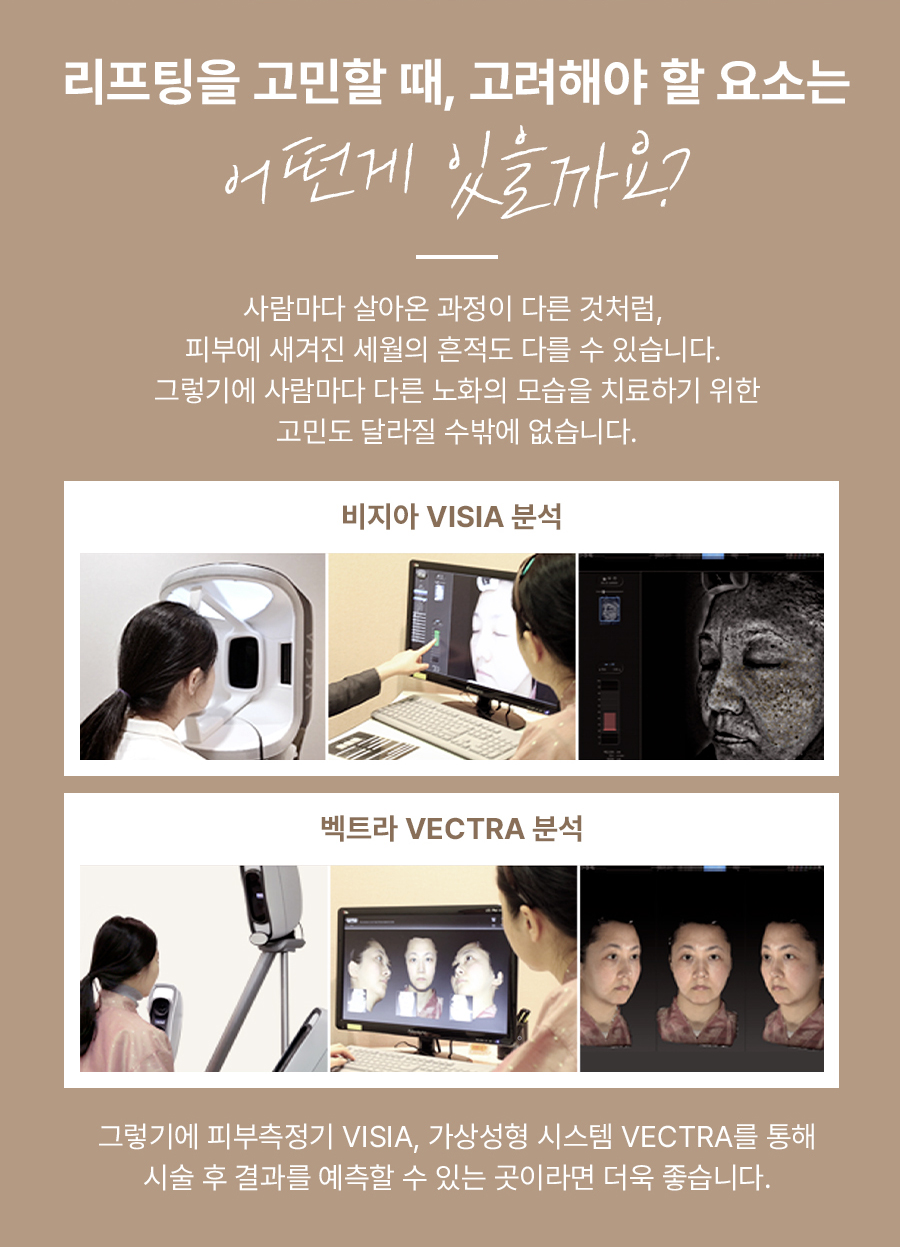
Many clinics combine or alternate thread lifts with devices such as Ulthera Prime, Thermage FLX, Emface, Prime Raise, Advatx, Onda, and Exilis Ultra. These devices use ultrasound, radiofrequency, or electromagnetic stimulation to tighten tissue and improve contour without adding more threads.
Because there are multiple options, the medical team can choose threads alone, devices alone, or a combination, depending on skin thickness, sagging pattern, pain tolerance, and desired downtime.
Key factors that influence thread lift price
Thread lift price is not just a matter of how many threads are used. Several clinical and practical factors influence the final cost.
Type and brand of thread
Branded threads (for example, Aptos or Silhouette Soft) are often treated as premium options and may carry higher prices than generic PDO threads. Some clinics justify higher fees by citing manufacturing standards or specific design features, but clinical outcomes and durability can vary and the evidence is not uniform. Ask your clinic about the reasons for their pricing and any data or experience they can share.
Some patients prefer to invest in fewer, high‑performance threads rather than many low‑cost ones. During consultation, you should always ask the exact brand and model of thread that will be used, and why it is recommended for you.
Number of threads
The more threads used, the higher the cost. A light lift for early sagging may use a small number of threads in targeted areas. A full lower‑face or mid‑face lift, or treatment for more advanced sagging, usually requires more threads on each side.

If you receive a quote that seems very low, clarify how many threads are actually included and whether additional threads will be charged separately on the treatment day.
Treatment area and design
Localized lifting, such as only the jawline, is usually less expensive than a full lower‑face or mid‑face plan. However, in some cases, focusing only on one small area can create an unnatural look if the neighboring areas are not addressed.
A proper lifting design considers:
• Whether you need only lifting or also volume correction with fillers or collagen stimulators.
• The direction of pull and anchoring points.
• Balance between the left and right sides of the face.
A more detailed design and planning process typically increases the consultation time and may be reflected in the overall price, but it also helps achieve a more harmonious result.
Combination with other lifting devices
Thread lifts are often combined with devices such as Ulthera Prime, Thermage FLX, Emface, or Prime Raise. These packages are more expensive than thread‑only sessions, but they may reduce the need for frequent small procedures and can support skin quality at deeper levels.
For example, a plan might use threads to reposition sagging tissue along the jawline and Ulthera Prime to tighten deeper layers in the mid‑face. Another plan might pair Thermage FLX with threads to improve both skin texture and contour.
Medical team expertise
In Cheongdam, many anti‑aging centers are led by physicians with academic backgrounds such as MD or PhD degrees, university hospital training, or overseas training. Some doctors are involved in international lectures and publications on lifting and collagen‑stimulating fillers.
This level of expertise often results in more advanced treatment planning and complication management, which can justify higher fees compared with basic cosmetic centers that focus mainly on low‑cost, high‑volume procedures.
Pre‑treatment analysis and follow‑up
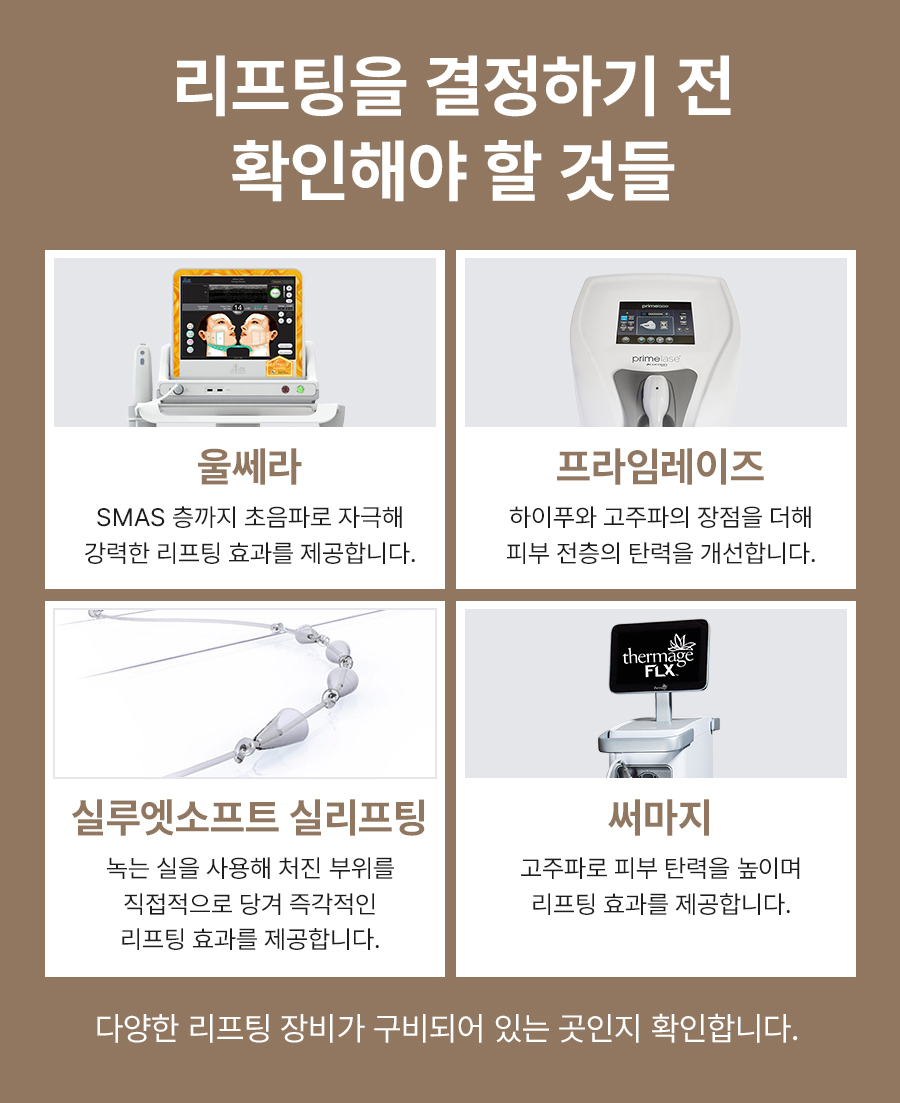
Some clinics invest in imaging and diagnostic tools, such as holistic beauty programs with imaging systems, to analyze skin quality, volume loss, and symmetry before designing a lifting plan.
Structured follow‑up visits are also important. They allow the medical team to monitor healing, manage minor irregularities, and decide when to add supportive treatments like energy devices or regenerative injections. These services are usually included in the treatment package and can influence the price.
How a Cheongdam clinic typically approaches pricing
In the Cheongdam–Gangnam area, high‑quality centers rarely present thread lift as a single fixed price. Instead, pricing is customized after a detailed assessment.
Typical steps before giving a quote include:
• Skin and facial contour analysis, sometimes using imaging devices.
• Assessment of sagging severity, skin thickness, and elasticity.
• Discussion of whether your priority is a quick visual lift or long‑term anti‑aging at the cellular level.
If your goal is deeper anti‑aging, thread lifts may be combined with regenerative treatments such as:

Autologous exosome injections
Some clinics offer autologous exosome‑based injections (sometimes marketed under names such as Mysome) as an adjunct aimed at improving skin quality. These approaches are considered emerging or experimental by many practitioners; evidence and regulatory status vary by jurisdiction. If you’re considering this option, discuss the potential benefits, limitations, and safety with your treating physician.
Combined protocols like Exomage
Some clinics describe combined plans that pair energy‑based tightening (for example, Thermage FLX) with adjunctive injections; a few providers use trade names such as "Exomage" for their specific package. These combination approaches may be clinic‑specific or experimental, and are not universally standardized. Ask your provider how such a protocol is defined at their clinic and what evidence or experience supports it.
Stem cell‑based treatments
Certain centers offer stem cell‑based treatments following a non‑cultured, autologous cell principle. These are designed to enhance regeneration and may be integrated into a long‑term anti‑aging program.
Because each of these options adds complexity, time, and materials, combined protocols are more expensive than a basic thread lift. However, they can also change the quality of the skin and the longevity of the overall anti‑aging plan.
How to compare thread lift prices safely
When comparing thread lift prices in Korea, especially in Cheongdam and Gangnam, it is important not to focus only on the lowest quote.
Here are practical points to check:
Range of lifting options
Ask whether the clinic offers multiple lifting devices and thread options, or only one technique. A center with Aptos, Silhouette Soft, Ulthera Prime, Thermage FLX, Emface, Prime Raise, and other devices can tailor a plan more precisely than a place that relies on a single type of PDO thread.
Qualifications and experience
Confirm that an experienced physician performs the procedure and that the clinic has a strong background in lifting and collagen‑stimulating treatments. Experience matters for safe thread placement, managing asymmetry, and handling rare complications.
Research and facilities
Some clinics operate in‑house cell or skin research facilities, such as a dedicated recovery lab, to support advanced anti‑aging programs. While this is not essential for every patient, it can be a sign that the clinic invests in long‑term outcomes rather than quick, low‑cost procedures.
Transparency about materials
Always ask for the exact thread brand and model. You should be able to see the packaging on the treatment day if you request it. Avoid clinics that are vague about what they use or that change the product without explaining it.
Questions to ask during consultation
Before you decide, prepare a short list of questions. This helps you compare clinics fairly and avoid misunderstandings about price.
Useful questions include:
• Which thread type and brand do you recommend for me, and why?
• How many threads are planned on each side, and is there a maximum included in the quoted price?
• Which areas will be lifted: only jawline, or also mid‑face, nasolabial folds, or marionette lines?
• How long do you expect the effect to last in my case, and what is the recommended maintenance plan?
• Do you advise combining threads with Ulthera Prime, Thermage FLX, Emface, or other devices? How does this change the total cost and the number of visits?
• What type of anesthesia is used and what is the expected downtime?
• What follow‑up visits are included in the price, and how are complications handled?
Who may consider a thread lift
Thread lifts are generally suitable for adults with mild to moderate sagging who want visible lifting without surgery and with relatively short downtime.

Typical candidates include:
• People in their 30s to 50s noticing early jowls, deepening nasolabial folds, or mid‑face descent.
• Patients who do not want or are not ready for surgical lifting.
• Those who want to improve facial contour before or after device‑based lifting.
When price may increase
The cost of a thread lift tends to increase in the following situations:
• Advanced sagging that requires more threads and combined device lifting.
• Full lower‑face and mid‑face lifting instead of a small, localized area.
• Addition of exosome injections, skin repair injections, volumizing fillers, or stem cell‑based treatments.
• Requests for more comprehensive follow‑up and staged treatments over several months.
If you are in your late 40s or 50s with significant laxity, the clinic may recommend combining threads with Ulthera Prime, Thermage FLX, or other devices to achieve a more balanced result. This combination approach naturally raises the total cost compared with a simple thread‑only plan.
Preparing for online consultation before your trip
For overseas patients, online or messaging consultation is the most efficient way to estimate price before booking flights.
To get a more accurate approximate range, prepare the following:
• Your age and main concerns: for example, jawline sagging, mid‑face drooping, or deep folds around the mouth.
• Clear photos of your face from the front, 45‑degree angles, and both sides, taken in good lighting without filters.
• Information about previous treatments such as Ulthera, Thermage, threads, fillers, or surgery.
• Your preference: quick visible lift only, or a longer‑term anti‑aging plan including skin quality improvement.
During business hours, many Cheongdam clinics offer real‑time consultation via phone, messaging apps, blog comments, or video channels. They can usually provide a ballpark price range and suggest whether you will likely need threads only or a combined plan.
Expected Korea visit timeline
For international patients, it is helpful to plan your stay with enough time for consultation, treatment, and early follow‑up.
A typical schedule might look like this:
Day 1: In‑person consultation
You meet the medical team at the clinic near Apgujeong Rodeo Station. They perform facial analysis, review your medical history, confirm your goals, and finalize the plan and price. In many cases, thread lifting can be done on the same day if you are ready and medically suitable.
Day 1 or Day 2: Procedure day
Procedure time varies by plan, but many clinics schedule thread lift sessions to last around one to two hours including preparation and anesthesia. Exact duration depends on the treatment scope and anesthesia choice, so confirm timing with your clinic. Most patients are able to go home the same day. Mild swelling, tightness, and bruising are commonly reported, but individual recovery and risks vary — review expected recovery, contraindications, and aftercare with your treating physician.
Day 2 to Day 5: Early recovery
You may feel tightness when opening your mouth wide or smiling. Bruising and swelling gradually improve. Many patients are comfortable going out with light makeup after a few days, but this can vary.
Day 5 to Day 10: Follow‑up visit
If your schedule allows, a follow‑up visit is recommended before you leave Korea. The medical team checks the thread positions, healing, and symmetry, and may give additional care such as gentle massage instructions or supportive treatments.
If you combine threads with devices like Ulthera Prime or Thermage FLX, the schedule may be adjusted so that energy‑based treatments are done either before or after thread insertion, depending on the plan.
Aftercare and what to expect
Proper aftercare helps protect your result and reduce complications.

General aftercare guidelines often include:
• Avoid strong facial massages, dental procedures, or wide mouth opening for a certain period, as advised by your doctor.
• Sleep on your back with your head slightly elevated for the first few nights to reduce swelling.
• Avoid heavy exercise, sauna, and intense heat for a short period after treatment.
• Use gentle skincare and sun protection while the skin is healing.
You may notice:
• Immediate lifting from the mechanical effect of the threads.
• Some unevenness or dimpling in the first days, which often softens as swelling decreases.
• Gradual improvement in skin firmness over the following weeks as collagen production is stimulated.
If you live overseas, ask how to contact the clinic if you have concerns after you return home. Many clinics offer follow‑up through messaging apps or email, and may request photos to monitor your progress.
Frequently asked questions
How much does a thread lift cost in Cheongdam Gangnam
Prices vary depending on thread brand, number of threads, treatment area, and whether devices or regenerative treatments are added. Premium branded threads such as Aptos or Silhouette Soft and combination plans with Ulthera Prime or Thermage FLX are usually more expensive than simple PDO thread lifts. The most reliable way to know your range is an online consultation where you share your age, photos, and goals.
Is a thread lift cheaper than Ulthera or Thermage
It depends on the plan. A small, localized thread lift can be similar in price or slightly higher than a single session of Ulthera Prime or Thermage FLX. However, a comprehensive plan that combines threads with devices and regenerative injections will cost more than a single device session. The choice is usually based on your skin condition and desired result, not only on price.
How long does a thread lift last
Some patients report a noticeable lifting effect that may persist for around a year or longer, but results vary widely based on thread type, skin quality, lifestyle, and any supportive treatments. Clinics sometimes promote premium threads or combination plans as offering longer maintenance, but individual response is unpredictable. Discuss realistic expectations and maintenance options during your consultation with the treating physician.

Is a thread lift suitable for everyone
Thread lifts are generally best for people with mild to moderate sagging who want non‑surgical lifting and can accept some downtime. For very advanced sagging or heavy skin, the doctor may recommend combining threads with devices like Ulthera Prime or Thermage FLX, or may suggest alternative approaches. A face‑to‑face consultation is necessary to determine whether threads are appropriate for you.
Soft call to action
If you are considering a thread lift in the Cheongdam–Gangnam area and want to understand your likely price range before traveling to Korea, you can use the clinic’s online or messaging consultation channels. By sharing your age, main concerns such as jawline, mid‑face, or full face, and whether you are open to combination treatments, you can receive a personalized estimate and a proposed visit schedule.
An in‑person assessment near Apgujeong Rodeo Station is still essential for an accurate quote and a safe, customized lifting plan, but preparing in advance will help you make the most of your time in Seoul and choose the approach that fits both your goals and your budget.

댓글
댓글 쓰기