Types of Lip Fillers and How to Choose in Cheongdam Gangnam
- 공유 링크 만들기
- X
- 이메일
- 기타 앱
Types of Lip Fillers: How to Choose the Right One for Your Lips
Direct answer summary
Within hyaluronic acid fillers, there are different textures and formulas: very soft gels for hydration and fine lines, medium gels for natural volume and shape, and slightly firmer gels used carefully for structural support. They differ in how they feel, how visible they are, and how long they last. At a specialized anti‑aging clinic in Cheongdam, Gangnam, near Apgujeong Rodeo Station, the medical team selects the filler type and design after detailed analysis of your lips, facial balance, and aesthetic goals, aiming for safe, customized results.
Treatment overview
Lip filler is a minimally invasive injection treatment used to enhance or correct the lips. By placing small amounts of gel into and around the lips, the doctor can add volume, define the lip border, refine the Cupid’s bow, soften vertical lip lines, and improve asymmetry between the right and left or upper and lower lips.
The most common material is hyaluronic acid, often called HA. Because HA is naturally present in the skin, it tends to integrate well with lip tissue and maintain softness and movement. Another important advantage is that HA can be dissolved with an enzyme called hyaluronidase if there is a complication or if you are unhappy with the result.
In Cheongdam, Gangnam, many international patients visit anti‑aging clinics that focus on fillers, lifting, and regenerative treatments. One such clinic near Apgujeong Rodeo Station combines lip fillers with advanced facial analysis and a wide range of devices to plan natural‑looking improvements rather than isolated, one‑time procedures.
What is a lip filler and how does it work?
Lip fillers are injectable gels placed into specific layers of the lip and surrounding skin. The doctor uses fine needles or blunt cannulas to deliver the filler in small amounts, shaping the lips gradually.
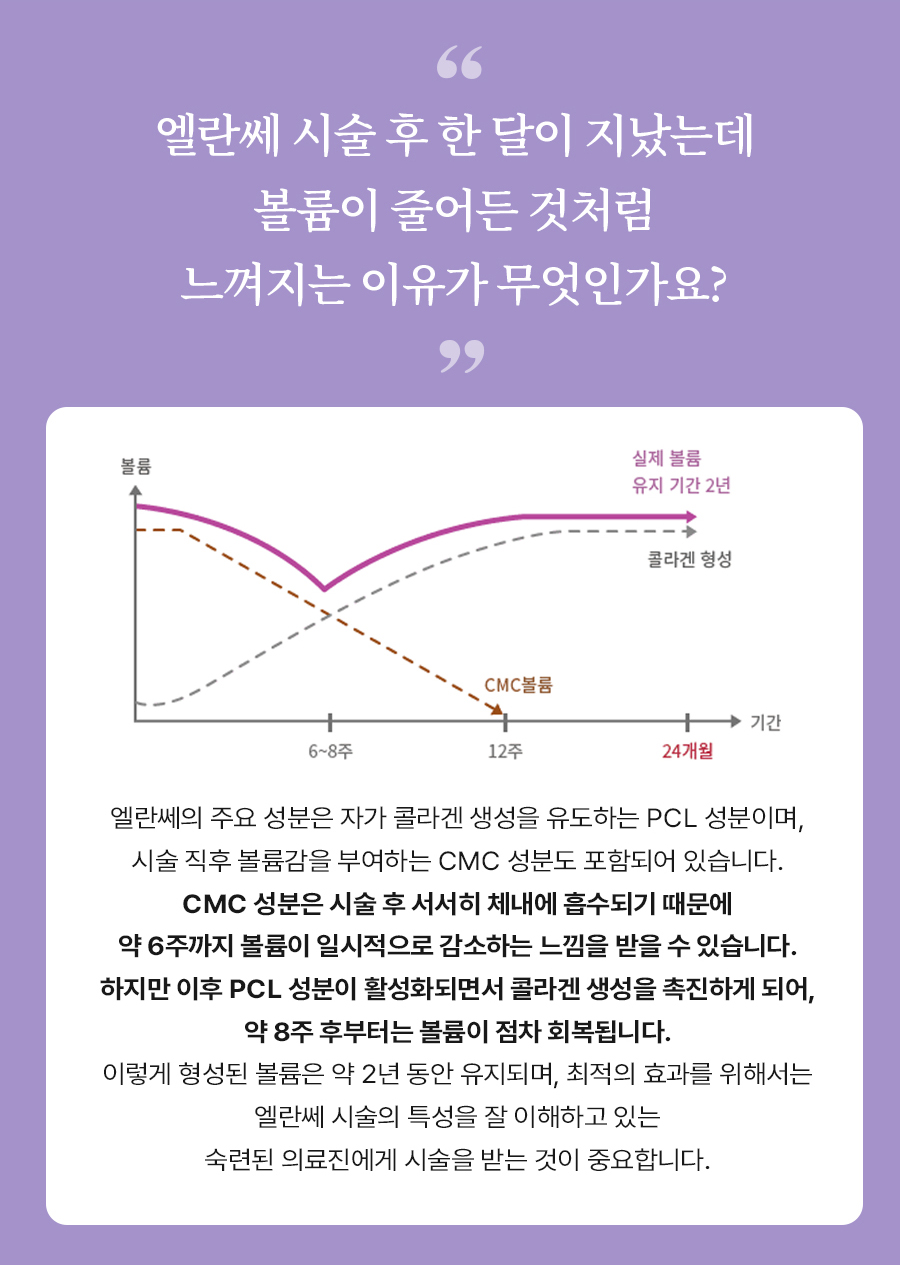
Hyaluronic acid molecules attract and hold water, which creates a plumping and hydrating effect. The way the HA molecules are linked together (called cross‑linking) and the overall gel structure determine how soft, stretchy, or firm the filler feels once injected.
In the lips, the goal is to respect natural movement. You speak, smile, eat, and express emotions with your mouth all day. For this reason, most lip fillers are designed to be soft and flexible, so they move with your expressions rather than forming hard lumps.

Over time, your body slowly breaks down the HA filler. This process is gradual, so the result fades naturally instead of disappearing overnight.
Main types of lip fillers by material
Hyaluronic acid fillers
Hyaluronic acid fillers are the standard choice for lip enhancement worldwide. Well‑known families include Restylane and Juvederm, with specific lines such as Juvederm Volbella and lip‑focused Restylane products designed for delicate areas.
Advantages of HA fillers in lips include their soft, natural feel, the ability to adjust or dissolve them with hyaluronidase, and relatively predictable behavior in the mobile lip tissue. Because safety and reversibility are especially important in such a visible area, most experienced doctors prefer HA for the lips.
Other filler materials and why they are rarely used in lips
There are other injectable materials, such as calcium hydroxyapatite and polycaprolactone, often called collagen‑stimulating or biostimulatory fillers. These are usually used for deeper facial volume, jawline contouring, or cheek support, not for the lip mucosa.

In the lips, these long‑lasting stimulators are generally avoided because they are harder to remove, can form nodules in such a mobile area, and may interfere with the natural softness needed for speaking and kissing. For this reason, a safety‑focused clinic will almost always recommend HA for lip work and reserve collagen stimulators for other parts of the face when appropriate.
Different lip filler textures and their effects
Within hyaluronic acid fillers, there are many different textures. You can think of them as a spectrum from very soft and fluid to more elastic and structured.
Soft fillers for hydration and fine lines
Very soft, low‑viscosity fillers spread easily and blend smoothly with the tissue. They are ideal for patients who want:
- Subtle lip hydration without obvious volume
- Smoothing of vertical lip lines (smoker’s lines)
- A gentle, natural refresh rather than a noticeable change

These fillers can be injected as micro‑droplets directly into the lip surface and surrounding fine lines. They are often chosen for first‑time patients, people who are worried about looking overfilled, or those who mainly want to improve dryness and texture.
Because they are lightly cross‑linked and very soft, these products may commonly last around 6 months, but longevity varies by product line, injection technique, and individual factors such as metabolism and lifestyle.
Medium fillers for volume and shape
Medium‑firm fillers have more structure while still remaining flexible. They are commonly used for:
- Volume‑up lips with a fuller but still natural look
- Enhancing the vermilion border (the edge of the colored lip)
- Defining the Cupid’s bow
- Correcting moderate asymmetry between sides or between upper and lower lips
These gels hold their shape better than very soft fillers, so they are suitable when you want a noticeable but not exaggerated change. The doctor can place them deeper in the lip body for volume and along the border for definition.

Because they are more cross‑linked, they often last a bit longer than the softest fillers, sometimes up to 9 to 12 months, though this varies by product and patient.
When firmer fillers are and are not used in lips
Firmer, more elastic fillers are usually designed for deeper areas such as cheeks, chin, or jawline, where strong structural support is needed. In the lips, they are used very cautiously, if at all.
In some cases, a small amount of a slightly firmer filler may be used at the base of the Cupid’s bow or in specific structural points to support shape, especially in patients with very flat or weak lip structure. However, because firmer gels can be more visible or palpable in thin lip tissue, experienced doctors limit their use and carefully adjust the depth and amount.
A safety‑oriented clinic in Cheongdam will generally rely on soft to medium HA fillers for most lip work, reserving firmer products for rare, carefully selected situations.

Lip filler styles: from natural to full glam
Volume‑up lips
Volume‑up designs focus on making the lips fuller and more three‑dimensional. Medium‑soft HA fillers are commonly chosen because they provide enough structure to hold volume while still moving naturally.
The doctor will consider how much of the volume should go into the upper versus lower lip, as well as how far to project the lips forward. A balanced profile is important, especially when viewed from the side. In some patients, a very soft filler is layered on top of a medium filler to combine structure with a smooth surface.
Border definition and Cupid’s bow
Some patients are satisfied with their lip size but feel that the edges are blurred or the Cupid’s bow is not well defined. In this case, the focus is on line definition rather than overall volume.
Slightly more elastic fillers can be placed along the vermilion border and in the Cupid’s bow peaks to sharpen the outline and create a more polished look. This technique can also help lipstick stay in place and reduce feathering into fine lines.

Correcting asymmetry and vertical lip lines
Asymmetry correction requires careful analysis. The doctor may use different amounts or even slightly different filler textures on each side to balance the lips.
For vertical lines around the mouth, very soft fillers are injected in micro‑droplets into the skin above and below the lips. This improves fine wrinkles and dryness without creating a swollen appearance. Sometimes, combination treatment with skin‑tightening devices or regenerative therapies is recommended to support longer‑term improvement.
Natural versus glam styles
Natural style lips aim to look as if you were born with them. Changes are subtle, proportions are conservative, and the filler choice leans toward softer gels with gentle volume.
Glam style lips focus on a fuller, more dramatic look. This often involves more product, stronger definition of the border, and more projection. The doctor may combine medium‑firm fillers for structure with softer fillers for surface smoothness.

In both styles, the key is harmony with your overall face. A specialized clinic will assess your nose, chin, and midface to ensure that the lips match your features rather than stand out unnaturally.
How a Cheongdam clinic customizes lip filler plans
In Cheongdam, Gangnam, there are clinics that specialize in anti‑aging, fillers, and regenerative medicine. One such clinic near Apgujeong Rodeo Station uses a wide portfolio of fillers, including Restylane, Juvederm Volbella and related lines, and other volume products.
Individual diagnosis
Before recommending a filler type, the medical team evaluates:
Lip thickness and tissue quality: thin, delicate lips may need softer gels and smaller amounts, while thicker lips can support more structure.
Existing asymmetry and dental support: the relationship between teeth, gums, and lips affects how filler will sit and move.
Skin condition around the mouth: wrinkles, elasticity, and sun damage influence whether additional treatments might be helpful.
Age, lifestyle, and style preference: younger patients may want trend‑driven shapes, while mature patients often prioritize wrinkle softening and subtle rejuvenation.
Advanced analysis and holistic planning
The clinic uses imaging and diagnostic tools such as Visia and Vectra to analyze facial proportions, skin quality, and three‑dimensional balance. This helps the doctor plan not only lip size but also how the lips relate to the nose, chin, and cheeks.
Because the clinic operates an in‑house cell research lab and offers exosome and stem‑cell–related aesthetic programs, the approach to fillers tends to be conservative and tissue‑respecting. These programs are intended for aesthetic purposes to complement treatment plans; they do not imply therapeutic cures or guaranteed regenerative outcomes, and individual results can vary. The goal is to support healthy, elastic tissue and avoid overfilling.
Combination with lifting and energy‑based devices
The clinic also offers devices such as Ulthera, Thermage FLX, and Emface. In some cases, the doctor may suggest treating skin laxity or midface sagging first. When the surrounding structures are lifted and tightened, less filler is needed in the lips and perioral area, leading to a more natural and long‑lasting outcome.
Who may consider lip fillers
Lip fillers may be suitable for adults who:
- Feel their lips are thin or have lost volume with age
- Have blurred lip borders or a flat Cupid’s bow
- Notice vertical lines around the mouth that make lipstick bleed
- Want to correct asymmetry between sides or between upper and lower lips
- Seek a more balanced facial profile without surgery
However, lip fillers are not for everyone. People with certain allergies, active infections around the mouth, uncontrolled medical conditions, or unrealistic expectations may be advised to avoid or postpone treatment. A thorough consultation with a qualified doctor is essential to decide if lip fillers are appropriate for you.
Online consultation and pre‑visit preparation for overseas patients
If you are planning to visit Korea for lip fillers, an online consultation can help you prepare and make the most of your trip.

Before your online consultation, it is helpful to gather:
Clear photos of your face from the front, 45‑degree angle, and side, both relaxed and smiling
Any previous treatment history around the mouth, including fillers, laser, or surgery
Information about allergies, medications, and medical conditions
Reference photos that show the style of lips you like, keeping in mind that your own anatomy will influence what is possible
During the online consultation, you can ask about:
- Which specific filler lines the clinic uses for lips and why
- How the doctor decides between soft, medium, or more elastic gels
- Expected duration for your case and how often top‑ups might be needed
- Potential combination with other treatments, such as skin tightening or regenerative therapies
It is also wise to ask about emergency protocols, including the availability of hyaluronidase to dissolve HA fillers if necessary.
Expected Korea visit timeline
For most overseas patients, lip filler treatment can be completed within a short stay in Seoul.
Same‑day treatment may be possible for eligible patients, but it is not guaranteed. Some patients require additional medical evaluation, a medication washout period, or separate scheduling. Confirm the clinic's specific pre‑treatment requirements during the online consultation.
- Medical history review and physical examination of the lips and face
- Discussion of goals, style preference, and realistic outcomes
- Explanation of filler type, brand, and injection plan
- Cleansing, topical anesthetic application, and injection
- Immediate assessment of shape and symmetry, with minor adjustments if needed
Days 2 to 3: Early recovery
Mild swelling and possible bruising are common during this period. Many patients feel comfortable going out with light makeup and a mask if desired.
If you are staying nearby in Cheongdam or around Apgujeong Rodeo Station, you may schedule a brief follow‑up visit for the doctor to check healing and answer questions.
Days 5 to 14: Settling period
Swelling usually subsides, and the final shape becomes clearer. If a minor touch‑up is planned, it is often scheduled after initial swelling has resolved.
Aftercare and longevity
Softer, lightly cross‑linked fillers may fade sooner, while more structured gels can last longer. Individual metabolism, smoking, frequent exercise, and sun exposure can all influence how long the filler remains.
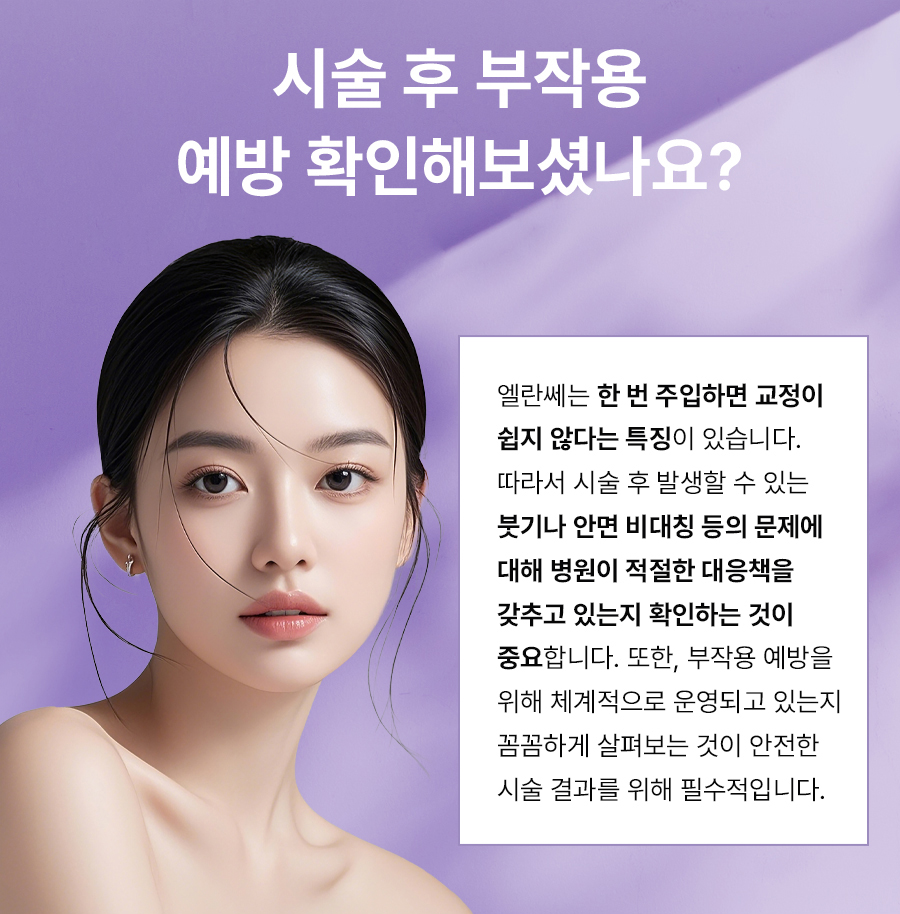
Common temporary side effects include:
- Swelling
- Redness
- Mild bruising
- Tenderness or a feeling of tightness
These usually improve within a few days to a week.
Aftercare tips include:
Avoid strong pressure or massage on the lips unless instructed by your doctor
Avoid saunas, very hot baths, or intense exercise for a short period after treatment
Refrain from lip makeup for the time recommended by your clinic
Monitor for unusual pain, blanching, or color change and contact the clinic immediately if you notice anything concerning
Risks, side effects, and how filler type affects safety
All medical procedures carry some risk. With lip fillers, potential complications include:
- Bruising and swelling
- Lumps or irregularities
- Overfilling or asymmetry
- Infection
- Vascular occlusion, where filler blocks a blood vessel

Vascular occlusion is rare but serious. It can lead to tissue damage if not recognized and treated quickly. This is why correct injection technique, knowledge of lip anatomy, and conservative dosing are essential.
Hyaluronic acid fillers offer a safety advantage because they can be dissolved with hyaluronidase in case of overcorrection or vascular compromise. Non‑HA fillers, particularly long‑lasting collagen stimulators, are much more difficult to remove and are therefore usually not chosen for lips.
When choosing a clinic, it is important to confirm that the medical team is experienced with volume treatments and that emergency medications and protocols are in place.
How to choose the right lip filler and clinic in Seoul
For most patients, HA‑based fillers are the first choice for lips. When comparing clinics, consider the following points:
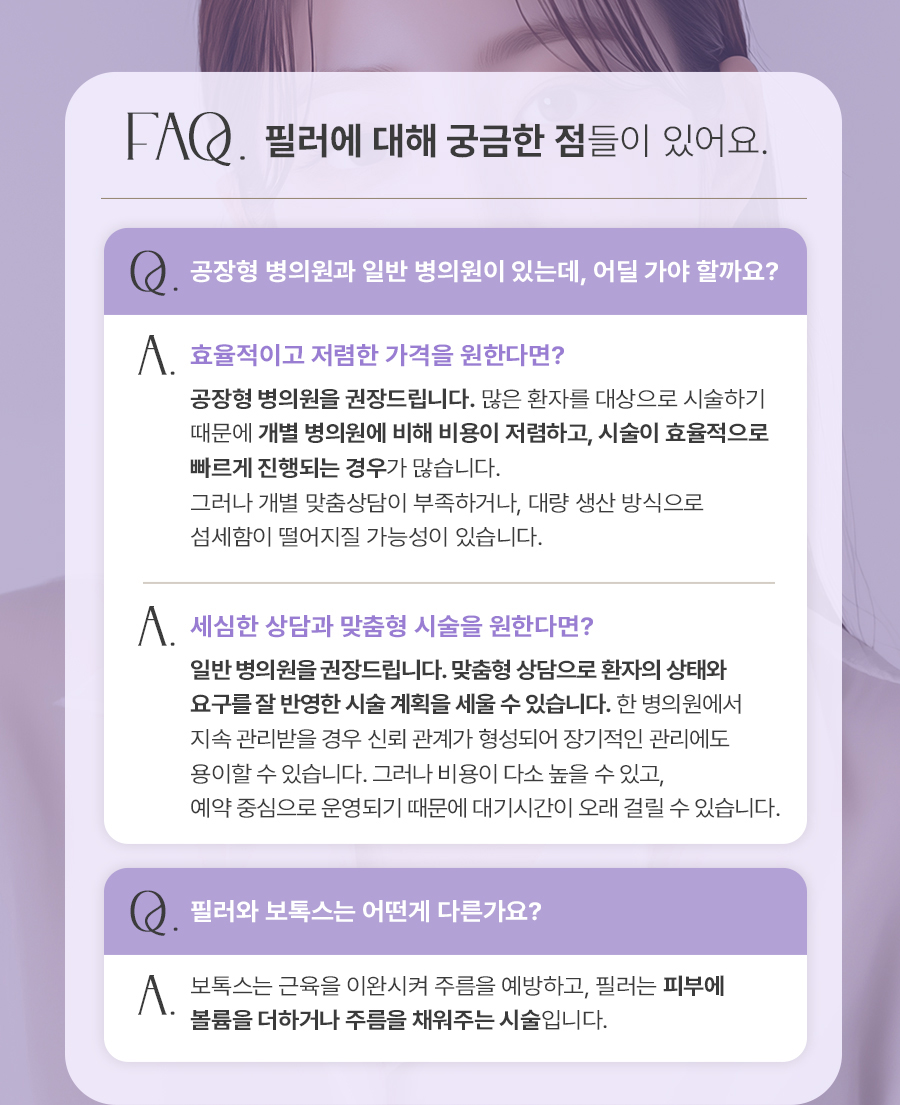
Ask which specific filler brand and line will be used and why it is suitable for your lips.
Check that the clinic has strong experience with fillers and lifting procedures, not just basic injections.
Look for a thorough consultation process, including medical history, facial analysis, and clear explanation of risks.
Confirm that hyaluronidase is available on site and that staff are trained to manage complications.
In Cheongdam, some clinics distinguish themselves by combining filler expertise with advanced diagnostic tools, a wide range of energy‑based devices, and an anti‑aging focus from the cellular level. This allows them to design long‑term, natural‑looking plans rather than one‑time volume boosts.
Soft call to action
If you are considering lip fillers during your visit to Seoul and would like a customized plan based on your lip type, facial balance, and aesthetic goals, you can start with an online consultation. By sharing your photos, medical history, and preferred lip style in advance, the Cheongdam clinic team can recommend suitable filler types and an approximate treatment schedule before you travel.
Frequently asked questions
Best lip filler type for first‑timers
For first‑time patients, doctors often recommend soft to medium hyaluronic acid fillers. These products provide a natural look, are easier to adjust, and can be dissolved if necessary. Very soft fillers are good for subtle changes and hydration, while medium gels work well if you want a visible but not dramatic increase in volume.

How often do I need to repeat lip fillers?
Most people repeat lip fillers every 6 to 12 months, depending on the product used and how their body metabolizes it. Some prefer small, regular touch‑ups to maintain a consistent look, while others wait until most of the filler has worn off before returning. Your doctor can suggest a schedule based on how your lips respond after the first treatment.
Can lip fillers be dissolved if I do not like the result?
Yes, hyaluronic acid lip fillers can usually be dissolved with an enzyme called hyaluronidase. This can reduce or remove the filler if there is overcorrection, asymmetry, or a complication. Dissolving should only be done by an experienced medical professional, as it requires careful dosing and monitoring.
What is the difference between a lip filler and a lip flip?
A lip filler adds volume and structure by injecting HA gel directly into the lips and surrounding areas. A lip flip uses a small amount of botulinum toxin around the upper lip to relax the muscles, allowing the lip to roll slightly outward and appear a bit fuller without adding volume. The two treatments can sometimes be combined, but they work in different ways and are chosen based on your anatomy and goals.
Is there a lip filler type that looks completely natural?
Natural appearance depends more on technique and amount than on a single product name. However, very soft and medium‑soft HA fillers designed for lips are typically used when the goal is a subtle, natural enhancement. An experienced doctor will respect your original lip shape, avoid excessive projection, and choose a filler texture that matches your tissue.

How long should I stay in Seoul after getting lip fillers?
Many overseas patients stay at least 2 to 3 days after treatment. This allows time for the main swelling to appear and begin to settle, and for a short follow‑up visit if needed. If you are combining lip fillers with other procedures, your clinic can advise you on an appropriate stay based on your full treatment plan.
Medical information notice
The information in this article is for general educational purposes and does not replace a personal consultation with a qualified medical professional. Lip filler suitability, product choice, and treatment plans vary from person to person. Always discuss your individual health status, expectations, and concerns with your doctor before deciding on any procedure.
- 공유 링크 만들기
- X
- 이메일
- 기타 앱

댓글
댓글 쓰기