Alopecia Areata Treatment Options in Korea for Sudden Patchy Hair Loss
- 공유 링크 만들기
- X
- 이메일
- 기타 앱
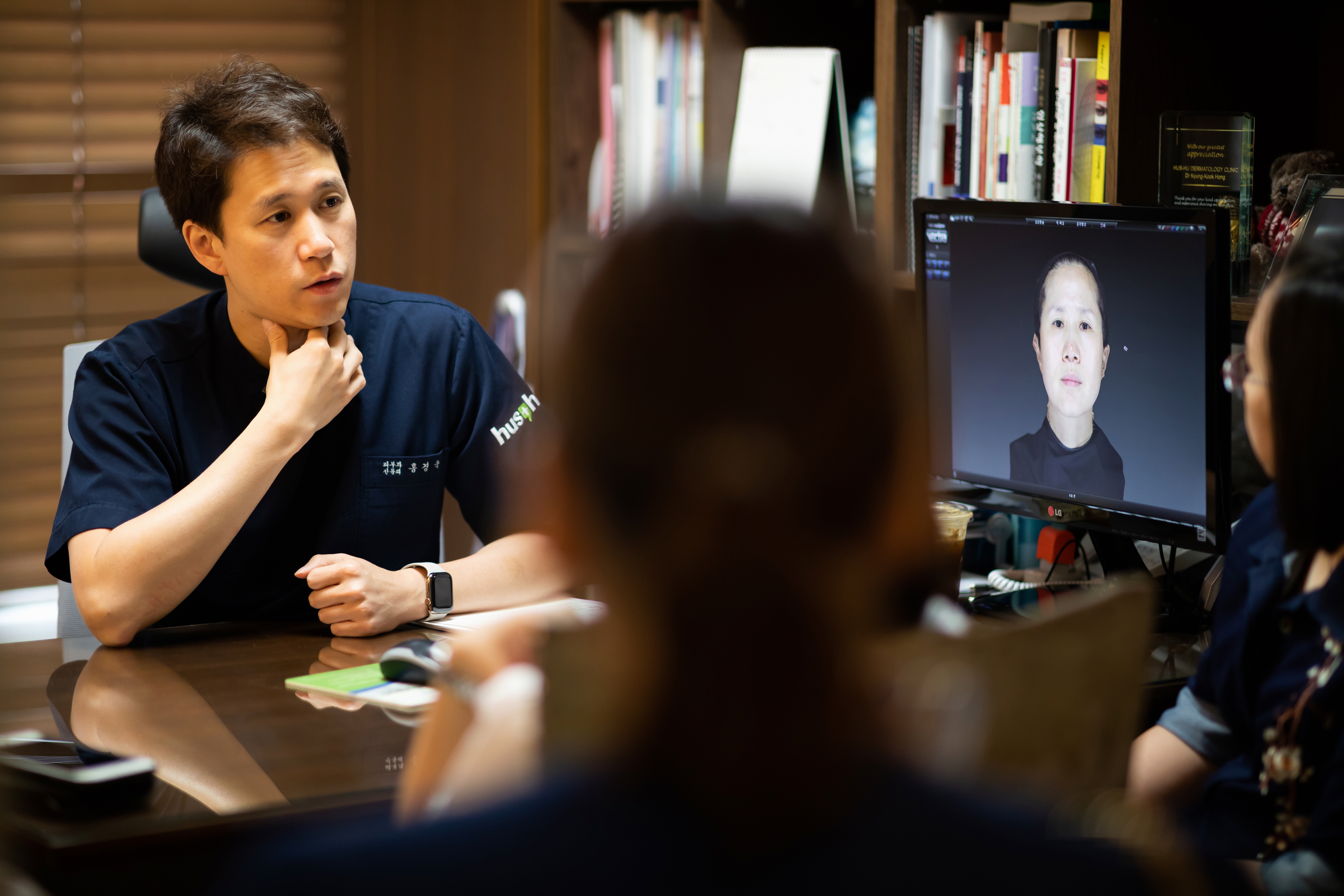
Alopecia areata treatment in Korea for overseas patients
If you have suddenly noticed a round bald patch on your scalp, beard, or eyebrows, it can be very alarming. Alopecia areata is a common cause of this type of hair loss, and in many cases it can be managed with medical care.
This guide explains what alopecia areata is, how it is diagnosed, the main treatment options available in Korea, and what to expect if you are considering visiting a clinic in the Cheongdam area of Gangnam, Seoul, such as Clinique hus,hu. It is written for adults who are noticing sudden patchy hair loss and are considering medical tourism for evaluation and care.
What is alopecia areata and can it be treated
Alopecia areata is a non‑scarring type of hair loss caused by an autoimmune reaction. Your immune system mistakenly targets the hair follicles, leading to one or more sharply defined bald patches. Because the follicles are not permanently destroyed, hair often has the potential to regrow, especially with timely alopecia areata treatment.
The condition can appear at any age and in both men and women. Some people only ever have one or two patches that eventually recover, while others may experience repeated episodes or more extensive hair loss. There is currently no guaranteed permanent cure, but many patients see meaningful regrowth with appropriate medical care and regular follow‑up.
How alopecia areata typically looks
Alopecia areata usually presents as one or more round or oval bald spots on the scalp. The skin in the patch looks smooth and normal, without redness, flaking, or scarring. The borders of the patch are often sharply defined, like a coin.
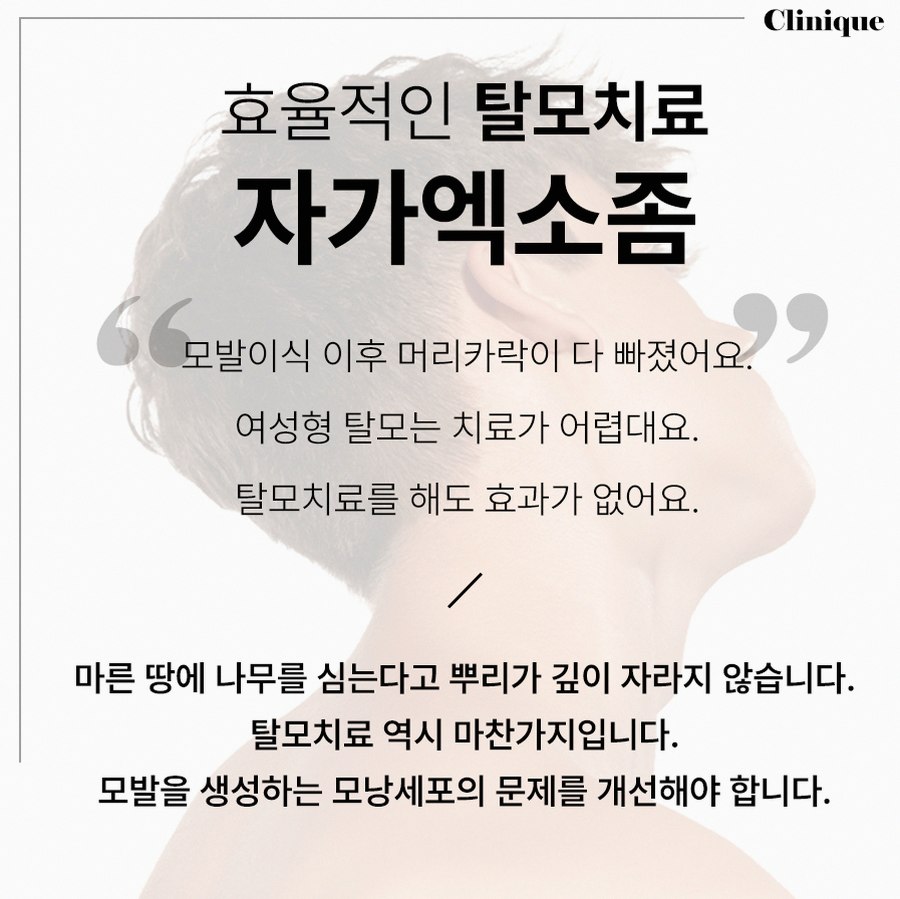
Dermatologists often look for so‑called exclamation mark hairs at the edge of the patch. These are short broken hairs that are thinner at the base and thicker at the tip, a classic sign of active alopecia areata. Some people also notice increased shedding around the affected area.
Alopecia areata does not only affect the scalp. It can involve the beard area, eyebrows, eyelashes, or other body hair. In some cases, the fingernails or toenails show tiny pits, ridges, or roughness, which can be a clue to the diagnosis.
When to see a dermatologist urgently
You should seek prompt evaluation if you notice any of the following:
Sudden appearance of one or more coin‑sized bald patches on the scalp.
Rapid enlargement of an existing patch over days or weeks.
Multiple patches appearing at the same time.
Hair loss involving eyebrows, eyelashes, or beard.
Associated symptoms such as fatigue, weight change, or feeling unwell, which may suggest another underlying condition.
Self‑diagnosis based on photos or online information is unreliable. Other causes of patchy hair loss, such as fungal infection or scarring conditions, require different management. An in‑person assessment by a dermatologist is important to confirm that it is truly alopecia areata and not another disorder.
Why alopecia areata happens
Alopecia areata is considered an autoimmune‑related disease. The exact cause is not fully understood, but several factors are known to be involved:
Genetic predisposition: It can run in families, and certain genetic patterns are associated with higher risk.
Immune dysregulation: The immune system becomes overactive around the hair follicles, treating them as if they were foreign.
Stress: Physical or emotional stress can act as a trigger in some people, though it is rarely the only cause.
Associated conditions: Atopic background (such as eczema or allergies), thyroid disease, and other autoimmune disorders are more common in people with alopecia areata.
Medications or illness: In some cases, new medications or a recent illness may coincide with the onset of hair loss.
Because many of these factors overlap with other health issues, a careful medical history and examination are important before starting alopecia areata treatment.
Diagnostic process at a dermatology‑led clinic
When you visit a clinic in Korea for suspected alopecia areata, the evaluation usually follows a structured process.
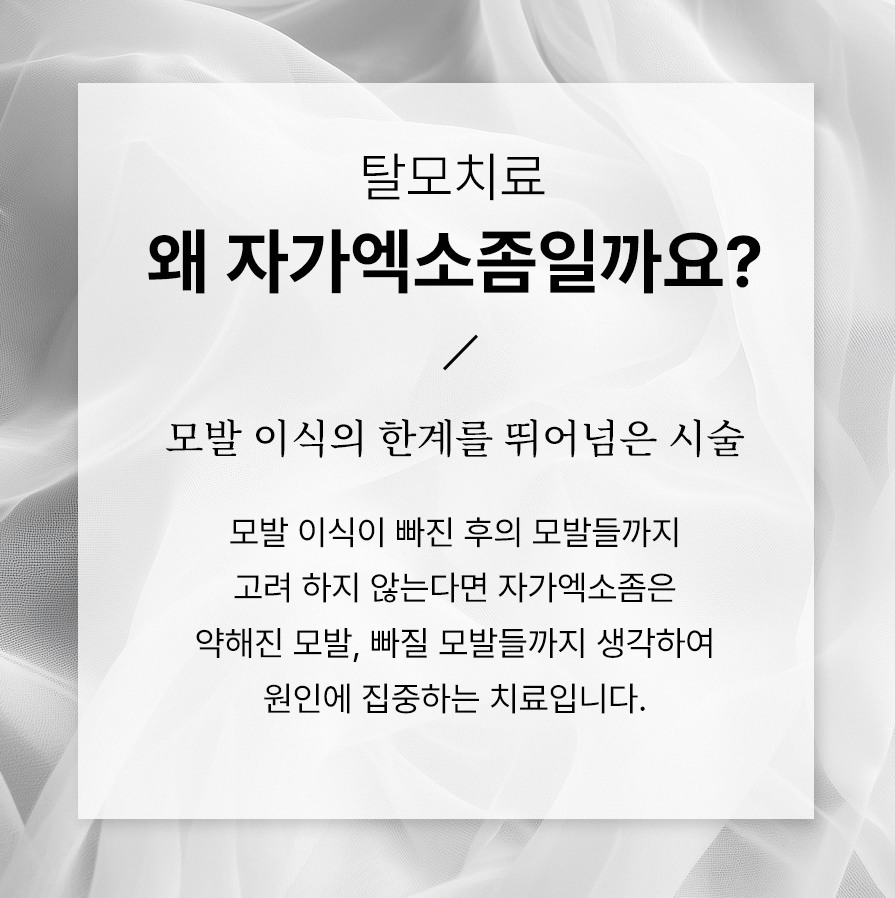
Medical history
The doctor will ask detailed questions such as:
When you first noticed the hair loss and how quickly it progressed.
Whether you have had similar episodes in the past.
Family history of alopecia areata, thyroid disease, or other autoimmune conditions.
Any recent physical or emotional stress, illness, or surgery.
Current medications and supplements.
Other symptoms such as fatigue, weight changes, skin rashes, or nail changes.
Scalp and skin examination
Next, the scalp and other affected areas will be examined under good lighting. The doctor will look at:
The number, size, and location of patches.
The quality of the skin in the bald areas.
The presence of exclamation mark hairs or broken hairs.
Signs of inflammation, infection, or scarring.
Nail changes that may support the diagnosis.
Dermoscopy
A handheld device called a dermoscope may be used to magnify the scalp. Dermoscopy can reveal characteristic features of alopecia areata, such as yellow dots, black dots, broken hairs, and vellus (fine) regrowing hairs. It also helps distinguish alopecia areata from other conditions.
Blood tests and additional investigations
In some cases, blood tests are recommended, especially if you have extensive hair loss, recurrent episodes, or symptoms suggesting another disease. Common tests include:
Thyroid function tests.
Complete blood count and iron status to check for anemia.
Markers of autoimmune disease, depending on your history.
A scalp biopsy is rarely needed but may be considered if the diagnosis is uncertain or if scarring alopecia is suspected.
Distinguishing alopecia areata from other hair loss conditions
A key part of the consultation is to make sure the hair loss is not due to another cause. Conditions that can mimic alopecia areata include:
Androgenetic alopecia: Gradual thinning on the top of the scalp or receding hairline, usually without sharply defined patches.
Telogen effluvium: Diffuse shedding all over the scalp, often after stress, illness, or childbirth.
Tinea capitis: Fungal infection of the scalp, often with scaling, redness, or lymph node swelling.
Scarring alopecias: A group of conditions where inflammation destroys the hair follicles, leading to permanent hair loss and changes in the scalp surface.
Correct diagnosis is essential because alopecia areata treatment is different from the management of these other disorders.
Main alopecia areata treatment options
Treatment is tailored to your age, the extent and duration of hair loss, and how you have responded to previous therapies. Many patients benefit from a combination of approaches.
Topical corticosteroids
Topical corticosteroids are commonly used for small or moderate patches. They may be prescribed as lotions, creams, foams, or solutions applied directly to the affected areas.
These medications help reduce the local immune attack on the hair follicles. They are usually applied once or twice daily for several weeks or months. Early regrowth may appear as fine, light‑colored hairs that gradually thicken and darken.
Possible side effects include skin thinning, irritation, or visible blood vessels if strong steroids are used for too long. For this reason, they should be used under medical supervision, with regular review and adjustment.
Intralesional steroid injections
For well‑defined patches, intralesional steroid injections are a standard option. A small amount of corticosteroid solution is injected into the upper layer of the skin in and around the bald patch using a fine needle.
Sessions are usually repeated every 4 to 6 weeks. Many patients see early regrowth within a few weeks to a few months, though multiple sessions are often needed. Discomfort is usually brief, and numbing measures can be used if needed.
Potential side effects include temporary skin thinning, slight depressions in the skin, or changes in pigmentation at the injection sites. These risks are minimized by appropriate dosing and spacing of treatments.
Topical immunotherapy
For more extensive or resistant alopecia areata, topical immunotherapy with agents such as DPCP (diphenylcyclopropenone) may be considered. This involves applying a chemical sensitizer to the scalp to provoke a controlled allergic reaction.
The goal is to redirect the immune response in a way that reduces the attack on hair follicles. Treatment is usually performed in a clinic setting at regular intervals, and careful monitoring is required to adjust the concentration and manage side effects such as itching, redness, or blistering.
Minoxidil as an adjunct
Topical minoxidil, widely used for pattern hair loss, can also be used as an adjunct in alopecia areata treatment. It does not address the autoimmune cause directly but may help support regrowth by prolonging the growth phase of hair follicles.
It is typically applied once or twice daily and is often combined with other therapies such as steroids or immunotherapy.
Systemic treatments, including steroids and JAK inhibitors
In severe, rapidly progressive, or widespread cases, systemic treatment may be considered. Options can include:
Short‑term oral corticosteroids to quickly suppress aggressive immune activity. Because of potential side effects such as weight gain, mood changes, blood pressure elevation, and bone effects, they are usually used for limited periods and under close supervision.
Newer systemic agents such as JAK inhibitors, which target specific immune pathways involved in alopecia areata. These medications have shown promising results in some patients with extensive disease, but they require specialist evaluation, regular blood tests, and careful monitoring for infections and other side effects.
Realistic expectations
Even with appropriate alopecia areata treatment, responses vary from person to person. Important points to understand include:

Hair often regrows gradually, and early hairs may be thin, soft, or lighter in color.
Multiple treatment sessions over several months are common.
Some patients experience complete regrowth, while others may have partial improvement.
Relapses can occur, sometimes even after a period of full regrowth.
Long‑term follow‑up helps adjust treatment plans and manage recurrences.
Cell‑based and scalp‑focused programs in Cheongdam, Gangnam
These clinics often have a strong interest in hair disorders, regenerative medicine, and anti‑aging at the cellular level.
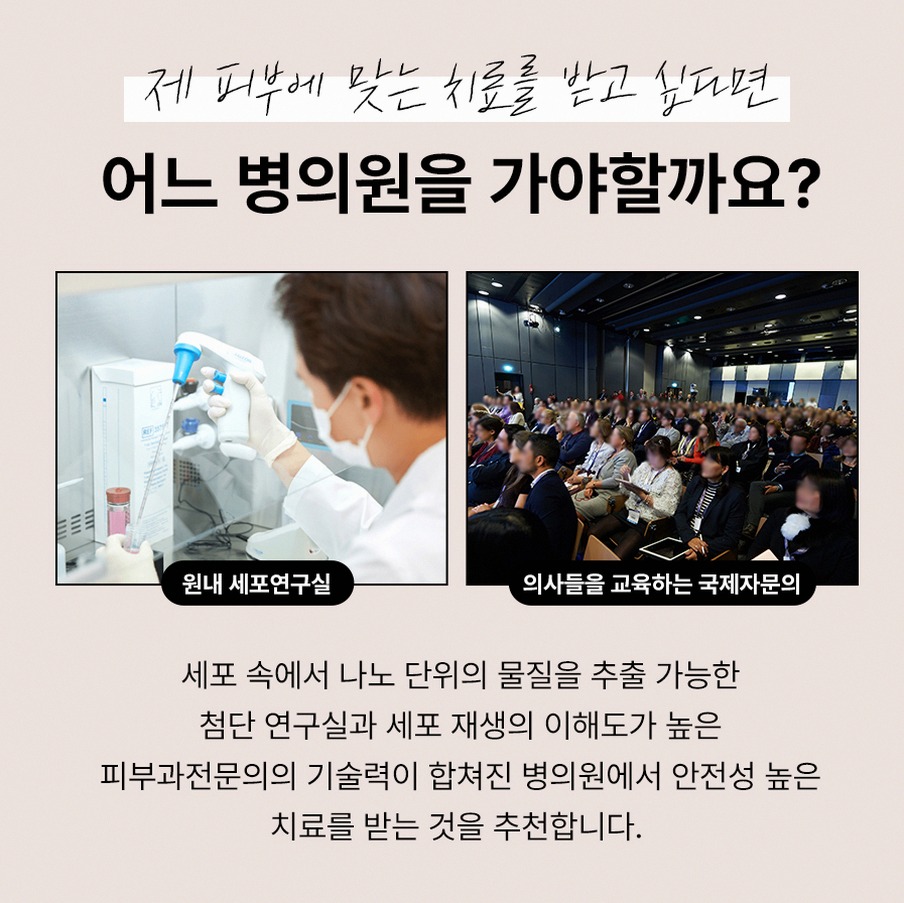
In‑house cell research and autologous exosome programs
Before proceeding, confirm the clinic's regulatory compliance, local approvals, and the specific protocols they use; do not assume guaranteed outcomes.
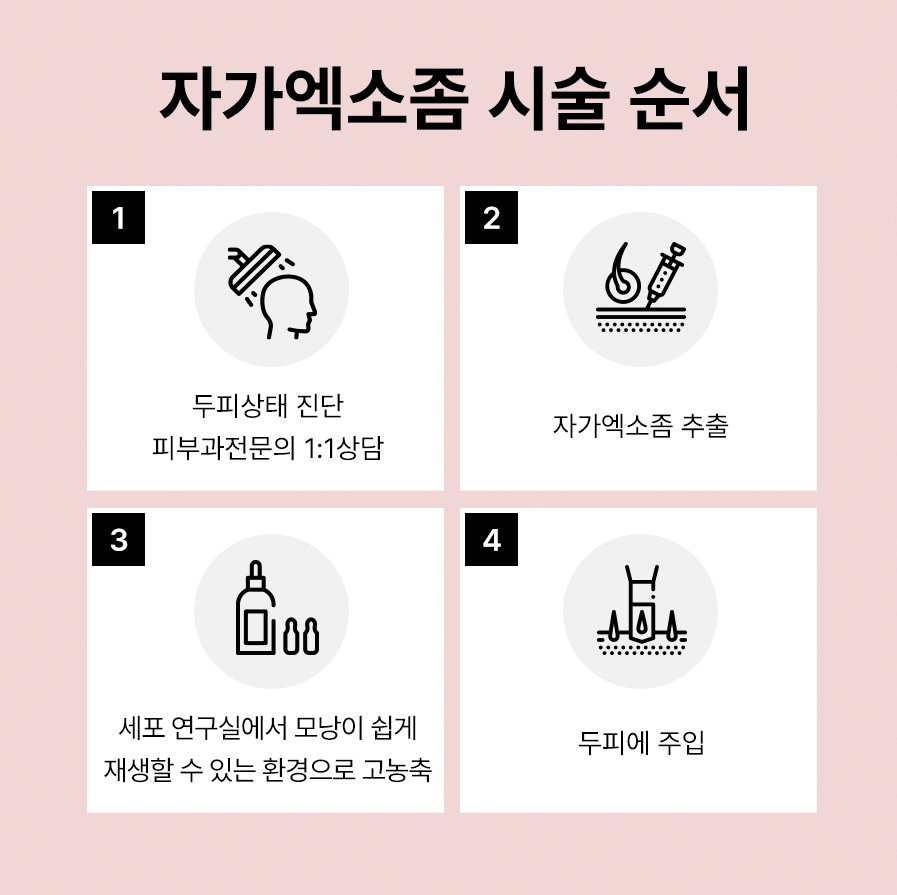
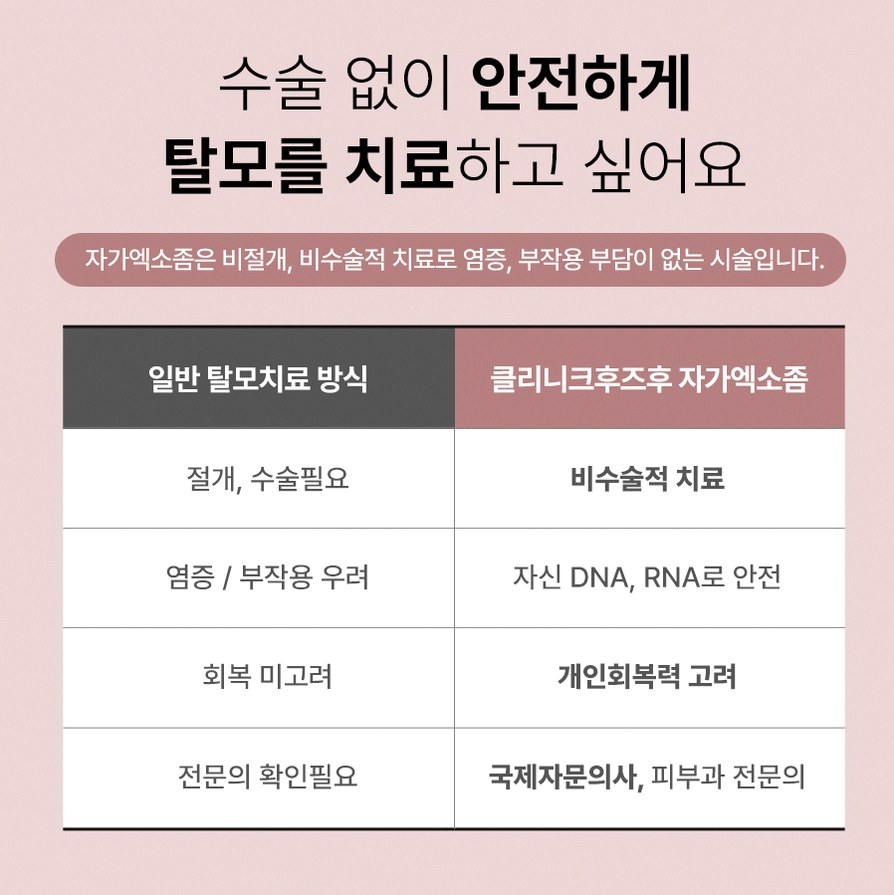
Clinics with an in‑house cell research lab, sometimes described as a Recovery Lab concept, may offer autologous exosome programs as part of a broader hair loss and anti‑aging lineup. Autologous means using materials derived from your own body.
Exosomes are tiny vesicles released by cells that carry signaling molecules. In a hair‑focused context, autologous exosome or stem‑cell‑related approaches are designed to:
Support the microenvironment around hair follicles.
Reduce local inflammation.
Promote scalp tissue regeneration and microcirculation.
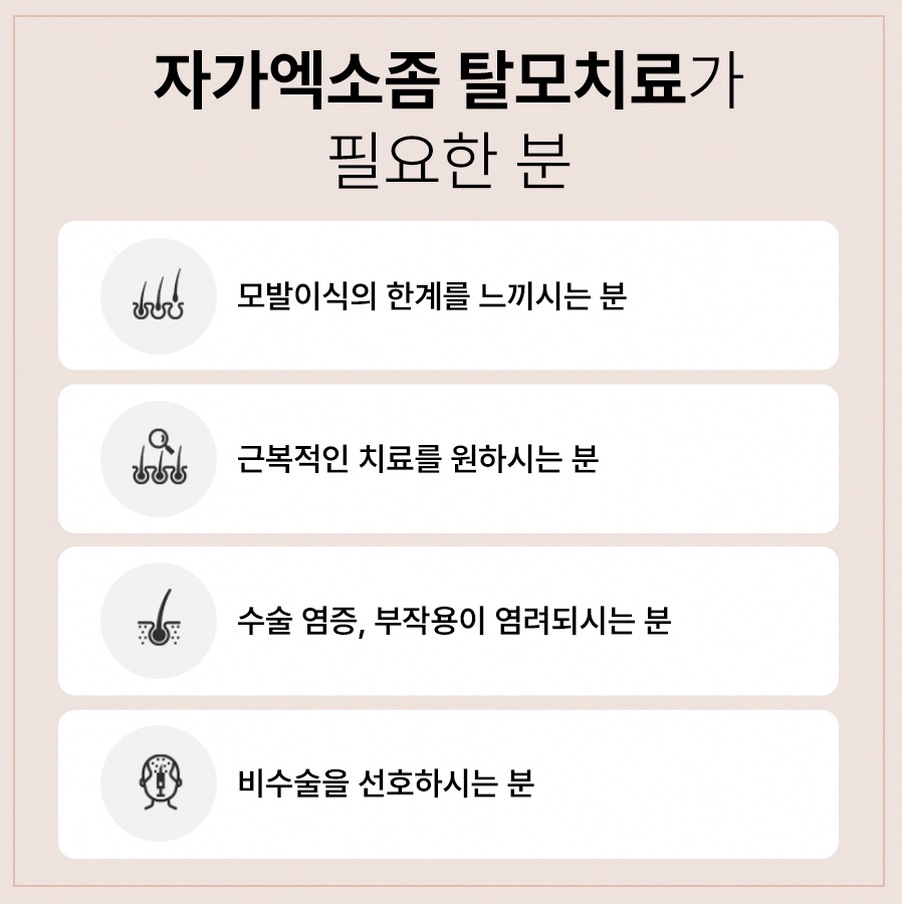
These treatments are generally positioned as adjuncts, not replacements, for established medical therapies such as corticosteroids or immunotherapy. They are usually planned only after a dermatologist has confirmed the diagnosis and assessed your overall health, medication use, and treatment history.
Energy‑based scalp care
Clinics in this area may also use a range of energy‑based devices, such as radiofrequency, ultrasound, and laser platforms, to support scalp health. When used appropriately, these technologies aim to:
Improve scalp microcirculation.
Enhance absorption of topical medications or serums.
Optimize overall scalp condition, especially in combination with medical treatments.
Protocols are typically customized, with device settings and session intervals adjusted according to your scalp condition, sensitivity, and other ongoing therapies.
Who may consider visiting Korea for alopecia areata treatment
Overseas patients who might benefit from a visit to a Korean clinic include:
Adults with new or rapidly expanding bald patches who want a clear diagnosis and early intervention.
People with recurrent alopecia areata who are interested in a more comprehensive review of triggers, associated conditions, and combination treatment options.
Patients who have tried basic treatments in their home country and are exploring adjunctive or regenerative approaches under specialist supervision.
Individuals who value structured follow‑up, imaging, and scalp analysis as part of their care.
Before planning a trip, it is advisable to have basic blood work and any relevant medical records available, so the Korean medical team can understand your background quickly.
Online consultation and pre‑visit preparation
Many clinics in Gangnam offer online or remote pre‑consultation channels for international patients. While a definitive diagnosis and prescription cannot be made without an in‑person examination, an online discussion can be useful to:
Review your history and photos of the affected areas.
Check whether your pattern of hair loss is likely to be alopecia areata or if another condition is suspected.
Discuss possible treatment strategies and how many in‑clinic sessions might be needed.
Estimate the length of stay you should plan for in Seoul.
To prepare for an online consultation, it helps to:
Take clear, well‑lit photos of your scalp and any other affected areas from multiple angles.
List your current medications, supplements, and any allergies.
Summarize previous treatments you have tried for hair loss and how you responded.
Gather recent blood test results, especially thyroid function and general health checks, if available.
Prepare questions about treatment options, expected timelines, and follow‑up.
Expected Korea visit timeline for alopecia areata treatment
The exact schedule will depend on your condition and the clinic, but a typical timeline might look like this:
Day 1: Initial consultation and assessment
Detailed history and scalp examination.
Dermoscopy and, if needed, scalp photography or imaging.
Blood tests if indicated.
Discussion of diagnosis and treatment plan.
Possible first session of topical or intralesional therapy if appropriate.
Days 3–7: Follow‑up and additional sessions
If you are staying for one to two weeks, the clinic may schedule:
Repeat intralesional injections at the start of your stay and just before you leave, if suitable.
Energy‑based scalp treatments or regenerative injections, when indicated.
Education on how to apply topical medications correctly at home.
Medium‑term follow‑up
After you return home, follow‑up may continue via online consultations. You may be asked to send updated photos every 4–8 weeks so the doctor can monitor regrowth and adjust topical or oral medications.
If you are pursuing longer‑term programs such as autologous exosome treatments, the clinic may suggest periodic return visits to Seoul, depending on your response and personal schedule.
Aftercare and self‑management
Medical treatment is only part of managing alopecia areata. Daily habits and self‑care can support your scalp and overall wellbeing.
Gentle hair and scalp care
Use mild shampoos and avoid harsh chemical treatments such as strong dyes or perms on affected areas.
Avoid tight hairstyles that pull on the hair.
Protect the scalp from sunburn with hats or sunscreen sprays when outdoors.
Stress management and lifestyle
While stress is not the sole cause of alopecia areata, it can influence flares in some people. Helpful strategies include:
Regular sleep and a consistent daily routine.
Physical activity appropriate for your health status.
Relaxation techniques such as breathing exercises, meditation, or yoga.
Seeking professional support if you are experiencing anxiety or low mood related to hair loss.
Monitoring for new patches
Check your scalp and other hair‑bearing areas regularly. If you notice new patches or rapid changes, contact your clinic promptly rather than waiting for your next scheduled visit. Early adjustment of treatment can sometimes limit progression.
Safety, limitations, and who should be cautious
Not all alopecia areata treatments are suitable for everyone. Particular care is needed if you:
Are pregnant, planning pregnancy, or breastfeeding.
Have chronic conditions such as diabetes, high blood pressure, liver or kidney disease.
Have a history of serious infections or immune system disorders.
Are taking medications that affect the immune system or blood clotting.
Systemic steroids, JAK inhibitors, and regenerative injections require careful screening and monitoring. During your consultation, you should:
Provide a full list of medications and supplements, including over‑the‑counter products.
Mention any previous adverse reactions to injections or medications.
Inform the doctor about any planned surgeries or major medical procedures.
It is important to understand that no treatment can guarantee permanent cure, and results vary. A responsible clinic will explain both potential benefits and limitations, and will avoid promising outcomes that cannot be assured.
Frequently asked questions about alopecia areata treatment
How long does it usually take to see regrowth with alopecia areata treatment
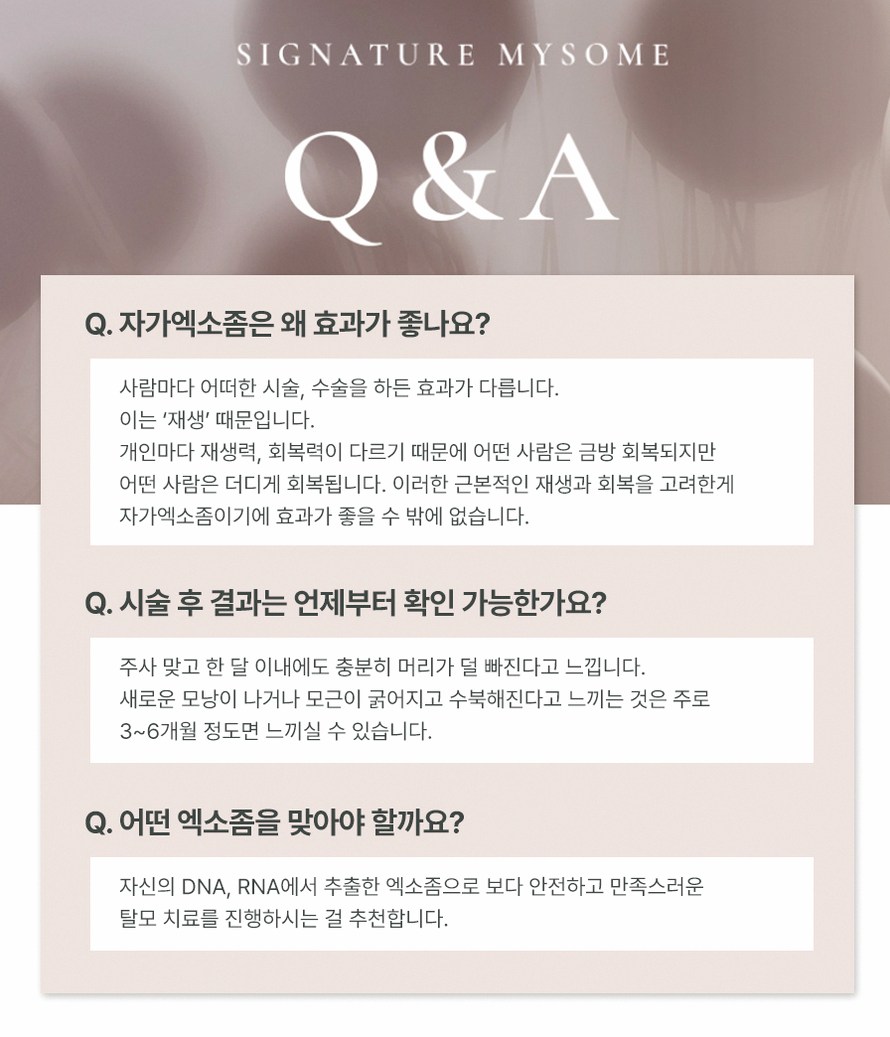
In many cases, early signs of regrowth can appear within 4 to 12 weeks after starting treatment, especially with intralesional steroid injections or appropriate topical therapy. However, the timeline varies depending on how long the patches have been present, how extensive the hair loss is, and individual response. Some patients may need several months of consistent treatment and follow‑up before seeing significant improvement.
Can alopecia areata go away on its own without treatment
Yes, some mild cases of alopecia areata can improve spontaneously, with hair regrowing even without treatment. However, it is difficult to predict who will recover quickly and who may progress to more extensive hair loss. Because early intervention can help limit progression and support regrowth, many specialists recommend evaluation and, when appropriate, active treatment rather than simply waiting.
Are cell‑based or exosome treatments a cure for alopecia areata
Cell‑based and autologous exosome approaches are considered advanced adjunctive options that aim to improve the scalp environment and support follicle recovery. They are not a guaranteed cure and should not replace established medical therapies such as corticosteroids, immunotherapy, or systemic medications when these are indicated. Their role is usually as part of a comprehensive, dermatologist‑supervised program tailored to the individual.
Is it safe to travel for alopecia areata treatment if I have other medical conditions

Many patients with stable chronic conditions can safely travel for medical care, but careful planning is essential. Before arranging a trip, discuss your plans with your local doctor and share your medical history with the Korean clinic in advance. Some treatments, especially systemic medications and certain injections, may not be suitable for people with specific health issues, so full disclosure of your conditions and medications is important for safety.
Soft call to action and location information
If you are experiencing sudden patchy hair loss and are considering alopecia areata treatment in Korea, a structured, specialist‑led approach can help you understand your diagnosis and options. In the Cheongdam area of Gangnam, Seoul, near Apgujeong Rodeo Station on the Suin–Bundang Line, Exit 4, you can walk straight in the direction of Galleria Department Store to reach clinics that focus on scalp health, regenerative programs, and medical hair loss care, such as Clinique hus,hu.
Before you decide on travel, you can use online consultation channels to share your history, photos, and questions. This allows the medical team to advise whether an in‑person visit is appropriate, what treatments might be considered, and how long you should plan to stay in Seoul. Diagnosis and final treatment decisions will always be made face to face, but early online contact can make your visit more efficient and reassuring.
This article is intended for general information only and does not replace a personal consultation with a qualified medical professional. Individual diagnosis and treatment decisions should always be made in direct discussion with a doctor who has examined you in person.
- 공유 링크 만들기
- X
- 이메일
- 기타 앱

댓글
댓글 쓰기