Aptos Lifting in Seoul: A Practical Guide for International Patients
- 공유 링크 만들기
- X
- 이메일
- 기타 앱
Direct answer summary
Aptos lifting is a minimally invasive thread lift that uses specially designed threads to reposition sagging facial tissues and stimulate new collagen. It can improve sagging cheeks, jawline blurring, nasolabial folds, and mild jowls without full surgery. Results are partly immediate and then gradually improve over several months; some patients report visible effects for several months to a few years, but outcomes vary widely by individual and exact longevity should be confirmed with your treating clinic. For overseas patients visiting Seoul, it is usually possible to combine consultation, treatment, and early follow-up within a short stay, if planned in advance with online consultation.
What is Aptos lifting
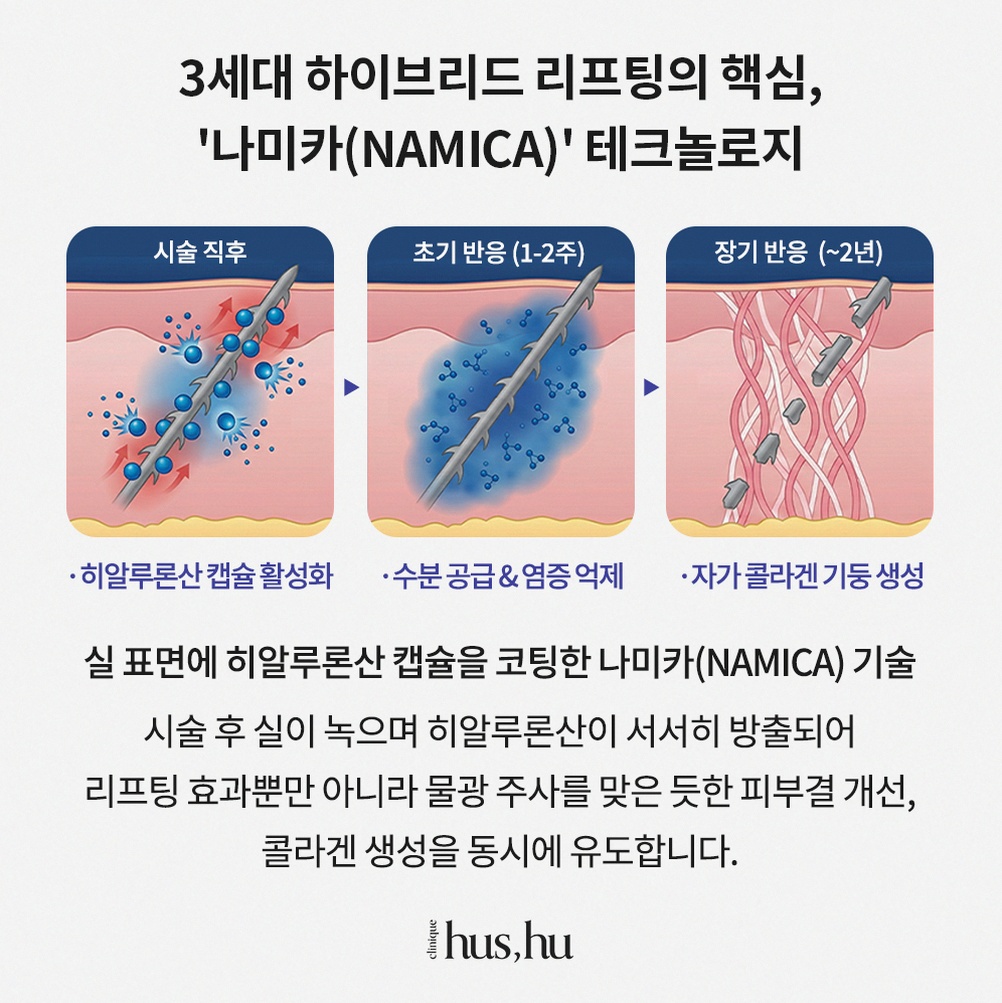
Aptos lifting is a branded system of thread lifting that uses fine, medical-grade threads with tiny barbs or cones along their length. These threads are inserted under the skin through small entry points and then gently tightened to lift and support sagging tissues.
Unlike simple smooth threads that mainly aim for collagen stimulation, Aptos threads are designed to give a clear mechanical lifting effect. The barbs or cones catch the deeper tissue layers and allow the doctor to reposition them upward, improving facial contours.
How Aptos threads lift and support the face
The lifting effect of Aptos threads comes from two main mechanisms.
First, there is mechanical lifting. The threads are anchored in firm tissue, often near the hairline or stable ligaments. When the doctor adjusts the threads, they pull the sagging areas upward, such as the midface, jowls, or lower face. This creates an immediate visible lift.
Second, there is a biological effect. The body recognizes the thread as a foreign material and responds by forming new collagen around it. This process is called neocollagenesis. Over weeks and months, this newly formed collagen can help maintain improved firmness and support in the treated area, even as the thread itself gradually integrates and, depending on the material, may slowly be absorbed.
Areas that can be treated with Aptos lifting
Aptos lifting is typically used for mild to moderate facial sagging. Common treatment areas include sagging cheeks, to restore a more youthful midface; nasolabial folds, by lifting the cheek tissue that is pressing downward; marionette lines and early jowls, to refine the jawline and reduce the downward pull at the corners of the mouth; jawline contouring, to improve lower face definition; eyebrow or temporal lifting, to open up the eye area; and sometimes neck or submental area, for mild laxity under the chin.
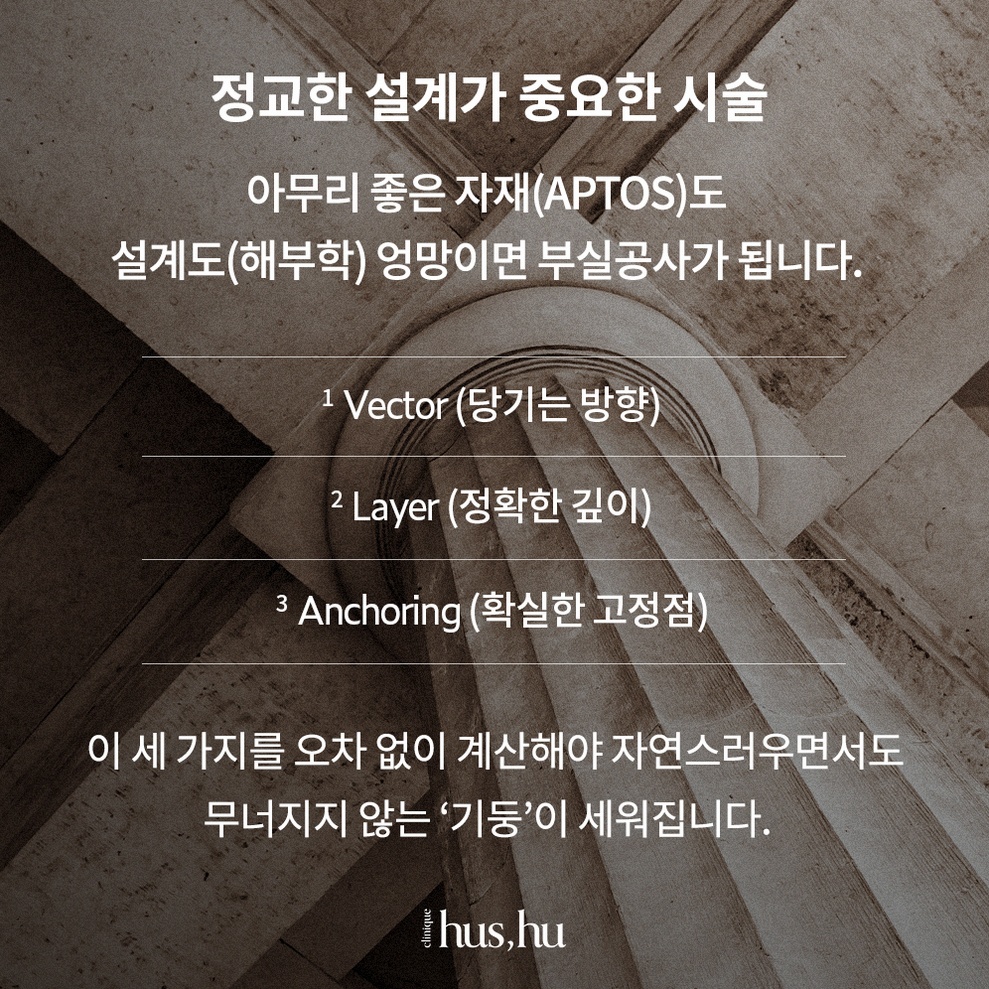
The exact treatment plan depends on your facial anatomy, degree of laxity, and skin quality. A careful facial analysis is essential before deciding which areas to lift and in what direction.
Types of Aptos threads and customized planning
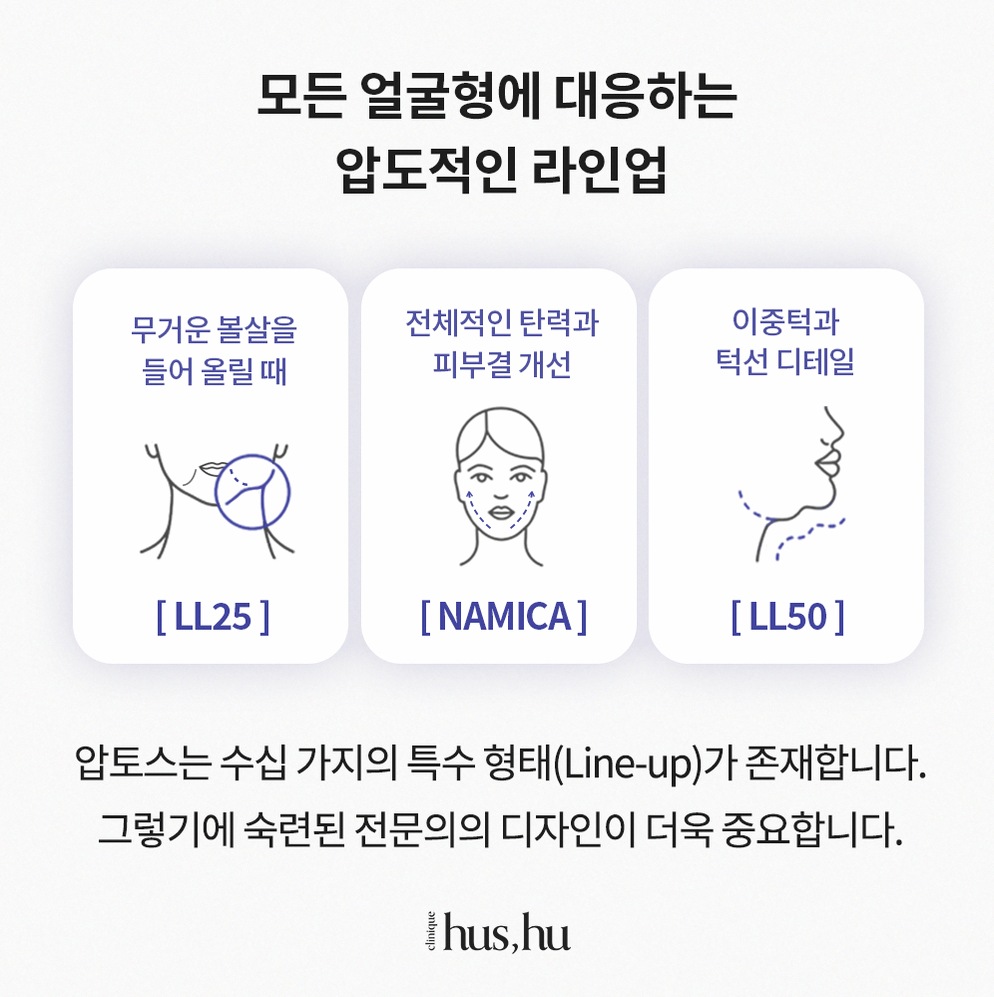
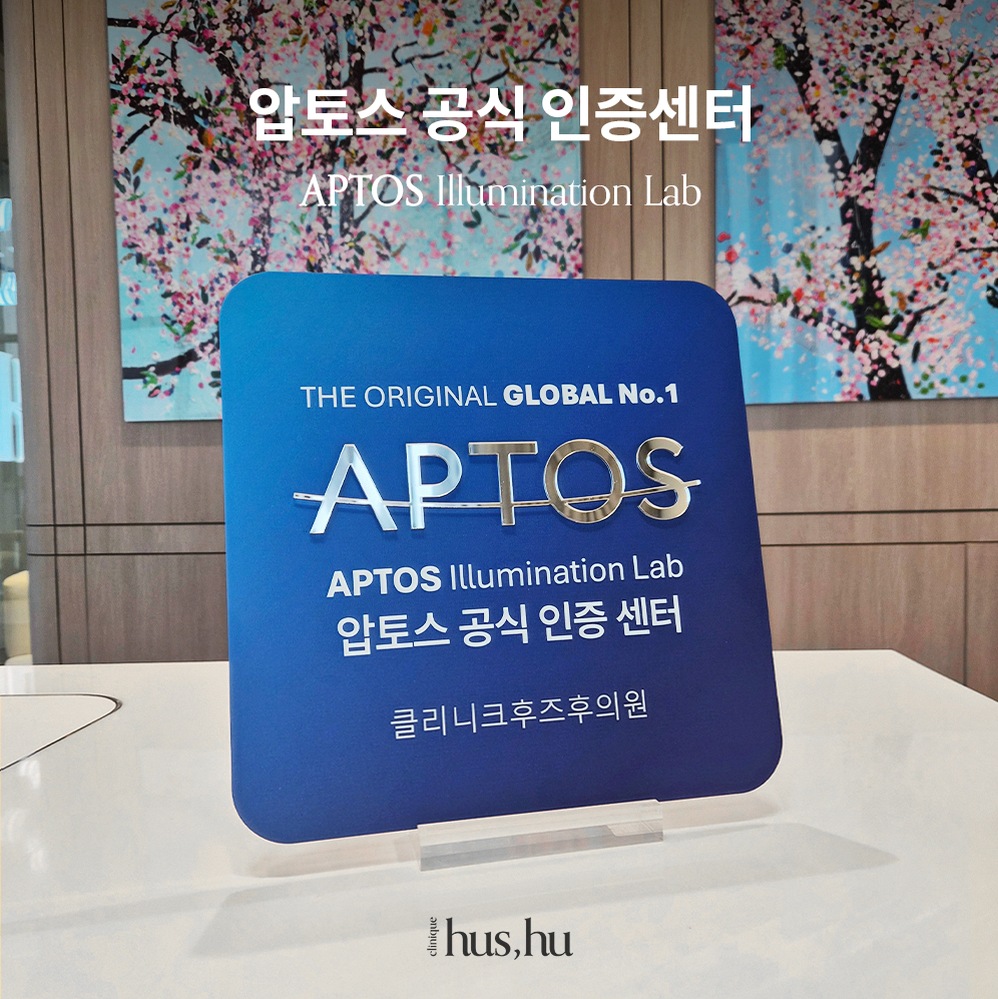
Within the Aptos system, there are several thread models designed for different areas and degrees of sagging. Examples include Namica 19, LL25, and LL50. These codes generally refer to the length and configuration of the thread and barbs.
Shorter or more delicate threads may be chosen for subtle lifting in smaller areas, such as the midface or eyebrow region. Longer or stronger threads may be used for more pronounced lifting of the jawline or lower face.
In an advanced clinic, the doctor will select the type and number of threads based on your individual needs. They will also plan the insertion vectors, meaning the directions in which the threads are placed, to follow your natural ligament structure and to avoid pulling the face in an unnatural way. For example, vectors may be planned from the jawline toward the temple, or from the midface toward the ear, to restore original youthful support.

Who may consider Aptos lifting
Aptos lifting is most suitable for adults with mild to moderate facial sagging who want visible lifting and contouring but are not ready for or do not need a surgical facelift.
Signs of aging Aptos lifting can improve
You may be a good candidate if you notice early jowls along the jawline, deepening nasolabial folds that make you look tired, drooping in the midface where the cheeks appear to slide downward, marionette lines and heaviness around the mouth, or mild descent of the outer brow.
Good skin quality with some remaining elasticity tends to respond better. Patients in their late 30s to 50s are common candidates, but age alone is not the deciding factor. The key is the balance between skin thickness, fat volume, and ligament laxity.
When surgery or other treatments may be better
Aptos lifting has limitations. It is not ideal for very heavy or severely sagging tissues, such as in advanced aging where a surgical facelift might be more appropriate. It is also less suitable for extremely thin, atrophic skin where threads may be more visible or palpable.
In such cases, a doctor may suggest other options, such as energy-based tightening, volumizing with fillers or biostimulators, or referral for surgical lifting. Sometimes, a staged approach is recommended: for example, improving skin quality and volume first, then adding threads later for more effective lifting.
How Aptos lifting compares to other options
Compared with generic thread lifts, Aptos is a structured system with specific thread designs, insertion techniques, and protocols developed over many years. While many thread brands aim to lift and stimulate collagen, Aptos places particular emphasis on mechanical support and anatomical planning.
Compared with energy-based devices like Thermage FLX, Ulthera Prime, Exion, Emface, or Prime Raise, the main difference is that threads physically reposition tissue, while devices use heat or focused energy to tighten collagen and stimulate new collagen without inserting anything under the skin.
In practice, doctors often combine these methods. For example, an energy device may be used to tighten the deeper collagen framework and improve skin texture, while Aptos threads are used to lift and hold sagging fat pads and ligaments in a higher position.
Step-by-step: the Aptos lifting procedure
Consultation and facial assessment
For international patients, the process often begins with an online consultation. You may be asked to send clear photos from the front and both sides, in good lighting, with a neutral expression. This allows the doctor to get an initial sense of your facial structure and whether Aptos lifting is likely to help.
During the in-person consultation in Seoul, the doctor will examine your face in detail. They will assess skin thickness, areas of volume loss, fat distribution, ligament laxity, and any asymmetry. They may gently lift certain areas with their fingers to show you the type of improvement threads can realistically provide.
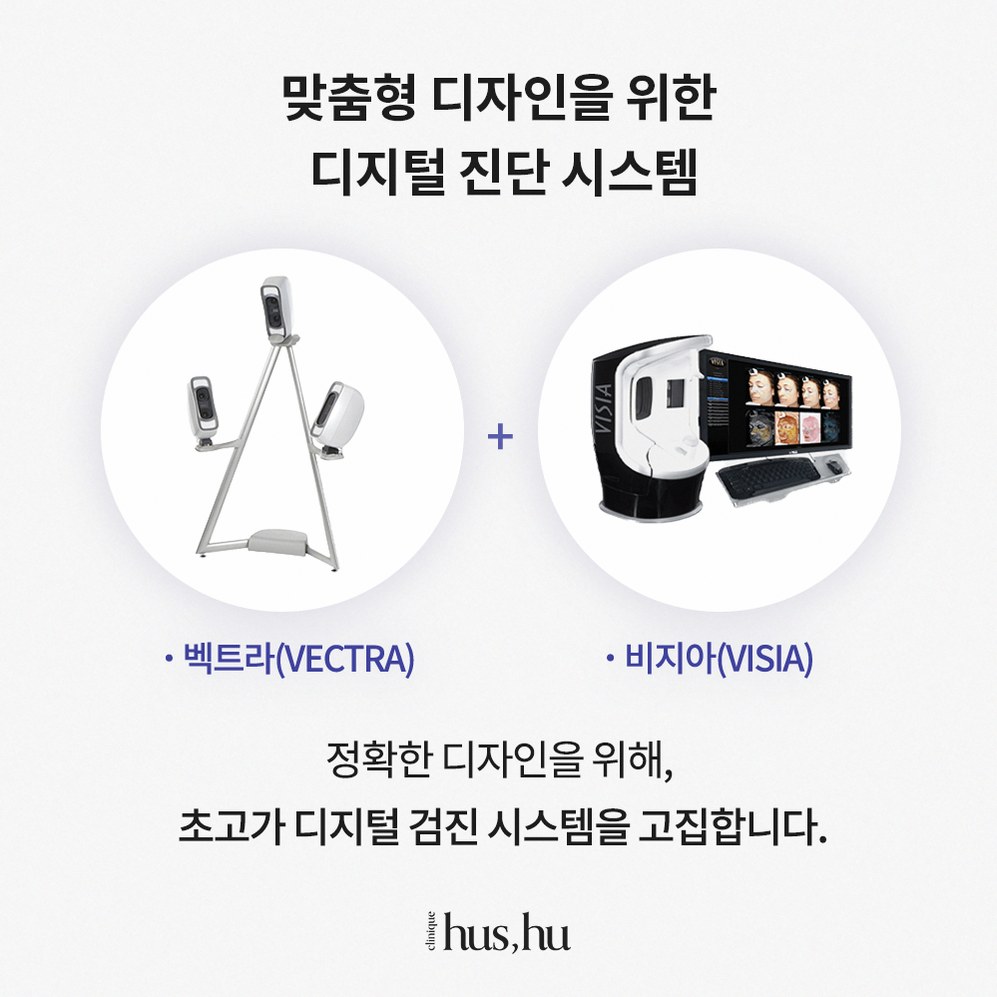
Photography is usually taken from multiple angles to document your baseline appearance. Some clinics also use imaging or skin analysis tools to support planning, especially when combining threads with energy devices or regenerative treatments.
The day of treatment: anesthesia, thread insertion, shaping
On the treatment day, your skin will be cleansed thoroughly. Numbing is usually provided with topical cream and local anesthesia injections at the planned entry and exit points of the threads. This helps minimize discomfort during insertion.
The doctor will mark the lifting vectors on your skin with a skin marker, showing where the threads will be placed and in which direction they will pull. After numbing takes effect, the threads are inserted using fine needles or blunt cannulas along these planned paths.
Once the threads are in place, the doctor gently adjusts them to achieve the desired lift. You may be asked to sit up so the doctor can check the effect against gravity. Any minor dimpling or irregularities are usually smoothed by massaging or adjusting the thread tension.
Afterward, the doctor will check symmetry, provide cooling if needed, and review aftercare instructions with you.
Recovery timeline and aftercare
Most patients can walk out of the clinic shortly after the procedure. Mild swelling, bruising, and a feeling of tightness or pulling are common in the first few days. Some small entry point marks may be visible but usually fade quickly.
Many people feel comfortable returning to desk work within one to three days, depending on bruising and personal preference. Makeup is often allowed after 24 hours, once entry points have closed, but follow your doctor’s specific guidance.

You will typically be advised to avoid heavy facial movements, wide yawning, vigorous chewing, and sleeping face-down for about one to two weeks to protect the newly positioned threads. Strenuous exercise, saunas, and heavy alcohol intake may also be restricted for a short period.
Your doctor may schedule a follow-up visit within one to two weeks to check healing and thread position, and another review around three months to evaluate the collagen-stimulating effect and discuss any additional treatments.
Results, longevity, and maintenance
Expected visible changes
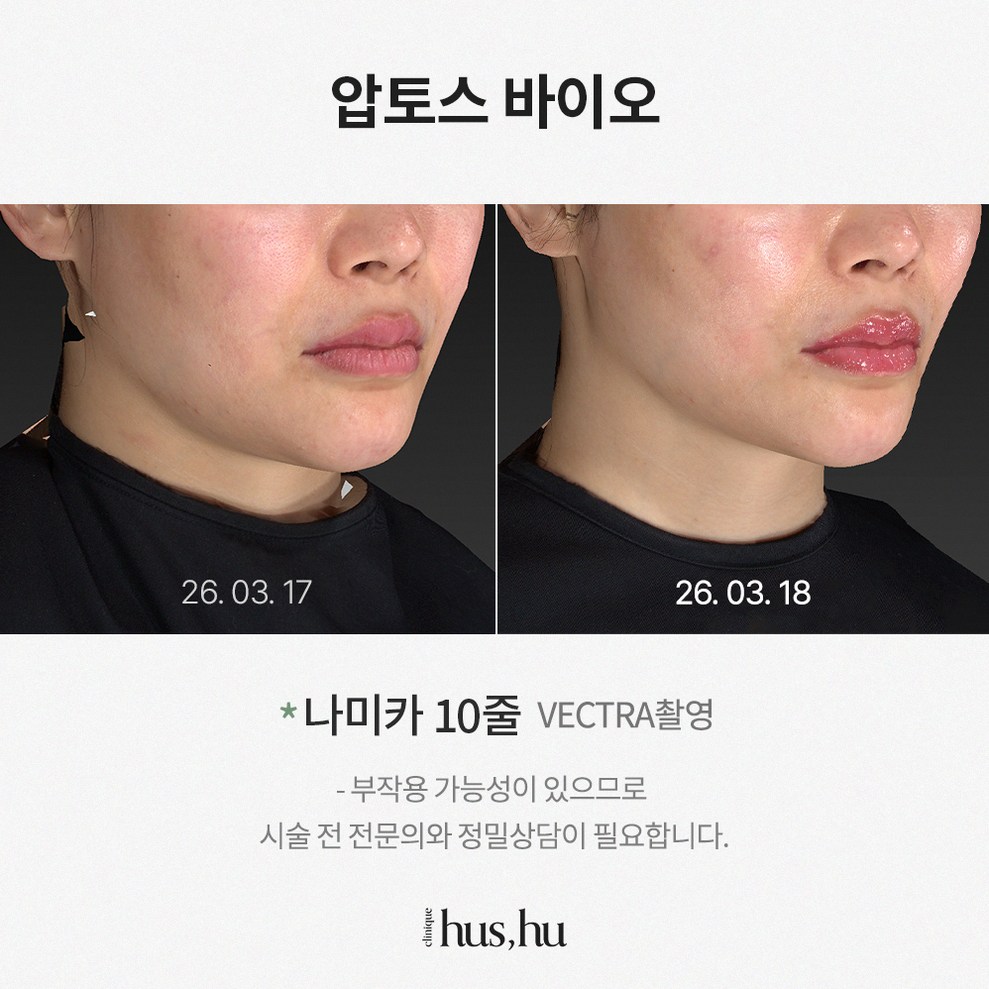
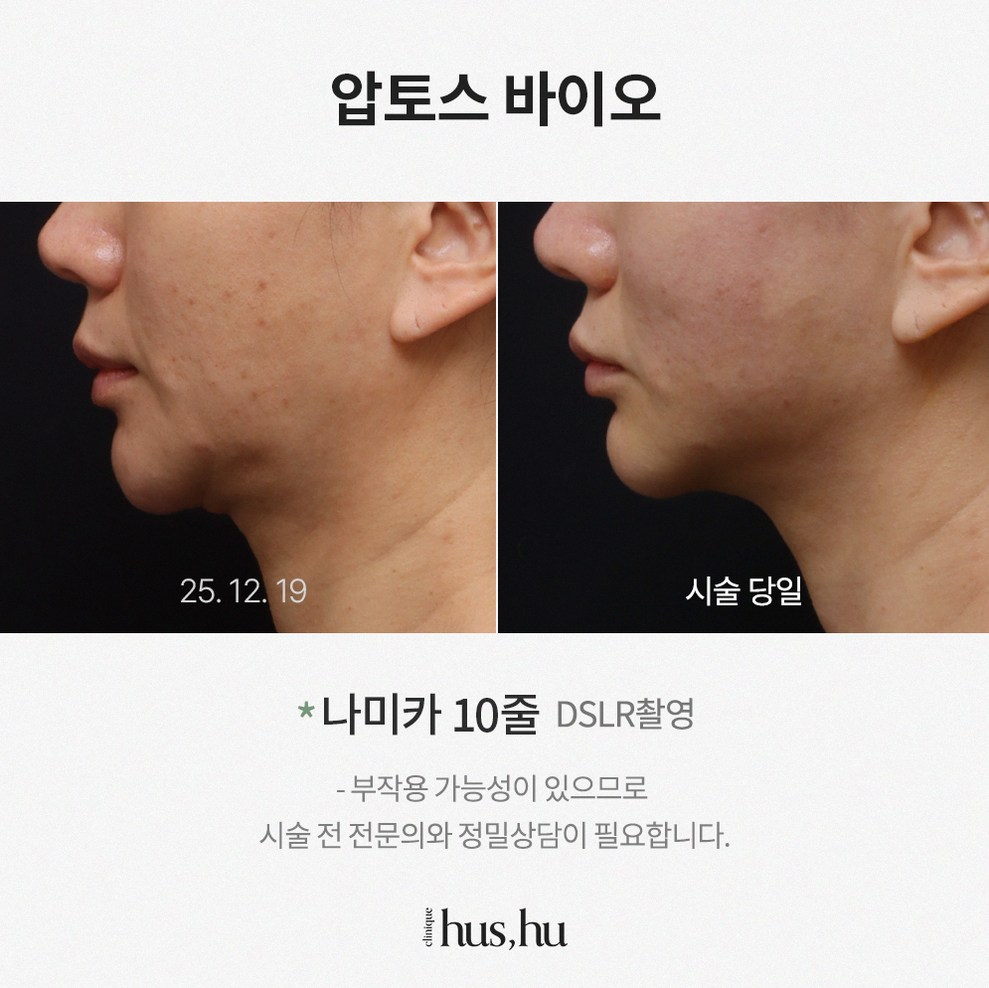
Immediately after Aptos lifting, you can usually see a noticeable change in facial contour: cheeks can appear higher, the jawline more defined, and folds around the mouth softer. However, there may also be temporary swelling or slight asymmetry that settles as tissues relax around the threads.
Over the following weeks, the mechanical lift stabilizes and new collagen begins to form around the threads. Many patients feel that their face looks more “held up” and supported, with a softer transition between the midface and lower face.
How long Aptos lifting lasts
The duration of effect varies. The thread material gradually integrates with the tissue, and the collagen framework that forms around it can help maintain some support even as the thread itself is absorbed or becomes less mechanically active.
Factors that influence longevity include age, baseline skin elasticity, degree of sagging, lifestyle habits such as smoking or sun exposure, and whether you maintain results with complementary treatments.
Combining threads with energy devices and volume treatments
For many patients, Aptos lifting works best as part of a comprehensive anti-aging plan rather than a stand-alone procedure.
Energy-based devices such as Thermage FLX or Ulthera Prime can tighten deeper collagen and improve skin texture, making the skin envelope firmer and more responsive to thread lifting. Exion, Emface, Prime Raise, and other advanced devices can target different tissue layers, from muscle stimulation to superficial tightening.

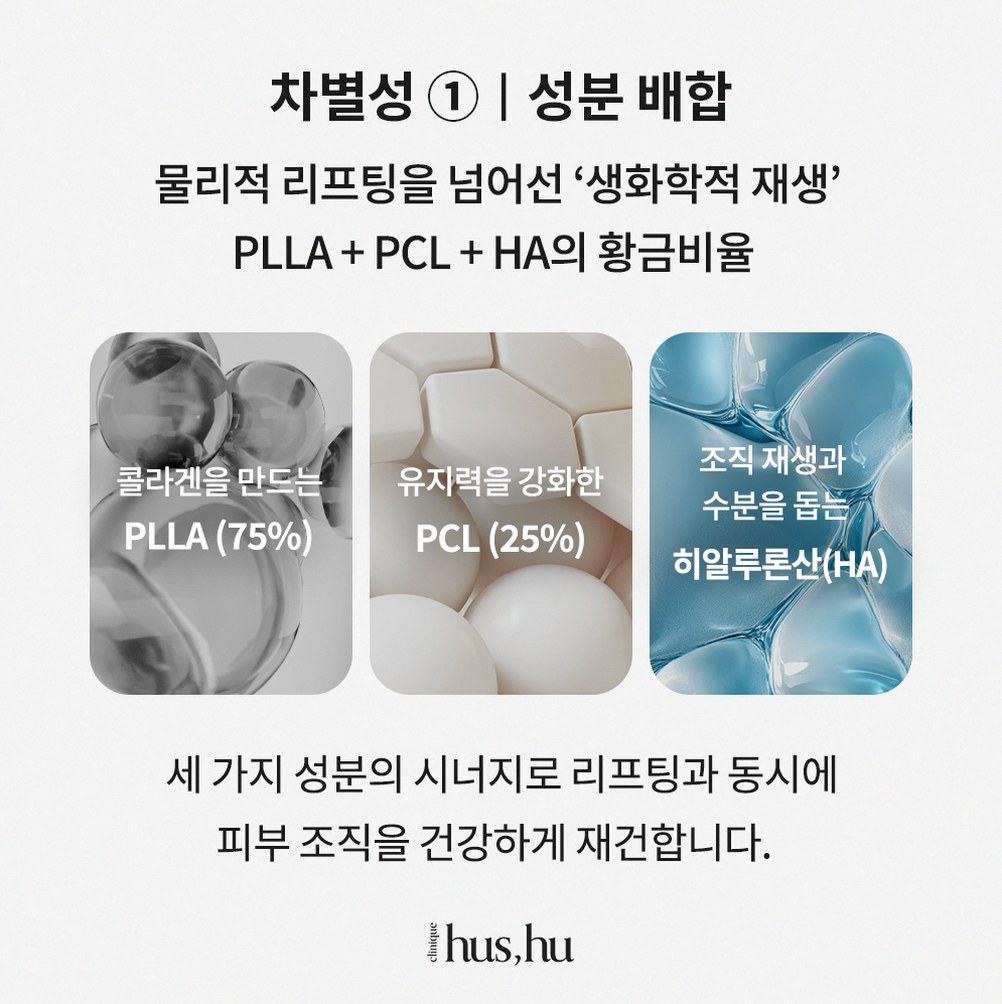
Volume restoration with fillers or collagen-stimulating injectables, such as Ellanse, Restylane, Juvederm, or other biostimulators, can address hollow areas that threads alone cannot fix. For example, threads may lift the cheek, while a filler or biostimulator restores volume in the midface or temples.
Some clinics in Cheongdam, Gangnam, also offer cell-level anti-aging programs, including autologous exosome injections, combined protocols like Thermage plus exosomes, and stem cell–based approaches using non-cultured autologous cells. These programs are intended to support cellular signaling or tissue repair processes rather than guarantee tissue "rejuvenation"; clinical benefits vary and the regulatory or clinical status of such treatments should be confirmed with the clinic. Discuss potential risks, expected outcomes, and available evidence with your provider before deciding on these options.
Safety, side effects, and downtime
Common temporary reactions
After Aptos lifting, it is normal to experience mild to moderate swelling, bruising, and tenderness along the thread paths. A feeling of tightness, pulling, or mild discomfort when making certain facial expressions is also common in the first days.
Sometimes, small dimples or irregularities appear where the thread engages the tissue. These often smooth out naturally over one to two weeks as the skin relaxes and swelling decreases.
Less common risks
Less common but important risks include infection at the entry points or along the thread path, which may require antibiotics; thread visibility or palpability, especially in very thin skin; asymmetry or overcorrection, which may need adjustment; and, rarely, the need to remove or cut a thread if it causes persistent problems.
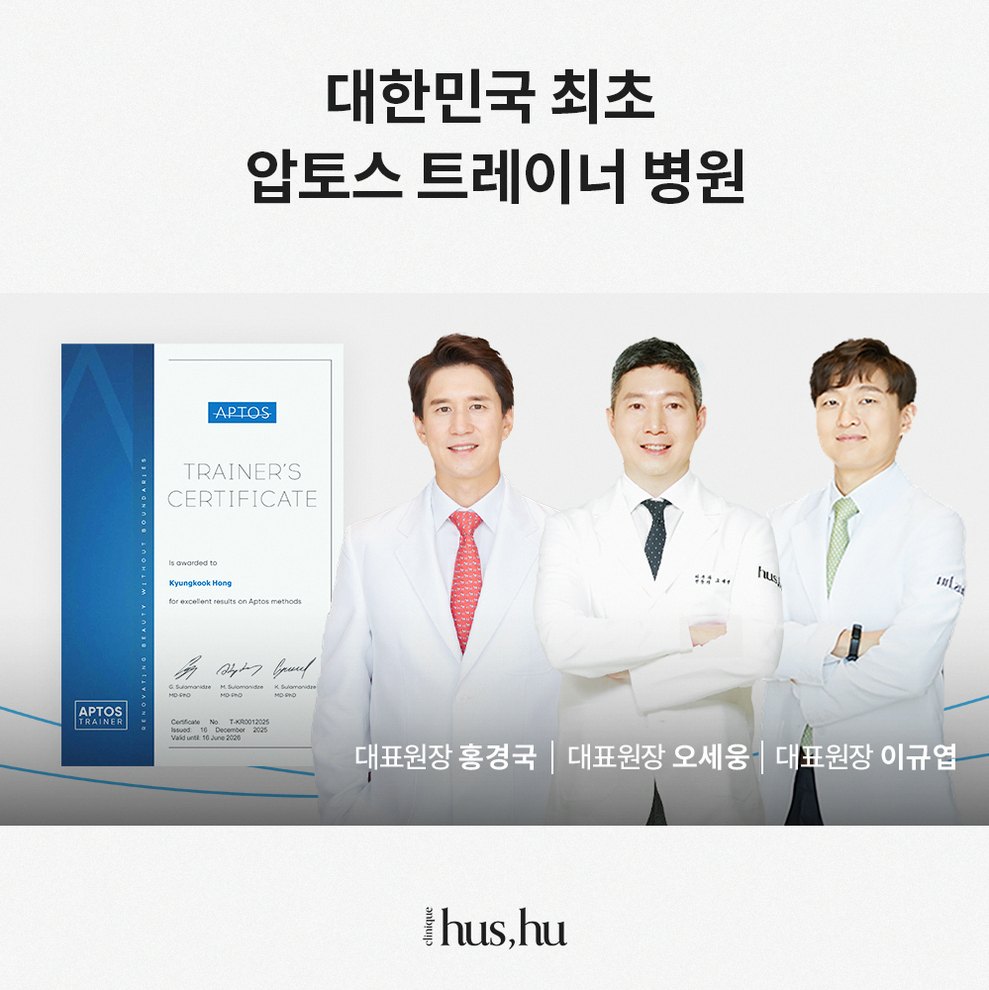
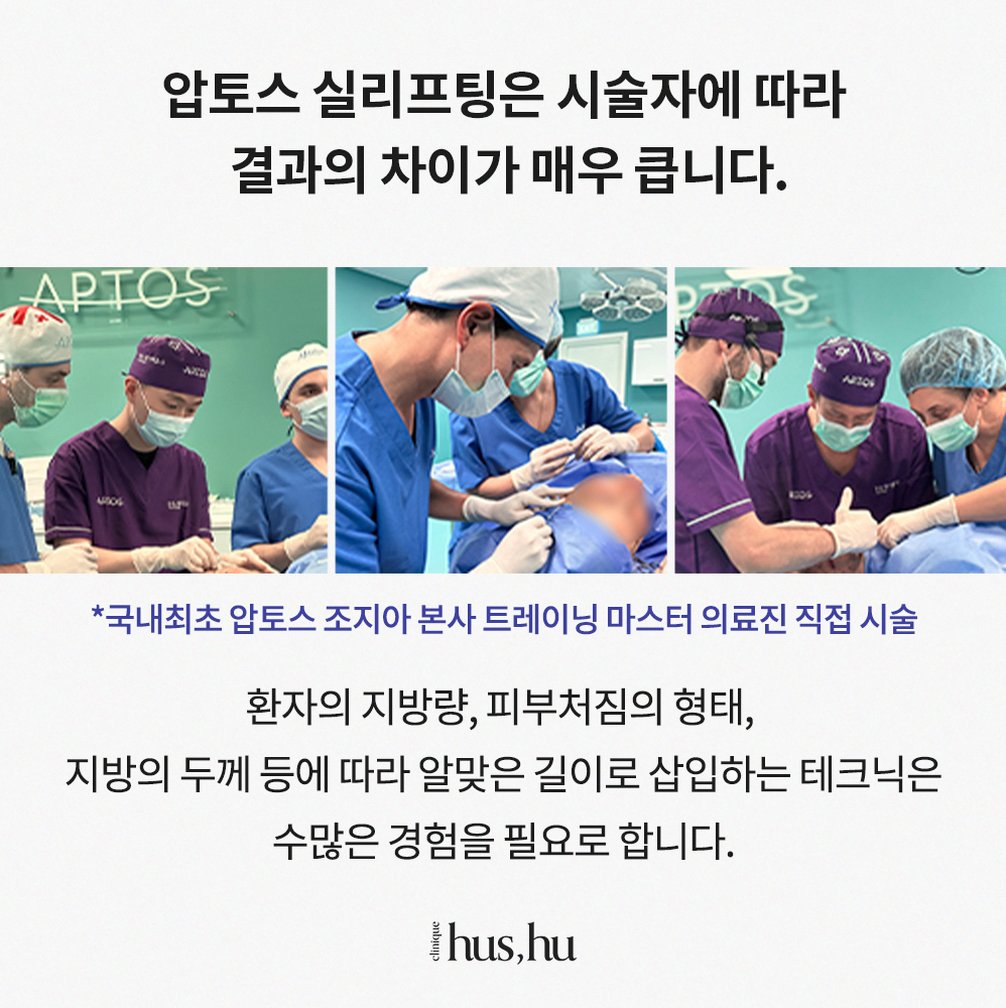
Choosing an experienced doctor who understands facial anatomy and has significant experience with lifting threads can help reduce these risks. Clear communication about your expectations and careful aftercare are also important.
Downtime and return to daily life
Most international patients plan at least several days of quiet time in Seoul after Aptos lifting. While you may feel comfortable going out with light makeup within a couple of days, visible bruises or swelling can last one to two weeks in some cases.
Light walking is usually fine soon after the procedure, but high-impact exercise, heavy lifting, and intense facial movements should be delayed according to your doctor’s advice. If you are flying home, it is generally safe to travel within a few days, but scheduling a short buffer allows for a follow-up check and any minor adjustments if needed.
Preparing for Aptos lifting as an overseas patient
Online consultation and pre-visit preparation
Before booking flights, it is wise to request an online consultation. Prepare clear, makeup-free photos from front, 45-degree angles, and both sides. Note any past procedures, such as previous thread lifts, fillers, or energy treatments, and share this information with the clinic.
Write down your main concerns: for example, “jawline sagging,” “deep smile lines,” or “drooping cheeks.” Also clarify your time frame in Korea, any important events after your trip, and whether you are interested in combined treatments like Thermage FLX, Ulthera Prime, or regenerative injections.
Expected Korea visit timeline
A typical timeline for Aptos lifting in Seoul might look like this:
Some clinics may offer same-day treatment following consultation if scheduling and clinical assessment permit; confirm availability when booking.
Day 2–3: Rest, mild swelling and bruising management. Light sightseeing is possible if you feel comfortable.
Day 5–7: Optional follow-up visit to check healing and thread position, and to discuss further care or additional treatments.
Day 7–10: Many international patients plan to fly home within this window, depending on their schedule and the extent of treatment.
If you plan to combine Aptos lifting with other procedures such as Thermage FLX, Ulthera Prime, Exion, Emface, or volume treatments, your clinic can help structure the schedule so that energy-based treatments and injections are timed safely around the thread lift.
Aftercare and long-term maintenance
After returning home, follow the written aftercare instructions from your doctor. This usually includes avoiding strong facial massages, dental procedures that require wide mouth opening in the early period, and extreme facial expressions that might stress the threads.
Protecting your skin from sun damage, maintaining a stable weight, and avoiding smoking can help prolong the results. Some patients return to Seoul every one to two years for maintenance treatments, which may include repeat threads, energy-based tightening, or regenerative injections.
Frequently asked questions about Aptos lifting
How is Aptos lifting different from other thread lifts
Aptos lifting uses a specific family of threads with carefully designed barbs or cones and established protocols for insertion and vector planning. While many thread brands aim to lift and stimulate collagen, Aptos places particular emphasis on mechanical support and anatomical pathways.
In practice, this means the doctor has access to different thread types, such as Namica 19, LL25, or LL50, and can choose them based on the area and degree of sagging. The system encourages structured planning rather than a one-size-fits-all approach, which can be especially important when treating complex areas like the jawline or midface.
How painful is Aptos thread lifting and what kind of anesthesia is used
Most patients describe Aptos lifting as uncomfortable rather than very painful. Topical numbing cream is often applied first, followed by local anesthesia injections at the entry points and along the planned thread paths. These injections can sting briefly, but they significantly reduce pain during the procedure.
You may feel pressure, pulling, or a strange sensation as the threads are inserted and adjusted, but sharp pain should be limited. After the procedure, mild soreness or tightness is common for a few days and can usually be managed with over-the-counter pain relief if needed, according to your doctor’s advice.
How long do Aptos lifting results last
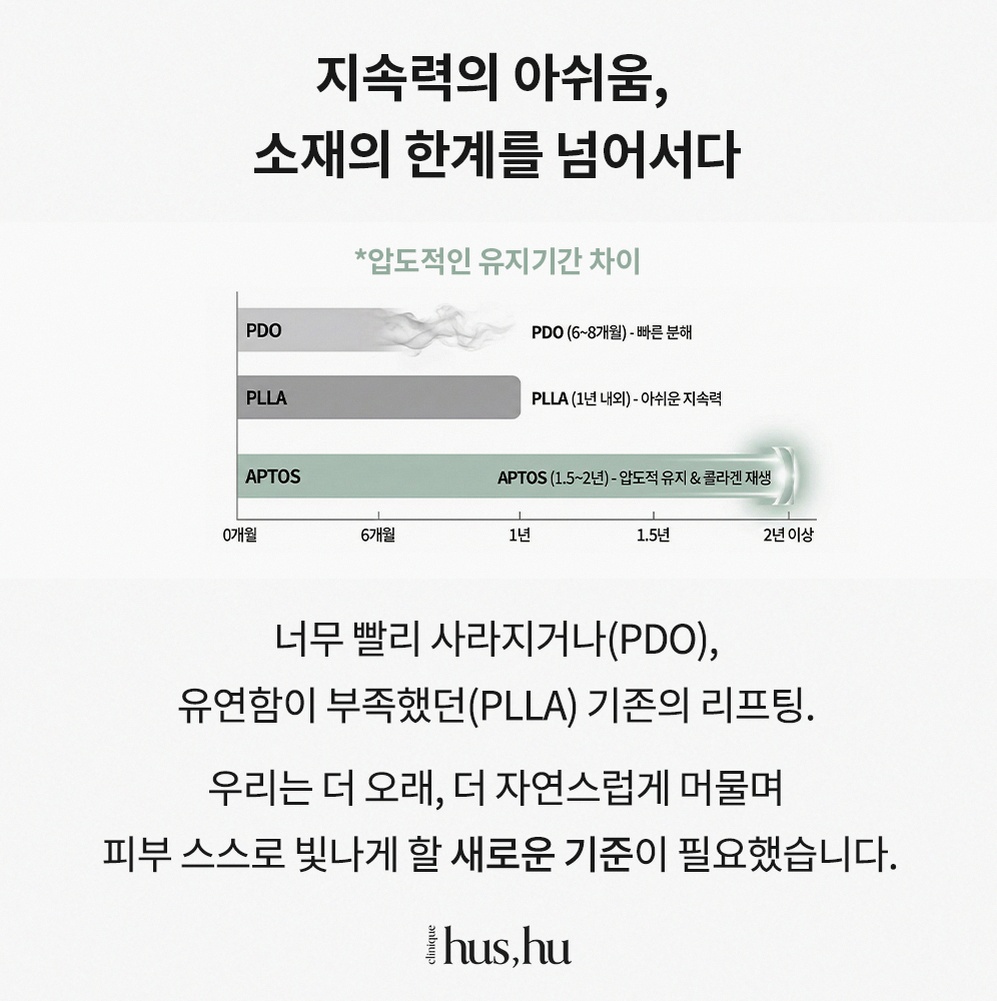
The visible lifting effect of Aptos threads often lasts around one to two years, though this can vary. Younger patients with good skin elasticity and healthy lifestyles may enjoy longer-lasting support, while those with more advanced laxity may see a shorter duration.
Over time, the threads integrate with the tissue and the collagen framework around them becomes the main source of support. Maintenance treatments, such as energy-based tightening or additional threads, can help extend results.
Can Aptos lifting replace a surgical facelift
Aptos lifting is not a full replacement for a surgical facelift, especially in cases of severe sagging or very heavy tissues. It is best viewed as a minimally invasive option for people with mild to moderate laxity who want noticeable improvement without the downtime and scars of surgery.
For some patients, Aptos lifting can delay the need for surgery by several years. For others with advanced aging changes, a doctor may recommend surgical options or a combination of non-surgical and surgical approaches.
Is it safe to combine Aptos lifting with Thermage, Ulthera, or fillers
The key is timing and sequence.
Energy treatments are often scheduled before or after threads at appropriate intervals, depending on the device and the treatment plan. Fillers and biostimulators may be placed in areas that are not directly affected by the threads, or at a different time, to avoid disturbing the lifted tissues. Your doctor will design a sequence that suits your anatomy and travel schedule.
What should I avoid before and after Aptos lifting
Before Aptos lifting, you may be advised to avoid blood-thinning supplements and medications, such as high-dose fish oil, vitamin E, or certain pain relievers, if medically safe to do so. Always discuss any medication changes with your own doctor. Avoid alcohol excess and schedule the procedure at a time when you can rest afterward.
After the procedure, avoid heavy exercise, saunas, and hot baths for a short period, as recommended by your doctor. Try not to sleep face-down, avoid strong facial massages, and limit exaggerated facial movements in the early healing phase. Following these instructions can help the threads stabilize and support better long-term results.
Soft call to action for online consultation
If you are considering Aptos lifting in Seoul and would like to know whether it suits your face and travel schedule, an online consultation is a practical first step. By sharing clear photos and your concerns in advance, you can receive a personalized treatment plan, understand possible combinations with devices like Thermage FLX, Ulthera Prime, Exion, or Emface, and plan your visit to Cheongdam, Gangnam, near Apgujeong Rodeo Station, with realistic expectations.
A doctor-led, evidence-based approach that considers both mechanical lifting and cellular-level anti-aging can help you move beyond simply looking younger toward supporting healthier, more resilient facial tissues over time.
- 공유 링크 만들기
- X
- 이메일
- 기타 앱

댓글
댓글 쓰기