Aptos Thread Lift Duration and How to Maintain Your Results in Seoul
- 공유 링크 만들기
- X
- 이메일
- 기타 앱
How Long Does an Aptos Thread Lift Last?
Patients may experience a noticeable lifting effect from an Aptos thread lift that can last from several months up to a few years. The exact duration varies with individual factors such as skin condition, age, lifestyle, the specific Aptos threads used, and the overall treatment plan; discuss realistic expectations with your doctor.
This combination approach aims to help maintain the lift for as long as your skin biology allows, rather than relying on threads alone.
What Is an Aptos Thread Lift?
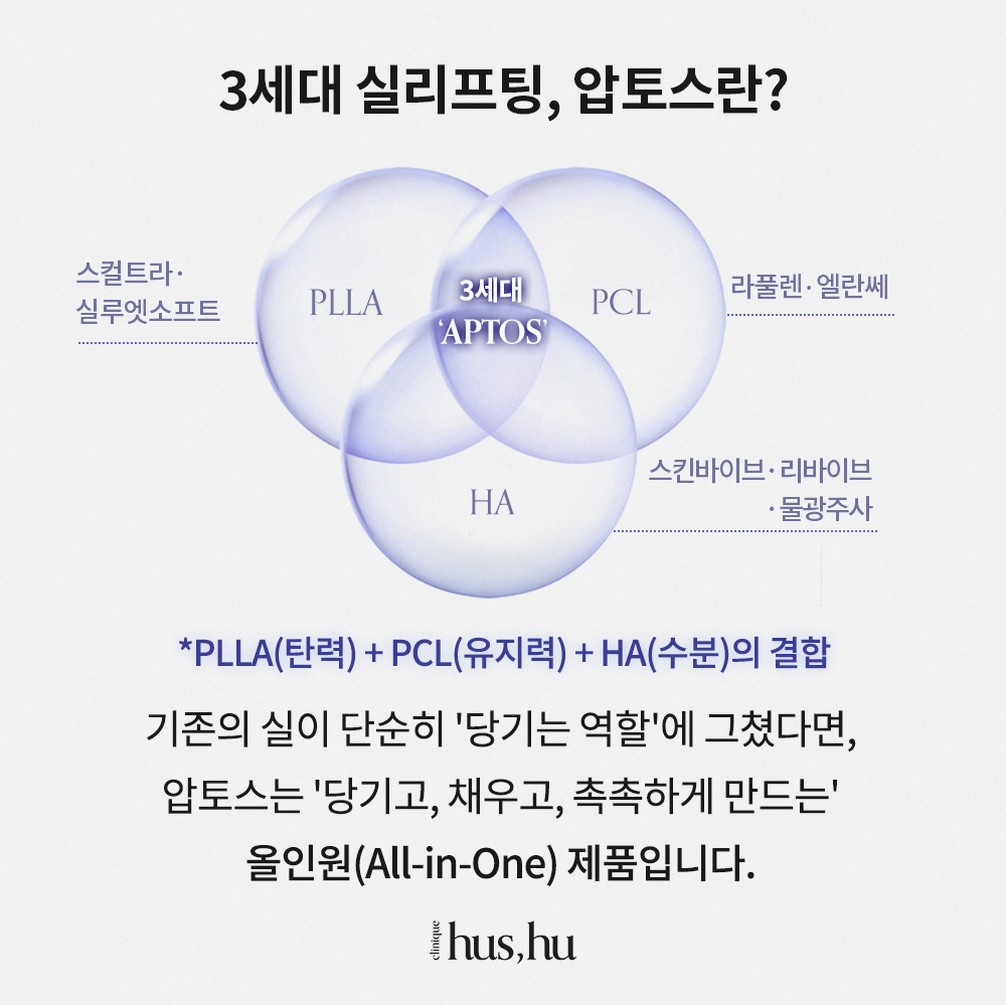
An Aptos thread lift is a minimally invasive lifting procedure that uses specially designed threads to reposition sagging facial tissue and stimulate collagen production. Unlike simple skin-tightening treatments, Aptos threads are placed under the skin to create a mechanical lifting effect and then support the tissue biologically as your own collagen forms around them.
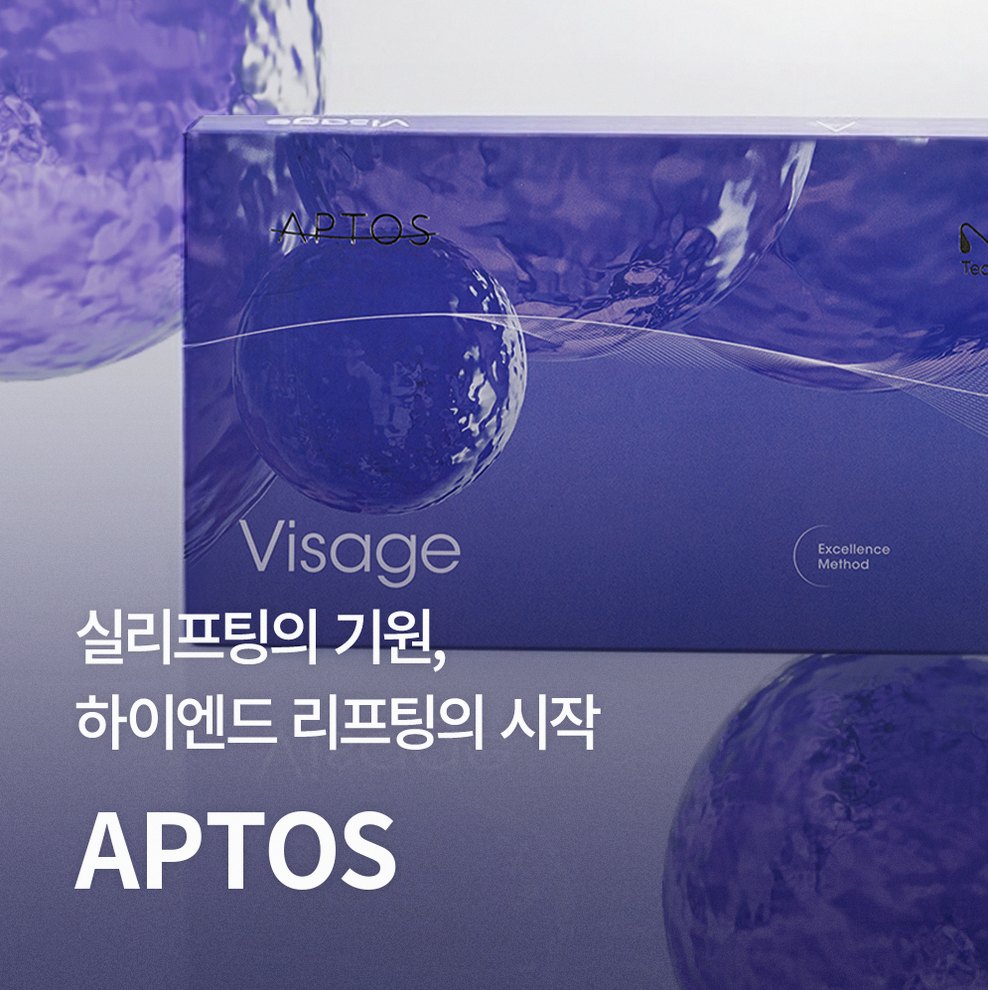
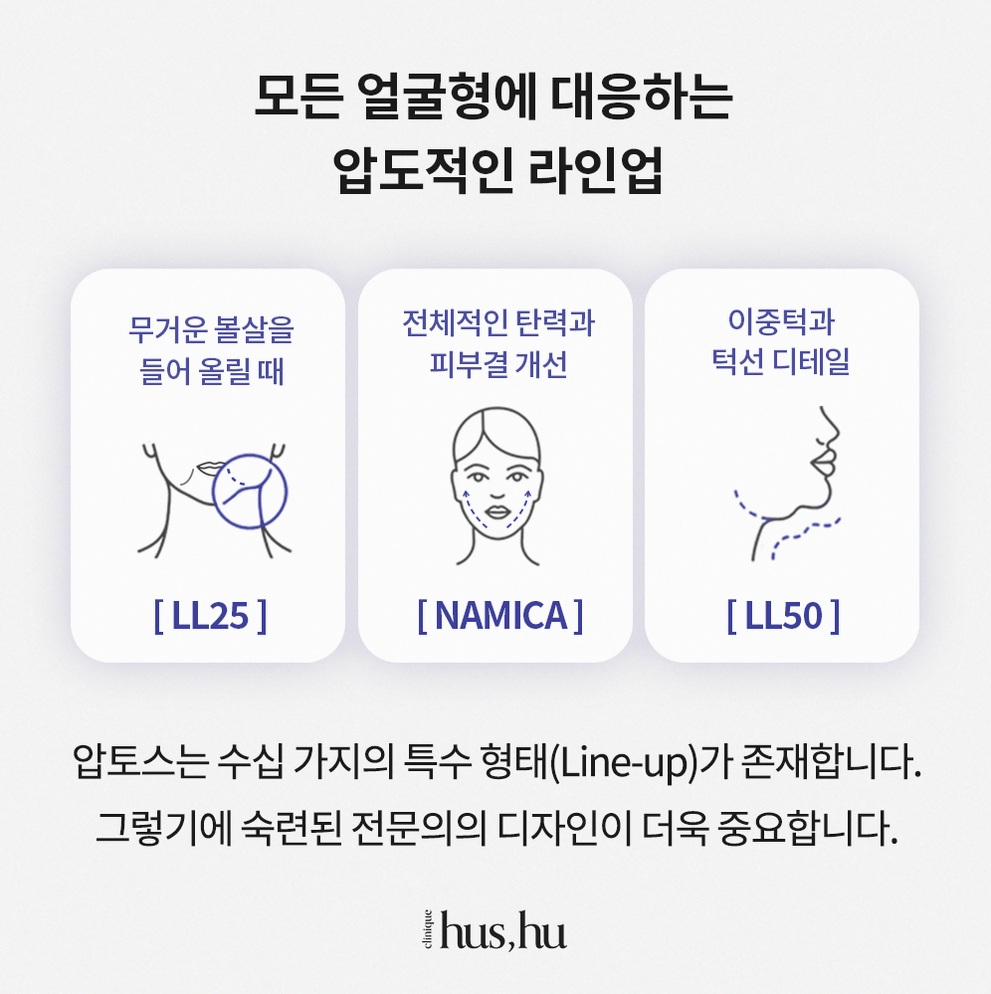
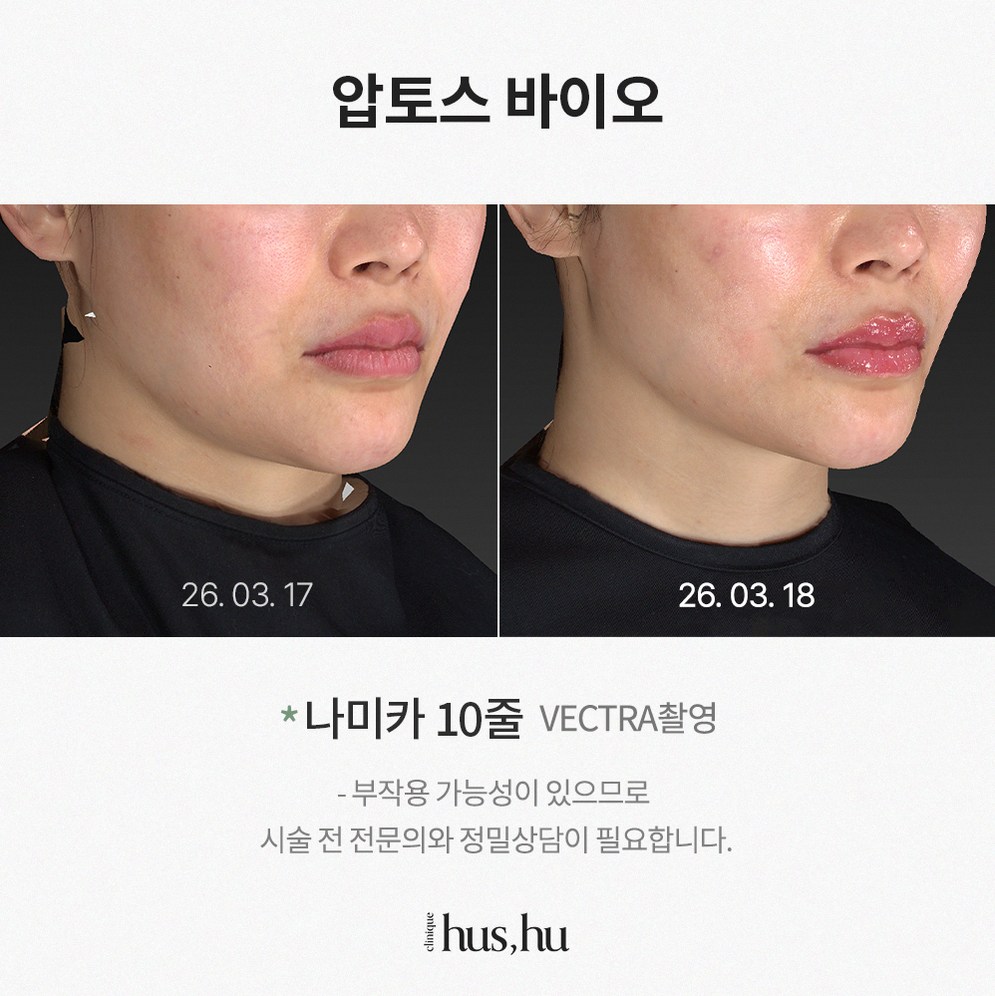
Aptos is a branded system with various thread types and designs. In Cheongdam clinics focused on lifting, Aptos Namica models such as Namica19, LL25, and LL50 are often used. Shorter threads can be suitable for delicate areas or fine repositioning, while longer threads can support broader lifting vectors along the midface, jawline, or neck.
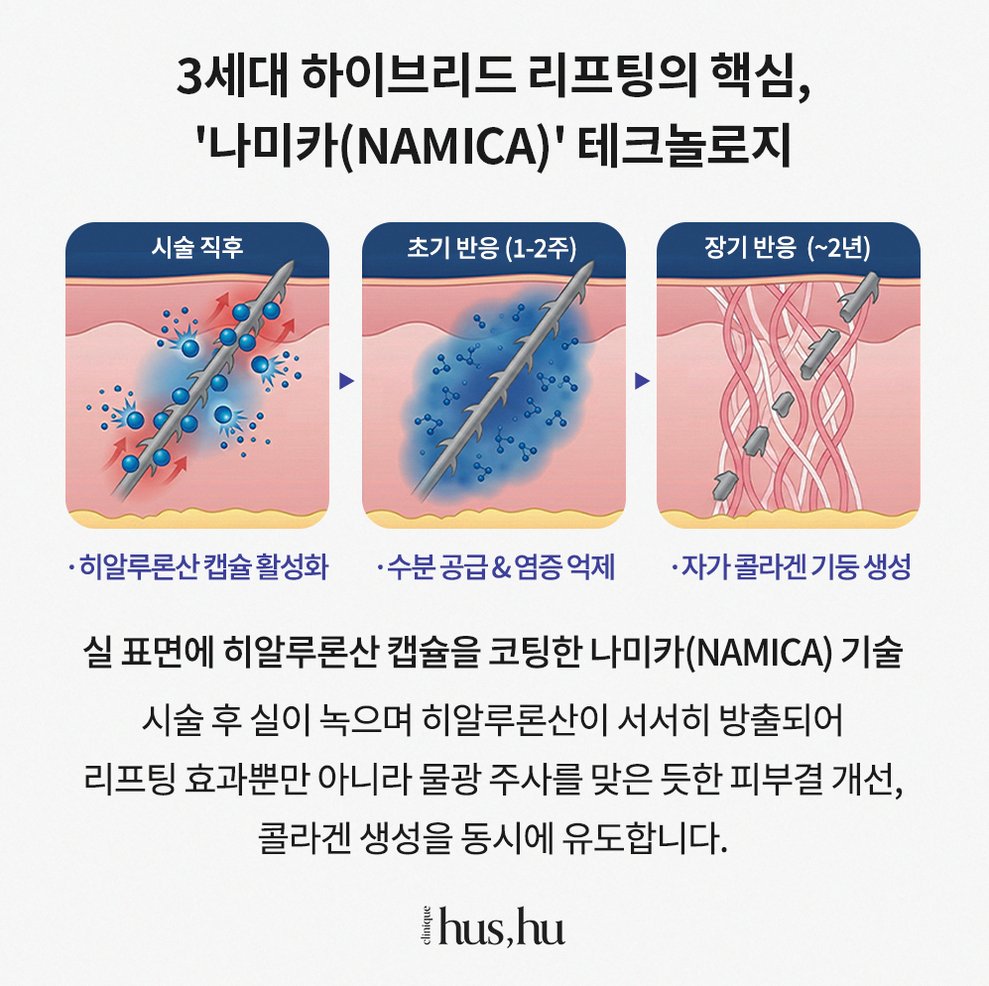
During the procedure, threads are inserted through small entry points under local anesthesia. Tiny barbs or special structures on the threads catch the tissue and allow the doctor to gently lift and fix the skin into a more youthful position. Over time, the material of the thread is gradually absorbed, but the new collagen network that forms around it can help maintain the improved contour.
When Do Aptos Thread Lift Results Appear and Fade?
One reason many patients choose Aptos is that you can see a change quickly, but the result also evolves over several months.
Immediate phase
Right after the procedure, you usually see an immediate mechanical lift. This is because the threads physically reposition the tissue. The jawline may look sharper, the nasolabial folds softer, or the midface more elevated. At this stage, there can also be some swelling and mild asymmetry, so the result can look slightly more dramatic or uneven than the final outcome.
Short-term settling period
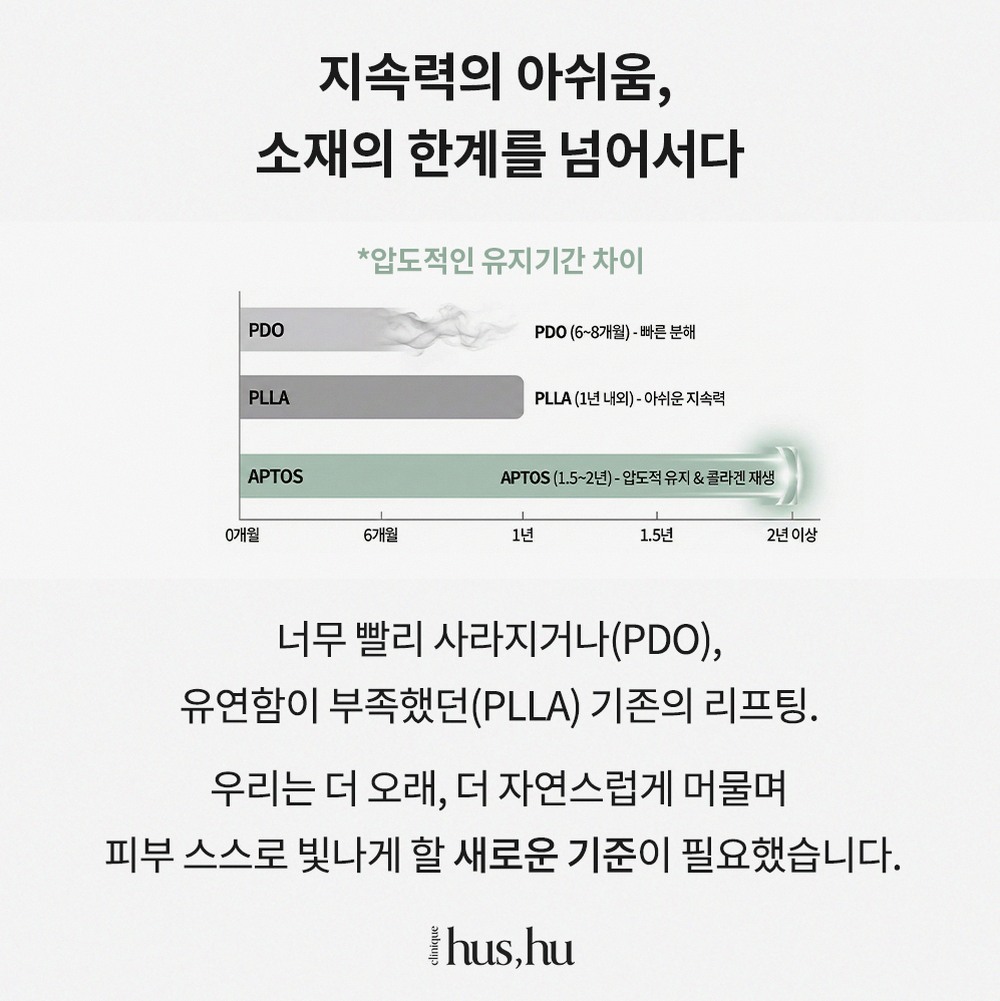
Over the first 1 to 4 weeks, swelling decreases, minor dimpling or irregularities usually smooth out, and the threads settle into the tissue. Most clinics consider 1 to 2 months as the point when you can fairly judge the early result. By this time, your expression tends to look more natural, and the lifted contour blends better with the rest of your face.
Collagen remodeling phase
This collagen acts like an internal support structure. Even as the thread material gradually dissolves, the collagen network can help keep the tissues in a better position than before the procedure.
Typical duration range
The duration can vary by:
• Thread type and length, such as Namica19, LL25, LL50
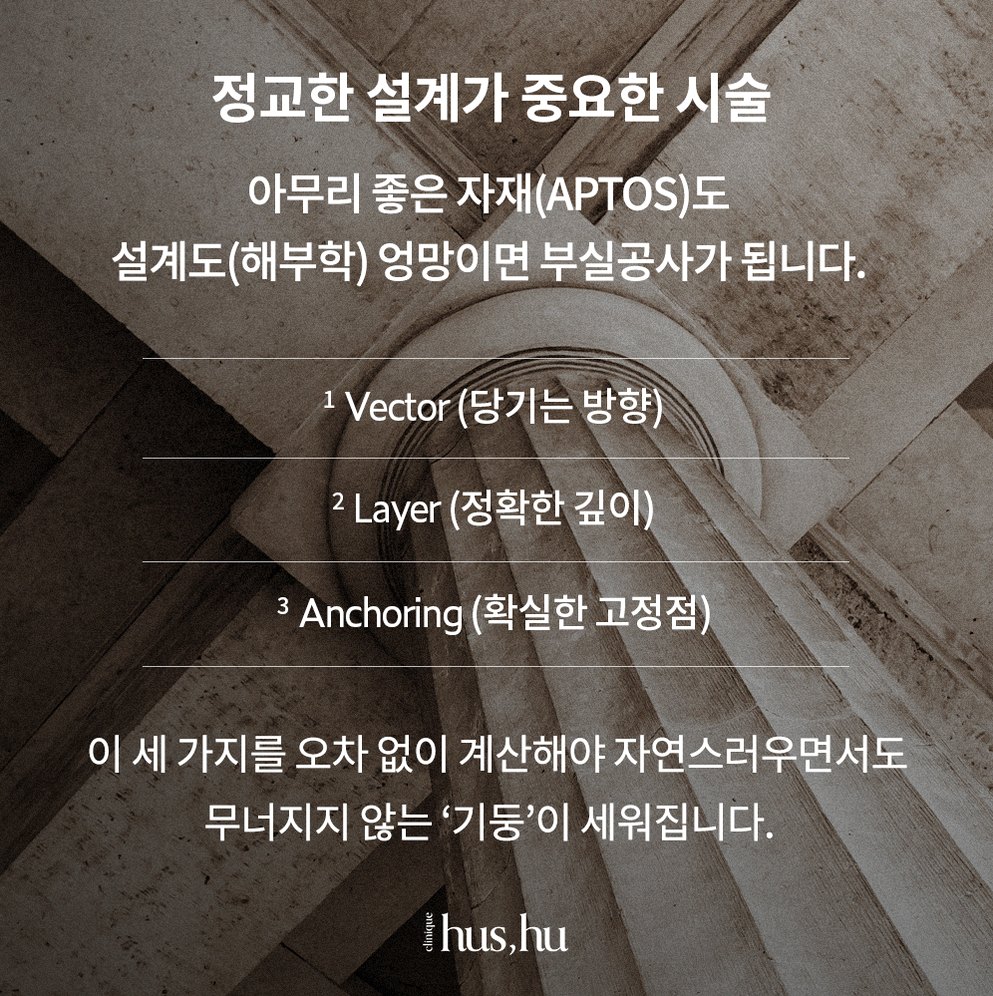
• Insertion depth and anchoring technique
• Your skin thickness and elasticity
• Degree of sagging at the start
• Age, lifestyle, and overall health
It is important to understand that the threads themselves are usually absorbed earlier than the visible lifting effect. The reason you still see improvement after the threads dissolve is that the collagen they stimulated continues to support the tissue. Over time, as natural aging, gravity, and lifestyle factors continue, the lift gradually softens.
Factors That Affect How Long Aptos Lifting Lasts
Type and number of threads
Different Aptos thread designs have different lifting power and longevity. Some are optimized for strong vector lifting, while others combine lifting and mild volumizing. Longer threads like LL25 or LL50 can cover wider areas and create more stable support when used appropriately.
Using more threads or designing multiple crossing vectors can help stabilize the result and potentially extend its duration. However, there is a balance. Too many or too aggressively placed threads can affect natural facial movement or increase the risk of side effects. A careful plan that uses the right number and type of threads for each facial zone is more important than simply using a large quantity.
Skin quality and degree of sagging
Younger patients with mild laxity and good elasticity often maintain their Aptos results longer. Their skin can adapt better to the new lifted position and respond more strongly with collagen production.
In cases of more advanced sagging or very thin skin, the initial lift can be quite noticeable, but the tissues may relax more quickly. In these situations, doctors may recommend a combination of threads with other treatments, or a staged plan over several years, rather than expecting a single session to hold for a long time.
Age, lifestyle, and habits
Natural collagen decline with age is a major factor. In your 40s and 50s, your skin does not produce collagen as easily as in your 20s or early 30s, so the supporting effect of the new collagen may not last as long.
Lifestyle habits also matter. Smoking, frequent heavy drinking, chronic lack of sleep, and strong sun exposure can accelerate collagen breakdown and shorten the effective duration of the lift. Large weight changes, especially repeated weight loss and gain, can stretch and relax the tissues again, reducing how long the contour stays sharp.
Technique and planning
Aptos lifting is not just about placing threads; it is about designing a structural support system for your face. Proper vector design, correct depth of insertion, and stable anchoring points are crucial.
Clinics in Cheongdam that focus on anti-aging often plan thread lifting within the context of your entire facial structure. Instead of simply pulling one area, they consider how the midface, jawline, and neck interact. This helps avoid an over-pulled or unnatural look and can reduce the chance of early relapse, where one area quickly sags again because the deeper structures were not properly supported.
How to Maintain Aptos Thread Lift Results Longer
Pre-procedure assessment
A detailed assessment before deciding on Aptos is one of the best ways to protect your investment and your safety. A careful doctor will look at:
• Skin thickness and elasticity
• Fat volume and distribution in the midface and jawline
• Ligament laxity and the direction of sagging
• Facial asymmetry and expression patterns
In some situations, they may suggest preparing the skin first with regenerative or tightening treatments before placing threads.
Combination with energy-based devices
Combining Aptos threads with energy-based devices can help maintain or enhance your lift. Common examples include:
• Monopolar radiofrequency devices similar to Thermage-type systems, which heat deeper layers to tighten collagen
• High-intensity focused ultrasound devices similar to Ultherapy-type systems, which target the SMAS and deeper tissues
• Facial muscle stimulation or tightening devices that improve tone and support
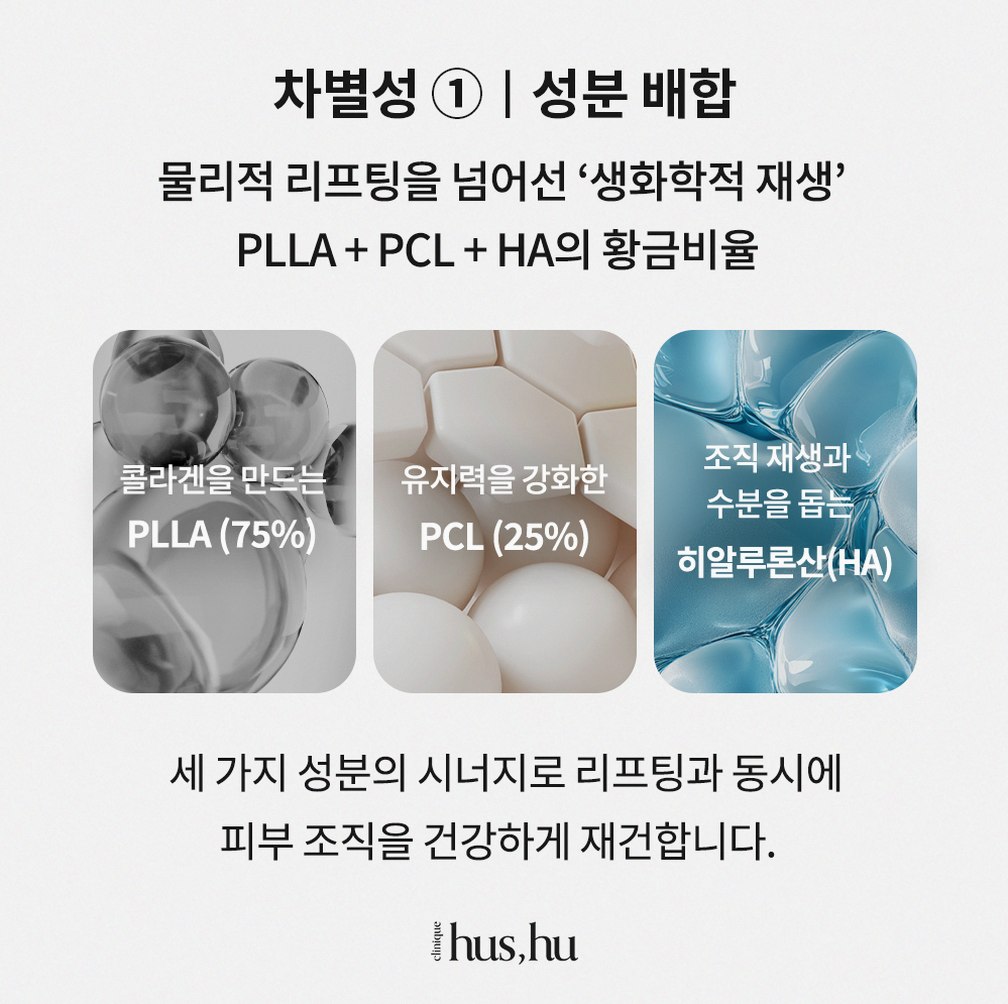
These treatments can improve skin firmness and quality, supporting the lifted structure created by the threads. However, timing and intensity must be planned carefully. Strong energy treatments are usually done either before thread insertion or after sufficient healing time, to avoid damaging the threads or causing irregularities.
Cell-level anti-aging support
Some Cheongdam clinics emphasize a cell-level anti-aging approach with options such as autologous exosome injections, stem cell–based treatments, and an in-house cell research lab. Clinics describe these approaches as potentially supporting signals involved in collagen production and skin quality, but individual responses and results vary.
While no treatment can stop aging, supporting the skin at the cellular level can make a meaningful difference in how long your results feel satisfying.
Daily care and lifestyle
Your everyday habits after the procedure also influence how long the lift lasts.

In the first weeks after Aptos lifting, you are usually advised to:
Avoid strong facial massages or beauty treatments that involve deep rubbing
Avoid sleeping face-down or on one side with heavy pressure on the face
Avoid exaggerated chewing or biting on one side, and be gentle with wide mouth opening
Over the long term, good habits help preserve your collagen and skin quality:
Use daily sun protection and avoid intense UV exposure
Stop smoking and keep alcohol intake moderate
Maintain a stable, healthy weight
Use medical-grade skincare or receive periodic clinic-based treatments such as gentle peels, laser toning, or hydrating facials to keep the skin in good condition
Aptos vs Other Thread Lifts and Device Lifting
Aptos vs generic threads
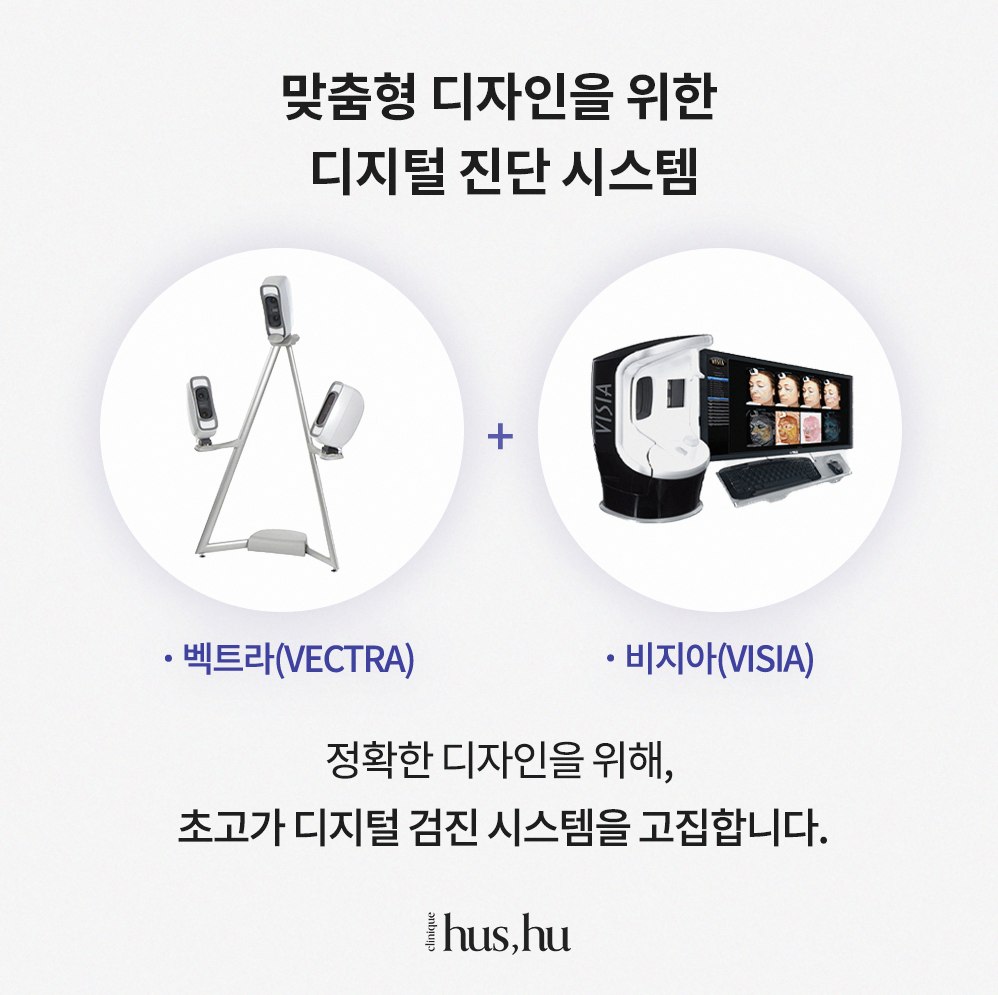
Aptos is a branded system with specific thread designs and protocols developed over many years. Compared with generic threads, Aptos threads may offer more predictable vector design, tissue support, and a structured approach to different facial zones.
However, duration is not determined by brand alone. Correct indication, planning, and technique are just as important. A well-planned Aptos lift by an experienced doctor, using the right combination of Namica19, LL25, LL50 or other models, is more likely to give a stable and natural result than a procedure focused only on placing many threads without a long-term plan.
Aptos vs Ultherapy and Thermage type treatments
Ultrasound lifting devices similar to Ultherapy and radiofrequency devices similar to Thermage mainly work by heating the deeper layers of the skin and SMAS to trigger collagen remodeling. Results appear gradually over several months and are usually subtle but natural, with an average duration of about 1 to 2 years.
Aptos threads, in contrast, provide an immediate mechanical lift. This can be more suitable if you have visible sagging along the jawline, midface, or neck and want to see a clearer contour change.
Many patients benefit from a combination approach. Devices can improve overall tightening and skin texture, while Aptos threads handle structural repositioning of sagging tissues. In Cheongdam, it is common to design a personalized plan that sequences devices and threads to support each other rather than choosing only one method.
What to Expect Before and After an Aptos Thread Lift
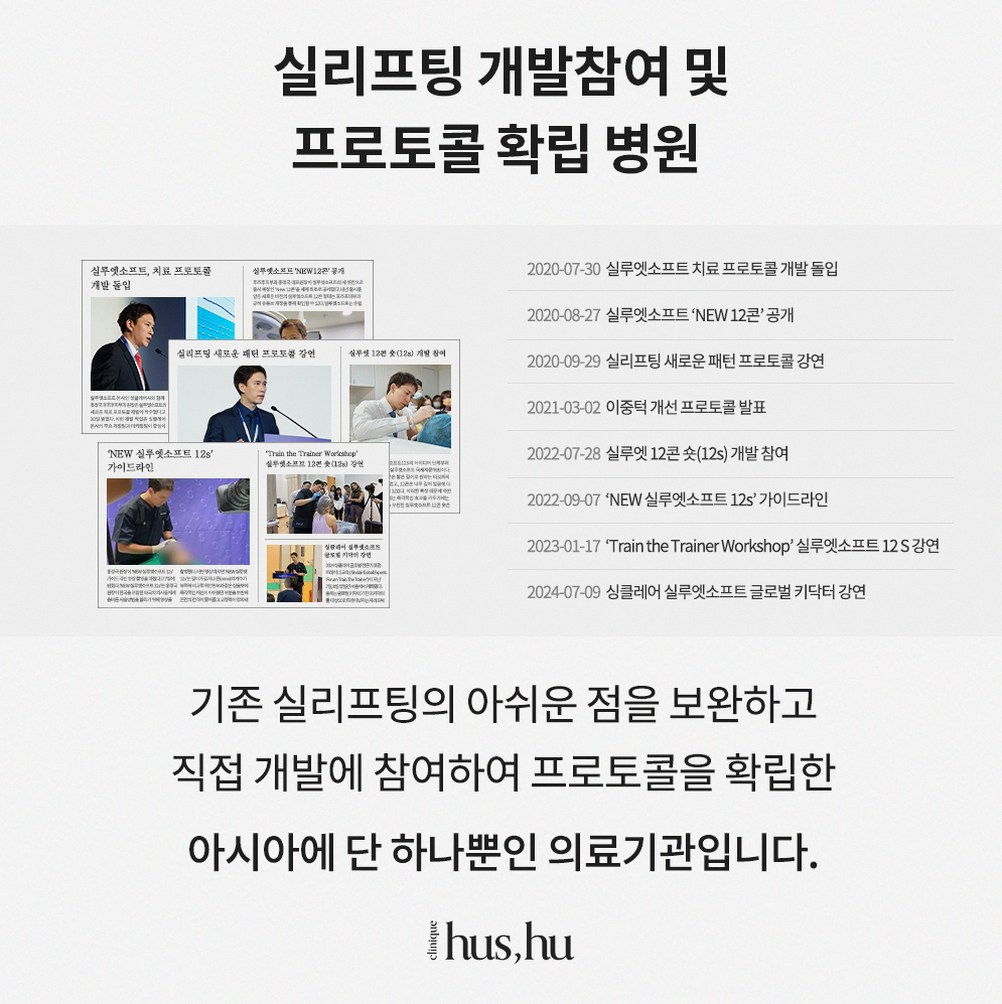
Consultation and planning
During your consultation, the medical team will review your medical history, including any chronic diseases, allergies, and medications such as blood thinners or supplements that increase bleeding. They will ask about your goals and explain what Aptos can realistically achieve for your age and skin condition.
You should also be informed about possible side effects, which can include bruising, swelling, temporary dimpling or irregularities, mild asymmetry, and discomfort when moving the face. Rare complications such as infection, thread exposure, or prolonged pain should also be discussed so you can make an informed decision.
Procedure day
On the day of the procedure, local anesthesia is typically used to keep you comfortable. Procedure length varies with treatment complexity; your clinic will provide an estimated time during consultation.
You may feel pressure, pulling, or mild discomfort during thread insertion, but sharp pain should be minimized by the anesthesia. After the procedure, cold compresses and head elevation are usually recommended to reduce swelling. You will be advised to avoid strong facial movements, wide yawning, or heavy exercise for several days.
Recovery timeline
The recovery from Aptos lifting is relatively quick compared to surgery, but some downtime should still be expected.
1 to 3 days: This is when swelling and tenderness are most noticeable. Some patients also experience mild bruising.
1 to 2 weeks: Bruising and dimpling usually improve significantly. Many people feel comfortable returning to most social activities, though minor asymmetry or tightness may still be present.
1 to 2 months: The final contour and natural expression become clearer. This is the best time to evaluate the early result and discuss any additional treatments or maintenance plans.
Who Is a Good Candidate for Aptos Lifting?
Aptos thread lifting can be considered if you have:
Mild to moderate sagging in the midface, jawline, or neck
Visible loss of definition along the jaw or early jowls
A desire for noticeable lifting but you are not ready for a surgical facelift
Good candidates understand that Aptos offers long-lasting but not permanent results. Aging continues, and maintenance or combination treatments may be needed over the years.
Aptos lifting may not be recommended if you have uncontrolled systemic disease, active skin infection in the treatment area, a severe bleeding tendency, or unrealistic expectations about the outcome. A thorough consultation is essential to determine whether Aptos is appropriate and safe for you.
Preparing for an Aptos Thread Lift Trip to Korea
For overseas patients, planning ahead can make your visit smoother and more efficient.
Online consultation and pre-visit preparation
Before you travel, it is helpful to arrange an online consultation. Many Cheongdam clinics offer video or photo-based assessments. You may be asked to send clear photos of your face from the front, 45-degree angle, and side, under good lighting.
During the online consultation, you can discuss:
Your main concerns and areas you want to improve
Previous treatments such as Botox, fillers, or device lifting
Your medical history and current medications
Your travel schedule and how many days you can stay in Seoul
Based on this information, the clinic can suggest whether Aptos Namica lifting is suitable, which areas to focus on, and whether combination treatments such as energy devices or regenerative injections are recommended.
Expected Korea visit timeline
Day 1: In-person consultation, detailed facial analysis, and final treatment planning. Some patients may receive pre-treatments or skin preparation on this day.
Day 2: Aptos thread lift procedure. You will usually be able to return to your accommodation the same day.
Days 3 to 4: Follow-up check, suture or entry-point care if needed, and review of aftercare instructions. Swelling and mild bruising are common during this period, so it is better to avoid important social events.
Days 5 to 7: Most patients feel more comfortable going out, shopping, or sightseeing with light makeup. A final check-up before you fly home can be scheduled, especially if you are combining threads with other treatments.
Aftercare and follow-up from overseas
After you return home, you can stay in touch with the clinic through messaging or video calls. Sending periodic photos helps the medical team monitor your healing and advise on skincare, additional treatments in your home country, or the best timing for future visits.
Soft Call to Action
If you are considering an Aptos thread lift in Seoul and want to understand how long your results might last in your specific case, an online consultation is a practical first step. By sharing your photos and concerns, you can receive a personalized plan that considers thread type, combination treatments, and your travel schedule.
A clinic in Cheongdam near Apgujeong Rodeo Station with a broad anti-aging lineup, including energy devices and cell-level regenerative options, can help you design a long-term strategy rather than a one-time procedure. This way, Aptos lifting becomes one tool within a wider plan to support younger-looking, biologically healthier skin over time.
Frequently Asked Questions
How long does an Aptos thread lift usually last, and when might I need a touch-up?
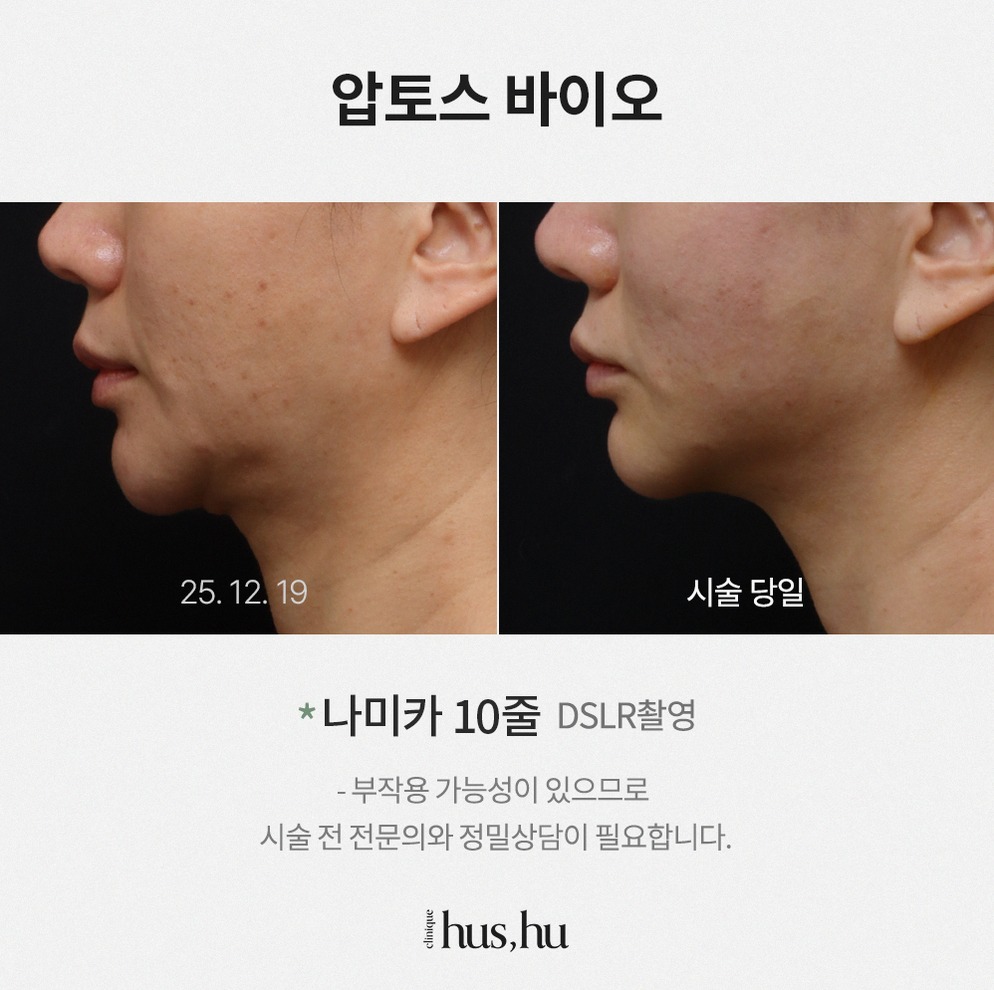
Most patients experience a clear lifting effect for about 1 to 2 years, with some support lasting up to around 3 years. A touch-up or additional threads may be considered when you feel that the contour has softened and sagging is gradually returning. For many people, this is somewhere between 18 and 30 months after the first procedure, but it varies by age, skin quality, and lifestyle.
Does the lifting effect disappear as soon as the threads dissolve?
No. The threads are gradually absorbed, but during that time they stimulate collagen production along their path. This new collagen acts like an internal scaffold that continues to support the tissue even after the thread material is gone. Over time, natural aging and gravity will still affect the face, so the lift slowly softens rather than disappearing overnight when the threads dissolve.
Is Aptos lifting permanent, or will my face go back to how it was before?
Aptos lifting is not permanent. Your face will continue to age, and tissues will gradually relax again. However, the collagen stimulation and structural repositioning can mean that even when the main lift has faded, your face may still look better than if you had never done the procedure. Many patients choose periodic maintenance or combination treatments to slow the visible return of sagging.
Can I combine Aptos threads with Ultherapy or Thermage-type treatments, and in what order?
Yes, combination treatments are common. In many cases, high-energy devices such as Ultherapy-type ultrasound or Thermage-type radiofrequency are performed first to tighten deeper layers, followed by Aptos threads to reposition sagging tissue. If devices are done after threads, doctors usually wait until the threads are well integrated and healing is stable, to avoid affecting the threads. The exact sequence and timing should be planned individually with your doctor.
How many times in my life can I repeat Aptos thread lifting?
There is no fixed limit on how many times you can receive Aptos lifting, as long as your skin condition, health status, and previous treatments are carefully evaluated each time. However, it is important not to over-treat. Repeated procedures should be spaced appropriately, and the overall structure of your face, scar tissue, and skin thickness should be considered. A long-term anti-aging plan that includes devices and regenerative treatments can sometimes reduce the need for frequent thread lifts.
What can I do at home to help my Aptos lift last longer?
At home, focus on protecting your collagen and avoiding mechanical stress on the threads. In the first few weeks, avoid strong facial massages, sleeping face-down, or heavy chewing on one side. Long-term, use daily sunscreen, avoid smoking, keep alcohol moderate, and maintain a stable weight. A consistent skincare routine with ingredients that support collagen and hydration, plus periodic professional treatments, can also help maintain the quality of your skin.
Is Aptos lifting suitable for the neck or only for the face?
Aptos threads can be used for both the face and neck, depending on the specific thread type and your anatomy. The neck often benefits from a combination of vertical and horizontal vectors to support loose skin and early banding. Because the neck skin is thinner and more delicate, careful planning and realistic expectations are important. Your doctor will assess whether threads, devices, or a combination would be most appropriate for your neck.
Are there people for whom Aptos lifting is not recommended?
Aptos lifting may not be suitable if you have uncontrolled chronic disease, active skin infection in the treatment area, severe bleeding or clotting disorders, or certain autoimmune conditions that affect healing. It is also not recommended for people who expect a surgical facelift level of change from a minimally invasive procedure. A thorough consultation, including medical history and physical examination, is necessary to determine if Aptos is a good and safe option for you.
Medical information notice
The information in this article is for general educational purposes and is not a substitute for a personal consultation, diagnosis, or treatment plan from a qualified medical professional. Individual results and experiences with Aptos thread lifting can vary widely. Always discuss your specific situation, expectations, and concerns directly with your doctor before deciding on any procedure.
- 공유 링크 만들기
- X
- 이메일
- 기타 앱

댓글
댓글 쓰기