Cheongdam Dermatology Clinic Filler Guide: Natural Volume with Medical-Level Planning
- 공유 링크 만들기
- X
- 이메일
- 기타 앱
Cheongdam filler treatments for international patients
If you are searching for a Cheongdam dermatology clinic for filler, you are probably wondering which products are used, how natural the results can look, and how safe the procedures are for an overseas visitor. In the Cheongdam and Gangnam area of Seoul, some dermatology clinics focus on fillers not as quick volume shots, but as part of a wider anti-aging and regenerative plan.
This guide explains how dermal fillers such as Ellanse, Lafulene, Restylane, the Juvederm range, and Juvelook are used in a Cheongdam dermatology setting near Apgujeong Rodeo Station. It is written for international patients planning a medical trip to Korea and looking for structured, medically guided care.
You will find an overview of the main filler options, who may consider them, how to prepare from overseas, what a typical visit timeline looks like, and how aftercare is handled. You will also see how fillers can be combined with lifting devices and regenerative injections for more balanced, long-term anti-aging.

What dermal fillers can do in a Cheongdam dermatology clinic
Dermal fillers are injectable gels used to restore lost volume, refine contours, and soften lines. In Cheongdam, many patients seek subtle, age-appropriate changes rather than dramatic transformations, so planning and product choice are important.
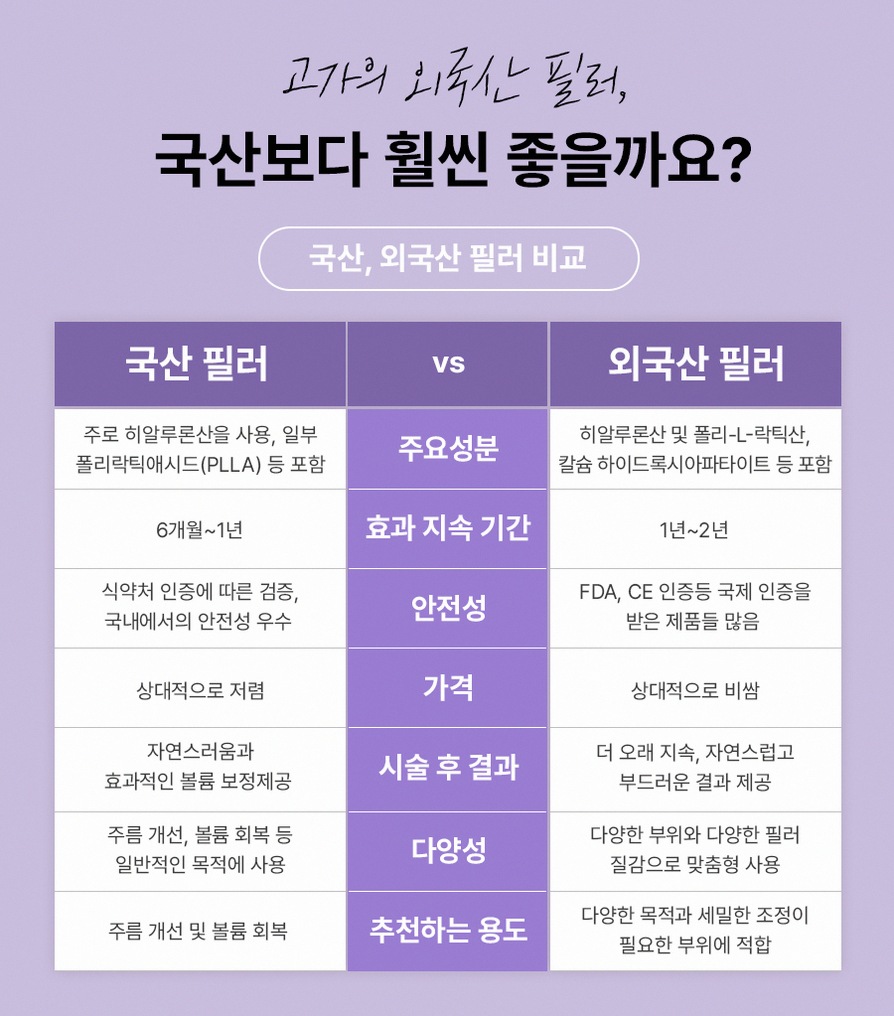
Most of the fillers used in this setting fall into two broad categories. Hyaluronic acid fillers, such as Restylane and the Juvederm range, are gel-like substances that attract water and provide immediate volume and structure. Biostimulatory or collagen-stimulating fillers, such as Ellanse and some hybrid products like Juvelook, work by triggering your own collagen production over time, so results can evolve gradually.
Common treatment areas include midface and cheeks to correct volume loss, nasolabial folds and marionette lines around the mouth, jawline and chin for sharper definition, temples and under-eye support where appropriate, and fine wrinkles with skinbooster-type fillers that focus more on skin quality than bulk volume.
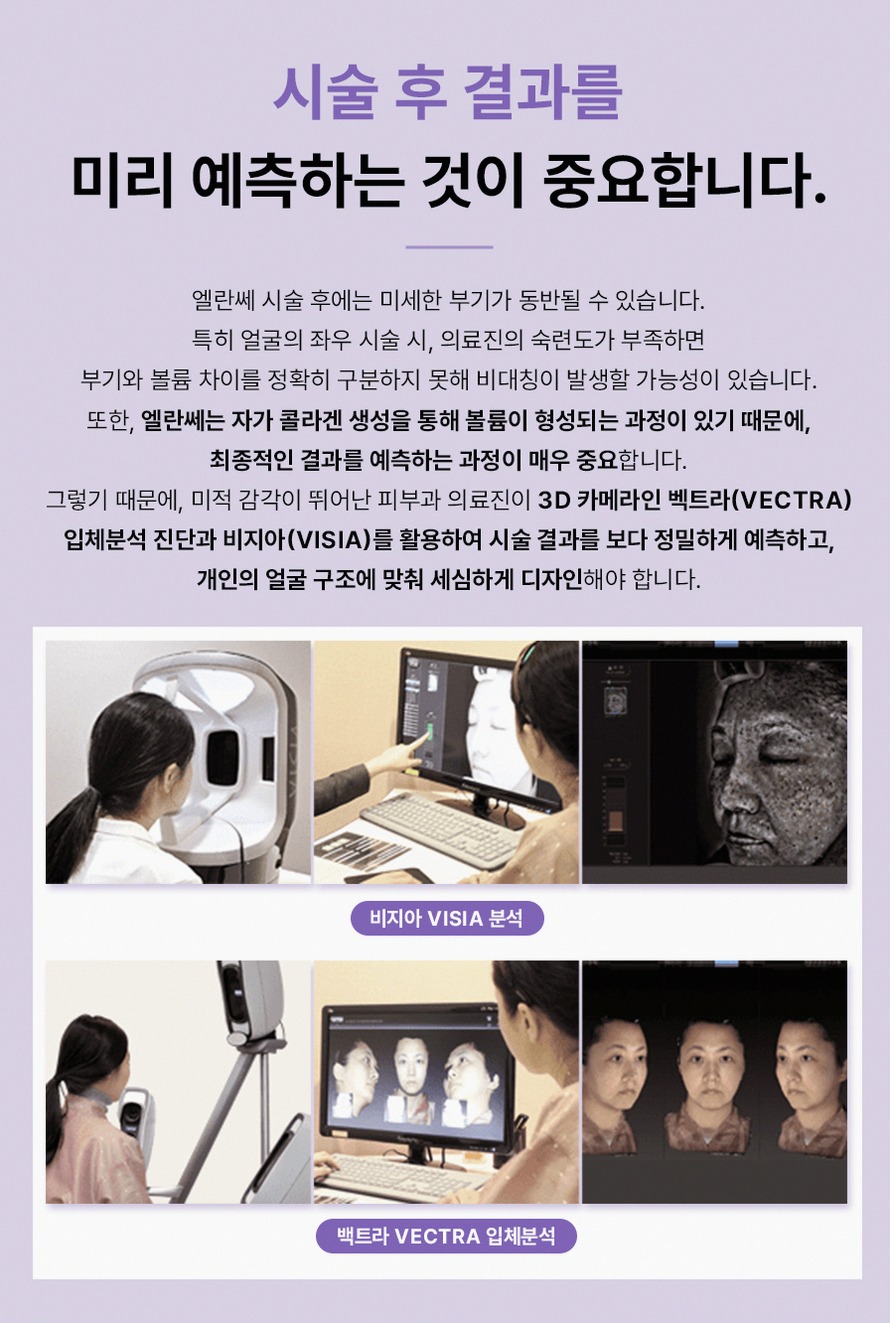
In a Cheongdam dermatology clinic, a filler session usually starts with a detailed consultation. The medical team reviews your concerns, evaluates your facial structure, and assesses skin quality. Tools such as 3D imaging and photographic analysis may be used to visualize volume loss and asymmetry. Based on this, the doctor recommends specific filler types, injection depths, and approximate volumes, often with a conservative, staged approach.

Types of fillers used in Cheongdam
Ellanse
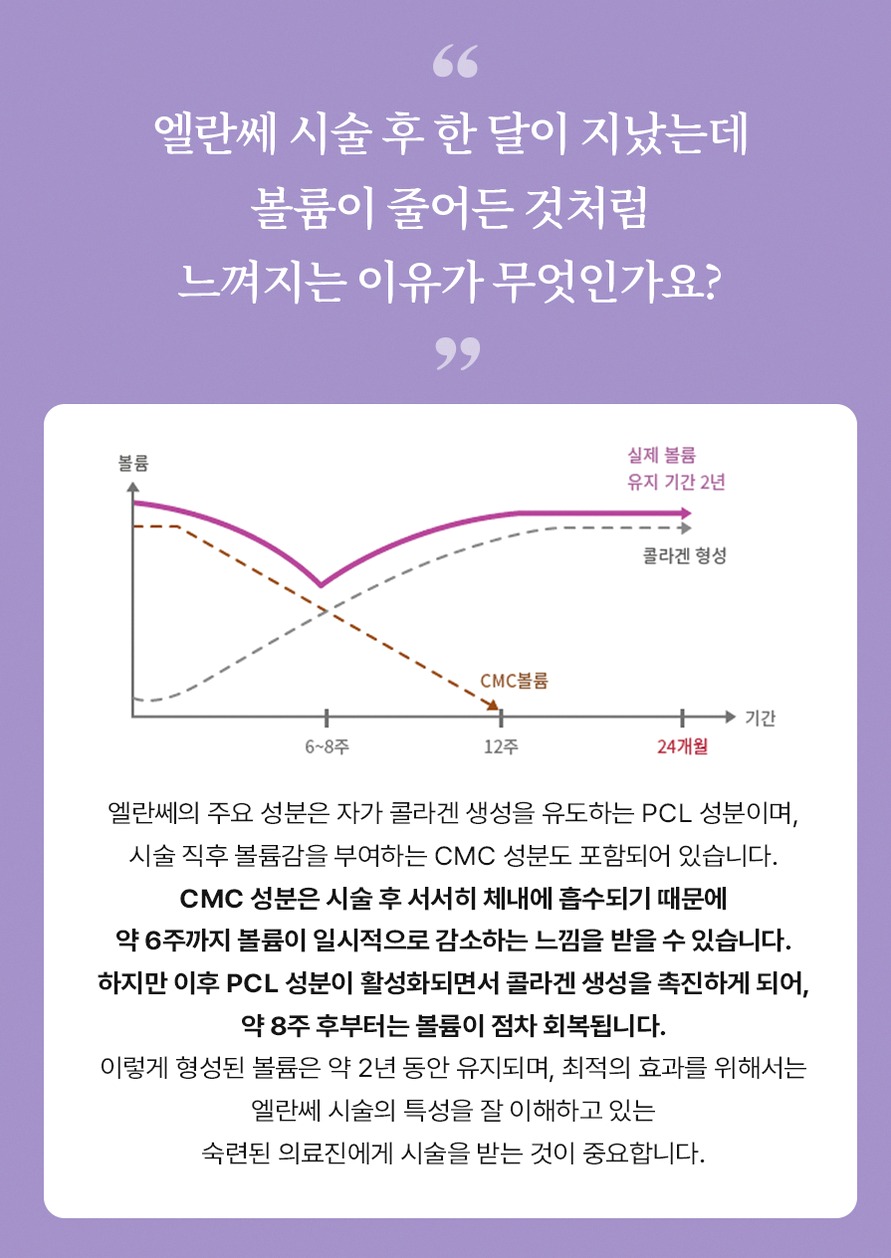
Ellanse is a biostimulatory filler designed to provide both immediate volume and longer-term collagen stimulation. It contains microspheres that encourage your own collagen to form around them over time. In a Cheongdam dermatology clinic, Ellanse is often used for structural areas such as the midface, cheeks, and sometimes temples or jawline, where stable support and contour are important.
Because Ellanse works through collagen induction, results can feel more like your own tissue as they mature. Planning is crucial, as it is not a simple hyaluronic acid gel that can be dissolved. Clinics that use Ellanse typically have doctors with specific training and experience in injection depth, anatomical safety zones, and long-term follow-up.
Lafulene
Lafulene is a volumizing filler frequently used in multi-layer contouring protocols. It can be placed at different depths to shape cheeks, jawline, and other structural areas. In a Cheongdam setting, Lafulene may be combined with other fillers in a layered technique, for example using a firmer product deep for structure and a softer product more superficially for smoothness.
Restylane
Restylane is a well-known hyaluronic acid filler line with different formulations for various indications. In a Cheongdam dermatology clinic, it may be used for fine lines, lip definition, tear trough support in selected cases, and structural support in smaller volumes.
Many hyaluronic acid (HA) fillers can be managed with medical interventions in certain circumstances, while some biostimulatory fillers are not directly reversible. Discuss reversibility, risks, and management options with your doctor during your consultation.

Juvederm range: Volux, Volite, Voluma, Volift, Volbella
The Juvederm family includes several products with different consistencies and indications.
Volux is often chosen for jawline and chin definition because of its firmness and ability to hold shape.
Voluma is typically used for midface and cheek volume, helping lift and restore a youthful contour.
Volift can be used for nasolabial folds and mid-depth lines, offering a balance between structure and softness.

Volbella is a softer gel suited to delicate areas such as lips and fine perioral lines.
Volite is more of a skin quality booster, placed very superficially to improve hydration and fine texture rather than creating visible bulk.
Juvelook
Juvelook is a hybrid filler that combines filling effects with collagen stimulation, making it suitable for fine wrinkles and texture improvement. It can bridge the gap between classic fillers and skinboosters, especially in areas with thin skin or early signs of aging.
In Cheongdam, Juvelook may be used for fine lines under the eyes, around the mouth, or in other areas where patients want smoother, more refined skin without obvious volume.

Cheongdam-style filler planning and aesthetics
A key feature of filler practice in Cheongdam is respect for individual facial proportions and ethnic aesthetics. Rather than chasing trends, the aim is to harmonize the face from multiple angles: front, three-quarter, and profile.
During planning, doctors often use 3D imaging systems such as Vectra and detailed photography to analyze volume loss, asymmetry, and how shadows fall on the face. This helps in deciding where even small amounts of filler can create a lifting or refreshing effect.
Layered injection techniques are common. For example, a deeper, firmer filler may be placed close to bone to restore structure, while a softer filler is used more superficially to smooth transitions and avoid sharp edges. Staged sessions are also used: instead of injecting a large volume in one day, the clinic may suggest two or more visits spaced weeks apart to gradually build volume and assess how tissues respond.
This approach reduces the risk of an overfilled look and helps maintain natural facial movement. It also allows the doctor to adjust the plan as they see how your face looks in daily life, not just immediately after treatment.
Combining fillers with lifting and energy-based devices
Volume alone cannot correct all signs of aging. Sagging, skin laxity, and changes in skin texture often require other tools. In Cheongdam, dermatology clinics commonly own a wide range of lifting and skin devices, such as Thermage FLX, Ulthera Prime, Emface, monopolar needle RF, and various fractional, vascular, and pigment lasers.

By addressing skin tightening and collagen stimulation with devices, the clinic can often use fillers more conservatively. For example, instead of overfilling the lower face to hide jowls, a doctor might combine modest midface filler with ultrasound lifting or monopolar RF along the jawline. This can sharpen contours without adding unnecessary bulk.
Typical combination protocols may include midface and cheek filler with Thermage FLX or Ulthera Prime for lifting, jawline contouring with Volux plus Emface or monopolar RF, and fine line or texture improvement with Juvelook or Volite alongside fractional laser and exosome injections.
This integrated strategy aims to improve both structure and skin quality, supporting more natural and longer-lasting rejuvenation.
Cell-level and regenerative focus
Some Cheongdam dermatology clinics operate in-house cell research labs and offer autologous exosome injections and stem-cell based treatments using non-cultured, autologous principles. In these settings, fillers are seen as one pillar of anti-aging, not the entire solution.
Regenerative injections may be used around filler-treated areas to support tissue quality, improve elasticity, and enhance the overall look of the skin. For example, after restoring cheek volume with a structural filler, exosome or stem-cell based injections might be used to improve fine texture, pores, and radiance.
This cell-level approach can be particularly appealing to international patients who want to invest in long-term skin health rather than only chasing immediate volume.
Who may consider filler treatment in Cheongdam
Patients in their early 30s often seek filler for early volume prevention and subtle contouring. Small amounts in the midface or temples can slow the appearance of tiredness without obvious changes. In the 40s and 50s, structural support becomes more important, with a focus on cheeks, jawline, and areas around the mouth to soften folds and restore balance.
Good candidates are generally healthy adults with realistic expectations, who understand that results vary and that aging continues. Filler is particularly useful when the main issues are volume loss, contour changes, and certain lines that deepen with expression.
Situations where other treatments may be better include significant skin laxity where lifting devices or threads may be prioritized, very thin or damaged skin where regenerative therapies take the lead, and cases with active infection, uncontrolled systemic disease, or pregnancy and breastfeeding, where filler is usually postponed.

Online consultation and pre-visit preparation for overseas patients
If you are planning to travel to Seoul for filler treatment, an online consultation is an efficient first step. Most Cheongdam clinics that see international patients offer email, messaging app, or video consultations.
Before your online consultation, it helps to prepare the following.
Clear photos of your face from the front, both sides, and 45-degree angles, in natural lighting without heavy makeup.
A short description of your main concerns, such as tired-looking eyes, deep lines around the mouth, or loss of jawline definition.
Your medical history, including medications, allergies, previous filler or other procedures, and any history of keloids or abnormal scarring.
Your travel schedule, including arrival and departure dates, so the clinic can plan treatment and follow-up within your stay.
During the online consultation, the doctor can suggest a preliminary plan: which areas to treat, which filler types are likely to be used, whether combination treatments such as lifting or regenerative injections are recommended, and how many visits you may need.
It is helpful to prepare questions in advance, for example.
How many sessions are recommended for my case, and over what time frame?
Which filler brands and specific products are likely to be used, and why?
What are the main risks for the areas I want to treat, and how are complications handled?
How much downtime should I expect, and will I be able to fly soon after treatment?
Expected Korea visit timeline for filler treatment
Every case is different, but a typical schedule for an overseas patient might look like this.
Day 1: Arrival and in-person consultation. The doctor confirms the plan based on direct examination and any imaging. Some clinics may offer same-day treatment after an in-person assessment; confirm availability and scheduling with your chosen clinic during the consultation.
Day 2 to 3: Early check of swelling and symmetry if needed. Some patients combine this with device-based treatments such as Thermage or Ulthera, depending on the plan.

Day 4 to 7: Most swelling and minor bruising improve during this period. If your schedule allows, a brief follow-up visit before departure can be used to review results, take after photos, and plan any future touch-ups.
If you are staying longer or planning staged treatments, the clinic may schedule a second filler session a few weeks later, but many international patients prefer to start with a single, carefully planned session and then review at home via online follow-up.
Aftercare and recovery
These usually improve within a few days to a week. The clinic may provide topical creams, cold packs, or simple medication guidance to manage discomfort.
General aftercare advice often includes.
Avoid strong pressure or massage on the treated areas unless your doctor specifically instructs otherwise.

Avoid intense exercise, saunas, and heavy alcohol in the first couple of days after treatment unless your doctor advises otherwise, as recommendations may vary by clinic and individual.
Sleep with your head slightly elevated the first night if significant swelling is expected.
Monitor for unusual symptoms such as severe pain, skin color changes, or visual disturbances, and contact the clinic immediately if they occur.
For hyaluronic acid fillers, minor asymmetries or small lumps can sometimes be adjusted with gentle massage or, if needed, with hyaluronidase. For biostimulatory fillers such as Ellanse, early communication with the clinic is especially important if anything feels unusual, so they can guide you promptly.

Safety and complication management
In a dermatology-led clinic, filler procedures are performed by doctors with extensive training in facial anatomy and anti-aging. One of the lead doctors may have international publications and conference lectures in dermatologic surgery and act as an advisor for volumizing products such as Ellanse. This background supports careful product selection, injection technique, and complication management.
The clinic prepares for rare but serious complications such as vascular events by having protocols and emergency medications on hand. Detailed pre-treatment assessment and conservative dosing further reduce risks.
Because you will be traveling, it is useful to ask how the clinic handles follow-up once you return home. Many offer online check-ins via photos or video calls and can advise you or your local doctor if any concerns arise later.
Frequently asked questions
How long do filler results usually last with products like Ellanse or Juvederm?
Longevity depends on the product, area treated, and your individual metabolism. Durability varies by product and treatment area—some fillers perform differently in mobile areas versus structural areas, and biostimulatory products may provide longer-lasting changes by stimulating collagen. Your doctor will explain typical ranges for the products they recommend and discuss appropriate maintenance planning.
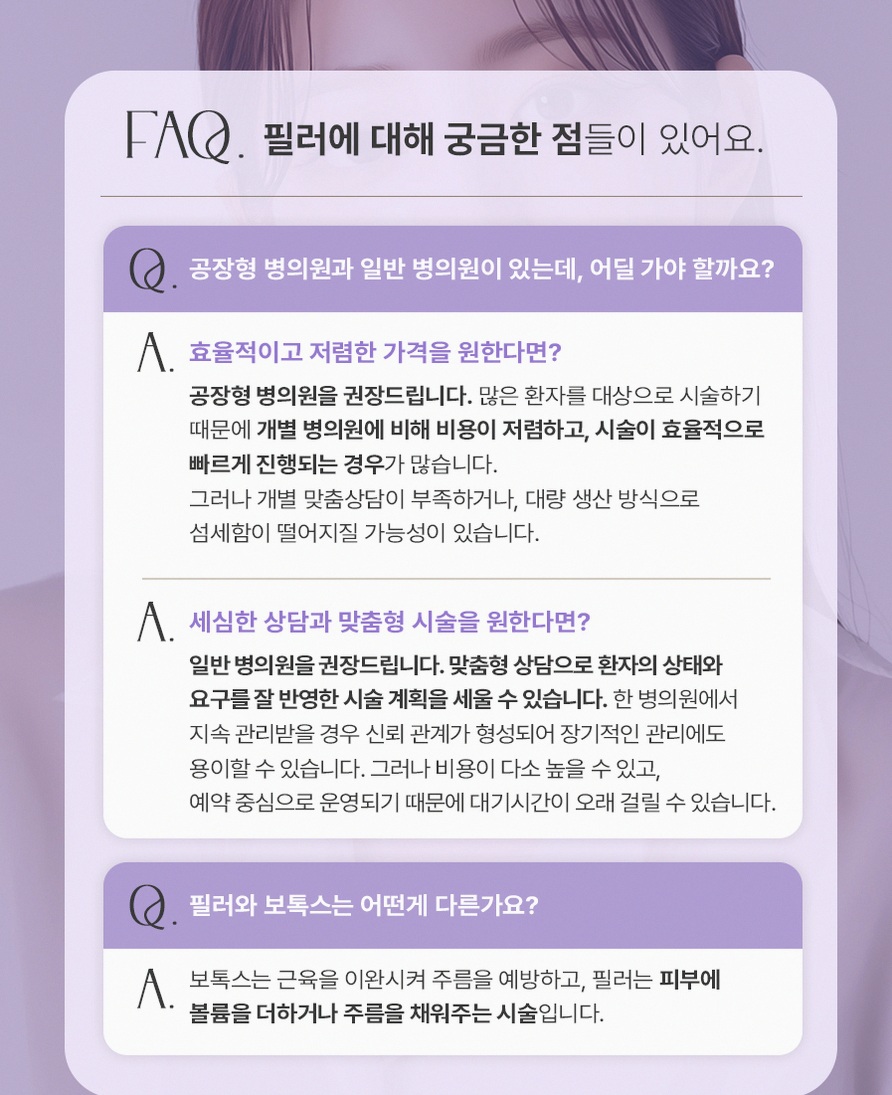
Is there a difference between getting fillers at a dermatology clinic and a general aesthetic shop in Gangnam?
A dermatology clinic offers medical-level assessment, with doctors trained in facial anatomy, skin disease, and complication management. They can integrate fillers with other medical devices and regenerative treatments, and they are equipped to handle rare but serious side effects. General aesthetic shops may focus more on quick cosmetic procedures and may not have the same diagnostic tools, imaging systems, or medical infrastructure. For overseas patients, the ability to receive structured care and follow-up from a medical team is an important consideration.
Can fillers be reversed if I do not like the result?
Hyaluronic acid fillers, such as Restylane and most Juvederm products, can usually be dissolved with an enzyme called hyaluronidase. This allows partial or complete adjustment if there is overcorrection, asymmetry, or an unwanted look. Biostimulatory fillers like Ellanse cannot be simply dissolved in the same way, which is why conservative planning and experienced injectors are essential. During consultation, you can discuss which products are reversible and how the clinic approaches corrections.
How much filler is usually needed for cheeks or jawline contouring?
The amount required varies widely based on your starting anatomy, age, and goals. Your doctor will determine the appropriate volume and treatment plan during assessment to achieve natural, proportional results. Many practitioners favor a staged approach—starting conservatively and adding more later if needed—but your clinician will advise the best schedule for you.
What is the difference between a skinbooster and a filler, and which is better for fine wrinkles?

Classic fillers are designed to create visible volume and structure, placed deeper to lift or contour. Skinboosters and certain hybrid products like Volite or Juvelook are injected more superficially in small droplets to improve hydration, texture, and fine lines without obvious bulk. For very fine wrinkles and dull or crepey skin, a skinbooster-type treatment may be more suitable, sometimes combined with small amounts of filler in deeper layers. Your doctor can recommend a mix based on whether your main issue is volume loss or skin quality.
How soon can I combine fillers with lifting treatments such as ultrasound or RF?
In many cases, lifting treatments like Ulthera or Thermage are done either before fillers or on the same day in a planned sequence. If done after fillers, doctors may wait a few weeks to allow the filler to settle. The exact timing depends on the devices used, the areas treated, and the type of filler. During consultation, the clinic will design a schedule that minimizes interference between treatments and supports the best overall result.
What should I avoid before and after a filler procedure to reduce bruising?
Before treatment, your doctor may advise you to avoid blood-thinning supplements and medications such as high-dose fish oil, vitamin E, aspirin, or certain anti-inflammatory drugs, if medically safe to do so. Always confirm with your prescribing doctor before stopping any medication. After treatment, avoiding alcohol, intense exercise, and heat exposure for 24 to 48 hours can help reduce swelling and bruising. Applying a cold compress intermittently in the first hours after injection, as recommended by your clinic, can also be helpful.

Planning your next step
If you are considering filler treatment in Cheongdam near Apgujeong Rodeo Station, an online consultation is a practical way to start. By sharing photos, your concerns, and your travel schedule, you can receive a personalized plan that integrates fillers with lifting devices and regenerative options where appropriate.
A medically oriented dermatology clinic on Seolleung-ro in Cheongdam can guide you through structured diagnosis, conservative dosing, and staged treatments for natural, age-appropriate results. If you would like to explore whether Ellanse, Lafulene, Restylane, the Juvederm range, or Juvelook are suitable for you, you can contact the clinic in advance for an online assessment and travel planning support.
- 공유 링크 만들기
- X
- 이메일
- 기타 앱

댓글
댓글 쓰기