Chin filler in Cheongdam: non‑surgical profile and jawline refinement guide
- 공유 링크 만들기
- X
- 이메일
- 기타 앱
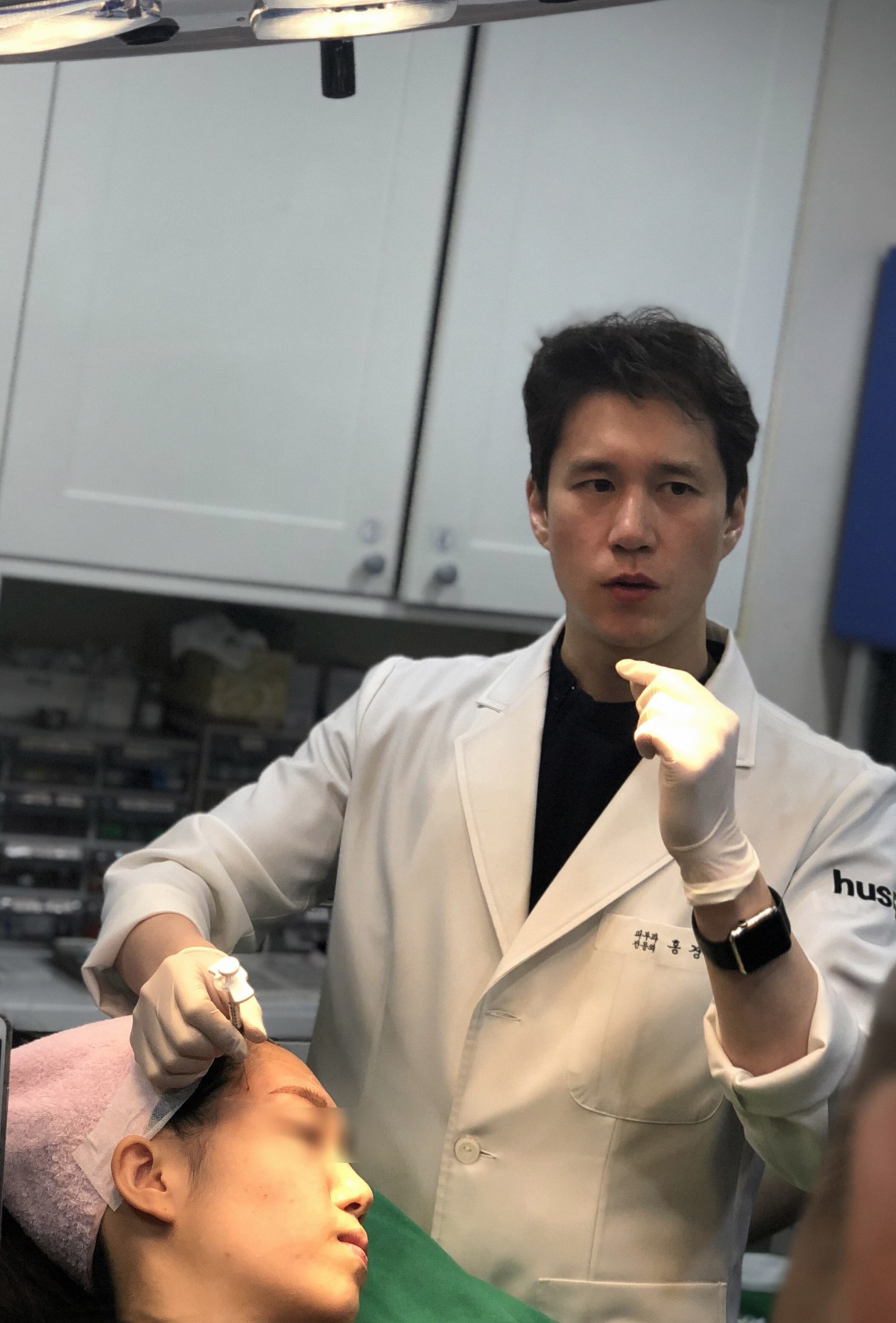
Direct answer: what chin filler can do for you
Chin filler is a non‑surgical treatment that uses injectable dermal fillers to add projection, length, or subtle width to the chin. By adjusting the chin, it can balance your side profile, make the jawline look more defined, and sometimes make the face appear slimmer. Results are immediate, downtime is usually short, and the effect is temporary and adjustable.
This guide explains how chin filler works, who it may suit, what to expect when you travel to Seoul for treatment, and how to prepare and care for your chin before and after the procedure.
Treatment overview: what is chin filler
Chin filler is a contouring procedure that uses hyaluronic acid or collagen‑stimulating fillers to reshape the lower part of the face.
- Add forward projection so the chin does not look recessed from the side
- Increase vertical length if the lower face looks short
- Refine the width or angle of the chin to support a V‑line or straighter jawline
Hyaluronic acid fillers are gel‑like substances that are already present in the body. They can be shaped during treatment and dissolved later if needed. Collagen‑stimulating fillers are designed to trigger your own collagen production and usually last longer, but they are not easily reversible.
By improving chin projection, the whole face can look more balanced. The nose, lips, and jawline often appear more harmonious, and the neck and jaw transition can look cleaner. For some people, a slightly stronger chin can make the lower face appear slimmer and more defined.
Chin filler is different from surgical genioplasty. Surgery changes the bone structure and offers a permanent result, but it requires anesthesia, incisions, and recovery time. Chin filler is done with injections only, has minimal downtime, and can be adjusted over time. However, it is temporary and needs maintenance.
Who may consider chin filler
Chin filler can be an option for many adults who want to improve their profile without surgery. It may be considered if you

Have a receding or short chin that makes the nose or mouth look more prominent from the side
Feel your jawline is blurred and your lower face looks round, and you want a more defined V‑line or straighter jawline
Want to test a new chin shape before deciding on surgical bone procedures
Prefer a gradual, adjustable change rather than a permanent operation
Chin filler can also help soften mild asymmetry and create a smoother transition between the chin and jaw. In some cases, a small amount of filler can visually reduce the appearance of a double chin by projecting the chin forward and improving the contour.
However, chin filler has limitations. It is not suitable as the only solution when there are
- Severe skeletal problems of the jaw
- Significant bite issues or malocclusion
- Very strong facial asymmetry coming from bone structure
In these situations, surgical or orthodontic solutions may be more appropriate, sometimes combined with filler for fine‑tuning. People with active skin infections in the area, uncontrolled systemic disease, or a history of severe filler reactions may also need to avoid or delay treatment. A direct consultation with a qualified doctor is necessary to confirm whether chin filler is safe and suitable for you.

Consultation and planning
Careful planning is essential for natural‑looking chin filler results. At a well‑equipped aesthetic clinic in Cheongdam, Gangnam, near Apgujeong Rodeo Station on the Bundang Line, the process usually begins with a detailed facial analysis.
The doctor evaluates your face from the front and the side, looking at
- The proportion between upper, middle, and lower face
- The relationship between chin, lips, and nose
- The angle and line of the jaw and neck
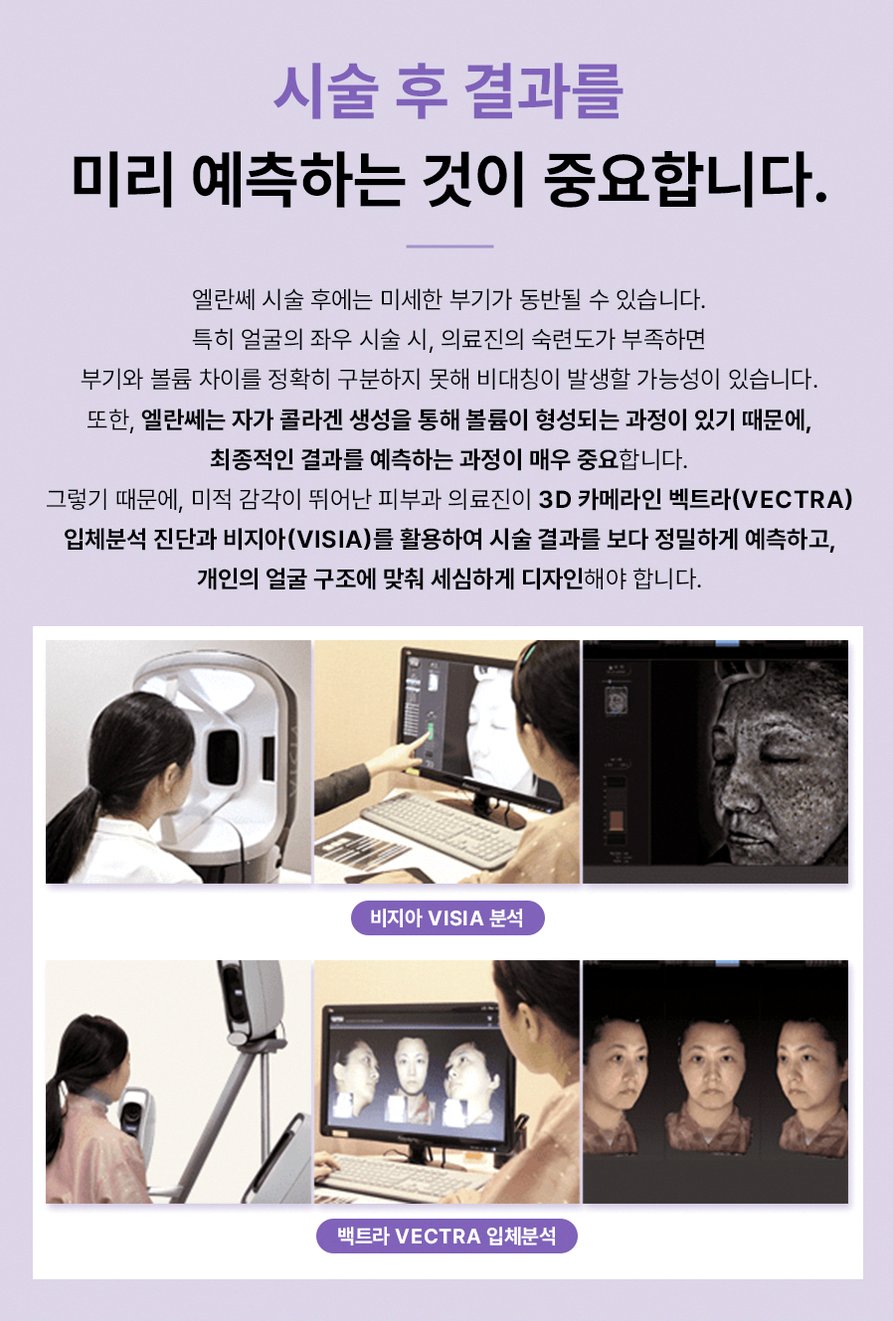
Many clinics in this area use imaging‑based programs and various diagnostic devices for other treatments, and this mindset carries over to filler planning. Instead of focusing on a single injection point, the doctor considers how the chin interacts with the cheeks, jawline, and overall facial contour.
During consultation, you can discuss your preferences, such as
- Sharper or softer chin line
- More feminine or more masculine contour
- Very subtle change or clearly visible improvement
An experienced doctor will also assess skin thickness, existing volume, any previous fillers or thread lifts, and the way your chin moves when speaking or smiling. All of this information guides the choice of filler type, injection depth, and the amount used.

Procedure: how chin filler is done
On the treatment day, the procedure is usually straightforward and takes less than an hour including consultation.
Typical steps include
- Cleansing the skin around the chin and lower face
- Marking key injection points based on the treatment plan
- Applying topical numbing cream or local anesthesia to reduce discomfort
- Injecting filler using a fine needle or a blunt‑tipped cannula
- Shaping and gently molding the filler to refine the contour
For projection and structure, filler is often placed deeply, close to the bone. This creates a stable foundation that supports the new chin shape. For fine contouring and smoothing, smaller amounts may be placed in more superficial layers.
Using a cannula can help reduce the risk of bruising and may improve safety in certain areas, but the choice between needle and cannula depends on the doctor’s technique and your anatomy.

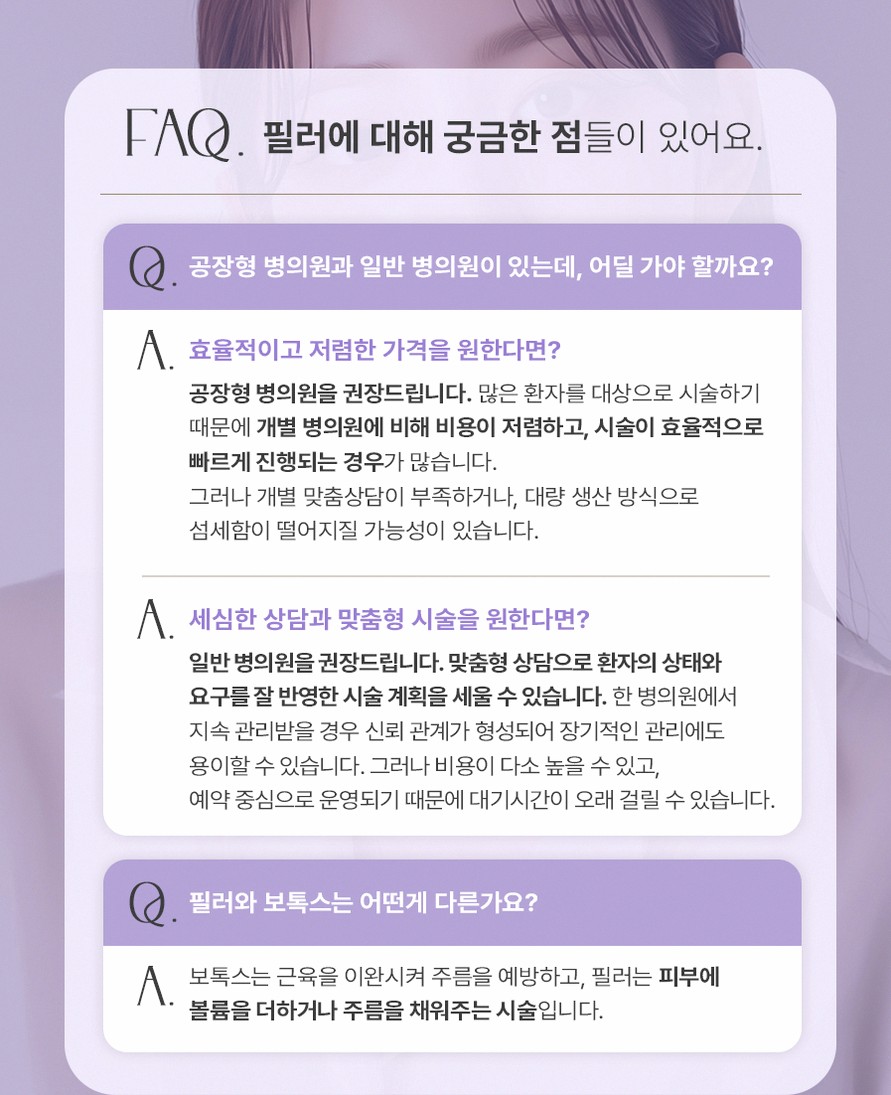
Many clinics in Cheongdam routinely perform a wide range of volume and contour procedures using multiple branded fillers and lifting devices. This broader experience supports a nuanced technique for the chin, where small changes in depth or angle can significantly affect the profile.
Types of fillers and product choice
The chin is a structural area that needs support and shape retention. For this reason, doctors often choose
Firmer, highly cohesive hyaluronic acid fillers that hold their shape well
Collagen‑stimulating fillers that encourage your own collagen production over time
A clinic with a broad product portfolio may use fillers from families such as Restylane, Juvederm, Ellanse, and others, selecting specific products based on
- Desired duration of effect
- Required firmness and lifting capacity
- Preference for a reversible or non‑reversible option

Hyaluronic acid fillers are popular for first‑time chin treatments because they are moldable and can be dissolved with hyaluronidase if the result needs to be adjusted. Collagen‑stimulating fillers may be suggested for patients who already know the chin shape they like and want longer‑lasting structure, understanding that reversal is difficult.
The final choice is made after discussing your goals, medical history, and tolerance for maintenance and reversibility.
Results, downtime, and longevity
You can usually see a visible change in your chin and profile immediately after treatment. The chin appears more projected or slightly longer, and the jawline can look more defined.
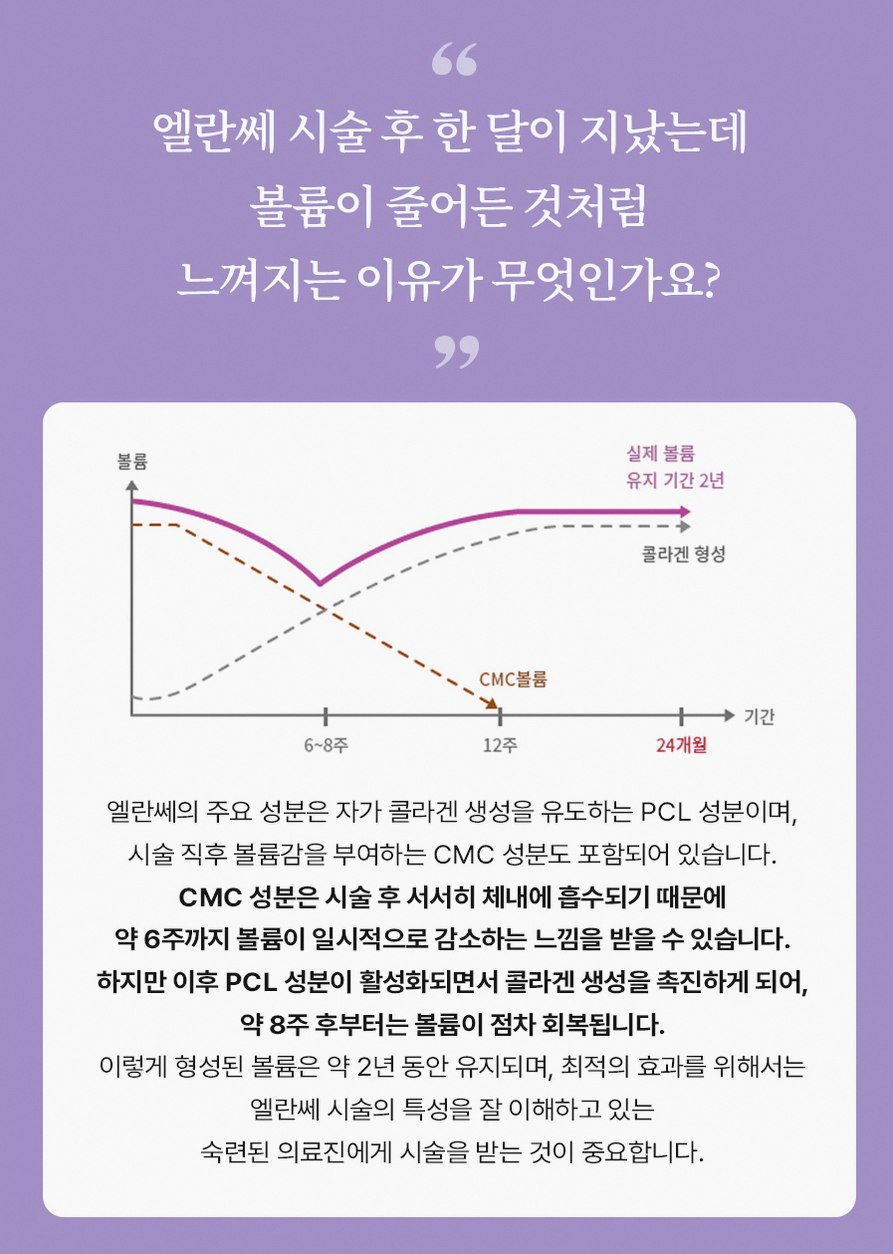
In the first few days, mild swelling or small bruises may appear. Because of this, the chin can look slightly larger or asymmetrical at first. As swelling decreases over several days, the final shape becomes clearer.
Most people can return to daily activities soon after treatment. Many patients go back to work the same or next day, especially if they can accept minor swelling or use makeup to cover small marks.

In terms of longevity
Because the chin is a relatively stable area, filler results can be maintained longer than in very mobile zones for some patients. Some hyaluronic acid (HA) products are commonly reported to last several months to more than a year, but duration varies widely depending on the product used, injection depth and technique, and individual metabolism. Collagen‑stimulating or longer‑acting volumizers may produce more durable changes for some people, yet their duration is variable and they are not as easily reversed as HA gels. Discuss expected timelines, follow‑up plans, and options for revision with your clinician.
dissolved.
Over time, the filler gradually breaks down and is absorbed by the body. Maintenance sessions are usually recommended to
- Maintain projection and shape
- Make small adjustments as your face naturally ages
- Refine the contour based on your preferences
Some patients prefer a conservative first session, followed by a planned touch‑up after a few weeks or months to build up the ideal shape gradually.
Safety, risks, and how the clinic manages them
Chin filler is a medical procedure and carries potential risks. Common mild side effects include

- Redness and swelling at injection sites
- Tenderness or tightness around the chin
- Small bruises or temporary asymmetry while swelling settles
These usually improve within a few days. Applying a cool pack gently and following aftercare instructions can help.
Rare but more serious risks in the chin area include
- Vascular compromise, where filler affects blood flow
- Infection
- Nodule or lump formation
- Overcorrection or an unnatural, overly sharp chin
To reduce these risks, safety‑focused clinics in Cheongdam emphasize
- Detailed knowledge of facial anatomy
- Careful control of injection depth and angle
- Conservative dosing and gradual build‑up over multiple sessions if needed
- Use of cannulas in selected areas when appropriate
Some clinics in this area are led by doctors with academic and international experience in fillers and lifting procedures, and they are familiar with complication management. For hyaluronic acid fillers, this includes the use of hyaluronidase to dissolve unwanted filler if needed.
In addition, certain clinics integrate chin filler into a broader anti‑aging and regenerative approach. They may offer cell‑based treatments, exosomes, or stem‑cell‑related therapies in an in‑house lab setting for other indications. This medical and scientific environment supports a cautious and health‑oriented attitude toward aesthetic procedures.
Chin filler vs other contouring options
Chin filler is one of several tools used to refine the lower face. It is important to understand what it can and cannot do compared with other options.
Chin filler primarily
- Adds structure and projection
- Adjusts length and subtle width
- Balances the profile relative to the nose and lips
Jawline filler, when used, focuses more on
Sharpening the angle from ear to chin
Reducing the appearance of jowls by building structure along the jaw
Thread lifting and energy‑based lifting devices, such as ultrasound or radiofrequency systems, aim to
Tighten and lift sagging tissue Improve skin firmness and reduce mild jowling
They do not add volume or bone‑like structure but can complement filler.
In many cases, combination plans are recommended. Examples include
Chin filler for projection plus lifting devices for early jowls
Chin and jawline filler together for a more continuous, sculpted contour
Chin filler with neuromodulator injections in the masseter area when appropriate to refine the lower face width
The right combination depends on your anatomy, skin quality, and goals. A medical consultation is necessary to design a safe and realistic plan.
What to expect at this clinic in Cheongdam
At Clinique hus,hu in Cheongdam, chin filler is offered as part of a broader facial‑shaping and anti‑aging program. The clinic emphasizes physician‑led assessments and treatment planning, and uses structured pre‑treatment evaluation tools as part of its diagnostic process. Filler treatments are integrated into individualized contouring plans and may be combined with other volume or skin treatments depending on the patient’s goals.
At this clinic, the medical team includes multiple specialists with domestic and overseas training and memberships in academic societies. They work with advanced fillers, lifting devices, and regenerative treatments.

The clinic’s philosophy is to approach anti‑aging from the cellular level. Alongside aesthetic procedures, they may provide regenerative options such as exosomes and stem‑cell‑based approaches when medically appropriate. This helps them consider not only the shape of the face but also the quality and health of the underlying tissue.
The clinic operates with structured consultation hours and offers pre‑visit inquiries via KakaoTalk (real‑time consultation hours are provided by the clinic) for scheduling and basic questions. Remote messaging can be used to share concerns, photos, and general goals to help determine whether an in‑person chin filler evaluation is appropriate, but this does not replace a face‑to‑face clinical assessment.
Online consultation and pre‑visit preparation
Before traveling to Seoul, it is helpful to arrange an online or messaging‑based consultation. This is not a full medical examination but can clarify expectations and logistics.
You can prepare by
Taking clear photos of your face from the front, 45‑degree angle, and side in good lighting
Writing down what bothers you most about your chin or profile
Collecting information about previous procedures, such as fillers, threads, or surgeries in the face and neck
Listing any medications, allergies, or medical conditions
During the online exchange, you can ask about
- Whether chin filler is likely to help your specific concerns
- Possible need for combination treatments
- Estimated number of sessions and typical intervals
- Expected downtime and how to plan your itinerary

This preparation helps the clinic estimate whether you are a suitable candidate and how much time you should reserve in Seoul.
Expected Korea visit timeline for chin filler
For most overseas patients, a short visit is enough for chin filler, but it is wise to allow some flexibility.
A typical schedule might look like this
Day 1: In‑person consultation and possible treatment on the same day if both you and the doctor agree. The doctor examines your face directly, confirms your medical history, finalizes the plan, and performs the procedure.
Day 2 to 3: Mild swelling or bruising may appear. You can usually continue sightseeing or business activities, avoiding heavy exercise and saunas. If you stay nearby, you may schedule a brief check‑up.

Day 5 to 7: If you remain in Korea for a week, a follow‑up visit can be arranged to review symmetry and healing, and to discuss any fine‑tuning needs.
For first‑time patients, staying at least 3 to 4 days after treatment is ideal in case you want a quick in‑person review. If your schedule is tight, discuss this with the clinic in advance so they can advise on timing.
Aftercare and practical tips
Proper aftercare supports smoother healing and more stable results. General advice often includes
Avoid pressing, massaging, or sleeping face‑down on the chin for several days unless your doctor gives specific instructions
Avoid intense exercise, saunas, hot baths, and heavy alcohol for a short period after treatment, usually 24 to 48 hours
Keep the injection area clean and avoid applying unapproved creams or home devices over the chin
You should contact the clinic urgently if you notice
- Sudden severe pain in the chin or surrounding area
- Skin color changes such as pale, white, or dark patches
- Rapidly increasing swelling, heat, or redness
These can be signs of complications that need prompt medical attention.
A scheduled follow‑up is recommended to
- Check symmetry and balance from different angles
- Discuss whether you feel comfortable with the new profile
- Plan any minor adjustments or future maintenance
Remember that each person’s anatomy and healing response are different. Individual assessment and guidance from a qualified doctor are essential before deciding on chin filler or any other aesthetic procedure.
FAQ
Is chin filler painful, and what kind of anesthesia is used?
Most patients describe chin filler as mildly uncomfortable rather than very painful. Clinics usually apply topical numbing cream and may use local anesthesia injections in the area to reduce sensation. Some fillers also contain a small amount of anesthetic inside the product, which helps during the procedure. You may feel pressure or a brief sting, but the treatment is generally well tolerated.
How much filler is usually needed for the chin at first treatment?
The amount of filler needed depends on your facial anatomy and aesthetic goals. Clinicians generally start with a conservative plan and may add volume at a follow‑up visit if more projection or refinement is desired. Exact volumes are determined after an in‑person consultation and examination so the plan can be tailored to your needs.
The amount of filler depends on your starting anatomy and your goal. A conservative approach is often chosen first, with the option to add more later once the initial swelling has settled.

Will chin filler make my face look bigger or slimmer?
Although filler adds volume, chin filler often makes the face appear slimmer and more defined when used correctly. By projecting the chin and refining the jawline, it can create a longer, more balanced lower face and a clearer transition to the neck. However, if too much filler is used or the shape is not well planned, the chin can look heavy. This is why careful anatomical planning and conservative dosing are important.
Can chin filler fix asymmetry or a weak profile completely?
Chin filler can improve mild to moderate asymmetry and significantly enhance a weak profile in many cases. It can bring the chin forward, adjust small differences between left and right, and balance the nose and lips. However, if the asymmetry or weakness comes mainly from the underlying bone or bite, filler alone cannot fully correct it. In such situations, the doctor may recommend combining filler with other treatments or suggest that surgical options would be more appropriate.
How often do I need to repeat chin filler?
For hyaluronic acid fillers, many patients return for maintenance around 9 to 18 months after the first treatment, depending on how quickly their body metabolizes the product and how strong they want the effect to be. Some prefer earlier touch‑ups with smaller amounts to keep the contour very stable. Collagen‑stimulating fillers may last longer, so maintenance intervals can be extended, but they are less flexible to adjust.
Is it safe to combine chin filler with other treatments like jawline filler or lifting devices?
In many cases, combining chin filler with jawline filler, neuromodulator injections, or lifting devices can provide a more complete lower‑face improvement. The key is to plan the sequence and timing safely. For example, a doctor may perform filler first and schedule lifting devices later, or the reverse, depending on your needs. Your medical history and skin condition must be reviewed to decide on a safe combination plan.

What happens if I do not like the result of hyaluronic acid chin filler?
If hyaluronic acid filler is used and you are not satisfied with the shape after the initial swelling has settled, the doctor can usually adjust it. Small irregularities may be corrected with additional filler, or, if necessary, hyaluronidase can be injected to dissolve part or all of the filler. This reversibility is one reason many first‑time patients choose hyaluronic acid products for the chin.
Soft call to action
If you are considering chin filler in Seoul and want a medically grounded, individualized plan, you can start with an online inquiry to a clinic in Cheongdam. Share your photos, concerns, and travel schedule so the medical team can advise whether chin filler, alone or in combination with other treatments, may suit you. An in‑person consultation is always required before any procedure, but early communication can make your visit smoother and more efficient.
- 공유 링크 만들기
- X
- 이메일
- 기타 앱

댓글
댓글 쓰기