Choosing Natural-Looking Fillers & Treatment Plans
- 공유 링크 만들기
- X
- 이메일
- 기타 앱
Direct answer summary
If you are searching for a Cheongdam dermatology clinic for dermal fillers, you will find many options around Apgujeong Rodeo Station in Gangnam. The key is to choose a clinic that treats fillers as part of a medically grounded anti-aging plan, not just a quick way to “pump up” the face. In Cheongdam, clinics such as Clinique hus,hu focus on restoring natural volume, refining facial contours, and supporting skin quality with premium fillers and lifting or cell-level treatments when needed.
This guide explains what dermal fillers can and cannot do, which filler types are commonly used in Cheongdam, how treatment is planned, what to expect during your visit to Korea, and how to prepare as an overseas patient.
Overview of dermal fillers in Cheongdam
Dermal fillers are injectable gels used to restore lost volume, smooth folds, and refine facial contours. With age, the midface, cheeks, temples, and jawline gradually lose fat and bone support. This can create a tired, sunken, or sagging appearance even if your skin is still relatively smooth.

In a Cheongdam dermatology clinic, fillers are usually not used to change your face completely. Instead, they are used to:
Restore midface and cheek volume so the face looks less tired and more lifted.
Soften deep nasolabial folds and marionette lines around the mouth.
Define the jawline and chin for a cleaner side profile.
Gently improve hollow areas such as temples or under-eye shadows, when appropriate.
Enhance skin hydration and fine lines with skinbooster-type fillers.
In clinics with a strong anti-aging focus, fillers are combined with lifting devices and cell-based treatments to address both volume loss and tissue quality. The goal is to help you look like a fresher version of yourself, not a different person.
What dermal fillers do in anti-aging and facial contouring
Aging causes multiple changes at once: fat pads in the cheeks and midface shrink and descend, and bone around the eye socket, cheeks, and jaw gradually resorbs. Skin also becomes thinner and loses collagen and elasticity, which together contribute to volume loss and sagging that fillers can help address.
Fat pads in the cheeks and midface shrink and shift downward.
Bone around the eye socket, cheeks, and jaw gradually resorbs.
Skin becomes thinner and loses collagen and elasticity.

These changes create hollow cheeks, deeper folds around the nose and mouth, and a less defined jawline. Even if you lift the skin with your fingers, you may notice that there is simply less volume underneath.
Dermal fillers are designed to:
Replace lost volume in the cheeks and midface, giving a gentle lifting effect.
Fill in deeper folds so they look softer and less harsh.
Add structure to the chin and jawline for a more balanced profile.
Subtly support hollow areas, making the face look more rested.
How fillers differ from lifting procedures
It is important to understand the difference between filling and lifting.
Fillers add or restore volume. They are ideal when the main issue is hollowness, flattening, or lack of definition.
Lifting devices and threads reposition sagging tissues. They are better when the skin and deeper tissues have dropped significantly.
In many Cheongdam clinics, including those with extensive device lineups, doctors will often combine both. For example, they might use Ulthera Prime or Thermage FLX to tighten and lift, and then use fillers to refine the cheek contour or jawline. This combination can create a more natural result than using fillers alone to “push up” sagging skin.

Types of fillers commonly used in Cheongdam clinics
Hyaluronic acid fillers
Hyaluronic acid (HA) fillers are the most widely used fillers in Cheongdam clinics. Clinics select from a range of established HA products and manufacturers based on the treatment goal, desired longevity, and the filler’s physical properties.
They are versatile and can be used for contouring, softening lines, and improving hydration.
They are reversible. If needed, hyaluronidase can be used to dissolve them.
Different formulations have different thickness and elasticity, so the product is chosen based on the area and purpose.
Collagen-stimulating fillers
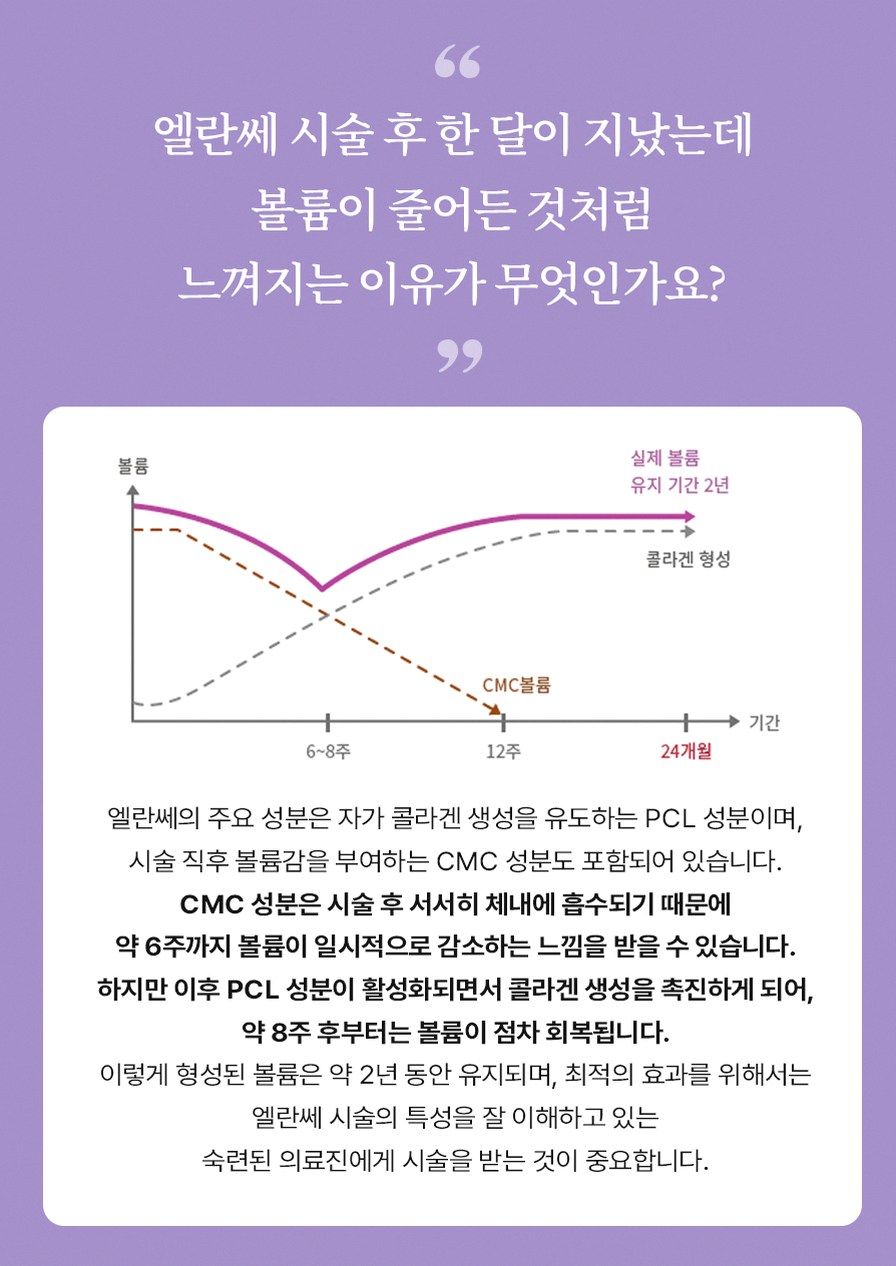
Collagen-stimulating fillers help your body build its own collagen over time.
Ellanse and Lafullen are examples often used in Cheongdam.
They provide structural support and are commonly used for midface, cheek, and jawline contouring.
They tend to last longer than most HA fillers, but are not easily reversible.
They are usually chosen for patients who want longer-lasting structural improvement and who are comfortable with a more advanced filler plan.

Skin-quality and hybrid fillers
Some fillers focus more on skin quality than on adding bulk volume.
Volite is a skinbooster-type HA filler used to improve hydration and fine lines.
JuveLook is a hybrid product that aims to support both skin texture and collagen.
These are often used in combination with other fillers or energy-based devices to improve overall skin glow and elasticity.
In a Cheongdam dermatology clinic, the choice of product depends on:
The treatment area (cheeks, jawline, lips, under-eye shadows, temples, etc.).
Your skin thickness and elasticity.
Whether you prefer reversible products or are open to longer-lasting collagen stimulators.
Your long-term anti-aging plan and maintenance schedule.
How a Cheongdam dermatology clinic plans filler treatments
Initial consultation
A careful consultation is essential, especially for overseas patients who may have limited time in Korea.
Your doctor will usually:
Review your medical history, allergies, and any medications.
Ask about previous cosmetic procedures, including fillers, threads, or lifting devices.
Clarify your main concerns: tired look, sagging cheeks, asymmetry, deep folds, or jawline definition.
Discuss your timeline in Korea and whether you have time for follow-up before flying home.

Facial analysis
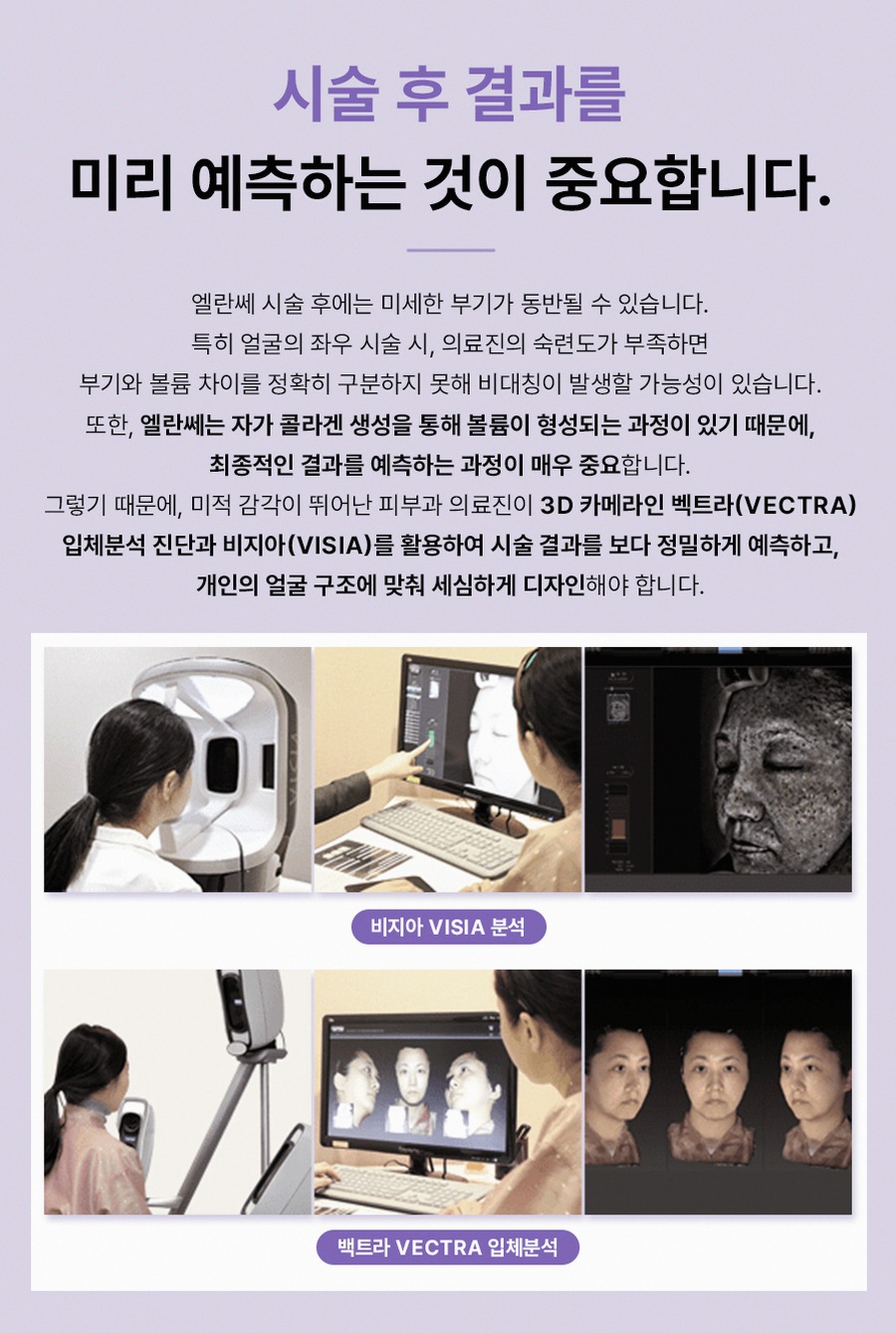
Many Cheongdam clinics use photographic or imaging tools to analyze facial balance and volume loss.
Photos from different angles help plan where volume is truly missing.
Some clinics use holistic beauty or 3D analysis programs to evaluate proportions and symmetry.
The aim is to design a plan that respects your natural bone structure and ethnic features.
Customized filler plan
Based on the consultation and analysis, the clinic will suggest:
Which areas to treat first (for example, midface and cheeks before nasolabial folds).
Whether to use hyaluronic acid fillers, collagen-stimulating fillers, or a combination.
How much product is likely needed for a natural result.
Whether to combine fillers with lifting devices such as Ulthera Prime, Thermage FLX, Emface, or Prime Raise.
Staged and conservative approach
A medically grounded clinic in Cheongdam will usually avoid heavy overfilling in a single session.

They may start with a conservative amount of filler.
You will be re-evaluated after swelling settles, often after 1 to 2 weeks.
If needed, small additional adjustments can be made.
This staged approach reduces the risk of looking “overdone” and allows you to adapt gradually to your new contours.
Step-by-step: what to expect during a filler procedure
Pre-procedure preparation
On the day of treatment, you can expect:
Cleansing of the treatment area to minimize infection risk.
Standardized photographs for medical records and before-after comparison for your own reference.
Marking of key injection points according to facial anatomy and planned contour.
Application of topical anesthetic cream or use of fillers that already contain local anesthetic for comfort.
Injection process
The injection itself usually takes 20 to 40 minutes, depending on the number of areas.
The doctor may use fine needles, blunt-tipped cannulas, or a combination.
Cannulas are often chosen for areas where reducing bruising and improving safety around vessels is important.
Anatomy-based techniques are used to avoid major blood vessels and nerves.
You may feel pressure or mild stinging, but most patients tolerate the procedure well.

Immediate aftercare in the clinic
After injections, the clinic will typically:
Apply gentle cooling packs to reduce swelling.
Check symmetry and basic contour while you are still seated.
Review aftercare instructions with you and, if needed, provide written guidance in English.
Safety, side effects, and how a specialist clinic manages risks
Common temporary effects
Most patients experience mild, short-term reactions such as:
Redness and swelling at injection sites.
Mild tenderness or tightness.
Small bruises, especially in delicate areas.
These usually improve over several days. Makeup can often be applied after 24 hours, depending on the area and clinic advice.
Less common but serious risks
Like all medical procedures, fillers carry some risks.

Vascular occlusion (filler entering or compressing a blood vessel) can cause pain, skin color change, or more serious complications if not treated promptly.
Infection, nodules, or delayed inflammatory reactions can occur.
Asymmetry or overfilling may require correction.
Specialist clinics in Cheongdam emphasize:
Detailed knowledge of facial anatomy.
Use of cannulas where appropriate.
Conservative dosing and staged treatment.
Emergency protocols and availability of hyaluronidase for HA fillers.
Value of a full device and treatment lineup
If filler is not the best solution for your concern, a clinic with multiple options can suggest alternatives instead of forcing more filler.
For example, significant lower face sagging might respond better to Ulthera Prime, Thermage FLX, Emface, or Prime Raise, sometimes combined with a smaller amount of filler.
Skin quality issues such as redness or enlarged pores may be better addressed with devices like AdvaTx or Exion, or with exosome-based programs.
Combining fillers with lifting and cell-level anti-aging
Why combination treatment matters
Aging is multi-layered. Volume loss, sagging, and skin quality changes usually appear together.
Fillers address volume and contour.
Lifting devices and threads address laxity and drooping.
Cell-level treatments support tissue quality and healing.
Lifting devices
Clinics in Cheongdam often use a range of lifting and tightening devices, such as:
Ulthera Prime for focused ultrasound lifting of deeper layers.
Thermage FLX for radiofrequency-based skin tightening.
Emface for simultaneous muscle toning and skin tightening in selected areas.
Prime Raise and other RF or ultrasound platforms for tailored lifting.
These can be combined with fillers to create a more harmonious result, especially in the midface and jawline.
Cell-level anti-aging support
Some clinics, including Clinique hus,hu, operate in-house cell research labs and proprietary exosome programs.
Exosome or stem cell–inspired treatments aim to support collagen production, healing, and overall skin quality.
They can be used before or after fillers to help the skin respond better and recover more smoothly.
They are not a replacement for fillers but can enhance the overall anti-aging strategy.
Who may consider fillers at a Cheongdam dermatology clinic
Good candidates
You may be a good candidate for filler treatment if you:
Notice early to moderate volume loss in your cheeks or midface.
Feel that your face looks tired even when you are well-rested.
See deepening nasolabial folds or marionette lines.
Want a more defined jawline or slightly stronger chin without surgery.
Prefer subtle, natural changes with minimal downtime.
Are willing to follow a long-term, step-by-step anti-aging plan rather than expecting a one-time transformation.
Cautions and contraindications
Filler treatment may not be suitable or may require extra caution if you:

Are pregnant or breastfeeding.
Have an active skin infection or severe inflammation in the treatment area.
Have certain autoimmune or bleeding disorders.
Have a history of severe allergies or previous serious filler complications.
Have unrealistic expectations or want an extreme change in a single session.
In such cases, a detailed consultation is essential to evaluate risks and alternatives.
Online consultation and pre-visit preparation for overseas patients
Online consultation
Most international patients begin with an online consultation.
You will usually be asked to send clear photos of your face from the front, 45-degree angle, and side.
Sharing previous treatment history and dates (fillers, threads, lasers, surgeries) helps the doctor understand your baseline.
If you have medical conditions or take regular medications, prepare a short summary in English.
Key questions to ask before booking
Before you confirm your trip, it is helpful to ask:

Which areas does the doctor recommend treating first, and with what type of filler?
Is a combination with lifting devices suggested, or are fillers alone sufficient for now?
How many sessions are realistically needed for your goals?
How many days after the procedure should you stay in Korea for follow-up?
What are the common side effects and how are complications handled?
Preparing for your visit
To make your trip smoother:
Avoid blood-thinning supplements and medications if your doctor allows (for example, high-dose fish oil, aspirin) about one week before treatment.
Limit alcohol and smoking before and after treatment to support healing.
Plan your schedule so that filler treatment is not on the same day as a long international flight, if possible.
Bring any relevant medical records and a list of medications in English.
Expected Korea visit timeline for filler treatment
Short visit (3–4 days)
Day 1: Consultation, imaging, and treatment planning. In many cases, fillers can be performed on the same day if you and the doctor agree.
Day 2: Light check-up if needed, or rest and sightseeing. Mild swelling or bruising may be present.
Day 3–4: Optional final review before departure, especially if you had larger-volume or multi-area treatment.
Medium visit (5–7 days)
Day 1: Detailed consultation and planning. Treatment may be done on Day 1 or Day 2.
Days 2–3: Main filler session and any combined device treatments.
Days 4–6: Recovery period with minor swelling; possible follow-up for small adjustments.
Day 7: Final review and aftercare instructions before flying home.
If you are planning more complex combination treatments (for example, fillers plus multiple lifting sessions or cell-based programs), a longer stay or multiple visits may be recommended.

Aftercare, longevity, and maintenance planning
Immediate aftercare
After filler treatment, clinics generally advise:
Avoid strong pressure or massage on the treated areas for several days unless your doctor specifically instructs otherwise.
Do not visit saunas, hot baths, or do intense exercise for 24 to 48 hours.
Limit alcohol for a short period to reduce swelling and bruising.
Sleep on your back with your head slightly elevated the first night if possible.
Use gentle skincare and avoid harsh exfoliation over injection sites for a few days.
Longevity of different fillers
Longevity can vary by product, area, and individual metabolism.
Hyaluronic acid fillers usually last around 6 to 18 months.
Stronger structural HA fillers like Volux or Voluma in the jawline or cheeks may last toward the upper end of that range.
Skinbooster-type fillers such as Volite may last around 6 to 9 months in terms of hydration benefits.
Collagen-stimulating fillers like Ellanse or Lafullen often last longer, depending on the formulation and injection depth.

Maintenance planning
A Cheongdam dermatology clinic with a broad anti-aging lineup will often design a multi-year plan rather than focusing only on the next injection.
Early on, more filler may be needed to restore baseline volume.
Later, maintenance doses are usually smaller and spaced further apart.
Over time, the focus may shift from simply adding volume to improving skin quality and structure with devices and cell-based treatments.
Regular follow-up allows the doctor to monitor symmetry, how the filler moves with your facial expressions, and how your face continues to age.
Choosing a Cheongdam dermatology clinic for fillers
Key points to consider
When comparing clinics around Cheongdam and Apgujeong Rodeo Station, consider:
Experience with multiple filler brands, including both HA and collagen-stimulating options.
Clear explanation of risks, benefits, and realistic outcomes.
Availability of hyaluronidase and established emergency protocols.
Access to lifting devices and skin treatments so you are not pushed into filler when another method is more suitable.
Ability to communicate in English and provide written aftercare instructions.
Location and accessibility
Clinics in Cheongdam, Gangnam are easily accessible by public transport, especially near Apgujeong Rodeo Station on the Suin–Bundang Line. This area is convenient if you are staying in southern Seoul or planning to combine treatment with shopping and dining.

Clinique hus,hu is an example of a Cheongdam-based dermatology and anti-aging clinic that integrates fillers with lifting devices and cell-level programs. For overseas patients, this type of integrated approach can make it easier to build a long-term plan, even if you visit Korea only once or twice a year.
FAQ
How long do fillers last when done at a Cheongdam dermatology clinic?
In general, hyaluronic acid fillers last about 6 to 18 months, depending on the product, area, and your metabolism. Structural fillers used in the cheeks or jawline often last longer than those used in very mobile areas like the lips. Collagen-stimulating fillers such as Ellanse or Lafullen can last longer than typical HA fillers, as they encourage your body to produce its own collagen over time. Your lifestyle, smoking, sun exposure, and how expressive your face is all influence how long results remain visible.
Can fillers replace lifting procedures like Ulthera or Thermage?
Fillers and lifting procedures address different aspects of aging. Fillers restore lost volume and refine contours, which is ideal for hollow cheeks, deep folds, or a weak jawline. Lifting devices such as Ulthera Prime or Thermage FLX target skin laxity and sagging by tightening deeper tissues. In many Cheongdam clinics, the best results come from a combination: lifting to reposition sagging tissue, and fillers to restore structure and softness. During consultation, your doctor will explain which component is more important for your face.
Are collagen-stimulating fillers like Ellanse suitable for first-time patients?
Collagen-stimulating fillers can be suitable for selected first-time patients, especially those who want longer-lasting structural support and are comfortable with a more advanced plan. However, they are less easily reversible than hyaluronic acid fillers, so careful consultation is essential. Many doctors prefer to start conservatively, sometimes with HA fillers first, to understand how your face responds and what style you prefer. If you and your doctor decide to use Ellanse or Lafullen, the dosing and injection points are usually planned very precisely.
Is it possible to correct or dissolve fillers if I do not like the result?
Hyaluronic acid fillers can usually be adjusted or dissolved using an enzyme called hyaluronidase. This is one reason many patients and doctors prefer HA fillers, especially for first-time treatments or delicate areas. Collagen-stimulating fillers cannot be dissolved in the same way, so any correction is more limited and may rely on time and supportive treatments. Choosing an experienced injector, starting conservatively, and having a clear discussion about your goals all reduce the chance that you will need major correction.

What is the downtime after filler treatment?
Most people can return to daily activities immediately after filler injections. Mild swelling, redness, or small bruises are common for a few days, especially in sensitive areas. Makeup is often allowed after 24 hours, but your doctor may give area-specific advice. It is usually recommended to avoid intense exercise, saunas, and heavy alcohol for a short period to minimize swelling and bruising. If you are traveling from overseas, planning at least a couple of days in Seoul after treatment allows you to manage any minor side effects comfortably.
Soft call to action
If you are considering dermal fillers in the Cheongdam area and want a natural, medically grounded approach, an online consultation is a practical first step. By sharing photos and your concerns in advance, clinics like Clinique hus,hu can suggest a realistic plan, estimate the number of sessions, and help you schedule your visit to Korea efficiently. This preparation allows you to use your time in Seoul for carefully planned treatment and recovery, with clearer expectations and greater peace of mind.
- 공유 링크 만들기
- X
- 이메일
- 기타 앱

댓글
댓글 쓰기