Ellanse Duration Guide for Longer-Lasting Facial Volume
- 공유 링크 만들기
- X
- 이메일
- 기타 앱
Direct answer: how long does Ellanse last?
Ellanse is commonly described as a collagen‑stimulating filler; clinicians often report that it can encourage the body to form new collagen around injected material. Discuss the exact formulation and mechanism with your provider.
Many clinicians observe that Ellanse can provide longer‑lasting volume and structural support compared with some hyaluronic acid fillers, but expected longevity varies widely by product, treatment area, individual metabolism, and injector technique. Areas with less movement (for example, temples or upper cheeks) may retain results longer than highly mobile areas (such as around the mouth). Discuss expected durability and follow‑up planning with your treating physician.
This guide explains how Ellanse works, why duration varies from person to person, what to expect if you travel to Korea for treatment, and how to help your results last as well as possible.

What Ellanse is and how it works
Ellanse is a PCL-based collagen stimulator. It consists of tiny polycaprolactone microspheres suspended in a smooth gel carrier. The gel gives an immediate filling effect, while the PCL particles trigger a gradual collagen response.
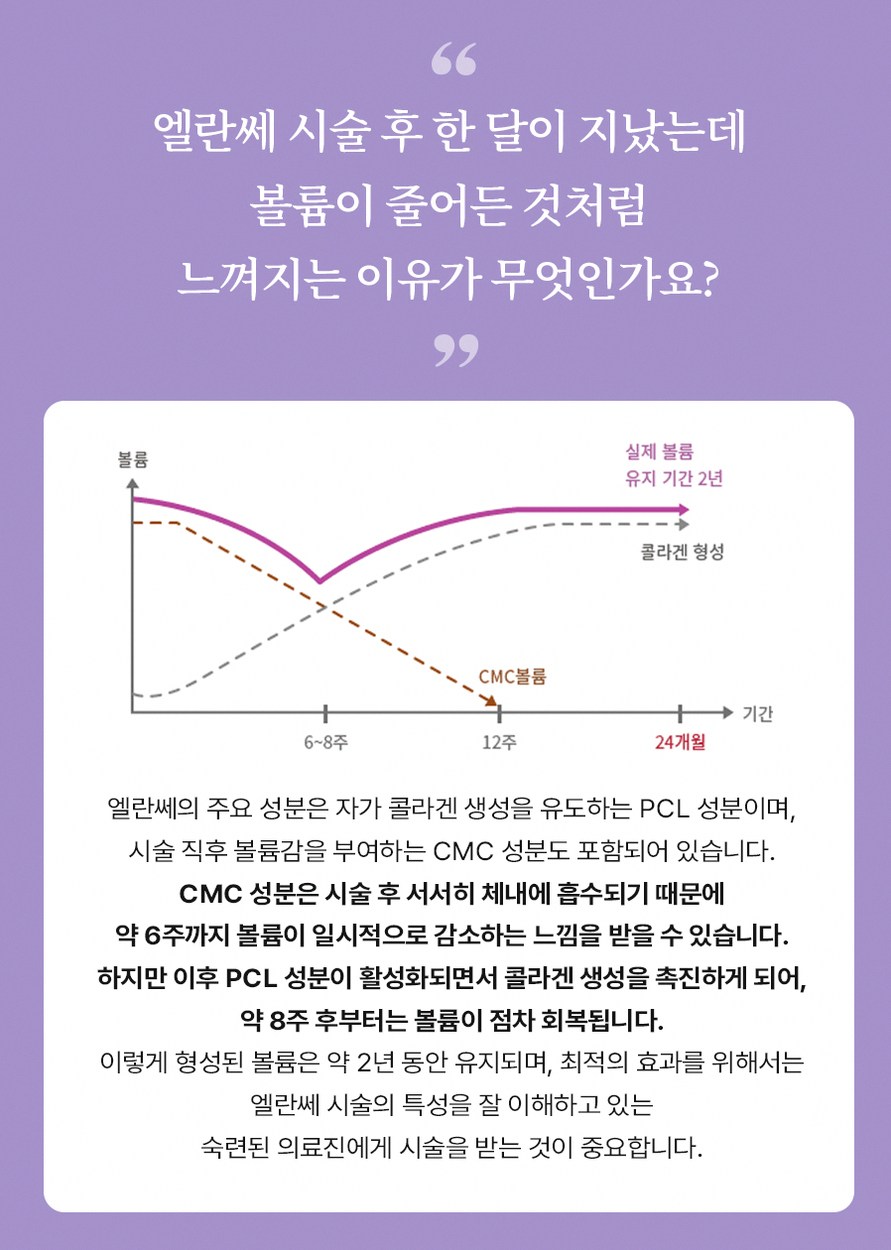
Right after injection, you see instant volume because of the carrier gel. Over the next few months, your body slowly absorbs this gel. During the same period, your skin forms new collagen around the PCL microspheres. This collagen becomes the main source of volume and structural support.
This is different from hyaluronic acid (HA) fillers. HA fillers mainly work by filling space with a gel that slowly dissolves. Ellanse, on the other hand, acts more like a scaffold that encourages your own tissue to build around it. Over time, the PCL microspheres are also broken down and absorbed by the body, but the collagen they helped create can remain for a longer period.
Because your own collagen is involved, the visible effect of Ellanse can continue even after the original material has largely degraded. This is why its duration is often longer than that of typical HA fillers.

Ellanse duration over time: what to expect
It is helpful to think of Ellanse results in phases.
Immediate effect
Right after treatment, you usually see a clear change in volume and contour. This is mostly due to the gel carrier. There may be some swelling, which can temporarily exaggerate the result for a few days.
Short term: first few months
Over the first 1 to 3 months, the gel component is gradually absorbed. At the same time, collagen production around the PCL microspheres increases. During this phase, the look may subtly shift from a “filled” appearance to a more natural, integrated contour.
Mid term: collagen becomes dominant
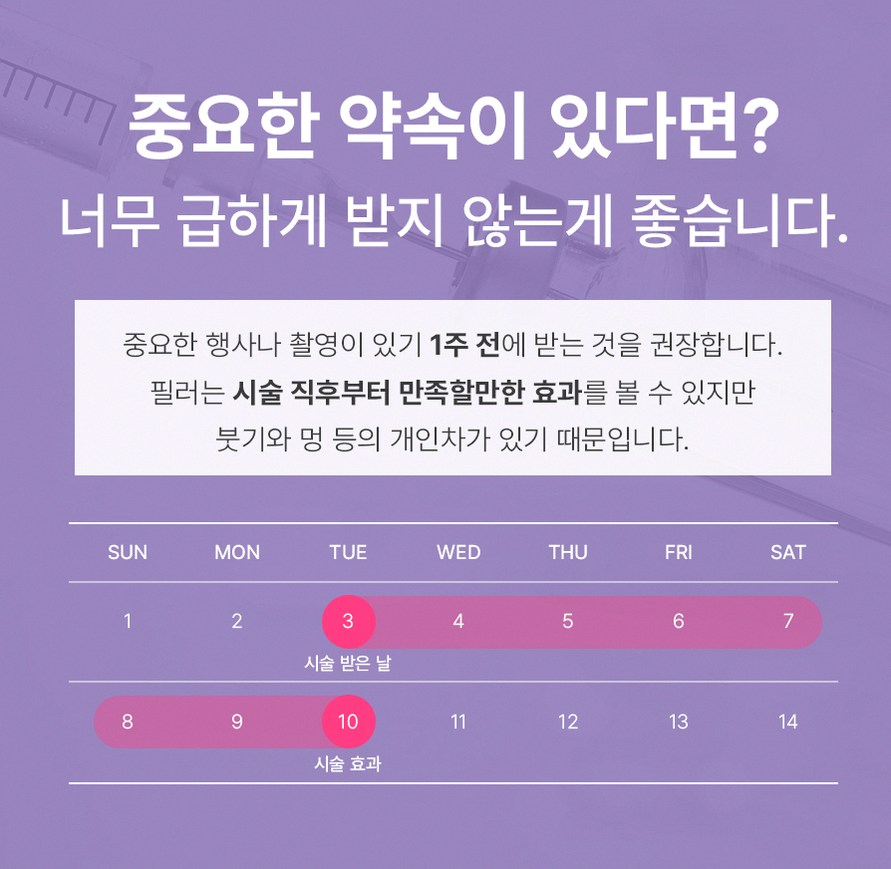
From around 3 to 12 months, the new collagen becomes the main contributor to volume. Many patients feel that their face looks more stable and harmonious in this period. The skin may appear firmer where structural support has improved.
Long term: 1 to 4 years
The commonly quoted duration, such as 2 to 4 years, is an average. Some people notice softening earlier, while others maintain contour longer.
Areas with less movement, such as temples and upper cheeks, often show longer-lasting results. Areas that move a lot or are frequently compressed, such as around the mouth or chin, may show a shorter perceived duration, even if some material and collagen are still present.
Key factors that influence how long Ellanse lasts
Several groups of factors affect Ellanse longevity: patient-related, treatment-related, and practitioner-related.
Patient-related factors
Age and baseline skin quality
Younger patients or those with better baseline collagen and skin elasticity may respond more strongly to collagen stimulation. This can support more stable, longer-lasting results. In contrast, very thin or heavily sun-damaged skin may need more careful planning and realistic expectations.

Lifestyle habits
Smoking, frequent sun exposure or tanning, poor sleep, high stress, and large weight changes can all affect how fresh your results look over time. While these habits do not instantly erase Ellanse, they can speed up visible aging in the surrounding tissues and shorten the period during which the result looks at its best.
Metabolism and immune response
People with faster metabolism or a more active immune system may break down filler components more quickly. This can lead to a shorter duration compared with someone who has a slower breakdown rate, even when the same product and technique are used.
Treatment-related factors
Product type and total volume
Different Ellanse versions are designed for different longevity profiles. The total amount injected also matters. Too little volume may not create enough structural change to be noticeable for long, while excessive volume can look unnatural and may not age well.
Injection depth and anatomical layer
Ellanse can be placed in deeper layers, such as near the bone, or in more superficial layers, depending on the area and goal. Deeper placement for structural support often leads to more stable, long-lasting results. Incorrect depth can increase the risk of irregularities or shorten the perceived benefit.

Treated area
Common areas include cheeks, mid-face, temples, chin, jawline, and sometimes the nose. Areas under strong muscle movement or frequent compression, such as the lower face, may show a shorter visible duration than more static areas.
Combination with other procedures
Energy-based treatments such as radiofrequency or ultrasound devices can sometimes be combined with Ellanse for better lifting and skin tightening. When planned correctly, they may support the overall rejuvenation effect. If done too aggressively or too soon after filler, they could potentially disturb filler placement. This is why timing and sequencing should be decided by an experienced doctor.
Practitioner-related factors
Understanding of Ellanse behavior
Ellanse has different rheology and long-term behavior compared with HA fillers. A doctor who understands how it stimulates collagen, how it integrates into tissue, and how it behaves over years can better plan safe injection planes and realistic volumes.
Anatomical planning and conservative dosing
Because Ellanse is long-lasting and not easily reversible, careful mapping of facial structures is essential. Conservative dosing and a staged approach help avoid overcorrection. Minor touch-ups later are usually safer than trying to achieve a dramatic change in one session.

Experience with long-lasting fillers
Experience with PCL fillers and management of potential complications is especially important. For long-lasting products, correct indication, technique, and complication handling are more critical than with short-lived HA fillers.
Ellanse vs hyaluronic acid fillers: duration and reversibility
Typical duration
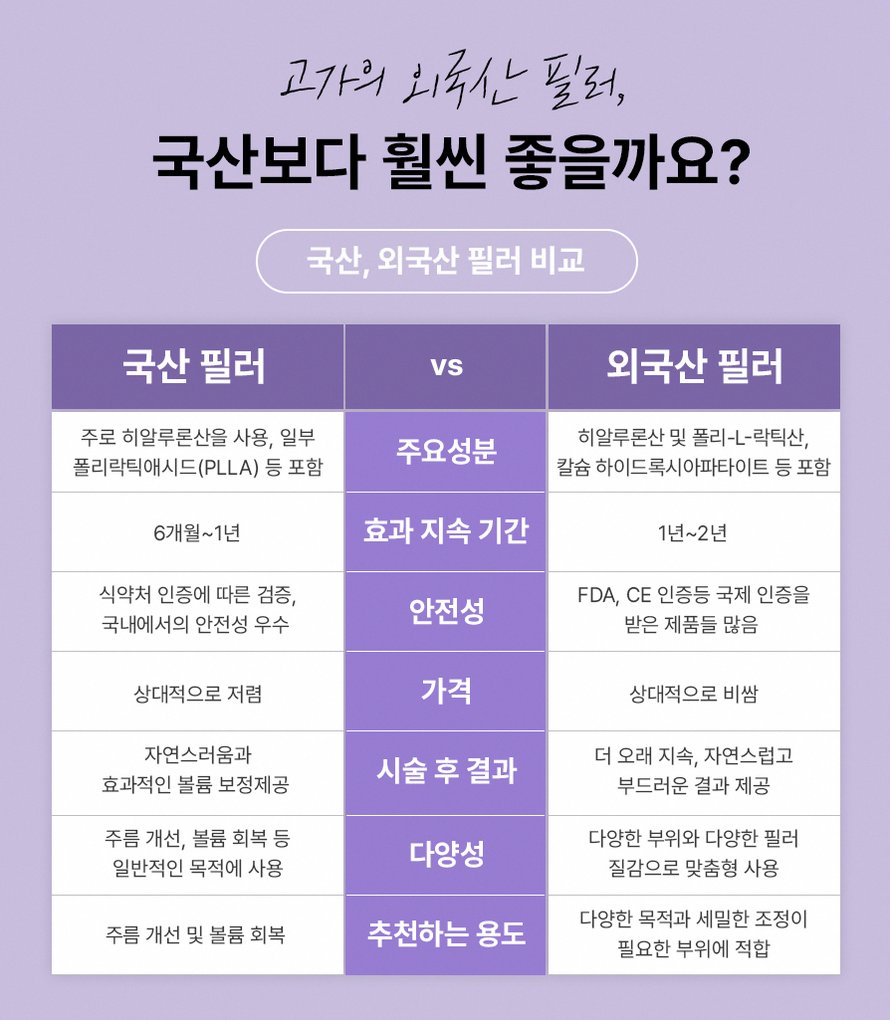
Hyaluronic acid fillers usually last around 6 to 18 months, depending on the product type, treated area, and individual metabolism. Softer products in mobile areas may last closer to 6 to 9 months, while thicker products in deeper, less mobile areas can last longer.
Ellanse is designed for longer-term results, roughly 1 to 4 years depending on the version and the patient. Because it stimulates collagen, some structural benefit may remain even beyond the expected lifespan of the PCL particles.
Reversibility
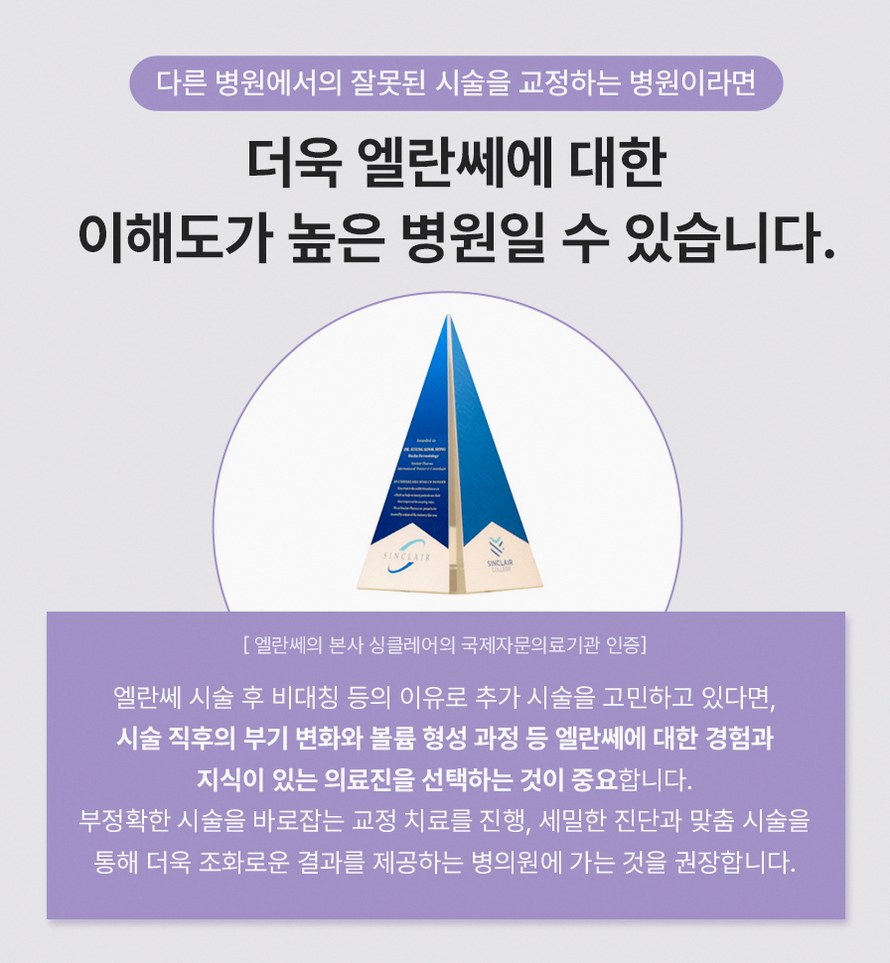
Hyaluronic acid (HA) fillers can often be adjusted or dissolved with an enzyme called hyaluronidase. Enzymatic dissolution is not typically available for non‑HA, collagen‑stimulating products; these materials generally break down over time and options for removal are more limited. Ask your clinic about reversibility, management of complications, and removal possibilities before treatment.
Implications for patient selection
Ellanse may be more suitable for patients who have already tried fillers, understand the type of contour they like, and are comfortable with a longer-lasting structure. It is often used for mid-face volume, cheeks, temples, chin, jawline, and sometimes the nasal bridge, where stable support is desired.
For first-time Ellanse patients, a thorough consultation and conservative initial dosing are very important. This helps ensure that the shape and volume feel right before committing to larger amounts.
Typical treatment areas and how duration may differ
Mid-face and cheeks
Ellanse is frequently used to restore mid-face volume, lift the appearance of the cheeks, and soften a tired or hollow look. Because the cheek area is relatively stable, results here often show good longevity.
Temples
Temple hollowing is a common sign of aging. Ellanse can provide structural support and a smoother contour. The temple area tends to move less than the lower face, so results can be long-lasting.
Chin and jawline
Ellanse can help refine the chin profile and jawline definition. However, these areas are influenced by strong muscles and frequent movement. Duration can still be long, but some patients may notice earlier softening compared with more static regions.
Nasal bridge
Some clinics use Ellanse for non-surgical nose reshaping, especially for the nasal bridge. This area requires high precision and strong safety awareness due to the vascular anatomy. Duration can be good, but because Ellanse is not reversible, careful planning is essential.
In all areas, touch-up sessions may be planned after a certain period to maintain optimal contour rather than waiting for complete disappearance of the effect.
Who may consider Ellanse
Ellanse may be considered by adults who:
Want longer-lasting facial volume and contour than typical HA fillers
Have visible volume loss in the mid-face, temples, or cheeks
Wish to improve structural support in the chin or jawline
Are comfortable with a product that is not easily reversible
Understand that results vary and that aging continues even with filler
People who have never had any filler can still be candidates, but extra time should be spent on education, facial analysis, and conservative planning.
Ellanse may not be suitable for everyone. People with certain autoimmune or inflammatory conditions, a history of severe filler complications, or unrealistic expectations may be advised to avoid long-lasting fillers. A detailed medical consultation is always required.
Treatment overview for international patients
Clinique hus,hu is located in the Sinsa–Cheongdam area of Gangnam-gu, Seoul, near Apgujeong Rodeo Station on the Suin–Bundang Line. The clinic focuses on anti-aging and facial contouring and uses Ellanse as part of broader structural and regenerative treatment plans.
The medical team includes physicians experienced in anti‑aging and aesthetic procedures. One lead physician associated with the clinic has publications listed in dermatologic surgery journals and has presented at international aesthetic congresses.

Online consultation and pre-visit preparation
Before traveling to Korea, most overseas patients start with an online consultation. To make this effective, it helps to prepare the following:
Clear front, 45-degree, and side-view photos of your face in good lighting
Information about any previous fillers, threads, or surgeries and when they were done
A list of medications, supplements, and any medical conditions
Your main concerns and priority areas (for example, hollow cheeks, flat mid-face, weak chin)
During the online consultation, you can expect:
Discussion of whether Ellanse is appropriate for your goals
Explanation of expected duration in your case and which areas are suitable
Review of possible combination treatments, such as lifting devices or skin-quality procedures
Outline of a tentative visit schedule and recovery expectations
It can be helpful to prepare questions in advance, such as:
Which Ellanse type is recommended and why?
How long do results usually last in my age group and in the areas I want to treat?
What are the main risks for my specific facial structure?
How are complications handled, especially since Ellanse is not reversible?

Expected Korea visit timeline for Ellanse
While exact schedules vary, a typical visit for Ellanse treatment might look like this:
Day 1: In-person consultation and planning
Facial analysis, including multi-angle photography and sometimes imaging tools
Discussion of your goals, review of your medical history, and confirmation of the plan
Explanation of treatment areas, product type, and estimated volume
If both you and the doctor agree, treatment may be done on the same day
Day 1 or 2: Ellanse treatment
Cleansing and marking of injection areas
Application of topical or local anesthesia, depending on the plan
Injection of Ellanse using needles or cannulas, guided by anatomical landmarks
Immediate check of symmetry and contour
Post-treatment instructions and scheduling of follow-up
Day 2 to 5: Early recovery
Mild swelling, redness, or bruising may appear and then gradually improve
You may be advised to avoid heavy exercise, sauna, and alcohol for a short time
Most patients can do light sightseeing or work, but should protect the face from strong pressure

Day 7 to 14: Early result check
If you are still in Korea, a follow-up visit may be arranged to review the initial result and healing. If you have already returned home, follow-up can be done via photos and online consultation.
For most international patients, staying in Korea for about 3 to 5 days after Ellanse treatment is usually comfortable, but your clinic can advise based on your individual plan.
Aftercare and how to help Ellanse last well
Immediate post-treatment care
Avoid strong pressure or massage on the treated areas for several days, unless your doctor specifically instructs otherwise.
Try not to sleep face-down or with your cheek pressed hard into the pillow for the first few nights.
Limit intense exercise, sauna, very hot baths, and alcohol for a short period to reduce swelling and bruising.
Monitor for unusual pain, sudden color change of the skin, or severe swelling. If any of these occur, contact the clinic promptly.
Long-term habits to support duration
Use daily sun protection and avoid intentional tanning. Ultraviolet exposure accelerates collagen breakdown and visible aging.
Avoid smoking and manage stress and sleep, as these factors influence skin quality and collagen health.
Maintain a stable weight. Large weight loss or gain can change facial volume and contour, which may alter how your Ellanse result looks over time.
While lifestyle cannot completely change the intrinsic breakdown timeline of the product, it can influence how long the results look fresh and harmonious.
Safety, side effects, and why expertise matters
Common, temporary side effects after Ellanse include redness, swelling, mild bruising, and tenderness at the injection sites. These usually improve over several days.
More serious but less common complications can include nodules, asymmetry, irregularities, or vascular compromise if a vessel is affected. Because Ellanse is long-lasting and not easily reversible, proper patient selection, precise injection plane, and careful volume control are crucial.
A thoughtful approach often includes:
Detailed facial analysis and photography before treatment
Gradual correction rather than aggressive volume in a single session
Clear explanation of realistic expectations and how the face will continue to age with the filler in place
Position of Ellanse within a broader anti-aging plan
Ellanse provides structural support and long-lasting volume. For many patients, the best rejuvenation comes from combining this structural work with treatments that improve skin quality and cellular health.
Clinics with a focus on regenerative medicine may combine Ellanse with energy-based lifting devices, skin boosters, exosome or stem-cell based therapies, and tailored skincare. The goal is not only to look younger but also to support healthier tissue at a deeper level.
FAQ about Ellanse duration
How long does Ellanse really last in the face?
Ellanse typically lasts about 1 to 4 years, depending on the product type, treated area, and individual factors such as metabolism and lifestyle. Some versions are formulated for around 1 year, others for about 2 years, and some for 3 to 4 years. Areas like temples and cheeks often maintain results longer than highly mobile regions, such as around the mouth.
Why do some people say their Ellanse lasted shorter or longer than expected?
Differences in age, skin quality, lifestyle, and metabolism all influence how long Ellanse appears to last. Technique, injection depth, and treated area also matter. In some people, the visible contour softens earlier even though some collagen support remains. Others may maintain a clear improvement beyond the average duration.

Is Ellanse permanent? Can it be removed if I do not like the result?
Ellanse is not considered permanent, but it is long-lasting. The PCL microspheres and carrier gel are gradually broken down and absorbed by the body over time. Unlike hyaluronic acid fillers, Ellanse cannot be dissolved with an enzyme. If you are unsure about the shape you want, a conservative, staged approach and detailed consultation are very important.
How is Ellanse different from hyaluronic acid fillers in terms of duration and safety?
Hyaluronic acid fillers mainly fill space with a gel that usually lasts 6 to 18 months and can be dissolved with hyaluronidase if needed. Ellanse is a PCL-based collagen stimulator that encourages your own collagen to form, often lasting 1 to 4 years. Because it is not easily reversible and lasts longer, careful patient selection, precise technique, and experienced injectors are especially important for safety.
Soft call to action
If you are considering a longer-lasting filler and want to understand whether Ellanse is suitable for your face and lifestyle, an online consultation can be a helpful first step. By sharing photos and your treatment history in advance, you can receive a more personalized explanation of expected duration, suitable areas, and a realistic treatment plan.

Clinique hus,hu welcomes overseas patients who are interested in structural, long-term facial rejuvenation in the Sinsa–Cheongdam area of Gangnam-gu, Seoul. If you are planning a visit to Korea, you can contact the clinic in advance to discuss Ellanse options, possible combination treatments, and a visit schedule that fits your travel plans.
- 공유 링크 만들기
- X
- 이메일
- 기타 앱

댓글
댓글 쓰기