Filler Aftercare Instructions For Overseas Patients In Seoul
- 공유 링크 만들기
- X
- 이메일
- 기타 앱
Direct answer summary
After dermal filler treatment, protect the injected area, keep swelling under control, and watch carefully for any warning signs. For the first 24 hours, use cool packs, avoid heat, alcohol, and strenuous exercise, do not press or massage the area, and sleep with your head slightly elevated. Over the first week, continue gentle care, avoid strong facial treatments and contact sports, and follow your clinic’s specific instructions. Mild swelling, bruising, and temporary asymmetry are common, but sudden severe pain, skin color changes, visual symptoms, or rapidly worsening redness and swelling require urgent medical attention.
Treatment overview: what filler aftercare instructions mean
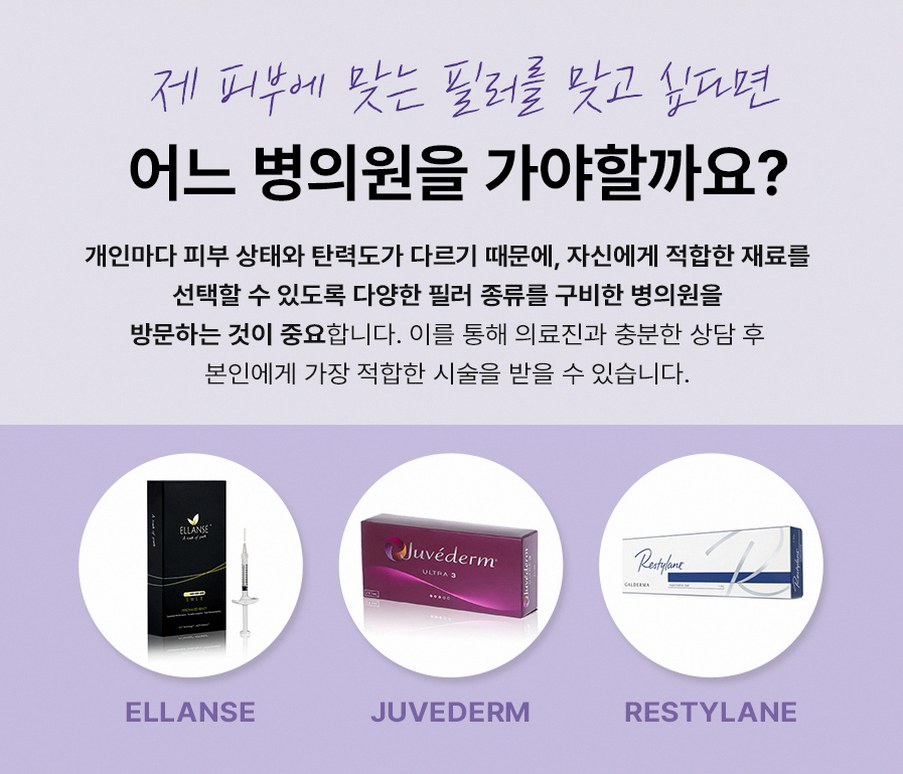
Dermal fillers are injectable materials used to restore volume, smooth wrinkles, and enhance facial contours. Common products include hyaluronic acid fillers such as Restylane and the Juvederm lines, collagen‑stimulating fillers such as Ellanse, and longer‑lasting volumizing fillers like Lafullen or Juvelook.
These fillers can be used in many facial areas: nose, chin, cheeks, lips, under‑eye (tear trough), nasolabial folds, marionette lines, jawline, temples, and more. In a premium anti‑aging center in the Cheongdam and Apgujeong Rodeo area of Gangnam,

Aftercare instructions are the practical steps you follow once you leave the clinic. They help the filler settle evenly, reduce swelling and bruising, and lower the risk of complications such as infection, asymmetry, or rare vascular problems. Good aftercare is a partnership between you and your medical team and is especially important if you are visiting Seoul from overseas and have limited time for in‑person follow‑up.
Who may consider dermal fillers in Seoul
Dermal fillers may be considered by adults who want to:
Improve facial contours such as the nose bridge, chin, jawline, or cheekbones.
Soften lines around the mouth, including nasolabial folds and marionette lines.
Add volume to thin lips or correct lip asymmetry.
Reduce a tired look from under‑eye hollows.
Restore volume loss in areas like the temples or mid‑face as part of an anti‑aging plan.
In the Cheongdam and Apgujeong Rodeo area, many international patients combine filler treatment with other anti‑aging procedures such as exosome or stem‑cell based programs. A medical team with dermatology training and academic and international lecture experience typically performs an individualized assessment to decide which filler type and injection technique best match your facial structure, skin quality, and travel schedule.
What to expect right after filler treatment
Immediately after your filler injections, it is normal to notice:
Mild to moderate swelling around the injection sites.
Redness and small needle marks.
Tenderness, a feeling of tightness, or fullness in the treated area.
Small bruises that may deepen in color over the next couple of days.
Slight asymmetry while one side is more swollen than the other.
Typical timeline
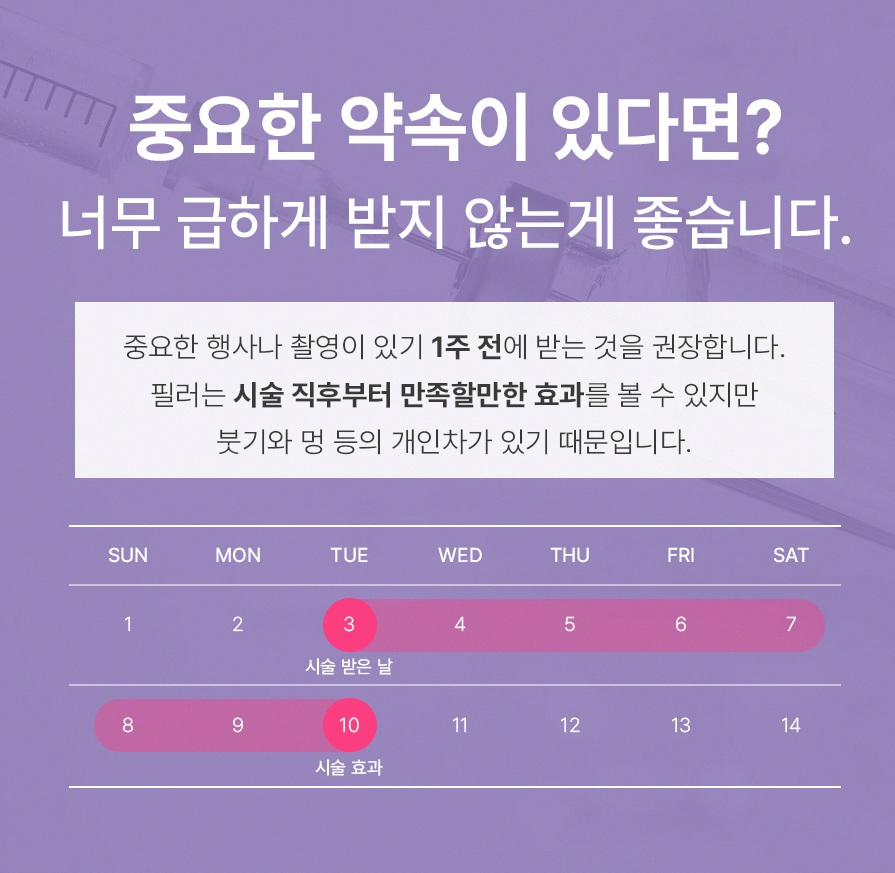
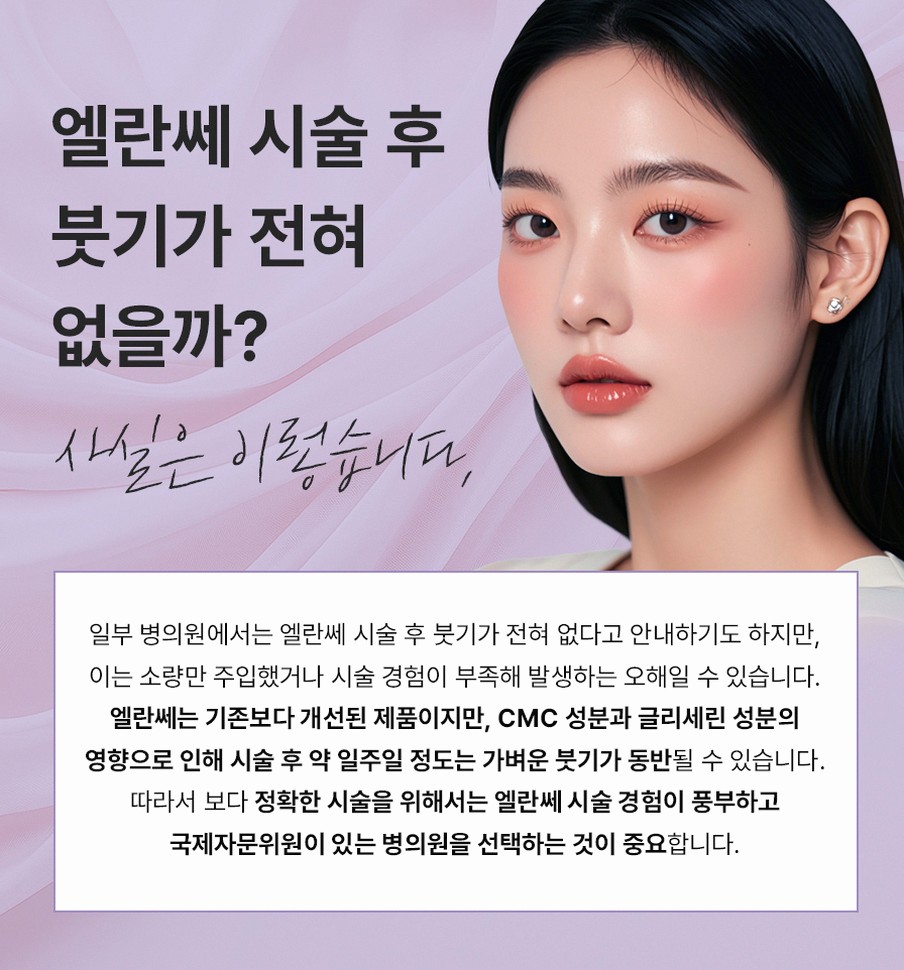
First 24 hours: Swelling and redness are usually at their peak. The treated area may feel firm or slightly lumpy due to swelling.
Days 2 to 3: Swelling and bruising may look more obvious, then gradually begin to improve.
Around 1 to 2 weeks: The filler usually settles, and the final shape and symmetry become clearer. Small irregularities often smooth out as the tissues relax.
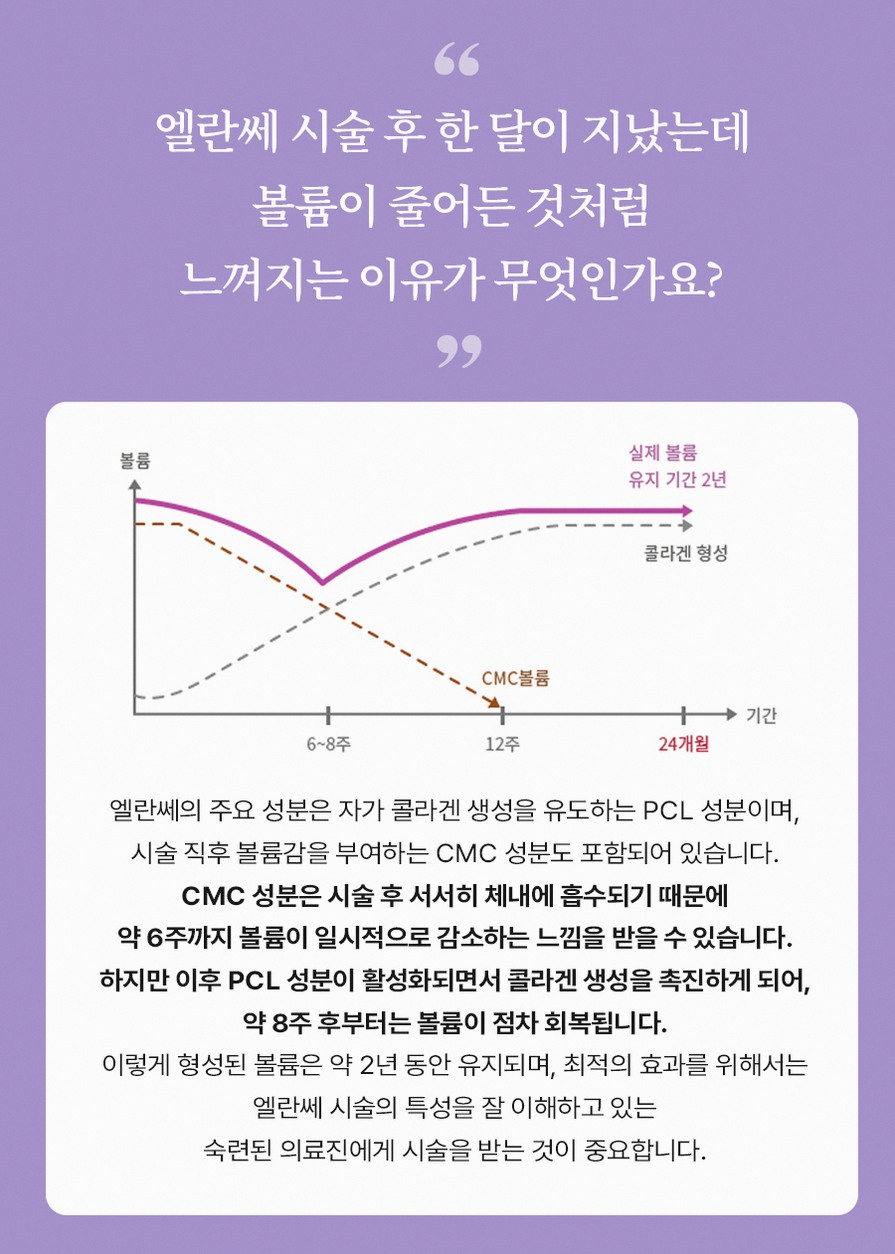
For collagen‑stimulating fillers such as Ellanse, you may see an immediate improvement from the injected material plus a gradual change over several weeks as your own collagen forms. This means the early look is not yet the final result.
First 24 hours: immediate aftercare checklist
Cooling
Apply a clean, cool pack intermittently to reduce swelling and discomfort, for example 10 to 15 minutes on, then 10 to 15 minutes off. Always wrap ice or gel packs in a clean cloth; do not place ice directly on your skin, especially around the eyes.
Touching and pressure
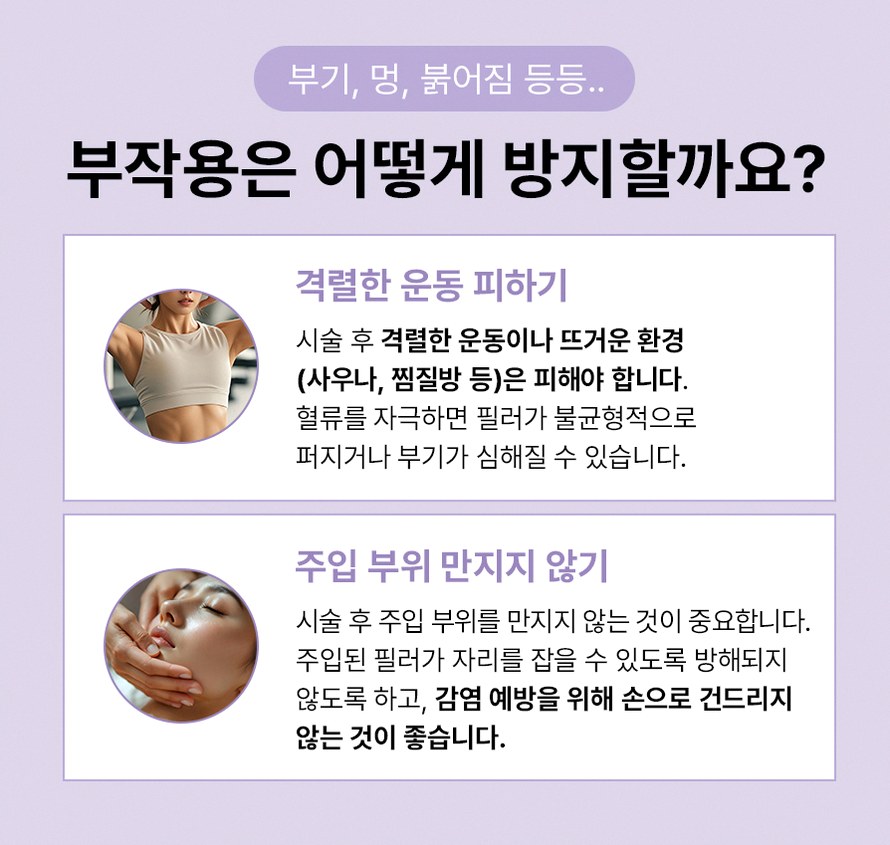
Avoid pressing, rubbing, or massaging the treated area unless your doctor has given you specific instructions and shown you the correct technique. Do not try to “shape” the filler yourself.
When resting or sleeping, avoid lying face‑down. Try to keep your head slightly elevated on one or two pillows to help limit swelling.
Activity and posture
Avoid strenuous exercise, heavy lifting, or intense yoga and pilates positions where your head is lower than your heart. Minimize bending over for long periods, such as cleaning the floor or lifting heavy luggage.
Heat and vasodilation
Avoid hot baths, saunas, steam rooms, and very hot showers, as heat can increase swelling and bruising. In the Gangnam and Cheongdam area, many hotels and spas have saunas; plan to skip these for at least several days after treatment.
Avoid alcohol and very spicy food on the day of treatment and ideally for 24 to 48 hours, because they can dilate blood vessels and worsen bruising.
Skin care and makeup
Keep the injection sites clean and dry for several hours after treatment. Your doctor will tell you when you can gently wash your face.
If makeup is allowed the same day, use clean brushes or applicators and gentle products to reduce infection risk. Avoid heavy foundation directly over fresh injection points for the first 24 hours if possible.
Aftercare for days 2 to 7
Swelling and bruising management
If you still feel uncomfortable, you can continue gentle cooling with a clean cool pack. Over‑the‑counter bruise creams or patches may be used if your doctor approves them. Follow your clinic’s specific product recommendations.
Sleeping and posture
Continue to avoid sleeping on your face or pressing your cheek into a hard pillow, especially after nose, cheek, or under‑eye fillers. A soft pillow and side‑sleeping with minimal pressure on the treated side can be helpful.
Exercise and lifestyle
Light daily activities such as walking and desk work are usually fine from the day after treatment, unless your doctor advises otherwise.
Many patients can gradually return to normal exercise after 2 to 3 days if there are no issues. However, avoid contact sports or any activity that could hit or compress your face for at least 1 to 2 weeks.
If you are traveling around Korea after your appointment, consider avoiding activities where helmets or tight straps press on treated areas, such as certain sports or amusement park rides.
Skin care routine
Gentle cleansing and moisturizing are usually fine after the first day. Avoid harsh scrubs, strong acids, or retinoids directly over injection sites until the skin has fully recovered and there is no redness or scabbing.
If you use active skincare products at home, ask during your consultation when it is safe to restart them.
Sun protection
Use daily sunscreen to protect bruised or sensitive skin and to support overall anti‑aging. A broad‑spectrum sunscreen with at least SPF 30 is generally recommended. Hats and sunglasses can provide extra protection, especially after under‑eye or cheek fillers.
What you should not do after filler treatment
Do not massage or reshape the filler on your own unless your doctor has specifically instructed you and demonstrated how to do it.
Avoid facial treatments that apply strong pressure or heat for at least 1 to 2 weeks. This includes deep facial massage, gua sha, cupping, and strong manual lymphatic drainage over the treated areas.
Avoid high‑heat or high‑energy devices directly over the filler area, such as certain lasers, radiofrequency, or ultrasound, unless they are performed by a doctor who understands exactly where your filler has been placed and how different technologies interact with fillers.
Avoid dental procedures that require prolonged mouth opening or strong pressure on the cheeks or lips for about 1 to 2 weeks after fillers around the mouth, unless the dental treatment is urgent. If you already have a dental appointment scheduled, inform both your dentist and your filler doctor so they can coordinate.
Never self‑inject or attempt to correct asymmetry at home. Any adjustment should be done by a qualified medical professional.
Area‑specific aftercare tips
Nose filler
Avoid wearing heavy or tight glasses that press on the bridge of your nose for the period recommended by your doctor. If you must wear glasses, ask whether temporary adjustments or lighter frames are needed.
Do not pinch, press, or repeatedly push the nose to “shape” it. This can disturb the filler placement and, in rare cases, affect blood flow.
Chin and jawline filler
Avoid resting your chin on your hand for long periods, such as during work or while using your phone.
Be careful with helmets, mask straps, or tight clothing that may press on the chin or jawline. If you plan activities that require helmets, discuss timing with your clinic during your consultation.
Under‑eye filler
The under‑eye area has thin, delicate skin and tends to bruise and swell more easily. Handle the area very gently when cleansing or applying skincare.
Expect swelling to take a bit longer to settle; final results may take 2 to 3 weeks. Small irregularities often improve as swelling resolves.
Lip filler
Swelling and bruising are often more noticeable in the lips. It is common for lips to look fuller and sometimes uneven in the first few days.
Avoid very hot drinks, kissing, or biting and pressing the lips excessively for several days. Use a clean, hydrating lip balm if your doctor approves it.
When to contact your clinic urgently
It is important to distinguish between normal reactions and warning signs.
Normal reactions that usually do not require emergency care include:
Mild to moderate swelling, redness, and bruising that gradually improve over several days.
Slight unevenness or asymmetry that improves as swelling goes down.
Mild tenderness or a feeling of tightness.
Warning signs that require immediate contact with your clinic or emergency care include:
Sudden, severe pain at or near the injection site, especially if it feels different from simple soreness or bruising.
Skin that turns very pale, white, or blotchy, or develops a bluish or grayish discoloration.
Rapidly worsening swelling with severe redness, warmth, or fever, which may suggest infection.
Visual changes such as blurred vision, double vision, or sudden loss of vision.
Severe headache, dizziness, or difficulty speaking after treatment.
Vascular complications are rare but time‑sensitive. Do not wait to see if these symptoms go away on their own. If you are traveling and cannot reach your original clinic quickly, seek urgent medical attention locally and show them your treatment details if available.
Follow‑up visits and adjustment period
A follow‑up check, often around 1 to 2 weeks after treatment, allows your doctor to:
Assess symmetry and volume after most of the swelling has subsided.
Decide whether small touch‑ups or additional filler are appropriate.
Address any lumps, nodules, or irregularities that do not improve on their own.
Review how the filler interacts with your facial expressions and overall balance.
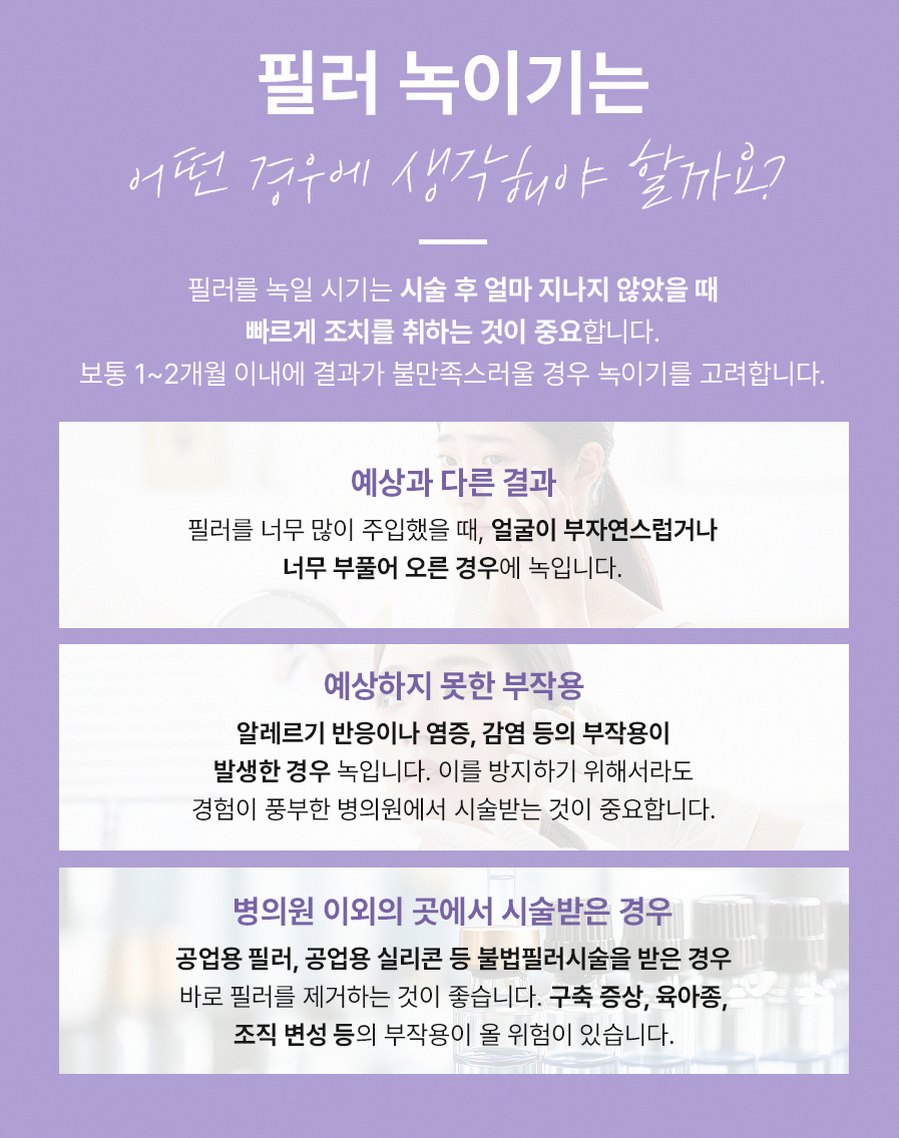
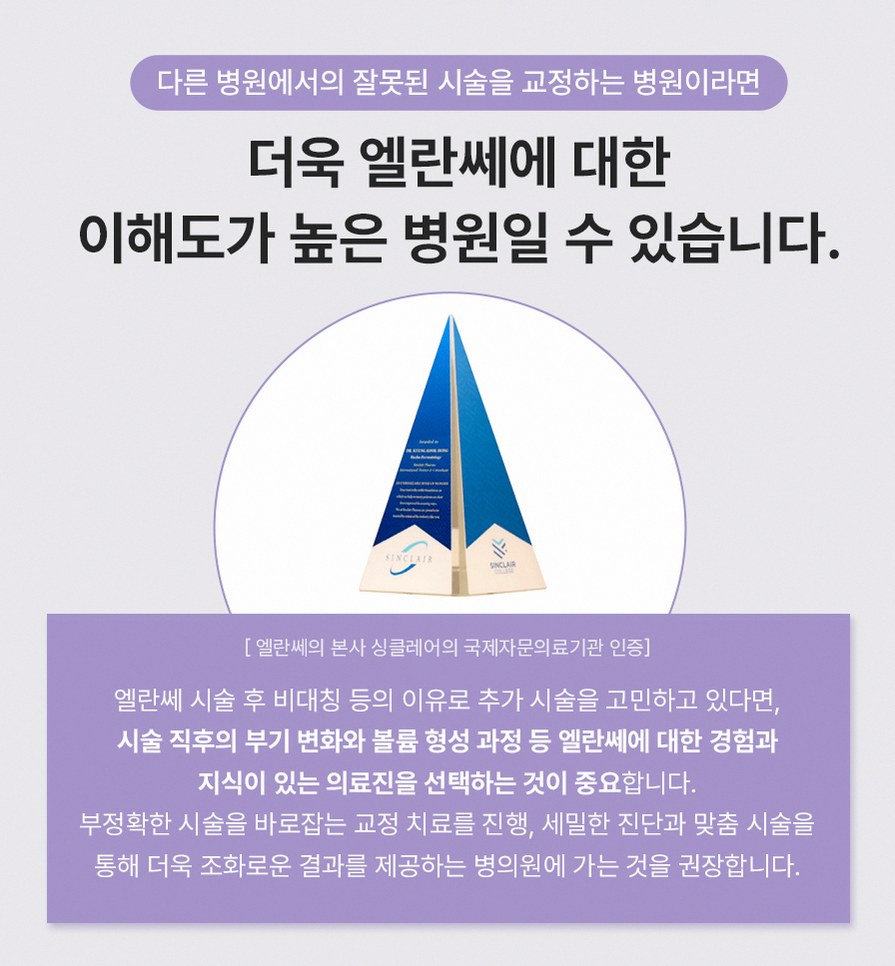
Hyaluronic acid fillers, such as Restylane and many Juvederm products, can be adjusted or dissolved with an enzyme called hyaluronidase if necessary. This provides flexibility for fine‑tuning. Collagen‑stimulating fillers such as Ellanse and some long‑lasting volumizing products require more careful planning from the start because they cannot be dissolved in the same way.
If you are an overseas patient and cannot stay in Seoul for a 2‑week follow‑up, discuss alternative options before your treatment. These may include a shorter in‑person review, online follow‑up using photos, or coordination with a local clinic in your home country.
Longevity of results and maintenance
Typical duration ranges
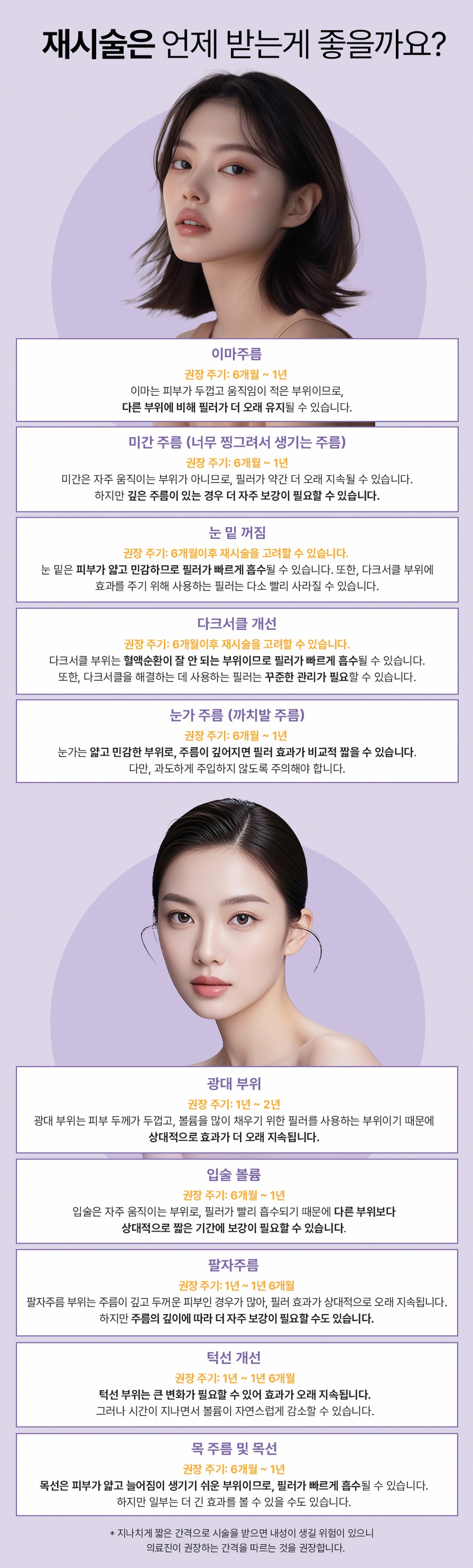
Many hyaluronic acid fillers last roughly 6 to 18 months, depending on the product, treatment area, and individual metabolism.
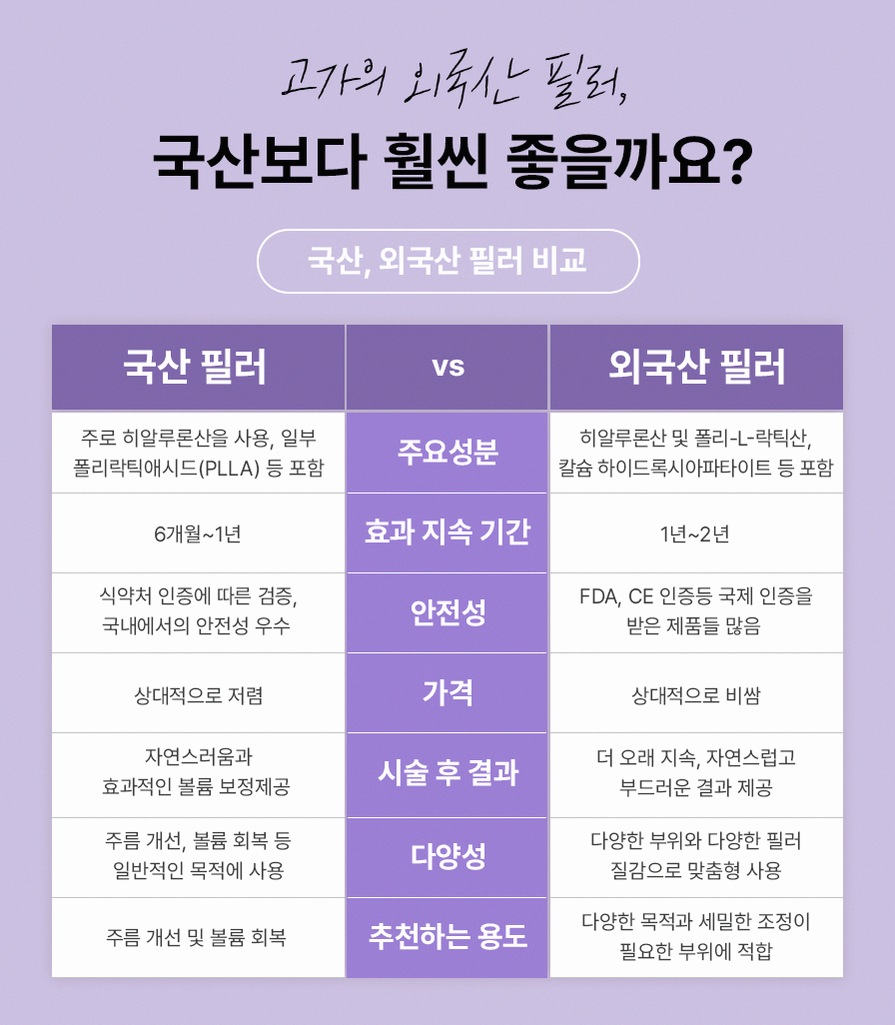
Collagen‑stimulating fillers such as Ellanse often last longer, as they work by stimulating your own collagen over time. Long‑lasting volumizing fillers like Lafullen or Juvelook may also have extended duration depending on the indication and technique.
Factors that influence how long fillers last
Area of injection: High‑movement areas like the lips and mouth tend to break down filler faster than more static areas like the temples or nose.
Individual metabolism and lifestyle: Smoking, intense exercise, and overall health can influence how quickly your body processes filler materials.
Skin quality and tissue support: Healthier, better‑supported tissue often holds filler more smoothly and may contribute to more stable results.
Product type and injection technique: Different fillers are designed for different depths and purposes. A clinic that uses a wide range of products can match the filler to the specific area and goal.
Fillers as part of a broader anti‑aging plan
Rather than relying only on volume, many patients in Cheongdam and Apgujeong Rodeo choose a broader anti‑aging approach. This may include treatments that focus on skin quality and cellular health, such as exosome programs, stem‑cell based therapies, skin boosters, and energy‑based lifting devices.

A clinic with an in‑house cell research focus can plan your fillers with long‑term tissue health in mind, aiming for natural, age‑appropriate changes rather than frequent large volume corrections.
Online consultation and pre‑visit preparation for overseas patients
If you are planning to travel to Seoul for fillers, an online consultation before your trip is very helpful. During this process, you can:
Share clear photos of your face from the front and both sides, in natural light without heavy makeup.
Explain your main concerns, such as flat nose bridge, weak chin, deep nasolabial folds, tired under‑eyes, or volume loss.
Discuss your medical history, including allergies, previous filler treatments, and any important health conditions.
Inform the clinic about your travel schedule, including arrival and departure dates, so they can suggest the best timing for treatment and follow‑up.
Before your visit, prepare a short list of questions, for example:
Which filler types are likely to be used in my case, and why?
How many days of visible swelling should I expect, considering my travel plans and meetings?
What are the specific aftercare instructions for my chosen areas?
What should I do if I notice a problem after I return home?
Expected Korea visit timeline for filler treatment
A common schedule for international patients staying in the Gangnam and Cheongdam area might look like this:
Day 1: Arrival in Seoul, rest, and possibly an in‑person consultation if timing allows.
Day 2: Detailed consultation, facial analysis, and dermal filler treatment. Plan a quiet evening with minimal social events.
Day 3 to 4: Swelling and bruising may be most visible. Light sightseeing and shopping are usually possible, but avoid intense physical activities, saunas, and contact sports.
Day 5 to 7: Swelling generally improves. Many patients feel comfortable meeting friends or attending casual events.
Day 7 to 14: If your schedule allows, a follow‑up visit can be arranged to check symmetry and discuss any further plans.
If your stay is shorter, your clinic can help prioritize which areas to treat and how to structure follow‑up once you return home.
Role of a specialized anti‑aging and filler clinic in Cheongdam
Being treated in a specialized anti‑aging and filler center in the Cheongdam and Apgujeong Rodeo area offers several advantages:
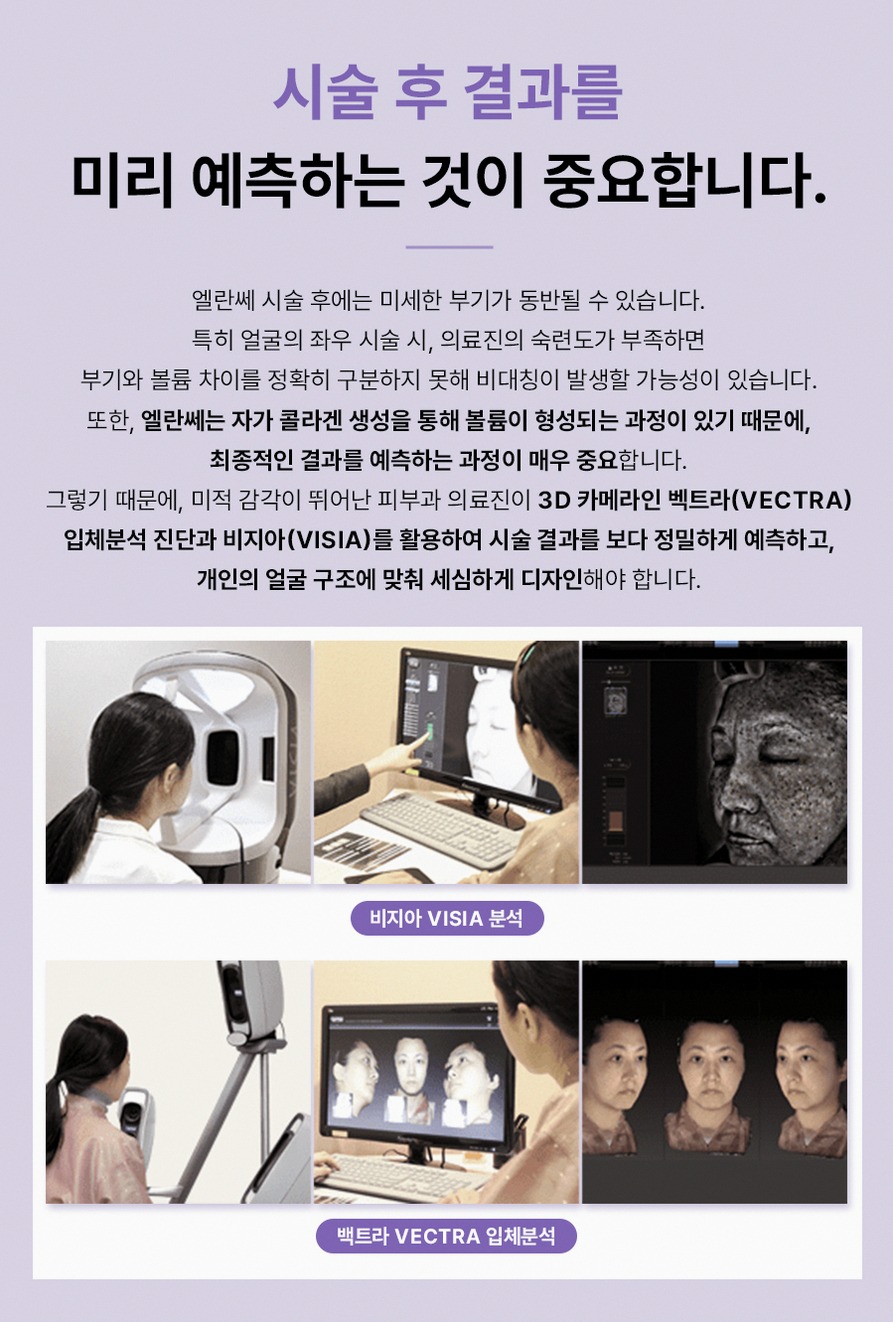
The clinic may use imaging, photography, or diagnostic tools to document your baseline and track changes over time, which is especially useful if you visit Seoul regularly.
An understanding of how fillers interact with other anti‑aging treatments such as exosome injections, skin repair injections, and lifting devices helps avoid conflicts between procedures and supports long‑term tissue quality.
Clear pre‑ and post‑treatment counseling, along with easy access for questions via phone or messaging, is particularly important for overseas patients who may need guidance once they have returned home.
FAQ
How long does swelling last after filler injections?
Most swelling from hyaluronic acid fillers starts to improve within 2 to 3 days and continues to settle over 1 to 2 weeks. Under‑eye and lip areas may stay puffy a bit longer than the nose or chin. Collagen‑stimulating fillers may feel firm at first, then soften as your tissues adapt. If swelling suddenly worsens, becomes very painful, or is accompanied by fever or skin color changes, contact your clinic immediately.
Can I drink alcohol after filler treatment?
It is generally recommended to avoid alcohol on the day of your filler treatment and ideally for 24 to 48 hours afterward. Alcohol dilates blood vessels and can increase bruising and swelling. Once bruising has started to fade and there are no other concerns, moderate alcohol intake is usually acceptable, but always follow your doctor’s specific advice.

When can I exercise again after fillers?
Light walking is usually fine from the day after treatment. Many patients can resume moderate exercise after 2 to 3 days if there are no complications. High‑intensity workouts, hot yoga, and contact sports should be postponed for about 1 to 2 weeks, especially if you had fillers in high‑risk or easily compressed areas such as the nose, lips, or under‑eyes. Your doctor can adjust these timelines based on your individual case.
Is it safe to get laser or radiofrequency treatments after fillers?
Some lasers and radiofrequency devices can be safely combined with fillers, while others should be used with caution or on different days. High heat or strong energy directly over recent filler injections may affect the filler or surrounding tissue. If you plan to have laser, radiofrequency, or ultrasound treatments, inform your clinic in advance so they can design a safe sequence and choose appropriate settings.
What should I do if I feel a lump after filler?
Small lumps or unevenness can be normal in the first days while swelling is present. Do not massage them aggressively on your own. Monitor the area for changes in size, pain, or skin color. At your follow‑up visit, your doctor can assess whether gentle massage, time, or in some cases adjustment or dissolving is needed. If the lump is painful, red, or associated with skin color changes, contact the clinic promptly.
How soon can I get more filler if I want extra volume?
It is usually best to wait until the initial swelling has fully settled before deciding on more volume, which often takes about 1 to 2 weeks. At that point, your doctor can see the true result and recommend whether additional filler is appropriate. For collagen‑stimulating fillers, your doctor may suggest waiting longer to see how your own collagen develops before adding more.
Can fillers be reversed if I do not like the result?
Many hyaluronic acid fillers can be partially or completely dissolved with an enzyme called hyaluronidase. This can soften or reverse the effect if needed. Collagen‑stimulating and some long‑lasting volumizing fillers cannot be dissolved in the same way, so they require more careful planning and conservative dosing from the start. Always discuss reversibility and product choice with your doctor before treatment.

Soft call to action
If you are considering dermal fillers during your visit to Seoul and want clear, medically grounded aftercare guidance, an online consultation with a specialized anti‑aging clinic in the Cheongdam and Apgujeong Rodeo area can be a helpful first step. By sharing your photos, goals, and travel schedule in advance, you and your medical team can plan safe, natural‑looking treatment and structured follow‑up tailored to your needs.
This article is for general information only and does not replace a personal consultation with a qualified medical professional. Always follow the specific instructions given by your treating doctor.
- 공유 링크 만들기
- X
- 이메일
- 기타 앱

댓글
댓글 쓰기