Filler Longevity Guide: How Long Do Dermal Fillers Last In Korea?
- 공유 링크 만들기
- X
- 이메일
- 기타 앱
Direct answer: how long do fillers last?
When people talk about filler longevity, they are asking how long the volume, lifting, or skin-quality improvement from dermal filler injections will stay visible before gradually fading.
In real life, filler longevity is always a range, not an exact date. On average:
Hyaluronic acid (HA) fillers such as Restylane or Juvederm are commonly reported to provide correction for several months to over a year, but exact duration varies by product, treatment area, and individual factors; discuss expected timing with your clinic.

Ellanse and other collagen‑stimulating fillers are generally described as having longer‑lasting effects than many HA fillers; the actual duration depends on the specific product version and individual metabolism.
Certain longer‑lasting volumizing fillers used in practice are designed to maintain volume for a longer period than standard HA fillers, but timelines vary by product, treatment area, and patient factors, and such treatments are not permanent.
Skin-boosting fillers such as Juvederm Volite or Juvelook usually improve hydration and texture for about 6 to 12 months.
These are average ranges only. Your own results may be shorter or longer depending on filler type, injection area, lifestyle, and how your body breaks down the product. A clinic in Cheongdam, Gangnam, near Apgujeong Rodeo Station, for example, will usually explain this clearly during consultation so you can plan your visit and expectations.
Treatment overview: what dermal fillers can do
Dermal fillers are injectable gels used to restore lost facial volume, contour the face, and improve skin quality. For international patients coming to Korea, the most commonly used fillers include:

Hyaluronic acid fillers
These are made from a substance that naturally exists in the skin. Well-known brands include Restylane and various Juvederm lines. They are used for cheeks, lips, nasolabial folds, marionette lines, chin, jawline, nose bridge, and under-eye areas. A major advantage is that they can be dissolved with an enzyme called hyaluronidase if needed.
Collagen-stimulating fillers
Products such as Ellanse do not only fill space. They also stimulate your own collagen production. The carrier gel is absorbed over time, but the new collagen can maintain volume and firmness for longer than typical HA fillers.
Long-lasting volumizing fillers
Fillers such as Lafullen are designed to give structural support and longer duration in areas like cheeks or chin. They are usually placed deeper and require precise technique and careful indication.
Skin-boosting fillers
Skin boosters such as Juvederm Volite or hybrid products like Juvelook focus more on hydration, fine lines, and texture than on strong volume. They can give a smoother, more radiant skin surface rather than a dramatic change in shape.
In a specialized anti-aging and filler center in Cheongdam, these different filler families are often combined in a layered plan to match your age, facial structure, and travel schedule.

Who may consider fillers in Korea
You may be a good candidate for dermal fillers if you:
Notice volume loss in the cheeks, temples, or under-eye area that makes you look tired.
Want to soften nasolabial folds or marionette lines without surgery.
Would like more definition in the chin, jawline, or nose bridge.
Want subtle lip enhancement or correction of asymmetry.
Are interested in improving skin hydration, fine lines, or overall glow.
For overseas patients, fillers are also attractive because:
The procedure is quick, often 30 to 60 minutes.
Downtime is usually minimal, so you can combine treatment with a short stay.
Results are visible immediately, then refine over several weeks.
However, fillers are not suitable for everyone. Certain medical conditions, medications, or previous filler history may affect safety and product choice. This is why a detailed online consultation before you book flights is important.
What determines how long fillers last?
Filler material and product line
Different fillers are designed for different purposes and durations.
Hyaluronic acid fillers
Within HA fillers, longevity depends heavily on cross-linking and the specific product line. For example, Juvederm Voluma or Restylane Lyft are more highly cross-linked and usually last longer in deeper areas such as cheeks or chin. Softer products like Juvederm Volbella or Restylane Kysse are designed for lips or fine lines and may not last as long, but they move more naturally.

Collagen-stimulating fillers
Ellanse and similar products work by triggering your body to build new collagen. The initial gel is absorbed, but the collagen remains for a longer period. Different versions of Ellanse are designed to last for different ranges, roughly from about 1 year up to around 4 years, depending on the type and your metabolism.
Long-lasting volumizing fillers
Fillers such as Lafullen are designed for structural support and longer duration, especially in deeper planes like cheeks or chin. Because they stay longer, they require careful planning, precise technique, and realistic expectations.
Skin boosters
Skin boosters like Juvelook or Volite are thinner and spread more widely. Their main effect is on skin texture, hydration, and fine lines rather than strong volume. Patients often feel that the glow and smoothness last about 6 to 12 months, sometimes longer if combined with good skincare and sun protection.
Injection area
Where the filler is placed has a big impact on longevity.
Areas with less movement, such as cheeks, temples, chin, and nose bridge, tend to hold fillers longer because there is less mechanical stress.
Highly mobile areas, such as lips, nasolabial folds, marionette lines, and under-eye areas, tend to break down filler faster due to constant movement and thinner skin.

Individual metabolism and lifestyle
Your body gradually breaks down filler material.
People with a faster metabolism, very active lifestyles, frequent intense exercise, or chronic inflammation may notice that fillers fade sooner.
Smoking and excessive alcohol use can also accelerate skin aging and may shorten the visible effect.
On the other hand, good sleep, sun protection, stress management, and stable weight can help maintain a fresher look for longer.
Injection depth and technique
Deeper injections on bone or deep fat pads tend to last longer than very superficial placement because they are more protected from movement and metabolism.
Even, anatomically correct placement helps the filler integrate naturally with your tissues, so it fades gradually and harmoniously instead of forming lumps or irregularities.
Amount of filler and treatment plan
If the initial amount of filler is too small for your level of volume loss, it may feel like it disappears quickly, even if the product itself is still present.

Staged treatments, where volume is built up in layers over time, often give more natural and longer-lasting satisfaction than trying to do everything in one session.
Typical longevity by area and filler type
The following ranges are general examples for a healthy adult. They are not guarantees, but they can help you plan your visit and follow-up.
Cheeks and midface volume
With robust HA fillers such as Juvederm Voluma or Restylane Lyft, or with long-lasting volumizers, cheeks often stay nicely enhanced for about 12 to 24 months.
Chin and jawline contouring
Chin and jawline fillers, especially when placed deeply with a firm product, may last about 12 to 24 months, sometimes longer in patients with good skin quality and stable weight.
Nasolabial folds and marionette lines
Because these areas move when you talk and smile, HA fillers here usually last about 9 to 18 months.

Lips
Lips are in constant motion and have strong blood flow, so filler tends to fade faster. Most patients notice that lip fillers last about 6 to 12 months before a touch-up is considered.
Tear trough and under-eye
Under-eye fillers are usually approached very conservatively for safety. When done with appropriate products and technique, they may last about 9 to 18 months, but the exact plan depends heavily on anatomy and previous treatments.
Nose bridge (non-surgical rhinoplasty)
Filler in the nose bridge is often long-lasting, around 12 to 18 months or more, but this area requires especially careful product choice and safety protocols because of the vascular anatomy.
Skin boosters and overall skin quality
Skin boosters such as Volite or Juvelook are often done as a series of sessions. After a full course, many patients feel that the improvement in hydration, fine lines, and glow lasts about 6 to 12 months. Maintenance sessions can then be scheduled once or twice a year.
Collagen-stimulating fillers
Ellanse and similar products can maintain effect for several years, depending on the version used and your body. They are not permanent, but they do require long-term planning because they are not easily reversible.

How to maintain filler results longer and more safely
Lifestyle and skincare
Consistent sun protection is one of the most important habits. Use a broad-spectrum sunscreen daily and avoid excessive sun exposure, especially right after treatment.
Avoid smoking and limit excessive alcohol, as both can accelerate skin aging and reduce the visible longevity of fillers.
Try to maintain a stable weight. Large weight loss can change facial fat distribution and make fillers look less noticeable even if the product is still present.
Use gentle skincare, especially in the first weeks after treatment. Avoid aggressive facial massages, strong scrubs, or intense treatments on the injected areas until your doctor says it is safe.
Medical follow-up and maintenance
Schedule a follow-up visit after your filler session. This allows the doctor to check symmetry, integration, and whether a small adjustment is needed.
Plan maintenance before the filler has completely disappeared. Many patients prefer a small touch-up when they notice about 30 to 50 percent reduction in effect, rather than waiting for a full return of sagging or deep lines.
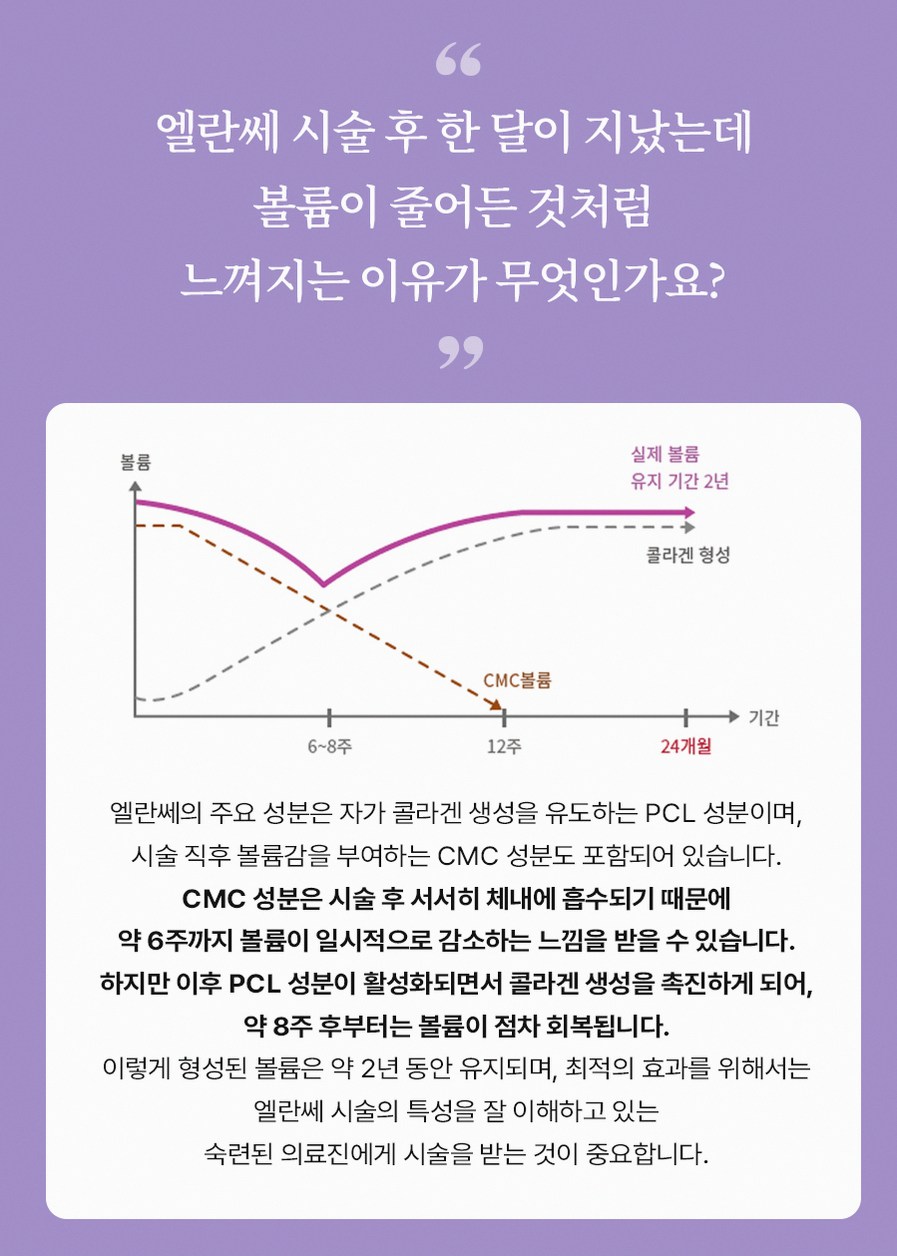
rimarily restore structure and volume.
A conservative, layered approach over time is usually safer and more natural than injecting large volumes in a single visit.
Safety considerations for long-lasting fillers
Longer duration is not automatically better. Safety, natural appearance, and reversibility are equally important.
Hyaluronic acid fillers
HA fillers can be dissolved with hyaluronidase if there is overcorrection, asymmetry, or a vascular complication. This reversibility is a major safety advantage, especially for first-time patients or high-risk areas.
Collagen-stimulating and long-lasting volumizing fillers
These products stay longer and are not easily dissolved. They require:
Careful patient selection and a detailed medical history, including previous fillers and treatments.
Precise anatomical knowledge and injection technique.
Clear discussion of long-term plans and realistic expectations.

Because correction options are more limited if you dislike the result, the injector’s experience and safety protocols are critical.
Some clinics in Cheongdam, Gangnam, operate as aesthetic dermatology centers focusing on anti-aging from the cellular level. They may combine fillers with exosome-based and stem-cell-based treatments and run in-house cell research labs. This kind of environment supports a comprehensive, long-term strategy rather than one-time volume injections.
When choosing a clinic, prioritize medical expertise, safety systems, and emergency preparedness, such as immediate availability of hyaluronidase and detailed knowledge of facial vascular anatomy, rather than price alone.
What to expect over time: how fillers fade
Fillers do not suddenly disappear overnight. Instead, most patients experience a gradual, subtle decrease in volume and lifting.

It is also common for patients to get used to their improved appearance. Because of this, some people feel their filler has faded earlier than it actually has. Comparing photos taken before treatment and a few months later can help you see the true change.
For collagen-stimulating fillers and exosome-based or stem-cell-based treatments, some of the skin-quality improvements can remain even after part of the volume has reduced. Skin may stay smoother or firmer than before, although the exact degree varies.
If you are unhappy with the result of an HA filler, it can usually be adjusted or dissolved. For other filler types, options are more limited and must be discussed in advance.
When to consider a touch-up or re-treatment
There is no fixed schedule that fits everyone, but you can use these guidelines:
When you feel that the visible improvement has reduced by about 30 to 50 percent and you start to see more shadows, folds, or sagging.
When one side of the face seems to fade faster than the other and asymmetry becomes more obvious.
When life events such as weight change, stress, or aging alter your facial structure so that the previous balance no longer looks right.

The ideal timing depends on your age, skin elasticity, baseline volume loss, type and amount of filler used, and whether you are also doing lifting, exosome, or stem-cell treatments. Your doctor can help you decide on a personalized maintenance interval during follow-up or online consultation.
Online consultation and pre-visit preparation for Korea
Before you book flights to Seoul, it is wise to arrange an online consultation.
Most clinics will ask you to send:
Clear photos of your face from the front, 45-degree angles, and side views in good lighting.
Information about your age, medical history, allergies, and medications.
Details of any previous fillers, threads, or energy-based treatments, including when and where they were done and which products were used, if known.
You can also prepare a short list of priorities, such as:
Which areas bother you the most.
Whether you prefer a very subtle or more visible change.
How long you can stay in Korea and how many clinic visits you can manage.
During online consultation, ask about:
Recommended filler types for each area and their expected longevity.
How many sessions are likely within your travel dates.
What kind of aftercare is needed and how soon you can fly home.

This preparation helps the clinic design a realistic plan that fits both your aesthetic goals and your travel schedule.
Expected Korea visit timeline for filler treatment
For most overseas patients, filler treatment can be completed in a short trip.
Day 1: In-person consultation and treatment
You meet the doctor, review your goals, and have your face examined in detail. The doctor confirms the filler types and areas discussed online, explains risks, and answers your questions.
If both sides agree, treatment is often done on the same day. The procedure usually takes 30 to 60 minutes, depending on the number of areas.
Day 2 to 3: Early check and sightseeing
Mild swelling or small bruises are common but usually manageable with makeup after 24 hours, if your doctor allows it. Many patients use these days for light sightseeing or shopping in areas like Apgujeong Rodeo and Cheongdam.

If needed, a short follow-up visit can be scheduled to check symmetry and early healing.
Day 4 to 7: Refinement and departure
Swelling continues to settle. If your stay is longer, the clinic may schedule a final check before you fly home. If your stay is short, this final check may be done by photo or video call after you return.
Because filler results continue to refine over 2 to 4 weeks, many clinics will ask for follow-up photos later to evaluate the outcome and discuss future maintenance.
Aftercare and long-term management
Immediately after treatment, you will usually be advised to:
Avoid heavy exercise, saunas, and hot baths for a few days.
Avoid pressing or massaging the treated areas unless your doctor specifically instructs you to do so.
Sleep with your head slightly elevated on the first night if there is swelling.
Use cold compresses gently if recommended.
In the long term:
Use sunscreen daily and avoid tanning.
Follow a gentle skincare routine and avoid harsh treatments on the injected area until cleared by your doctor.
Schedule periodic online or in-person reviews to plan touch-ups.

If you notice severe pain, sudden color change of the skin, or vision changes after filler injections, seek emergency medical help immediately and contact the clinic, as these can be signs of vascular complications.
FAQ about filler longevity
How long do fillers usually last in the face?
Most facial fillers last between 6 and 24 months, depending on the product and area. Softer HA fillers in mobile areas like lips often last 6 to 12 months, while firmer fillers in cheeks or chin can last 12 to 24 months. Collagen-stimulating fillers may last several years, but they are still not permanent and require careful planning.
Why do my fillers seem to disappear faster than my friend’s?
Everyone’s body breaks down filler at a different speed. Factors such as metabolism, exercise level, smoking, sun exposure, and the amount and type of filler used all matter. It is also common to get used to your improved appearance, which can make you feel that the filler has faded earlier than it actually has.
Do longer-lasting fillers mean higher risk?
Not always, but there are trade-offs. Longer-lasting fillers, especially those that are not easily reversible, require more precise technique and careful patient selection. HA fillers have the advantage of being dissolvable, which can be reassuring for first-time patients or high-risk areas. The key is to match the filler type to your goals and risk tolerance in discussion with an experienced doctor.
Is it better to wait until fillers are completely gone before re-injecting?
You do not need to wait until everything has disappeared. Many patients prefer to schedule touch-ups when they notice about 30 to 50 percent reduction in effect. This approach helps maintain a stable, natural look over time instead of large, sudden changes. The exact timing should be personalized based on your age, skin condition, filler type, and overall anti-aging plan.

Soft call to action
If you are considering fillers in Korea and want a realistic idea of how long your results might last, an online consultation is a good first step. By sharing photos, medical history, and your travel schedule in advance, a Cheongdam-based aesthetic dermatology clinic can suggest suitable filler options such as Restylane, Juvederm lines, Ellanse, Lafullen, or Juvelook, and outline an individualized timeline for your visit.
This article is for general information only and does not replace a personal consultation with a qualified medical professional. Always discuss your specific situation, risks, and expectations directly with your doctor before deciding on any treatment.
This article was prepared with information provided by Clinique hus,hu.
- 공유 링크 만들기
- X
- 이메일
- 기타 앱

댓글
댓글 쓰기