Forehead Ellanse Filler Guide in Cheongdam Gangnam
- 공유 링크 만들기
- X
- 이메일
- 기타 앱

Direct answer summary
Forehead Ellanse is an injectable filler treatment that uses a collagen‑stimulating material to smooth a flat or bony forehead and restore youthful volume. It is performed in a clinic setting and is typically completed during a single visit; confirm the expected appointment length with your clinic. It aims for a natural, long‑lasting curve rather than a short‑term “puffy” look. Because it cannot be easily dissolved, careful assessment, conservative planning, and an experienced injector are essential.
Treatment overview: what is forehead Ellanse?
Ellanse is a biostimulatory filler made of tiny polycaprolactone microspheres suspended in a gel carrier. When injected into the forehead, the gel gives an immediate soft filling effect, while the microspheres gradually stimulate your own collagen over the following months.
Forehead Ellanse means using this product specifically to reshape and support the forehead area. The goal is to change a flat or slightly concave forehead into a smoother, more convex curve, soften visible bony lines, and restore volume that is often lost with age or weight changes. This can make the upper face look more relaxed, balanced, and youthful.

Unlike surgery, forehead Ellanse is a minimally invasive injection procedure performed in a treatment room. Local or topical anesthesia is used, and there are no incisions or stitches.
How Ellanse differs from standard hyaluronic acid fillers
Hyaluronic acid fillers are gel fillers that sit where they are placed and then gradually break down. They can usually be dissolved with an enzyme called hyaluronidase if needed. They are useful for trying a new area or for patients who want the option of reversal.
Ellanse works differently. The initial gel carrier provides volume, but the main effect comes from collagen stimulation around the polycaprolactone microspheres. Over time, as the gel is absorbed, your own collagen remains and supports the shape.
Ellanse is a longer‑lasting, collagen‑stimulating option compared with many hyaluronic acid fillers. Exact duration varies by product variant and individual factors such as metabolism, lifestyle, and injection technique, and should be discussed during your consultation with the clinic.
Another important difference is reversibility. Ellanse is not easily dissolved once injected. Small adjustments can sometimes be made with other treatments, but there is no simple “erase” injection. This is why careful planning and a conservative approach are so important.

Clinic context in Cheongdam, Gangnam
This guide reflects the approach of an anti‑aging focused clinic in Cheongdam, Gangnam, near Apgujeong Rodeo Station on the Bundang Line. The medical team reports academic dermatology backgrounds, including MD and PhD training and residency experience at major university hospitals, and participation in dermatologic and regenerative medicine societies. If individual clinician specialist titles are important to you, ask the clinic to confirm each practitioner's exact qualifications.
The clinic operates an in‑house cell research lab and offers exosome and stem‑cell based programs, along with a wide range of lifting and energy devices. For volumizing, the doctors work with Ellanse, other collagen stimulators, and hyaluronic acid fillers, choosing the most appropriate option for each area and patient.
One of the lead doctors serves as an international medical advisor and key opinion leader for Ellanse, with peer‑reviewed publications and regular lectures at international conferences such as IMCAS and AMWC. This experience supports detailed knowledge of safe injection planes, dosing, and complication management.
Who may consider forehead Ellanse?
Forehead Ellanse may be considered in several situations.
People with a flat or concave forehead who want a smoother curve. Many patients feel that a very flat or slightly sunken forehead makes the face look harsher or more masculine than they prefer. Gentle convexity can soften the overall expression.

Early volume loss or hollowing in the upper face. With age, bone and fat in the forehead and temple area can decrease, creating shadows, visible bony ridges, and a more tired look. Restoring volume can support the eyebrows and upper eyelids visually.
Patients seeking longer‑lasting results. Those who have tried hyaluronic acid fillers and liked the effect but are frustrated by how quickly they fade may be interested in a collagen‑stimulating option. This is suitable for people who understand that Ellanse is not easily reversible and are comfortable with a longer commitment.
People who prefer gradual, natural change. Because Ellanse builds collagen over time, the final result often looks integrated and subtle. This can be appealing to patients who want others to notice that they look fresher, but not obviously “filled.”
Who may not be ideal candidates
Forehead Ellanse is not ideal for everyone.

It may not suit people who strongly prefer reversibility or who feel anxious about any long‑term change. In that case, hyaluronic acid fillers can be a better starting point.
It is also not recommended for individuals with uncontrolled systemic illnesses, active infections, or significant skin disease in the treatment area. Patients with certain autoimmune conditions or a history of severe allergies need careful evaluation.
Those with very unrealistic expectations or a desire for a dramatic, sudden transformation may be better served by a different plan. The final decision about candidacy is always made after a full medical consultation and examination.
Consultation and planning process
A structured consultation is essential before forehead Ellanse.
First, the doctor reviews your medical history, including current medications, previous fillers or surgeries, allergy history, and any autoimmune or systemic diseases. This helps identify potential risks and decide whether Ellanse is appropriate.

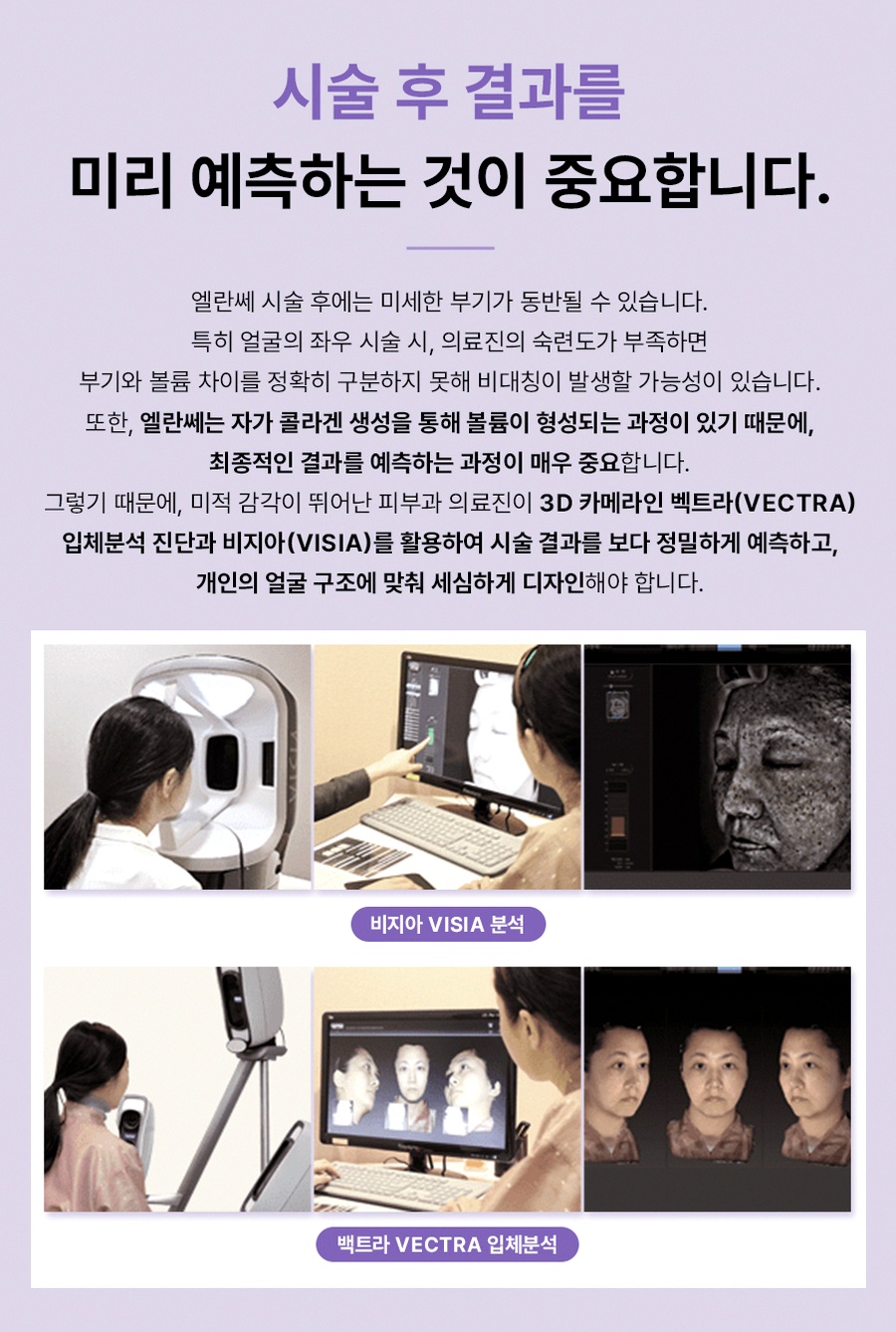
Next, a detailed facial analysis is performed. The doctor assesses forehead height and width, hairline shape, brow position, temple volume, and side profile, as well as harmony with the nose and chin. The goal is to design a forehead shape that fits your natural features rather than copying a single standard.
The clinic uses imaging and diagnostic tools as part of its holistic beauty programs. High‑resolution photos and facial analysis systems help plan volume distribution and document before and after changes. This is useful for both safety and realistic expectation setting.
Based on skin thickness, bone structure, and your desired contour, the doctor selects the Ellanse product type, decides whether to dilute it, and plans the injection depth and technique. In some patients, more support is needed near the bone; in others, a slightly more superficial plane is chosen for smooth blending.
How the forehead Ellanse procedure is performed
On the treatment day, the procedure follows several careful steps.
The forehead and surrounding area are thoroughly cleansed and disinfected to reduce infection risk. Hair near the hairline may be gently secured out of the way.

The doctor marks key anatomical landmarks, including bony points and known vascular pathways, to guide safe injection zones and avoid danger areas.
Topical anesthetic cream is applied, and local anesthesia may be used at entry points to keep you comfortable. Most patients describe the procedure as tolerable, with brief moments of pressure or discomfort.
Depending on the plan, the doctor uses a blunt cannula, a needle, or a combination. Many experienced injectors prefer cannulas in high‑risk areas like the forehead because they may reduce the chance of vascular injury compared with sharp needles.
Ellanse is injected slowly and in a controlled way, usually in deep planes such as supraperiosteal or deep subcutaneous layers, depending on your anatomy. During injection, the doctor continuously monitors skin color and your feedback to detect any unusual pain or changes.
After placing the product, the doctor gently molds and contours the area with light pressure to smooth the shape. Symmetry is checked from multiple angles, including side and three‑quarter views.

The visit is typically brief but can vary depending on the treatment plan and individual needs; your clinic will provide an estimated appointment length when you schedule.
Expected results and timeline
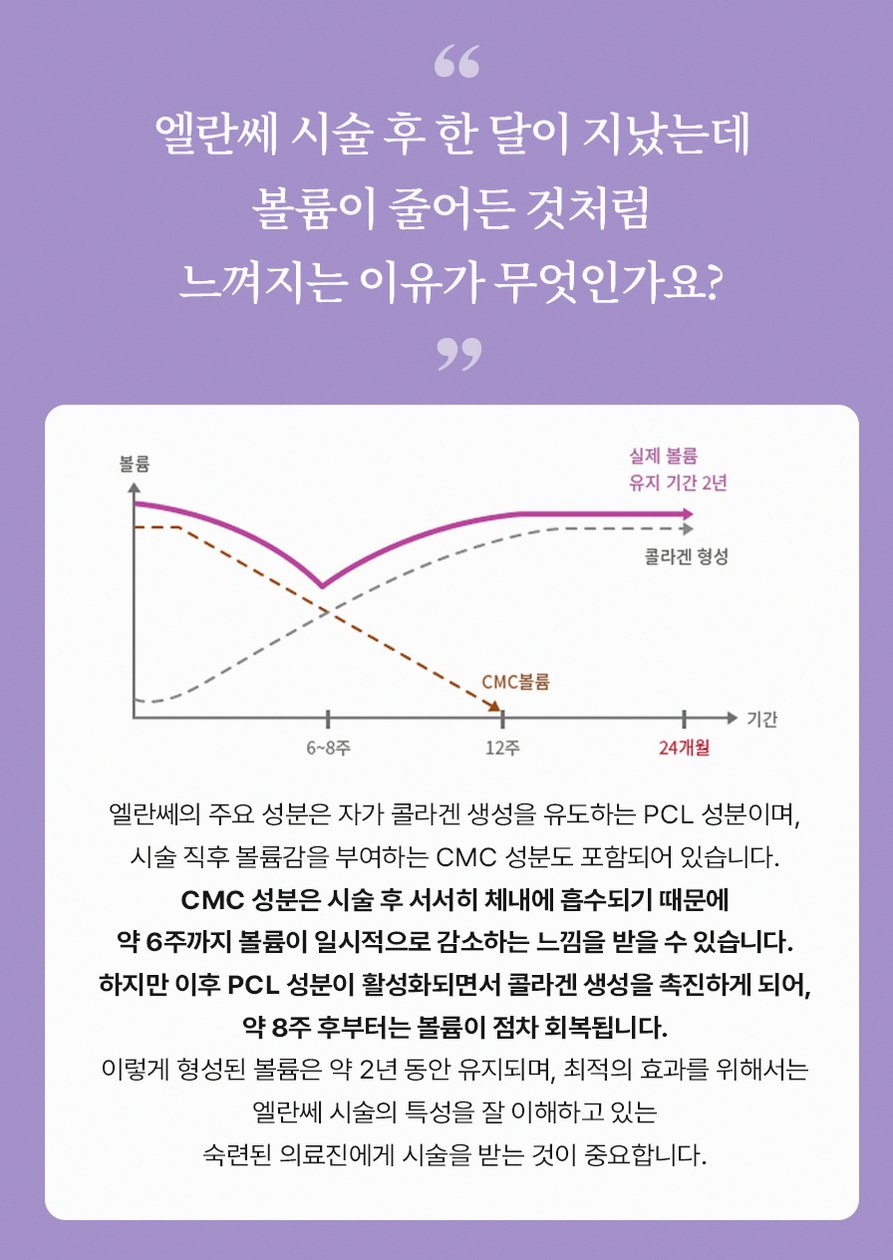
You can see an immediate change in forehead contour from the carrier gel. The forehead often looks smoother and more rounded right after treatment, although there may be mild swelling.
Over the following weeks to months, collagen production around the microspheres gradually increases. As the gel is absorbed, your own tissue takes over the role of maintaining volume. Many patients feel that the result becomes more stable and natural‑feeling over time.
The aim is a gentle, continuous curve from the hairline to the brow, without visible steps, bumps, or sharp transitions. The forehead should also harmonize with the temples and nose bridge, avoiding an isolated “bulge.”
The final settled result is usually evaluated after several weeks to a few months, depending on individual healing and collagen response. Touch‑up decisions, if needed, are made cautiously and not too early.

Safety, risks, and how the clinic manages them
Like all injectable treatments, forehead Ellanse carries possible side effects and risks.
Common, usually temporary effects include redness, swelling, mild bruising, tenderness to touch, and temporary asymmetry due to uneven swelling. These typically improve over several days.
More serious but rare complications include vascular occlusion, where filler blocks a blood vessel, skin necrosis, nodules, granulomas, overcorrection, and long‑term asymmetry. Because Ellanse is not easily dissolved, prevention is especially important.
Experienced injectors reduce risk by having detailed knowledge of forehead vascular anatomy, using cannulas where appropriate, aspirating and injecting slowly, and monitoring the skin closely during the procedure. The clinic should have emergency protocols and trained staff in place to manage suspected vascular events; discuss specific emergency procedures with your clinic during consultation.
The clinic’s doctors have procedural backgrounds and follow medical guidelines, sterile technique, and use medical‑grade devices. Even with these measures, no procedure is completely without risk, so a thorough discussion of benefits and risks is part of every consultation.
Aftercare and downtime
Most patients can return to light daily activities soon after forehead Ellanse. However, some care is needed in the first days.
Mild swelling or bruising can last a few days. Applying a cool pack wrapped in a clean cloth intermittently may help, if approved by your doctor. You should avoid heavy pressure or massage on the forehead unless your doctor specifically instructs you to do so.
It is usually recommended to avoid intense exercise, saunas, hot baths, and alcohol for a short period after treatment, as these can increase swelling or bruising.
You should monitor for any unusual pain, skin color change, or visual symptoms such as blurred vision or sudden vision loss. If any of these occur, you must contact the clinic or seek medical help immediately.
Follow‑up visits are scheduled to check symmetry, integration, and skin condition. These appointments are a good time to discuss your impressions and any concerns.
Comparison with other forehead volumizing options
There are several ways to restore forehead volume, each with pros and cons.
Hyaluronic acid fillers are reversible and usually shorter‑lasting. They can be a good choice for first‑time patients or those unsure about committing to a longer‑term product. If the shape is not satisfactory, adjustments or dissolution are possible.
Fat grafting involves harvesting your own fat, usually from the body, and transferring it to the forehead. This is more invasive, requires a donor site, and may involve more downtime. Fat survival can be variable, and sometimes multiple sessions are needed.
Other collagen stimulators exist besides Ellanse. The choice depends on the area to be treated, skin type, and the doctor’s assessment of which product best matches your goals and anatomy.

In this clinic, Ellanse is one of several volumizing tools, along with other fillers, lifting devices, and cell‑based treatments. The doctor recommends Ellanse for the forehead when its properties, such as longer duration and collagen stimulation, align with what you want and what is safe for your structure.
Integration with anti‑aging programs
Forehead volume is only one part of upper‑face rejuvenation. The clinic also uses lifting devices such as radiofrequency and ultrasound‑based systems and combines them with cell‑based treatments like exosome injections and stem‑cell related therapies to improve skin quality and support deeper structures.
In this context, forehead Ellanse acts as a structural pillar. It can be combined with treatments that tighten the skin, refine texture, or address pigmentation. Often, these are planned in stages to maintain safety, giving the tissue time to adapt and heal between procedures.
For example, a patient might first receive forehead Ellanse for structural support, then return later for a lifting device session to firm the surrounding tissues, and finally receive exosome or similar treatments to enhance skin glow and resilience. The exact sequence is individualized.
Online consultation and pre‑visit preparation for overseas patients
If you are considering forehead Ellanse during a trip to Seoul, an online consultation before you travel is very helpful.

You can usually send clear photos of your face from the front, both sides, and three‑quarter angles, including the full forehead and hairline. Neutral expression and good lighting make assessment easier. Some clinics may also request short video clips.
Before your online consultation, prepare a list of your previous treatments, including any fillers, energy devices, or surgeries in the forehead or upper face. Note the approximate dates and products used if you know them. Also list your regular medications, supplements, and any allergies or medical conditions.
During the online consultation, you can ask about realistic goals, possible treatment combinations, expected number of sessions, and the recommended time gap between procedures if you plan more than one treatment.
It is wise to clarify how many days you should stay in Korea after the procedure for follow‑up, and what to do if you experience a problem after returning home.
Expected Korea visit timeline
For overseas patients, a typical schedule for forehead Ellanse might look like this, though it can be adjusted.

Day 1: In‑person consultation, facial analysis, and imaging. If both you and the doctor agree, the procedure may be done on the same day, or scheduled for the next day.
Day 1 or 2: Forehead Ellanse injection. You can usually return to your hotel or normal light activities afterward, with some visible swelling possible.
Day 2 to 4: Mild swelling or bruising may be present. Many patients feel comfortable sightseeing or working, but you may prefer lighter plans.
Day 5 to 7: A short follow‑up visit is often recommended before you leave Korea to check early healing and symmetry. If you stay longer, another follow‑up can be scheduled.

For safety, it is better not to plan your departure immediately after the procedure. Allow at least several days in Seoul after treatment in case you need to return to the clinic.
Frequently asked questions about forehead Ellanse
How long does forehead Ellanse last, and what affects longevity
Ellanse in the forehead can often maintain its effect for several years, but the exact duration varies by individual. Factors include the specific Ellanse type used, your metabolism, lifestyle habits such as smoking or heavy exercise, and how much product was placed. The injection technique and depth also influence how the collagen forms and how stable the result is over time.
Is forehead Ellanse safe, and what makes it safer in experienced hands
Forehead Ellanse can be performed safely when proper patient selection, product choice, and technique are used. Experienced doctors understand the complex vascular anatomy of the forehead, choose appropriate planes and tools such as cannulas, and inject slowly while monitoring the skin. They also know how to recognize early signs of complications and have protocols in place to respond quickly. Even so, no procedure is completely risk‑free, so a clear discussion of potential complications is part of ethical care.
Can Ellanse be removed if I do not like the result
Ellanse is not easily dissolved like hyaluronic acid fillers, and there is no simple injection that reverses it. This is why conservative dosing, careful design, and choosing patients who understand this limitation are so important. In rare cases of significant issues, doctors may use other medical or procedural methods to manage the problem, but these are more complex than simply dissolving a hyaluronic acid filler.
What is the difference between Ellanse and regular fillers in the forehead
Regular hyaluronic acid fillers act mainly as a gel that fills space and can be adjusted or dissolved if needed. They usually last a shorter time. Ellanse, in contrast, acts as a collagen stimulator. After the initial gel effect, your own collagen becomes the main support. This can provide a longer‑lasting, more integrated feel, but with less flexibility to reverse the result. The choice between them depends on your goals, your tolerance for long‑term change, and your doctor’s assessment of what is safe for your anatomy.

Will my forehead look too big or unnatural
A natural result depends on careful planning and conservative volume. The doctor designs the curve to match your facial proportions, hairline, and brow position. Rather than aiming for a dramatic change, the focus is on softening flatness or bony lines. Swelling in the first days can make the forehead look fuller than the final result, so it is important to wait for the tissue to settle before judging the outcome.
How many syringes are usually needed for the forehead
The amount of Ellanse needed varies with forehead size, degree of flatness or hollowing, and your desired change. Some patients may need a relatively small volume for subtle refinement, while others with a very flat or wide forehead may require more. During consultation, the doctor will estimate a range based on your photos and in‑person assessment, but final decisions are made after evaluating your anatomy directly.
Can I combine forehead Ellanse with other treatments like botulinum toxin, lifting devices, or exosome injections
Yes, forehead Ellanse is often part of a combined anti‑aging plan. Botulinum toxin can be used in the forehead or glabella to relax expression lines, while lifting devices can improve skin firmness in the upper face. Exosome or other cell‑based treatments can address skin texture and radiance. However, these are usually scheduled with some time between them to avoid overwhelming the tissue and to monitor how each treatment behaves.
How soon can I go back to work or wear makeup
Many patients return to desk work or light activities the next day, sometimes even the same day, depending on how they feel and how visible the swelling or bruising is. Makeup is usually allowed after a short period, once the skin entry points have closed and if there is no sign of irritation or infection. Your doctor will give specific instructions based on how your skin looks right after treatment.

Soft call to action for online consultation
If you are considering forehead Ellanse during a visit to Seoul and would like a medically grounded, individualized plan, you can start with an online consultation. Sharing your photos, medical history, and goals in advance allows the team in Cheongdam, Gangnam, near Apgujeong Rodeo Station, to assess whether Ellanse is suitable for you and to suggest a realistic treatment timeline for your stay.
You can prepare your questions about longevity, safety, combination treatments, and expected downtime, and discuss them directly with the medical staff. This helps you arrive in Korea with clear expectations and a plan that fits both your face and your travel schedule.
- 공유 링크 만들기
- X
- 이메일
- 기타 앱

댓글
댓글 쓰기