Front cheek filler in Cheongdam for natural midface volume
- 공유 링크 만들기
- X
- 이메일
- 기타 앱
Front cheek filler at a glance
Front cheek filler is a non‑surgical injection treatment that restores gentle volume to the central cheek area between the under‑eye and the smile lines. By adding carefully placed, age‑appropriate volume, it softens a tired or sunken look, supports the midface, and creates a smoother, more youthful contour without exaggerated fullness.
For international patients visiting Seoul, front cheek filler can often be done in a single short visit, with minimal downtime and visible improvement right away.

What is the front cheek and why it matters
The front cheek is the central part of the midface, located between the lower eyelid and the nasolabial fold (smile line), and slightly toward the nose compared with the outer cheekbone.
With age, weight loss, or naturally flat bone structure, this area can lose volume and appear hollow or flat. When this happens, the face may look tired even when you are well rested. Deep shadows can appear under the eyes and along the smile lines, and the midface can look sagging or harsh from the side.
Because the front cheek supports the under‑eye area and the upper part of the nasolabial fold, restoring volume here can improve several concerns at once: the under‑eye to cheek transition, midface contour, and the appearance of smile lines.
How front cheek filler works
Front cheek filler uses injectable dermal fillers to rebuild three‑dimensional support in the midface. At this clinic in Cheongdam, Gangnam, premium fillers such as Restylane, the Juvederm line (for example Voluma, Volift, Volbella), Ellanse, Lafulene, and Juvelook are selected according to depth and purpose.

For deep structural support on or near the bone, high‑cohesive fillers like Juvederm Voluma, Ellanse, or Lafulene are often used. These products help lift and project the midface in a subtle way, similar to replacing the internal scaffolding of the face.
For blending and fine contouring closer to the skin surface, softer fillers such as Restylane or Juvederm Volift or Volbella can be layered on top. This smooths the transition from the under‑eye to the cheek and softens any remaining hollows or edges.
The goal is not to create large, round “apple” cheeks. Instead, the focus is on restoring the gentle curves you had at a younger age, keeping your own facial character and natural expressions.

How aging changes the front cheek and midface
As we age, several changes occur in the midface:
The bone structure under the eye and cheek gradually resorbs, reducing support.
The fat pads in the midface thin and shift downward.
The skin loses elasticity and firmness.
These changes together cause the front cheek to flatten and descend. The under‑eye area may look hollow, and the boundary between the lower eyelid and cheek becomes more visible. Nasolabial folds appear deeper, not only because of skin laxity, but also because the volume above them has disappeared.
Front cheek filler addresses this by rebuilding volume at key points, supporting the overlying soft tissues, and redistributing light and shadow on the face. When done with a conservative, anatomy‑based approach, the result is a rested, refreshed look rather than a “filled” look.
Who may consider front cheek filler
Front cheek filler may be suitable for you if:
Your midface looks flat or sunken, making you appear tired or older than you feel.
You have pronounced nasolabial folds that are partly due to volume loss higher in the cheek, not only loose skin.
You have naturally flat cheekbones and want a softer, more contoured side profile without surgery.
You have early to moderate midface sagging but are not ready for thread lifting or surgical procedures.
You have already had lifting treatments (such as thread lifting or energy‑based tightening) but still feel that the front cheek lacks volume.

In some cases, if there is significant skin laxity or very heavy tissue descent, front cheek filler alone may not be enough. In such situations, it can be combined with lifting devices or threads, or other options may be discussed during consultation.
Treatment design and planning
A key point in achieving natural results is full‑face analysis. Instead of simply filling the most hollow spot, the medical team evaluates:
Your bone structure and cheekbone position.
The location and volume of midface fat pads.
The shape of your under‑eye area and tear trough.
The depth and cause of your nasolabial folds.
Your facial proportions from the front and side.

Based on this, an injection plan is created. Deep injections on the bone provide structural support and subtle lifting. More superficial injections refine contours and smooth transitions. Different fillers may be combined in one session to match the needs of each layer.
Overfilling is carefully avoided. Excessive volume in the front cheek can make the face look puffy, overly round, or unnatural when smiling. The clinic’s philosophy emphasizes conservative dosing, gradual building of volume, and maintaining natural facial movement.
Optional imaging and diagnostic tools
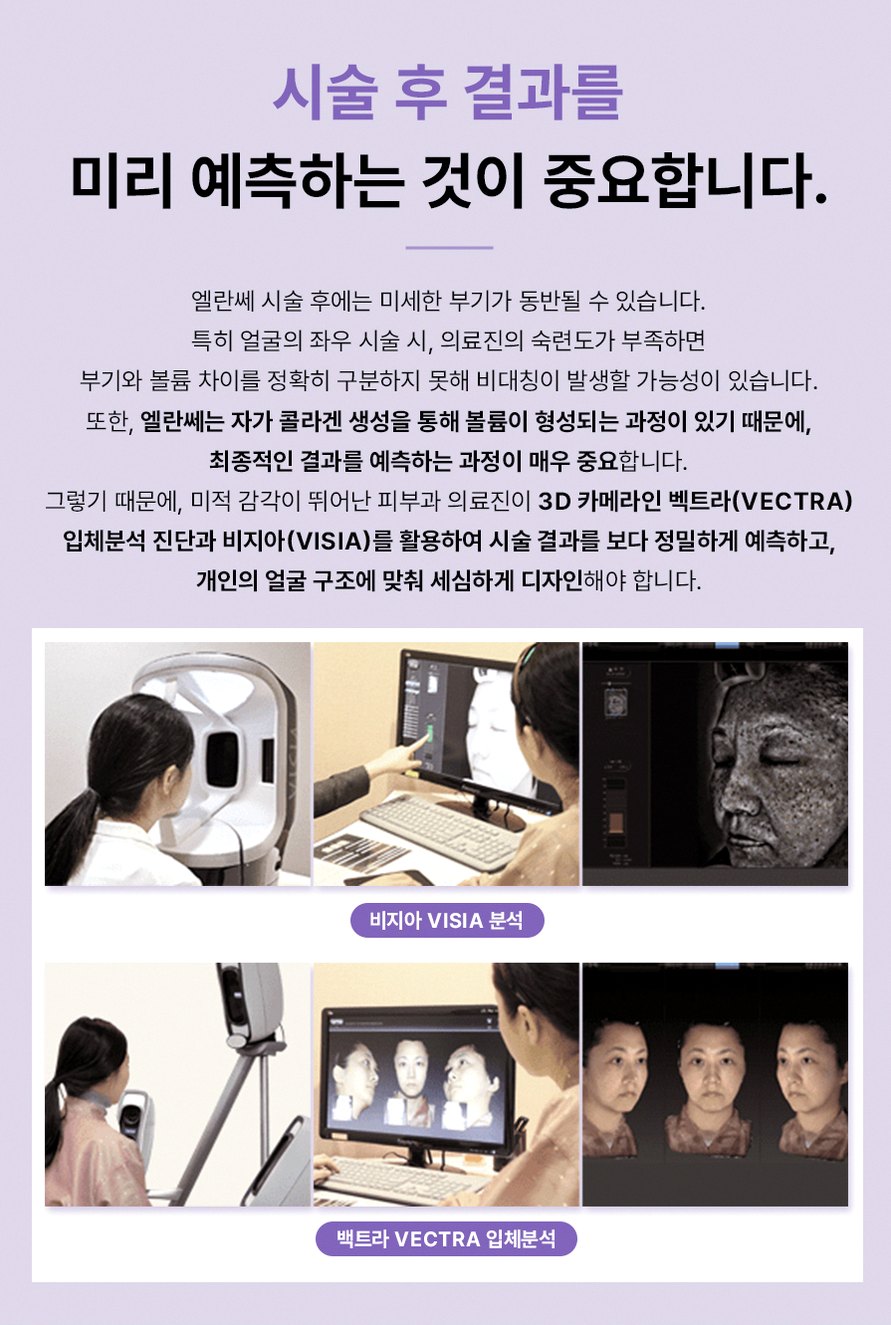
Because this clinic operates as an anti‑aging and cell‑based treatment center, diagnostic tools and imaging can be used to analyze facial structure and skin condition. Three‑dimensional or imaging‑based analysis, when applied, helps visualize asymmetries, volume deficits, and lifting vectors.
This broader diagnostic approach also allows the medical team to decide whether front cheek filler alone is appropriate, or whether to combine it with lifting devices such as Thermage FLX, Ulthera Prime, Emface, Exion, or with thread lifting when more structural support or skin tightening is needed.

Procedure step by step
Pre‑treatment consultation
Your visit typically begins with a detailed consultation. The doctor reviews your medical history, current medications, previous aesthetic procedures, and any allergies. Photos may be taken from several angles for planning and documentation.
Your specific concerns are discussed: for example, under‑eye hollows, deep smile lines, or a flat side profile. The doctor then performs a full‑face analysis and explains which areas will be treated, which fillers will be used, and what kind of improvement you can realistically expect.
Numbing and preparation
The skin is cleansed thoroughly. Depending on your sensitivity and the injection technique, numbing cream, local anesthesia, or both may be used. Many premium fillers also contain a mild anesthetic, which helps reduce discomfort during injection.
Injection technique
The doctor may use a fine needle, a blunt‑tip cannula, or a combination of both. Deep injections on or near the bone provide support and are often done with a needle. More superficial contouring is frequently done with a cannula to cover a wider area with fewer entry points and to reduce the risk of bruising.
Throughout the procedure, the doctor will check symmetry, your facial expression at rest and with a gentle smile, and how light reflects on your midface. The aim is to create a smooth, continuous curve from the under‑eye to the cheek, and a natural, softly projected midface from the side.
Treatment time and immediate effect
The visit, including consultation, preparation, and injections, is typically brief and varies with the complexity of the treatment and whether additional areas are treated.
You can see an immediate effect as the filler adds volume. However, mild swelling is common, so the final settled result is usually evaluated after several days to two weeks.

Results and benefits
When front cheek filler is well planned and conservatively performed, typical benefits include:
Softer under‑eye to cheek transition, reducing a tired or “sunken” look.
Improved midface projection and a more balanced side profile.
Nasolabial folds that appear less deep because the upper support is restored.
A more youthful, refreshed, and slightly lifted appearance without changing your basic facial identity.
Downtime is usually minimal. Some patients experience mild swelling, tenderness, or small bruises at injection points, which generally resolve within a few days. Many people feel comfortable returning to light social activities soon after treatment.
How long results typically last and how they compare with other options
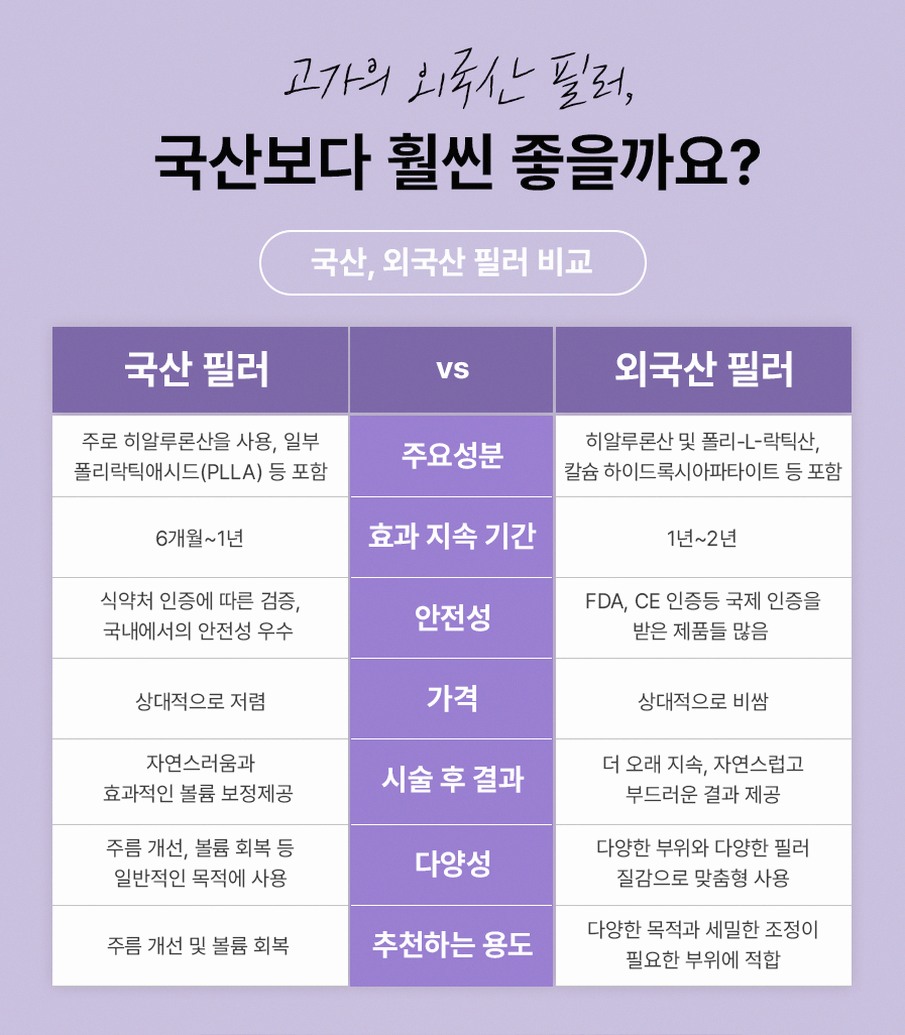
Hyaluronic acid fillers such as Restylane and Juvederm typically last around 9 to 18 months in the cheek area, depending on the specific product, injection depth, and individual metabolism. Over time, the filler gradually breaks down and is absorbed by the body.
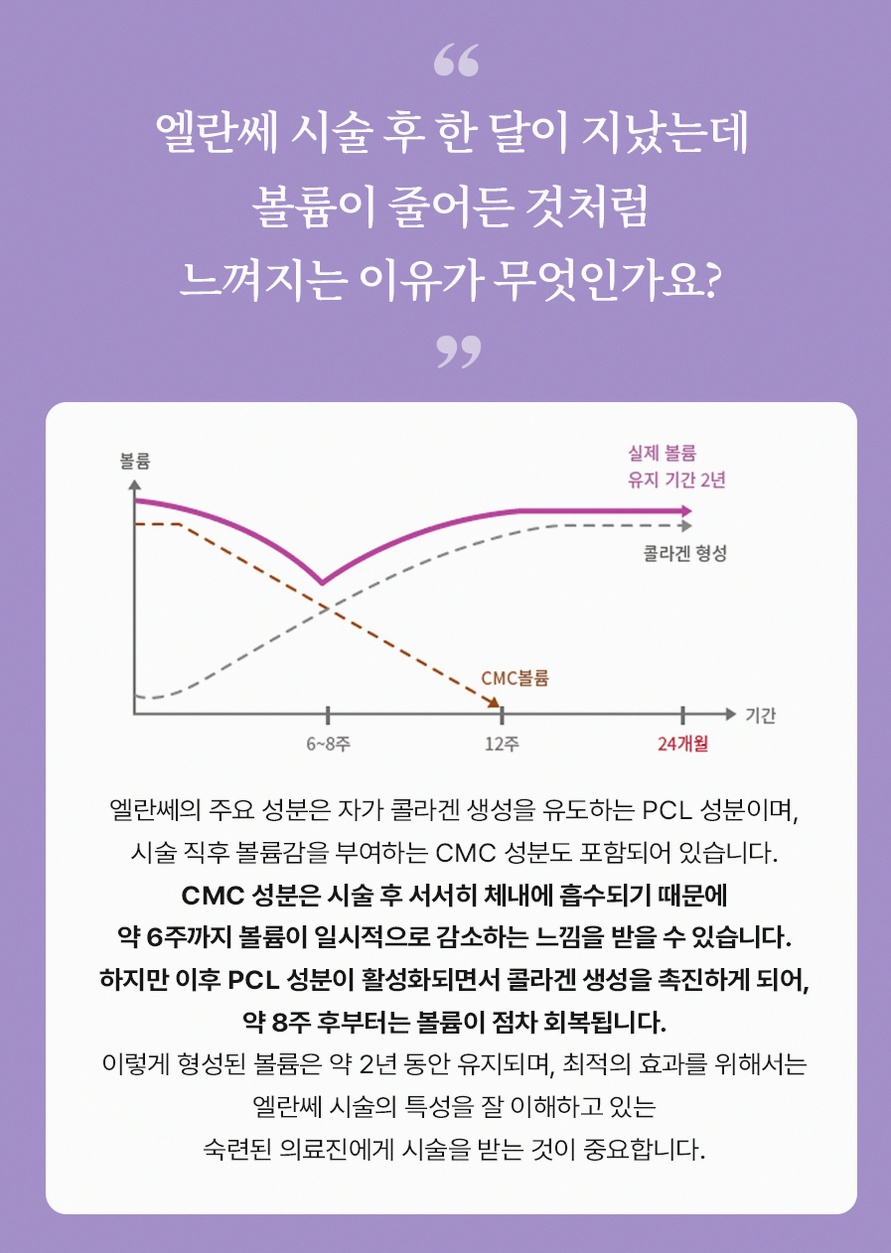
Ellanse and similar collagen‑stimulating fillers work differently. They provide an initial volumizing effect and then stimulate your own collagen production over time. Their effects can last longer than standard hyaluronic acid fillers, but they require more precise planning and experienced injectors because they are not easily reversible.
Compared with thread lifting or energy‑based lifting devices, front cheek filler is primarily a volumizing treatment. Threads and devices like Thermage FLX or Ulthera Prime focus more on lifting and tightening. In many midface aging cases, the best approach is a combination: filler for volume, plus lifting or tightening for sagging and skin laxity. The clinic’s wide range of devices and thread options allows for such combination planning when appropriate.
Safety, materials, and the importance of experience
This Cheongdam‑based clinic uses well‑known, premium filler brands including Restylane, the Juvederm line, Ellanse, Lafulene, and Juvelook as part of its volume and anti‑aging portfolio.
Many hyaluronic acid fillers may allow options for modification or removal; discuss specific options with your doctor. Collagen‑stimulating fillers such as Ellanse are generally less amenable to dissolution and are used with careful indication and dosing.
Key safety considerations for front cheek filler include:
Understanding the anatomy of blood vessels in the midface.
Injecting at the correct depth and in safe planes.
Using appropriate techniques with needle or cannula.
Monitoring for any unusual pain, blanching, or color change during injection.
The clinic's medical team includes doctors with MD and PhD credentials and documented academic and international experience in fillers and lifting threads; confirm individual specialist titles with the clinic.

Clinic approach within a broader anti‑aging strategy
This clinic in Cheongdam, Gangnam, near Apgujeong Rodeo Station, operates as an anti‑aging and cell‑therapy focused center with its own in‑house cell research lab, often referred to as a Recovery Lab. In addition to volumizing fillers, the clinic offers exosome and stem‑cell based programs, PDRN and skin repair injections, and a wide range of lifting and contouring devices such as Thermage FLX, Ulthera Prime, Emface, Exion, Prime Raise, Advatx, Onda, and Exilis.
Because of this multi‑modal setup, front cheek filler is rarely viewed in isolation. Instead, it is integrated into a personalized plan that may also address skin quality, elasticity, and deeper structural aging. For example, a patient might receive front cheek filler for volume, exosome or stem‑cell programs for skin regeneration, and device‑based lifting for jawline definition.
The clinic’s philosophy is to treat aging at the cellular and structural level, not only the surface appearance. Conservative, anatomy‑based injections are emphasized to avoid overfilled cheeks and to maintain natural expressions.
Online consultation and pre‑visit preparation for overseas patients
If you are planning to travel to Seoul for front cheek filler, an online consultation is a practical first step.

Before your online consultation, it is helpful to prepare:
Clear photos of your face from the front, 45‑degree angle, and side, both at rest and with a gentle smile.
A list of previous aesthetic treatments, especially fillers, threads, or lifting devices, and when they were done.
Information about any medical conditions, allergies, or medications, particularly blood thinners.
Your main concerns and goals, written in simple points (for example, “under‑eye hollows,” “deep smile lines,” “flat side profile”).
During the online consultation, you can ask about:
Whether front cheek filler alone is likely to address your concerns.
If combination with under‑eye, nasolabial fold, or jawline treatment is recommended.
Which filler types the doctor is considering and why.
How many sessions might be needed and suggested intervals for follow‑up if you visit Korea again.
Expected Korea visit timeline
For many overseas patients, front cheek filler can be arranged within a short stay in Seoul.

A typical timeline might look like this:
Day 1: In‑person consultation, facial analysis, and treatment on the same day if you are suitable and ready to proceed.
Days 2–3: Light swelling or minor bruising may be present. Most patients can enjoy sightseeing and normal daily activities, avoiding only intense exercise or saunas.
Days 4–7: Swelling usually settles, and the result looks more natural. If your schedule allows, a brief follow‑up visit can be arranged to check symmetry and discuss any touch‑up.
If you are combining front cheek filler with other treatments such as lifting devices or exosome programs, the clinic can help you structure your appointments efficiently within your travel dates.
Aftercare and precautions
After front cheek filler, you will receive specific instructions, but general guidelines include:
Avoid strong pressure, rubbing, or massage on the treated area for several days.
Try not to sleep face‑down or on the cheek for the first few nights; sleeping on your back with your head slightly elevated is often recommended.
Refrain from intense exercise, hot baths, saunas, and heavy alcohol intake for a short period as advised by your doctor, as these can increase swelling or bruising.
Do not apply unapproved topical products or home devices directly over the injection sites until the area has settled.
Watch for any unusual symptoms such as severe pain, marked color change (pale or dark), or rapidly increasing swelling. If these occur, contact the clinic immediately or seek urgent medical attention, as they can be signs of vascular compromise or other complications.
A follow‑up visit, in person or via online consultation, may be recommended to evaluate the result, check symmetry, and decide whether minor adjustments are needed.
Frequently asked questions
Is front cheek filler painful?
Most patients describe front cheek filler as mildly uncomfortable rather than very painful. Numbing cream and, when needed, local anesthesia are used to reduce discomfort. Many fillers also contain a local anesthetic, so the area often becomes more comfortable as the treatment progresses. You may feel pressure or a brief stinging sensation during injections, but this is usually well tolerated.

How natural will my cheeks look after filler?
When planned with a conservative, anatomy‑based approach, front cheek filler can look very natural. The aim is to restore gentle curves and support, not to create large, round cheeks. The doctor evaluates your face at rest and with expression to avoid overfilling and to maintain your individual features. If you are concerned about looking “overdone,” discuss a gradual approach with smaller volumes and review options for reversible hyaluronic acid fillers first.
How long should I stay in Seoul after front cheek filler?
Many international patients feel comfortable flying home one or two days after treatment, as downtime is usually minimal. However, if possible, staying three to five days allows swelling and minor bruising to settle more and gives you the option of a quick in‑person check. If your schedule is tight, follow‑up can also be done via online consultation using photos.
Can front cheek filler be combined with other treatments?
Yes. Front cheek filler is often combined with under‑eye filler, nasolabial fold filler, botulinum toxin injections, PDRN or skin repair injections, and exosome or stem‑cell based programs to improve overall skin quality. It can also be planned together with lifting devices such as Thermage FLX, Ulthera Prime, Emface, Exion, or with thread lifting when more lifting or tightening is needed. The exact combination depends on your age, skin condition, and goals, and should be decided after consultation.
Soft call to action
If you are considering front cheek filler in Seoul and would like a natural, age‑appropriate improvement to your midface, an online consultation can help you understand your options before you travel. You can share your photos, medical history, and goals, and receive a personalized plan that fits your schedule in Korea.

To explore whether front cheek filler, alone or in combination with other anti‑aging and cell‑based treatments, is suitable for you, you are welcome to contact the clinic in Cheongdam, Gangnam, near Apgujeong Rodeo Station, for an online consultation.
- 공유 링크 만들기
- X
- 이메일
- 기타 앱

댓글
댓글 쓰기