How Long Dermal Fillers Last by Type and Treatment Area
- 공유 링크 만들기
- X
- 이메일
- 기타 앱
When people talk about filler longevity, they are asking how long the visible effect of a dermal filler stays before it is naturally broken down by the body and a touch-up is needed. In everyday terms, this means how many months or years your improved volume, contour, or smoother lines will remain noticeable.
For hyaluronic acid (HA) fillers, duration varies widely depending on product characteristics and the treatment area. Deeper, structural HA products used for contour and volume generally remain visible longer than very soft, superficial HA used for fine lines. These are general clinical observations rather than guarantees — individual results vary with product choice, injection technique, and patient factors.
This guide explains what affects filler longevity, how long different types and areas usually last, what to expect if you visit a clinic in Cheongdam, Gangnam, and how to maintain your results safely as an overseas patient.

What dermal fillers are used for
Dermal fillers are injectable treatments used to restore or add volume, refine facial contours, and soften lines and folds. Common treatment areas include cheeks, midface, chin, jawline, nose, under-eye hollows, nasolabial folds, marionette lines, and lips.
There are two broad groups of fillers often used in Korea for facial contouring and anti-aging:
Hyaluronic acid fillers. These are gel-like fillers made from a substance that naturally exists in the skin. They are used for volume, contouring, and hydration. An important advantage is that they can usually be dissolved with a special enzyme if needed.
Collagen-stimulating fillers. These contain particles that stimulate your own collagen production over time. They are often used for longer-lasting structural support or overall rejuvenation.

Filler longevity means how long the visible improvement from these products remains before your body gradually breaks them down and the treated area returns closer to its previous state.
Typical longevity by filler type
It is important to understand that longevity is a range, not a fixed number. The same product can last differently in different people and areas.
Hyaluronic acid fillers
Softer gels used in mobile areas like lips or fine lines tend to be on the shorter end. Firmer, more cross-linked gels used for structure, such as in the chin or jawline, tend to last longer.
Longer-lasting structural hyaluronic acid fillers
Some hyaluronic acid fillers are designed specifically for deeper, structural support. They are often used for the chin, jawline, cheeks, or nose bridge. In these areas, especially when injected deeply, the effect can often last around 12 to 24 months.

Collagen-stimulating fillers
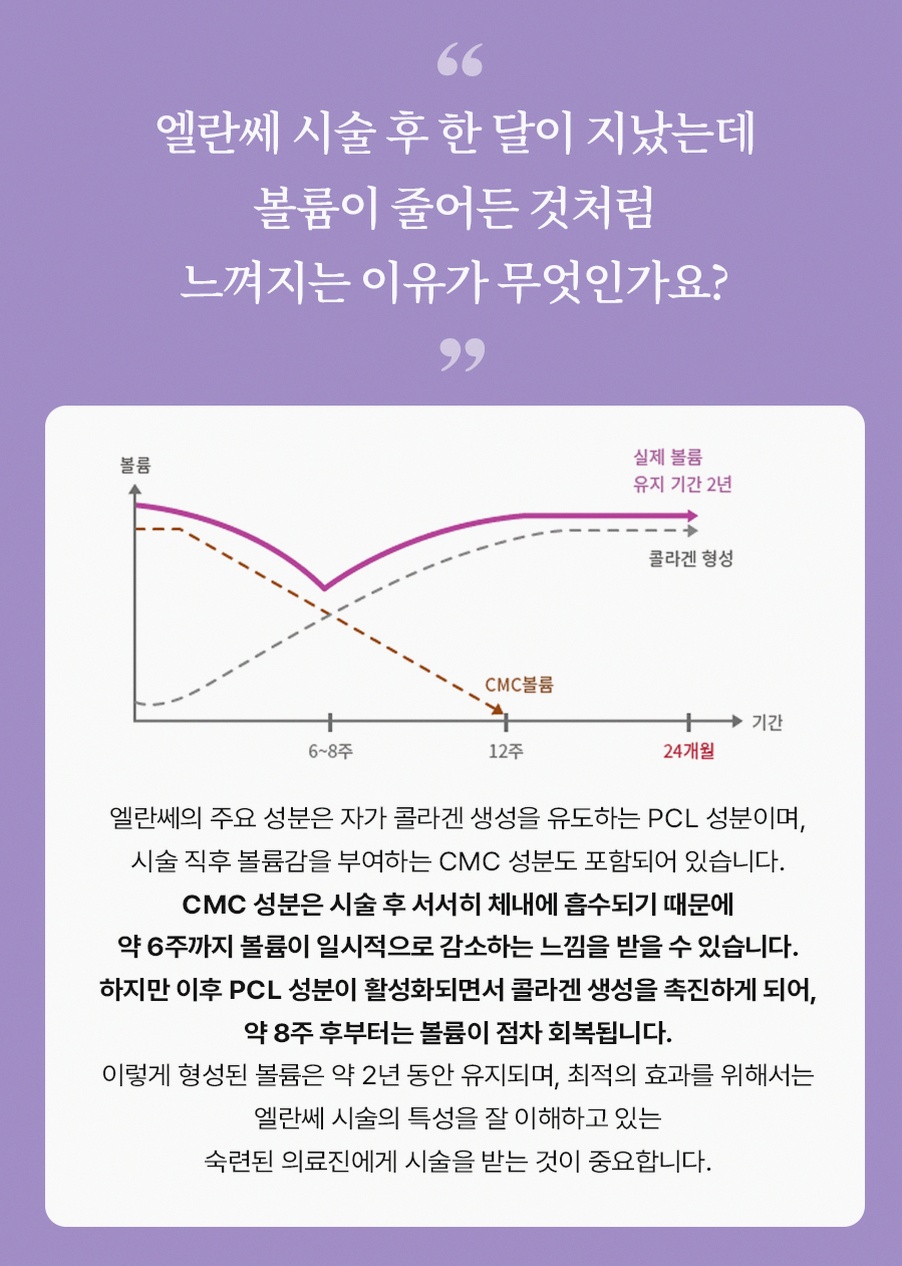
Some biostimulatory (collagen-stimulating) fillers often provide longer-lasting improvements compared with temporary HA gels, but they are typically not as readily reversible. Careful product selection and injection technique are therefore important, and individual responses vary.
Collagen-stimulating fillers, sometimes called biostimulatory fillers, work in two stages. First, they give an initial filling effect. Then, over time, they encourage your body to build collagen around the injected material.
Superficial skin-quality fillers and skin boosters
Very soft, low-viscosity fillers or skin-quality injectables are often used for fine lines, overall hydration, and subtle texture improvement rather than strong volume. Because they are softer and placed more superficially, they usually last around 3 to 9 months. Patients often choose regular maintenance sessions to keep the skin looking fresh.
All of these numbers are typical clinical observations, not promises. Your own results may be shorter or longer depending on your body and treatment plan.
How longevity varies by treatment area
Different parts of the face move differently and have different tissue characteristics. This has a major impact on how long filler lasts.

Lips
The lips move constantly when you speak, eat, or smile, and they have a rich blood supply. For this reason, hyaluronic acid fillers in the lips usually last a shorter time, often around 6 to 9 months. Some people may notice the effect for a bit longer, while others feel the volume decreases sooner.
Under-eye or tear trough area
The under-eye area moves less and has thinner skin. Carefully placed hyaluronic acid filler here can often last 9 to 18 months. Because the skin is delicate, precise technique is important to avoid swelling, lumpiness, or a puffy look. Many patients prefer conservative amounts with occasional touch-ups.
Nose filler
Non-surgical nose contouring with filler often uses firmer products placed deeply along the nose bridge or tip. The nose moves relatively little, so results can often last 12 to 18 months or more. However, safety is very important in this area because of the blood vessels.
Cheeks and midface
Cheek and midface fillers are often placed deeper on the bone or in supportive layers. In these planes, many hyaluronic acid fillers can last about 12 to 24 months. The effect may gradually soften over time rather than suddenly disappearing.

Chin and jawline
For chin projection and jawline definition, clinics often use high-cohesivity hyaluronic acid fillers or collagen-stimulating fillers. These areas are good candidates for longer-lasting products. The visible effect is often around 12 to 24 months, sometimes longer with collagen-stimulating options.
Fine lines and superficial wrinkles
Very superficial injections for barcode lines around the mouth, fine cheek lines, or overall skin hydration usually have a shorter visible duration, around 3 to 9 months. This is because the product is softer, used in smaller amounts, and placed in more mobile, superficial layers.
Key factors that influence how long filler lasts
Several variables work together to determine your personal filler longevity.
Product characteristics
Each filler has its own structure. Important features include the concentration of hyaluronic acid, how strongly it is cross-linked, how cohesive or spreadable it is, and whether it is a purely volumizing hyaluronic acid filler or a collagen-stimulating product. Generally, firmer, more cross-linked gels and biostimulatory fillers tend to last longer than very soft, watery gels.

Injection depth and technique
Deeper, structural placement on or near the bone often lasts longer than very superficial injections in mobile areas. An experienced injector may use a layered approach, combining deep support with more superficial refinement. This can improve both natural appearance and longevity.
Movement in the treatment area
Areas that move a lot, such as lips, nasolabial folds, and mouth corners, tend to break down filler faster. Areas with less movement, such as the nose bridge or lateral cheeks, often maintain filler longer.
Individual metabolism and lifestyle
People with a faster metabolism may notice their fillers break down more quickly. Intense exercise, smoking, chronic inflammation, and large weight fluctuations can also influence how long results appear to last. While you do not need to stop exercise for fillers, it is helpful to have realistic expectations.
Volume and treatment plan
Receiving a very small amount of filler in a severely volume-depleted area may give only a subtle and shorter-lived effect. On the other hand, overfilling to chase longevity is not safe and can look unnatural. A balanced plan with adequate initial volume and scheduled touch-ups often maintains results more stably than one-off minimal injections.

Skin and tissue condition
Thin, atrophic, or heavily sun-damaged skin may not hold volume in the same way as thicker, healthier tissue. This can influence both how visible the filler is and how long the improvement appears to last. Combining filler with treatments that support skin quality may help the overall result age more harmoniously.
How to maintain filler results safely
Many patients, especially those flying in from overseas, want to know how to keep their results looking good without overdoing it.
Typical follow-up schedule
Depending on the area and product, many people benefit from a small touch-up around 6 to 12 months after the first session. For lips or superficial lines, this may be closer to 6 months. For cheeks, chin, or jawline, it may be 12 months or later. Planning this in advance can help you coordinate with your future trips to Korea.
Regular assessment instead of automatic topping up
Rather than injecting on a fixed calendar, it is better to have regular assessments. During a check-up, the doctor can evaluate symmetry, volume loss, skin quality, and how the filler has integrated. They may recommend a small top-up, a different product, or combining filler with other treatments such as skin boosters, energy-based lifting, or anti-wrinkle injections.

Lifestyle tips
Good sun protection, avoiding smoking, managing weight changes, and maintaining overall skin health support a more harmonious aging process. These habits do not dramatically change the chemical breakdown rate of filler, but they help your face look fresher overall, so the transition as filler slowly fades is more natural.
Avoiding overfilling
Trying to inject a very large amount at once to make filler last longer is not advisable. It can cause heaviness, puffiness, or distorted facial proportions. Natural-looking, staged treatments with time between sessions are usually safer and more flattering.
Safety, reversibility, and dissolving filler
Most commonly used facial fillers in Korea are hyaluronic acid-based. Some HA products can be enzymatically dissolved in appropriate clinical situations, which can be an important safety consideration; discuss reversibility and contingency plans with your injector.
Collagen-stimulating fillers and some long-lasting products are not easily reversible. Once injected, they gradually stimulate your own collagen and cannot simply be dissolved. Because of this, they require especially careful patient selection, product choice, and injection technique.
Clinic approach and expertise in Cheongdam, Gangnam
In the Cheongdam area of Gangnam in Seoul, near Apgujeong Rodeo Station on the Bundang Line, there are aesthetic centers that focus on anti-aging from the cellular level as well as standard filler and lifting procedures.
Clinics offering these treatments commonly employ medically trained injectors and physicians with clinical or conference experience in aesthetic procedures such as fillers, thread lifting, and energy-based devices. They typically work with a range of branded fillers, including hyaluronic acid products and collagen-stimulating options, as well as lifting threads and energy-based equipment.
Treatment plans are usually individualized. The choice of filler type, injection depth, and whether to combine filler with other anti-aging modalities, such as ultrasound or radiofrequency lifting, skin boosters, or cell-focused treatments, is tailored to your age, facial structure, and skin condition.

Some centers in Cheongdam operate in-house cell-focused labs and use structured diagnostic tools and imaging to plan anti-aging care. This allows them to think beyond a single filler session and consider how your skin and facial structure will change over time, which is closely related to realistic filler longevity.
Consultation and planning for expected longevity
For overseas patients, clear consultation and planning are essential.
Discussing your preferences
During your online or in-person consultation, it is important to talk about how long you would like the result to last, how often you are willing to come for maintenance, and your budget. You can also discuss whether you prefer reversible hyaluronic acid fillers or if you might be a candidate for longer-lasting collagen-stimulating fillers in certain areas.
Clinical assessment
The doctor should evaluate your facial proportions, skin elasticity, volume loss patterns, and any previous procedures. Based on this, they can estimate a realistic longevity range for each area, explain which products they recommend, and how many sessions might be needed.

Honest expectations
Some patients want very subtle, natural changes, while others prefer more visible contouring. Some want the longest possible duration, while others prioritize reversibility and flexibility. Honest communication about these preferences helps the doctor design the right product mix, injection depth, and maintenance schedule.
Online consultation and pre-visit preparation for overseas patients
Before you travel to Korea, an online consultation can make your visit smoother and help set realistic expectations about filler longevity.
Preparing photos and medical information
Clinics usually ask for clear, well-lit photos of your face from the front, 45-degree angles, and side views. Avoid heavy makeup and filters so the doctor can see your natural contours and skin condition. It is also helpful to share your medical history, allergies, medications, and any previous filler or aesthetic treatments.
Questions to prepare
You may want to prepare a short list of questions, such as:
Which filler types do you recommend for my areas of concern, and why?
What is the expected longevity range in each area for me personally?
How many sessions do you expect I will need over the next 1 to 2 years?
What are the main risks in my case, and how are complications handled?

These questions help you compare clinics and understand not only the immediate result, but also the long-term plan.
Scheduling and travel planning
Once you agree on a general plan, you can schedule your visit. Many overseas patients plan a short stay of several days in Seoul. For most filler treatments, downtime is minimal, but mild swelling or bruising is possible, so it is wise not to schedule important events immediately after your session.
Expected Korea visit timeline for filler treatment
While each clinic has its own process, a typical visit for an overseas patient might look like this.
Day 1: In-person consultation and possible treatment
You meet the doctor, review your goals, and confirm the plan discussed online. The doctor examines your face directly, may use imaging tools, and adjusts the plan if needed. If you both agree, filler treatment is often performed on the same day.

During the procedure, numbing cream or local anesthesia is usually used to reduce discomfort. The actual injection time is often 20 to 40 minutes, depending on the number of areas.
Day 2 to 3: Early check and minor adjustments
Some clinics offer a short follow-up visit within a couple of days to check symmetry, swelling, and early integration of the filler. Minor adjustments, such as small additional amounts or gentle massage, may be done if appropriate.
Day 4 and beyond: Return home
Most patients can return to daily activities almost immediately, but it is common to wait a few days before long flights if you are concerned about swelling. The clinic may follow up with you online to monitor healing and discuss long-term maintenance.
Aftercare to support safe, lasting results
Immediate aftercare
After filler injections, you may experience mild redness, swelling, or small bruises. These usually improve over a few days. Your doctor may advise you to avoid strong pressure or massage on the treated areas, intense heat such as saunas, and heavy exercise for a short period.

Medium-term care
Over the next weeks, the filler settles and integrates with your tissues. It is helpful to protect your skin from strong sun exposure, maintain good hydration, and avoid unnecessary facial trauma. If you notice unusual pain, color change, or sudden swelling, you should contact the clinic promptly.
Long-term maintenance
As the months pass, you will see a gradual softening of the effect. Instead of waiting until everything has disappeared, many patients prefer a small touch-up while some volume remains. This often allows for a more natural, stable appearance over time.
Frequently asked questions about filler longevity
Does filler last longer if I inject more at once?
Simply injecting more filler does not linearly increase longevity. At a certain point, adding more product mainly increases the risk of an unnatural, heavy look rather than extending duration. Proper dosing, placement, and product choice are more important than volume alone. A staged approach with planned touch-ups is usually safer and more natural.
Why does my friend’s filler last longer than mine?
Even if you and your friend go to the same clinic, use the same brand, and treat similar areas, results can last differently. Individual metabolism, lifestyle, facial movement patterns, skin condition, and the exact injection technique all play a role. It is more helpful to focus on your own baseline and changes over time rather than comparing directly with others.

Is it dangerous to keep topping up filler regularly?
When done by an experienced doctor, with appropriate intervals and careful assessment each time, regular maintenance is generally considered safe. Problems can arise when filler is repeatedly layered without proper evaluation, leading to heaviness, puffiness, or irregularities. This is why clinical assessment before each session is important, especially if you have had multiple treatments over the years.
Can I make filler last longer with supplements or skincare?
At present, there is no supplement proven to significantly extend the chemical lifespan of fillers. Good skincare, sun protection, and a healthy lifestyle support your skin quality and overall appearance, which helps you look better as the filler slowly fades. However, they do not dramatically change how quickly the body breaks down the filler itself.
How will I know when it is time for a touch-up?
You may notice the gradual return of previous shadows under the eyes, deeper lines around the mouth, or less definition in the cheeks, nose, chin, or jawline. Sometimes asymmetry becomes more noticeable as one side loses volume faster than the other. When you see these changes, it is a good time to have a professional evaluation rather than guessing the exact timing yourself.
Soft call to action for online consultation
If you are considering dermal fillers in Korea and want to understand how long they are likely to last in your specific case, an online consultation with a clinic in Cheongdam, Gangnam can be a helpful first step. You can share photos, discuss your goals and travel schedule, and receive a personalized plan that includes realistic longevity ranges and maintenance options.

You can usually contact the clinic by phone or major local messaging platforms during consultation hours. With clear communication and careful planning, it is possible to coordinate safe, natural-looking filler treatments and follow-up visits around your international travel schedule.
- 공유 링크 만들기
- X
- 이메일
- 기타 앱

댓글
댓글 쓰기