Melasma And Pigmentation Laser Price In Cheongdam Gangnam For Overseas Patients
- 공유 링크 만들기
- X
- 이메일
- 기타 앱
For overseas patients searching specifically for melasma and dark spot laser toning in Seoul, a typical price range in the Gangnam and Cheongdam area is approximately:
Typical market estimates observed across Gangnam/Cheongdam clinics — for informational purposes only. These figures are illustrative market ranges only and are subject to verification by each clinic. Confirm exact fees directly with the clinic. Advertiser should review and provide approved price ranges before publication.
Session count and total‑cost examples — illustrative only. Many providers recommend a series of sessions (commonly multiple visits) for optimal results, but the exact number and any package pricing depend on the individual treatment plan and clinic policy. Any example total budgets based on session counts and program choices are illustrative and should not be taken as guarantees. Confirm an individualized plan and exact pricing directly with the clinic. Advertiser should confirm and supply approved package pricing before publication.
Below, you will find how pricing works, what is usually included, how laser toning for melasma is performed, and how to plan your visit to a clinic in Cheongdam, Gangnam, near Apgujeong Rodeo Station.
What is laser toning for melasma and pigmentation
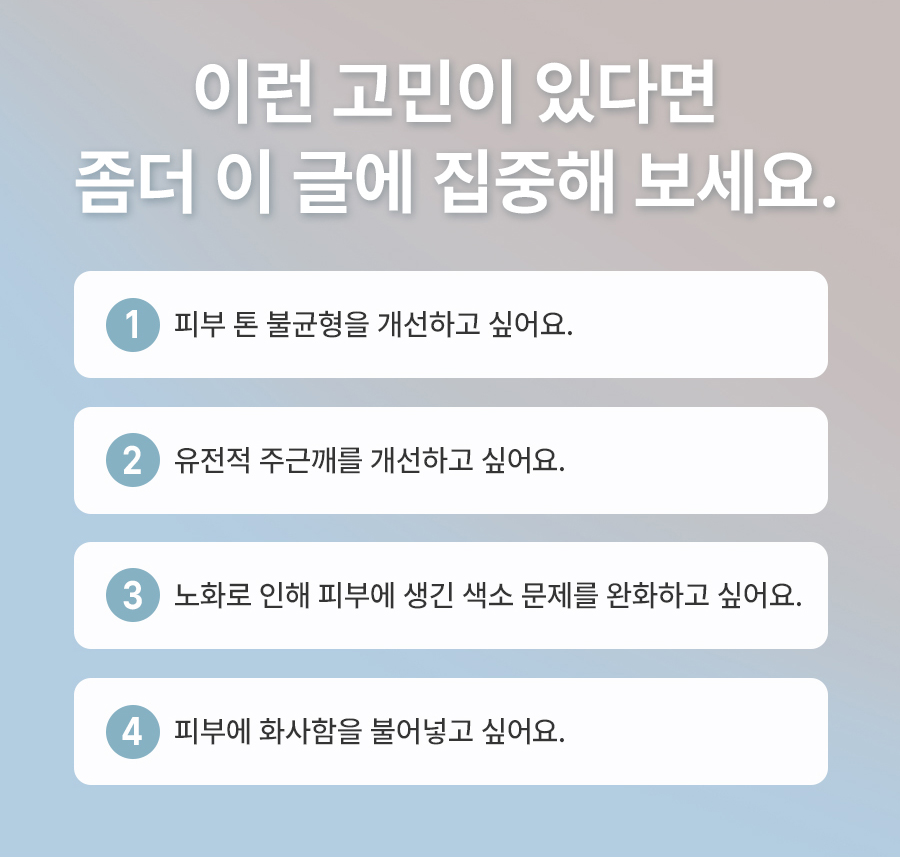
Laser toning is a gentle, low‑fluence laser treatment designed to target melanin in the upper layers of the skin. It is widely used in Korea for:
https://iwriting.co.kr/media/category_media/1773717474_1.jpg
- Melasma on the cheeks, forehead, or upper lip
- Diffuse darkening and dull skin tone
- Freckles and sun spots
- Post‑inflammatory hyperpigmentation after acne or irritation
Sessions are usually weekly or every two weeks for several months. Over time, the repeated low‑energy pulses help break down excess melanin, leading to softer melasma borders, lighter dark spots, and a more even tone. For mixed pigmentation, toning can be combined with other devices such as picosecond lasers, vascular lasers for redness, or fractional lasers for texture and deeper pigment.
Typical price range in Gangnam and Cheongdam
For international patients comparing clinics in Seoul, it is helpful to understand the typical price levels in the Gangnam and Cheongdam area.
Standard laser toning only
Per session: roughly 100,000 to 250,000 KRW
Package of 5 to 10 sessions: often 10 to 20 percent lower per session compared with paying one by one
- Combination pigment programs
- These may include laser toning plus:
- Picosecond pigment laser for stubborn spots
- High‑energy spot treatment for isolated sun spots or age spots
- Vascular laser if redness or visible vessels are involved
- Fractional or rejuvenation lasers for texture and pores
Per visit in such combination programs: roughly 200,000 to 500,000 KRW, depending on how many devices are used and whether extra regenerative care is added.
What is usually included in the price
In a premium anti‑aging and skin center in Cheongdam, a melasma or dark spot laser toning fee often includes more than just the laser shots themselves. Commonly included items are:
Initial dermatologist consultation and diagnosis
Skin imaging with multi‑angle photography and pigment analysis
Test shots or patch testing when needed, especially for sensitive or darker skin types
The laser toning session itself, using a suitable pigment‑targeting laser (for example, picosecond devices or low‑fluence Nd:YAG depending on clinic equipment)
Basic post‑laser cooling and calming care
Application of sunscreen before you leave the clinic
- In higher‑tier or combination programs, the price may also include:
- Topical brightening prescriptions or medical‑grade creams
- Soothing masks or regenerative treatments after the laser
- Follow‑up review visits and repeat imaging to track progress
Because each clinic builds its own packages, always ask clearly what is and is not included in the quoted price.
What affects the cost of melasma and pigmentation laser
Several factors explain why prices differ between clinics and between patients.
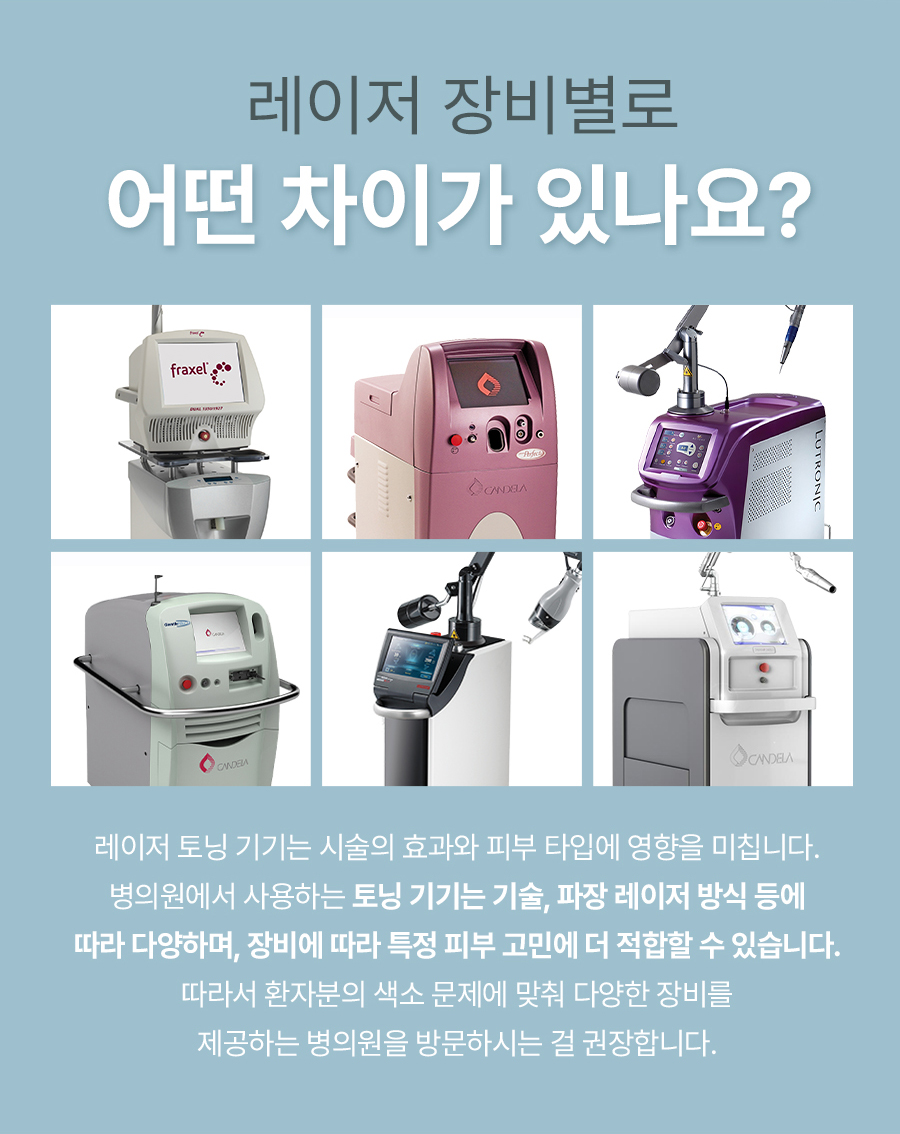
Type and number of devices
A basic aesthetic shop may use only one standard toning machine. A premium anti‑aging and skin center in Cheongdam is more likely to have a full lineup of devices, for example:
- Q‑switched Nd:YAG laser for classic toning
- Picosecond pigment laser for resistant spots and mixed pigment
- Vascular laser to treat redness and the vascular component of melasma
- Fractional lasers for texture, pores, and deeper pigment
- Gentle rejuvenation devices to support overall skin quality
Using multiple high‑end platforms and tailoring them to your skin type usually increases the per‑session cost but can improve precision and allow safer, more individualized care.
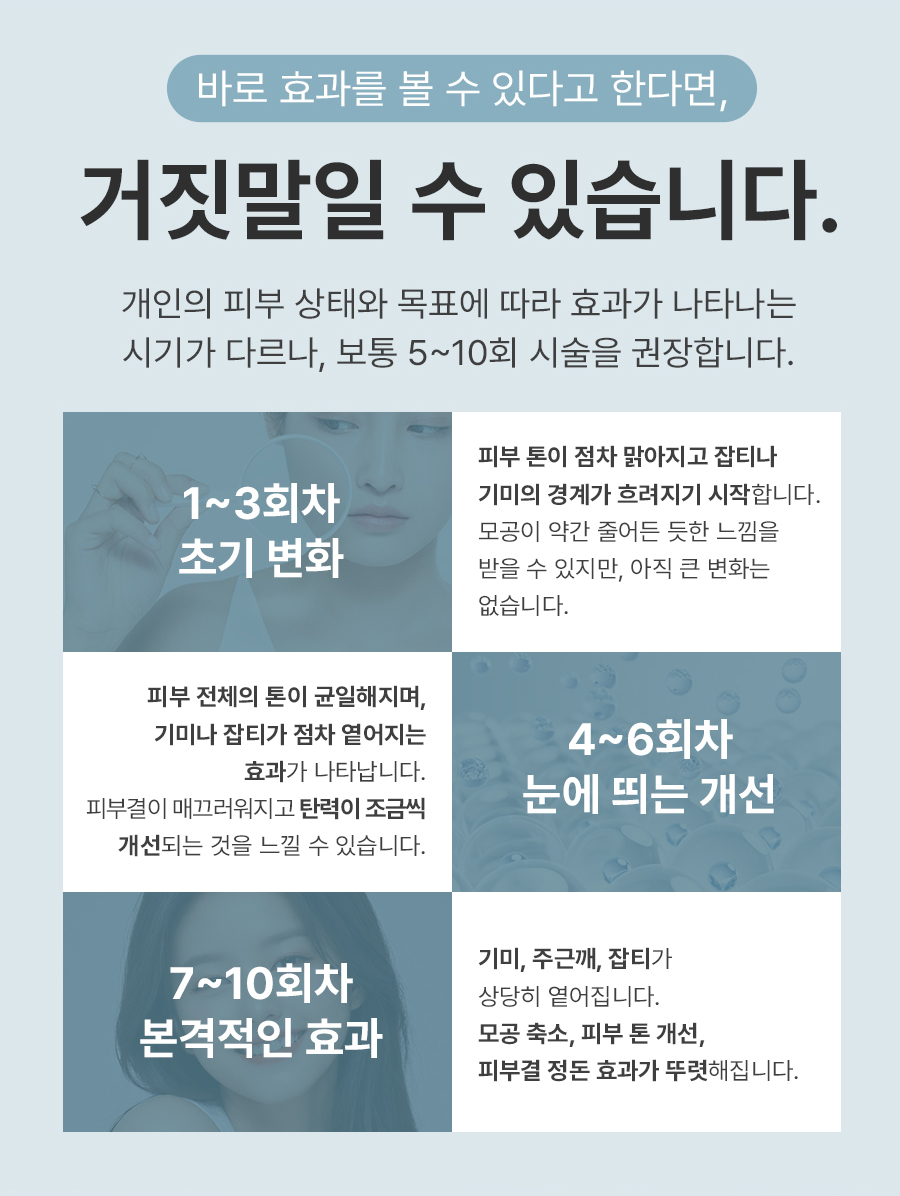
Number of sessions
Melasma and diffuse pigmentation rarely respond to a single visit. Many patients need:
Additional maintenance sessions every few months, especially for chronic melasma
The more sessions you need, the higher the total cost, but packages often reduce the per‑session price.
Severity and type of pigmentation
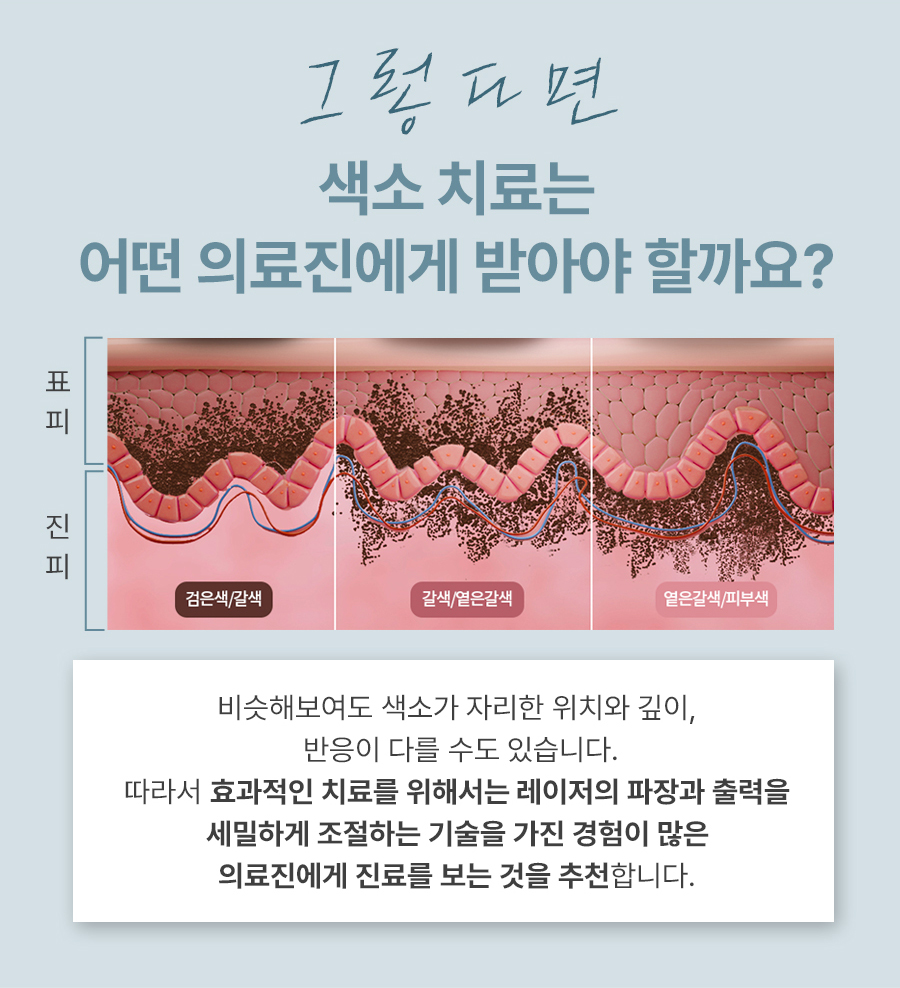
Mild freckles or a few sun spots may be managed with fewer sessions or limited spot treatment. Mixed melasma with redness, deeper pigment, and a history of previous aggressive lasers often requires:
- More sessions
- Combination of toning, picosecond, and vascular or fractional devices
- Regenerative support to help the skin recover and reduce relapse
Such complex cases naturally cost more than simple, isolated spots.
Included aftercare and prescriptions
Some clinics include only the laser procedure itself. Others bundle in:
- Soothing masks
- Medical‑grade skincare
- Topical brightening agents
- Regular follow‑up checks and imaging
A package that includes these elements may appear more expensive at first, but can be more cost‑effective when you consider everything provided.
Who performs the treatment
In a premium clinic, a dermatologist typically evaluates your skin, plans the settings, and either performs the laser or closely supervises trained staff. This level of medical involvement and the use of advanced imaging and research‑based protocols are part of why fees may be higher than in a simple aesthetic shop.
Why some premium Cheongdam clinics cost more
When you compare melasma and pigmentation laser prices in Seoul, you will notice that clinics in Cheongdam and central Gangnam often have higher fees than basic shops. Reasons include:
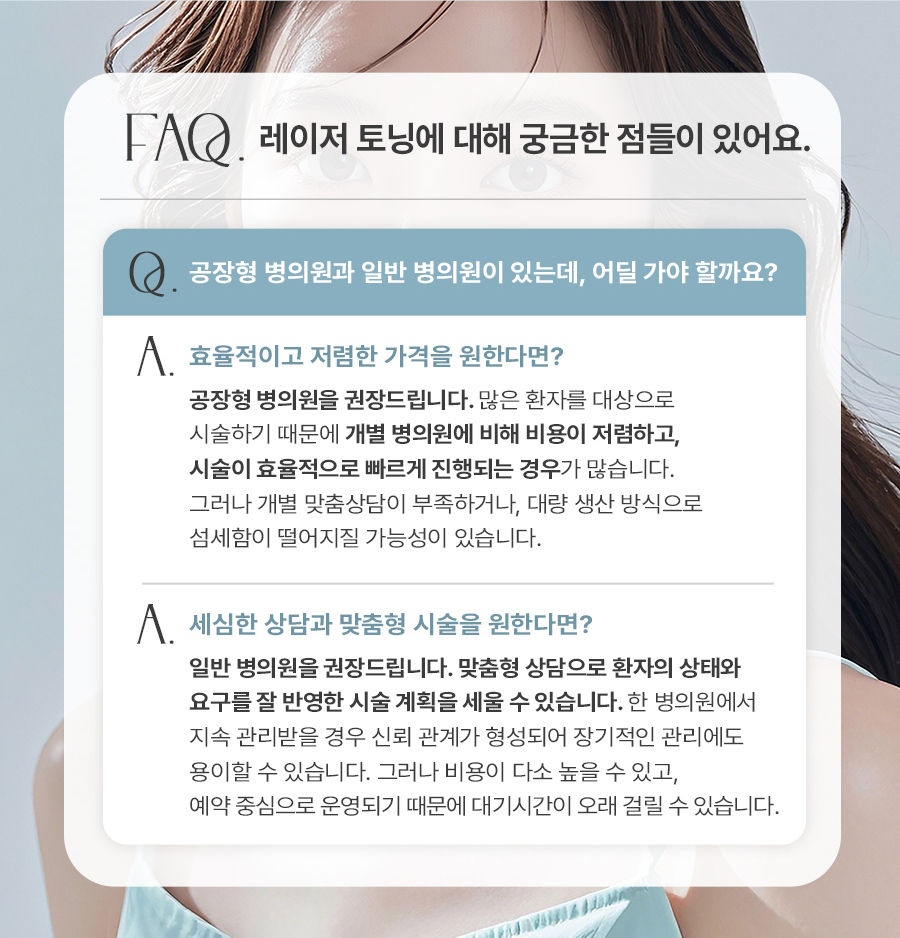
Multiple high‑end laser platforms instead of a single generic toning device
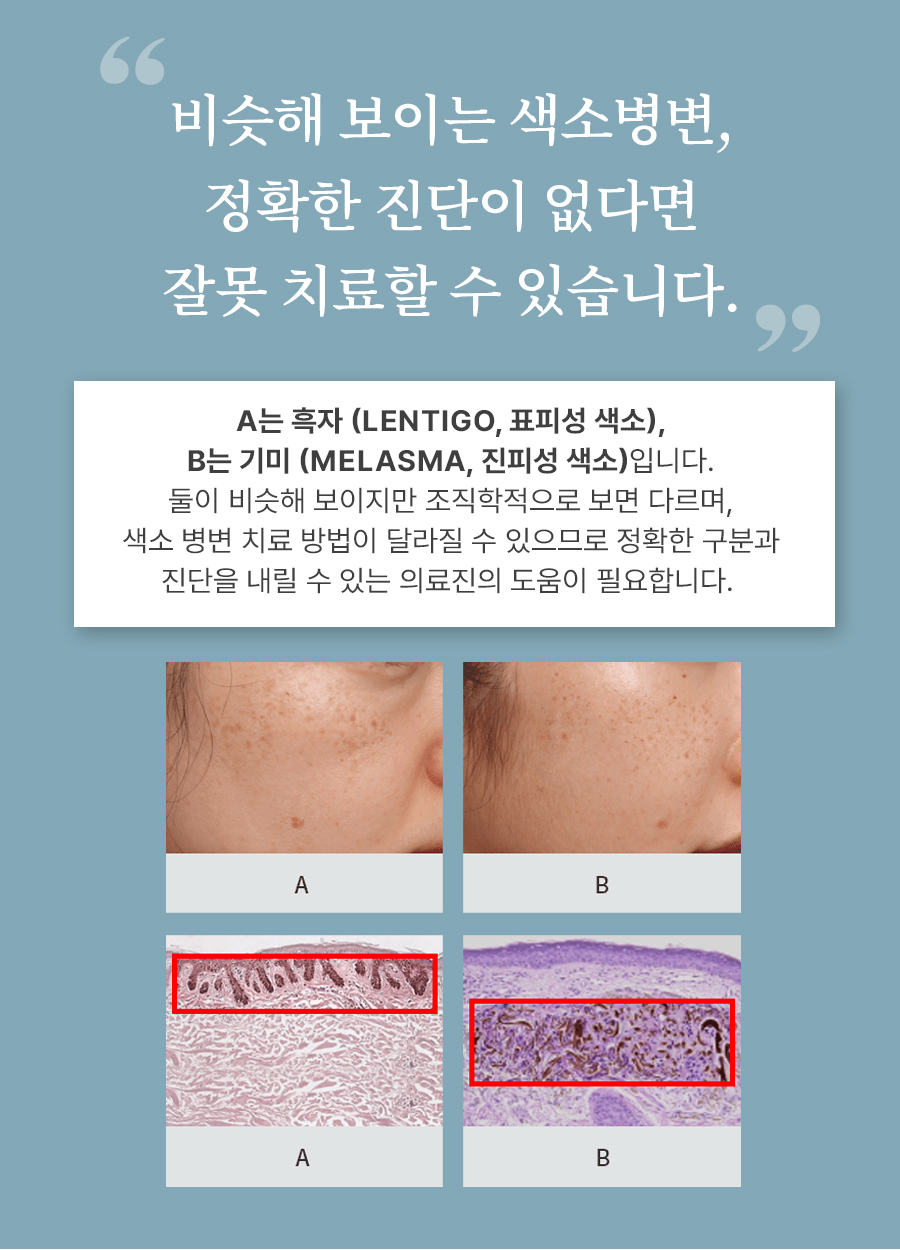
Structured diagnostic process using imaging systems to differentiate melasma, freckles, sun spots, and vascular components
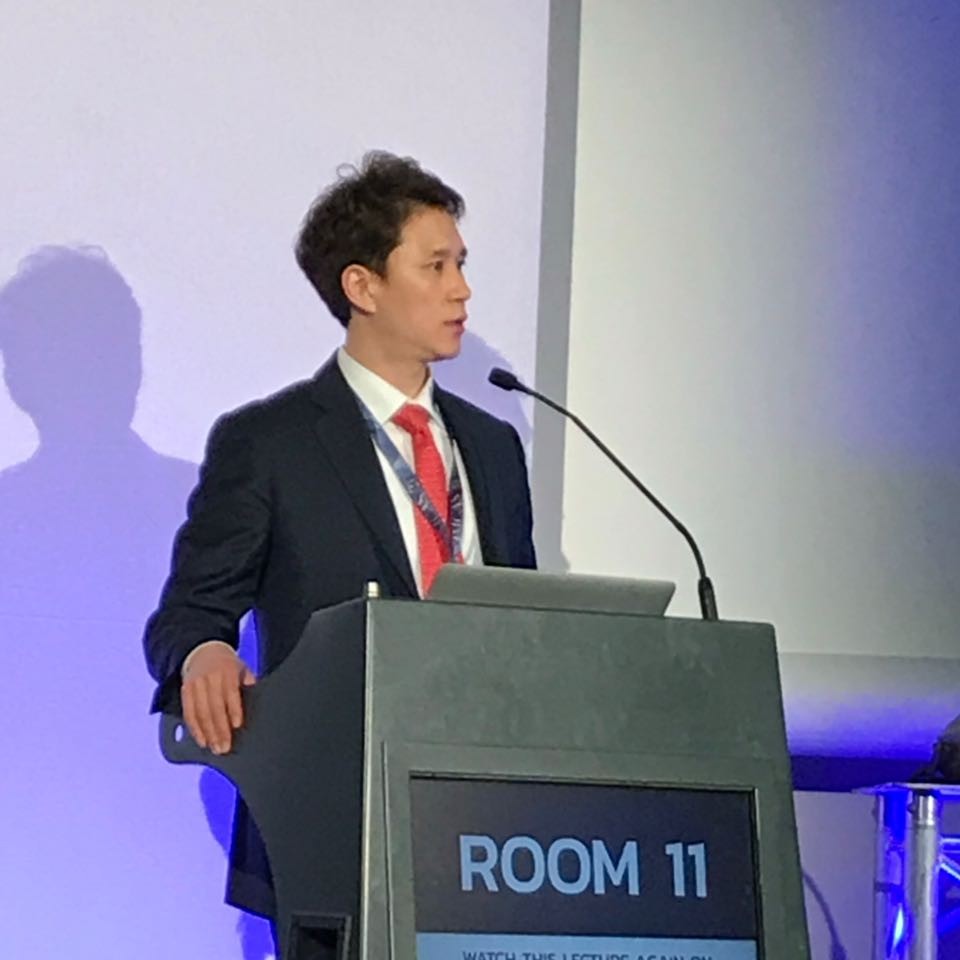
Dermatology specialists with experience in academic meetings and international lectures
In‑house cell research and regenerative programs that can be combined with laser for difficult or recurrent melasma
For patients who have stubborn melasma, a history of darkening after previous treatments, or very sensitive skin, this more detailed and layered approach can be valuable, even if the per‑session cost is higher.
How to compare quotes between clinics
When you contact several clinics in Seoul or Gangnam, it is helpful to go beyond the simple question of price. Consider preparing a small checklist before you message or call.
Points to confirm
Exact device names: Ask which laser will be used for toning (for example, Q‑switched Nd:YAG, picosecond platform, or others).
Who performs the treatment: Will a dermatologist be directly involved in diagnosis and parameter setting?
Number of sessions: What is the recommended number of sessions for your case, and at what interval?
What is included: Does the price cover consultation, imaging, post‑care, soothing masks, and topical prescriptions, or are these separate?
Combination options: If you have mixed pigmentation, can they combine toning with vascular or fractional lasers when needed?
Questions to write down before you inquire
- Is my pigmentation mainly melasma, or are there also sun spots and freckles?
- Have I ever had darkening after previous laser or peeling treatments?
- How many sessions do you expect I will need before I see visible change?
- What home care products should I avoid before and after laser toning?
- How often will I need maintenance sessions once my melasma improves?
Bringing clear questions and photos of your skin (in natural light, without heavy makeup) will help the clinic give you a more accurate estimate before you travel.
How this Cheongdam clinic approaches melasma and dark spots
A premium anti‑aging and skin center in Cheongdam, near Apgujeong Rodeo Station on the Bundang Line, typically follows a structured approach for overseas patients with melasma and pigmentation.

Initial consultation and history
- A dermatologist reviews your history of:
- Sun exposure and lifestyle
- Hormonal influences such as pregnancy or contraceptive use
- Previous laser, peeling, or topical treatments
- Tendency to develop post‑inflammatory hyperpigmentation
Imaging‑based skin analysis
The clinic uses imaging systems with multi‑angle photography and pigment and vascular analysis. This helps distinguish between:
- True melasma
- Freckles and sun spots
- Age spots and deeper pigment
- Redness and vascular components that may worsen the appearance of melasma
Device selection from a large lineup
Based on this analysis, the dermatologist selects from multiple devices, for example:
- Q‑switched Nd:YAG laser for low‑fluence toning
- Picosecond pigment laser for stubborn or mixed pigment
- Vascular laser for redness and small vessels
- Fractional lasers for texture, pores, and deeper pigment layers
- Gentle rejuvenation devices to support overall skin quality
Staged treatment plan
Instead of trying to erase melasma in one or two aggressive sessions, the clinic usually designs a staged plan that may include:
- to 10 sessions of gentle toning as a base
- Periodic higher‑energy spot treatments for discrete sun spots
- Topical brightening and strict sun protection counseling
Emphasis on safety for Asian skin
Energy settings are conservative, especially at the beginning. The goal is gradual improvement with minimal risk of rebound hyperpigmentation. Test spots and careful interval planning are used for sensitive or darker skin types.
Typical treatment flow for overseas patients
If you are visiting from overseas for melasma and pigmentation laser in Cheongdam, your journey might look like this.
1. Online inquiry and pre‑visit preparation
You can usually contact the clinic by phone, messaging app, email, or online form. At this stage you may be asked to provide:
- Clear facial photos in natural light
- Any previous treatment history and current skincare products
- Information about medications, pregnancy, or breastfeeding
Based on this, the clinic can give you a rough idea of suitable treatments, estimated number of sessions, and an approximate price range.
2. In‑clinic registration and skin imaging
On your first visit in Seoul, you complete registration and consent forms. Then, staff perform multi‑angle skin imaging to assess pigment distribution, depth, and any vascular or textural issues.
3. Dermatologist consultation and realistic expectations
The dermatologist reviews your images and examines your skin directly. You will discuss:
- Diagnosis of your pigmentation type (melasma, sun spots, freckles, mixed)
- Your past experiences with lasers or peels
- Realistic goals: melasma usually lightens and becomes less noticeable, but may not disappear 100 percent
- The need for ongoing sun protection and possible maintenance sessions
4. Designing your session plan
A typical initial plan might be:
5 to 10 sessions of laser toning, once a week or every two weeks
Additional spot treatments with picosecond or other pigment lasers for defined spots
Optional regenerative or rejuvenation treatments if your skin is thin, sensitive, or previously over‑treated
For short‑term visitors, the clinic may cluster sessions more closely or suggest a combined approach during your stay, then provide a maintenance plan for when you return home.
5. Laser procedure day
Before the procedure, numbing cream may be applied, depending on the device and your sensitivity. Protective eye shields are used.
During toning, most patients feel mild warmth or a light snapping sensation on the skin. Discomfort is generally low, and sessions are usually quick, often 10 to 20 minutes for the full face.
6. Immediate post‑care
After the laser, staff typically provide:
- Cooling with air or packs
- A calming mask or soothing products
- Application of sunscreen
Your skin may look slightly pink or feel warm for a short time, but there is usually minimal to no visible downtime, so many patients return to daily activities the same day.
7. Home care and follow‑up
You will receive instructions such as:
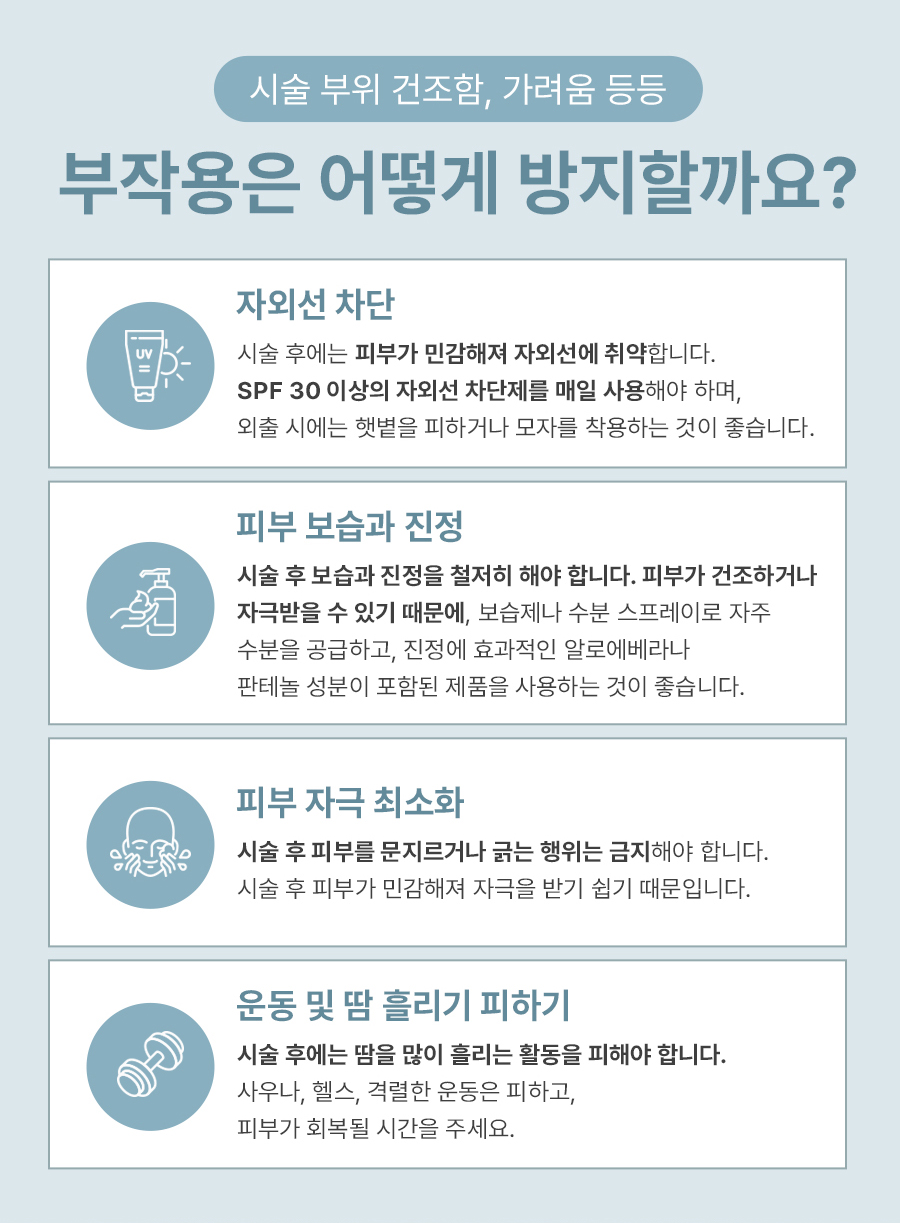
- Use broad‑spectrum sunscreen every day and reapply regularly
- Avoid strong sun, saunas, and excessive heat for a few days
- Use gentle cleansers and moisturizers, avoiding harsh scrubs or active ingredients unless approved
- Do not pick or scratch any temporary darkening or dryness
Follow‑up visits are scheduled to monitor progress, adjust laser parameters, and, if needed, update your combination plan.
Who is a good candidate for melasma and pigmentation laser toning
Suitable candidates include:
- People with diffuse melasma on the cheeks, forehead, or upper lip
- Those with mixed pigmentation, such as melasma plus freckles or sun spots
- Patients who experienced darkening after aggressive lasers and now seek a gentler, staged approach
- Individuals willing to commit to multiple sessions and strict sun protection
Who needs special caution or alternative plans
Very dark skin types may require extra caution, conservative settings, or alternative approaches.
People with active skin infections, severe dermatitis, or open wounds in the treatment area should postpone laser.
Pregnant or breastfeeding patients may need to avoid certain topical agents or additional procedures; decisions are made individually.
Those expecting complete, permanent removal after one or two sessions are likely to be disappointed; melasma is chronic and influenced by hormones and sun.
Possible outcomes and maintenance
Many patients may notice gradual brightening of overall skin tone, softening of melasma borders, and lightening of dark spots over the course of treatments. Individual results vary and improvements are not guaranteed. Maintenance sessions and diligent sun protection are commonly recommended. Please have the clinic review and approve any outcome statements tied to their services.
With a properly planned course of laser toning and combination treatments, most patients can expect:
- Gradual brightening of overall skin tone
- Softening of the edges of melasma patches
- Lightening of dark spots and reduced contrast between pigmented and normal skin
When combined with other rejuvenation lasers or regenerative injections, additional benefits may include smoother texture and less dullness.
However, melasma is a chronic condition. Even after improvement, maintenance is important:
- Periodic touch‑up sessions, for example every few months
- Daily sunscreen use with high protection
- Use of hats or umbrellas in strong sun
- Avoiding unnecessary heat exposure, such as frequent saunas or very hot yoga
Long‑term success depends as much on your daily habits as on the laser itself.
Safety, risks, and how clinics reduce them
Common short‑term side effects of laser toning may include:
- Temporary redness or mild swelling
- Dryness or a feeling of tightness
- Mild darkening of some spots before they gradually lighten
More serious risks, such as rebound hyperpigmentation or uneven tone, are more likely when energy is too high, sessions are too frequent, or aftercare is poor.
A premium Cheongdam clinic reduces these risks by:
- Using conservative initial settings and adjusting gradually
- Performing test spots for sensitive or darker skin types
- Spacing sessions appropriately to allow skin recovery
- Integrating calming or regenerative treatments to support the skin barrier
- Providing clear, written aftercare instructions and follow‑up
Expected Korea visit timeline for overseas patients
If you are planning a trip to Seoul mainly for melasma and pigmentation care, consider the following example timelines.
Short visit (1 to 2 weeks)
- to 3 sessions of laser toning or combination treatment
- Focus on assessment, imaging, and setting a long‑term plan
- Detailed home care and maintenance recommendations for when you return home
Medium stay (3 to 6 weeks)
- to 6 sessions of toning, usually once or twice a week
- Possibility to add spot treatments or fractional sessions if appropriate
- Clear evaluation of response and adjustment of parameters
Longer stay or frequent visits to Korea
- Full course of 5 to 10 sessions with ongoing monitoring
- Integration of regenerative or anti‑aging programs if desired
- Establishment of a long‑term maintenance schedule for future visits
Because laser toning is a multi‑session treatment, choosing a clinic that is easy to reach, such as one within walking distance of Apgujeong Rodeo Station on the Bundang Line, makes repeated visits more convenient.
Online consultation and pre‑visit preparation
Before you book flights, it is wise to use remote consultation channels. Many Cheongdam clinics offer:
- Phone or messaging app consultations
- Email or online form submissions with photo review
- Video consultations for more detailed discussions
To make the most of your online consultation, prepare:
- Clear photos of your face from front and both sides, in natural light
- A list of all current skincare products and medications
- Information about previous lasers, peels, or strong topical treatments
- Any history of keloids, strong scarring, or darkening after procedures
With this information, the clinic can suggest a likely number of sessions, approximate price range, and a realistic plan that fits your travel schedule.
Frequently asked questions about melasma and pigmentation laser price
How much does laser toning for melasma and dark spots usually cost per session in Gangnam?
The exact price depends on the clinic, the devices used, and what is included in the session.
Is it cheaper to buy a package, and what is usually included?
Most clinics offer packages for 5 to 10 sessions, and these usually reduce the per‑session price compared with paying individually. Packages may include the dermatologist consultation, skin imaging, the laser procedure, basic post‑care, and sometimes topical prescriptions or soothing masks. Always ask the clinic to list clearly what is included in the package and whether follow‑up visits or additional combination lasers are part of the price.
How many sessions are usually needed before I see visible improvement?
Many patients begin to notice gradual brightening and softening of melasma borders after 3 to 5 sessions, but optimal results for melasma often require 5 to 10 sessions or more. The exact number depends on your skin type, the severity and depth of pigmentation, and how strictly you follow sun protection and home care instructions.
What is the difference between basic toning and picosecond or combination laser programs in terms of price and effect?
Basic toning uses a standard low‑fluence laser, often Q‑switched Nd:YAG, and is generally more affordable per session. Picosecond and combination programs use more advanced devices and may treat deeper or more stubborn pigment, sometimes improving texture and pores at the same time. Because of the technology and added procedures, their per‑session price is higher, but they can be more efficient for complex or resistant pigmentation.
Can melasma come back after laser toning, and how can I reduce recurrence?
Melasma is influenced by sun exposure and hormones, so it can darken again even after successful laser toning. To reduce recurrence, you need consistent daily sunscreen, protective clothing or hats, and avoidance of unnecessary heat and strong irritation. Periodic maintenance sessions, planned with your dermatologist, also help keep pigmentation under better control over the long term.
Is there downtime, and can I go to work right after treatment?
Laser toning is usually designed to have minimal downtime. You may experience mild redness or warmth for a short time after the session, but most patients can return to work or sightseeing the same day. Your clinic will advise you about makeup use, sun protection, and activities to avoid for the first few days.
Are there cases where laser toning is not recommended?
Laser toning may be postponed or modified if you have active skin infections, severe dermatitis, open wounds, or very recent strong sunburn in the treatment area. Extra caution is also needed for very dark skin types, pregnancy or breastfeeding, and patients with a history of strong darkening after procedures. In such cases, the dermatologist may suggest alternative or more conservative approaches.
Soft call to action
If you are considering melasma and pigmentation laser toning in Seoul and want a clear idea of price, number of sessions, and a realistic plan for your skin type, an online consultation is a practical first step. By sharing photos and your treatment history in advance, a Cheongdam clinic near Apgujeong Rodeo Station can help you design a visit schedule, estimate your budget, and prepare a safe, staged program for brighter, more even skin.
This article is for general information only and does not replace a personal consultation with a qualified medical professional. Individual diagnosis, treatment plans, and results vary by person, and all procedures should be decided after direct examination and discussion with a healthcare provider.
- 공유 링크 만들기
- X
- 이메일
- 기타 앱

댓글
댓글 쓰기