Nasolabial fold filler treatment in Cheongdam Gangnam for softer smile lines
- 공유 링크 만들기
- X
- 이메일
- 기타 앱
Direct answer summary
Nasolabial fold filler is an injectable treatment that softens the deep lines that run from the sides of your nose to the corners of your mouth. In modern practice, the goal is not to simply “fill the line,” but to restore support in the midface so the folds crease less and cast less shadow. At our private clinic in Cheongdam, Gangnam, this is often combined with lifting and regenerative treatments to keep the result natural and age-appropriate.
This guide explains what nasolabial fold filler is, who may benefit, how to prepare if you are visiting Korea, what to expect during and after treatment, and how it can be combined with other anti-aging options.
Treatment overview: what nasolabial fold filler actually does
Nasolabial folds are the natural grooves that separate the cheeks from the upper lip area. With age, they can deepen and become more visible, making the face look tired, sad, or older than you feel.
These folds deepen for several reasons:
Midface volume loss: Fat pads in the cheeks shrink and slide downward, so the area next to the nose and mouth loses support.

Ligament laxity: Supporting ligaments that hold the cheek tissues in place become looser, allowing the soft tissue to descend.
Skin thinning: Collagen and elastin decrease with age, so the skin becomes thinner and less elastic.
Repetitive facial movement: Smiling and talking repeatedly fold the same area, which can gradually etch the line into the skin.
Nasolabial fold filler works by restoring some of the lost structure. Instead of only injecting directly into the line, the treatment often includes:
Deep support in the midface and cheek: Carefully placed filler can lift and support the tissues above the fold, so the line appears softer.
Fine-tuning along the fold itself: Small amounts of filler can be placed more superficially to smooth the remaining crease without making it look stiff or bulky.
Common filler types for nasolabial folds include:
Hyaluronic acid (HA) fillers: These are gel-like fillers that attract water and add volume. They are reversible with an enzyme called hyaluronidase, which can be used if adjustment is needed. Examples used in our clinic include Restylane and the Juvederm family such as Volux, Volite, Voluma, Volift, and Volbella. Different products are chosen depending on how firm or soft the support should be.

Collagen-stimulating fillers: Products such as Ellanse not only provide immediate volume but also stimulate your own collagen over time. They can give longer-lasting structural support in carefully selected patients. Unlike HA fillers, they are not easily reversible, so they require precise planning and an experienced injector.
At our Cheongdam clinic, nasolabial fold filler is usually planned as part of a three-dimensional anti-aging strategy, sometimes combined with lifting devices or regenerative injections when skin laxity and tissue quality play a major role.
Who may consider nasolabial fold filler
Nasolabial fold filler can be a good option if you:
Are in your 30s to 60s and notice that your smile lines are becoming deeper or more permanent.
Feel that your expression looks tired, sad, or angry even when you are relaxed.
Have mild to moderate folds mainly due to early volume loss and soft tissue descent, rather than very heavy sagging.
Prefer a non-surgical, quick procedure with minimal downtime.

Want subtle softening and a fresher look, not a completely flat or “frozen” appearance.
It may not be ideal as a stand-alone solution if you:
Have very heavy sagging cheeks or thick, deeply etched folds.
Have significant skin laxity where the skin itself is loose and heavy.
In these cases, the most natural result usually comes from combining a smaller amount of filler with lifting treatments such as thread lifting, ultrasound or radiofrequency lifting, or in some cases considering surgical options. During consultation, the medical team will explain whether filler alone is likely to meet your expectations or whether a combination plan would be more suitable.
Consultation and assessment for overseas patients
A careful assessment is essential, especially if you are traveling from overseas and want to make the most of a short stay.
During consultation, the medical team will usually:
Analyze your full face: Not only the nasolabial folds, but also cheek volume, midface support, marionette lines, chin, jawline, and even dental structure can influence how the folds appear.
Check skin elasticity: Skin thickness and elasticity help determine whether filler, lifting devices, or regenerative treatments should be prioritized.

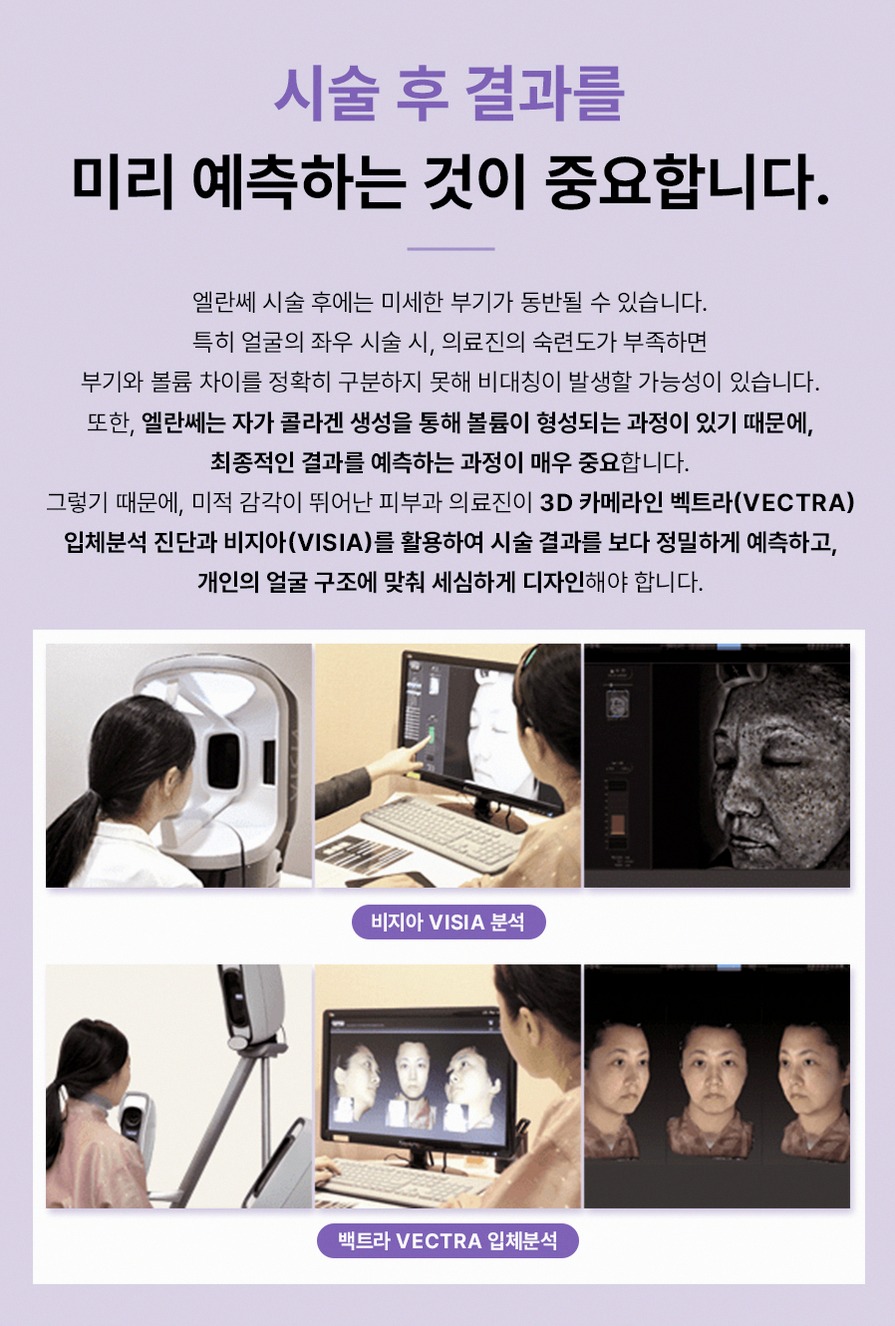
Use imaging tools: The clinic offers holistic beauty programs supported by imaging systems to document your baseline and track changes over time.
Review your medical history: This includes previous fillers or threads, any past complications, medications, allergies, and systemic conditions.
Discuss your aesthetic goals: Some patients prefer very subtle changes, while others want more visible softening. It is important to share reference photos or describe clearly what feels “too much” or “too little” for you.
Set realistic expectations: Nasolabial fold filler can soften lines and refresh the midface, but it does not replicate the effect of a surgical facelift. The aim is to make you look more rested and harmonious for your age, not to completely erase all signs of aging.
Because the clinic has a strong background in fillers, threads, and energy-based lifting, the team can usually suggest several options and explain the pros and cons of each.
How the treatment is performed
If you decide to proceed, most filler sessions are relatively brief and are completed during a single clinic visit.
Pre-treatment steps
Cleansing: The treatment area is cleansed to reduce the risk of infection.

Photography: Standardized photos are taken to record your baseline and help with planning.
Marking: Injection points may be marked to guide safe and precise placement.
Anesthesia: Depending on your sensitivity and the product used, you may receive topical numbing cream, ice, or a filler that already contains lidocaine for comfort.
Injection strategy
The exact technique depends on your anatomy and the chosen filler, but often includes:
Deep support injections: Filler may be placed at deeper levels in the midface and cheek to restore structural support. This helps reduce the weight and shadow that fall into the nasolabial fold.
Superficial refinement: Smaller amounts of filler can be placed more superficially along the fold itself to smooth the remaining crease.
Cannula or needle: A blunt-tipped cannula may be used to reduce the risk of bruising and to navigate safely in certain planes, while fine needles may be chosen for precise placement in specific points. The choice depends on your anatomy, filler type, and safety considerations.

You will see an immediate change, although mild swelling can make the area look slightly fuller in the first few days. As swelling settles, the result usually refines and looks more natural.
Safety, side effects, and risk management
Any injectable procedure carries some risk, and it is important to understand both common and rare side effects.
Common, usually mild effects include:
Redness or swelling at injection sites.
Bruising, which can vary from barely visible to more noticeable depending on your tendency to bruise and the technique used.
Tenderness or a feeling of tightness in the treated area for a few days.
Temporary asymmetry, which usually improves as swelling settles.

These effects typically improve within a few days to two weeks.
Less common but more serious complications can include:
Vascular compromise: If filler is inadvertently injected into or compresses a blood vessel, it can reduce blood flow. This requires prompt recognition and management.
Nodules or lumps: Sometimes small lumps can form, especially if the filler is placed too superficially or if there is local inflammation.
Tyndall effect: With superficial hyaluronic acid fillers, a bluish hue can appear if the product is placed too close to the surface.
Overfilling or unnatural contour: Too much volume in the wrong plane can create a “muzzle” or “puffy” look.
This is why treatment by medically trained practitioners familiar with facial anatomy and complication management is essential. For hyaluronic acid fillers, hyaluronidase can be used to dissolve the product if needed.
Longevity and maintenance
How long nasolabial fold filler lasts varies from person to person and depends on several factors:

Filler type: Duration varies by product and individual factors. Some hyaluronic acid fillers may last several months, while certain collagen‑stimulating fillers can provide longer structural support in selected patients.
Injection depth and placement: Deeper structural injections often last longer than very superficial ones.
Metabolism and lifestyle: High levels of exercise, smoking, and significant weight changes can influence how quickly filler is broken down.
Facial movement: Areas that move more can see faster filler degradation.
Maintenance usually involves periodic touch-ups, often with smaller volumes than the first session. Many patients combine maintenance filler with treatments that slow the progression of sagging, such as ultrasound or radiofrequency lifting, or with skin-quality treatments that improve thickness and elasticity.
Combination treatments for better support and natural results
Not all nasolabial folds are caused only by volume loss. In many patients, skin laxity and downward migration of tissues play a large role. In these cases, combining treatments can give a more natural, balanced result with less filler.
Energy-based lifting
Ultrasound and radiofrequency devices can tighten deeper layers of the skin and supporting tissues.

Examples available at the clinic include:
Ulthera Prime: Focused ultrasound to lift and tighten deeper layers.
Thermage FLX: Monopolar radiofrequency to stimulate collagen and improve skin firmness.
Emface and monopolar needle RF: To address both muscle support and skin quality in certain areas.
By improving support from below, these treatments can reduce the heaviness that falls into the nasolabial fold, so less filler is needed.
Thread lifting
Thread lifting uses fine, dissolvable threads placed under the skin to gently reposition sagging tissues. When used appropriately, this can:
Lift the midface and cheek area.
Reduce the heaviness around the mouth and nasolabial folds.
Provide a subtle, mechanical support that complements filler volume.
The clinic uses multiple thread systems and plans thread vectors together with filler placement to avoid overfilling and to maintain natural movement.
Regenerative and skin-repair injections
Because the clinic focuses on anti-aging from the cellular level, there is also a strong emphasis on improving skin quality and tissue health.
Signature options include:
Autologous exosome injections: A proprietary autologous exosome program using exosomes derived from your own cells, intended to help convey regenerative signals and support skin repair processes.
Non-cultured autologous stem cell treatments: Designed to enhance tissue quality without long culture periods.
Skin-boosting injections: Including hyaluronic acid-based skin boosters such as Volite to improve hydration, fine lines, and texture.

When skin thickness and elasticity improve, nasolabial folds often appear softer even without large volumes of filler.
Natural-looking results and clinic philosophy
A natural result means you still look like yourself, with your own expressions and character, just more rested and balanced.
Key principles include:
Age-appropriate correction: The goal is not to erase every line, but to reduce harsh shadows and tiredness while respecting your age and facial structure.
Three-dimensional balance: The cheeks, nasolabial folds, marionette lines, and jawline are evaluated together. Sometimes a small adjustment in the chin or jawline can indirectly improve how the folds look.
Avoiding overfilling: Excess filler around the nose and mouth can create a “muzzle” appearance or make the face look heavy. By combining structural support, lifting, and regenerative care, the clinic aims to use the minimum filler needed for a harmonious result.
Long-term planning: Because the clinic has an in-house cell research lab and a strong focus on regenerative procedures, treatment plans often look beyond a single session. The idea is to support tissue quality and structure over time, not just temporarily plump one area.
Online consultation and pre-visit preparation
If you are considering nasolabial fold filler during a trip to Seoul, an online consultation before you travel can make your visit smoother.

Before your online consultation, it helps to prepare:
Clear photos: Front, 45-degree, and side views in good lighting with a neutral expression and a natural smile.
Medical information: List of medications, supplements, allergies, and any chronic conditions.
Treatment history: Dates and types of any previous fillers, threads, lifting devices, or surgeries in the face.
Goals and concerns: What bothers you most about your nasolabial folds, and what kind of change would feel ideal or “too much” for you.
During the online consultation, you can discuss:
Whether filler alone is suitable or if combination treatments are recommended.
How many sessions may be realistic during your stay.
Rough timing for treatment and follow-up visits.

What kind of downtime you should plan for, especially regarding bruising or swelling.
Expected Korea visit timeline for nasolabial fold filler
For most overseas patients, a short visit is enough for nasolabial fold filler, especially if major combination treatments are not planned.
A typical simple schedule might look like this:
Day 1: Arrival in Seoul. Optional same-day or next-day in-person consultation depending on your flight schedule.
Day 2: In-person consultation, imaging, and treatment. The filler session itself usually takes 20 to 40 minutes. Mild swelling or redness is expected.
Day 3 to 4: Light sightseeing is usually possible, but you may prefer to avoid heavy exercise, saunas, or facial massages. Bruising, if present, may be more visible in this period.
Day 5 to 7: Swelling typically improves. If needed, a short follow-up visit can be scheduled before you leave Korea to check symmetry and early healing.
If you are planning more complex combination treatments such as thread lifting or multiple device sessions, your schedule may need to be extended. This can be discussed in detail during online consultation.

Aftercare and recovery
After nasolabial fold filler, you will receive specific instructions, but general guidelines often include:
Avoid strong pressure: Do not massage or press firmly on the treated area unless instructed. Avoid sleeping face down for a few days.
Limit heat exposure: For the first few days, avoid saunas, very hot baths, and intense sun exposure, as heat can increase swelling.
Exercise: Light walking is fine, but very intense exercise is usually postponed for a couple of days to reduce bruising and swelling.
Skincare and makeup: Gentle skincare can usually be resumed the same day or the next day. Makeup can often be applied after a few hours, provided the skin is intact and not irritated.
Monitor the area: Mild discomfort and unevenness are common early on. However, if you notice severe pain, color changes (such as pale or dark patches), or any worrying symptoms, you should contact the clinic immediately.

Most patients feel comfortable in public within a few days. Final refinement is usually visible after about two weeks, when swelling has fully settled.
Frequently asked questions
What is the difference between filling the line and supporting the midface?
Simply filling the visible line means injecting filler directly into the crease. This can help in mild cases but may look bulky or unnatural if overdone. Supporting the midface focuses on restoring volume and lift in the cheeks and deeper structures above the fold. When the upper tissues are better supported, the nasolabial fold naturally softens, and only a small amount of filler is needed in the line itself. This approach tends to look more natural and age-appropriate.
How long before my trip should I schedule nasolabial fold filler?
If you are visiting Korea, it is ideal to have the filler at least several days before any important events or photos. Many overseas patients schedule treatment within the first one or two days of arrival, leaving about five to seven days before returning home. This allows most swelling and initial bruising to settle and gives time for a quick follow-up visit if needed. For major events, having the procedure two to three weeks in advance is even more comfortable.
Can nasolabial fold filler replace a facelift?
Filler can soften folds and give a fresher, more rested look, but it does not replace a surgical facelift. A facelift repositions deeper tissues and removes excess skin, which is more suitable for very advanced sagging. Nasolabial fold filler is best for mild to moderate aging changes, or as part of a non-surgical plan that may include thread lifting and energy-based devices. During consultation, the medical team can explain what level of improvement is realistic with non-surgical options.
Is collagen-stimulating filler like Ellanse better than hyaluronic acid for nasolabial folds?
Neither type is universally better; they simply have different characteristics. Hyaluronic acid fillers are reversible and adjustable, which many patients appreciate, especially for a first treatment in a new clinic. Collagen-stimulating fillers such as Ellanse can provide longer-lasting structural support and improve collagen over time in suitable patients, but they are not easily dissolved. Product choice depends on your skin thickness, fold severity, treatment history, and comfort level with reversibility. The clinic’s team, who have academic experience with Ellanse, will help you choose based on your individual situation.
Practical information and how to start an online consultation
The clinic is located in the Cheongdam area of Gangnam, Seoul, near Apgujeong Rodeo Station on the Suin–Bundang Line. From exit 4, you can walk straight toward the Galleria Department Store.

Services are offered by appointment during standard daytime and evening hours on weekdays, with shorter hours on Saturdays. The clinic is closed on Sundays and public holidays.
Multiple contact channels are available, including phone, messaging apps, the clinic blog, and video channels. For overseas patients, an online consultation is usually the first step. You can send photos, explain your concerns about nasolabial folds, and receive a preliminary plan and suggested schedule before you book flights.
If you are considering nasolabial fold filler in Seoul and would like a plan that focuses on natural, structural support rather than overfilling, you are welcome to contact the clinic for an online consultation and personalized guidance.
- 공유 링크 만들기
- X
- 이메일
- 기타 앱

댓글
댓글 쓰기