Nose filler in Seoul: non‑surgical bridge and tip refinement near Cheongdam
- 공유 링크 만들기
- X
- 이메일
- 기타 앱

Nose filler uses injectable dermal fillers—most commonly hyaluronic acid—to non‑surgically refine the nose, providing immediate, temporary improvement when performed with attention to nasal anatomy and facial balance.
Nose filler is a non‑surgical way to refine the shape of the nose using injectable dermal fillers, most often hyaluronic acid. It can gently raise a low bridge, smooth a small hump, or give more tip definition without implants or bone work. Results are visible immediately, downtime is usually minimal, and the effect is temporary, with duration that varies by product and by patient. It does not replace full surgical rhinoplasty, but it can be a good option for subtle profile correction if done with careful attention to nasal anatomy and overall facial balance.
In the Cheongdam area of Gangnam in Seoul, near Apgujeong Rodeo Station on the Suin–Bundang Line, Clinique hus,hu offers nose filler as part of a broader facial contour and anti‑aging approach, using experience with volume fillers and lifting devices to design natural, not overfilled, results.
Treatment overview: what is nose filler?
Nose filler is a non‑surgical procedure that uses injectable dermal fillers to improve the external shape of the nose. Instead of cutting bone or cartilage, a trained injector adds small amounts of filler in specific areas to change how the nose looks from the front and side.

Common goals include raising a low or flat nasal bridge, smoothing a mild dorsal hump by filling above and below it, refining the radix (the root of the nose between the eyes), and giving a little more definition to the tip. By adjusting where volume is added, the nose can appear straighter, more defined, and better balanced with the rest of the face.
Most nose filler treatments use hyaluronic acid fillers. Hyaluronic acid is a gel‑like substance that is already present in the body. These fillers can be shaped, they integrate with the tissues, and importantly, they can be dissolved with an enzyme called hyaluronidase if needed. For the nose, safety and reversibility are usually prioritized over very long duration.
Nose filler cannot shorten the nose, narrow very wide nostrils, or correct internal structural problems such as a deviated septum or breathing issues. Those concerns generally require surgical rhinoplasty. However, for many adults who want a more refined profile without surgery, nose filler can offer a noticeable yet subtle improvement.
Facial balance approach in Cheongdam, Gangnam
In the Cheongdam area of Gangnam, close to Apgujeong Rodeo Station and Galleria Department Store, this clinic works as an aesthetic and anti‑aging center with a dermatology‑based model. It has an in‑house cell and anti‑aging lab and uses a wide range of fillers such as Ellanse and various Juvederm and Restylane products, as well as multiple lifting and contouring devices.

Nose filler here is not planned as a completely isolated procedure. The medical team looks at how the nose relates to the forehead, lips, chin, and midface. Sometimes a small amount of chin filler or subtle jawline contouring can make the nose look more balanced without needing a dramatic change to the nose itself.
Who may consider nose filler?
Nose filler can be considered by adults who want to improve the appearance of their nose but are hesitant about surgery, anesthesia, or long downtime. Typical situations include a low or flat bridge that looks less defined in profile, a mild dorsal hump that can be visually softened, or a tip that would benefit from slightly sharper definition without implants.
It is also an option for people who want to test a new nose shape before committing to surgery. Because hyaluronic acid fillers are temporary and adjustable, they can act as a kind of preview of how a higher bridge or smoother profile might look.
People with busy schedules who cannot take time off for surgical recovery may also prefer nose filler. The procedure itself is quick, and most patients return to daily life immediately, apart from some short‑term precautions.

Who is not an ideal candidate?
Nose filler is not suitable for everyone. Individuals with very thick nasal skin may not see a clear contour change from small filler adjustments. Those with a severely crooked nose, major asymmetry, or significant functional problems such as marked septal deviation or breathing difficulties are often better suited to surgical rhinoplasty.
People with unrealistic expectations, such as wanting a completely different nose shape or believing filler can correct internal structural issues, may not be good candidates until expectations are clarified. In some cases, the safest and most honest recommendation is to avoid filler or to consider surgery instead.
As with any filler treatment, patients with active skin infection or inflammation around the nose, uncontrolled systemic diseases, bleeding disorders, or a history of severe filler allergy should avoid or delay the procedure. Pregnant or breastfeeding individuals are generally advised to postpone elective fillers as a precaution.
Online consultation and pre‑visit preparation for overseas patients
For international patients, an online consultation is often the first step. Before you travel to Seoul, you can usually contact the clinic via phone or major local messaging and social platforms to share your goals and medical background.

To make this process smoother, prepare clear photos of your face from the front, 45‑degree angles, and full profile on both sides. Take them in good lighting with a neutral expression, without filters or heavy makeup. These images help the medical team evaluate your nasal bridge height, radix position, tip projection, and how your nose fits with your forehead, lips, and chin.
You should also prepare a brief medical summary. Include any previous nose surgery or filler, history of trauma to the nose, allergies (especially to medications or previous fillers), current medications such as blood thinners, and any systemic conditions. Mention if you have a history of cold sores or skin conditions around the nose.
Before you travel, ask practical questions: how many days after the procedure should you stay in Korea, when follow‑up checks are usually done, what to do if you notice unusual symptoms, and whether you should avoid certain medications or supplements before the visit.
Expected visit timeline in Korea
For most overseas visitors, nose filler can be planned within a short stay in Seoul. A typical schedule might look like this, though details can vary by individual case.

Scheduling for overseas patients varies by individual needs and clinic availability; confirm a personalized timeline with Clinique hus,hu before you travel. The clinic is in the Cheongdam area, within walking distance from Apgujeong Rodeo Station on the Suin–Bundang Line (Exit 4, toward Galleria Department Store). The consultation includes a medical history review, facial analysis, and discussion of your goals, and if the patient and doctor agree and there are no medical reasons to delay, the procedure may be done on the same day—confirm this with the clinic in advance.
Day 2–3: Early follow‑up and observation. Mild swelling or redness is common during the first few days. If you are staying nearby, you may schedule a short check‑up to confirm that the shape and skin condition are stable. This is especially reassuring for patients traveling from overseas.
Day 4–7: Return home. Many international patients feel comfortable flying back within a few days, as long as there are no warning signs such as severe pain, skin color changes, or visual symptoms. If you plan a very short trip, discuss this in advance so the clinic can advise on the safest schedule.
Consultation and planning in detail
During the in‑person consultation, the medical team reviews your medical history, including previous fillers, nose surgery, allergies, and vascular risk factors. They may ask about medications such as aspirin, anticoagulants, or supplements that affect bleeding or bruising.

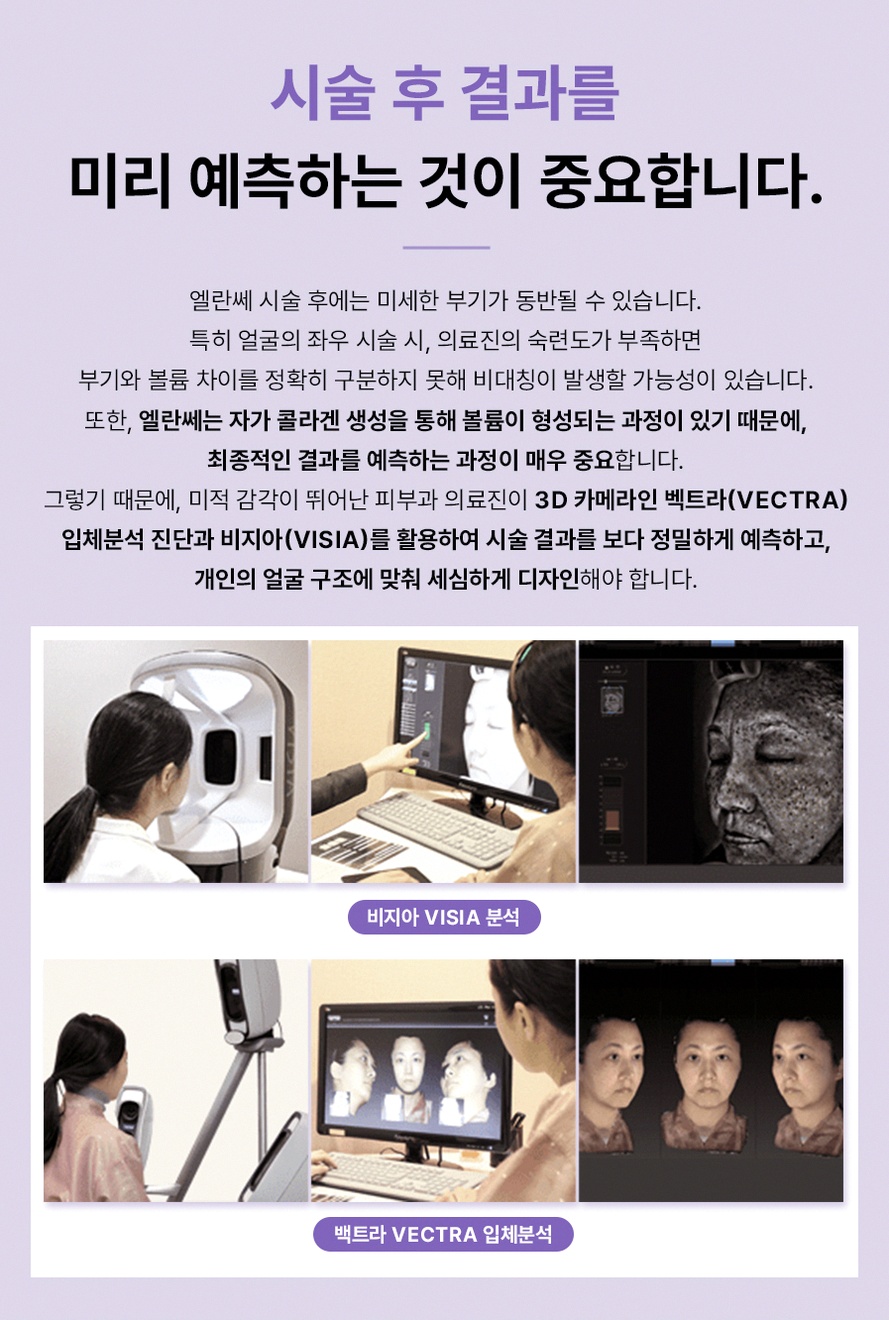
A structured facial analysis is performed from the front, 45‑degree angles, and side views. The doctor evaluates nasal bridge height, radix position, tip projection and rotation, and how these elements interact with your forehead, lips, and chin. Experience with 3D imaging and holistic facial analysis, used in the clinic’s skin and contour programs, can support more precise planning.
You will discuss what is realistically achievable with filler. Nose filler can camouflage minor irregularities and refine contours, but it cannot shorten the nose, narrow nostrils, or correct internal breathing problems. The doctor will explain where filler is likely to be placed, how much volume is expected, and what kind of change you can expect when looking straight ahead and in profile.
Procedure overview
On the day of the procedure, standardized photographs are usually taken first to document your baseline appearance. The skin of the nose and surrounding area is then cleansed thoroughly. A topical anesthetic cream may be applied to reduce discomfort.
The doctor marks key injection points along the bridge and possibly the tip, depending on your treatment plan. These markings guide where the filler will be placed to achieve a straighter bridge, smoother hump, or slightly more defined tip.

For the injections, the doctor may use a fine needle, a blunt‑tipped cannula, or a combination of both. A cannula can help reduce bruising and lower the risk of injuring blood vessels, while carefully placed needle injections can provide precise shaping in specific areas.
Small amounts of filler are injected slowly in precise layers along the midline of the nose. The doctor may gently mold the filler to refine the contour. Throughout the procedure, they monitor your comfort and the color of your skin.
The injection itself is brief, and the overall visit—including consultation, preparation, and aftercare instructions—is typically short, though exact timing depends on individual circumstances; confirm expected timing with the clinic. Pain is generally mild thanks to numbing cream and the lidocaine commonly included in many filler products. Most patients describe a sensation of pressure rather than sharp pain.
Safety and risk management
The nose is considered a high‑risk area for filler injections because important blood vessels run close to the skin and connect to vessels that supply the eyes. If filler is accidentally injected into or compresses these vessels, serious complications such as skin necrosis or visual problems can occur.

For this reason, the clinic emphasizes anatomy‑based injection and conservative technique. The medical staff are familiar with facial vascular anatomy and have extensive experience with fillers and thread‑based lifting procedures, including academic work and lectures in these fields.
Safety measures include using conservative filler volumes, injecting slowly, aspirating when appropriate, and continuously monitoring skin color and patient feedback. The choice of hyaluronic acid fillers adds an extra safety layer, as they can be dissolved with hyaluronidase if needed.
Ask the clinic about its emergency protocols and the availability of reversal agents during your consultation. Discuss the warning signs to watch for—such as sudden pain, changes in skin color, or visual symptoms—and make sure you know who to contact immediately if any concerning signs occur.
Types of fillers and product selection
For nose filler, firmer, high‑cohesivity hyaluronic acid fillers are usually chosen. These products hold their shape better and resist being flattened by glasses or facial movements, which is important for maintaining a straight bridge and defined contour.

While the clinic uses a wide range of volumizing fillers such as Ellanse and various Juvederm and Restylane products in other facial areas, the nose is treated with particular caution. The priorities here are safety, reversibility, and structural support rather than maximum longevity.
The exact product is selected based on your skin thickness, the degree of change desired, how long you prefer the results to last, and whether you are new to fillers or have had previous treatments. New patients may start with a slightly shorter‑lasting or smaller volume approach to see how they like the change before committing to longer‑term maintenance.
Results and longevity
You can see the basic shape change immediately after the procedure. The bridge may look higher and straighter, a mild hump may appear smoother, and the tip may have slightly more definition. However, mild swelling can blur the final contour for a few days, so the most accurate impression of your result usually appears after swelling settles.
Some patients metabolize filler more quickly and may need earlier touch‑ups, while others enjoy longer‑lasting results.
One advantage of hyaluronic acid filler is adjustability. If, after swelling resolves, you feel that a bit more height or smoothing would help, small additional amounts can often be added. If you strongly dislike the shape, hyaluronic acid can be dissolved with hyaluronidase, though this decision should be made carefully in consultation with your doctor.
The goal is a natural‑looking result: a straight, refined bridge and balanced profile that suits your face, rather than an overly high or artificial nose. Friends and colleagues may notice that your face looks more harmonious or your profile more refined, without immediately recognizing that filler was used.
Aftercare and downtime
After the procedure, you will receive detailed aftercare instructions. In general, you should avoid pressing or massaging the nose unless your doctor specifically instructs you to do so. Do not wear heavy glasses that press on the bridge for several days if possible, or use lighter frames and adjust how they rest on the nose.
For 1–2 days, it is usually recommended to avoid saunas, intense exercise, alcohol, and very hot baths. These can increase blood flow and swelling, potentially worsening bruising or affecting how the filler settles.

Most people return to normal daily activities immediately after the procedure. Mild redness, swelling, or small bruises can occur and typically improve within a few days. Makeup can often be applied after a short period if the skin is intact and not irritated, but you should confirm this with your doctor.
Warning signs that require urgent contact with the clinic include increasing or severe pain, whitening or mottling of the skin on or around the nose, sudden visual changes, or marked swelling that worsens rather than improves. For overseas patients, it is important to have clear contact information and instructions on what to do if such symptoms occur after returning home.
Combination with other treatments
Nose filler can be combined with other non‑surgical contouring procedures to improve overall facial harmony. For example, a small amount of chin filler can balance a higher bridge, improving the side profile. Jawline contouring or midface volume restoration can also change how the nose appears in relation to the rest of the face.
The clinic offers multiple lifting and skin‑tightening devices, including ultrasound‑based lifting similar to Ultherapy, radiofrequency devices, and thread lifts. These treatments can improve skin support around the midface and nasolabial area, which may indirectly enhance how the nose looks. However, the main focus of your visit can remain on nose filler, with other options discussed if they are relevant to your goals.

Who should avoid or delay nose filler
Some people should not undergo nose filler or should delay it until conditions are more favorable. These include pregnant or breastfeeding individuals, due to limited safety data and the elective nature of the procedure.
Patients with active skin infection, acne flare, or inflammation on or around the nose should wait until the skin is healed to reduce the risk of spreading infection. Those with uncontrolled systemic diseases, bleeding disorders, or known severe allergies to filler components should discuss risks carefully; in some cases, filler may not be recommended.
People with strong body image concerns or body dysmorphic tendencies may benefit from psychological support and careful counseling before any cosmetic procedure. Honest discussion of expectations is essential, and sometimes the safest choice is to avoid treatment.
Cost and value considerations
The cost of nose filler varies depending on the type of filler used, the volume required, and whether it is combined with other treatments such as chin filler or lifting procedures. Because each face and treatment plan is different, it is not possible to give a single standard price that applies to everyone.

When comparing options, it is helpful to look beyond price alone. Factors such as the injector’s experience with nasal anatomy, the clinic’s safety systems and emergency protocols, the quality and range of filler products, and the availability of follow‑up care are important. For overseas patients, clear communication and support before and after the visit are also valuable.
Clinic location and logistics
The clinic is located in the Cheongdam area of Gangnam, Seoul, within walking distance from Apgujeong Rodeo Station on the Suin–Bundang Line, heading toward Galleria Department Store. This area is well known for aesthetic and anti‑aging services and is easily accessible by public transport and taxi.
Operating on a dermatology and anti‑aging model, the clinic combines multiple devices and an in‑house cell research lab, reflecting a focus on long‑term skin health as well as cosmetic shape. Consultations can be arranged during defined daytime hours via phone or major local messaging and social platforms, which is convenient for international patients in different time zones.
Frequently asked questions
How is nose filler different from surgical rhinoplasty?
Nose filler is a non‑surgical procedure that adds volume with injectable fillers to refine the external shape of the nose. It can raise a low bridge, smooth a mild hump, and slightly define the tip, with minimal downtime and without cutting bone or cartilage. Surgical rhinoplasty, in contrast, reshapes the underlying bone and cartilage and can correct major structural and functional issues, but it requires anesthesia, incisions, and a longer recovery. Nose filler is best for subtle contouring and profile correction, while surgery is more appropriate for large or complex changes.

Is nose filler safe, and what are the main risks?
When performed by an experienced injector who understands nasal vascular anatomy, nose filler can be relatively safe, but it is not risk‑free. The main concerns are vascular complications, where filler blocks or compresses blood vessels, potentially causing skin damage or, in rare cases, visual problems. Other possible side effects include bruising, swelling, infection, asymmetry, or lumps. Using hyaluronic acid fillers that can be dissolved, injecting slowly with conservative volumes, and having emergency protocols and reversal agents on hand all help to manage these risks, but they cannot eliminate them completely.
How long does nose filler last, and how often are touch‑ups needed?
Nose filler typically lasts around 9–18 months, depending on the filler type, injection depth, your metabolism, and lifestyle. Some people notice that the effect softens gradually and choose to have a touch‑up once a year or so to maintain the shape. Others may prefer to let the filler fully dissolve before deciding whether to repeat the treatment. During follow‑up visits, the doctor can assess how much filler remains and advise on the ideal timing for any additional injections.
Can nose filler be removed or reversed if I do not like the result?
If a hyaluronic acid filler was used, it can usually be dissolved with an enzyme called hyaluronidase. This allows the doctor to reduce or remove the filler if you strongly dislike the shape or if there is a medical reason to reverse it. However, dissolving filler can also affect the surrounding tissues temporarily, and the process should be done carefully. It is better to aim for conservative, natural changes from the start, with the option of small adjustments later, rather than trying to achieve a dramatic transformation in one session.
Will people notice that I had nose filler, or will it look natural?
The goal of nose filler in this setting is a natural, balanced result. Most people around you may simply feel that your profile looks more refined or that your face appears more harmonious, without immediately recognizing that filler was used. Very dramatic changes or overly high bridges are more likely to draw attention. By planning the treatment in the context of your whole face and using conservative volumes, the result is designed to enhance your features rather than change them completely.

Can I get nose filler if I already had nose surgery or implants?
Many patients with previous nose surgery or implants can still receive nose filler, but the planning is more complex. Scar tissue, altered anatomy, and the presence of implants can change how filler behaves and where it can be safely placed. A detailed consultation, including medical history and sometimes previous surgical records, is important. In some cases, only very limited filler placement is advisable, or surgery may be a better option. The decision should be made after careful examination and discussion of risks.
When can I wear glasses or sunglasses after nose filler?
You should avoid heavy glasses or frames that press strongly on the bridge for several days after nose filler, as pressure can potentially affect how the filler settles or cause indentation. If you must wear glasses, choose lighter frames and adjust them so they rest gently. Your doctor will give you specific advice based on the amount and placement of filler. In most cases, normal glasses use becomes more comfortable as swelling subsides and the filler integrates with the tissues.
What should I do if I experience pain or color changes after the procedure?
Mild tenderness and slight redness or bruising are common and usually improve within a few days. However, if you notice increasing or severe pain, whitening or mottling of the skin on or around the nose, sudden visual changes such as blurring or dark spots, or rapidly worsening swelling, you should contact the clinic immediately or seek urgent medical care. These can be signs of a vascular complication that needs prompt evaluation and possible treatment, including the use of hyaluronidase.
Soft call to action for online consultation
If you are considering nose filler in Seoul but are unsure whether it is suitable for your nose shape and lifestyle, an online consultation can help you understand your options before you travel. By sharing clear photos and your medical background, you can receive a personalized assessment, learn what kind of change is realistic, and plan your visit schedule.

Clinique hus,hu in Cheongdam, Gangnam, near Apgujeong Rodeo Station, offers nose filler within a broader facial contour and anti‑aging framework, focusing on anatomy‑based injection and natural, balanced results. If you are interested, you can reach out through phone or major local messaging platforms during daytime consultation hours to discuss the next steps.
- 공유 링크 만들기
- X
- 이메일
- 기타 앱

댓글
댓글 쓰기