Pigmentation removal laser toning in Cheongdam, Gangnam: what overseas patients should know
- 공유 링크 만들기
- X
- 이메일
- 기타 앱
It does not erase spots in a single visit. Instead, it uses gentle, repeated laser sessions to break down excess pigment over time while trying to protect the surrounding skin.
For international patients visiting Cheongdam in Gangnam, Seoul, this approach is usually planned as a stepwise program: online consultation and photo review first, then a series of in‑clinic laser sessions during one or more trips to Korea, followed by careful sun protection and aftercare at home.
This guide explains how pigmentation removal laser toning works, who may consider it, how to prepare from overseas, what a typical visit schedule looks like, and what to realistically expect.

Treatment overview: pigmentation removal laser toning
Pigmentation such as freckles, sun spots, age spots, and melasma‑related darkening happens when your skin produces extra melanin. Pigmentation removal laser toning targets this melanin with controlled laser energy.
During laser toning, a medical‑grade laser delivers short pulses of light into the skin. The goal is to break pigment into smaller particles so that your body can gradually clear them away. Because the energy is kept relatively gentle and spread across multiple sessions, the aim is to improve tone and clarity with a lower risk of strong rebound pigmentation or long downtime.
In Cheongdam, Gangnam, clinics often combine pigmentation removal laser toning with other technologies such as rejuvenation lasers, gentle resurfacing, or cell‑focused anti‑aging programs. The idea is not only to fade visible spots, but also to support overall skin quality, texture, and resilience.
What pigmentation issues can laser toning address?
Laser toning is usually considered for facial pigmentation that is not raised or thick. Common examples include:
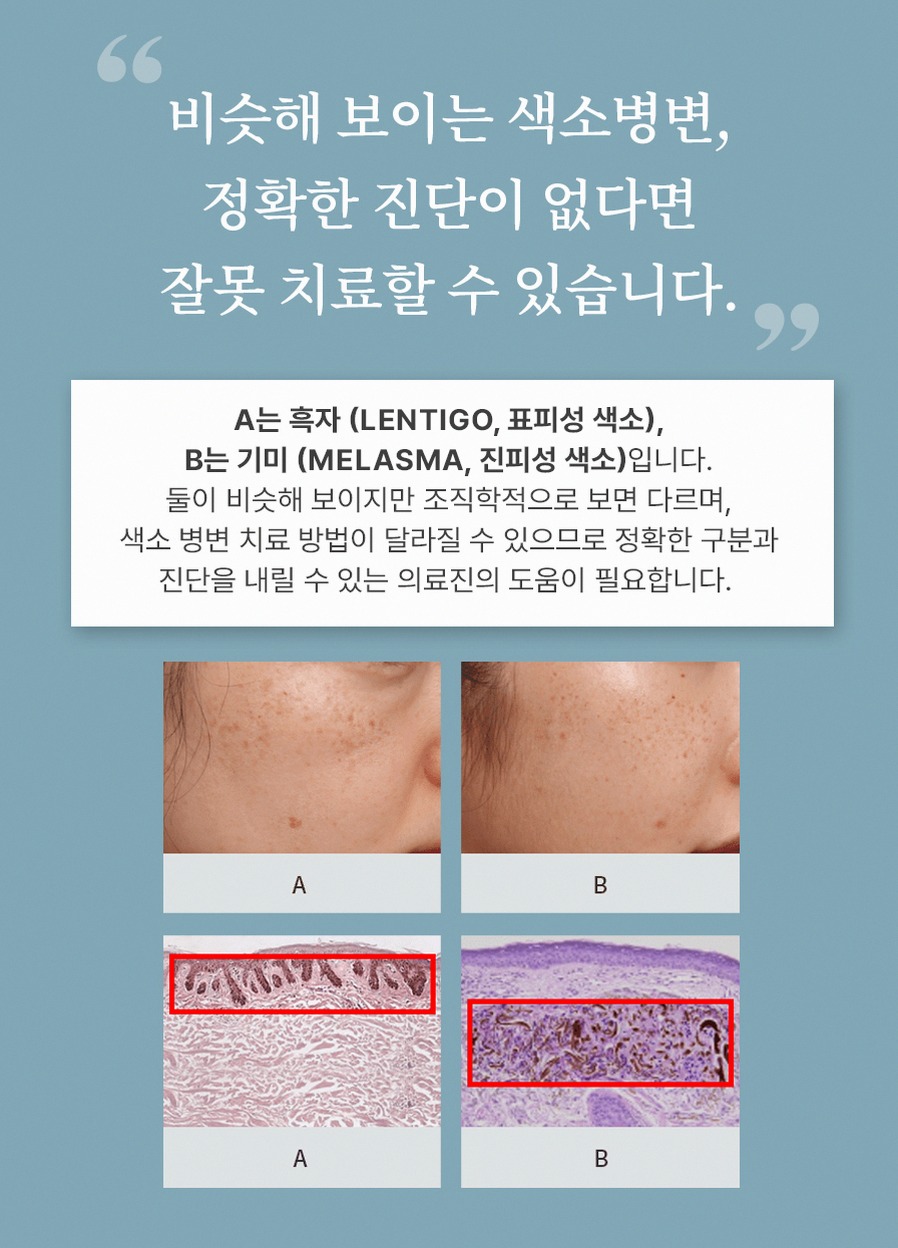
Freckles
Small, scattered brown spots that often appear on the cheeks, nose, and forehead, especially in lighter skin tones or after sun exposure.
Sun spots and age spots
Flat brown patches caused by cumulative sun damage over the years. They often appear on the cheeks, temples, and along the jawline.
Melasma‑related pigmentation
Irregular brown patches on the cheeks, forehead, upper lip, or chin, often influenced by hormones and sun exposure. Melasma is sensitive and can darken if treated too aggressively, so a gentle, stepwise laser toning approach is often preferred.
Uneven skin tone
Diffuse dullness or patchy discoloration even without clear individual spots. Laser toning can help create a more even, brighter look over time.
Laser toning is not designed for raised moles, thick seborrheic keratoses, or deep scars. Those may require different techniques, and an in‑person assessment is needed to decide.

How laser toning for pigmentation works
Laser toning uses specific wavelengths of light that are attracted to melanin. When the laser pulse reaches the pigment, it breaks the pigment into smaller fragments. Over weeks, your body’s natural processes gradually clear these fragments.
For most patients, this process is repeated over several sessions. Each session aims to:
Gently reduce the contrast between pigmented areas and surrounding skin.
Avoid overheating the skin, which can trigger inflammation and worsen pigmentation.
Allow the skin to recover between sessions.
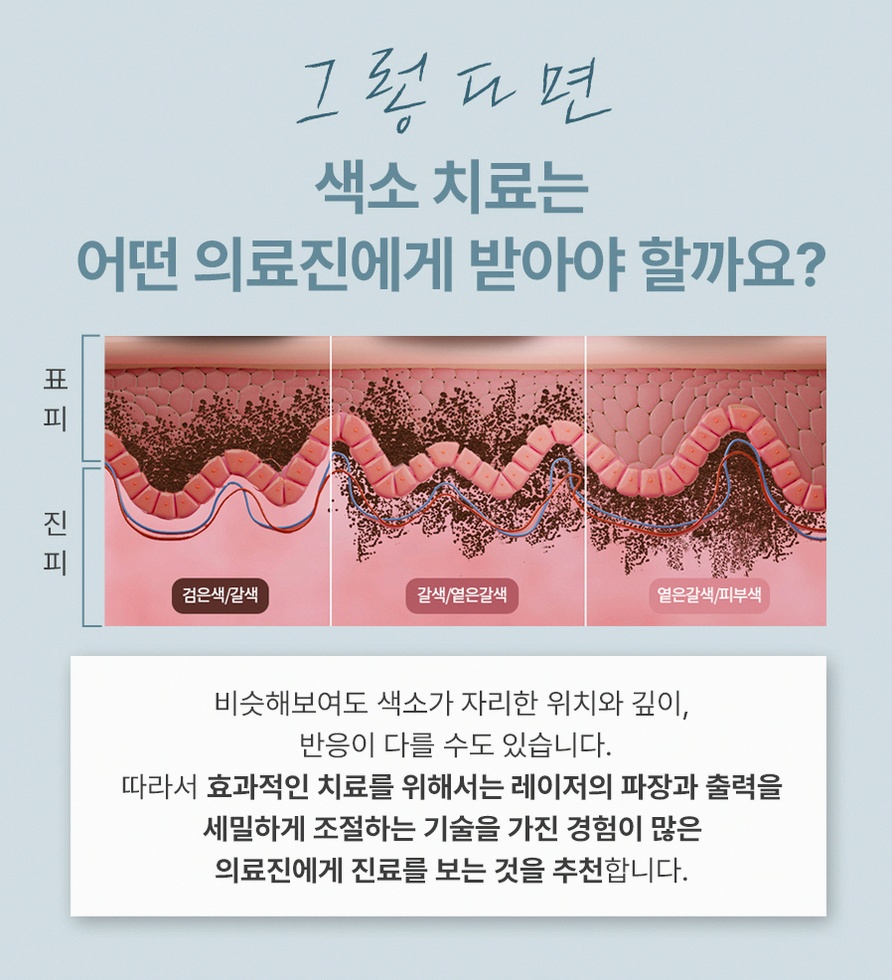
Clinics in Cheongdam often use a portfolio of lasers, adjusting settings such as wavelength, pulse duration, and energy level according to your skin type and the type of pigmentation. For example, freckles and sun spots may tolerate slightly stronger settings, while melasma typically requires softer, more cautious parameters.
Who may consider pigmentation removal laser toning
You might consider pigmentation removal laser toning if:
You are bothered by freckles, sun spots, age spots, or melasma‑related patches on your face.
Your pigmentation is mostly flat, not raised or scaly.
You are willing to attend multiple sessions rather than expecting a one‑time fix.
You can commit to strict sun protection before and after treatment.
You understand that results vary and that complete removal is not guaranteed.

Laser toning may not be suitable or may need extra caution if you:
Are pregnant or breastfeeding (especially for melasma‑related concerns; many clinics prefer to wait).
Have very dark or recently tanned skin, which may be more prone to post‑inflammatory hyperpigmentation.
Have a history of keloid scarring or strong pigment reactions after minor injuries.
Are taking medications that increase light sensitivity.
A proper consultation is essential to weigh the benefits and risks in your specific case.
Setting realistic expectations
Pigmentation removal laser toning is a gradual process. It is important to understand what it can and cannot do:
Number of sessions
Many patients need a series of sessions, often spaced 1 to 4 weeks apart. Some see visible brightening after a few sessions, while others need more time. Melasma in particular often requires a longer‑term maintenance approach.

Degree of improvement
The goal is usually lightening and blending, not a perfectly spotless, porcelain finish. Freckles and sun spots may fade significantly; melasma often becomes softer and less noticeable rather than disappearing completely.
Maintenance
Even after a good response, pigmentation can slowly return if you get strong sun exposure, hormonal changes, or skin irritation. Maintenance sessions and consistent sun protection are often recommended.
Safety
Gentle, repeated sessions are chosen to reduce the chance of rebound darkening. However, no laser treatment is completely free of risk. Temporary redness, dryness, and mild darkening before peeling are common. In some cases, new or worsened pigmentation can occur, especially without proper aftercare.
Preparing from overseas: online consultation and planning
If you are traveling to Seoul for pigmentation removal laser toning, good preparation helps you use your time efficiently.
Online consultation
Many clinics, including Clinique hus,hu, offer online consultations (for example via KakaoTalk or other messaging channels) for overseas patients. Before your appointment, you may be asked to provide:
Clear photos of your face in natural light from the front and both sides.
Close‑up photos of the main pigmentation areas.
Information about your skin type, history of tanning, and any previous laser or peeling treatments.
A list of current skincare products and medications, especially any acids, retinoids, or light‑sensitizing drugs.
Based on this, the clinic can give a preliminary opinion about whether laser toning may help, how many sessions might be realistic during your stay, and what kind of schedule could work.
Timing around your trip
When planning your flight and accommodation, consider:
Avoiding intense sun exposure or tanning for at least 2 to 4 weeks before your first session.
Leaving enough days in Seoul to have at least a few sessions if possible, rather than only one.
Scheduling your first treatment early in your stay so that follow‑up sessions or checks can be arranged.
If you can only visit once for a short time, the clinic may suggest a limited program and then coordinate with you for maintenance options after you return home.
What to expect during your visit to Korea
A typical visit for pigmentation removal laser toning in Cheongdam, near Apgujeong Rodeo Station on the Suin–Bundang Line, may follow this kind of timeline. This is an example; your actual plan will be personalized.
First day: consultation and initial treatment
In‑person evaluation of your skin type, pigmentation pattern, and any sensitivity.
High‑resolution photos or skin analysis, if available.
Discussion of realistic goals, number of sessions, and possible combination treatments.
Explanation of risks, downtime, and aftercare.
If you agree, your first laser toning session may be done the same day.
During a laser toning session
Cleansing of your face and removal of makeup and sunscreen.
Eye protection with shields or goggles.
Test pulses to check your skin’s response.
The main treatment, which may feel like mild pricking, warmth, or rubber band snaps. Many patients tolerate it without strong anesthesia, but this depends on the device and settings.
Application of soothing products and sunscreen afterward.
After the session, you may notice mild redness or a slightly darker appearance of some spots before they gradually lighten. Most people can return to light daily activities the same day, but you should avoid strong sun and harsh skincare.
Follow‑up sessions during your stay
If you stay for one to two weeks or longer, your schedule might include:
Laser toning sessions every few days to every couple of weeks, depending on your skin’s response.
Optional additional treatments, such as gentle rejuvenation lasers or hydrating procedures, if appropriate for your case.
Short check‑ups to adjust settings and review progress.
Before you leave Korea, the clinic will usually:
Review your before‑and‑after photos from the trip.
Give you written aftercare instructions.
Discuss maintenance options and realistic expectations once you return home.
Aftercare and long‑term maintenance
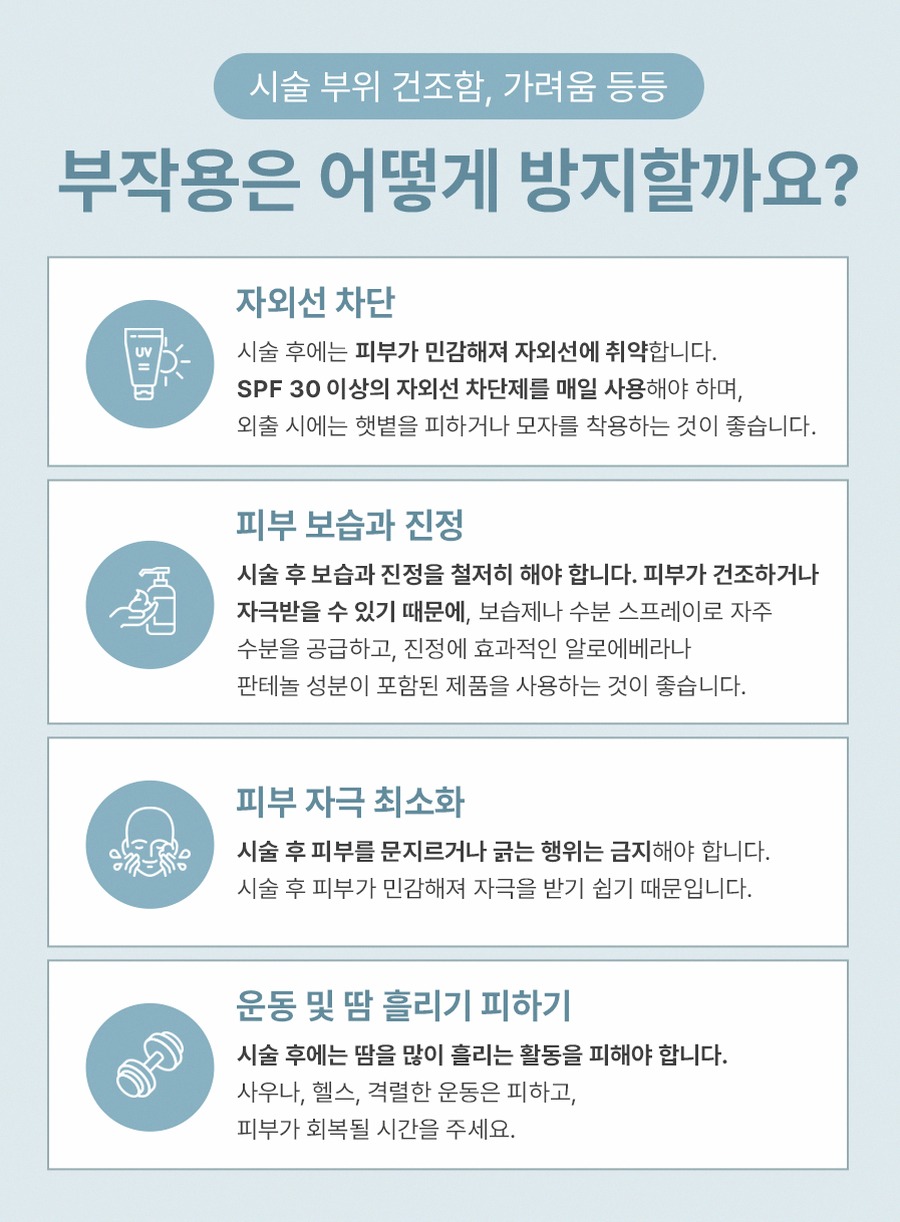
Proper aftercare is one of the most important parts of pigmentation removal laser toning, especially for melasma‑prone skin.
Sun protection
Use a broad‑spectrum sunscreen daily, with generous application and reapplication every few hours when outdoors.
Wear a wide‑brimmed hat and sunglasses when walking around Seoul and after returning home.
Avoid deliberate tanning, sunbeds, and unnecessary midday sun exposure.
Skincare routine
Use gentle, non‑irritating cleansers and moisturizers.
Avoid harsh scrubs, strong exfoliating acids, or at‑home devices on the treated area unless your clinic specifically approves them.
If your doctor recommends topical brightening agents, follow the instructions carefully and report any irritation.
Monitoring your skin
Expect mild redness or dryness right after sessions; this usually settles within a few days.
Some spots may look darker before they flake or fade; this is often part of the pigment‑clearing process.
If you notice strong swelling, blistering, or patchy new dark or white areas, contact the clinic promptly for advice.

Long‑term
Even after improvement, pigmentation can slowly return, especially with sun or hormonal changes.
Some patients choose to have periodic maintenance laser toning sessions when they visit Korea again or at a local clinic in their home country.
Lifestyle habits such as consistent sunscreen use and avoiding unnecessary heat and friction on the face support more stable results.
Points to check and questions to ask before booking
When you compare clinics in Cheongdam or elsewhere in Seoul for pigmentation removal laser toning, consider more than just the price per session. It can be helpful to prepare a small checklist and questions, such as:
Which laser devices are used for pigmentation removal and laser toning, and are they suitable for my skin type and concern (freckles, sun spots, melasma)?
How many sessions are typically recommended for someone with my level of pigmentation, and over what time frame?
What kind of downtime should I expect after each session? Can I attend meetings or sightseeing the same day?
How do you adjust settings for sensitive or melasma‑prone skin to reduce the risk of rebound pigmentation?
What aftercare products or steps do you recommend, and are they included or separate?
Also ask about practical details important for overseas patients:
Availability of English‑speaking staff or interpretation.
How to contact the clinic after you return home if you have questions.
Any documents or photos they can provide for your records.
Writing these points down before your online consultation helps you compare clinics more clearly and make a decision that fits your expectations and travel schedule.

Frequently asked questions about pigmentation removal laser toning
How many pigmentation removal laser sessions will I need?
The number of sessions depends on your skin type, the kind of pigmentation, and how your skin responds. Many people start with a series of several sessions, spaced about 1 to 4 weeks apart. Freckles and sun spots may show visible change after a few treatments, while melasma often needs a longer‑term, gentle approach and possible maintenance sessions. Your doctor can give a more specific estimate after examining your skin in person.
Is pigmentation removal laser toning painful and is there downtime?
Most patients describe laser toning as mildly uncomfortable rather than very painful. It can feel like small snaps or warmth on the skin. Depending on the device and settings, numbing cream may or may not be used. After treatment, you may have temporary redness or a slightly darker look to some spots, usually settling within a few days. Most people can continue daily activities, but it is important to avoid strong sun and harsh skincare while the skin recovers.
Can laser toning completely remove melasma or sun spots?
Laser toning can often lighten melasma and sun spots and make the overall tone more even, but complete removal is not guaranteed. Melasma in particular is influenced by hormones and sun exposure, so it tends to be chronic and may return over time. The realistic goal is usually improvement and better control, combined with strict sun protection and sometimes topical treatments. Sun spots and freckles may respond more strongly, but they can also reappear with ongoing UV exposure.
Is pigmentation removal laser safe for all skin types?
Pigmentation removal laser toning can be used on a wide range of skin types, but the approach must be adjusted carefully. Fair to medium skin tones often tolerate a broader range of settings. Darker or easily tanning skin can be more prone to post‑inflammatory hyperpigmentation, so gentler energy and longer intervals may be chosen. A thorough consultation, including your history of tanning and pigment reactions, is important to plan a safer, personalized protocol.

Soft call to action
If you are considering pigmentation removal laser toning in Cheongdam, Gangnam, and would like a stepwise, realistic plan rather than a one‑time quick fix, you can start with an online consultation. By sharing clear photos and your treatment history in advance, a clinic such as Clinique hus,hu can help you understand whether laser toning may be suitable for your freckles, sun spots, age spots, or melasma‑related pigmentation and how to organize your visit to Seoul.
Use your consultation to ask detailed questions, compare options, and decide on a program that matches your skin condition, schedule, and expectations. With careful planning, multiple gentle sessions, and consistent aftercare, many international patients experience a gradual improvement in skin clarity during and after their trip to Korea.
- 공유 링크 만들기
- X
- 이메일
- 기타 앱


댓글
댓글 쓰기