Post-laser toning aftercare guide for safer, clearer skin in Korea
- 공유 링크 만들기
- X
- 이메일
- 기타 앱
Post-laser toning aftercare at a glance
If you have just had laser toning, or you are planning to visit Korea for pigmentation and tone improvement, the most important thing to understand is how to care for your skin afterwards. Post-laser toning aftercare aims to calm inflammation, protect the skin from sun exposure, and avoid anything that can provoke extra irritation or rebound pigmentation.
in the first day or two, and any rubbing or picking of the skin.
This guide explains step by step what you can expect after laser toning, how to care for your skin from the first hours to the first week, and how to support long-term results. It is written for international patients who may be visiting a dermatology or skin clinic in Cheongdam, Gangnam, Seoul—such as Clinique hus,hu near Apgujeong Rodeo Station—and want clear, practical instructions in English.
What laser toning does to your skin
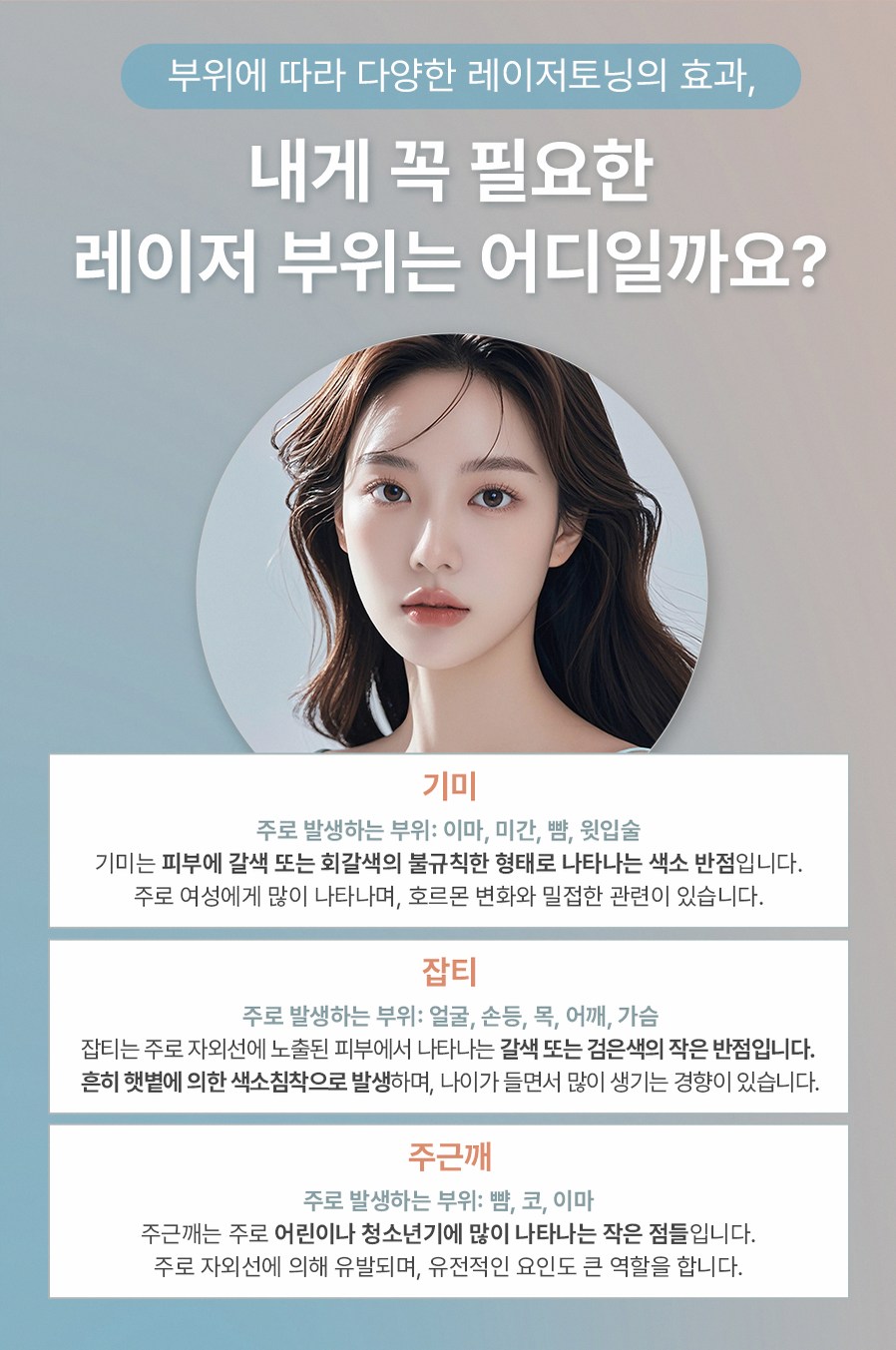
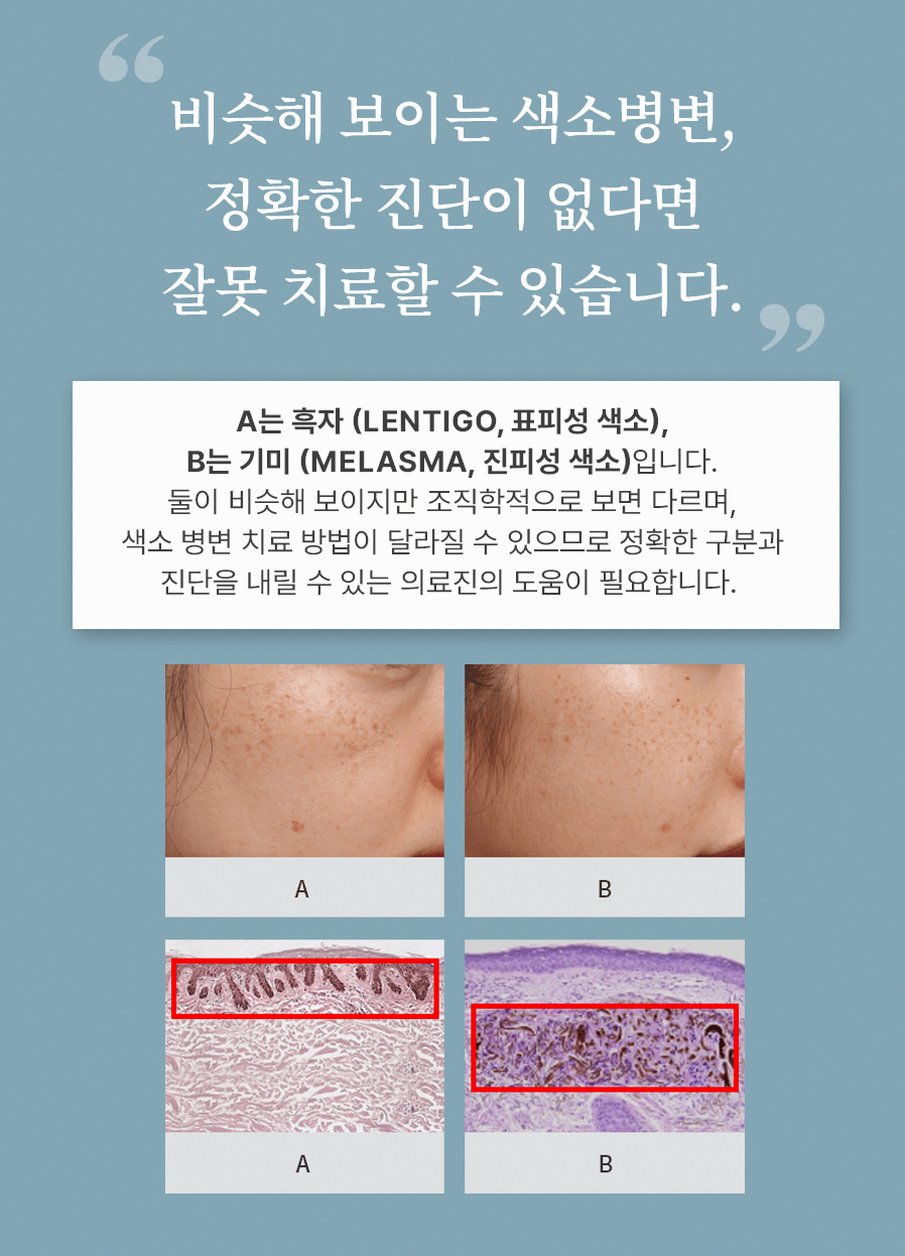
Laser toning is a tone-improvement laser treatment that uses low-fluence, repeated laser energy to break down excess melanin in the skin. Over a series of sessions, this can help improve melasma, sun spots, freckles, post-inflammatory hyperpigmentation, dull or uneven skin tone, enlarged pores, and mild acne marks.
Even though laser toning is often described as gentle, it still creates controlled micro-damage in the skin. The laser energy targets pigment and heats the tissue in a very precise way. This temporarily weakens the skin barrier and can make your skin more sensitive to dryness, heat, friction, and ultraviolet light.
Because of this, post-laser toning aftercare is not just about comfort. It directly affects how long redness lasts, how dry or flaky you become, and how likely you are to develop post-inflammatory hyperpigmentation or rebound darkening. Good aftercare helps the skin repair itself efficiently and supports more even, stable results over time.
Who may consider laser toning in Korea
Patients who consider laser toning are usually concerned about one or more of the following:
Uneven or dull overall skin tone
Melasma or patchy brown areas on the cheeks and forehead
Sun spots and freckles
Brown marks left after acne or inflammation
Mild textural roughness and enlarged pores
Laser toning is often chosen by people who want a gradual, lower-downtime approach rather than an aggressive resurfacing laser. It is commonly performed on the face, but some clinics also treat the neck or other exposed areas.
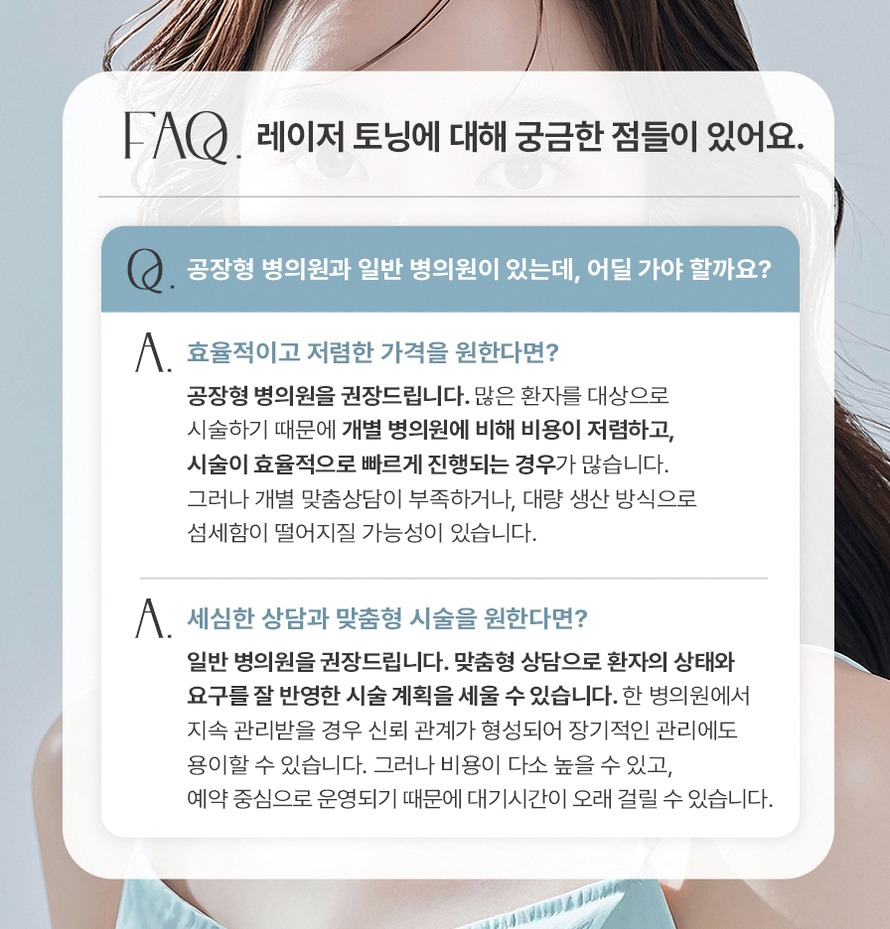
Suitability always depends on your skin type, medical history, medications, and current skin condition. People with very sensitive skin, a history of keloids, or very recent tanning need especially careful assessment. Before you commit to treatment during a short stay in Korea, it is wise to have an online consultation and share clear photos so the medical team can advise you on realistic expectations and safety.
Immediate post-treatment period (first 24 hours)
Normal reactions you may notice
Right after laser toning, it is common to experience:
Mild to moderate redness
A feeling of warmth or heat in the treated area
Slight swelling or puffiness
Tightness or mild tingling
These usually settle within a few hours to a day. Some people feel almost normal by the evening; others may stay pink until the next day. As long as the symptoms are mild and gradually improving, this is usually a normal response to the laser.
Cooling the skin safely
If your skin feels hot or uncomfortable, cooling can help reduce redness and soothe the area.
Use clean, cool (not ice-cold) compresses or clinic-provided cooling packs.
Wrap cooling packs in a clean cloth so they do not touch bare skin directly.
Apply for short intervals, for example 5 to 10 minutes at a time, with breaks in between.
Avoid placing ice directly on the skin. Very cold temperatures can injure already sensitive tissue and may cause frostbite-like damage or uneven pigmentation.
Cleansing in the first 24 hours
Your skin barrier is more fragile right after laser toning, so cleansing must be very gentle.
If your doctor allows, you may rinse with lukewarm water only on the day of treatment.
If a cleanser is permitted, choose a very mild, non-foaming, fragrance-free formula.
Use your fingertips only. Do not use cleansing brushes, sponges, or cloths.
Pat dry with a soft towel. Do not rub or wipe back and forth.

If your clinic advises you to skip cleanser on the first day, follow that instruction. Over-cleansing can increase dryness and irritation.
Topical products to use and avoid
In the first 24 hours, your routine should be minimal.
Use only the ointments, creams, or masks recommended by your clinic, such as barrier-repair creams or soothing gels.
Apply a thin, even layer. More is not always better; heavy layers can clog pores.
Avoid your usual active skincare unless your doctor has clearly approved it. This usually includes:
Acids (AHA, BHA, PHA, glycolic, salicylic)
Retinoids or retinol
High-concentration vitamin C serums
Strong whitening or bleaching products
Peeling pads or exfoliating toners
These ingredients can be very helpful in long-term skincare, but right after laser toning they may sting, increase redness, and disrupt healing.
Makeup on the day of treatment
If possible, avoid makeup on the day of laser toning. This reduces the risk of irritation and infection and allows the skin to breathe.
If you absolutely must wear makeup, for example for work or travel:
Use clean brushes, puffs, or sponges.
Choose light, non-irritating formulas labeled for sensitive skin.
Remove makeup very gently at the end of the day with a mild cleanser and lukewarm water.
First week after laser toning: daily routine
Cleansing
From the next day, most patients can start a simple cleansing routine, if their doctor agrees.
Use a mild, low-pH, fragrance-free cleanser.
Wash with lukewarm water, not hot or very cold.
Use your fingertips and gentle, circular motions.
Rinse thoroughly but gently.
Pat dry with a soft towel; avoid rubbing.
This approach removes sweat, pollution, and sunscreen without stripping the skin.
Moisturizing and barrier repair
After laser toning, your skin may feel tight, dry, or slightly rough. Supporting the barrier is one of the most important parts of post-laser toning aftercare.
Look for simple, hydrating creams or lotions with ingredients such as:
Ceramides
Panthenol (provitamin B5)
Hyaluronic acid
Madecassoside or centella asiatica extract
Apply enough to relieve tightness and prevent flaking. In dry climates or during winter, you may need to reapply once or twice during the day. Well-hydrated skin tends to heal more comfortably and shows less visible irritation.

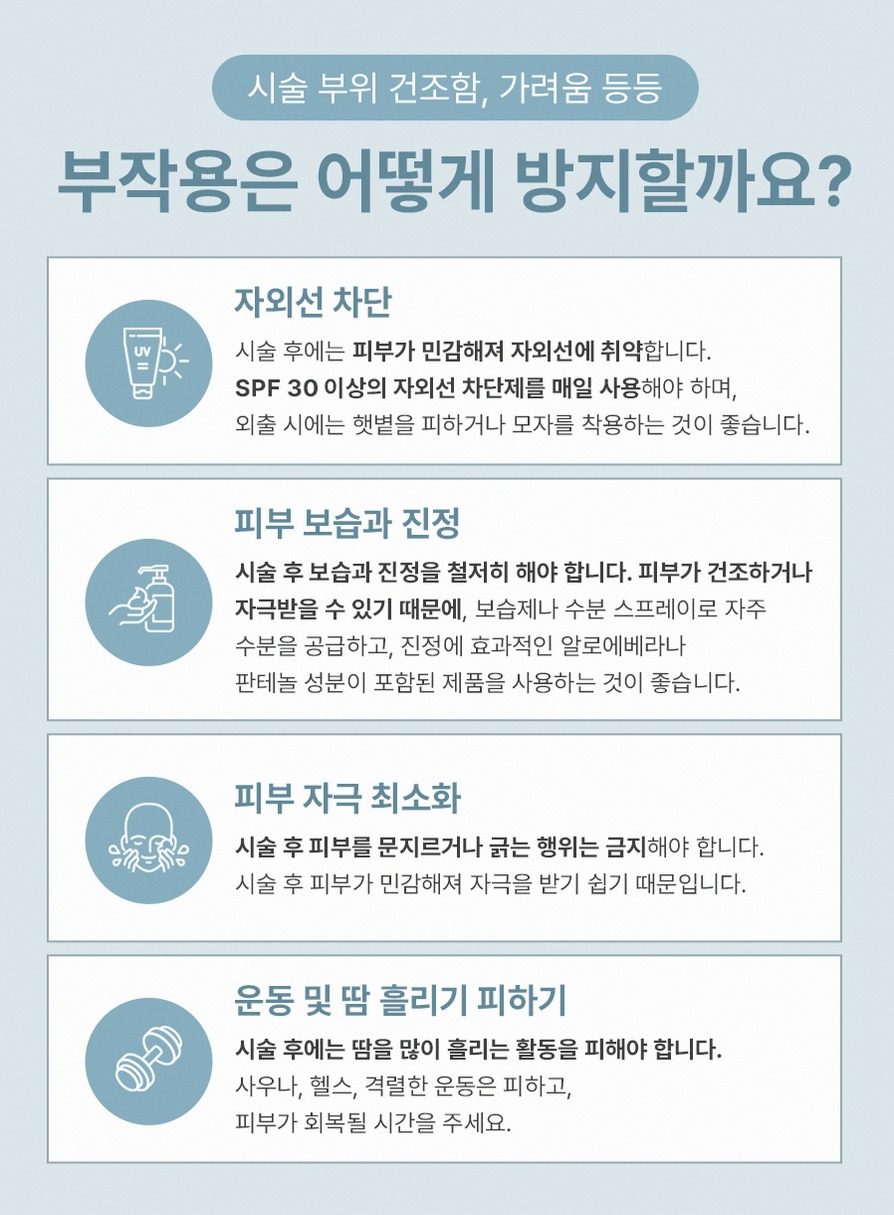
Sun protection: the most critical step
After laser toning, your skin is more sensitive to ultraviolet light. Unprotected sun exposure can easily trigger rebound pigmentation, uneven darkening, or patchy results, especially in people prone to melasma.
Key sun protection rules:
Use a broad-spectrum sunscreen offering high protection and suitable for sensitive skin each morning. Apply it before sun exposure and reapply regularly while outdoors or when near windows. Be sure to cover all treated areas, including around the eyes and along the hairline.
Combine sunscreen with physical protection:
Wear a wide-brimmed hat or cap.
Use sunglasses to protect the eye area.
Seek shade whenever possible, especially between late morning and mid-afternoon.
Many patients who are disappointed with their laser toning results later discover that their sunscreen use was inconsistent. Daily, careful protection is one of the strongest factors in preventing pigmentation from returning.
Makeup and cosmetic products
During the first week, choose products that are kind to sensitive skin.
Prefer non-comedogenic, fragrance-free formulas.
Avoid heavy, long-wear, or waterproof makeup that needs strong removers or rubbing.
Skip new products or experiments; stick with items your skin already tolerates well.
If a product stings, burns, or causes redness, rinse it off and avoid it until your skin is stronger.
Activities to avoid or limit
Certain activities increase heat, blood flow, or friction in the skin, which can worsen redness or swelling.
For several days after laser toning, it is usually recommended to:
Avoid hot baths, saunas, steam rooms, and very hot showers.
Limit intense exercise that causes heavy sweating and flushing for 1 to 2 days, or as your doctor advises.
Avoid alcohol and smoking, which can worsen redness and slow recovery.
Skip scrubs, peeling gels, exfoliating brushes, and at-home devices on the treated area.
Gentler activities like walking in a cool environment are generally fine, as long as you protect your skin from the sun.
What is not normal: warning signs
It is important to know the difference between normal post-laser reactions and signs that something may be wrong.
Normal reactions include:
Mild redness that improves over a day or two
Slight swelling or puffiness
Dryness or a rough feeling
Temporary darkening of some spots as pigment rises toward the surface
Concerning signs include:
Rapidly worsening swelling, especially around the eyes
Severe or throbbing pain
Blistering, oozing, or spreading crusts
Intense itching with hives or widespread rash
Signs of infection such as increasing heat, pus, or fever
If you notice any of these concerning signs, contact your clinic immediately instead of trying to treat yourself with random over-the-counter creams. Sending clear photos and describing your symptoms and timing can help the medical team decide the best next step.
Post-laser toning pigmentation management
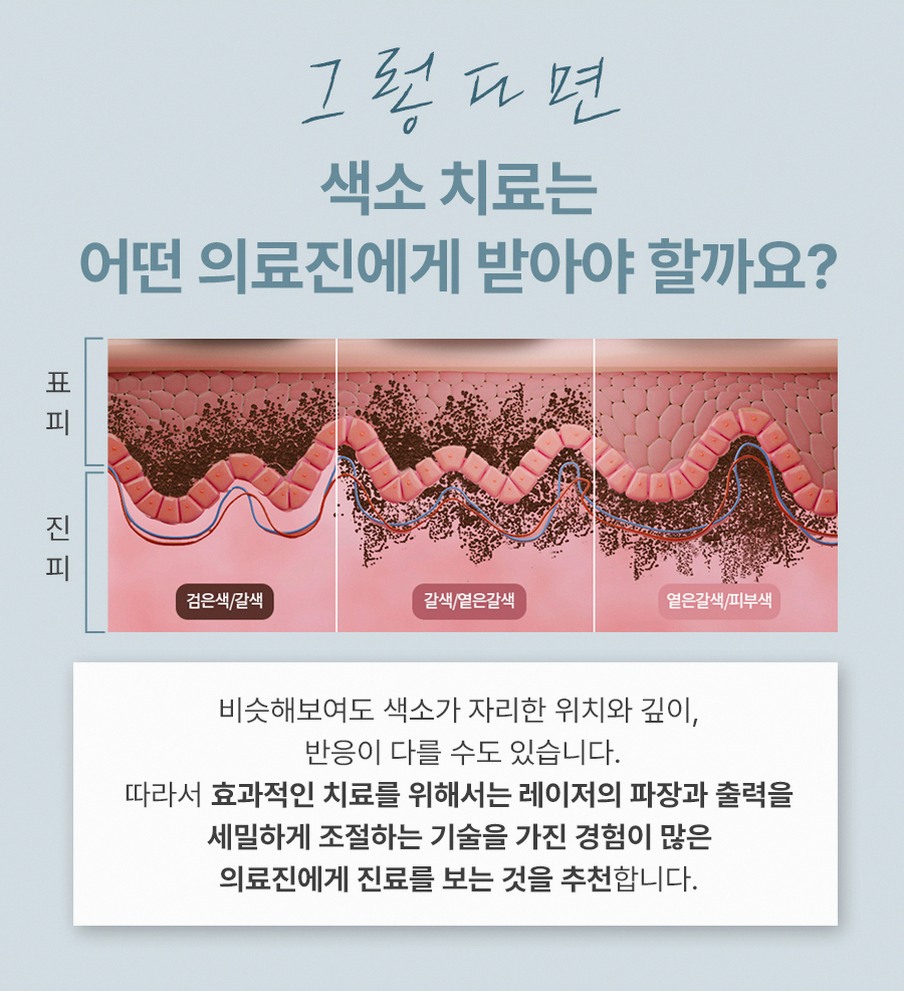
Many patients are surprised when some spots look darker in the days after treatment. This can be a normal part of the process. As the laser breaks down melanin into smaller fragments, these can move upward through the skin layers and become more visible before they are shed.
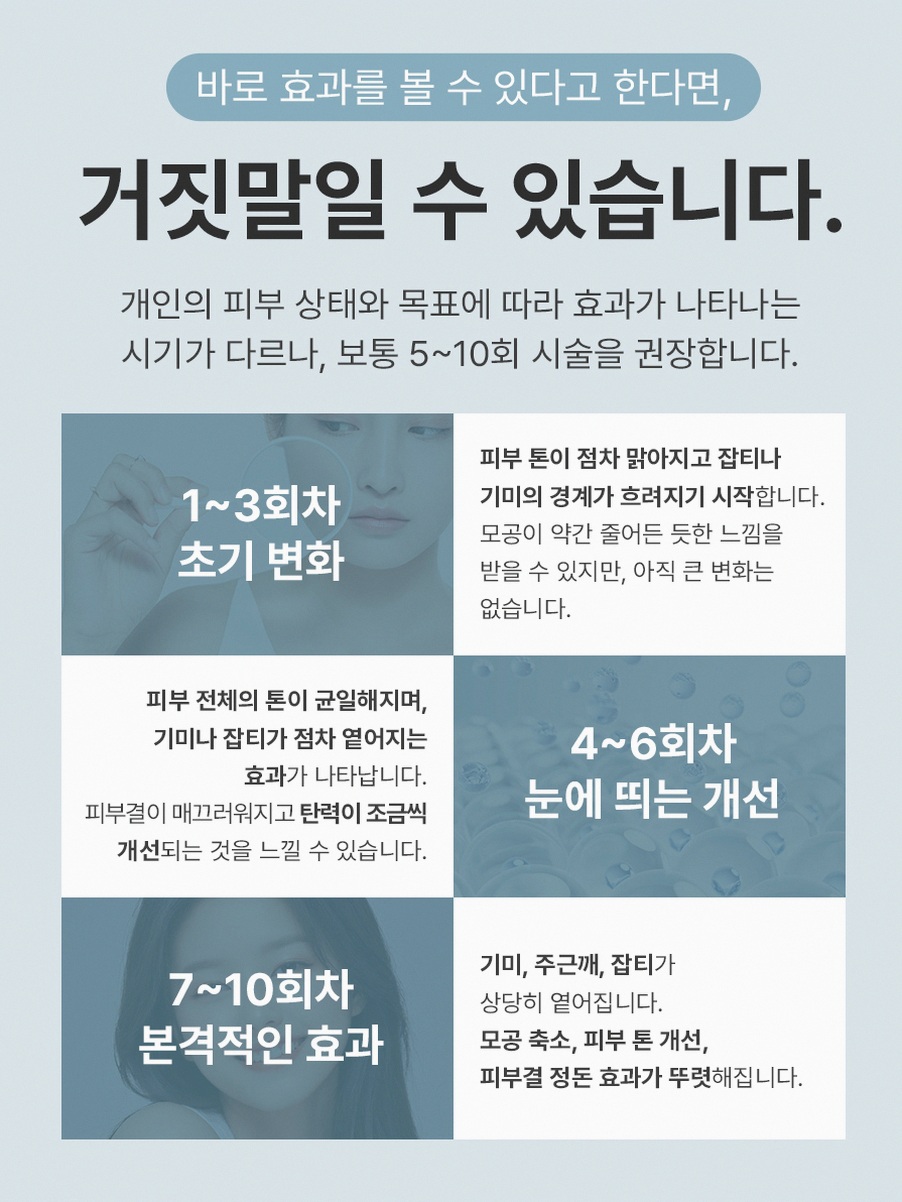
This darkening is usually temporary. Over time, as the skin renews itself, the treated pigment can gradually fade. However, improvement is usually gradual, not instant. Laser toning is often performed as a series of sessions, for example every 1 to 4 weeks, depending on your condition and doctor’s plan.
Patience and consistency are essential. Inconsistent sunscreen use is one of the most common reasons for poor results or rebound pigmentation. Even if you are indoors most of the day, daily sunscreen and protective habits remain important.
In some cases, doctors may add medical brightening products, oral medications, or injections to support pigmentation control. These should always be supervised by a qualified physician; self-prescribing strong bleaching agents or mixing multiple brightening products can irritate the skin and actually worsen hyperpigmentation.
Lifestyle and skincare habits that support better results
Sleep and stress management
Your skin repairs itself most actively during sleep. Poor sleep and high stress can increase inflammatory signals in the body, which may aggravate melasma and other pigmentation problems.
Aim for regular, sufficient sleep when possible.
Use simple stress management techniques such as gentle stretching, breathing exercises, or short walks.
Avoid sudden, extreme lifestyle changes during your treatment series.
Diet and hydration
There is no single “pigmentation diet,” but overall health supports skin health.
Drink enough water throughout the day.
Aim for a balanced diet with vegetables, fruits, proteins, and healthy fats.
Limit excessive sugar and highly processed foods, which may contribute to inflammation.
Avoid sudden extreme diets while your skin is healing.
Long-term skincare after the initial healing
Once the initial healing phase has passed and your skin feels stable, your doctor may gradually reintroduce active ingredients to help maintain tone and texture.
These may include:
Vitamin C serums at appropriate strengths
Niacinamide for brightening and barrier support
Mild retinoids for texture and long-term pigment control
The timing and choice of these products should be individualized based on your skin type, sensitivity, and how you responded to laser toning. It is better to reintroduce one active at a time and monitor your skin, rather than starting many new products at once.
Planning your visit to Korea and online consultation
Before traveling to Seoul for laser toning, an online consultation can make your visit smoother and safer.
Useful information to prepare:
Clear, well-lit photos of your face from the front and both sides
Details of your main concerns (melasma, sun spots, acne marks, overall dullness)
Your current skincare routine and any prescription creams
Any history of laser or light treatments and how your skin reacted
Medical history, including medications, allergies, and pregnancy or breastfeeding status
During online consultation, you can ask about:
Whether laser toning is appropriate for your skin type
How many sessions may be realistic during your stay
Expected downtime and visible redness
Recommended aftercare products and whether you should bring anything from home
Clinique hus,hu in Cheongdam, Gangnam, for example, combines laser and energy-based devices with detailed skin assessment and photography before and after treatment. Clinics that use imaging systems and structured protocols can tailor laser settings and aftercare instructions to your skin condition and schedule.
Expected Korea visit timeline for laser toning
While every clinic has its own process, a typical visit for international patients might look like this:
Before arrival: Online consultation, sharing photos, and discussing your goals and medical history.
Day of visit: In-person consultation, skin assessment, explanation of the procedure and aftercare, consent forms, and then the laser toning session.
Right after treatment: Cooling period at the clinic, application of soothing cream or mask, and review of written aftercare instructions.
Same day and next day: Mild redness and warmth, careful cleansing, and strict sun protection.
Following days: Continued gentle skincare, monitoring for any unusual reactions, and possible follow-up visit if your stay allows.
If you plan multiple sessions during a longer stay, your clinic can help schedule them at safe intervals and adjust energy levels based on your response.
How a specialized clinic may approach laser toning aftercare
Clinics that focus on pigmentation and tone improvement often:
Use multiple laser and energy-based devices to match different pigment depths and skin types.
Perform detailed skin assessment and photography before and after treatments.
Provide structured post-laser toning aftercare instructions, including which cleansers, moisturizers, and sunscreens are suitable for your skin.
Offer follow-up checks to monitor for early signs of irritation or hyperpigmentation and adjust the plan.
Having physicians with specific training in this field and in-house protocols can help reduce complications and optimize outcomes. However, even the best equipment cannot replace your own role: following aftercare guidance carefully and communicating any concerns early.
Frequently asked questions about post-laser toning aftercare
How long does redness last after laser toning?
Most patients experience mild redness that improves within a few hours to a day. In some cases, especially with sensitive skin, pinkness can last up to 2 or 3 days but should gradually fade. If redness is getting worse instead of better, or is accompanied by severe pain, swelling, or blistering, contact your clinic for advice.
When can I wash my face and use my usual skincare again?
Many clinics allow gentle rinsing with lukewarm water on the day of treatment and a mild cleanser from the next day, but you should follow your doctor’s specific instructions. Active products such as acids, retinoids, and strong vitamin C are usually paused for several days to a week or longer. Your usual full routine is typically reintroduced step by step once the skin feels calm and your doctor confirms it is safe.
Is it normal for spots to look darker after treatment?
Yes, some pigmentation can look darker temporarily after laser toning. This often means the melanin fragments are moving closer to the surface and will gradually shed as the skin renews itself. This darkening phase is usually short-lived. Consistent sunscreen use and gentle skincare help this process go more smoothly.
How soon can I wear makeup after laser toning?
If possible, avoid makeup on the day of treatment. Many patients can use light, non-irritating makeup from the next day, but this depends on how your skin looks and feels. Always apply makeup with clean tools and remove it gently at night with a mild cleanser. If makeup stings or increases redness, wait longer before using it again.
What happens if I skip sunscreen after treatment?
Skipping sunscreen after laser toning significantly increases the risk of rebound pigmentation and uneven darkening. The skin is more vulnerable to UV damage during this period, so even brief unprotected exposure can undo some of the benefits of treatment. For best results, apply broad-spectrum sunscreen every morning and reapply regularly when outdoors.
How many sessions are usually needed, and how long do results last?
Laser toning is typically performed as a series of sessions scheduled by your clinic based on your skin condition. Your physician will recommend the number of sessions and the timing between them; individual needs and responses vary.
Laser toning is commonly performed as a series of sessions, for example 5 to 10 or more, spaced every 1 to 4 weeks depending on your condition and clinic protocol. Results are gradual, and many patients notice clearer, more even tone over time rather than a sudden change. Maintenance may be needed, especially for conditions like melasma, and long-term results depend heavily on sun protection and lifestyle.

Can laser toning make pigmentation worse if I do not follow aftercare?
If aftercare is ignored, especially sun protection, pigmentation can worsen or return more quickly. Irritating products, picking at the skin, or exposing the treated area to strong heat can also increase the risk of post-inflammatory hyperpigmentation. Following your clinic’s aftercare instructions closely is an important part of keeping results as stable as possible.
Soft call to action for online consultation
If you are considering laser toning in Cheongdam, Gangnam, or you have already booked your trip and want clear guidance on post-laser toning aftercare, an online consultation can help you prepare. Sharing your photos, skincare routine, and travel dates allows the medical team to suggest a realistic plan and explain what to expect.
Clinique hus,hu and similar centers that combine detailed skin assessment with structured follow-up can guide you through both the treatment itself and the recovery period. Before you travel, consider sending your questions in advance so you can arrive in Seoul feeling informed, reassured, and ready to take good care of your skin during and after your laser toning sessions.
- 공유 링크 만들기
- X
- 이메일
- 기타 앱

댓글
댓글 쓰기