Sharpen the Lower Face Without Surgery
- 공유 링크 만들기
- X
- 이메일
- 기타 앱

Direct answer summary
Chin filler is a non‑surgical treatment that uses injectable fillers to project and refine the chin and lower face. It can help a short or recessed chin look more defined, improve the side profile, and make the lower face appear slimmer and more V‑shaped when planned correctly. Results are visible immediately and usually last from around 9 to 18 months or longer, depending on the filler type and your metabolism. For overseas patients visiting Korea, chin filler is often done in one short visit with minimal downtime, but it still requires careful facial analysis, safe product selection, and a tailored plan.
What chin filler does for your profile and face shape
Chin filler overview
Chin filler involves injecting a gel‑like filler into the chin tip and surrounding area to enhance projection, length, and shape. The goal is not simply to make the chin bigger, but to bring the lower face into better balance with the nose, lips, and jawline.
By building subtle structure at the chin, the lower face can look more lifted and defined. From the front, this may support a more V‑shaped contour. From the side, the nose, lips, and chin can align more harmoniously, which is often what people notice most in profile photos.

How a small or recessed chin affects facial balance
A short or weak chin can make the lower face look blended into the neck, even if you are slim. In photos, the jawline can appear soft, and the mouth or nose may look more prominent than they actually are.
When the chin is slightly projected with filler, the jawline border can become clearer. This can create the impression of a slimmer face and a cleaner angle between the jaw and neck. Even a few millimeters of change in the chin can alter how the entire face is perceived.
Chin filler vs surgical chin procedures
Chin filler is different from surgical options such as bone surgery or chin implants. Surgery changes the bone structure permanently and requires anesthesia, incisions, and a longer recovery.
Chin filler, in contrast, is:
Non‑surgical and minimally invasive
Usually done with numbing cream or local anesthesia
Reversible in the case of hyaluronic acid fillers
Adjustable over time, allowing stepwise changes
However, filler has a limited duration and must be maintained. It is most suitable for mild to moderate chin deficiency, asymmetry, or contour refinement. For very severe bone retrusion, surgery may still be considered, but many people find that filler provides enough improvement without committing to an operation.

Who may consider chin filler
Common concerns it may help
Chin filler may be considered if you notice one or more of the following:
Your chin looks short, small, or recessed from the side
Your lower face looks blunt or seems to blend into the neck
Your V‑line is not clear, even though your weight is stable
You see mild asymmetry between the left and right sides of the chin
Your profile feels unbalanced compared with your nose or lips
Chin filler can also be combined with other lower face treatments to enhance the overall effect, such as jawline contouring, lifting threads, or skin tightening devices.
Who prefers non‑surgical, reversible changes
Many international patients choose chin filler because they want visible change without committing to permanent surgery. Chin filler may suit you if you:
Want a trial change to see how a stronger chin looks
Prefer a reversible option, especially for your first contouring treatment
Have limited time in Korea and need minimal downtime
Are open to combining small amounts of filler with lifting or tightening devices rather than one aggressive procedure
Suitability always depends on your bone structure, soft tissue, and medical history, so an in‑person consultation is essential before treatment.

Types of fillers commonly used for the chin
Hyaluronic acid fillers for sculpting and reversibility
Hyaluronic acid fillers are among the most commonly used products for chin contouring. They are gel‑based fillers that can be shaped and layered to build projection and definition.
Key points about hyaluronic acid fillers for the chin:
They can be dissolved with an enzyme called hyaluronidase if needed
They allow fine‑tuning and small adjustments over time
They are often recommended for first‑time filler patients
They usually last around 9 to 18 months in the chin area, depending on the product and individual metabolism
These fillers can be placed in deeper planes to act like structural support, rather than just soft surface volume.
Collagen‑stimulating fillers for longer‑lasting structure
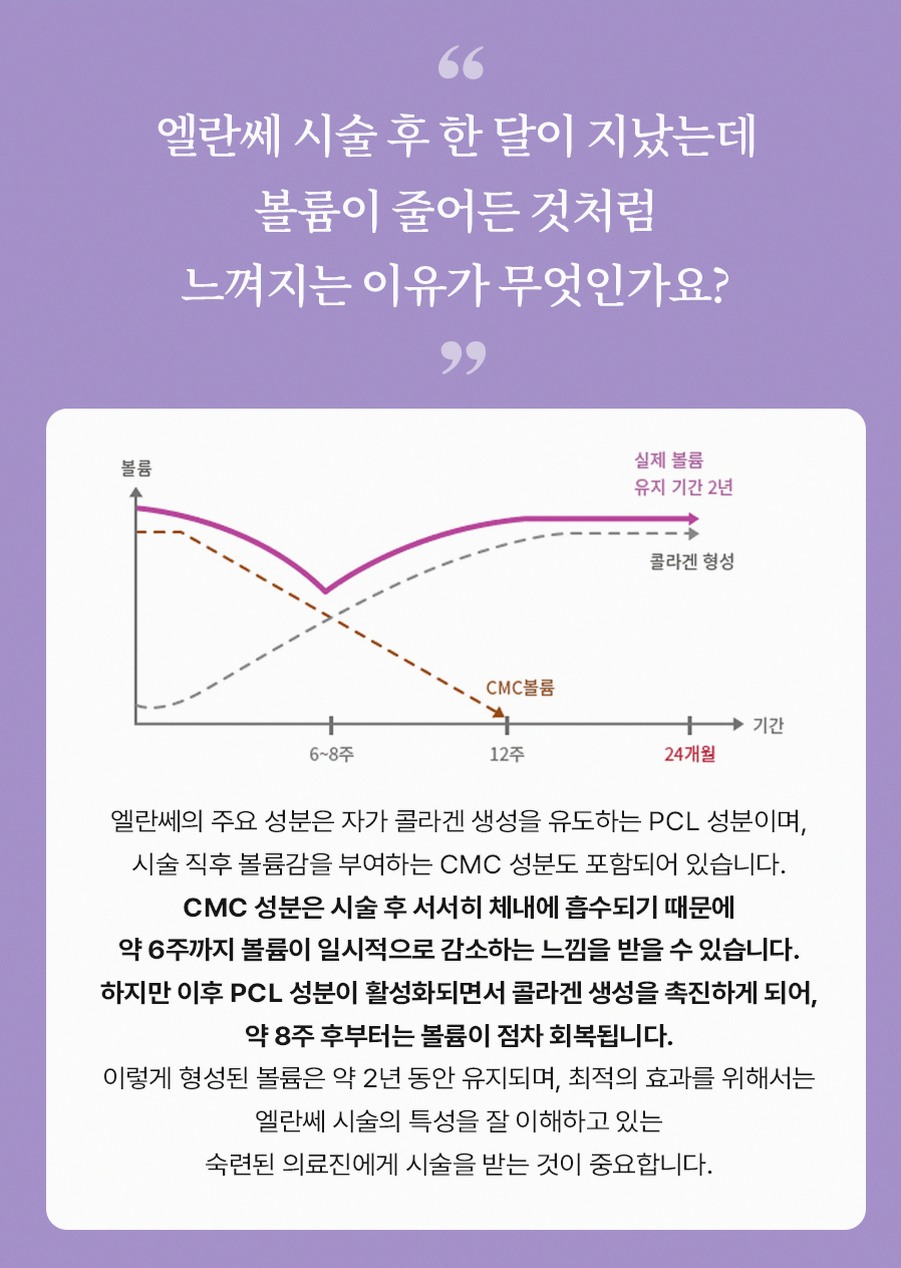
Collagen‑stimulating fillers, such as Ellanse, are designed to provide both immediate volume and longer‑term collagen induction. Tiny particles in the filler stimulate your own collagen production over time.
For the chin area, this can mean:
A firmer, more structural feel compared with some softer fillers
Potentially longer‑lasting results compared with many standard hyaluronic acid fillers
A gradual, more natural‑feeling improvement as collagen forms

These products are often chosen for patients who have already tried fillers and want a longer‑term structural effect. Because they are not easily reversible in the same way as hyaluronic acid, careful planning and experienced technique are important.
How filler type is chosen
The choice between hyaluronic acid and collagen‑stimulating fillers depends on several factors:
Whether this is your first filler treatment
How long you want the result to last
How firm or sharp you want the chin contour to feel
Whether you may need future adjustments for facial balance
At a consultation, the doctor will usually explain the characteristics of each filler type, show before‑and‑after style examples from the device or product literature, and recommend a combination that suits your goals and facial structure.
What to expect from the chin filler procedure
Consultation and facial proportion analysis
Before any injection, a detailed consultation is essential. For chin filler, this often includes:
Front and side photo review or 3D imaging
Assessment of the profile line between the nose, lips, and chin
Review of how the chin and jawline connect to the neck
Checking for asymmetry and bite position
Discussion of your main concerns and the degree of change you want

The doctor will usually mark reference lines or show you how a slightly longer or more projected chin could look by indicating on your photos. This step helps align expectations and avoid overfilling.
Planning the chin shape
A good chin filler plan considers not only size, but also shape and proportion. The doctor will decide with you:
How much projection is appropriate from the side
Whether the chin should be slightly lengthened vertically
How wide or narrow the chin tip should appear from the front
How the chin should align with your lips and nose
Whether to combine with jawline, cheek, or mid‑face treatments for harmony
For example, if your mid‑face is already full, the plan may focus on subtle chin and jawline refinement. If your lower face looks heavy, the plan may include skin tightening devices rather than only adding volume.
Procedure day: injection technique and treatment time
On the treatment day, the process generally includes:
Cleansing of the lower face and chin area
Application of numbing cream or local anesthesia injections
Marking of injection points and safe zones
Injection of filler using a needle or a blunt‑tip cannula in deeper planes
Gentle molding and shaping of the filler

The chin is usually treated in a seated or semi‑upright position so the doctor can see how gravity affects the face. Injection sessions for chin filler are typically brief, but exact times vary by clinic and by treatment plan — confirm the expected duration with your treating doctor. Some clinics use topical numbing or local anesthesia as part of the appointment; ask your clinic for details and any pre/post‑procedure instructions.
Immediate shaping and symmetry check
After the filler is placed, the doctor will check:
Front view symmetry between left and right
Side view profile line and projection
Transition between chin, jawline, and neck
Small touch‑ups may be added to refine the contour. You will usually be shown a mirror so you can see the immediate change. Mild swelling can make the chin look slightly fuller at first, but this typically settles over several days.
Expected results, longevity, and maintenance
When you see results
Chin filler results are visible immediately after the procedure. You will notice a more projected chin tip and a clearer outline of the lower face.
Over the next few days:
Swelling and minor bruising, if present, gradually improve
The filler integrates with surrounding tissues
The final, settled shape is usually visible after about 1 to 2 weeks

How long chin filler lasts
Duration varies by filler type, treatment depth, and your own metabolism. In general:
Many hyaluronic acid fillers last around 9 to 18 months in the chin
Some collagen‑stimulating fillers may last longer, depending on the product and individual response
Thicker, more structural fillers placed deeply often last longer than softer fillers placed superficially
Lifestyle factors such as smoking, intense exercise, and fast metabolism can influence how quickly the body breaks down filler.
Touch‑ups and long‑term planning
Instead of waiting for the filler to disappear completely, many patients choose small touch‑ups before the effect is fully gone. This can help maintain a stable, natural look and avoid large, sudden changes.
A conservative, stepwise approach often works well:
First visit: modest correction to test how you like the new profile
Follow‑up: assessment after swelling has settled, with optional minor adjustments
Later visits: maintenance sessions at intervals recommended by your doctor
Safety, side effects, and risk reduction
Common short‑term side effects
After chin filler, it is normal to experience some temporary effects, such as:
Mild swelling or fullness in the chin area
Redness at injection points
Tenderness or slight discomfort when touching the area
Small bruises
These usually improve over a few days to a week. Makeup can often be used after a short period, depending on the clinic’s instructions.
Rare but serious risks
As with any filler injection, there are rare but important risks to understand, including:
Vascular compromise, where filler affects blood flow
Skin necrosis if blood supply is severely reduced
Infection at the injection site
Nodules or lumps
Pronounced asymmetry
The chin and lower face contain important blood vessels and nerves, so careful anatomical knowledge and precise technique are important to minimize risk.
Role of reversible fillers and complication management
For first‑time filler patients, many doctors recommend hyaluronic acid fillers because they can be dissolved with hyaluronidase if necessary. Having this option available adds a layer of safety and flexibility.
In case of concerning symptoms such as severe pain, sudden color change (pale or dusky skin), or rapidly increasing swelling, it is important to contact the clinic immediately for assessment and possible intervention.
Aftercare basics for chin filler
What to avoid after treatment
In the first few days after chin filler, you will usually be advised to:
Avoid strong pressure or massage on the chin area unless your doctor specifically instructs it
Refrain from facial treatments, aggressive cleansing devices, or firm masks on the lower face
Limit intense exercise and heavy sweating for a short period
Avoid alcohol and very hot environments such as saunas or hot baths for a few days
These steps help reduce swelling and lower the risk of filler migration or bruising.
Monitoring your chin at home
Keep an eye on the treated area during the first week. Normal sensations include mild tightness or awareness of the chin, especially when talking or chewing.

Contact the clinic promptly if you notice:
Unusual, worsening pain
Skin color changes such as whiteness, grayness, or dark patches
Severe, sudden swelling or warmth
Any signs of infection such as fever or pus
Most patients recover smoothly with simple care, but early review is important if anything feels wrong.
Chin filler at a Cheongdam anti‑aging and contouring clinic
Integrated approach to lower face contouring
At Clinique hus,hu in Cheongdam, Gangnam, chin filler is approached as part of overall facial balance and anti‑aging, rather than as a stand‑alone volume injection. The medical team focuses on how the chin interacts with the jawline, mid‑face, and neck, and how subtle changes can refresh the entire profile.
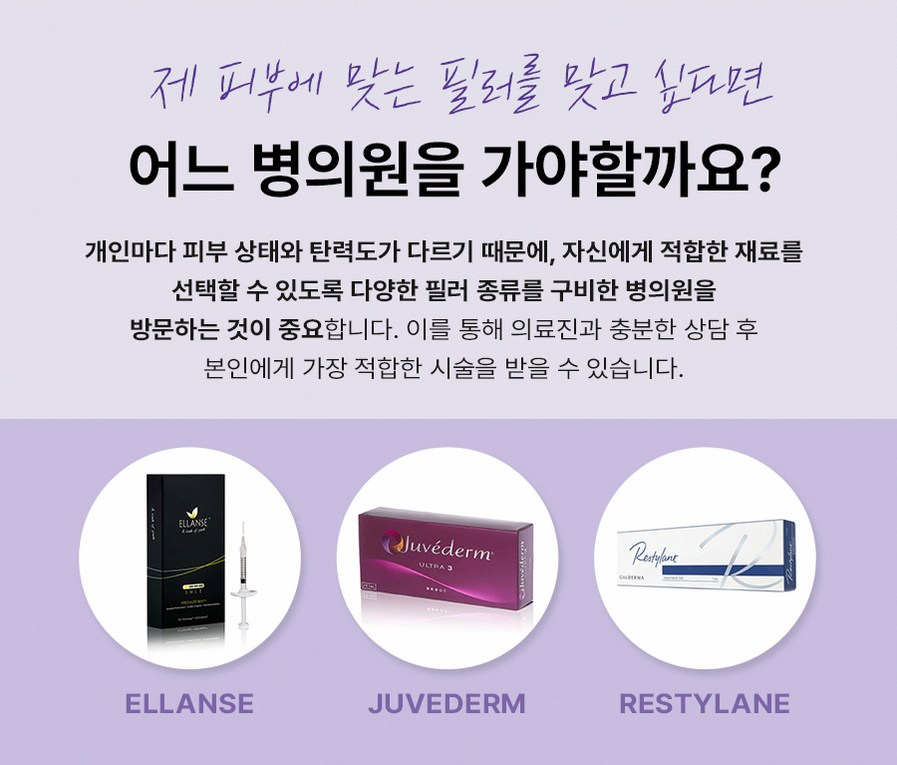
The clinic offers a range of fillers, including well‑known hyaluronic acid brands such as Restylane and Juvederm series, as well as structural and collagen‑stimulating products like Ellanse and Juvelook. This variety allows the doctor to tailor the firmness, longevity, and behavior of the filler to your specific needs.
Use of lifting and tightening devices
Because the lower face is influenced by both bone structure and skin laxity, chin filler is sometimes combined with energy‑based devices for better definition. Examples include Thermage FLX, Ulthera Prime, Exion, Emface, Prime Raise, Advatx, and Onda.

For instance, a patient with mild jowling and a weak chin may benefit from:
Chin filler to project and sharpen the chin tip
Jawline filler or threads to support the lower border of the face
Skin tightening with Thermage FLX or Ulthera Prime to reduce sagging
By addressing both structure and skin quality, the result can look more natural and long‑lasting.
Regenerative and cell‑focused treatments
In addition to fillers and devices, the clinic has an in‑house cell research lab and offers regenerative treatments such as exosome injections and stem cell‑based therapies. While these are not replacements for chin filler, they can be part of a broader anti‑aging plan aimed at improving skin quality and supporting tissue health around the lower face.
Online consultation and pre‑visit preparation for overseas patients
Preparing for an online consultation
If you are planning to visit Korea for chin filler, an online consultation is a practical first step. To make this efficient:
Prepare clear photos of your face from the front, 45‑degree angle, and side
Include relaxed and gentle smiling expressions if requested
Share any previous filler or thread treatments and when they were done
List your medical history, allergies, and current medications
Clarify your main concerns and the level of change you hope for

These details help the doctor pre‑assess your suitability and propose a tentative plan before you book flights.
Questions to ask before you travel
Before confirming your visit, it can be helpful to ask the clinic:
Which filler types they recommend for your chin and why
Whether they suggest combining chin filler with jawline or lifting treatments
How many days you should stay in Korea for follow‑up
What to do if you experience side effects after returning home
You may also want to check practical details such as language support, location near your accommodation, and how to reach the clinic from Apgujeong Rodeo Station.
Expected Korea visit timeline for chin filler
Typical short‑stay schedule
Many overseas patients can complete chin filler within a short visit to Seoul. A common timeline might look like this:
Day 1: Arrival in Seoul, rest, and adjust to time zone
Day 2: In‑person consultation, facial analysis, and chin filler treatment if both you and the doctor agree
Day 3 to 4: Light sightseeing while monitoring for swelling or bruising
Day 5 to 7: Optional follow‑up check if your schedule allows, then departure
Because the procedure is minimally invasive, most people can resume normal daily activities quickly, but it is wise to avoid very intense exercise or contact sports while you are still in Korea.

Follow‑up and remote support
If you cannot stay long enough for an in‑person follow‑up, you can usually send post‑treatment photos and questions by email or messaging after you return home. It is helpful to:
Take photos under similar lighting and angles as your pre‑treatment images
Note any sensations or concerns, such as firmness, tenderness, or asymmetry
Ask about the best timing for your next maintenance visit if you plan to return to Korea
Frequently asked questions about chin filler
How long does chin filler last, and when will I need a touch‑up?
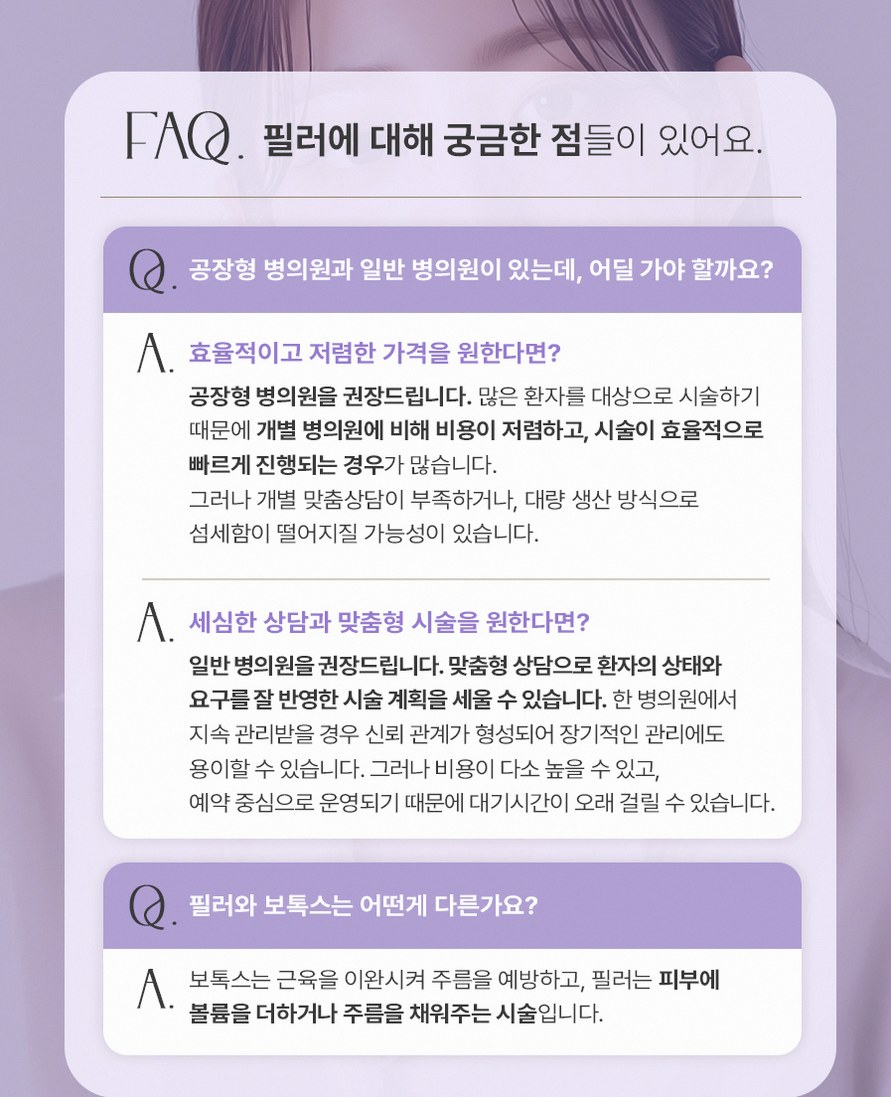
Chin filler typically lasts longer than filler in more mobile areas like the lips. Many hyaluronic acid fillers in the chin last around 9 to 18 months, while some collagen‑stimulating fillers can last longer, depending on the product and your metabolism.
You may consider a touch‑up when you notice the projection or definition gradually decreasing, often before the filler has fully disappeared. Your doctor can suggest a personalized maintenance schedule based on your response.
Can chin filler really make my face look slimmer or more V‑shaped?
Chin filler can contribute to a slimmer, more V‑shaped appearance by projecting and refining the chin tip, which changes the way the lower face is framed. However, the effect depends on your overall bone structure, fat distribution, and skin laxity.
For some patients, combining chin filler with jawline contouring or skin tightening devices gives a more noticeable V‑line effect than filler alone. An in‑person assessment is needed to understand what is realistic for your face.
Is chin filler painful, and how long does the procedure take?
Most patients describe chin filler as mildly uncomfortable rather than very painful. Numbing cream and, in some cases, local anesthesia injections are used to reduce discomfort. Many fillers also contain a small amount of anesthetic within the product itself.
The injection part of the procedure usually takes around 10 to 20 minutes, though the full visit, including consultation, planning, and numbing, may take longer. You can normally leave the clinic shortly after the treatment.
What are the risks of chin filler, and how are complications handled?
Common short‑term effects include swelling, redness, bruising, and tenderness, which usually settle within days. Rare but serious risks include vascular compromise, skin necrosis, infection, and nodules.
Clinics reduce these risks by using appropriate filler types, understanding chin anatomy, and applying careful technique. For hyaluronic acid fillers, hyaluronidase can be used to dissolve the product if needed. If any concerning symptoms appear, prompt review and treatment are important.

Can chin filler be dissolved or reversed if I do not like the result?
If a hyaluronic acid filler was used, it can usually be dissolved with an enzyme called hyaluronidase. This allows partial or complete reversal of the result if there is an aesthetic issue or a complication.
Collagen‑stimulating fillers are not reversed in the same way, so they require more cautious planning and are often recommended for patients who already have experience with fillers and understand how their face responds.
Is it safe to combine chin filler with jawline filler, Botox, or lifting treatments?
Chin filler is often combined with other treatments such as jawline filler, lifting threads, or energy‑based tightening devices to improve overall facial balance. In some cases, muscle‑relaxing injections in the masseter area may also be used to soften a wide lower face.
The safety and timing of combination treatments depend on your individual anatomy and medical history. Many doctors prefer to stage procedures or plan them in a sequence to monitor your response and reduce risk.

Soft call to action for online consultation
If you are considering chin filler in Seoul and would like a tailored assessment of your profile and lower face, you can start with an online consultation. By sharing clear photos and your treatment goals in advance, the medical team can suggest whether chin filler alone or a combination plan may suit you, and help you plan your visit to Cheongdam near Apgujeong Rodeo Station.
This article is for general information only and does not replace a personal consultation or medical diagnosis. Suitability for chin filler, choice of products, and treatment plans should always be decided in direct discussion with a qualified doctor who has examined you in person.
- 공유 링크 만들기
- X
- 이메일
- 기타 앱


댓글
댓글 쓰기