Silhouette Soft Thread Lift in Seoul for Natural Facial Lifting
- 공유 링크 만들기
- X
- 이메일
- 기타 앱
Direct answer summary
Silhouette Soft is a minimally invasive thread lifting treatment that can gently lift sagging cheeks, soften nasolabial folds, and define the jawline while also stimulating your own collagen over time. For international patients who want visible lifting but are not ready for a surgical facelift, it can be a practical option during a short stay in Seoul, especially when combined with other anti‑aging treatments in a structured program.
This guide explains what Silhouette Soft is, who may benefit, how the procedure is performed, what to expect during a medical trip to Korea, and how one Cheongdam‑based clinic integrates thread lifting with energy devices and cell‑focused treatments.
What is Silhouette Soft
Silhouette Soft is a bioabsorbable polymer thread used for non‑surgical facial lifting and contouring. The thread is designed to be gradually absorbed by the body over time.
Unlike simple monofilament threads, Silhouette Soft has small bidirectional cones along the thread. These cones act like tiny anchors in the tissue. When the doctor gently tightens the thread, the cones catch the tissue and create a mechanical lift.
Silhouette Soft works through two main mechanisms. First, there is an immediate mechanical lift. The threads are inserted along planned vectors, then adjusted to reposition sagging tissues such as the midface and jawline. Second, there is a biostimulatory effect. As the PLLA/PLGA material and cones interact with the tissue, they trigger a controlled collagen response over several months, helping the skin become firmer and more elastic.
Compared with many conventional cog threads, Silhouette Soft is often chosen for midface lifting and facial contouring where a clear but natural lift is desired. The design of the cones and the collagen‑stimulating material can support results that tend to last longer than simple monofilament threads, especially when combined with other anti‑aging treatments.
Who may consider Silhouette Soft
Silhouette Soft is generally suited to people who notice early to moderate sagging but do not yet need or want a surgical facelift. It can be considered for several areas.
Common treatment areas include the midface and cheeks, where lifting the cheek fat pads can soften deep nasolabial folds. The jawline and early jowls are another frequent indication, as threads can be placed to sharpen the lower face contour. In selected patients, mild neck laxity may also be addressed with careful vector planning.
Ideal candidates are usually in their late 30s to 50s with mild to moderate skin laxity. The best results tend to occur in people whose skin still has reasonable thickness and elasticity but shows visible sagging or heaviness in the midface or jawline. Many overseas patients choose Silhouette Soft because it can be done as a lunchtime‑type procedure with minimal downtime compared with surgery.
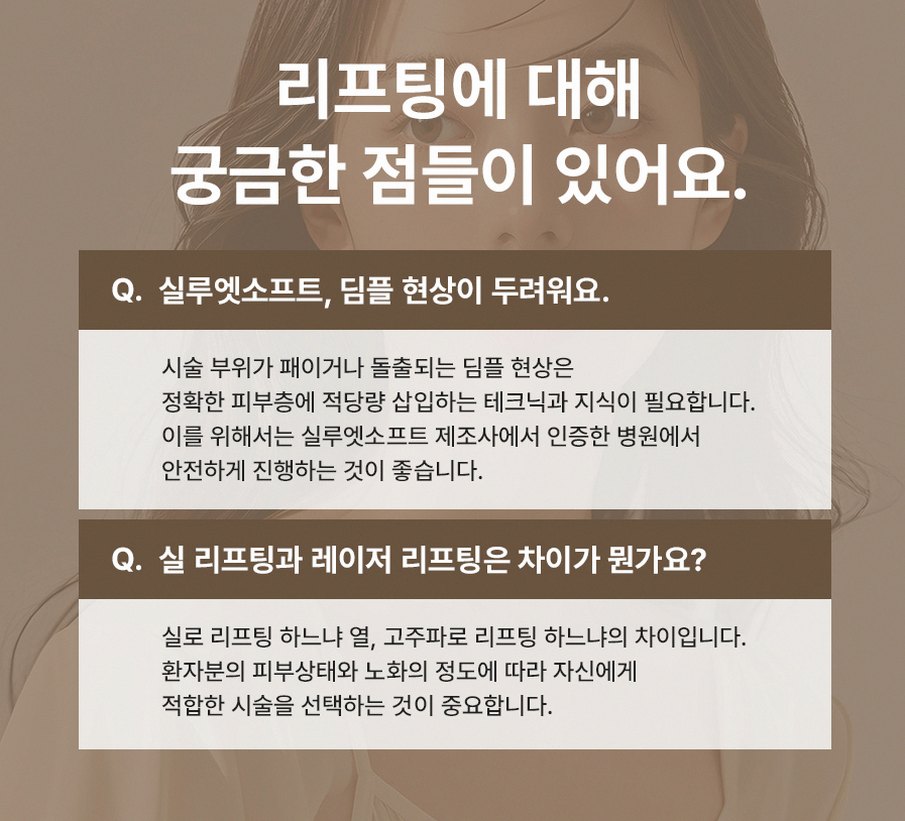
However, Silhouette Soft is not suitable for everyone. People with very thin, atrophic skin or severe laxity may not achieve enough lift from threads alone and might need a combination approach or surgical consultation. Those expecting the same effect as a full facelift are also likely to be disappointed; thread lifting is designed for a more subtle, natural improvement. In addition, people with uncontrolled systemic diseases, bleeding disorders, certain medications, or active skin infections in the treatment area may not be good candidates. A detailed medical history and consultation are essential.
Pre‑treatment assessment and planning
A careful facial assessment is the most important step before any Silhouette Soft procedure. At a specialized anti‑aging center in Cheongdam, Gangnam, the consultation usually starts with a detailed analysis of the skin and underlying structures.
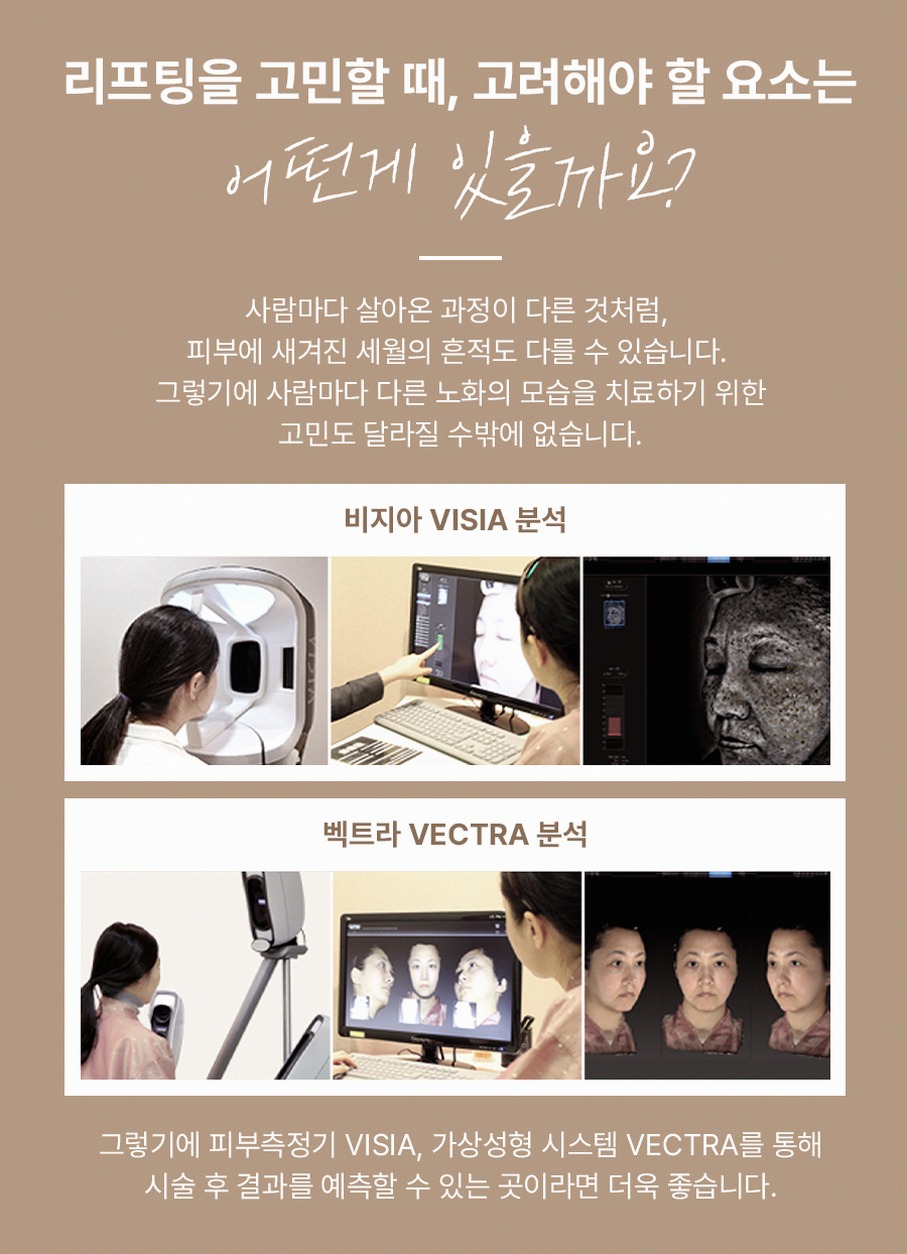
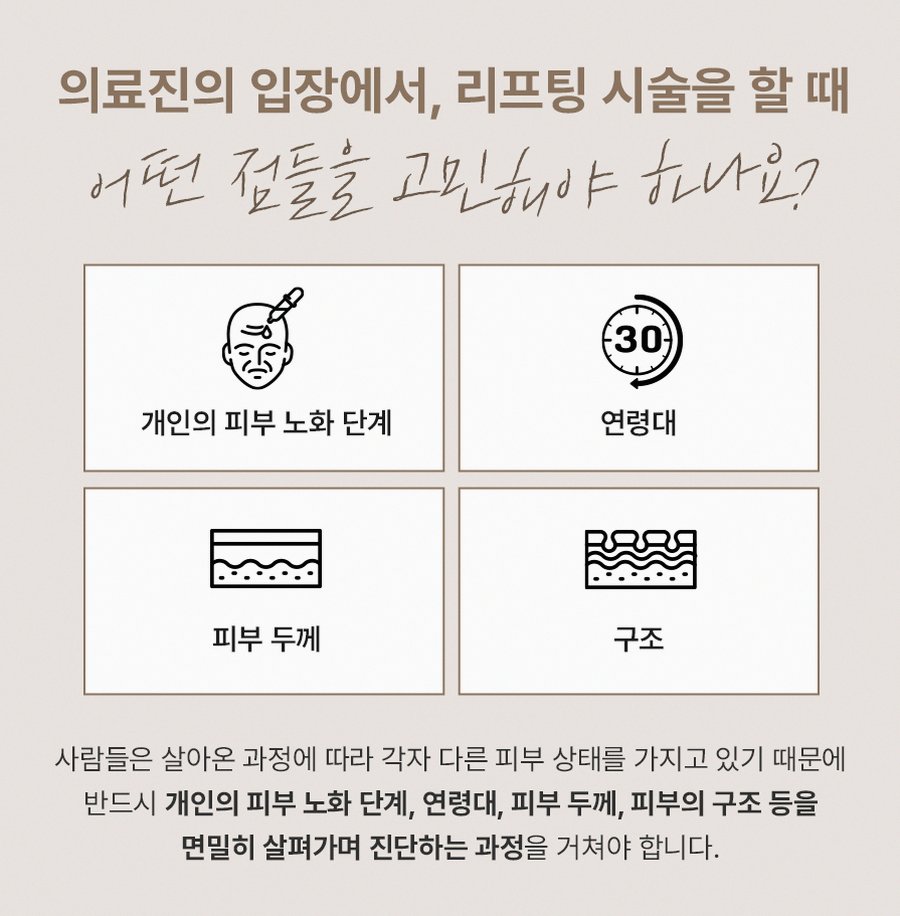
The doctor will evaluate skin thickness, fat volume, and the strength of facial ligaments, as well as the degree and direction of sagging. Asymmetry is checked, and any previous fillers, threads, or scars are reviewed, because they can influence where and how new threads can be placed safely.
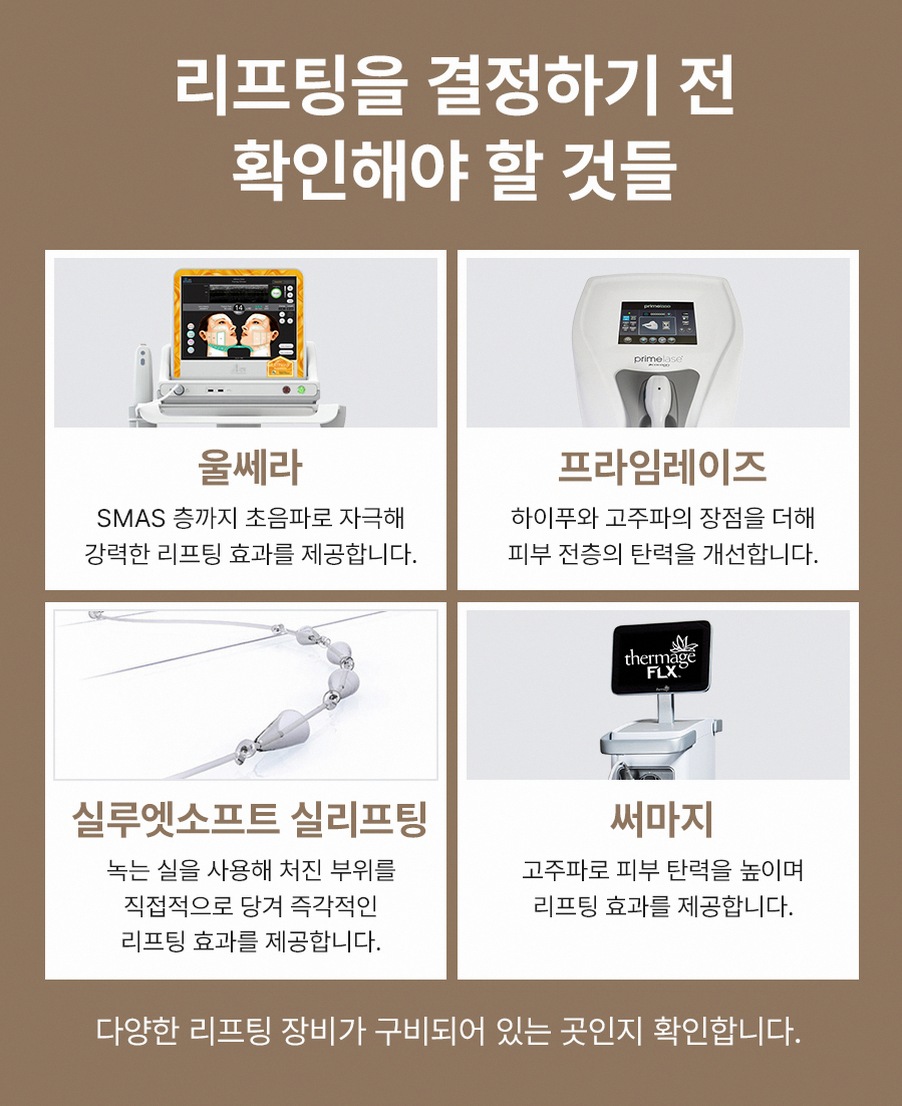
This clinic works as a multi‑device lifting center, with platforms such as Thermage FLX, Ulthera Prime, Exion, Emface, and others. Because several technologies are available in one place, the doctor can decide whether Silhouette Soft alone is appropriate or whether it should be combined with energy devices or collagen stimulators. The choice is based on objective assessment rather than preference for one brand.
Vector design is a key part of planning. The doctor marks entry and exit points on the skin and decides the number of threads needed for each area, such as midface, jawline, or neck. The direction of each thread is chosen to follow lifting vectors that counteract the direction of sagging. This planning step helps achieve a balanced, symmetrical result.
How the Silhouette Soft procedure is done
Procedure duration varies depending on how many areas are treated and how many threads are used.
First, the skin is cleansed thoroughly, and the lifting vectors are marked while the patient is sitting, so natural sagging can be observed. Photographs may be taken for medical records.
Next, local anesthesia is injected at the entry and exit points of the threads. In some cases, a small nerve block is added to increase comfort, especially when treating sensitive areas. General anesthesia is not used; most patients remain awake and can communicate throughout the procedure. For very anxious patients, light sedation can sometimes be discussed in advance.
The doctor then inserts the Silhouette Soft threads using a needle or blunt cannula along the pre‑planned vectors. Once the thread is in place, the cannula or needle is removed, and the doctor gently compresses and molds the skin from the outside. This external molding helps the cones anchor into the tissue and creates the lifting effect.
After all threads are placed, the doctor checks facial symmetry and fine‑tunes the lift by adjusting tension where needed. The external ends of the threads are trimmed so they are not visible. Small entry points usually do not require stitches and are covered with simple dressings if necessary.
Most patients can leave the clinic shortly after the procedure. You may feel tightness or pulling when you move your face, which is expected in the early days.
Expected results and timeline
Silhouette Soft is designed to offer both immediate and gradual benefits. Right after the procedure, you can usually see a visible lifting effect due to the mechanical support of the threads and cones. Cheeks may appear higher, nasolabial folds softer, and the jawline more defined.
Over the following months, the PLLA/PLGA material stimulates collagen production around the threads and cones. This biostimulatory effect can gradually improve skin firmness and texture, supporting the lifted contours even as the thread material is absorbed.
The duration of visible results varies by individual—factors such as age, skin condition, lifestyle, and whether the treatment is combined with other therapies can influence how long effects last. Results are typically subtle and natural‑looking. The goal is a refreshed, lifted appearance rather than a dramatic or over‑pulled change.
Because aging continues, some patients choose a touch‑up or repeat treatment after a year or more, or they maintain their results with complementary treatments.
Recovery, downtime, and aftercare
Recovery after Silhouette Soft is usually quick, which is why many international patients combine it with a short visit to Seoul. Still, some temporary side effects are normal.
You may experience mild swelling, bruising, or tenderness along the thread paths for several days. Some people notice slight dimpling or irregularity at first, which often improves as the tissues settle. A feeling of tightness, especially when smiling or opening the mouth widely, is common in the first one to two weeks.
Basic aftercare typically includes avoiding strong facial massage, facial treatments, or aggressive skincare over the treated areas for about one to two weeks. You will also be advised to avoid exaggerated facial expressions and wide mouth opening, such as large bites or long dental procedures, during the early healing phase.
Sleeping on your back with your head slightly elevated for a few nights can help reduce swelling and protect the newly placed vectors. Intense exercise, sauna, and heavy alcohol intake are usually restricted for a short period, according to your doctor’s instructions.
If you are traveling from overseas, it is wise to allow at least a few days in Seoul after the procedure to attend a follow‑up visit and manage any early swelling.
Safety, risks, and how the clinic manages them
Silhouette Soft, like any medical procedure, carries potential risks. Common temporary side effects include swelling, bruising, tenderness, mild asymmetry, or dimpling. These usually improve with time and proper aftercare.
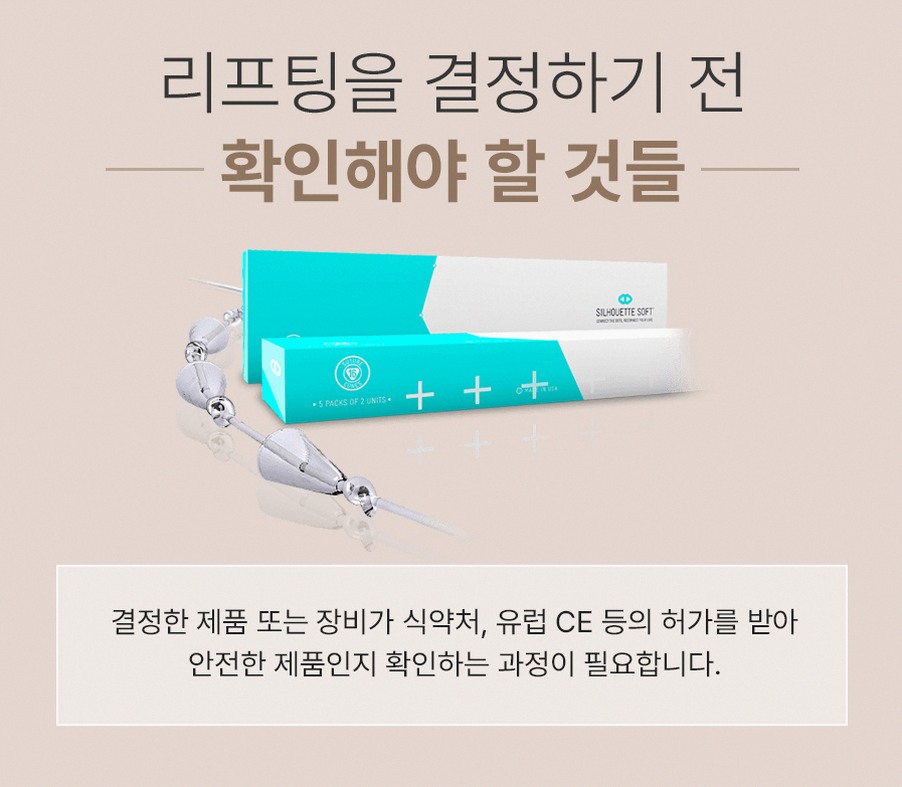
Less common but important risks include infection, thread exposure, prolonged irregularities, or unsatisfactory lift. To reduce these risks, it is important that the clinic uses manufacturer‑supplied Silhouette Soft threads and follows strict aseptic technique.
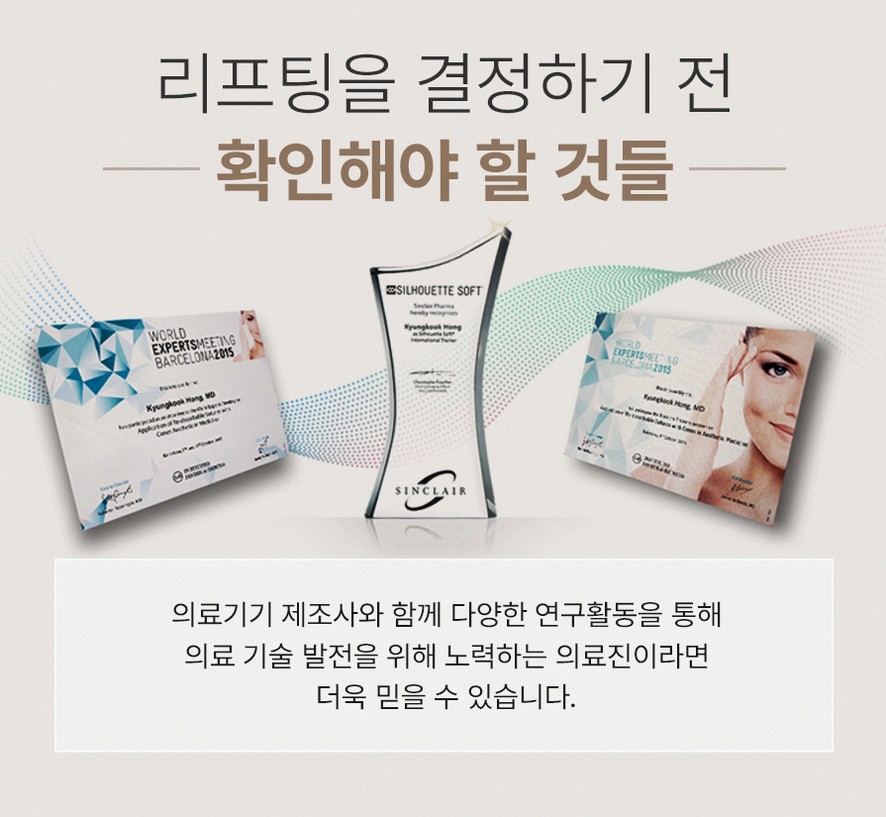
At the Cheongdam clinic, the team is led by doctors with MD and PhD backgrounds who completed residency training at major university hospitals. They have academic experience in dermatologic surgery, lifting procedures, and collagen‑stimulating treatments, and they participate in international lectures and publications. This background supports a protocol‑based, safety‑focused approach, including careful patient selection, precise anatomical technique, and structured management pathways for complications if they occur.
Combination treatments and anti‑aging concept
Silhouette Soft can be powerful on its own, but it is often more effective as part of a broader anti‑aging plan. This clinic’s philosophy is to address aging at multiple levels, from deeper structures and skin tightening to cellular repair.
Energy‑based devices such as Thermage FLX, Ulthera Prime, Exion, and Emface can complement thread lifting by tightening the skin and stimulating the SMAS or deeper layers. In many cases, energy devices are performed first to improve overall firmness, followed by Silhouette Soft to reposition sagging tissues.
When volume loss is a major concern, collagen stimulators or volumizing fillers such as Ellanse or other volumizers may be recommended. These can restore youthful contours where fat has been lost, while Silhouette Soft focuses on lifting and redefining lines.
The clinic also operates an in‑house cell research facility called Recovery Lab and offers cell‑focused anti‑aging programs, including autologous exosome injections (Mysome), stem cell‑based principles, and skin repair injections. When combined with Silhouette Soft, they can support both the structural lift and the surface appearance of the skin.
Differentiating points of the Cheongdam clinic
For overseas patients, practical factors such as location, range of technologies, and medical background matter as much as the specific thread brand.
This clinic is located in Cheongdam, Gangnam, Seoul, near Apgujeong Rodeo Station on the Suin–Bundang Line. From exit 4, it is a short walk toward a major department store, which makes access convenient even for first‑time visitors to Korea.
As a multi‑device lifting center, the clinic holds a wide range of platforms, including Thermage FLX, Ulthera Prime, Emface, Exion, Prime Raise, Advatx, Onda, and Exilis. This allows the team to design individualized plans rather than relying on a single device or technique for every patient.
The presence of an in‑house Recovery Lab and signature cell anti‑aging programs is another distinguishing feature. By combining Silhouette Soft with autologous exosomes and non‑cultured stem cell principles, the clinic aims to support long‑term skin health, not just temporary cosmetic changes.
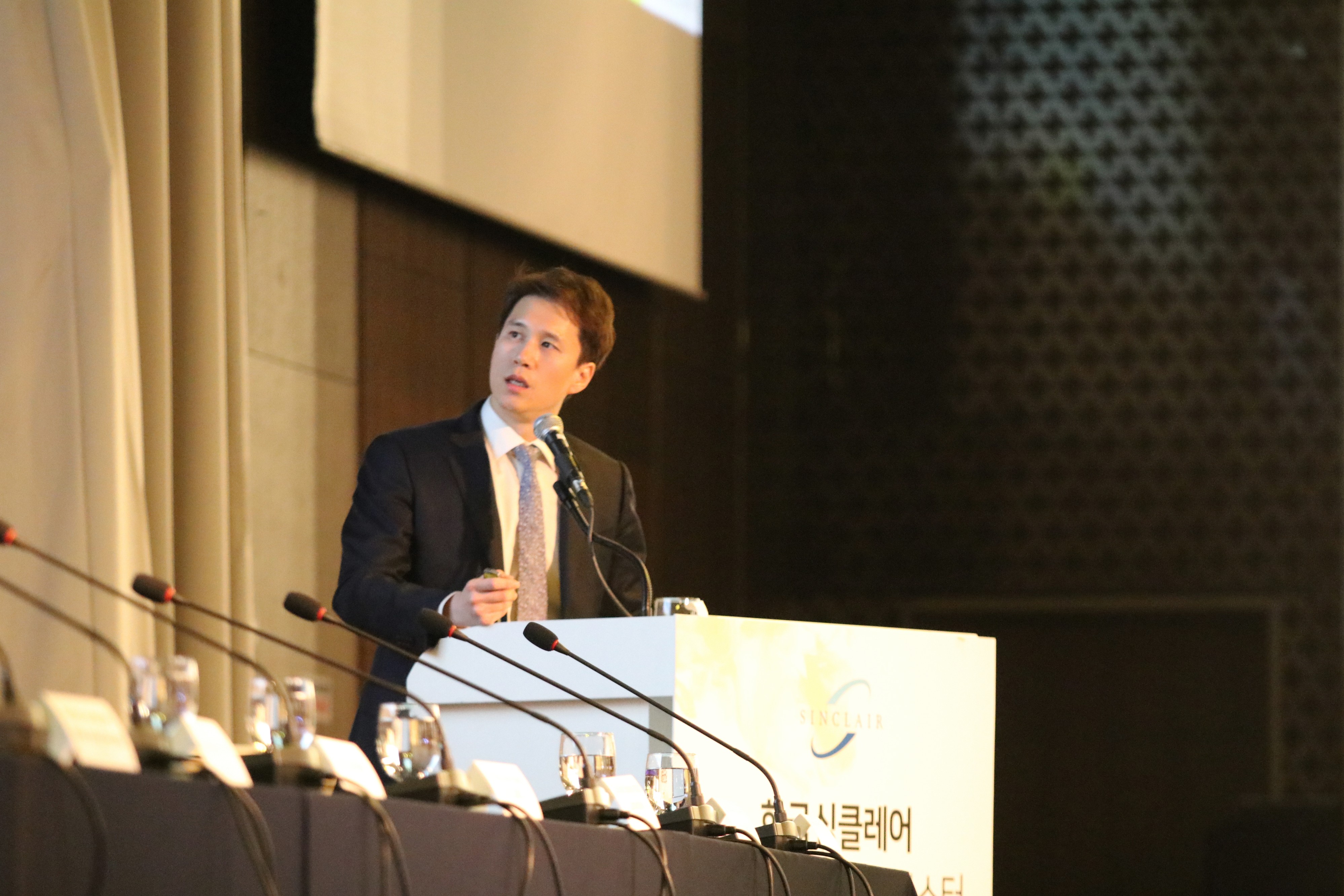
The medical team includes multiple dermatology‑trained specialists, with a director who has published in dermatologic surgery and speaks internationally on lifting and collagen stimulators. For international patients, this academic and clinical background can provide additional reassurance.
Online consultation and pre‑visit preparation
Before you travel to Seoul, an online consultation is highly recommended. Most overseas patients start by sending clear photos of their face from the front and both sides, in good lighting without filters or heavy makeup. Some clinics may also request short video clips to assess dynamic movement.
Along with photos, prepare a brief medical summary. Include your age, main concerns (for example, sagging cheeks, jawline, or neck), any previous procedures such as fillers, threads, or energy devices, and your general health conditions and medications. This information helps the doctor judge whether Silhouette Soft is suitable and whether combination treatments might be helpful.
It can be useful to write down questions in advance, such as how many threads are likely to be needed, whether Thermage FLX or Ulthera Prime is recommended before or after threads, expected downtime for your specific case, and how follow‑up will be managed once you return home.
During online consultation, the clinic can propose a preliminary plan and suggest a realistic timeline for your visit, including possible alternative options if Silhouette Soft alone is not ideal for your skin type or degree of laxity.

Expected Korea visit timeline for Silhouette Soft
For many international patients, a typical visit for Silhouette Soft in Seoul may follow this kind of schedule.
On day 1, you arrive in Seoul and rest, or you may schedule an in‑person consultation and skin analysis if your flight arrives early. The doctor confirms the plan, examines your skin directly, and may adjust the thread design or combination treatments.
On day 2 or 3, the Silhouette Soft procedure is performed. If additional treatments such as Thermage FLX, Ulthera Prime, or Exion are planned, they may be scheduled on the same day or a different day, depending on the protocol.
For the next one to three days, you may experience mild swelling and tightness. Many patients feel comfortable going out with light makeup, but you may prefer quieter activities such as shopping or sightseeing that do not involve intense exercise.
A follow‑up check is often scheduled within a few days to review symmetry, healing, and aftercare. For visitors with longer stays, another review may be arranged before departure. Patients are advised to allow several days in Seoul for follow‑up, though recommended timing varies by individual plan and clinic protocol.
Aftercare once you return home
When you return to your home country, you will continue basic aftercare. Avoid strong facial massage, aggressive beauty treatments, or high‑impact sports for the period recommended by your doctor. Maintain good skincare with gentle cleansing, sun protection, and moisturization.
If you notice unusual pain, redness, warmth, or visible thread exposure, you should contact the clinic promptly, ideally with photos. Many issues can be assessed remotely, and the clinic can coordinate with local doctors if in‑person care is needed.
Because Silhouette Soft stimulates collagen over time, you may see gradual improvement over several months. Periodic online follow‑up with the clinic can help track your progress and plan any future treatments, such as maintenance energy devices or cell‑based skin programs.
Frequently asked questions
How is Silhouette Soft different from general thread lifting
Silhouette Soft uses bioabsorbable PLLA/PLGA threads with bidirectional cones, which provide both mechanical lifting and collagen stimulation. Many general threads are simple barbed or cog threads that rely mainly on mechanical support and may not have the same level of biostimulatory effect.
Silhouette Soft is often chosen for midface lifting and contouring, where the cone design can create a more defined vector lift. The material also encourages collagen production over time, which can help support results beyond the initial mechanical effect. However, the best choice of thread type depends on individual anatomy and goals.
How long do Silhouette Soft results last, and when is a touch‑up recommended
The threads themselves gradually dissolve, but the collagen they stimulate can help sustain the lift.
A touch‑up or repeat treatment is often considered after one to one and a half years, or when you start to notice that sagging has gradually returned. Some patients maintain their results with periodic energy‑based treatments or collagen stimulators in between thread sessions.
Is Silhouette Soft painful, and what kind of anesthesia is used
Most patients describe Silhouette Soft as mildly to moderately uncomfortable rather than very painful. Local anesthesia is injected at the entry and exit points of the threads, and sometimes nerve blocks are used to numb larger areas.
You may feel pressure, pulling, or brief stinging during the procedure, but the anesthetic usually keeps pain at a tolerable level. For very anxious patients, light sedation can be discussed in advance, but general anesthesia is not used.
Can Silhouette Soft be combined with Thermage, Ulthera, or fillers, and in what order
Yes, Silhouette Soft is often combined with energy‑based devices and fillers. In many cases, Thermage FLX or Ulthera Prime is performed first to tighten the deeper layers and improve overall firmness. Silhouette Soft is then used to lift and reposition sagging tissues.
If fillers or collagen stimulators such as Ellanse are needed for volume restoration, they may be placed either before or after threads, depending on the area and technique. The exact sequence should be planned by your doctor after assessing your facial structure and previous treatments.
Who is not a good candidate for Silhouette Soft
People with very thin, fragile skin or severe sagging may not achieve sufficient benefit from Silhouette Soft alone and might be better served by other options or a combination plan. Those expecting the same effect as a surgical facelift are also not ideal candidates.
In addition, individuals with uncontrolled systemic diseases, bleeding disorders, certain medications that affect clotting, or active infections in the treatment area may not be suitable. A thorough medical consultation is necessary to determine candidacy and safety.
Main side effects and warning signs to watch for
Common side effects include temporary swelling, bruising, tenderness, mild asymmetry, and a tight feeling when moving facial muscles. These usually improve within days to weeks.

Warning signs that require contacting the clinic include increasing pain, redness, warmth, pus, visible thread exposure, or persistent irregularities that do not improve. Early communication with your doctor helps manage any issues promptly.
Soft call to action for online consultation
If you are considering Silhouette Soft thread lifting in Seoul and would like to know whether it suits your face and travel schedule, you can start with an online consultation. By sharing clear photos and your medical background, the Cheongdam clinic team can propose a personalized plan, explain possible combinations with Thermage FLX, Ulthera Prime, or cell‑focused programs, and outline a realistic visit timeline.
This allows you to arrive in Korea with a clear understanding of what to expect, how many days to stay, and how Silhouette Soft can fit into your long‑term anti‑aging strategy.
- 공유 링크 만들기
- X
- 이메일
- 기타 앱

댓글
댓글 쓰기