Under-eye fat repositioning: risks & recovery
- 공유 링크 만들기
- X
- 이메일
- 기타 앱
Under-eye fat repositioning is designed to soften eye bags and dark grooves (tear troughs), but it remains surgery in a very delicate area. Most people experience temporary swelling, bruising, and mild discomfort that usually resolve within one to two weeks. Less commonly, complications can include infection, prolonged swelling, asymmetry, hollowing, or changes in eyelid position. Serious problems affecting the eye itself are rare, particularly when the procedure is carefully planned and — in a well-equipped clinic.
What is under eye fat repositioning
Under eye fat repositioning is a lower eyelid procedure that aims to smooth the transition between the lower eyelid and the upper cheek.

Instead of simply removing the fat that causes eye bags, the surgeon gently releases and moves the protruding fat pads to fill the hollow tear trough area. By using your own fat in this way, the goal is to reduce puffiness and shadows while avoiding a hollow or over operated look.
The surgery can be done through two main approaches:
Transconjunctival approach: the incision is made on the inside of the lower eyelid. This avoids an external scar and is often used when the main problem is fat bulging, with relatively good skin quality.
Subciliary approach: the incision is made just below the lower lash line. This allows access to the fat pads and also makes it possible to remove or tighten a small amount of skin if there is laxity or fine wrinkles.
Your surgeon will choose the approach based on your anatomy, skin laxity, wrinkle pattern, and whether you need additional skin tightening or lifting.
Who may consider under eye fat repositioning
Under eye fat repositioning may be considered if you have:
Visible under eye bags that make you look tired even when you are rested
A deep tear trough or groove between the lower eyelid and cheek
Dark shadows under the eyes mainly due to contour, not only skin pigmentation
A generally healthy eye surface and eyelid function
It is usually more suitable for adults who have stable eye health and realistic expectations. If your main concern is only mild darkness or fine lines without true fat protrusion, non surgical options such as fillers, energy based tightening, or regenerative injections may be discussed as alternatives.

Common early side effects after under eye fat repositioning
In the first days after surgery, several reactions are expected and usually temporary. Knowing what is normal can reduce anxiety.
Swelling and bruising
Swelling and bruising around the lower eyelids and upper cheeks are almost universal after under eye fat repositioning. They typically:
Peak around day two to three
Gradually improve over seven to fourteen days
May take several weeks to fully settle in sensitive individuals
Bruising can move downward with gravity, so some discoloration may appear on the upper cheek as you heal. Healing speed varies with age, skin type, and general health.
Mild pain, tightness, or foreign body sensation
You may feel:
A tight or pulling sensation in the lower eyelids
Mild to moderate soreness
A feeling of having something in the eye area
These symptoms are usually well controlled with oral pain medication prescribed by the surgeon and the use of cold compresses in the first couple of days, as instructed. Pain that suddenly worsens or is associated with vision changes is not typical and should be checked urgently.
Temporary dryness, tearing, or light sensitivity
Because the eyelids help spread tears and protect the eye surface, swelling and manipulation during surgery can cause:
Dryness or grittiness in the eyes
Reflex tearing
Sensitivity to light
Artificial tears and protective ointments may be recommended, especially at night. These symptoms usually settle as swelling decreases and eyelid function normalizes.
Early complications that need medical attention
While most early changes are expected, some problems require prompt review.
Infection
Infection is uncommon but possible. Warning signs include:
Increasing redness and warmth around the incision or eyelid
Worsening pain after an initial improvement
Pus like discharge
Fever or feeling generally unwell
If you notice these, you should contact your clinic immediately. Early treatment with appropriate antibiotics usually controls the problem and helps protect both the eyelids and the eye.
Hematoma (collection of blood)
A hematoma is a collection of blood under the skin or deeper tissues. It may cause:
Sudden or rapidly increasing swelling
Tense, painful eyelids
Marked asymmetry between the two sides
In severe cases, especially if there is pressure on the eye, urgent treatment is needed to protect vision and tissue. This is one reason why you are usually advised to avoid heavy lifting, bending, or rubbing the eyes in the early postoperative period.
Allergic reactions
Some patients may react to medications, ointments, tapes, or dressings. Signs include:
Itching or rash around the eyes or on the face
Swelling that extends beyond the surgical area
Red patches or hives
If you suspect an allergy, inform your clinic so that the product can be stopped or changed and appropriate treatment given.
Aesthetic and functional complications in the short to mid term
As healing progresses, the focus shifts from immediate recovery to the final aesthetic and functional outcome.
Asymmetry
Mild asymmetry is common in the early weeks because swelling is rarely identical on both sides. This usually improves as the tissues settle.
Persistent asymmetry after several months of healing may appear as one side remaining puffier, more hollow, or with a different contour. In some cases, minor revision surgery or non surgical options such as fillers can be considered to refine the balance.

Under correction
Under correction means that some under eye bags or grooves remain because not enough fat was released or repositioned, or because the original problem was more severe than expected.
This can be disappointing but is generally less difficult to correct than over correction. Depending on the situation, options may include touch up surgery, additional fat repositioning, or complementary treatments to improve skin and contour.
Over correction or hollowing
Over correction occurs when too much effective volume is removed from the under eye area. This can lead to:
A sunken or hollow look
Sharper shadows under the eyes
A more tired or aged appearance than before
Mild cases may improve as swelling resolves and tissues relax. More significant hollowing may require secondary procedures such as fat grafting, fillers, or revision of the previous surgery.
Irregular contour or lumpiness
Uneven distribution of fat can cause:
Ridges or visible lines
Small bumps or irregularities along the eyelid cheek junction
Some irregularity is common in the early stages and often smooths out over several weeks to months as swelling subsides and tissues remodel. If it persists, options such as minor revision, fat adjustment, or filler smoothing can be discussed.
Prolonged edema or long lasting swelling
In some patients, swelling lasts longer than expected. This may be related to:
Lymphatic congestion
Individual tissue response
Underlying health conditions
Management can include gentle massage as advised, time, and sometimes additional treatments. Persistent or one sided swelling should be evaluated to rule out other causes.
More serious or long term complications
These complications are less common but important to understand before deciding on surgery.
Ectropion or lower lid retraction
Ectropion refers to the lower eyelid turning outward, while lower lid retraction means the eyelid is pulled downward. Both can result in:
More of the white of the eye being visible
Dryness, irritation, or tearing
A feeling that the eye is not closing completely
Risk factors include significant pre existing skin laxity, excessive skin removal, scarring, or inadequate support during healing. Early management may involve massage, taping, lubrication, and close follow up. In more persistent cases, revision surgery or tightening procedures may be needed.
Scleral show
Scleral show occurs when more of the white part of the eye below the iris is visible than before. It may be:
Purely aesthetic in mild cases
Associated with dryness, foreign body sensation, or tearing in more pronounced cases
Treatment depends on the cause and severity and may range from observation and lubrication to surgical adjustment.
Visible scarring or pigment changes
When an external incision below the lashes is used, a fine scar is usually present but often becomes difficult to notice over time. However, some patients may develop:
Thicker or more visible scars
Hyperpigmentation (darkening) or hypopigmentation (lightening) along the incision
These changes are more likely in darker skin types, with significant sun exposure, or in individuals prone to strong scarring. Sun protection and scar care are important, and additional treatments may be considered if needed.
Sensation changes
Temporary numbness, tingling, or altered sensation in the lower eyelid or upper cheek can occur due to manipulation of small sensory nerves. This usually improves gradually over months. Persistent changes are less common but can occur.
Very rare but serious risks
Although extremely uncommon, serious complications can include:
Damage to eye structures or vision
Severe infection around or inside the eye
Vascular complications affecting blood flow
These risks underline the importance of having the procedure in a facility equipped for eye area surgery, with surgeons who are familiar with periorbital anatomy and emergency management.
Factors that influence side effect risk
Not everyone has the same risk profile. Several factors affect the likelihood and type of side effects.
Individual anatomy
Key anatomical points include:
Skin thickness and elasticity
Degree of existing laxity or sagging
Amount and position of lower eyelid fat pads
Bone structure of the eye socket and cheek
Eye shape and position
These features influence both the surgical plan and the risk of issues such as lid retraction or irregular contour.
Age and skin quality
Older patients or those with very loose skin may not achieve optimal results with fat repositioning alone. In such cases, combining the procedure with skin tightening, lifting, or resurfacing may be considered to support the eyelid and reduce the risk of downward pulling.
General health and lifestyle
Smoking, uncontrolled diabetes, bleeding disorders, and medications that affect clotting can all increase the risk of bleeding, infection, and delayed healing. Your surgeon will usually ask about:
All medications and supplements
Past medical and surgical history
History of keloids or problematic scars
You may be advised to stop certain medications, avoid smoking, and optimize health conditions before surgery.
Surgical plan and technique
Important technical choices include:
Incision type: inside the eyelid vs just below the lashes
How the fat is released, repositioned, and fixed in place
Whether additional procedures such as skin excision, laser, or lifting are combined
A conservative, customized approach often helps balance improvement with safety.
Surgeon experience
Experience with lower eyelid anatomy, fat repositioning techniques, and complication management is a key factor. Surgeons who regularly perform eye area procedures are generally more familiar with subtle variations in anatomy and with strategies to prevent and handle problems.
Prevention and risk reduction
You cannot completely eliminate risk, but you can significantly reduce it through careful preparation and choice of clinic.
Thorough preoperative assessment
A detailed evaluation should include:
Examination of eyelid position, laxity, and muscle tone
Assessment of tear trough depth and fat distribution
Review of eye surface health and dryness
Identification of any pre existing asymmetry
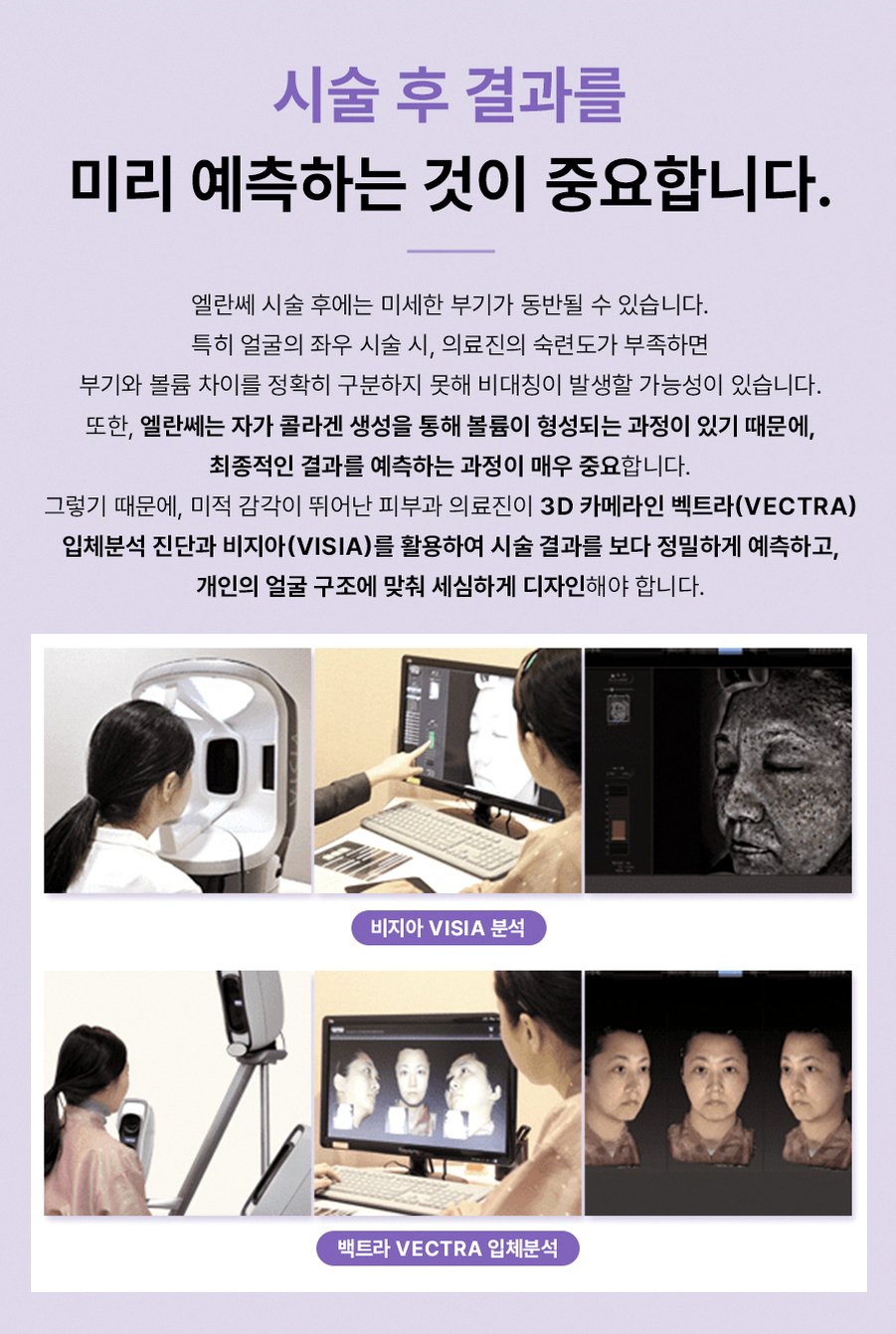
This helps the surgeon predict potential challenges and plan a safe, realistic procedure.
Realistic goal setting
It is important to understand that the aim is improvement, not perfection. Overly aggressive attempts to remove every line or shadow can increase the risk of hollowing, lid malposition, and other complications.
Customized surgical design
A tailored plan might include:
Choosing internal vs external incision based on skin and wrinkle pattern
Adjusting the amount of fat mobilization
Combining or staging complementary treatments such as skin tightening or resurfacing rather than doing everything at once
Intraoperative care
Gentle tissue handling, precise control of bleeding, and secure fixation of the repositioned fat all contribute to smoother recovery and a lower chance of hematoma, irregularity, or shifting of fat.
Postoperative instructions
Following instructions closely is one of the most effective ways patients can help themselves. Common recommendations include:
Sleeping with the head elevated for several days
Using cold compresses in the early phase as directed
Avoiding rubbing, pressing, or massaging the eyes unless specifically instructed
Avoiding smoking and alcohol during early healing
Taking prescribed medications on schedule
Postoperative care and when to seek help
Understanding the usual recovery timeline and warning signs can make your experience safer and less stressful.

Typical recovery course
Although every person is different, a general outline is:
First week: swelling and bruising are most noticeable; stitches (if external) may be removed around day five to seven.
One to two weeks: many people feel comfortable returning to light social activities with makeup; residual swelling and mild tightness may remain.
One to three months: contour continues to refine, and most swelling resolves.
Up to six months or more: subtle changes and softening of tissues continue.
Self care tips
You may be advised to:
Sleep on your back with your head elevated on extra pillows
Use prescribed eye drops or ointments to protect the eye surface
Clean the area gently without pulling on the eyelids
Avoid heavy exercise, sauna, and swimming for a certain period
Wear sunglasses outdoors to protect from sun and wind
Red flag symptoms
You should seek immediate medical attention or contact your clinic urgently if you experience:
Sudden vision changes such as blurring, double vision, or loss of vision
Severe, increasing pain not relieved by medication
Rapidly increasing swelling or tightness around the eye
Heavy or continuous bleeding
High fever or feeling very unwell
Marked asymmetry that appears suddenly
Follow up visits
Regular follow up allows the surgeon to:
Check wound healing and eyelid position
Identify early signs of complications
Guide you on massage, scar care, and activity level
Discuss any concerns about symmetry or contour
For overseas patients, it is important to clarify how many days you should stay in Korea after surgery and how online follow up will be handled once you return home.
How a specialized anti aging and eye area clinic can help
A clinic focused on anti aging and facial contouring, such as Clinique hus,hu in Cheongdam, Gangnam, typically places strong emphasis on the delicate eye area.
Such clinics often:
Have medical staff experienced in periorbital anatomy and lower eyelid procedures
Use a range of devices and treatments, such as energy based lifting, skin resurfacing, and regenerative injections, which can be combined or staged with surgery
Operate in house regenerative therapy programs that may support skin quality around the eyes before or after surgery
When choosing a clinic in Seoul, consider:
Medical qualifications and specific experience with under eye fat repositioning
Clear explanation of risks, benefits, and alternatives
Structured preoperative evaluation and postoperative follow up
Availability of support for overseas patients, including online consultations and English communication
Alternatives and revision options
Non surgical or less invasive options
For mild under eye concerns, alternatives may include:
Fillers to soften grooves and shadows
Energy based tightening to improve mild laxity
Regenerative injections or skin treatments to improve texture and fine lines
These options can be helpful when fat protrusion is minimal. However, when there is significant eye bag formation, they usually cannot fully replace surgery.
Revision surgery
If, after adequate healing time, there is significant asymmetry, hollowing, or lid malposition, revision under eye fat repositioning or adjunctive procedures may be considered. Revision surgery is usually planned only after tissues have stabilized, often several months after the initial operation.
Preparing for an online consultation and your visit to Korea
Before traveling, an online or video consultation can help you and the clinic decide whether under eye fat repositioning is appropriate and what risks apply to you.
Pre visit preparation
You may be asked to provide:
Clear front and side view photos of your face in good lighting
Information about your eye health, previous eye or eyelid procedures, and general medical history
A list of medications and supplements you take
Your main concerns and what changes you hope to see
Questions to prepare for consultation
To better understand side effects and safety, you can ask:
What are the most common side effects in patients like me, and how long do they usually last?
What is my personal risk of complications such as lid retraction, hollowing, or asymmetry?
Which incision approach do you recommend for me, and why?
How long should I stay in Korea after surgery for safe follow up?
How will postoperative care and emergency contact work once I return home?
Expected Korea visit timeline
While details vary by clinic, a typical schedule for overseas patients might be:
Day 1: in person consultation, eye and eyelid examination, preoperative tests
Day 2: surgery and immediate postoperative monitoring
Days 3 to 7: follow up visits for wound checks, stitch removal if needed, and management of swelling and bruising
After day 7: many patients can travel home, provided the surgeon confirms that healing is stable and there are no concerning signs
Your clinic may adjust this timeline based on your healing, travel plans, and any additional treatments.
Frequently asked questions about under eye fat repositioning side effects
Are under eye fat repositioning side effects common, and which ones happen most often?
Most patients experience some degree of swelling, bruising, and mild discomfort after under eye fat repositioning, and these are considered normal early side effects. Temporary dryness, tearing, or light sensitivity are also relatively common. More serious complications such as infection, hematoma, or lid retraction are much less frequent, especially with careful planning and experienced surgeons, but they are important to discuss during consultation.
How long do swelling and bruising usually last after under eye fat repositioning?
Swelling and bruising typically peak in the first few days and then gradually improve over one to two weeks. Many people feel comfortable returning to light social activities within this period, sometimes with the help of makeup. Subtle residual swelling and contour refinement can continue for several weeks to months, so final results are usually judged after a longer healing period.
Can under eye fat repositioning make my eyes look hollow or older?
Hollowing can occur if too much effective volume is removed or if the repositioned fat does not adequately support the under eye area. This can create a sunken or more aged appearance. Careful preoperative assessment, conservative planning, and an emphasis on natural contour rather than extreme flattening help reduce this risk. If hollowing does occur, options such as fat grafting, fillers, or revision surgery may be considered.
What can be done if I am not satisfied with the result or have asymmetry?
Mild asymmetry is common in the early stages and often improves as swelling settles. If, after sufficient healing time, you remain unhappy with the contour or notice significant asymmetry, your surgeon can discuss options such as minor revision, additional fat adjustment, or complementary non surgical treatments. It is important to wait until tissues have stabilized before making final decisions about revision.
How do I know if my symptoms are normal recovery or a complication?
Normal recovery symptoms include gradually improving swelling, bruising, mild discomfort, and temporary dryness or tearing. Warning signs of possible complications include sudden vision changes, rapidly increasing pain or swelling, heavy bleeding, pus like discharge, high fever, or eyelid position changes that worsen rather than improve. If you are unsure, it is always safer to contact your clinic and ask for guidance.
What should I ask during consultation to reduce the risk of side effects?
You can ask about your personal risk factors, such as skin laxity, eye shape, or medical conditions, and how they affect the surgical plan. Request an explanation of which approach will be used, what side effects are most likely in your case, and how they will be managed. It is also helpful to clarify the expected recovery timeline, follow up schedule, and how to reach the clinic quickly if you have concerns after surgery.
Soft call to action for overseas patients
If you are considering under eye fat repositioning in Korea and are concerned about side effects, an online consultation with an eye focused clinic in Cheongdam, Gangnam can be a practical first step. By sharing photos and medical information in advance, you can receive a personalized assessment of your risks, realistic expectations, and a proposed treatment and follow up plan.
If you are planning a visit to Seoul, you can contact the clinic in advance to discuss timing, preoperative evaluation, and postoperative support.
This article is for general information only and does not replace a personal consultation or medical examination. Individual risks and outcomes vary, and all decisions about surgery should be made in direct discussion with qualified medical professionals.
- 공유 링크 만들기
- X
- 이메일
- 기타 앱


댓글
댓글 쓰기